Director: Martin Campbell
Writer: Neal Purvis, Robert Wade, Paul Haggis
Stars: Daniel Craig, Eva Green, Judi Dench
Synopsis: After earning a licence to kill, secret agent James Bond sets out on his first mission as 007. Bond must defeat a private banker funding terrorists in a high-stakes game of poker at Casino Royale, in Montenegro.
Back in 2006, the James Bond franchise was at a crossroads. With the departure of Pierce Brosnan in the title role and shifting audience desires, Casino Royale was forced to burden the heavy expectations to propel Bond into the 21st century. The resulting film still stands as one of the best among the 26 films in the series.
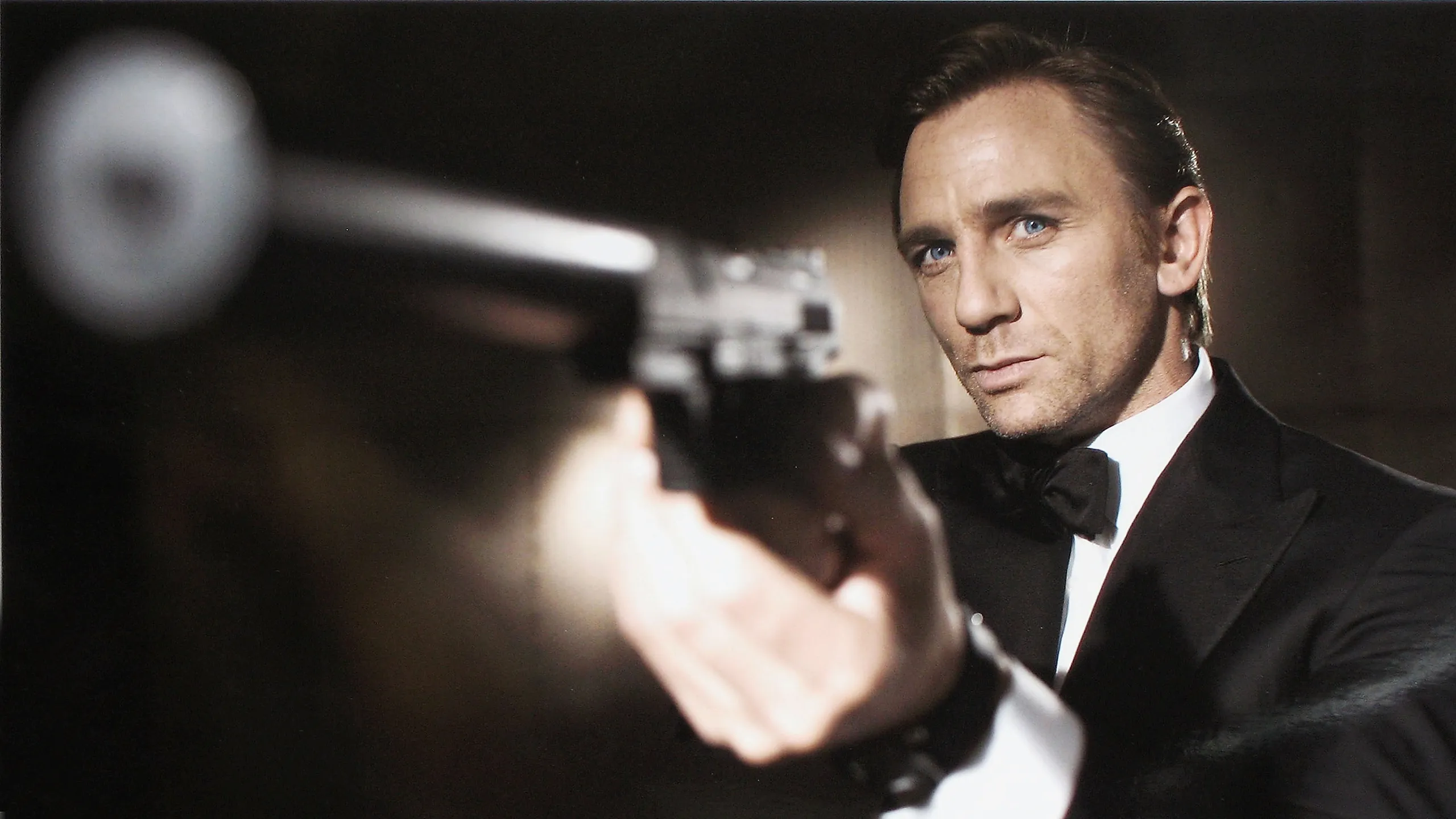
It’s easy to forget how controversial Daniel Craig’s casting was at the time. He was largely unknown, not the prototypical Bond type, and most importantly…he was blonde (gasp). Luckily, the Bond team knew what they had in Craig and surrounded him with director Martin Campbell, who previously reinvigorated the franchise in 1995 with Goldeneye, gave us one of the all-time Bond girls in Eva Green, brought back Judi Dench as M, and even introduced American audiences to Mads Mikkelsen as the villain.
As the final installments of the Brosnan Bond films became increasingly comical and preposterous, producer Barbara Broccoli decided Bond needed a new tone. While initially scripted by longtime Bond writers Neal Purvis and Robert Wade, Million Dollar Baby writer Paul Haggis was brought on to bring it more down to earth. Gone are the complex gadgets, flying cars, and otherworldly villains. Hand-to-hand combat, manipulation, and realistic scenarios take their place.
The film’s opening minutes immediately set your expectations. Set in black-and-white, Craig’s Bond engages in a brutal bathroom fight, intercut between his stately and composed conversation (and eventual execution) with a traitorous station chief. The scene is punctuated by the trademark Bond whip around hip shot, complete with the gun-barrel spotlight, directly into Chris Cornell’s rock-heavy guitar riff of the film’s theme song: “You Know My Name.” That’s one hell of a way to get started.
Right off the bat, you know the tone the film and Craig intend to maintain. There might be some refinement as a part of the job, but this bond is more than willing to get his hands dirty and lean into the more psychopathic tendencies of the character. In the aforementioned opening, instead of the constant editing and cutaways that were in vogue for action movies at the time, Craig is seen utilizing his physicality in full frame. The confidence of the filmmakers to have Bond cold-bloodedly kill two people in the first four minutes sets the film off running. This film quickly establishes: things are going to be different.
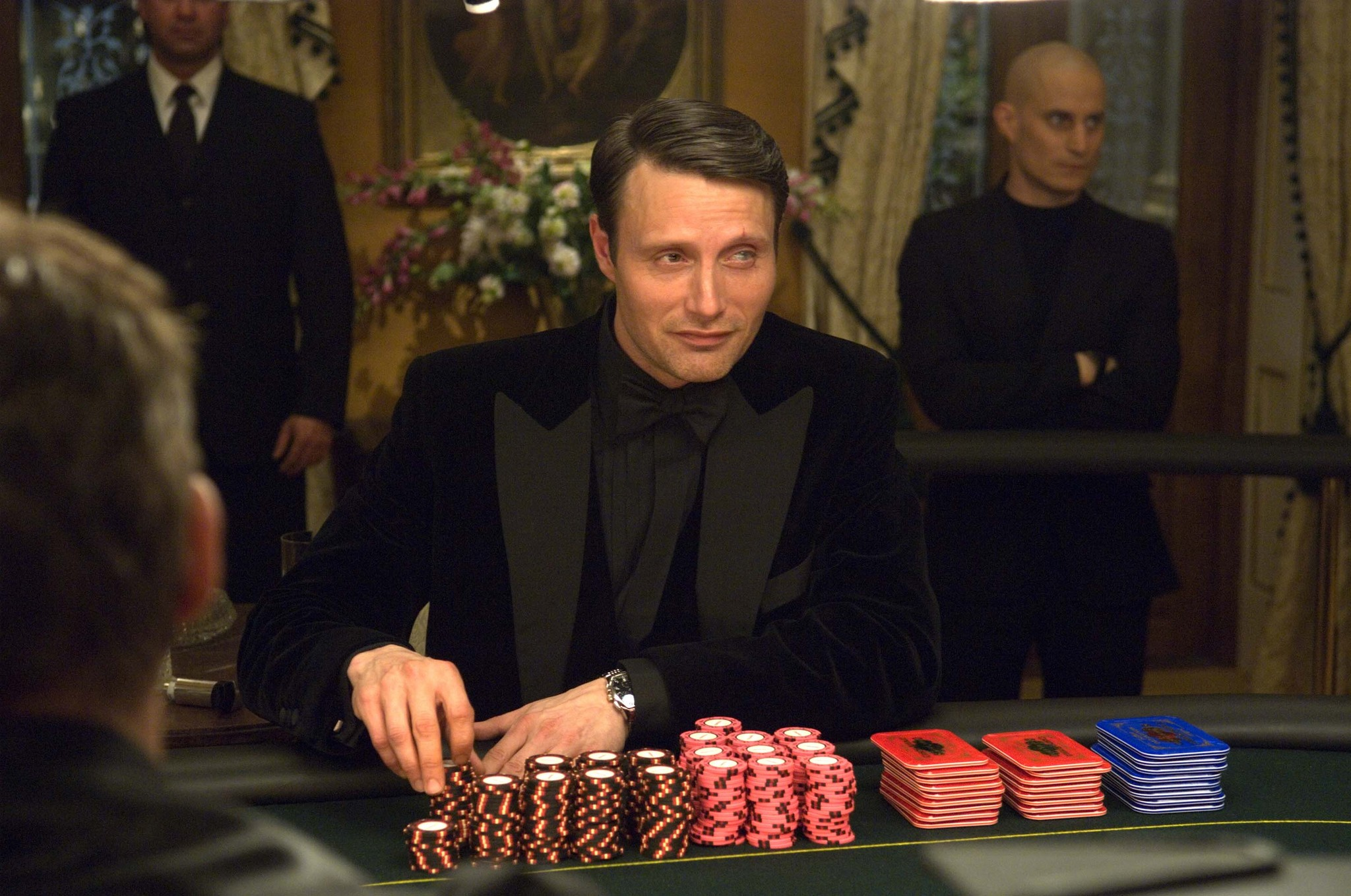
With the benefit of hindsight, we can see this film as the template for all Bond films going forward. A more grounded narrative, a more emotionally complex Bond, well-rounded characters on the outskirts, performed with charisma and style. The argument could be made for Skyfall, Craig’s third go-around as Bond, as the pinnacle of the series, but that film never happens with the initial installment. Everything Skyfall did just added an auteur’s eye to the Bond template originally established with the Craig series. There may not be Oscar winners behind the camera, but Casino Royale has filmmakers who know what this franchise needed going forward and delivers in every way it can.
For a film at over 2 hours and 20 minutes, it certainly doesn’t skimp on the action. Actions scenes include a memorable parkour chase through a construction site in Madagascar, a hand-to-hand battle in a stairwell, an airport chase to stop a bomb, an Aston Martin flipping over a (at the time) world record amount, and a climatic chase/shootout in the buildings of Venice. But the film excels in the quieter moments as well. Vesper experiences some well-deserved post-traumatic stress by showering fully-clothed. Bond joins her in the shower, not to seduce, but to comfort and de-escalate.
Prototypical Bond elements are smartly subverted, especially Mikkelsen’s La Chiffre. Historically, Bond antagonists have some overly convoluted plan to take over the world for their own nefarious purposes. La Chiffre is much more of a middle man, playing as an independent banker to terrorists. His goals are purely financial in order to continue his enterprises. M states as much to Bond, hoping to turn La Chiffre and have him give up his backers. Frankly, he’s small potatoes. That’s not to discount Mikkelsen’s performance. He keeps everything understated, sweaty, and reserved. Outside of a bleeding tear duct, he is still a pretty normal looking guy.
Even the Bond film legacy of a male gaze has its own subversions. Craig famously emerges from the ocean waves, toned and glistening, wearing tiny shorts. This seems like a direct rebuke to a similar scene by Halle Berry from 2002’s Die Another Day. Again, the filmmakers establish how things are going to be different going forward.
Green’s Vesper is a complete breath of fresh air for the franchise. Not only is she stunningly beautiful, she is shown as Bond’s intellectual equal, if not his superior. She is capable, complex, and guarded. It also helps that her side plot is the driving force for Bond’s actions going forward in the series. Between Vesper’s characterization and Green’s level-headed performance, plus a palpable chemistry with Craig, Vesper will stand the test of time as one of the best Bond girls.
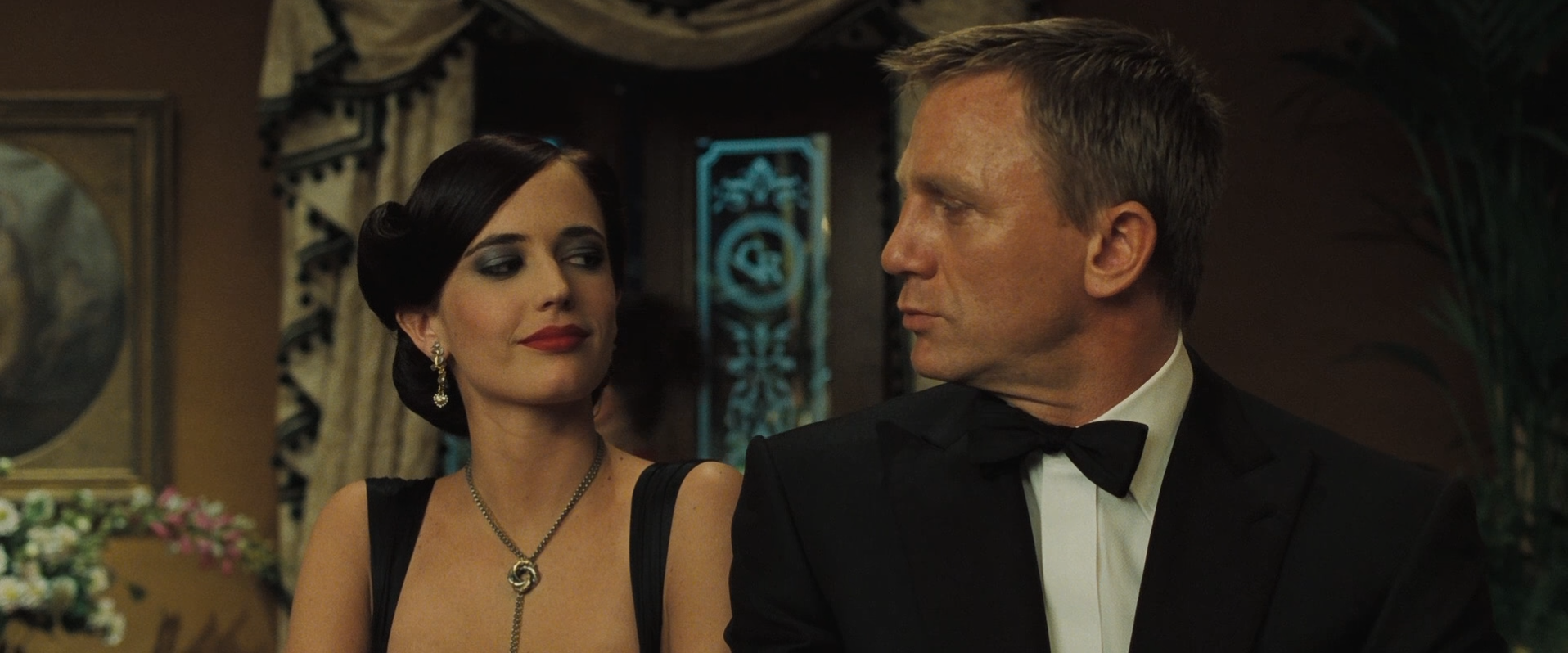
Other memorable characters include Giancarlo Giannini’s dubious middle-man Mathis, Caterina Murino as the doomed secondary Bond girl, Ivana Milicevic as La Chiffre’s paramour, Tobias Menzies as M’s secretary, and Jeffrey Wright’s Felix Leiter, Bond’s American compatriot. The entire cast is as fully committed as the film is to the end goal of Bond’s journey.
Casino Royale is the Bond film with everything. 20 years later and it still has the same impact and claim as one of the all-time entries in the franchise.