


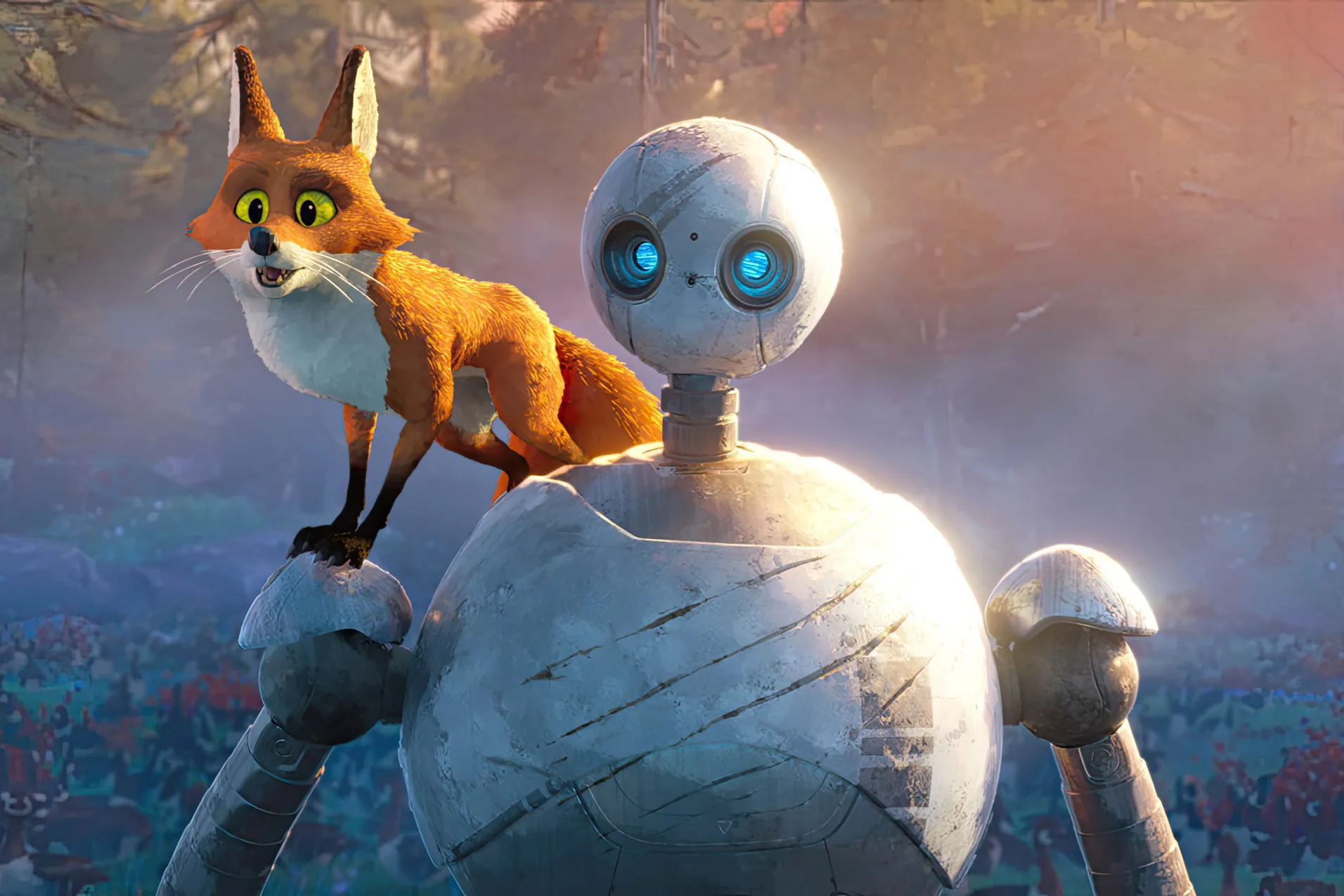
2024’s The Wild Robot was the last film fully animated in-house at DreamWorks’ Glendale campus. The film was a hit, making over $300 million at the box office, and the sequel, The Wild Robot Escapes, was announced earlier this year. The tender story of a robot becoming a surrogate mother for a runt-of-the-litter goose earned three Oscar nominations: Best Animated Feature, Best Original Score, and Best Sound. It almost became a storybook ending for the animation studio that won the first-ever Best Animated Feature Oscar in 2002 when Shrek took the award all the way back to his swamp, but Flow, the little Latvian cat that could, pounced in and ripped the win away from the major studio. Now just two years after The Wild Robot, DreamWorks is looking to make a go at Oscar glory once again with their newest film, Forgotten Island.
It’s safe to say that Spider-Man: Into the Spider-Verse’s Best Animated Feature win not only sparked a change in what films win this award – out with the Disney/Pixar behemoth and in with new and innovative animated features and studios – but it also sparked a change in what type of animation audiences wish to see. Co-directors Januel P. Mercado and Joel Crawford implemented more of the bright and colorful 3D and 2D animation for Puss in Boots: The Last Wish (which was also nominated for this award) that is becoming a staple of Sony Pictures Animation films, and they incorporate it once again with Forgotten Island – which makes sense given that Sony Pictures Imageworks assisted on several scenes of the movie. In his review for InSession Film, M.N. Miller writes, “We are talking a heavy ‘90s graphic-design and street-art aesthetic, with multiple examples of anime and manga homages, along with traditional hand-drawn animation and highly stylized 3D CG, all masterfully evoking different characters’ emotions and memories.” This style has been highly successful at the Academy Awards: Sony Pictures Animation went from 2 total nominees until Into the Spider-Verse, and since has earned four nominations and two wins, most notably last year’s KPop Demon Hunters. While Forgotten Island is not a Sony Pictures film, its use of the studio’s near-calling-card animation style puts it in good company with the types of movies we have seen awarded.
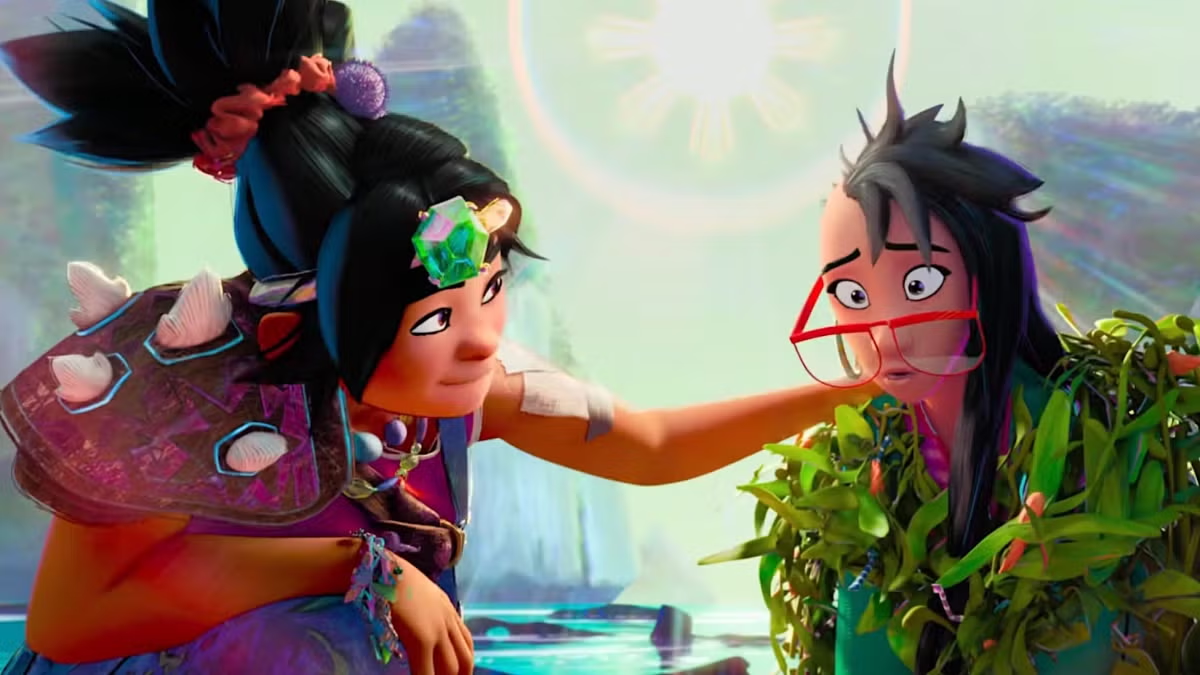
However, its love and care for the Filipino community also make Forgotten Island an intriguing threat in this race. In another line of Miller’s review, he writes that the film has strong Philippine themes, saying it does this while “…folding in the tradition of passing down Philippine mythology, including the Manananggal, close-knit family bonds, and culturally specific imagery.” Whether tied to the film’s themes – like Encanto, The Boy and the Heron, or KPop Demon Hunters – or the filmmaker(s) themselves – such as Guillermo del Toro for his version of Pinocchio or Latvia embracing Gints Zilbalodis’s success with Flow – the past five winners in this category have had international appeal in some way, shape, or form. As we have seen in other Academy Awards categories, the international branch is becoming a more prominent and outspoken voice in determining who becomes the next Oscar winner. The ties to the Filipino community, mixed with the modernly embraced animation style, not to mention the glowing reviews (95% on Rotten Tomatoes), give Forgotten Island a strong chance at not only a nomination, but to win the whole thing.
This doesn’t mean it has an easy path to win, as the race looks to be one of the tightest from top to bottom we have seen in quite some time. No juggernaut like Guillermo del Toro’s Pinocchio or KPop Demon Hunters has taken the race by the horns with no intent to let up, and so far, no heavy favorite or underdog has emerged to create a two-film race to the finish. This is as open a race as there can be, with multiple films contending for both a nomination and a win. One of those is Pixar’s Toy Story 5. While this is the fifth outing from a single franchise, and winning Best Animated Feature as a sequel is rare, this award is no stranger to the Toy Story franchise. The third film in this series not only won this award but was also nominated for Best Picture, and the fourth took home the statue as well. When you factor in that the first two movies in this series were released before there was a specific award for animated films, these wins mean the Toy Story franchise hasn’t missed a Best Animated Feature award it could have won. History would say Toy Story 5 would be a safe bet, but recent history hasn’t been so kind to the Disney/Pixar juggernaut as it once was. Will Woody, Buzz, and the gang skate to victory again, or will the franchise lose for the first time?
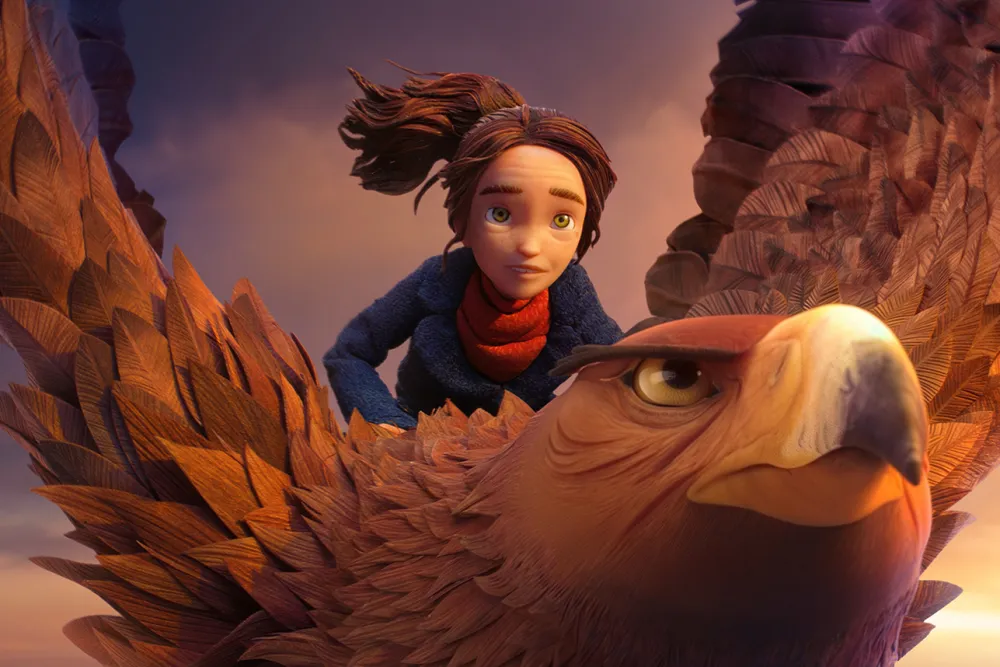
Then you have Wildwood, the newest film from Laika. Laika has had a strong showing in this category, earning six nominations over the years, but has yet to win, and hasn’t been nominated for a film this decade (its last nomination was for 2019’s Missing Link). The Academy isn’t averse to stop-motion animated films, but it also hasn’t been consistently kind to the style, with 2005’s Wallace & Gromit: The Curse of the Were-Rabbit and 2022’s Guillermo del Toro’s Pinocchio as the only two stop-motion films to win this award. However, it seems the craft behind an animated film can be as important as the film itself, as highlighted by Flow, an indie production made entirely in the free software Blender. The team at Laika has not shied away from highlighting the stop-motion aspect of the film, plastering the creative process in the film’s marketing and trailers, and, with the newfound respect that the art form has acquired over the years, this could be a perfect time for a film like Wildwood to etch its name into the history books.
Then there is Netflix and Brad Bird’s Ray Gunn, which might be the biggest wildcard of the bunch. Bird has two wins in this category (2004’s The Incredibles and 2007’s Ratatouille) and three other nominations to his name – one for each of the screenplays for The Incredibles and Ratatouille, and another Best Animated Feature nomination for The Incredibles II. Netflix is no stranger to this award, releasing the current holder, KPop Demon Hunters, and picking up a win for Guillermo del Toro’s Pinocchio. The name recognition and backing are there; however, the first released trailer left a lot to be desired both thematically and stylistically. Still, it is hard to count out a filmmaker and a studio that knows this award, and how to win, well.
This leaves four films in the running for both a nomination and a win, with one final spot remaining. Shaun the Sheep: The Beast of Mossy Bottom could be a contender for this spot, since the previous film in the series, Shaun the Sheep: Farmageddon, earned a nomination. So could Pixar’s Hoppers, which earned higher praise than Toy Story 5, even if it made a fraction of the money? Minions & Monsters served as a love letter to cinema, but will that be enough to make it the first of the franchise to be nominated? There’s also a chance that a film such as IFC’s Tangles or Sony Pictures Classics’ Iron Boy comes from nowhere to fight for a spot in the race. Then there’s Coyote vs. Acme – a film once on the literal chopping block and almost deleted entirely – but will it even be eligible to run? We have seen hybrid films nominated before, with 2021’s Marcel the Shell with Shoes On earning a nomination, but will the heavy use of human actors cause the film to fall under the 75% animated limit? At this point, it is hard to say what the final five will look like, but this year’s race is shaping up to be a sprint to the finish line.
Predicted Nominees:
- Wildwood
- Toy Story 5
- Forgotten Island
- Hoppers
- Ray Gunn
Next Up:
- Shaun the Sheep: The Beast of Mossy Bottom
- Iron Boy
- Tangles
- Minions & Monsters
- Coyote vs. Acme