Home Blog Page 126

Chasing the Gold: Five Oscar Categories ‘Past Lives’ May Compete In Next Year

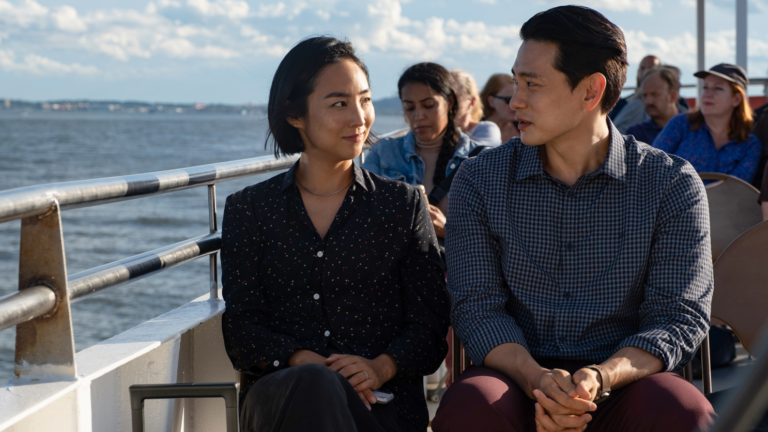
One of the first major Oscar contenders of 2023 is Past Lives, opening in theaters on June 2. Celine Songโ€™s debut film tells the story of Nora (Greta Lee) and Hae Sung (Teo Yoo), who meet in childhood but then are pulled apart when Noraโ€™s family emigrates from South Korea. Twenty years later, they reunite and find out what couldโ€™ve been in their relationship.ย 

The romance drama, which brings to mind Richard Linklaterโ€™s Before trilogy in the way it deals with the passage of time between two people who share a deep connection, was my favorite title at the Sundance Film Festival in January. Past Lives will likely be my favorite movie for all of 2023, its beautiful storytelling and powerful performance still haunting me months later. Iโ€™m excited for more people to discover it, and I canโ€™t wait to see what kind of impact it will have on the next awards season.

A few potential Oscar contenders have been released so far this year, namely Ben Affleckโ€™s drama Air from April, but Past Lives is going to be the first major 2023 release that has the potential to get into major categories at the Academy Awards next year. What are the most likely categories I see Past Lives getting into at the Oscars? Here are five of themโ€ฆ 

1. Best Picture

With ten nominees for Best Picture, you can guarantee that Past Lives will make it into the top category. The A24 release is close to 100% on Rotten Tomatoes and has been getting raves from critics and audiences since its Sundance premiere many months ago. Itโ€™s the kind of deeply emotional story that is going to work its magic on awards voters, and I can see it winning Best Picture from some of the major critic groups at the end of the year. Even if it underperforms on Oscar nominations morning in some of the other categories, I canโ€™t imagine it missing in Best Picture. Itโ€™s one of the most affecting films Iโ€™ve seen in the last five years, and awards voters are going to feel the same way.  

2. Best Actress

The other Oscar nomination I believe with my whole heart will happen is Best Actress for Greta Lee, who is astounding in the role of Nora. A lot of the performance is internal, which might not scream awards to some, but she has a specifically heartbreaking moment at the end, a major cathartic release for her character and for the audience, that will make Lee a major contender for Best Actress. She gives Nora strength and confidence, but also a raw delicateness, her scenes with Teo Yoo as Hae Sung filled with so many complex emotions. She was excellent in Russian Doll and the second season of The Morning Show, but her role in Past Lives is her breakthrough. Look for Lee to make it into the Best Actress final five at next yearโ€™s Oscars.

3. Best Original Screenplay

If Past Lives gets into Best Picture and Best Actress at the 96th Academy Awards as I predict, thereโ€™s no way itโ€™s missing a nod in Best Original Screenplay. Itโ€™s not a showy movie, itโ€™s talky, itโ€™s quiet, itโ€™s not reinventing the wheel, and thus some voters might not put the filmโ€™s original screenplay at the top of their minds. However, the three-act structure implemented by writer-director Celine Song is gorgeously orchestrated; those moments early on with Nora and Hae Sung in childhood having incredibly effective payoffs at the narrativeโ€™s end. Past Lives not getting into Best Original Screenplay would be shocking, especially if it makes it into Best Picture. 

4. Best Supporting Actor

Another performance awards voters are likely going to respond to is John Magaro as Noraโ€™s husband Arthur. The two characters meet and fall in love, and then the way he deals with Hae Sungโ€™s re-entry into Noraโ€™s life is complicated and feels so real moment to moment. He also gives the film some welcome humor and levity, especially toward the end when the emotional stakes couldnโ€™t be higher. Magaro has been consistently excellent throughout the years in Carol, The Big Short, First Cow, and The Many Saints of Newark. Outside of First Cow, Magaro really hasnโ€™t received many nominations from critics or awards bodies, but that I imagine is going to change for his nuanced turn in Past Lives

5. Best Film Editing

A contemporary drama like Past Lives isnโ€™t going to show up in categories at next yearโ€™s Oscars like Costume Design or Production Design, but one technical category I can see it getting into is Film Editing. It doesnโ€™t have flashy editing you always notice, but Academy voters will likely respond to the way the editor Keith Fraase so masterfully plays with passage of time, always keeping the narrative at a steady pace that works wonders for those powerful final scenes. Thereโ€™s also one incredible cut at the end that, sadly, the trailer has already spoiled, but wow, in the moment, itโ€™s a punch to the gut. 

I would also love to see Past Lives get into Best Director for Celine Song, remarkably making her directing debut here, and Teo Yoo for Best Actor, but as of now, the most likely categories we may see the film in next year are Best Original Screenplay, Best Actress, and Best Picture. Iโ€™m not sure if the A24 release will turn into a runaway box office sensation and awards juggernaut like their 2022 title Everything Everywhere All at Once turned out to be, but I have hope, and Iโ€™ll be championing the magnificent Past Lives every step of the way. 

Podcast Review: The Little Mermaid

On this episode, JD is joined by Women InSession co-host Amy Thomasson to discuss Disney’s live-action remake of The Little Mermaid! These Disney remakes haven’t always been great, but there is something about The Little Mermaid that gives it a refreshing quality. And we do our best to articulate why that’s the case.

Review: The Little Mermaid (3:00)
Director: Rob Marshall
Writers: David Magee
Stars: Halle Bailey, Jonah Hauer-King, Daveed Diggs, Awkwafina

Subscribe to our Podcasts RSS
Subscribe to our Podcasts on iTunes
Listen on Spotify
Listen on Stitcher
InSession Film Podcast – The Little Mermaid

Movie Review: ‘The Boogeyman’ is Nearly One Big Clichรฉ


Director: Rob Savage

Writers: Scott Beck, Bryan Woods, and Mark Heyman

Stars: Sophie Thatcher, Chris Messina, Vivien Lyra Blair

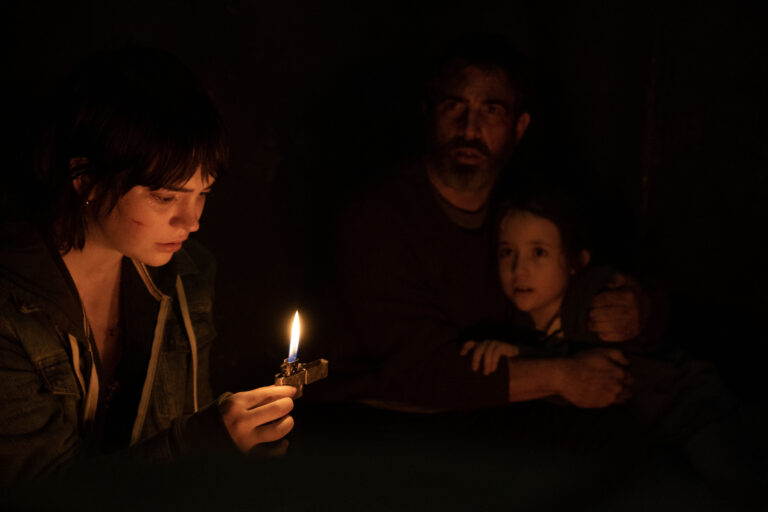
Synopsis: High school student Sadie Harper and her younger sister, Sawyer, are still reeling from the recent death of their mother. They’re not getting much support from their father, Will, a therapist who’s dealing with his own intense pain. When a desperate patient unexpectedly shows up at their house seeking help, he leaves behind a terrifying supernatural entity that preys on families and feeds on the suffering of its victims.


Everything that master horror author Stephen King, who has created classic tales like Carrie, The Shining, and Pet Sematary, doesnโ€™t turn into gold. And although I really respect his constant drive for creating horror stories decade through decade, there have been plenty of lackluster ones. An example is the short story included in Kingโ€™s 1978 โ€˜Night Shiftโ€™ collection, The Boogeyman. The acclaimed genre auteurโ€™s name isnโ€™t enough to excite me to watch a feature anymore. You need a talented director who has their own voice and can translate that story from the pages onto the big screen successfully. I believed Rob Savage was once that director that could bring enough horrific pizzazz onto a project and make it its own, even if itโ€™s an adaptation, because of his hit debut Host, which startled many horror cinema lovers during the pandemic. Unfortunately, the British filmmaker makes a highly disappointing feature that dwells in every genre trope imaginable, making it a tough watch due to its dullness. 

The Boogeyman centers around a sixteen-year-old girl named Sadie (Sophie Thatcher) and her ten-year-old sister, Sawyer (Vivien Lyra Blair), who are struggling to connect and move forward in the wake of their motherโ€™s brutal passing. Their therapist father, Will Harper (Chris Messina), seems to be so isolated emotionally that heโ€™s distant, not only to his patients, but also to his two daughters. After introducing these characters, a cheesy high school bully scene follows, inducing plenty of eye rolls. The dialogue feels that it was generated by an A.I. of some sort. Nonetheless, Sophie heads home after an altercation with the mean girl in the locker near her. And thatโ€™s when a strange man, Lester Billings (David Dastmalchian), knocks on Willโ€™s door, asking him to understand his pain and the belief of a dark entity haunting his daily life. Haunted by the entity that personifies his grief and depression, Lester kills himself at the Harper house, paving the way for the creature to lurk in their hallways. 

Putting all of the cliches aside, the narrative is intriguing enough for the audience to put their attention into. Everything might not be sharply put together until this point, yet you go with it to see where it might lead. Unfortunately, it doesnโ€™t go anywhere interesting. The biggest problem of them all is that The Boogeyman is, in all of its aspects , average and harmless โ€“ never having a unique identity of its own and choosing to go down a route that doesnโ€™t deliver an emotional payoff. I heavily disliked Rob Savageโ€™s previous feature, Dashcam. But, Iโ€™d prefer him to go broader into shlock-like horror cinema โ€“ with buckets of blood being spilled, people throwing up, foul-mouthed characters, and some experimental direction โ€“ because, in those films, he can express himself better as a filmmaker. Unfortunately, in these studio films, Savage is restrained from demonstrating his talents because he has to curate a film that targets the Stranger Things audience.ย 

With The Boogeyman, Savage presents us with one of the most bland and uninspired horror narratives this year. Not even the titular creature has a great design; it feels like a copy of a Demogordon, albeit without the flower-like head and with a more hound look to it. Some of the same problems I had with Scott Dericksonโ€™s The Black Phone, targeted to the same audience as this one, are repeated here. Both films frustratingly rely on the precise Stephen King horror tropes to the point where they are rendered indistinguishable and hollow. This is an issue because you canโ€™t shake the feeling that we have seen this type of film before, and has been done better by filmmakers that make twists to the narrative or, at the very least, develop a unique directorial language to tell a commonly seen tale about the effects of grief and trauma, which seems to be the central theme in most recent big studio horror pictures. 

There are a few instances in which you see Rob Savage trying to breathe life into the film with some flashy lighting and using shadowplay. In those moments, you notice Savageโ€™s gift of providing good scares. Yet, those moments are forgotten by the time the end credits arrive. The performances carry the emotional weight and heart that The Boogeyman has on its sleeve, particularly the leading girl Sophie Thatcher, Chris Messina, and the always fascinating (but ultimately wasted) Marin Ireland. Both Thatcher and Messina portray the drowning sensation grief puts onto you in a way that makes you believe in their pain. The former has several moments where she can express her desire for her mother to return with her facial expressions rather than by dialogue. Ireland has the most superficial role in the film compared with the two aforementioned actors. But sheโ€™s so engaging to watch, no matter the role, that you are excited to see her, even if it is for less than five minutes. 

Nevertheless, the cast can only go as far as the screenplay, rapidly filling in the tension and risk-less blanks. It sometimes feels as if Savage and his team of screenwriters barely want to create an inventive story. Every narrative beat has been seen before multiple times; cliches and tropes of teen-oriented horror pictures are at the forefront โ€“ the unnecessarily mean bully (whom Sadie slaps at one point in the movie and people cheered for some reason), the โ€œyou never listen to meโ€ line and a literal fiery climax. You can see everything coming from a mile away. And since the direction is uninspired, the viewer doesnโ€™t want to engage with whatโ€™s happening. Even when the actors have shared the respective ways they prepared for the role and to connect with them more, Thatcher created a playlist that resembles the feeling of a grief-hardened heart, every cinematic element in The Boogeyman seemed that there wasnโ€™t any care or thought put into it. I have wanted to cheer Rob Savageโ€™s career on since he made one of the very first highly effective pandemic horror films with Host. But, his latter works have made me hopeless to see him in top form again. 

Grade: D

Movie Review: ‘Past Lives’ Offers No Easy Answers


Director: Celine Song

Writer: Celine Song

Stars: Greta Lee, Teo Yoo, John Magaro

Synopsis: Nora and Hae Sung, two deeply connected childhood friends, are wrest apart after Nora’s family emigrates from South Korea. 20 years later, they are reunited for one fateful week as they confront notions of love and destiny.


As humans, weโ€™re only trying to do our best with what weโ€™re given. Choices we make and the people who become a part of our short lives only happen through circumstance, chance, and ultimately, fate. Throughout, people will come and go and love will be had and lost, but the one thing you can never force in this world is fate.

Past Lives starts with our three characters, Nora (Greta Lee), Arthur (John Magaro), and Hae Sung (Teo Yoo) conversing at a bar while onlookers try to guess what their relation to one another is. Without delay, it jumps 24 years into the past to see a younger Nora (then Na Young) and her best friend, a younger Hae Sung. From a young age, the connection the two share is obvious and feels even more than friendship. However, when Na Young has to immigrate with her parents from Seoul to Canada, the bond they share becomes simply a memory.

Fast forward 12 years, and the two reconnect in their 20s after Hae Sung attempts to find Na Young, now Nora, through Facebook. She sees his attempts and reaches out to him looking to rekindle the dying flame. Through emails and plenty of Skype calls back and forth, they pick up as if they had never lost one another and their romance blossoms even more. That is until Nora, heartbreakingly, has to end it between them to focus on her current life, and not dwell in the past. After they end communication, she meets Arthur at a writer’s retreat over the Summer. The bond they share isnโ€™t as quick, or as natural, as the one that is shared between Nora and Hae Sung, but itโ€™s real.

12 years later, Nora and Arthur are now married and living in New York together, and Hae Sung is about to make a trip to see her in person for the first time in 24 years. From the first look shared between them, there is a feeling that is natural yet distant. The quiet walks and time shared feel like everything that should make for a pretty fantastic romance story, but, as shown throughout the film, not all romance is physical, and not all love is acted upon.

In her debut, writer/director Celine Song takes the quiet side of love and fate and creates something full of vibrancy. Her script is subtle, weaving in Nora and Hae Sung’s connections with poignancy, leaving some of the best moments left unsaid rather than spoken. Past Lives revolves heavily around the Korean/Buddhist term โ€œIn-Yun.โ€ As explained in the film, this is an all-encompassing term that references fate or the ties two strangers share throughout their many lives. Sometimes the ties two people share bring them together in a way that is explored in their current life, and sometimes two people can feel so right for each other, but it just isnโ€™t their time yet.

The love between Nora and Hae Sung is there, it is evident in every moment and the glances they share, but sometimes fate just gets in the way. While Songโ€™s script beautifully articulates this notion, itโ€™s her directing that truly shines. Her majestic sense of framing continuously shows how these two are so close to being perfect for one another, but there is constant space between them. Coming from a theater background makes sense given how well she positions her characters to tell a story visually rather than verbally. It might, at times, feel too precise, but it never once feels dull.

Bringing to life this vision are three performances worthy of awards consideration. Greta Lee, John Magaro, and Teo Yoo all find their place in this film. Magaro and Yoo, each playing a different half of Noraโ€™s love. For Yoo, he is the theoretical love, someone who feels comforting to her in a fantastical way. While Magaro is the practical love, the person who is there and is present and makes sense. Each of these men wants what the other person has, and both of them effectively display the struggle that goes on with trying to be the right person for her. However, itโ€™s Greta Leeโ€™s transcendent performance that shines above the rest. Torn in two directions, itโ€™s Lee who constantly has to make the impossible choice. Does she follow her heart or does she listen to fate? Itโ€™s a complex decision, especially in her case, in which one half feels right while the other half is right, and a choice is made near the end that is genuinely heartbreaking.


Thatโ€™s because there are no right answers; no matter the choice made, someone will be hurt. Past Lives tells the story of the โ€œright person, wrong timeโ€ in a gorgeously subtle way. Even if it can be too subtle at times, Songโ€™s writing and directing help display a longingness of wanting to be the perfect person for someone, but fate makes other plans. The trio of actors all give stellar performances but itโ€™s Greta Lee who should be remembered throughout the year. One of the most brutally honest love stories in quite some time.

Grade: B+

Criterion Releases: June 2023

Into the summer we go and here comes the next batch from Criterion. Two films are re-editions, two join the club, and a film director gets a very special box set a lot like his fellow countryman, Federico Fellini. While the re-releases are a 1930s French masterpiece and an eye-popping adventure from a Monty Python member, the two newcomers are a psychosexual drama from Britainโ€™s New Wave and the debut film from an American modernist who stands as one of the best directors of today.


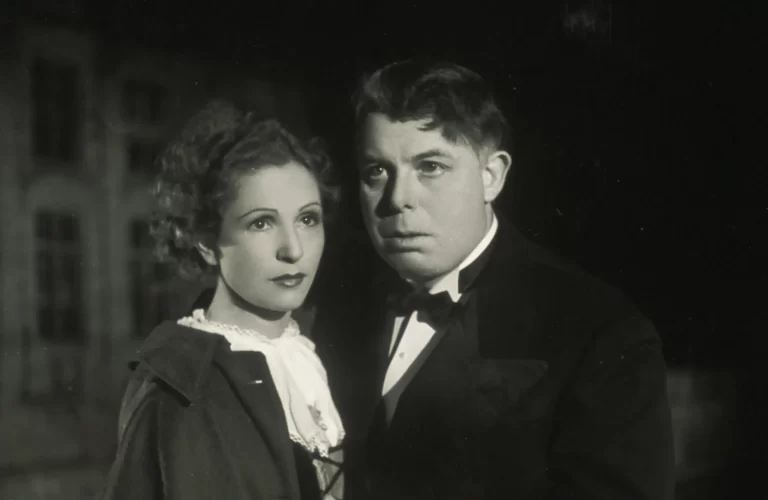
The Rules Of The Game (1939)

One of two re-releases for 4K also comes with a new cover, and I have to say, it speaks out on the era it is from and the formality in which it presents itself. Except, this film is no formality. It is a comedy of manners and it zings the bourgeois heavily, exposing the French upper class as rotten that call out their hypocrisies. For Jean Renoir, who directed and co-starred in this satirical devil of a story, it also looks back on his upbringing as the son of a famous artist and how much he despised the elite he once was part of. Banned and cut, its incredible restoration after the Second World War brings us what Renoir had originally served to unsuspecting viewers.


The Servant (1963)

Legendary writer Harold Pinter scripted this story of class structure through a psychological prism as Dirk Bogarde plays a new servant for a wealthy family. Soon, he becomes a tool in the familyโ€™s personal relationships and even gets to switch roles. The upper-class family being stripped down to unabashed power is disorienting and creates the social monster from its Victorian roots in a decade where such family values fall like dominoes. It was a great vehicle for director Joseph Losey who had been blacklisted from Hollywood and allowed him to instill his leftist views in the story. 


Time Bandits (1981)

The second re-release for 4K is from Terry Gilliam and his magical fantasy tale that cemented his solo directorial skills. With his fellow Monty Python players John Cleese and Michael Palin, Gillamโ€™s creativity went wild in this adventure of a boy and a group of thieves who go through periods of history. Sean Connery, Shelly Duvall, Ian Holm, David Rappaport, Kenny Baker, and Sir Ian Richardson are part of an ensemble that plays along the journey with impressive animation and special effects that fully encapsulated Gilliamโ€™s visions for his future works.


Medicine For Melancholy (2008)

Barry Jenkins showcased his talent with this romantic drama of two people (Wyatt Cenac and Tracey Heggins) who have an affair and spend the day together through Bohemian San Francisco. The story focuses on the identity of Blackness and their social gentrification in a community that is mostly White and how the two see things differently. It is an inner look of being Black, very much like Moonlight and If Beale Street Could Talk, and maximizes the use of shooting on video (with a budget of $15,000) that was a first look at how artistic Jenkins could get with any story anywhere. 


Pasolini 101

I wrote an article about this controversial figure last year, who was unlike anyone that had sat in the directorโ€™s chair before or since. He was flagrant with purpose and his films of the 1960s told the world what he was about. Pasoliniโ€™s films focused on the poor, such as the plight of prostitutes, sex amongst the hierarchy, and the religious quality of life, which is ironic because he was an atheist. But, he was also about attacking Italyโ€™s embedment with capitalism and consumerism, especially by referencing the countryโ€™s past with fascism.

Nine films from the decade are now in one box, from his debut Accattone to his Greek tragedy Madea. The lifelong Communist was not afraid of angering the establishment and his films were always under attack by conservatives as immoral. This group of films spat in the face of the elite (and his final film, Salo, got him killed for it) to pick apart the hypocrisies he saw, and the injustices, and Pasolini turned them inside out to show how corrupt it all was. 


Follow me on Twitter: @brian_cine (Cine-A-Man)

Movie Review: ‘The Machine’ Won’t Be As Memorable as the Viral Video


Director: Peter Atencio

Writers: Kevin Biegel and Scotty Landes

Stars: Bert Kreischer, Mark Hamill, Jimmy Tatro

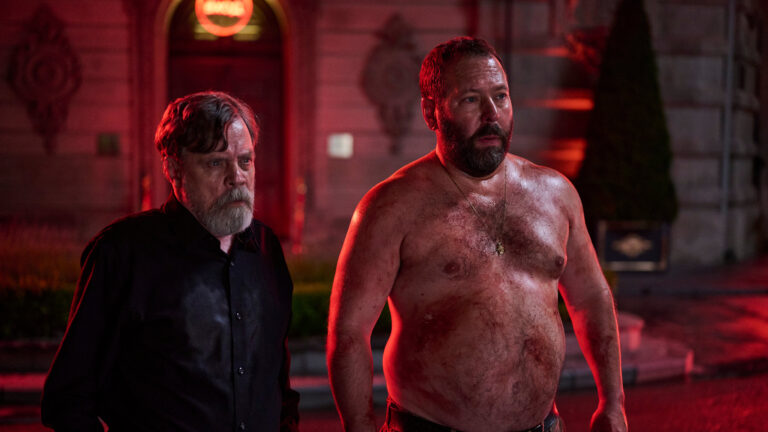
Synopsis: Bert’s drunken past catches up with him 20 years down the road when he and his father are kidnapped by those Bert wronged 20 years ago while drunk on a college semester abroad in Russia.


Something that catches the short attention span of humans in the 21st century will likely be forgotten by the majority of us about an hour after we see it. We’ll see it again when someone shows it to us and we’ll agree with them that it’s a very funny thing. After about five or so viewings, it loses the spark. After a month, it’s likely gone. Then it’s three or four years later and there’s a movie adaptation because a producer saw the story potential and needed the rights to it, but film production is glacial compared to the internet. so It’s far too late. The moment has passed. So, here’s The Machine, a film that expands the world of a very funny story comedian Bert Kreischer tells during his stand up act that was captured on video and went viral.

The story is funny enough. Kreischer is funny when telling it. Yet, this new adventure Bert goes on is just O.K. The reason it never elevates beyond its source material is because it wants to be something more than just a wacky story. There is an emotional throughline in the film that is never earned. At one point Bertโ€™s eldest daughter has an outburst at her birthday party. She starts crying and rather than the scene feeling real, itโ€™s too intimate, too early. It’s stuck to the narrative like gum on a shoe.

This odd feeling is perpetuated by a lack of score in some of the beginning where jokes are supposed to be vulnerable and from a dark place, but fall flat. Without something underneath the tension never resolves. The jokes land with a thud. Theyโ€™re funny and you know theyโ€™re funny, but unlike in the best kinds of cringe comedy, thereโ€™s not that good timing or reaction. Itโ€™s a bit of a Mike Myers effect where in the early scenes Bert has to be the only one whoโ€™s funny and the one who gets the best lines. Without music or a reaction to underscore it, he just looks like a complete jerk.

There are other pieces that don’t really fit as well. It’s mostly the action scenes. They are superbly choreographed and shot very well. They just don’t fit. They feel entirely tacked onto the film like they can be cut out and used for someone’s demo reel. Director Peter Atnecio already has a reputation as an action comedy director, but maybe heโ€™s disappointed Marvel hasnโ€™t brought him on for a project yet. The fight scenes make sense when Bert and Albert (Mark Hamill) get into it with some foes, but there’s no real need for so much Irina (Iva Babic) in full Black Widow mode kicking henchman keister some place else.

What is a delight to see is Mark Hamill. Hamill is so rarely given the opportunity to show off his talent outside of a Star War or some heightened version of himself that he’s a refreshing presence. He’s got such excellent comedic timing and he plays the nitpicking father so well. He’s the highlight of the film for sure.

There are enough laugh out loud one liners that the film isn’t utterly unwatchable. The Machine wants to be the kind of phenomenon that people talk about and word of mouth spreads, but it just doesn’t have the legs the original viral video had. Too much of it tries to be something it’s not, like an all out action film or an emotionally tinged comedy. It’s just so so, which can be a nice distraction from the summer heat.

Grade: C

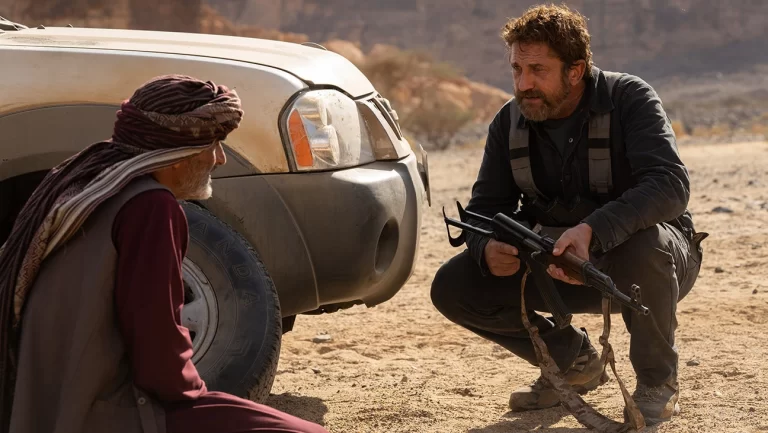
Movie Review: ‘Kandahar’ Features the Return of Gerard Butler’s B-Movie Skills


Director: Ric Roman Waugh

Writer: Mitchell LaFortune

Stars: Gerard Butler, Navid Negahban, Ali Fazal

Synopsis: A CIA operative and his translator flee from special forces in Afghanistan after exposing a covert mission.


I think itโ€™s safe to say that Gerard Butler has been typecast in a slew of B-level action pictures and is on track to become the next Liam Neeson. He even reunites with director Ric Roman Waugh for Kandahar. Waugh directed Butler in Angel Has Fallen and the surprisingly fun Greenland. One who expects Butler to go through an impossible mission to get to his family (that has been the plot of every Butler action film for a while now) may enjoy Kandahar. However, those looking for serious entertainment may leave the theater feeling disappointed. 

At least the action scenes are good. Waugh knows how to direct tight and exciting setpieces, ranging from a car chase inside a densely-packed market, a night vision battle between Tom Harris (Gerard Butler) and a helicopter, and a duel in the sand between Harris and ISI agent Kahlil (Ali Fazal). The latter is the coolest setpiece of the bunch, with Waugh and cinematographer MacGregor amping up the tension with long, wide shots, whilst editor Colby Parker Jr. cuts the confrontation with precision. The result is terrifically exciting and worth the price of admission for the big screen experience. 

Unfortunately, it takes a long time to get going. The film spends a good forty minutes setting up its multiple storylines, of many enemies going after Harris and translator Mo (Navid Neghaban) trying to flee Afghanistan to get to Kandahar after their cover is blown. There are perhaps way too many characters that, unfortunately, do not do much other than act in a brooding evil look. Fazalโ€™s Khalil is a one-note ISI agent with a cool motorcycle. Thatโ€™s it. He does nothing else but travel on his motorcycle, travel in a truck that carries his motorcycle, and then prepares his motorcycle to travel with it once more. At least it looks cool as hell. 

Thereโ€™s a journalist character who gets kidnapped, which serves as a way for Waugh to insert a half-assed geopolitical commentary that goes absolutely nowhere, just like most of the filmโ€™s side characters. One character appears during a pivotal action scene, only for him to completely disappear during the rest of the film until he reappears at the end to reveal that he died. Itโ€™s as if the filmmakers forgot to show that he died in action. But since the side characters are so forgettable, maybe they thought no one would notice?

That said, Butler gives his all for the first time in a long time. He has phoned it in since starring in Olympus Has Fallen and hasnโ€™t gotten any better with time. But in Kandahar, he seems to care about the bond between Harris and Mo genuinely, played with great emotional resonance by Negahban, who is one of the most underappreciated character actors working today (Iโ€™ll direct you to his work as The Shadow King in FXโ€™s Legion). Theyโ€™re why you slowly care about their quest because their performances are excellent. However, this exact story was done in a much better movie a month ago, with only a few differences: Guy Ritchieโ€™s The Covenant (it also doesnโ€™t help that I watched that film last week, which left quite an impression on me). 

In a sense, Kandahar is the Cannon Group version of Guy Ritchieโ€™s The Covenant. Itโ€™s got great action and two great lead performances. However, the difference in quality between the two is staggering, especially when it tries to shoehorn a geopolitical commentary that doesnโ€™t work since Waugh doesnโ€™t do anything with his journalistic subplot. Thereโ€™s a lot heโ€™s trying to balance out in this film  โ€” some of it works, but most of it doesnโ€™t. As far as his collaborations go with Butler, itโ€™s, unfortunately, his weakest, even if he manages to get a great performance out of him. Hereโ€™s hoping his next B-grade action film will be significantly better. 

Grade: C

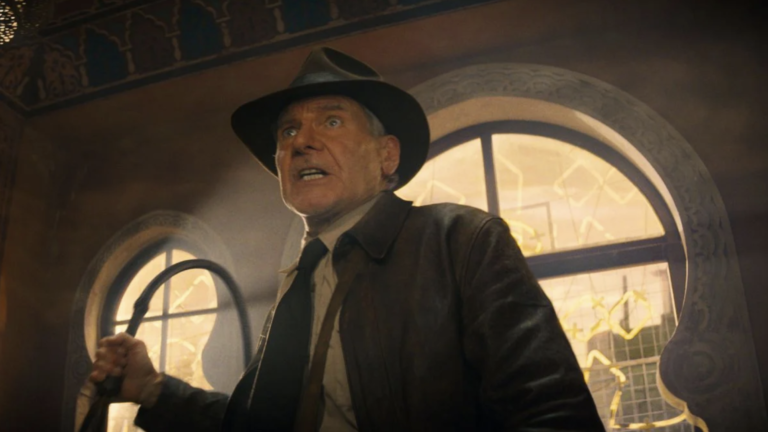
Movie Review (Cannes Film Festival 2023): ‘Indiana Jones and the Dial of Destiny’ Checks All the Boxes of a Good Adventure Flick


Director: James Mangold

Writer: Jez Butterworth, John-Henry Butterworth, David Koepp, James Mangold

Stars: Harrison Ford, Phoebe Waller-Bridge, Mads Mikkelsen

Synopsis: Archaeologist Indiana Jones races against time to retrieve a legendary artifact that can change the course of history.


A nostalgic send off of a beloved character, a fitting addition to a treasured franchise, or perhaps a mixture of the two, Indiana Jones and the Dial of Destiny could easily fit into both categories. Mangold takes the reins on this fifth and final installment to do his very best at achieving an action-packed film teeming with quirky jokes, nostalgic callbacks and enough charm and wit to do the infamous โ€œIndyโ€ justice. The film is by no means perfect, though long-time fans should have fun with this โ€˜last hurrahโ€™ for the legendary adventurer. 

Harrison Ford is back as Indy and up to his old hijinks in the brand new installment out of Cannes. With the magic of visual effects, the film opens with a startlingly young looking explorer in the middle of his usual old antics, tussling with nemesis Jรผrgen Voller (Mads Mikkelsen), a former WWII Nazi Scientist. Itโ€™s an exciting opening scene with fights atop a moving train and plenty of charm, but we donโ€™t stay here for long. Soon, we jump from the past to present and are introduced to a handful of new characters such as Helena Shaw (Phoebe Waller-Bridge), the now-grown daughter of Indyโ€™s old sidekick Basil Shaw, played by Toby Jones. Trailing alongside Helena is Teddy (Ethann Isidore), a teenage pickpocket and sidekick whose loyalty and allegiance lies with her, aiding Helena in her escapades. With this new cast of characters introduced, pandemonium begins and the adventure is afoot.

Though the adventure afoot unfortunately isnโ€™t quite what it used to be. With lackluster jokes, a number of classically predictable chase scenes and some underdeveloped new characters, the ventures are entertaining for sure, but overwhelmingly average. Thereโ€™s nothing terribly wrong or disastrous with any aspect of the film, but thereโ€™s an old spark that used to exist in the franchise that just isnโ€™t present with this one. A slew of characters embarking on a global chase to locate the โ€˜Dial of Destinyโ€™  is fun and intriguing enough, but could be more-so. A few risks in the writing of the plot or characters by the film’s four writers couldโ€™ve gone a long way in adding something a bit more unique and memorable to this final Indy film, but it commits to what it is well enough.

On a technical note the film has much to boast about. From appealing cinematography by Phedon Papamichael and score by the infamous John Williams, it surely appeases the senses. Nostalgia is the absolute powerhouse that drives this film from the sentimental music to how itโ€™s captured on screen, and is one of its saving graces through and through. A new generation of movie-goers will be able to experience an โ€œIndiana Jonesโ€ title on the big screen for the first time, and long time fans should be eager to catch another final theatrical glimpse of their favorite whip-cracking swashbuckler set to the all-too-familiar theme song once more.

The performances are good enough, believable and entertaining, though the standout is assuredly Phoebe Waller-Bridgeโ€™s Helena. With her witty quips and well timed humor, she may tap into a bit of her go-to โ€˜Fleabagโ€™ here and there, but sheโ€™s the one that earned most laughs from the audience and seems to fit into the Indy universe with ease. Ford is steady and seasoned, giving a solid final performance and going out on an undeniably emotional though honorable note. Mikkelson as Voller is an intriguing villain and fun addition to the film, but isnโ€™t given much to work with and lacks in screen time and material, which is a shame due to the fact his performance and character held a lot of campy โ€˜bad guy’ potential. 

Though itโ€™s fun to see the seasoned and beloved fedora-adorned explorer back in action, itโ€™s a bit of an unnecessary addition to an already complete franchise. Perhaps overwhelmingly average, Indiana Jones and the Dial of Destiny isnโ€™t an outright disaster by any means, it checks all the boxes of a good adventure flick, though it certainly lacks the tangible charm of the Spielberg installments. Maybe the franchise shouldโ€™ve been left as is, but seeing as it wasnโ€™t, this final swan song of a film is fine enough and is sure to strum at least a string of heartwarming nostalgia into even the most cynical or doubtful viewer.

Grade: C+

Podcast: Ranking Disney’s Renaissance Age – Episode 536

This weekโ€™s episode is brought to you by Koffee Kult. Get 15% off with the code: ISF

This week on the InSession Film Podcast, inspired by Disney’s latest live-action remake in The Little Mermaid, we thought it would be fun to rank (collectively) all 10 films from Disney’s iconic Renaissance Age! We all grew up with these films, and certainly nostalgia is a factor, but they are generally heralded as some of Disney’s best films for a reason. So, our final ranking wasn’t quite as divisive as last time, but there was plenty of fun to go around.

On that note, check out this week’s show and let us know what you think in the comment section. Thanks for listening and for supporting the InSession Film Podcast!

– Renaissance Age Part 1 (4:27)
Like last time, we talked about these movies in chronological order. During this segment, we talk about and power rank The Little Mermaid, The Rescuers Down Under, Beauty and the Beast, Aladdin, and The Lion King!


RELATED: Listen to Episode 516 of the InSession Film Podcast where we discussed our Top 10 Movies of 2022!


– Renaissance Age Part 2 (1:33:46)
In the back half of the episode, we continue our power ranking as we talk about Pocahontas, The Hunchback of Notre Dame, Hercules, Mulan, and Tarzan

Show Sponsor: First Time Watchers Podcast

– Music
A Tale as Old as Time – Angela Lansbury
I’ll Make a Man Out of You – Donny Osmond

Subscribe to our Podcasts RSS
Subscribe to our Podcasts on iTunes
Listen on Spotify
Listen on Stitcher
InSession Film Podcast – Episode 536

Next week on the show:

Spider-Man: Across the Spider-Verse

Help Support The InSession Film Podcast

If you want to help support us, there are several ways you can help us and we’d absolutely appreciate it. Every penny goes directly back into supporting the show and we are truly honored and grateful. Thanks for your support and for listening to the InSession Film Podcast!

VISIT OUR DONATE PAGE HERE

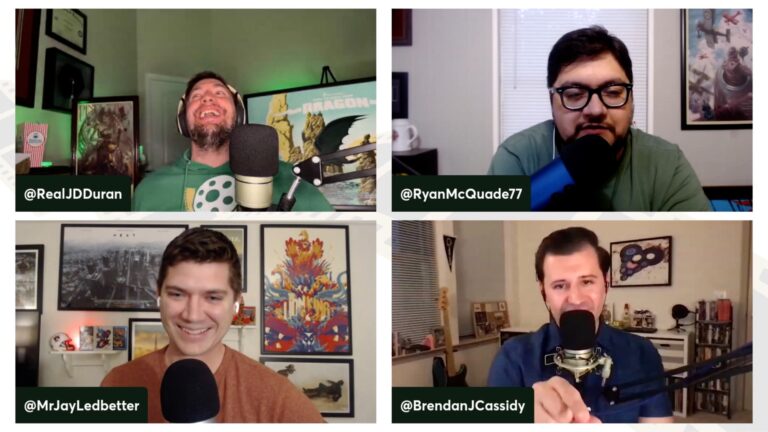
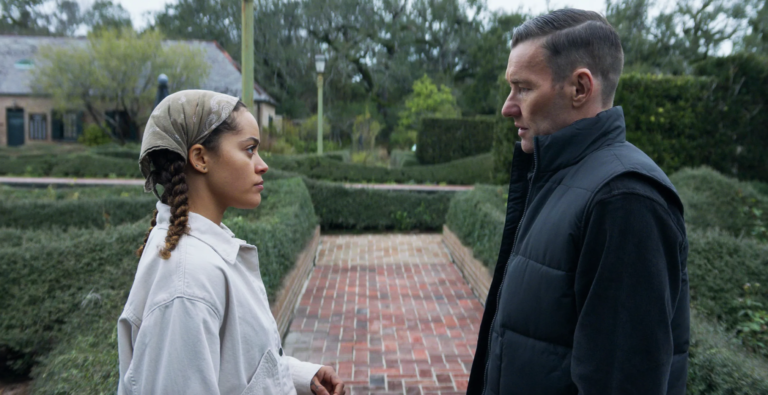
Podcast Review: Master Gardener

On this episode, JD and Jay break down Paul Schrader’s new film Master Gardener, starring Joel Edgerton! It hasn’t received the same praise as First Reformed, and for the reasons we mention, it may go down as the film we’re most against the grain on in 2023.

Review: Master Gardener (3:00)
Director: Paul Schrader
Writers: Paul Schrader
Stars: Joel Edgerton, Sigourney Weaver, Quintessa Swindell

Subscribe to our Podcasts RSS
Subscribe to our Podcasts on iTunes
Listen on Spotify
Listen on Stitcher
InSession Film Podcast – Master Gardener

Women InSession: 90s Teen Comedies

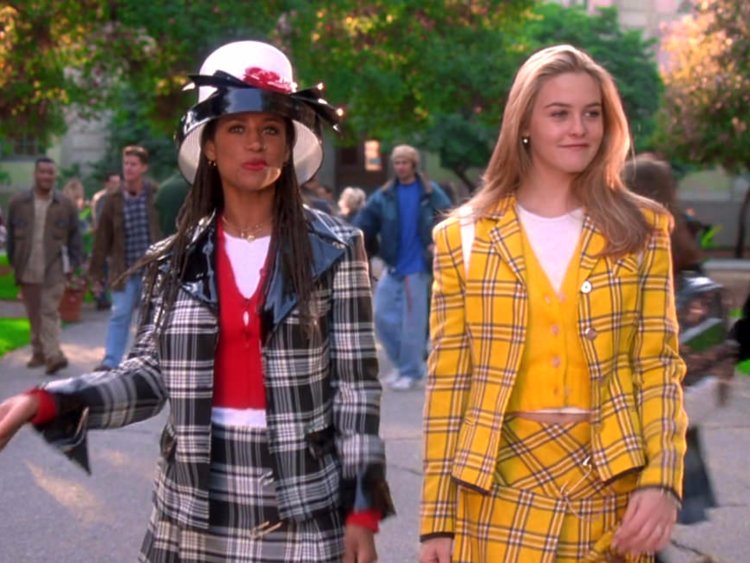
This week on Women InSession, we get giddy as we talk about our favorite 90s teen comedies! We talk everything from Clueless to The Faculty to Don’t Tell Mom the Babysitter’s Dead and everything in between!

Panel: Kristin Battestella, Zita Short, Amy Thomasson

On that note, check out this week’s show and let us know what you think in the comment section. Thanks for listening and for supporting the InSession Film Podcast!

– Music
The Return of the Eagle – Atli รƒโ€“rvarsson

Subscribe to our Podcasts RSS
Subscribe to our Podcasts on iTunes
Listen on Spotify
Listen on Stitcher
Women InSession – Episode 40

To hear this Extra Film episode and everything else we do, download our apps on the Amazon Market for Android and the Podcast Source app on IOS devices. The mobile app covers all of our main shows, bonus podcasts and everything else relating to the InSession Film Podcast. Thanks for your wonderful support and for listening to our show. It means the world to us.

Podcast Review: How to Blow Up a Pipeline

On this episode, JD and Brendan discuss the Daniel Goldhaber film How to Blow Up a Pipeline! This is a film that garnered some hype at this year’s Sundance Film Festival, but it turns out much of that was genuinely warranted.

Review: How to Blow Up a Pipeline (3:00)
Director: Daniel Goldhaber
Writers: Ariela Barer, Jordan Sjol, Daniel Goldhaber
Stars: Ariela Barer, Kristine Froseth, Lukas Gage, Forrest Goodluck, Sasha Lane

Subscribe to our Podcasts RSS
Subscribe to our Podcasts on iTunes
Listen on Spotify
Listen on Stitcher
InSession Film Podcast – How to Blow Up a Pipeline

Movie Review (Cannes Film Festival 2023): ‘A Song Sung Blue’ is Beautiful and Unoriginal


Director: Zihan Geng

Writer: Liu Yining

Stars: Huang Ziqi, Zhou Meijun, Liang Long, Liang Jing

Synopsis: Fifteen year-old Xian goes to live with her father while her mother, a doctor, takes a job in Africa. Soon, she becomes fascinated by her father’s stepdaughter, a swaggering, liberated and slightly melancholic young woman.


The story being told by Zihan Geng and screenwriter Liu Yining in A Song Sung Blue has been seen plenty of times, particularly in the film festival circuit these past few years. And although the array of tropes and cliches might be bothersome for some viewers seeking a different type of journey, the elegance and naturalistic beauty of the central performances by Huang Ziqi and Liang Jing help the film be pretty engaging on an emotional level.ย 

Youth is a fragile state that serves as a learning pattern for lifeโ€™s multiple (and concurrent) ups and downs. Everyone takes it for granted before they realize later that those were some of the most important and wistful days of their life; those are the days that shape our lives. In random moments, we get glimpses of our past experience and feel a splash of youth flowing through oursoul. The directorial debut from young filmmaker in Zihan Geng, A Song Sung Blue (premiering at the Cannes Film Festival in the Directorโ€™s Fortnight sidebar) captures this essence beautifully through a story about two girls struggling to find their place in the world. Unfortunately, her film can be placed onto the sorting hat of wispy coming-of-age dramas โ€“ where a summer (and a special person) paves the way for the enlightenment of a teenager โ€“ that make the festival rounds all year round.ย 

Set in the early 2010s, A Song Sung Blue follows a shy fifteen-year-old girl named Xian (Zhou Meijun) who lives in the northeast area of Harbin with her divorced mother (Liang Jing). Xian loves being with her mother, although her teenage angst sometimes gets the better of her. However, things will change, at least for the summer, as her mother has accepted a two-month position in Africa so that it can give her better opportunities in the future. Because of this, she is sent to live with her father (Liang Long), who runs a struggling photography studio, for a while. She hasnโ€™t seen him since her parentsโ€™ divorce a few years ago. Xian isnโ€™t excited to see him after all this time, asking her mother not to go to Africa so she doesnโ€™t spend the Summer alone. From the moment he appears onscreen, you get the feeling that Xianโ€™s chemistry with him isnโ€™t the same as her motherโ€™s.ย 

Thereโ€™s a lot of distance and resentment from Xian, as her father wants to connect with her by all means, even introducing her to his Korean-Chinese partner/assistant and pet monkey. The first two days are a bit rough, as the lonesome Xian is forced to have some of her classmates over at the photo studio, her father taking advantage of the situation and charging them for group pictures. She isnโ€™t being noticed by them or by her father. So, Xian heads to the backroom to take a breather. And thatโ€™s when she meets the person that will change her life forever: her fatherโ€™s stepdaughter, the eighteen-year-old Jin Mingmei (Huang Ziqi). Mingmei will be the guiding light to illuminate Xianโ€™s road of self-discovery and desire โ€“ she treats her older step-sibling like an idol, a poster of a celebrity on the wall.ย 

It is not only Mingmeiโ€™s aspirations of opening a shop and ditching the flight attendant courses sheโ€™s taking that make Xian want to win her affection. But also the radiance she transmits through her daily life brightens Xianโ€™s previously lonely life; a gray-hued room pops with color the moment she arrives. Zihan Geng delves into the coming-of-age tropes and cliches through these sisters’ newly-formed relationship, serving some scenes that remind of other (and better) films. We have seen this type of dynamic hundreds of times which is a magnet to these movies because people relate to them. I think the film relies so much on the relatability factor that it fails to expand its story into something of greater narrative weight.ย 

A Song Sung Blue may have a style that reminds of Wong Kar-wai and a blue-hued filter that covers the screen in a hazy lens, shot by a cinematographer (HJY) who seeks out the more grounded side in each frame. But that constant pressure to make audiences feel like they have gone through these same or similar situations holds it back. However, at the same time, this same relationship that is mostly forged by tropes comes through with nuance and beauty, primarily through Huang Ziqi and Liang Jingโ€™s touching performances. An easily identifiable contrast between the two characters โ€“ the introverted Mingmei and the extroverted Xian, teenage angst versus the bliss of youth โ€“makes some of the narrative beats quite emotionally engrossing. Mistaking emotions is a crucial aspect of growing up, and Zihan Geng directs these actresses to the point where they reflect this sensation effortlessly.ย 

The rest of the cast doesnโ€™t leave much of an impression since the story revolves around the two leads for the most part. But, there are a few scenes between Xian and her mother that are quite moving, although recognizable. Zihanโ€™s filmmaking skills are admirable, often demonstrating that the issues with her directorial debut are primarily contained in its screenplay and narrative development. While A Song Sung Blue has its fair share of beautiful scenes, the lingering sensation of been-there-done-that haunts the film during its wistful ninety-two-minute runtime. 

Grade: C+

Podcast: Wong Kar-wai Movie Series

Wong Kar-wai is one of the best filmmakers in the modern era with some of the most beautiful looking movies ever made. He’s a pivotal figure of Hong Kong cinema whose influence is unmatched and unrivaled. While we didn’t get to all of the films (due to unforeseen circumstances), we have a great time delving into what makes his films exquisitely cinematic and provocative.

As Tears Go By, 1988

Listen or watch our podcast review here.

Days of Being Wild, 1990

Listen or watch our podcast review here.

Chungking Express, 1994

Listen or watch our podcast review here.

Ashes of Time, 1994

Listen or watch our podcast review here.

Fallen Angels, 1995

Listen or watch our podcast review here.

Happy Together, 1997

Listen or watch our podcast review here.

In the Mood for Love, 2000

Listen or watch our podcast review here.

We hope you enjoyed the series as much as we did! If you have any thoughts on these films, please reach out to us on social media or you can email us [email protected].

Movie Review: ‘The Little Mermaid’ Offers Freshness to a Timeless Story


Director: Rob Marshall

Writers: David Magee and John Musker

Stars: Halle Bailey, Jonah Hauer-King, Melissa McCarthy

Synopsis: A young mermaid makes a deal with a sea witch to trade her beautiful voice for human legs so she can discover the world above water and impress a prince.


While the ongoing debate surrounding Disney’s decision to adapt its older animated movies into live-action films continues, it is undeniable that these adaptations persist due to their financial success. The latest addition to this lineup, The Little Mermaid, not only aims to be profitable but also endeavors to capture the essence of the original animated classic while offering a fresh perspective. This recent rendition of the beloved Disney Renaissance tale manages to achieve this goal, although it is not without flaws. The film succeeds in bringing the enchanting story to the big screen, evoking a strong sense of nostalgia for Disney movies of the past. The Little Mermaid stands as one of the finest live-action adaptations released to date, if not the very best.

However, engaging with the film proves challenging from the start. While the breathtaking cinematography captures the mesmerizing and perilous nature of ocean waves, the story loses its momentum thereafter. The absence of an opening musical sequence, omitting both the sailor’s song and the introduction of the sisters, immediately raises concerns about the pacing, which persist throughout. It takes around 15 to 20 minutes before “Part of Your World” finally emerges as the film’s first musical sequence. This peculiar pacing sets the tone for the movie, struggling to strike a balance between providing an enjoyable and entertaining experience while grappling with scenes that feel necessary but uncomfortably protracted.

As one dives into the underwater realm, the captivating visual effects draw viewers into the story. While the film’s promotional campaign may have hinted at a more subdued color palette, the underwater world is surprisingly vibrant and colorful. However, there remains a pseudo-realistic quality that prevents complete immersion. In comparison to James Cameron’s Avatar: The Way of Water, which achieves near photorealism, The Little Mermaid retains a distinct animated quality. At times, it feels as though I am watching CGI recreations of the actors rather than the actors themselves, contributing to occasional clunkiness. The characters’ hair never quite appears natural, and their attempts to simulate swimming seem off, revealing that they are clearly not in water but rather creating the effect in a studio. Nevertheless, the design compensates for these shortcomings. The visually stunning mermaids’ fins appear realistically adapted, as if mermaids truly existed. The extension of scales onto their bodies creates an appearance akin to clothing, offering a unique and distinct look that sets them apart from the shell-bras of the 80s animated film.

A notable addition to the story is the introduction of mermaids possessing a unique and individual “Siren’s Song,” seamlessly integrating with the film’s narrative and aligning with the lore surrounding mermaids. Ariel’s (Halle Bailey) song serves a dual purpose, proving her voice to Ursula (Melissa McCarthy), the sea witch, while encompassing “Part of Your World” with similar melodies. This subtle addition adds significant context to why Ariel ultimately loses her voice. In addition to surrendering other aspects of her mermaid identity, Ariel must also relinquish her captivating Siren allure, including her voice. This added dimension grants her more autonomy, even in the absence of her voice. It is a much-desired inclusion that, coupled with other expanded character traits, grants Ariel greater depth, enhancing the captivation of her story.

Prince Eric (Jonah Hauer-King) also receives substantial additions that greatly enhance his character, transforming him from a somewhat bland yet visually appealing animated counterpart into a more well-rounded persona. While some of these traits effectively contribute to his emotional growth and his relationship with Ariel, others feel lacking and fail to provide meaningful progression for his character or the overall story. Instead, they seem clumsily inserted into the narrative to attempt a more three-dimensional portrayal. Unfortunately, this expansion comes at the cost of other characters such as Flounder and Scuttle, who are reduced to near accessories. Their inclusion becomes almost superfluous, reaching a point where their presence seems unnecessary from the outset.

Among the core characters, Halle Bailey as Ariel and Melissa McCarthy as Ursula truly stand out. Bailey flawlessly embodies the titular character, showcasing her remarkable voice and effortlessly capturing the naivete of the young mermaid who yearns to explore a world she does not perceive as the evil her father warns her about. McCarthy initially struggles to find her rhythm in the early scenes, but once she delves into “Poor Unfortunate Souls,” she completely embraces her performance, becoming the iconic sea witch in a truly captivating manner.

Undoubtedly, the songs are the standout moments of the film, elevating it into a truly enjoyable and entertaining experience. Alongside the heavily marketed “Part of Your World,” the film includes several songs from the original, along with a few additional songs for Ariel, Eric, and Scuttle. “Under the Sea” evokes vibrant visuals reminiscent of the animated musical numbers found in another Disney hit from 1994, “I Just Can’t Wait to Be King” from The Lion King. These songs pay homage to the grand musical style prevalent in Disney films of that era. Ariel’s new song seamlessly blends in with the rest of the soundtrack, fitting as if it were part of the original film. Eric’s song, while pleasing to the ears and visually appealing, feels slightly too modern in style, without necessarily adding a distinct positive or negative impact to the overall film. However, the same cannot be said for Scuttle’s song addition, a rap number clearly penned by Lin-Manuel Miranda, included primarily to showcase the rap skills of Awkwafina as Scuttle and Daveed Diggs as Sebastian. While both actors demonstrate impressive abilities, the song itself becomes grating and easily stands as the weakest aspect of the film, perhaps better off left on the editing floor.

Another minor point of discussion has been the decision to alter some lyrics in “Kiss the Girl.” Personally, I found the alteration to be so slight that I hardly noticed the difference. The change promotes a healthier environment by encouraging the two main characters to kiss, even though one of them cannot verbally express consent. However, it’s worth noting that the original version contains other problematic lyrics that remain unchanged in this adaptation, creating a sense of cognitive dissonance regarding the film’s intended message.

Despite the unevenness resulting from these additions and adaptations, watching The Little Mermaid was still an enjoyable experience. Halle Bailey undeniably shines in the leading role, and her future in the film industry is undoubtedly promising. The songs and story beats evoke a powerful sense of nostalgia, and although I may not actively seek to revisit the film in the near future, I can envision myself casually putting it on in the background for some lighthearted fun. The Little Mermaid successfully brings the beloved Disney classic to life, showcasing captivating visuals, enhanced character development, and memorable performances. While it may not be without its flaws, it stands as one of the finest live-action adaptations released to date, preserving the essence of the original while offering a fresh take on a timeless tale.

ย 

Grade: B

‘Milk’ 15 Years Later: An Interview with Dan Jinks

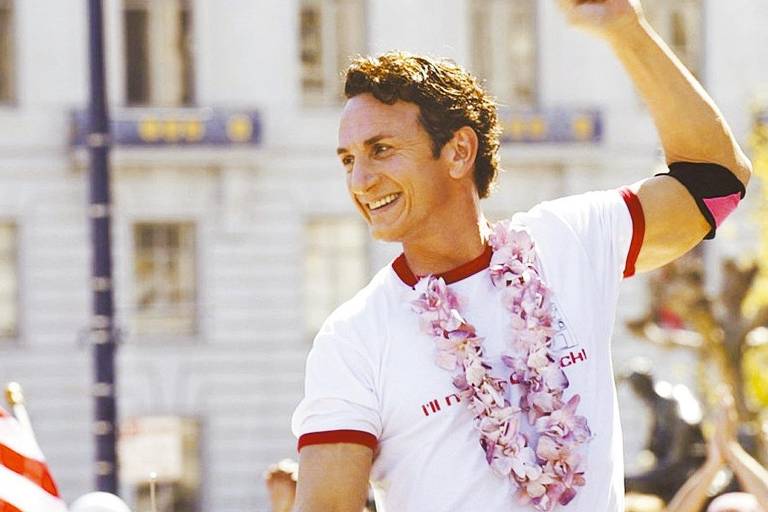
I found myself nervous and reaching for my water bottle so much before and during this interview, why exactly Iโ€™m not sure because I can tell you that Dan Jinks is so damn chill and a lot of fun to talk to. What I find even more comical for myself is I truly had no reason to be nervous as weโ€™ve spoken before and have mutual friends so to find myself nervous was silly, but in the end worth it. I sat down with the Oscar winning producer (American Beauty, Best Picture, 1999) to discuss Milk on its 15th Anniversary and to look back and discuss everything about his involvement to the awards race of 2008.

Joey Gentile: Dan, thank you so much for joining me today, welcome to InSessionFilm.

Dan Jinks: Thank you so much for having me, it’s been awhile since I had the chance to talk about Milk so thank you for this opportunity.

JG: Of course. So, one of the things I like to do is break the ice with the people I interview with a really fun question, with that said- Dan, if you had the opportunity to go back and revisit any piece of material in film, television, or theater that youโ€™ve produced and create a sequel to see where those characters are at now, what would it be?

DJ: (Laughing) Ya know, thatโ€™s a great question. I did a TV series called Pushing Daisies and I always felt that it had more life in it and I never thought we got our full due. Thereโ€™s been talk of a reboot throughout the years. Ironically, this interview today is being done during the current WGA strike and PD was a show that was affected during the last writers strike. We were off the air for many, many months and when we came back our show just never picked up the momentum or the same audience we had pre-strike. Iโ€™m sure Bryan Fuller (creator/writer of Pushing Daisies) would want to take us back into stories unfinished there.

JG: Uh, about Bryan Fuller- cannot wait for Crystal Lake the Friday the 13th series heโ€™s working on, as a huge horror fan here I am so pumped.

DJ: Oh my God, me too. Itโ€™ll be great.

JG: So, itโ€™s been 15 years since Milk and as someone who is now 31, I was a sophomore in high school when the movie released and it came out around the time where I came out publicly as bisexual before I fully embraced and accepted myself as a gay man, so this movie has special meaning to me and my acceptance looking back. For you as a producer taking on such an important figure in American gay history who means so much to so many and for certain reasons, how did this project come across your desk?

DJ: It came to me in such an odd route and Iโ€™ll tell you that story. So I had known Dustin Lance Black, the writer, since 2000 at an OutFest party that my producing partner Bruce Cohen and I hosted. So Lance and I remained friends and I had heard somewhere that Lance was working somewhere on a script about Harvey Milk and he had attached Gus van Sant to direct. So I call him up to congratulate him and say โ€œhey, Iโ€™m so happy for you, amazing newsโ€ just assuming there is a producer, because when a director on par of Gus van Sant is attached there’s a producer and Lance said โ€œthereโ€™s no producer yet, do you want to read it?โ€ I said โ€œ what are you kidding me?โ€ So I read it that night, called Lance the next morning and then found myself sitting in a room with Lance and Gus. Ironically, I had been such a fan of Gus and had been for years trying to set a meeting for years with him but his agents kept saying โ€œI donโ€™t knowโ€ and building a wall between anybody and then I sat down with him and heโ€™s the nicest guy in the world and we got along great and it was a wonderful experience making the movie. It truly was just as simple as hearing a friend had a script and director, calling to congratulate and then I became attached.

JG: You know, something you just said caught my attention just now, and that is you saying his agents were essentially blocking a meeting with him and you. My guy, youโ€™re an Oscar winning producer and you are being denied a meeting? How does that make sense in โ€œHollywoodโ€?

DJ: Itโ€™s a good question and ya know I asked at the time, especially in the wake of American Beauty, this is a town where people get excited when there’s heat on you and there was certainly heat on us as producers and we are also openly gay producers at a time where there weren’t as many openly gay producers and Gus is openly gay so it just made all the sense in the world to meet. I just think it was odd for his agents to truly not be pushing that. I donโ€™t think it was specifically against us, but I think in a general way they were very protective of Gus. In the end, youโ€™d have to ask them because I was indeed surprised (Dan says this with a big grin on his face) we could not get a meeting with him but in the end we became good friends and made the movie.

JG: That is actually the perfect segueway, there was you, Bruce Cohen, Gus, Lance Black, and Elliot Graham (Editor) working on this film, and Iโ€™m sure more openly and not openly gay people working on it. It gets going and you have all these gay creatives on this project about a gay icon and you cast Sean Penn in the role of Harvey Milk. Now, I would like to note I myself, Joey Gentile am not one who believes you have to be gay to play gay. I think it actually does more harm because then youโ€™re boxing gay actors into a gay only box. I think you need to cast the right person in the role but see everyone for the role, whether it be gay, straight, trans, any color, unknowns, knowns, get them all in the room and cast from the melting pot. However, we are now in a climate where the idea of gay in gay roles only is pushed heavily so looking back do you regret the casting and how did it happen?

DJ: Hereโ€™s the thing, even though it was only 15 years ago it was a VERY different time. The truth is though, we needed a star to get the financing to get that movie made. If we were trying to get that movie made today, (I donโ€™t think we could get a gay actor attached to the lead) the sad thing is I donโ€™t think it could actually be made, I donโ€™t know who that gay actor is who could get us the financing. I want to be very clear that it’s not that I donโ€™t think there aren’t gay actors who could play it but that the movie cost at the time somewhere around $23 million. Even Sean Penn was not enough to get the movie green lit, we had to get that ensemble of Emile Hirsch, Josh Brolin, Diego Luna, James Franco. We needed all of them to get it green lit, it was a hard movie to get financed. It was a movie about a gay politician that even at the time we did it a lot of people living in San Francisco didnโ€™t even know who Harvey Milk was, he was not a well known figure. 

There were people who would walk through Harvey Milk Plaza in San Francisco and not even know who he was at that time. Ya know, I have been asked that question a lot and I can be a little defensive about it because we felt we were so lucky to have gotten Sean Penn. Iโ€™ll be honest I spent hours and hours after reading that script, going through lists of actors and I came up with 3 actors who I felt was right for the role and could get the movie financed and the fact that one of them actually said yes was a miracle. None of them were gay men, but Iโ€™ll tell you something that was really important to me, Gus, Bruce, and Lance is that we cast a number of gay people in the film. We cast them in gay roles and in straight roles, Victor Garber and Denis Oโ€™Hare are two examples. We cast the right person for the role but we did cast a lot of gay people for the movie.

JG: I completely get it, and my opinion on the matter doesnโ€™t line up with Twitter these days on gays needed for gay roles, so I was definitely curious to see how that process went for a film like this. A lot of what is said on Twitter needs to be taken with a shot of penicillin because in the end it’s still a business and business decisions are made that the public isn’t aware of, critics, etc. So as someone like myself who knows the ins and outs like you do, it’s always an interesting conversation to be had.

DJ: Iโ€™ll add something to it too. There are movies that I think are important movies that aren’t even getting made right now as a result of โ€œhow dare you cast a straight actor in a gay roleโ€ that as a result, a lot of straight actors donโ€™t want to play gay roles anymore but also because we donโ€™t have enough stars there are stories not being told, movies not being made that would probably like Milk have a lot of gay actors in them outside of a lead and giving them the opportunity to be seen but we donโ€™t have the stars where you need a star in order to get made, and the truth is at times you need a star. 

If youโ€™re doing a TV series like Love, Victor where you donโ€™t need a star then absolutely try harder to cast a gay actor in that part, thatโ€™s not asking much. But if youโ€™re doing a movie that needs a star there are certain realities that are taken into it. I know of many scripts right now that arenโ€™t being made because we donโ€™t have gay stars, and those few gay stars we do have, you send something to such and such actor and they go โ€œI played this already, I donโ€™t want to do this againโ€. Then you have people going โ€œwell why didnโ€™t you get such and such actorโ€ well the truth is they donโ€™t want to do it or they arenโ€™t a star and there we are back at the beginning of sometimes in this business in order to get made you are required to have a star.

JG: No I get it, trust me I understand. So taking yourself back to the making of the film, is there anything you took from making Milk that maybe you didnโ€™t know at the time?

DJ: The thing about politicians (especially local politicians) is that they use a staff of young people a lot. The kids in their 20โ€™s working for Harvey were now in their 50โ€™s when we were making the film and they are characters in the movie, so weโ€™re telling their story too. They would come by the set every single day, the best known was probably Cleve Jones (played byEmile Hirsch) he was someone who Lance Black relied on a lot while he was writing the script for research and access. In the end it was such an important thing to all of them as well because it was such a big part of their life and that was amazing to learn.

JG: 15 years later, what do you hope people get from the film now?

DJ: One of the things that was so important with Harvey Milk was visibility, โ€œif they know us they are less likely to hate us.โ€ I feel like what is happening now with Trans issues, I have a trans niece that I love very much. I care about her health and safety and happiness and it just kills me that the Republican party, theyโ€™re looking for issues that can be headlines and rile up the base as if trans people are in any way hurting or affecting their lives and I think ya know again, it goes back to the more people you know, the more visibility in trans characters in film and television it will make it more normal to the viewer and I think that was something, the visibility of it all was hugely important to Harvey Milk and really important today.

JG: Well said. So moving onto- the movie comes out, the response is very good, critics love it, audiences respond, come Oscar time you get a whopping 8 nominations and end up winning two big ones. As someone who came off of American Beauty where you guys swept that season and won everything under the sun, is it more chill the second time around? Or are you just as nervous going into Oscar night?

DJ: Great question, listen, to go through the AB journey with awards was just an out of body experience. It was something that wasnโ€™t expected and as a lot of people growing up I was the nerdy kid who just wasnโ€™t going to win an Oscar. I mean that just seemed completely out of the realm of possibility and when it happened it was a thrilling, overwhelming, and exciting experience. If it ends up being the only time in my life where I win an Oscar then what a lucky person I am. So to be nominated again, as a producer nominated for the film you are the representative because it’s really the movie thatโ€™s nominated, itโ€™s just a thrill. 

There was a movie that year called Slumdog Millionaire that did very well, it was having that race to the Oscars that AB had, I called a friend of mine, one of the great Oscar prognosticators Dave Karger and asked him, I said โ€œ does Milk have a chance to win Best Picture?โ€ He very kindly said โ€œ I wouldnโ€™t say it doesnโ€™t have a chance but it would be considered the biggest upset in the history of the Oscarsโ€ and I laughed and said โ€œokay, that’s all I needed to know, we donโ€™t really have a chanceโ€. So I went into the evening having fun and feeling so lucky to even be there. I had a great time and didnโ€™t feel the pressure of having to give a speech because I knew that I didnโ€™t have a shot to win. I was thrilled that Lance Black won, and that Sean Penn won and listen, we got 8 nominations for ya know a movie that had a very independent movie feel to it. It happened at a time where that was less likely to happen too because there were only 5 Best Picture nominees too.

JG: Yup, I was gonna say 5, absolutely. Well that was the year that changed everything too. It was the year that caused the rift too because of The Dark Knight and even Wall-E being snubbed for a movie like The Reader. So due to that year is the reason the Academy expanded from 5 to 10 nominees. So after that you saw things like The Kids Are Alright, Winterโ€™s Bone, Her, Philomena getting into Best Picture that wouldnโ€™t have โ€œhappenedโ€ had it still been only 5.

DJ: Absolutely correct.

JG: I gotta know, where do you keep your Oscar?

DJ: (Smiling and pointing off camera) Itโ€™s a little cubby hole in the entry area of my house.

JG: Amazing, love that. All in all, looking back with what you did 15 years ago, are you proud of the film and how itโ€™s aged?

DJ: Oh, Iโ€™m very happy with that movie. It was hard in a lot of ways but thrilling in a lot of ways too. I was really happy with many things that could have gone wrong. I remember seeing some miniseries that took place in the 70s beforehand and everything looked so fake from the mustaches on the guys to the tight jeans, it just looked like such a cliche. From our costume designer, a guy named Danny Glicker, to our production designer, a guy named Bill Groom, these people didn’t just research, they researched and researched and researched so to have the accuracy of the most minor details was so damn thrilling.

JG: Itโ€™s truly great to see you so cheerful and smiling and talking about your work like youโ€™re a kid in a candy shop. That attitude is so weirdly hard to find now as most people I have talked to look back at their work with ways to change what the final product was, so to see you light up and glee about it, tip my hat to you sir.

DJ: (Laughing) Thank you. I love making movies, I feel so lucky to do what I do and I am happy that Iโ€™ve made a few things that Iโ€™m hoping have stood the test of time.

JG: You have, truly. Okay, a fun one for you- anyone who I talk to who is an Academy member I love asking this question. As an Academy member, what does it take for a film to get your number one spot on your ballot? And let’s say in the last decade, how often are you getting it โ€œrightโ€?

DJ: See I donโ€™t EVER vote to get it โ€œright,โ€ my vote isnโ€™t ever for what I think is going to win, my vote goes to what I consider the Best Picture, always! In terms of getting it โ€œrightโ€ my ballot is always the right one. Ya know, sometimes Iโ€™m voting for the winner but often Iโ€™m voting for the one that moved me somehow more than the eventual winner did.

JG: Thatโ€™s amazing to hear and honestly I get it, ya know I look back at this last year for an example and Triangle of Sadness was my favorite movie of the year and I ranked it at 1, until I saw All Quiet on the Western Front and was like wait a minute, nope, thatโ€™s it, thatโ€™s the best one in the lineup. So even though I rank ToS as my favorite it’s clear for me that AQOTWF was easily the Best Picture but I would vote the same way, itโ€™s not about what is projected to win, it’s about what you think is the best in the lineups.

DJ: Oh, without a doubt. Remember if youโ€™re a voter itโ€™s what you have to do. Itโ€™s a different thing if youโ€™re going to someone’s Oscar party and youโ€™re filling out a ballot, then youโ€™re voting on what you actually think is going to win, but for your own ballot you have to vote for what you think is the best.

JG: Nailed it. So Dan, whatโ€™s next up for you? Whatโ€™s on the horizon?

DJ: Well weโ€™re in strike mode in Hollywood, but outside of that itโ€™s all unclear right now. Iโ€™ve got a few things set up at studios, a few things Iโ€™m trying to package, and a couple of TV things Iโ€™m working on. Itโ€™s just an odd time due to the strike so there is a lot that cannot be done and as someone who is very much in support of the writers and the WGA I want them to get a fair deal and be resolved as quickly as possible to their benefit. Right now there’s just a huge amount of uncertainty in the business and um, sort of everything Iโ€™ve been working on is on pause for the moment.

JG: Oh for sure, pay the writers! Ya know I will be kicking myself in the ass here if I donโ€™t close with this. Fiddler on the Roof, for your consideration- Carol Kane as Yente the Matchmaker, PLEASE make this happen, it has to be done.

DJ: (Laughing) Fiddler on the Roof was a movie I was hoping was going to be made this past year but we got caught in the change of ownership from MGM to Amazon and all that, itโ€™s right now on a slower track. We have a TERRIFIC script from Steve Levinson, Tommy Kail is literally one of the great living directors. Itโ€™s just not gonna happen as quickly as I would like it to happen, I am sad to say. But I appreciate your casting thought and will keep her in mind when we get there.

JG: Amazing, amazing, amazing. Dan, thank you so much for taking the time to talk with me today.

DJ: No, thank you!

Movie Review: ‘About My Father’ is an Imperfect, Infectious Comedy


Director: Laura Terruso

Writers: Austen Earl and Sebastian Maniscalco

Stars: Robert DeNiro, Leslie Bibb, Kim Cattrall

Synopsis: When Sebastian tells his old-school Italian immigrant father Salvo that he is going to propose to his all-American girlfriend, Salvo insists on crashing a weekend with her tony parents.


Even if you are a serious cinephile who considers film an art form, you have to be a fan of genre movies. From the drenched digital effects of an action-adventure picture to the ominous murder-mystery thriller, movies are meant to entertain the masses. The same goes for the semi-autobiographical comedy that makes you laugh from your gut, despite its faults. That’s what you have with About My Father, coming from the mind of one of the hottest comedians in the world, Sebastian Maniscalco. This is a comedy in the vein of Meet the Parents and Wedding Crashers that plays into standard family dynamic tropes but happens to be very funny,

Directed by Laura Terruso, About My Father was written by Maniscalco and veteran CBS sitcom writer Austen Earl. The story follows Sebastian, a Hilton hotel manager who is dating Ellie, a delightful artist played by Leslie Bibb. Ellie has a down-to-earth personality and a sparkling smile that lights up the room. They are your classic “opposites attract” type of couple, with Ellie bringing a smile to Sebastian that he didn’t know he had. Quite literally, Ellie has to teach him how to practice and strengthen his facial muscles to smile more consistently.

The couple comes from extraordinarily different backgrounds. Ellie’s family can trace their roots back to the actual Mayflower. Her mother, Tigger (Kim Cattrall), and her father, Bill (David Rasche), are your typical blue-blood yuppies who lament that his father only gave him one hotel to start after he graduated from Harvard. Not to mention her brothers: Lucky (Anders Holms), a champagne socialist, and Doug (Brett Dier), a hippie trained in the art of Tibetan singing bowls, round out an eccentric group.

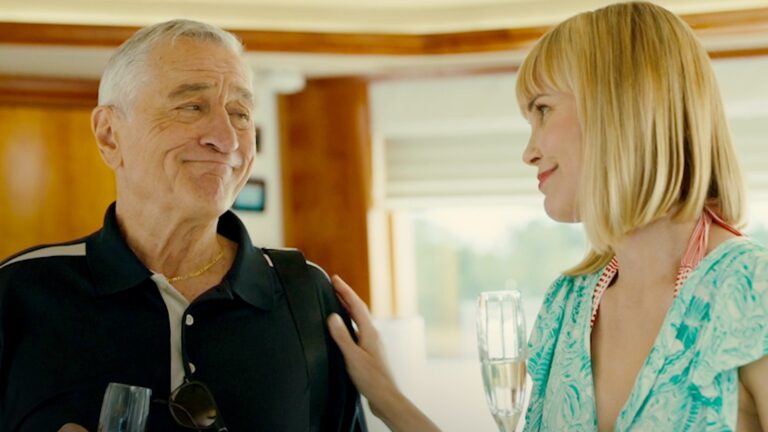
On the other hand, Sebastian comes from a blue-collar family led by his father, Salvo (Robert De Niro), a stylist who has been building women’s confidence and hair volume for decades. Knowing the value of a dollar, Salvo would always keep his son from ordering appetizers or desserts off the menu. When Christmas came, he would make homemade toys for Sebastian, such as a skateboard (and comments next year, he will make him “one of those Nintendos”). Sebastian needs his grandmother’s ring from Salvo, which he plans to give Ellie as he asks her to marry him. However, his father will only allow it once he meets Ellie’s family at their summer home on the Fourth of July.

The comedy is inspired by Maniscalco’s father, an immigrant from Sicily and an Army veteran who supported his family by being a hairstylist in a working-class neighborhood in Chicago. As a fan of Maniscalco for years, going way back to the days of the 2008 documentary comedy tour Vince Vaughn’s Wild West Comedy Show: 30 Days and 30 Nights โ€“ Hollywood to the Heartland, not much has changed since then. The finely groomed and cologne-doused Italian American comedian, with a penchant for class, style, and dry cleaning every piece of clothing down to his boxer shorts, has the same cartoonish delivery that makes for a welcomed juxtaposition on stage, as it does in this film.

About My Father excels when Maniscalco waxes poetically about his life and nostalgically looks back at his upbringing. You’ll also enjoy how the comedian openly disagrees with his father but recognizes the differences in lifestyles with these blue bloods that cannot be ignored. It’s no coincidence that those scenes, particularly when Sebastian and De Niro’s Salvo begin to make jokes at his future in-laws’ expense in private, work because they are straight from the theme of Maniscalco’s “Can you believe this?” stand-up act.

The cast has a nice chemistry together, including the humorous rapport between De Niro and Maniscalco. This is their second film together since The Irishman, where, if you remember, the latter received a bullet to the head from the legendary actor. De Niro has always been comedically gifted in culture clash comedies, but he never plays against type for a reason. While most characters outside the leads are cardboard cutouts from genre comedies, Cattrall stands out the most here as a fire-breathing conservative politician. While some scenes are typically outlandish (such as Sebastian losing his shorts on a Flyboard) and others may elicit eye-rolls (like Salvo using a family mascot for dinner), the scenes are still funny, albeit a bit too long and overplayed at times. The scenes where Sebastian is overtly rude to his father are purely manipulative to play into themes of the comedian coming to his own realization of what family means to him.

Still, you don’t go into About My Father expecting a reinvention of the genre with its lightning-quick running time. It’s a culture clash farce that works because of Maniscalco’s style of comedy and De Niro playing to his long-established comic strengths as a cynical curmudgeon set in his ways. This highly enjoyable movie has an infectious sense of humor and delivers a handful of belly laughs that will put a smile on your face, even as you come to terms with its imperfections.

Grade: B+

Movie Series Review: In the Mood for Love

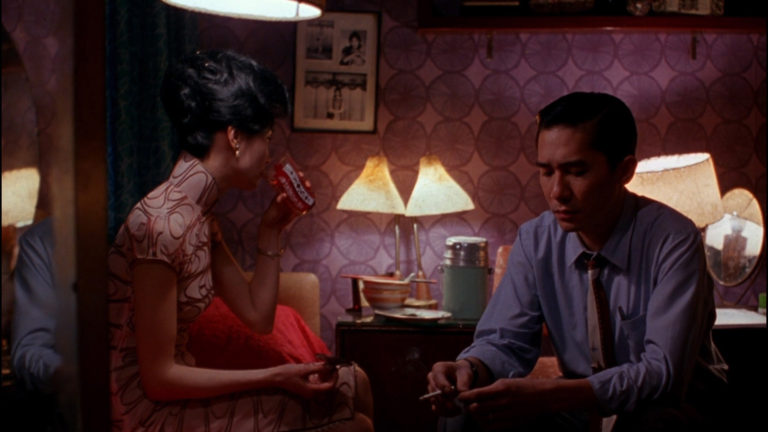
On this episode, Ryan and Jay continue our Wong Kar-wai Movie Series with one of the best films of the 2000s in In the Mood for Love! This is generally regarded as Kar-wai’s best film, and even one of the the best of all-time. So, there was certainly much to discuss here and we did our best to articulate why its reputation is so well deserved.

Review: In the Mood for Love (3:00)
Director: Wong Kar-wai
Writers: Wong Kar-wai
Stars: Maggie Cheung, Tony Leung

Subscribe to our Podcasts RSS
Subscribe to our Podcasts on iTunes
Listen on Spotify
Listen on Stitcher
InSession Film Podcast – In the Mood for Love


JD and Brendan also discussed In the Mood for Love on Episode 396:

Movie Review (Cannes Film Festival 2023): ‘She Is Conann’ May Be A New Cult Classic


Director: Bertrand Mandico

Writer: Bertrand Mandico

Stars: Elina Lรถwensohn, Christa Thรฉret, Julia Riedler

Synopsis: Conan’s life at different stages is shown with a different aesthetic and rhythm from the Sumerian era to the near future.


With his latest picture, She is Conann, French filmmaker Bertrand Mandico gender -flips Robert E. Howardโ€™s creation, Conan the Barbarian, to create a gory and innovative take on the mythic tale. While it may be an endurance test for some, due to the iconoclastโ€™s inclination toward provocation, the brutal film will be a delicious cinematic treat for those willing to embrace its chaotic nature. โ€œIโ€™ll show you barbarism. Let the show commence!โ€

French filmmaker Bertrand Mandico has such a distinct vision that his films often feel like they are not from this planet. โ€œI capture the onirism and the magical realismโ€, he has quoted before. His projectsโ€™ dreamlike haze and campy nature have such a singular vision that the viewer is left in awe (and quite stunned) of what they have witnessed. As a result, every single frame gets a different reaction from you โ€“ confused, baffled, excited, intrigued, grossed out, and (primarily) staggered. Not even Gaspar Noรฉโ€™s filmography gathers this range of reactions and emotions from the audience. And he tries more than Mandico to provide shock factor. Mandico mixes genres left and right, never sticking to a specific one. His breakout hit, The Wild Boys, is a coming-of-age adventure fantasy that uses surrealism to express its ideas about gender and sexuality. After Blue (Dirty Paradise) is a Dark Crystal-like sci-fi western. 

What else is he going to come up with for his next feature? Nobody can guess what route he is taking. For his next piece of work, Mandico takes inspiration from the mythic tale of Conan the Barbarian but with his usual flair and intrigue in telling queer (and eroticized) stories. If you thought we would see an Arnold Schwarzenegger or Jason Momoa-type figure โ€“ an extremely buff man with a hairy chest waving his sword around like a beast โ€“ as seen in multi-million-dollar Hollywood films, you better think again. This interpretation, titled She is Conann, follows the journey of six female reincarnations of the titular character and her fight against the evil Sanja (Julia Riedler). If you donโ€™t know anything about this French filmmaker, I think you will have difficulty getting into this movie filled with torture, sex, lust, cannibalism, and gore.

A hellhound photographer named Rainer (to be more specific, a dog/human hybrid played by the directorโ€™s muse, Elina Lรถwensohn) guides the audience through narration onto this journey of time and the human soul, seeing the different stages of the warriorโ€™s life. Born at a dark time when people used to believe in demons and wonders, She is Conann begins with a flashback in a Hell-like setting. We see an old lady pondering about her past in the presence of Queen Conann (Franรงoise Brion playing the elder version of the character) and the aforementioned Rainer. The hellhound has always been by Conannโ€™s side. She confirmed her prophecy of becoming the most โ€œbarbaric of barbariansโ€ as a teenager. During that time, Conann (in this segment, played by Claire Duburcq) was enslaved by Sanja and her group of bloodthirsty goons that murdered her family. 

After finally escaping the torturous hands of the evil mistress, Conannโ€™s journey beginsโ€ฆ and endsโ€ฆ and begins once again because sheโ€™s killed by her older self time and time again. Her reincarnations have different paths, ranging from a stunt woman in 90s Brooklyn to falling in love with her enemy. However, all of them contain some amount of brutality, especially when damnation touches her on the shoulder and begins a non-stop massacre of everyone who crosses her path. This episodic structure divides the film into eclectic and visually tantalizing segments that serve little to no purpose in expanding its themes. However, each one truly demonstrates Mandicoโ€™s talents as both a provocateur, which deserves some form of props, and as a filmmaker. One aspect that the director has failed to capture since The Wild Boys is trying to blend the imagery with its themes and how one lifts the other. 

His last feature, After Blue, had some incredible cinematography and production. But what we saw on screen didnโ€™t develop what he wanted to say. And, to this day, I still donโ€™t know. In She is Conann, that same thing happens. However, since the film is so bonkers and wildly entertaining (on top of that, severely campy), you can forgive many of those problems. Even though there isnโ€™t much to hold onto with the gender roles theme, the macabre romanticism presented is deliciously unique, and its provocation stirring, ending as an endurance for some and a cinematic pleasure for others. Another positive note on Mandicoโ€™s films is that they are very vivid and captivating, pulling the viewer into his world of misfit constructions. It feels as if you can reach onto the big screen and touch (and even smell) everything onscreen โ€“ feeling the sharpness of Conannโ€™s sword, the fumes of the stunt womanโ€™s car, the blood on everyoneโ€™s hands, severed body parts laying on the floor, amongst other things that pop into the film. 
This wistful underworld, viewed via Nicolas Eveilleauโ€™s lens (often in black and white), is shot in a way that its dreamy haze casts a spell on the viewer. Whether or not you want to be a part of this story, upon entering, thereโ€™s no turning back. Mandicoโ€™s shock-filled gaze hypnotizes you, and its images will remain in your mind for a long time due to its imaginative madness. The unapologetic strangeness of everything happening will clearly ruffle many feathers, but you canโ€™t take your eyes off it. This sort of effect is rarely found in todayโ€™s cinema; less than a handful of filmmakers cause this type of reaction in their audience. Thatโ€™s a testament to Bertrand Mandico and his pursuit of constantly anomalous MacGuffins. All of his creations have a tactile and eerie feel to them. Some of them leave you in awe because of the beauty behind the madness; most of the time, Mandico gets this reaction when depicting the flora and fauna of his worlds. However, there are others that gross you out in the best way possible. In the case of She is Conann, the gore and sex.  Admiring his ambitions, determination for the bizarre, and curation of some of the most disturbing cinematic moments you will see this year (and probably in this decade), She is Conann has all the ingredients to become an arthouse cult classic; I hope this man continues to make films for an extended period of time.

Grade: B+

Movie Review (Cannes Film Festival 2023): ‘How To Have Sex’ Delves Deeper Than Expected


Director: Molly Manning Walker

Writer: Molly Manning Walker

Stars: Laura Ambler, Samuel Bottomley, Daisy Jelley

Synopsis: Three British teenage girls go on a rites-of-passage holiday – drinking, clubbing and hooking up, in what should be the best summer of their lives.


The Cannes Film Festival has just found its first surprise hit in Un Certain Regard selection How to Have Sex, which is much more than an exceptional directorial debut from London-based cinematographer-turned-filmmaker Molly Manning Walker and a showcase of Mia McKenna-Bruceโ€™s acting talents. This is predominantly an evocative conversation starter. It is occasionally difficult to watch due to the unsentimental glimpse at the female experience, but it is so rewarding once it reaches its closing moments. 

Most private schools have a post-graduation/exam group holiday that serves as a rite of passage for thousands of teenagers worldwide. In Puerto Rico, numerous teenagers who have recently graduated from high school make a trip to the Dominican Republic (Punta Cana) or Mexico (Cancun) to celebrate their โ€œyears of hard workโ€ (or slacking off) โ€“ serving as a communal last hurrah, as everybody is heading their separate ways after the summer โ€“ by staying at a slightly fancy hotel with a pool, binge-drinking cheap liquor to create a numbing effect, and listening to some reggaeton at the nearby bars. The songs of Ozuna, Anuel AA, Bryant Myers, Almighty, and Bad Bunny (before his rise to being a megastar) were blasting out of the speakers at all moments, creating a sense of camaraderie as everyone was singing them in harmony like a choir. However, there are more than a handful of negative aspects.

These holidays can be seen as contentious, and I agree. After attending the aforementioned trip myself a few years ago and reevaluating it later, you notice these groups’ lack of respect and lousy behavior when traveling to foreign places with a beer in one hand and a rum coke in the other. Sure, some good moments may arise from this six-day expedition, as you get to have fun with your classmates (potentially) one last time before heading to college โ€“ playing soccer while tipsy, the late-night pool session where we talk about our respective futures, meeting new people from other nearby schools, etc. But, thereโ€™s the potential for peopleโ€™s worst tendencies to pop up; brutish actions caused by drunken and addled teens cause the vacation to feel extremely exhausting and less enjoyable the more time you stay. It is an endurance test that we need to experience to see how truly awful those trips actually are. 

In the U.K., thereโ€™s a similar holiday; every summer, in the wake of GCSEs (General Certificate of Secondary Education), sun-seeking teens go to Malia, a town in Crete, Greece, for a couple of days in pursuit of booze-addled ventures to let go of the stress induced by assignments, tests, essays, and the drama that awaits them back home. And London-based cinematographer-turned-filmmaker Molly Manning Walker brilliantly turns that summer holiday into an endurance test for three sixteen-year-old friends while they await their academic qualification results in How to Have Sex, which is playing in the Un Certain Regard section of this yearโ€™s Cannes Film Festival. Donโ€™t come into this film wanting something similar to Harmony Korineโ€™s lousy neon-hued party of a movie, Spring Breakers, because Manning Walker has much more to offer. She delivers a coming-of-age story without the cliches and the usual safety net of schmaltzy sentimentality attached to it, opting for a more realistic view of the female experience during those types of situations. 

How to Have Sex begins with the central trio of Tara (Mia McKenna-Bruce), Skye (Lara Peake), and Em (Enva Lewis) preparing to have a thrilling and adventurous four days in the hot and hectic town of Malia. The nightclubs over there offer captivating promotions of cheap booze to make you walk through their doors. They are ready to hit the dance floor, take a dip in the pool, and hopefully conquer some boys and lose their virginity. These initial moments have Molly Manning-Walker showing the girls in very high spirits to embrace the party life โ€“ singing, dancing, drunkenly shouting (Best Holiday Ever!) โ€“ with occasional moments having them falling down (and puking) just to rise up again and hit some moves. Tara, Skye, and Em have formed a closely-knit pact to enjoy this party paradise before they go their separate ways. Well, at least for Em, thatโ€™s the case; Tara and Skye say their future is less certain than that of their friend. 

This is the last hurrah, a trip that might close out their chapter together. Their room overlooking a resort hotelโ€™s pool, where day and nightlife feel like two very different beasts, paves the way for an array of pulsing misadventures, where the intricacies of teenage friendships are in full realistic display. The wear-and-tear of the cityโ€™s vodka-smelling haze affects everyone onscreen, making them think about their actions once the starlit skies turn blue. All of this is demonstrated through the facial expressions and chemistry of the leading trio, but mainly Mia KcKenna-Bruce is the one who stands out, transmitting her swindling emotions of excitement and loneliness through a multifaceted glance that breaks your heart. The story later develops when the girls see a group of hungover men in the flat next door: the friendly and brash but shy Badger (Shaun Thomas) and the insensitive Paddy (Samuel Bottomley). 

The former gets a sense of Taraโ€™s swindling emotions, noticing the loneliness and desperation; meanwhile, the latter is inconsiderate and discourteous. The manipulative and constantly-negging Paddy is the one who manages to escort her away from the neon-lit club onto the beach, where the terms of the events that transpire there are concerningly ambiguous โ€“ Manning-Walker detailing some of the realistic horrors of what can occur during those group holidays. The film relies on Mia McKenna-Bruceโ€™s acting chops, as her reactions to what she endured are quite complex, and Manning-Walkerโ€™s authentic grasp on the subject matter and story during the latter half of How to Have Sex. Tara is still a teenager who wants to have fun. However, McKenna-Bruce adds some underlying pain to her character; her portrayal of the character has a double-sided feature where each look has equal amounts of elation and restraint. 

As Taraโ€™s situation with Paddy grows, you notice how the filmโ€™s title has multiple meanings; the inner negotiation of post-sex ponderings causes her to think if she wants to forget it all or go along with her day. But, in the grand scheme of things, these characters, even though these last four days were brutal in multiple senses, they emerge stronger than they were before. We have seen the story Manning-Walker wants to tell before a couple of times throughout the years. Yet, not with such a keen eye for details in its gender and sexual politics, as well as its characters. How to Have Sex has a strong identity and sense of importance that might cause audiences from various age groups to gather around and start a conversation about similar events, whether you have gone on a similar holiday or not. This is definitely one of the most surprising and best films I have seen at the Cannes Film Festival so far. 

Grade: B+