On June 23, 2025, The New York Times released their list of The 100 Best Movies of the 21st Century, composed of the opinions of more than 500 influential directors, actors, and other notable names in Hollywood and around the world. Their thoughts on the best films released since January 1, 2000 were collected, tallied, and ranked as a touchstone for cinema so far this century. If that wasn’t enough, however, The New York Times also opened a list for users to submit their ten favorite films of the century. The final list was posted on July 2, 2025 and, as an added bonus, the list contained the Top 500 films submitted in ranked order. Frankly, this was too good of an opportunity not to do a deep dive over what cinematic achievements have stuck with us the longest and learn what lessons we can learn from two-and-a-half decades of cinema. Without further adieu, here’s what I took away from both lists:

One of the major takeaways from The New York Times’ 100 Best Movies of the 21st Century is a pretty obvious one, but still bears mentioning. Between the Critics’ 100 and Users’ 500, 2020 and 2021 were the least populated years. With both years combined, only 25 films were featured on the Users list (out of 500, mind you), with only one film appearing on the Critics list: The Worst Person in the World (at #95). It’s no doubt that the severe health and financial tolls that the world experienced because of the COVID-19 pandemic affected the film industry. Despite movie theaters and Hollywood still figuring out how to adapt to an ever-changing streaming-centric landscape, more recent films left solid dents on both Critics and Users’ lists. 12% of the Critics’ lists were from 2020-2025, with two films in particular appearing in the Top 25: The Zone of Interest at #12 and Anatomy of a Fall at #23. The Users’ list was more representative at 16%, with tentpole placement from Everything Everywhere All at Once at #13, Oppenheimer at #23, and Dune: Chapter Two at #27. Even Sinners, a movie that’s been out for less than three months, managed to land just outside the Top 50. Now THAT’s impressive!
Admittedly, when you’re analyzing a century’s worth of films, there’s not going to be much room for margin of error. Most of the time, the bulk of the list is going to be fairly obvious to anyone who’s sampled a reasonable amount of film. However, near the end of the list, there are a few films that genuinely surprised me by their appearance because of their tepid reception upon release. When comparing the New York Times’ Users poll to each film’s average Letterboxd community score, only two films made appearances that were below 3.0/5.0 average: Spring Breakers at #321 and Star Wars: The Last Jedi at #468. Upon release, both films were victim to rampant criticism by detractors, yet both films made the list for being bold and audacious in their own ways. Despite the mixed reception at the time, the fans who really love either of these films made it clear that they found a personal connection to them, regardless of what others said. The same holds true for other polarizing films like Twilight at #311, Zoolander at #373, Beau is Afraid at #437, and The Cabin in the Woods at #448. All of these wildly differing films have two things in common: they delivered experiences tailor-made for their audiences, and came out ahead because they stuck to their guns by committing to their vision, for better or worse.
Originally, this article was going to be very Academy-specific. Not just because, year after year, the Academy Awards have proven themselves to be much more attracted to star power and inspirational wins than the artistic merit of filmmaking, but when looking at which films made the Critics and Users’ lists, the majority of the films that win Best Picture are rarely remembered as “the best” of that year. In some cases, the best film of the year goes unnominated entirely, while other years, the film that wins Best Picture doesn’t even appear on either list, which is a special level of disconnect all its own.

Out of the 24 years of Academy Awards ceremonies represented on this list (excluding 2025), the film that was considered the Best Picture of that year was nominated for only 16 of those years. Not only that, but out of those 16 years, the unanimous Critic and User choice has only won twice: Parasite and Everything Everywhere All at Once. There were close calls, like The Lord of the Rings: Return of the King narrowly overtaking critic favorite Lost in Translation, or an even closer call when Moonlight won over the slightly preferred user favorite La La Land. More often than not though, even when films made both Critics and Users’ lists, the discrepancy between them was substantial. The Hurt Locker cracked the Critics’ 100 list at #68, but didn’t resonate with Users in a meaningful way, barely cracking the top half of the list at #249. The same can be said for 12 Years a Slave, landing at #51 with Critics, but #186 with Users.
The biggest extremes on the other side of the spectrum are Crash and The Artist , both of which won Best Picture their respective years but failed to show up on either Critics or Users’ lists in retrospect. The same can be said for the simple act of nominating films, with prestige pictures failing to make either list, which we’ll get into in the next point. However, if one thing’s clear, it’s that if your favorite film isn’t recognized come Oscar time… it’s best not to take it personally.
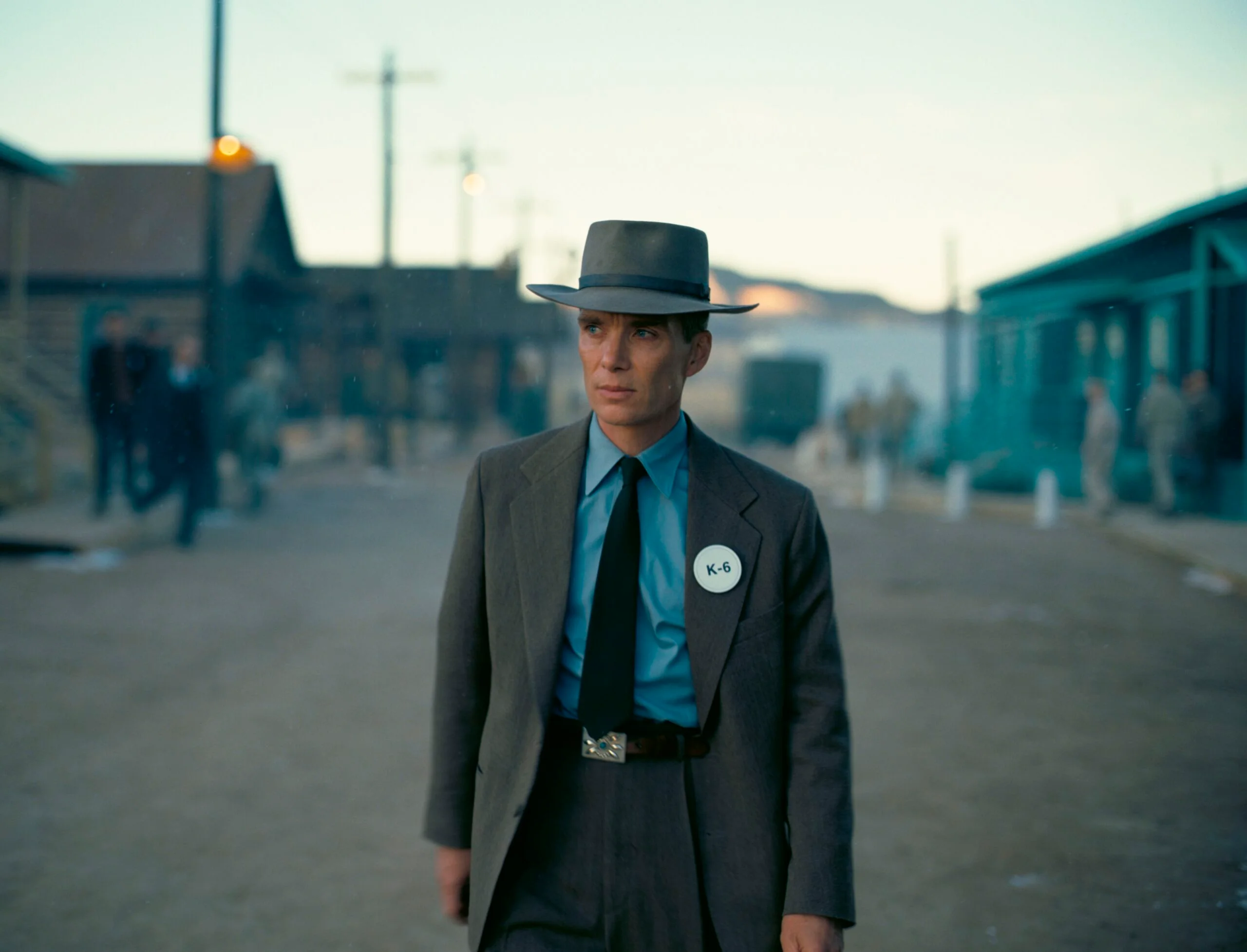
Hindsight is 20/20 when it comes to critically analyzing one of film’s biggest honors, but very seldom in this century has the Academy accurately represented film’s best films across the board, which is something that critics and users surprisingly agree on. Out of the same 24 years under a microscope, only eight of those years featured films that cracked both Critics and Users’ Top 100 lists: Parasite, No Country for Old Men, Moonlight, The Departed, Oppenheimer, Everything Everywhere All at Once, Gladiator, and Spotlight, ranked in order of cumulative preference. For a body whose recognition is seen as one of the greatest honors in film, it’s interesting to see that the same body only selects the most well-regarded film of the bunch only one-third of the time.
However, that’s not even accounting for how often the most well-regarded film, overall, goes unnominated. Some of the major omissions from the Best Picture race are In the Mood for Love, coming in at #4 for critics and #12 for users, Mulholland Drive , #2 for critics and users alike, Eternal Sunshine of the Spotless Mind at #9 for users and #7 for critics, and The Dark Knight , at #6 for users and #28 for critics. The Dark Knight’s omission was especially notable because the backlash the Academy received that year led to the category’s expansion in 2010, allowing up to 10 Best Picture nominations.
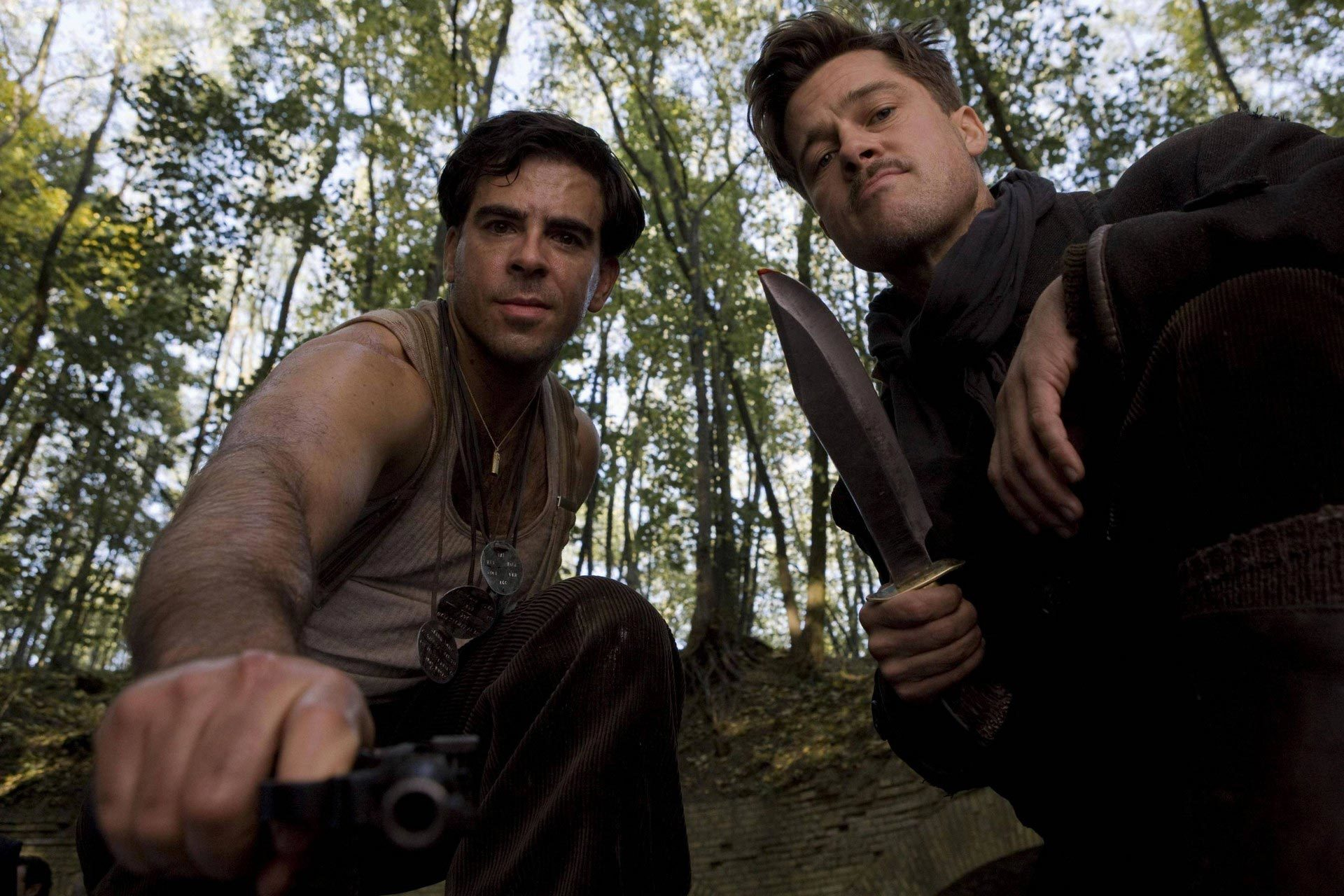
Even with more films being allowed to compete, it didn’t necessarily mean that the most well-regarded films were being brought forward for consideration. For the first three years of the rule change, a large number of films failed to make critics’ or users’ lists. 2009 touted beloved user and critic favorites like Inglorious Basterds, Up, and A Serious Man, while films like The Blind Side, An Education, Precious, and Up in the Air were nowhere to be found. This continued well into 2010 and 2011: The Social Network, Inception, Black Swan, The Tree of Life, and Moneyball were featured on both critics and users’ lists, while the following failed to make either:
- The Fighter
- The Kids are All Right
- 127 Hours
- Winter’s Bone
- The Descendants
- Extremely Loud & Incredibly Close
- Hugo
- War Horse
- And yes, even Best Picture winner The Artist
However, I think even the Academy eventually started to see past the flash of Oscar-bait after a while. While 2013 and 2014 weren’t immune to a large chunk of their nominations being left in the dust (Anyone remember American Hustle or Captain Phillips immediately after watching them? I personally didn’t.), as the number of films not featured on these century lists started diminishing. 2015-2017 saw only two films each year not mentioned amongst some of the decade’s biggest highlights like Spotlight and Moonlight. Regardless, this leads to another problem: consensus voting giving us consistently underwhelming Best Picture wins.
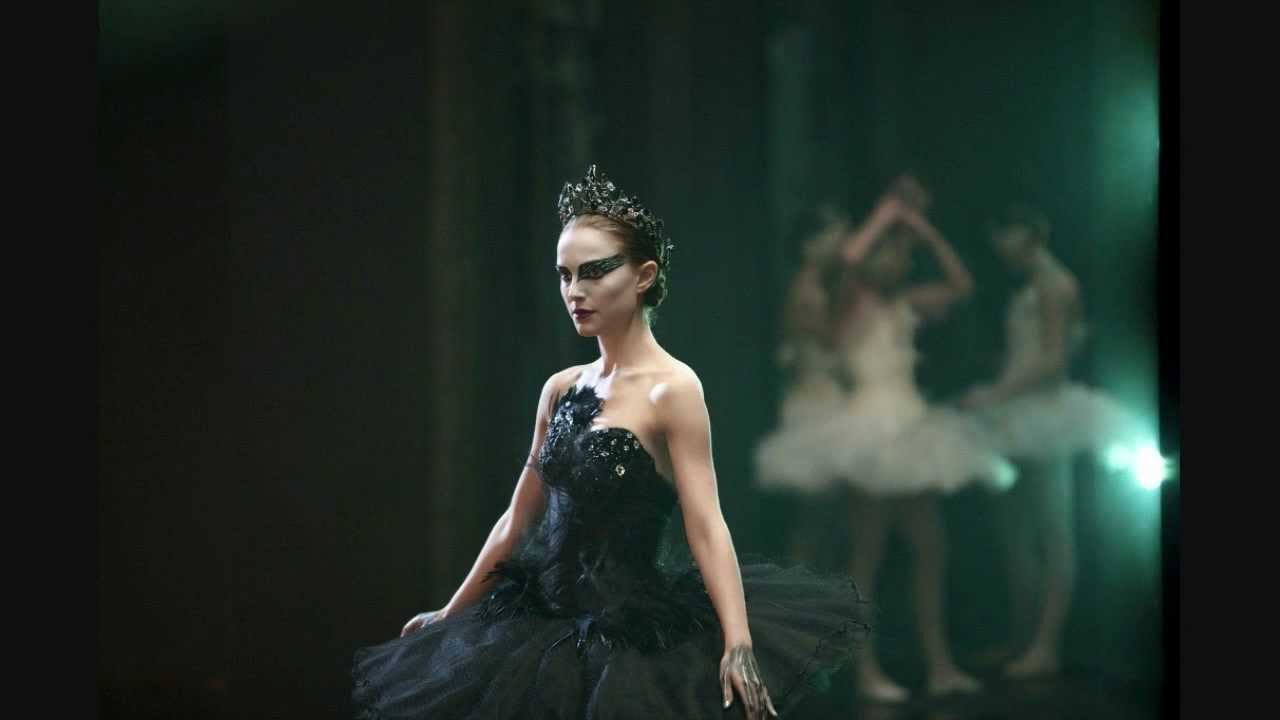
In the hopes of establishing an even playing field, the Academy Awards’ voting body operates on a ranked voting system. This ultimately means that the consensus decides which film will win Best Picture, but at the same time, the numbers from the New York Times’ poll show that this method seldom picks the most universally. A notable example comes in the form of 2010, where The King’s Speech took home the top prize that year, only to come in at #238 on the Users poll. Its competition? Black Swan at #74 for users and #81 for critics, Inception at #24 for users and #55 for critics, and The Social Network at #10 on both lists in the shadow of the film with the more attractive awards campaign.
This isn’t an anomaly, though. A Beautiful Mind won Best Picture while coming in at #265 in the user poll amongst the stiff competition of Lord of the Rings: The Fellowship of the Ring at #14 for users and #87 for critics and unnominated titans like Mulholland Drive, Spirited Away, The Royal Tenenbaums, and Amelie.
Million Dollar Baby won Best Picture in a pretty unremarkable year, coming in at #265 in the user poll, far below the year’s more fondly remembered fare like Eternal Sunshine of the Spotless Mind, Before Sunset, Mean Girls, The Incredibles, Howl’s Moving Castle, Shrek 2… I could keep going.

The same can be said for The Hurt Locker, Argo, The Shape of Water, Green Book, Nomadland, and CODA amongst their respective competition. While no two years can be judged against each other and some years are better for film than others, it’s a repeating pattern that happens often enough to note. Regardless, this seems to be happening less and less over the last few years. In the three years that the New York Times’ critics and user polls aligned with the Best Picture winner, they’ve all occurred within the past five years. Films like Parasite, Everything Everywhere All at Once, and Oppenheimer are clear examples of the Academy’s voting body aligning with their critic and general audience counterparts, with the future never seeming brighter.
For as much as we applaud the efforts of critical darlings year after year, it’s not solely films beloved by the Academy that appeared on Users’ list. 500 films is a big ask of a nondescript voting body composed of your average New York Times reader, especially since the bottom half of the list is full of films that one wouldn’t expect to be remembered with too much affection. However, year after year, there are examples of beloved mainstream comedies, horror, and action films ranked well above prestige pictures with attractive packaging. Best in Show ranked above three Best Picture nominees the same year, two of which failed to make either list. Legally Blonde, Bridget Jones’ Diary, and Zoolander all ranked above Gosford Park and In the Bedroom. 40 horror films, including Hereditary, Nope, and Shaun of the Dead made appearances on the list, a genre often brushed off by Academy voters. In the history of the Academy Awards, only eight horror films have ever been nominated for Best Picture, with only one film actually winning. The same can be said for the action crowd, with huge franchise staples from the Marvel Cinematic Universe and two entries of the Fast & the Furious series finding places on the list. Needless to say, there’s something to be said about this disconnect and what it means for the future of awards season moving forward.
The main takeaway from this list is that the noise that has raged for centuries between critics and general audiences is simply that — noise. If the discrepancy between a refined, pretentious, critic’s taste and a slack-jawed, ignorant average audience-goer was really that severe, then why are 72 films between the Critics’ Top 100 and Users’ Top 100 lists found on both lists? Why are 99 of the Critics’ Top 100 films also included on the Users’ Top 500 list (Andrea Arnold’s Fish Tank being the lone film not in the 500)? And why do beloved auteurs with multiple films across either list, from Christopher Nolan to Greta Gerwig, continue to build a massive following? Simply put, this century in film (so far) shows that these two parties have more in common than one would expect. Similar to the noise between red states and blue states that has existed for decades, the world of cinema continues to focus on the collective disagreement of its viewers rather than our profound similarities. Dialogue and discussion in any medium, as always, is perfectly healthy and necessary, but the participants in a culture war first need to understand diplomacy itself. As we’ve seen across both these lists, art continues to persist and demonstrate profound value in spite of who values it. When 72% of a critics list matches up with the opinions of the average filmgoer, and 99% of that same list is recognized by that same audience to different degrees, we have to ask ourselves if we are really all that different?