Languishing in development hell for almost two decades, Guy Ritchie’s The Man from U.N.C.L.E. finally landed in theaters in August of 2015 to muted critical praise, and relative box office anonymity. Regardless of the reception at the time, the film’s quality deserves to transcend its legacy.

But, what actually is its legacy? The forebearer to Guy Ritchie’s mainstream career? A glimpse into a Henry Cavill-led Bond franchise? A breakthrough introduction to Elizabeth Debicki? A portrait of Armie Hammer’s squandered potential? It all comes together as an immensely entertaining time capsule of a missed franchise as well as a mid-2010s exercise in IP saturation.
Cavill stars as Napoleon Solo, a CIA agent working off his prison sentence for multiple high-profile thefts. With the Cold War raging in 1963 Berlin, Solo is tasked with extracting Gaby Teller (Alicia Vikander), the daughter of a Nazi rocket scientist, across the wall to the Western side. The pair are intercepted by Illya Kuryakin (Hammer), a Russian KGB operative. Despite a prolonged battle, Solo and Gaby make it across.
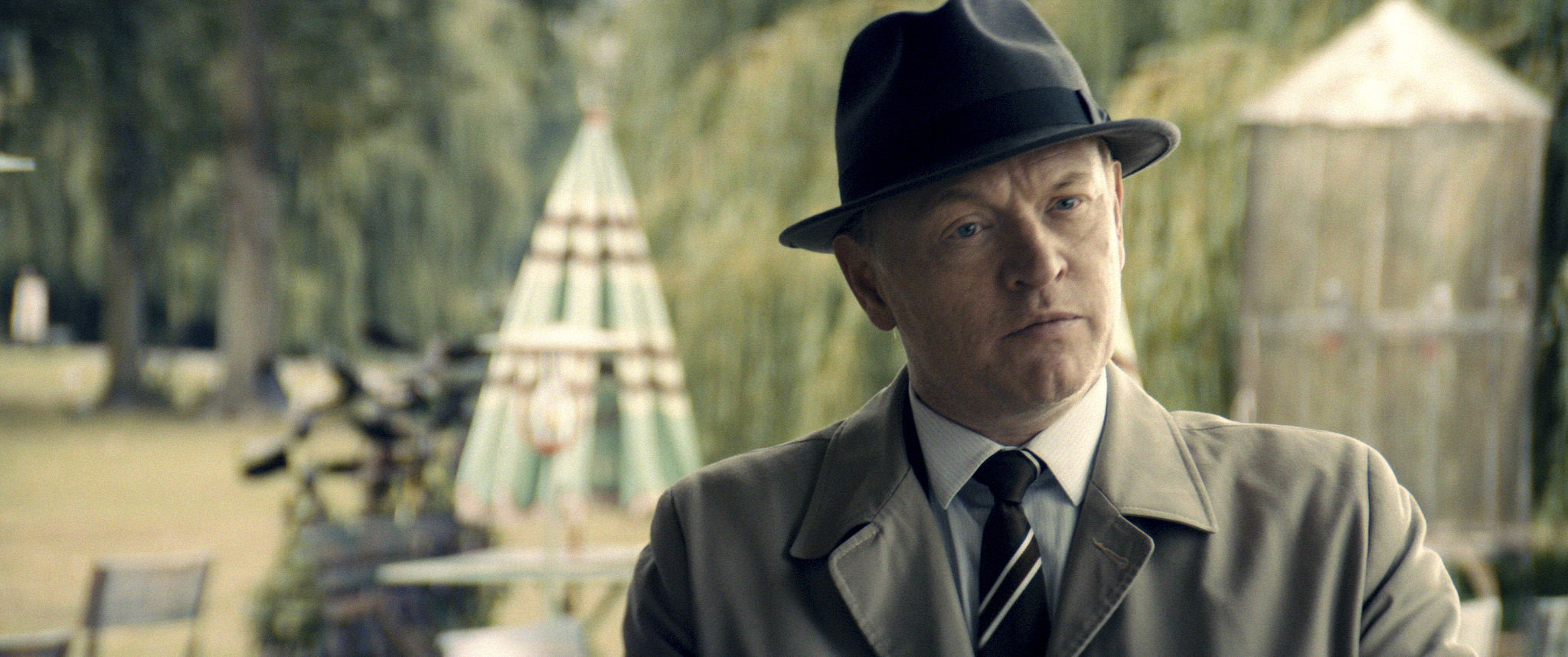
Solo’s handler, Sanders (a wonderfully grumpy Jared Harris), teams him up with Kuryakin to infiltrate the Vinciguerra Shipping Industries and stop them from using Gaby’s father, Udo (Christian Berkel), from building a nuclear bomb. Utilizing Gaby’s uncle Rudy (Sylvester Groth) as well as Solo’s debonair attitude with company head Victoria Vinciguerra (Debicki), the unmatched threesome must act quickly to avoid a nuclear device falling in the wrong hands.
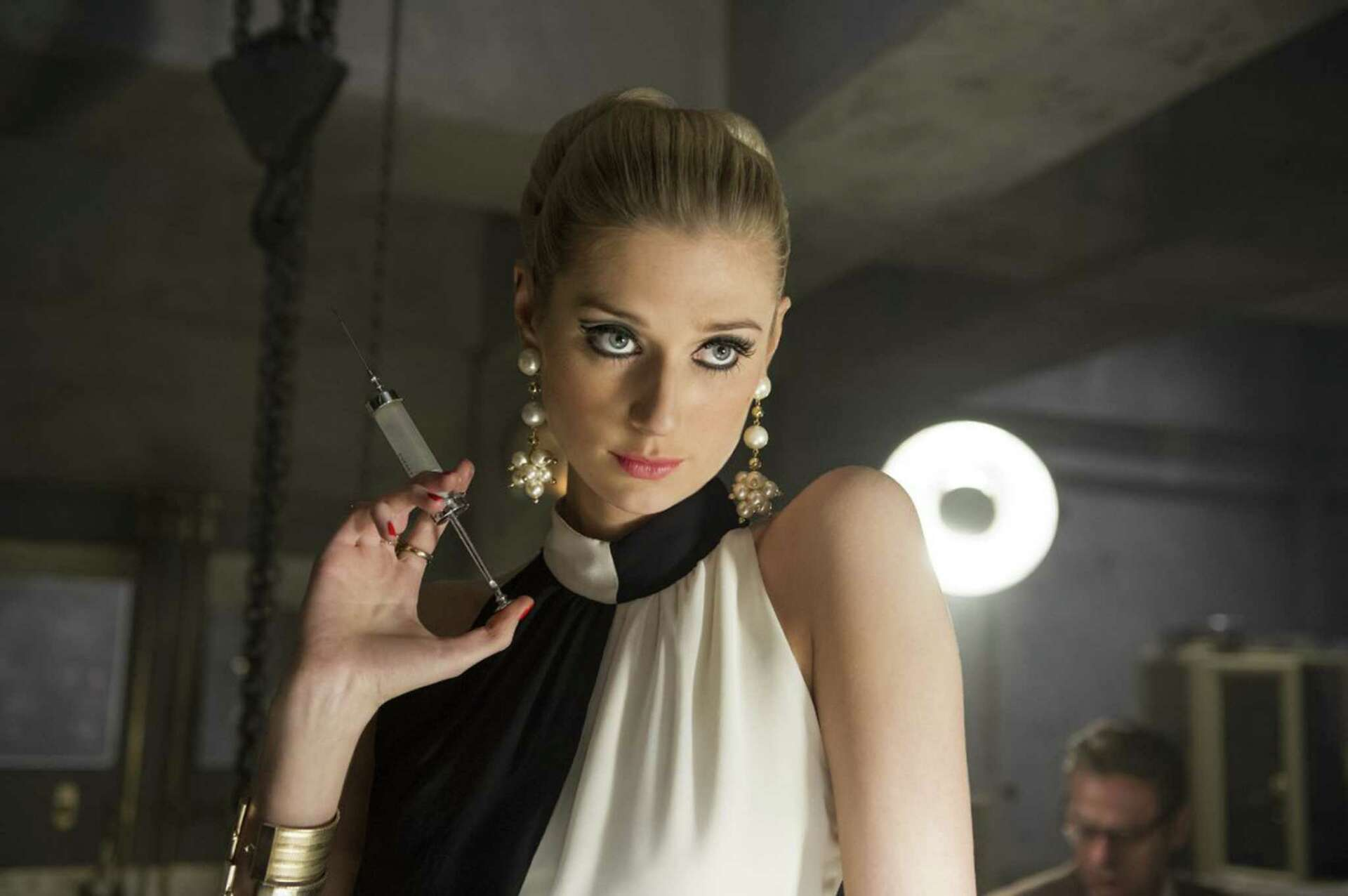
Ritchie does not seem the type of filmmaker particularly suited for this material, but his rhythm and energy lends itself well to the film’s laid back tone. Despite a film filled with Cold War intrigue, life-or-death situations, and nuclear warheads, breezy would still be the best word to describe the film. In fact, one of the film’s resonating lines before the ultimate climax is “How’s that for entertainment?” Not only does this film aim to please, it knows what it is. It’s not trying to be anything other than a good time at the cinema.
That good time is exemplified through the cast. Cavill looks like he is having the time of his life, wearing expertly designed three-piece suits, womanizing at will, and personifying relaxed cool like few others can. It’s the film that best presents the capabilities of his screen magnetism. Hammer has to be more of a bummer, since Kuryakin is such an intense character, but when he gets to have fun is when we care more for him as a character. His characterization is meant to menace, but his performance is the clear weak link of the film (his off-screen behavior notwithstanding).
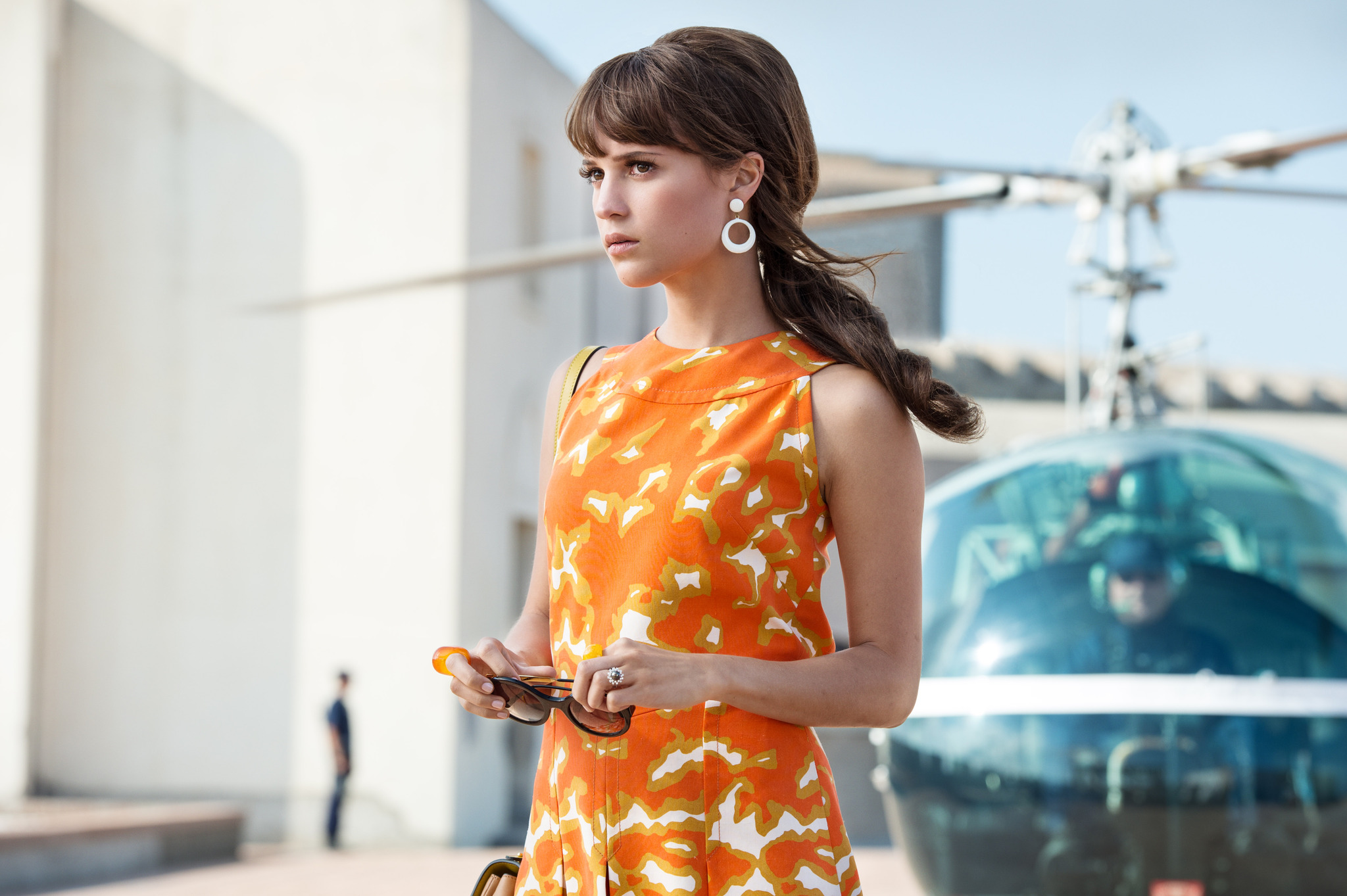
Equally as charming and relaxed is Vikander, in her only real opportunity in her career to have some fun, which she greatly takes advantage of. Not content in her spy-laden role, Gaby gets drunk and begins entices Kuryakin to dance to Solomon Burke’s “Cry to Me.” For all the seriousness in Vikander’s career, it’s by far the most charming thing she has done on-screen. Debicki gets the most complex role as the seductively villainous Victoria. Instead of relying on brawn or cruelty, she gets by on brains, wits, and exacting execution. It also helps when both women look stunning, dressed by Oscar-nominated costume designer Joanna Johnston.
Despite the film having a propulsive story, certain scenes stand out due to their unorthodox style. A mid-film setpiece where Solo and Kuryakin break into the Vinciguerra warehouse features a nicely stylized safe-cracking scene from Solo, which leads to a high-speed boat chase that abruptly ends when Solo is flung from the vessel. Rather than focus on Kuryakin’s attempts to flee, we see Solo calmly sit in a truck, listening to the radio, and enjoying a sandwich and a Chianti while Kuryakin evades in the background.
Later, as Solo is being tortured by Rudi, the scene is lit by a single overhead lightbulb swinging around overhead. Despite our hero’s on-screen torture and subsequent rescue by Kuryakin, it’s a standout scene of atmosphere and performance by both Cavill and Groth. Scenes like this pepper the entire film. Instead of one scene blending to the next, each one has a distinct flavor despite the clear connective tissue. Entertaining is one thing, but to be memorable is another.
Unfortunately for the filmmakers, the box office didn’t back up the quality. Opening against Straight Outta Compton and facing internal competition from the third weekend of fellow television adaptation Mission: Impossible – Rogue Nation, the film barely managed $64.6 million on a reported $80 million budget. Maybe it was a bad release date, or maybe it was oversaturation. The Marvel Cinematic Universe was in full swing, while other television adaptations including Get Smart, The A-Team, Dark Shadows, and the Hammer-starring The Lone Ranger had all premiered to various degrees of failure. Perhaps audiences just didn’t have the taste for a filmed adaptation of a 60-year-old television series.
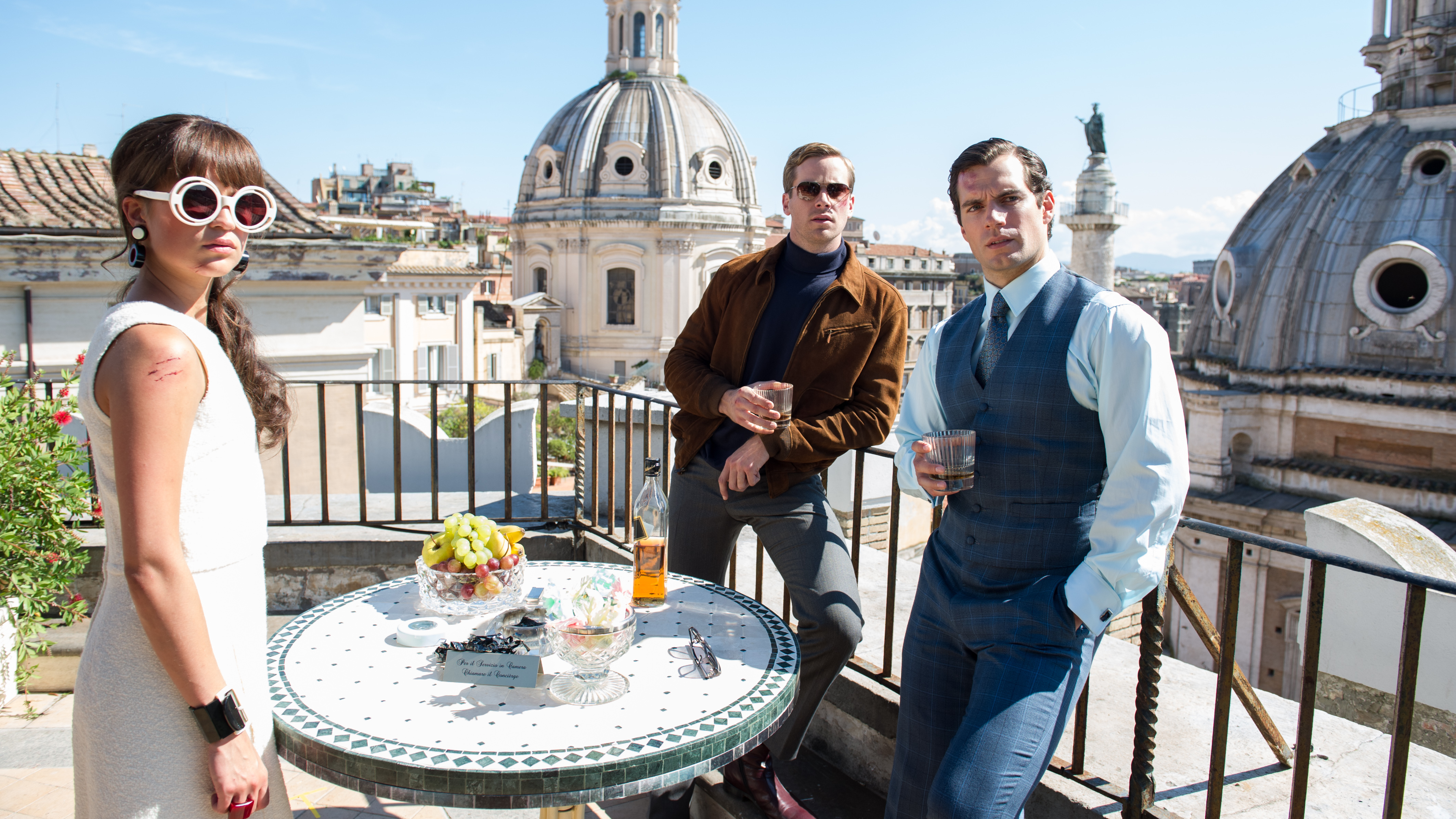
But, the cast and crew live on. Richie has become wildly productive, directing eight films in the subsequent decade, with two more on the way in the near future. Cavill returned and departed his portrayal of Superman in the DCEU, while Vikander continues to do serious, understated, but interesting work since her 2015 Oscar win for The Danish Girl. Debicki dipped her toes in the Marvel machine with the third Guardians of the Galaxy, while picking up an Emmy for her Princess Diana portrayal in The Crown. Only Hammer has left the limelight, and the less we say about him the better. In the end, maybe the legacy of The Man from U.N.C.L.E is existing as an underseen gem in the early filmographies of successful actors. The argument could be made that it is also Guy Ritchie’s best film, and you wouldn’t hear me complain.