


Believe it or not, some people call New York City the greatest place on the planet. This may come as a shock to the senses, dear reader. Unfortunately, my objectivity on this matter may be slightly biased having lived here my entire life. But I do feel fairly confident in the definitive nature of such a bold declaration. What is it about New York that makes its denizens so liable to scream it in the streets, from rooftops, or in bars or parks? The recent Knicks championship has only added to our sense of unshakable adoration for what this city has to offer. It’s something much deeper than the amount of restaurants, cultural institutions, or walkable public spaces we have to choose from on any given day. It’s instead rooted in the unifying principle that a city as varied and oversized as this offers its inhabitants the opportunity to be anything or anybody they’d like to be. At any given moment, New York reciprocates the love people show towards it tenfold in expressive opportunity. But this city can also be unrelenting in its rapidly evolving nature. So many fall victim to the cruelty of those who hope to exploit the beauty of New York through greedy business practices or outright hatred for people freely living however they choose. At the 64th New York Film Festival, the New York Shorts program was made up of five short films, each linked by their explorations of freedom and change alongside a city that simultaneously exists as both transitory and eternal. The changes within the city seem to be occurring more rapidly by the moment, yet its storied streets, avenues, and neighborhood staples lost to the latest slop bowl peddler live immortally within the hearts and minds of the people who carry their legacies with them wherever they go.
The People’s Beach
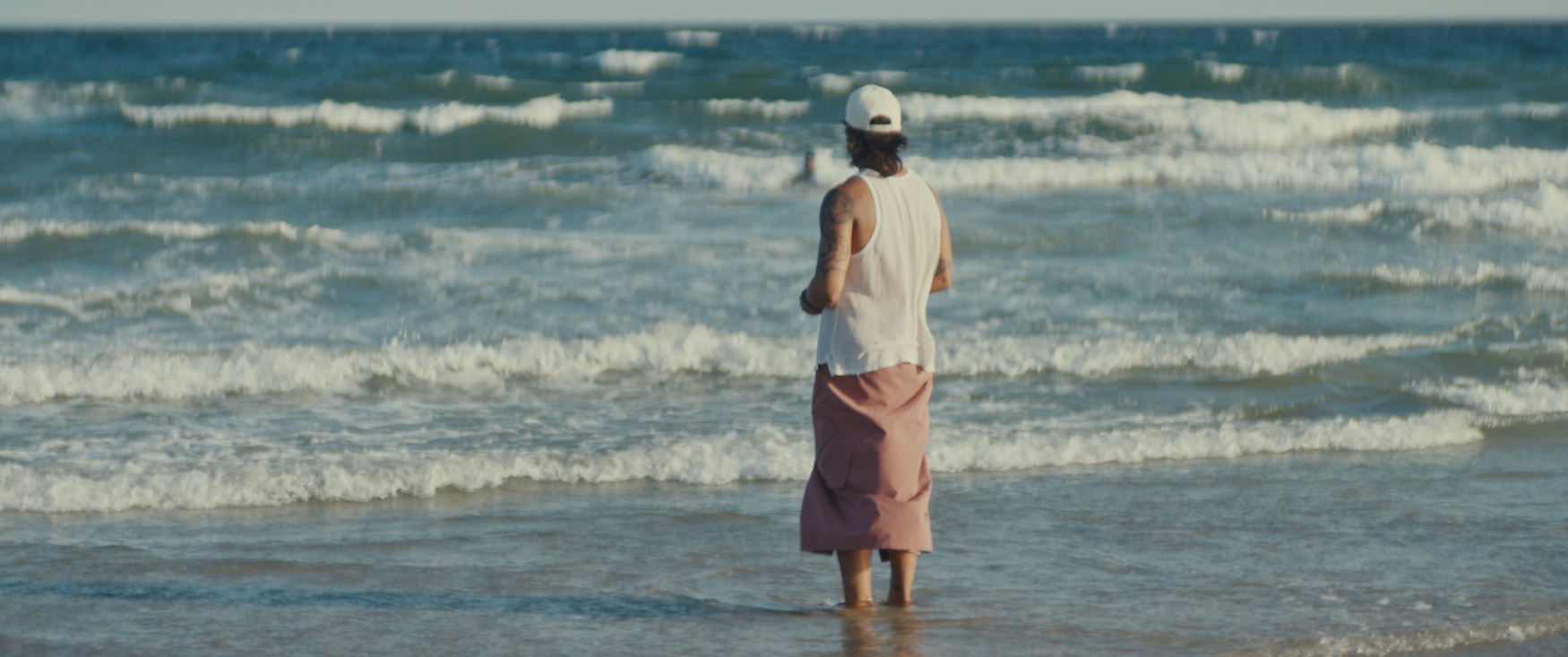
J. Wortham’s short film is indicative of New York’s ability to offer space to all its residents. This documentary focuses on Jacob Riis Park in the Rockaways, described by one of its frequent regulars as “one-of-a-kind… like a fantasy.” Wortham uses this opportunity to create an archival piece of sorts highlighting Riis for all it offers its community. In first approaching this short film, Wortham felt as if they wanted to leave their own imprint on the fight for justice, as they saw various forms of community outreach and rally movements organizing. “This was what I knew, Riis and the water.” In turn, this short film divulges what Riis has represented for so long, in addition to exploring Riis’ potentially rocky future. A longtime haven for the Queer community, Riis is a public space that not only allows New Yorkers a direct connection to nature, but it offers a vital space for its beachgoers to be as free as they’d like to be. These beachgoers can wear whatever (or as little) as they’d like, do whatever they choose, or be whoever they feel most comfortable as. It’s a wondrous delight to see Wortham’s crisp footage of beachgoers having a ball, whether it’s jumping around in the water, dancing all across the sand, or forming a runway in the middle of a crowd to find who has the best outfit on the beach. The infectious fun of the short film is its primary driving force.
But importantly, the festivities and celebration of Riis never removes the weight of building anxieties revolving around what Riis might look like in the near future. The rapidly-expanding infiltration of private companies doing all they can to exploit public land has indeed set its sights on Riis. Old buildings which stood as testaments to the history of a place are being demolished in favor of ugly luxury buildings designed for those with obscene wealth. A situation like this doesn’t just make for an unfortunate eyesore, it allows for the erasure of New York’s expansive history. Despite the unknown future, Wortham’s short seems optimistic, or at the very least, embracing of the fact that community can reside wherever people gather under the driving force of love and care for one another. In talking to subjects for the short who have been going to Riis for decades, Wortham noted “they were doing the same things we are doing.” It’s an observation which feels indicative of the strange relationship New York has with the passage of time. The geography of this city is almost certain to change; if not by greedy developers, simply by the sheer force of nature. But it’s almost as if nothing can stop New Yorkers determined to live exactly how they choose to do so. It’s a beautiful reminder of this city being a safe haven for any who choose to embrace its scope.
ee
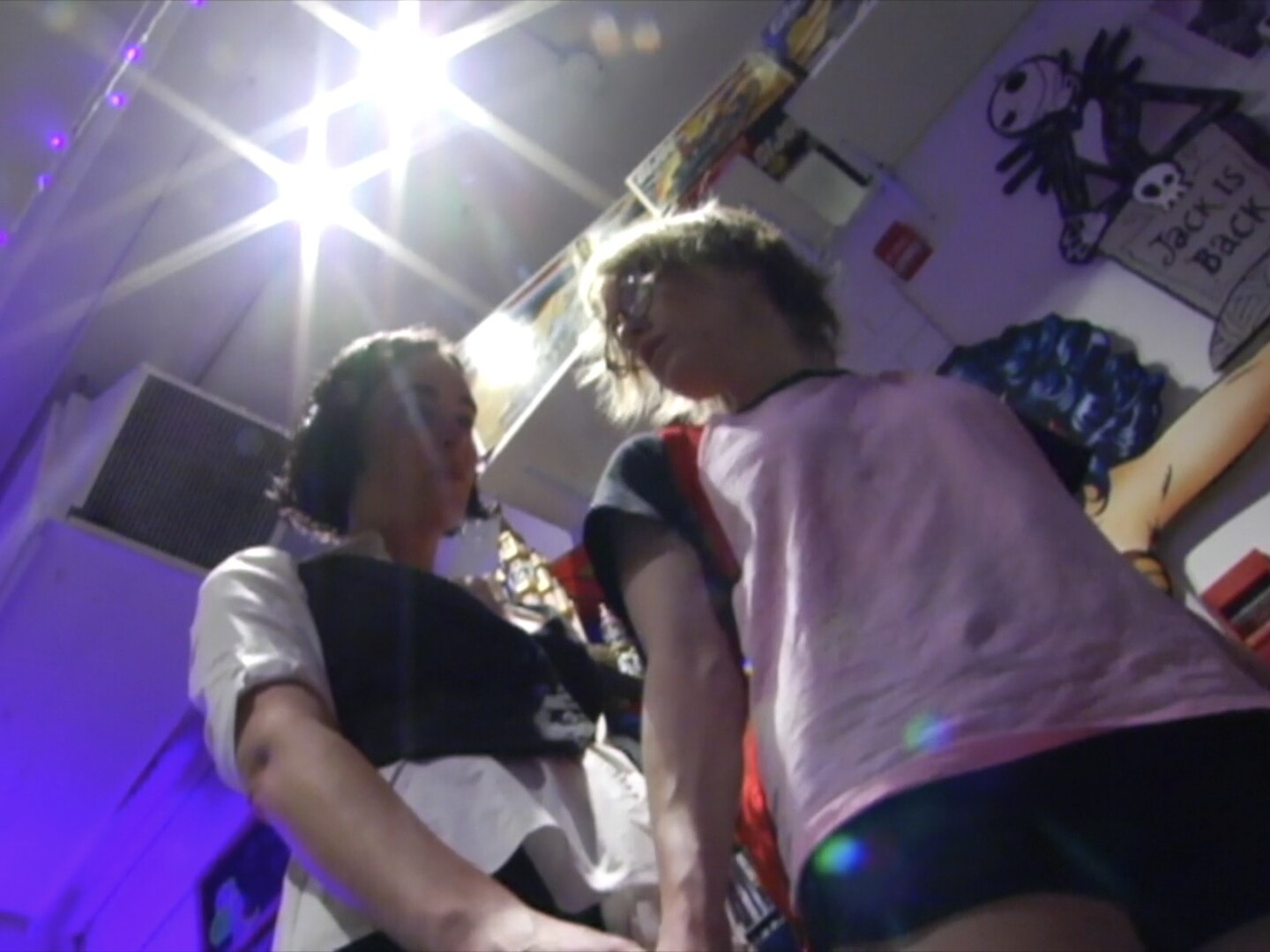
Heather Landsman’s short film begins by highlighting one of the more inconsequentially hellish aspects of contemporary society: the rampant proliferation of the speculative market. It would appear that not even the more niche corners of pop culture are safe from individuals and corporations intent on preying on the earnest passion fans have for everything from anime to video games. And so, collectible figures which likely cost pennies to make and were meant to adorn shelves as a personal form of expressive decoration now sit behind plexiglass boxes as collectors willing to spend hundreds of dollars fight for the possibility of owning it. They may not even be familiar with the property, let alone appreciative of it; they simply couldn’t care less aside from the status symbol. And so, any adoration of something slowly becomes warped through its unattainable prism. But that only encourages Landsman’s film to feel all the more wrapped up in the allure of something we desire on such deep levels. The film feels akin to an exposed nerve, where we nervously wonder whether or not the people around us will notice the vulnerability and wreak havoc on our entire lives.
As Emma (Abby Griffith) gawks at a particular blind box collectible figure way out of her price range, the thought of the shop employees, Huey (Will Menaker) and Julie (Isobel Fox), watching her every move keeps her on edge. Unwilling to let Emma stew in her panicked anxiety alone, Landsman brilliantly utilizes every practical effect imaginable in order to elicit the same sort of paranoid panic in her audience. Largely captured on MiniDV format, this film looks how a nightmare feels. There’s a sense of broken reality at play, from its fish eye lens surveillance to the maximalist emotional responses inspired by the stylistic flourishes of anime. It’s just one of the ways ee feels so spiritually indebted to Hideaki Anno’s mid ‘90s anime masterpiece, Neon Genesis Evangelion. Landsman captures the innate emotional throughline of that show to the tee: the panic that sets in when we feel the darkest parts of ourselves have been revealed for all to see, yet we continue down the path regardless of that worry simply because it feels better on some fundamental level. That this short film also leans fully into the sensory assault editing style of anime imbues it with a breakthrough revelation of personal touch. It makes the hyperpop aesthetics all the more shocking and effective in their striking contrast. Landsman is able to blend all these disparate characteristics into a short film that feels completely unique, all the while showcasing a clear love and understanding of various pop culture staples that make this a wild and entertaining ride in just under 10 minutes. ee also effortlessly captures the thrilling wonders that are the little pockets of New York, which seem to exist in a liminal space for those who know how to find them. They represent the potential of infinite experiences being on offer, sometimes occurring in the most strange locations imaginable. There’s nothing like the discovery of such a gem that feels distinctly formed for us amidst all the chaos of the city, and the same can be said for a short film like this.
The House Call
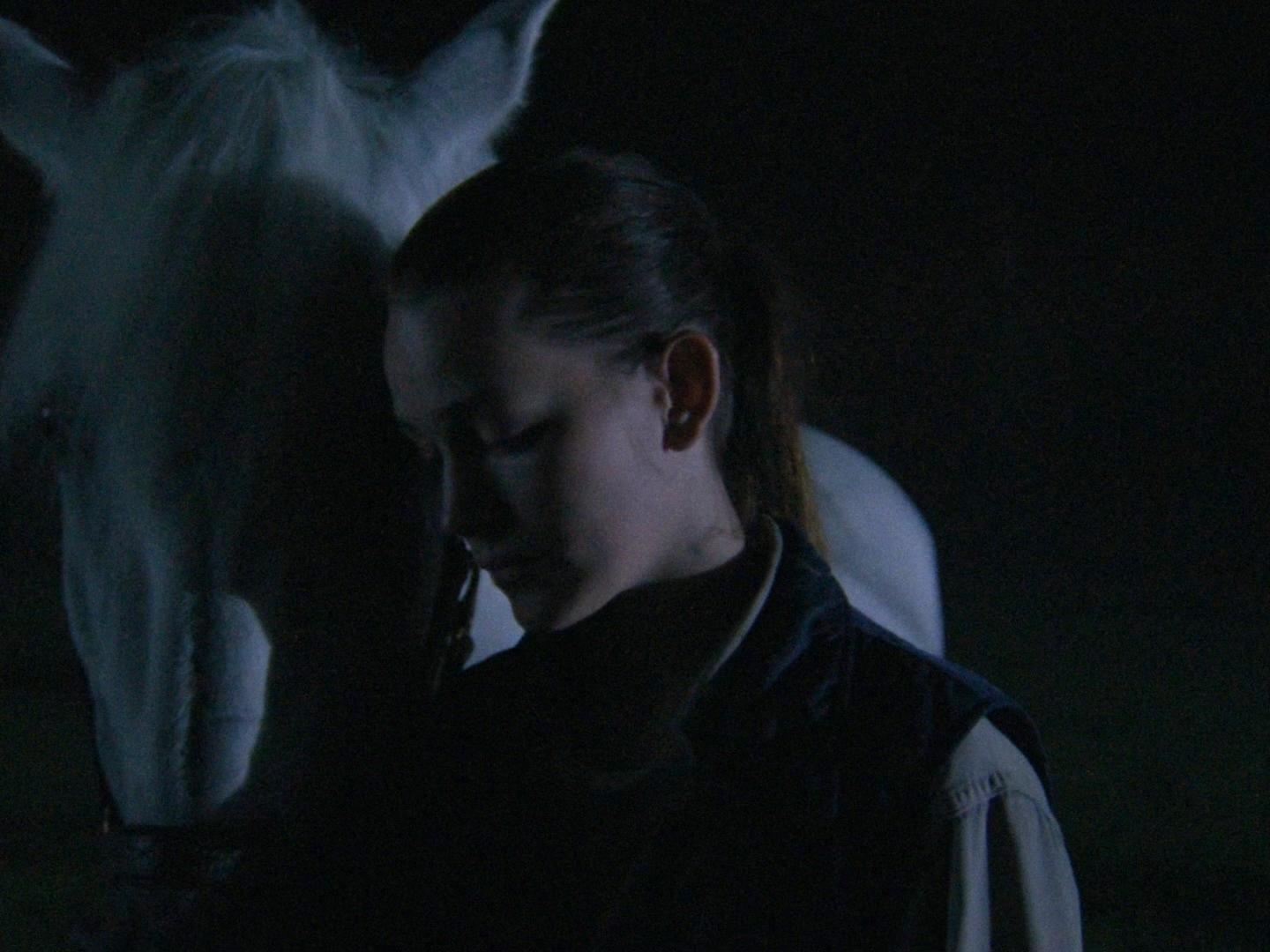
Eliza Barry Callahan’s short film doesn’t take place within the city limits, but it does feel as if it remains indebted to New York City in some capacity. This story takes place in Saugerties, New York, a wonderful town that’s just below the Catskills. It’s essentially 100 miles out of the city; nearly the same distance as Philadelphia. And yet, for so many New Yorkers, they (perhaps a bit ridiculously) consider Upstate New York to be this vast wasteland of mystery and nothingness. This short film feels like it’s playing with those notions of city audiences. But it also feels like a metaphor for the beautiful opportunity an escape from the city, or just the stresses of our everyday lives, has to offer some people. It’s a chance to get away from the shock of reality and perhaps be reminded of what matters most in our lives. Dr. Swan (Victoria Pedretti) experiences something a bit like that, although Barry Callahan goes about such a discovery in a fairly unsettling manner. This short film perfectly embodies the feeling that something we consider so standard has gone deeply and profoundly wrong. Most can likely relate to finding themselves in a situation which desperately needs to be exited yet not having the means of doing so. Dr. Swan unfortunately doesn’t have that ability either, and is instead pulled further into a waking nightmare shot so gorgeously by Hot Water and Rebuilding cinematographer, Alfonso Herrera Salcedo. The foggy farm this tale takes place in just feels so unreal. Yet the unsettling tension of the scenario couldn’t feel any more fraught with genuine fright. What then plays out across the remainder of the story makes for a strange little gem of a short film. It casts a wide net when exploring topics, ranging from existentialism and veterinarianism to the sheer simplicity of emotional misunderstandings and frustrating mundanities. It’s so easy to get lost in the inner workings of our lives and truly forget how freed we can feel by simply doing what we love, even if it’s only for a moment or two. Barry Callahan delivers a short that frankly looks stunning, captures the strange sensation of dread quite well, balances a lot of tones in a way that is oddly charming, and ends on the perfect note before threatening to overstay its welcome.
A Woman’s Place Is Everywhere
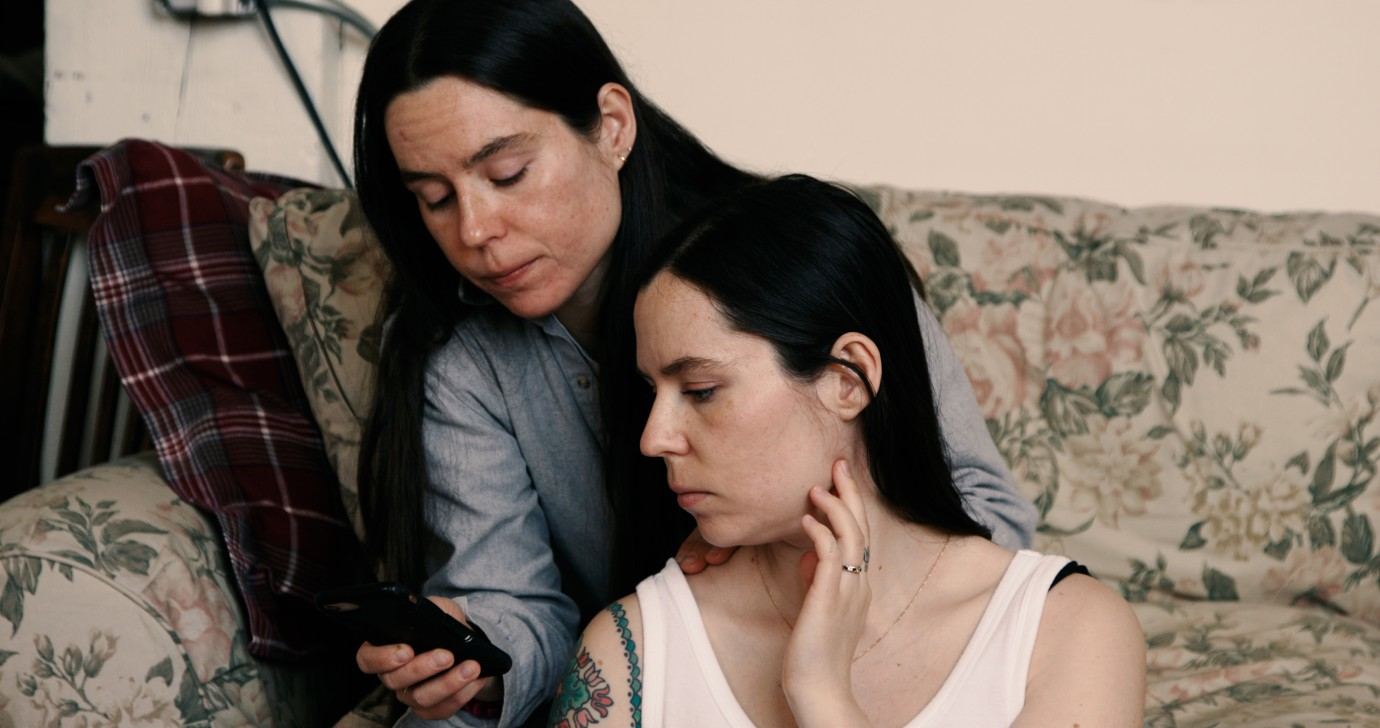
There’s a particularly cruel evil at work in Fanny Texier’s short documentary. And yet it’s an evil that is becoming all too familiar in the world, especially in New York. Most people in this city have likely dealt with a comically inept or downright villainous landlord that, frustratingly, remains faceless in their dealings with tenants. Their actions, which can often lead to devastating circumstances for tenants, are hidden behind blunt emails or posted notices that show little regard for the real people being affected by such loosely made decisions. This is the exact scenario identical twins Emilija and Ona Rygelis faced in the years they were being filmed for this short documentary. They have lived in an industrial Williamsburg loft their entire life, and shortly after the death of their mother, are barely provided any time to grieve in peace before their landlord begins serving eviction notices. They may have to deal with all the typical circumstances of New York City apartment living, but, as they describe it, the twins feel as if their mother’s being is “baked into the DNA of this place.”
With an indeterminate amount of time to shoot and a loose plan on what the structure of the documentary would be, Texier’s short film somberly and efficiently captures just how much of a life revolves around where our roots spread from. When it comes to a New York City apartment, the little space we have to call our own can fill up rather quickly and becomes integral to our sense of self. In the case of these twins, their perfectly located Williamsburg loft has a jaw-dropping amount of space that makes their legal issues all the more infuriating and worthy of a fight. It’s made all the more rage-inducing knowing what this beautifully self-renovated, richly lived-in loft will ultimately become: another ugly, cheaply made, modern building with no soul that costs an exorbitant amount of money to rent. New York neighborhoods are being frustratingly pushed into the “future,” all the while having their distinct souls drenched in history completely ripped out by developers looking to make every part of this city look like nowhere. The stories of these twins are undoubtedly but one of many, yet that fact makes their situation no less sympathetic. These twins are lovely, bringing a realistic quirky charm to their living situation that speaks to how endearingly close they are with one another. The emotional resonance of this short is made all the more potent by Texier including some stellar footage from a short, 1970s experimental film that just so happened to star these twins. It was a film made to explore the relationship of twins, and as such, it offers a clear look of what Williamsburg used to look like. Their mother is also featured, and Texier splices this footage into the present-day for an absolute gut-punch that perfectly synthesizes the emotional toil such a situation is wrapped up in. It leaves the audience with a crushing pit in our stomachs. And yet, it also causes us to think of all the stories that have been built atop throughout history. It’s a notion that makes this documentary an essential piece of New York history. No matter what happens, this short film confirms that this loft was not only lived in, but imbued with a love that cannot be shattered even if it moves somewhere else or is torn down in the name of useless land development. The neighborhoods of New York may be rapidly losing character, but the characters within this city are still keeping it fresh and exciting as best they can. It’s perhaps that spark in each of us that makes this city the most special.
New York Never Let Me Down
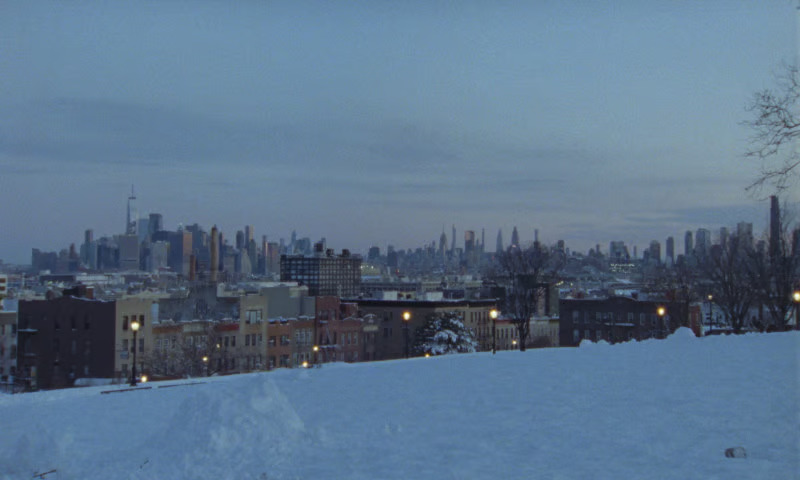
Charlotte Wells begins her short film with a shot of the city skyline overlooking a large, snowy hill. It’s practically swallowing up the frame. It’s a city that remains omnipresent, not just geographically and culturally, but emotionally. To live here for any extended period of time is to carry it with you in ways that we often can’t perceive until we are removed from it. To live here for an entire lifetime, with decades of stories and emotions to parse through, is to understand the true thankfulness that is the only thing required in return. For the subject of this short documentary, Paula Spiro, a woman with a million stories to tell, this tender gratitude is apparent from the moment we hear her speak to Wells. Wells merely points a camera at Spiro, now living in upstate New York, and aims to explore the more intangible qualities of what it was like to live in the city for so long. She wants Spiro to detail what the city sounded like, how it felt, what it embodied in her time living there. It’s one thing to look at living in New York City and rattle off all the cool opportunities it grants its residents: whether it be the art, the culture, the food, the sights. And make no mistake, Spiro does have plenty of stories in those scenes that are jaw-droppingly cool.
From famous subway busking to teaching a variety of musicians who would go onto great acclaim, she’s been around the scene and makes it sound like a wonderful thrill ride. But this all comes from a place of tender reflection with the aim of exploring the emotional imprint New York left on her first and foremost. A crucial element of this short film is Wells’ brilliantly personal direction. Wells ensures there’s no barrier between Spiro and the audience, zooming all the way in on her face during stories to capture every specific detail of her subject’s facial features and mannerisms. She beautifully catches Spiro dancing or drumming through a stunning reflection or rich shadow caught in a window. One shot in particular catches Spiro from a far distance merely walking, with Wells slowly fading in an image of the nighttime skyline while riding the Roosevelt Island Tramway. All the while, Spiro is exposing her interiority through narration in a way that any lifelong New Yorker will feel deep in their soul. As much as Wells is obsessed with capturing Spiro in all her idiosyncratic glory, so too is the film and Spiro enamored with all that New York provided her, specifically in terms of its self-discovery and possibility. To lock into New York’s wavelength is to accept the freedom to be anything we want to be. And anybody who truly cherishes New York is liable to be brought to tears by the unfakeable tenderness and sincerity on display by Spiro. She is thankful for all the time she spent in New York. While her current circumstances may not be the life she initially envisioned, the city seems to have imbued her with all the vital characteristics necessary to make living anywhere a truly distinct experience. Spiro never allows her story to fall into a depressing trap. She understands the sadness, embraces it for what it is, and lives on with a vigor that feels strong enough to inspire anybody listening to her story. This city is amazing, but sometimes the city isn’t nearly as fascinating as the people within it. Much like any parent, perhaps its purpose is to give us all the necessary tools in life, and if and when we eventually leave (or are effectively forced out), we can create our own wonderland based on the wonder and freedom the city provided us, wherever we may end up. To feel like we belong somewhere is perhaps the most important trait a location could ever provide us, and New York provides that in spades by granting each of its residents all they could ever want; we merely have to seize it.