



Director: Sally El Hosaini, James Krishna Floyd
Writer: James Krishna Floyd
Stars: Ben Hardy, Kate Lindsey, Jason Patel
Synopsis: The story of a queer South Asian nightclub performer living a double life, and a young, single father who works as a mechanic. When they meet, a search for identity is sparked.
Lately, there has been an obsession with the shortening of films. If you spend any time online talking about film, there is a constant deification of the 90 minute movie. And while, yes, sometimes there is a particular joy in a quick journey, there should be no hard and fast rule about the length and breadth of a film. After all, as Roger Ebert said, “No good movie is too long, and no bad movie is too short.” Ebert also discussed the idea of film as empathy, which relates directly to Sally El Hosaini and James Krishna Floyd’s Unicorns.
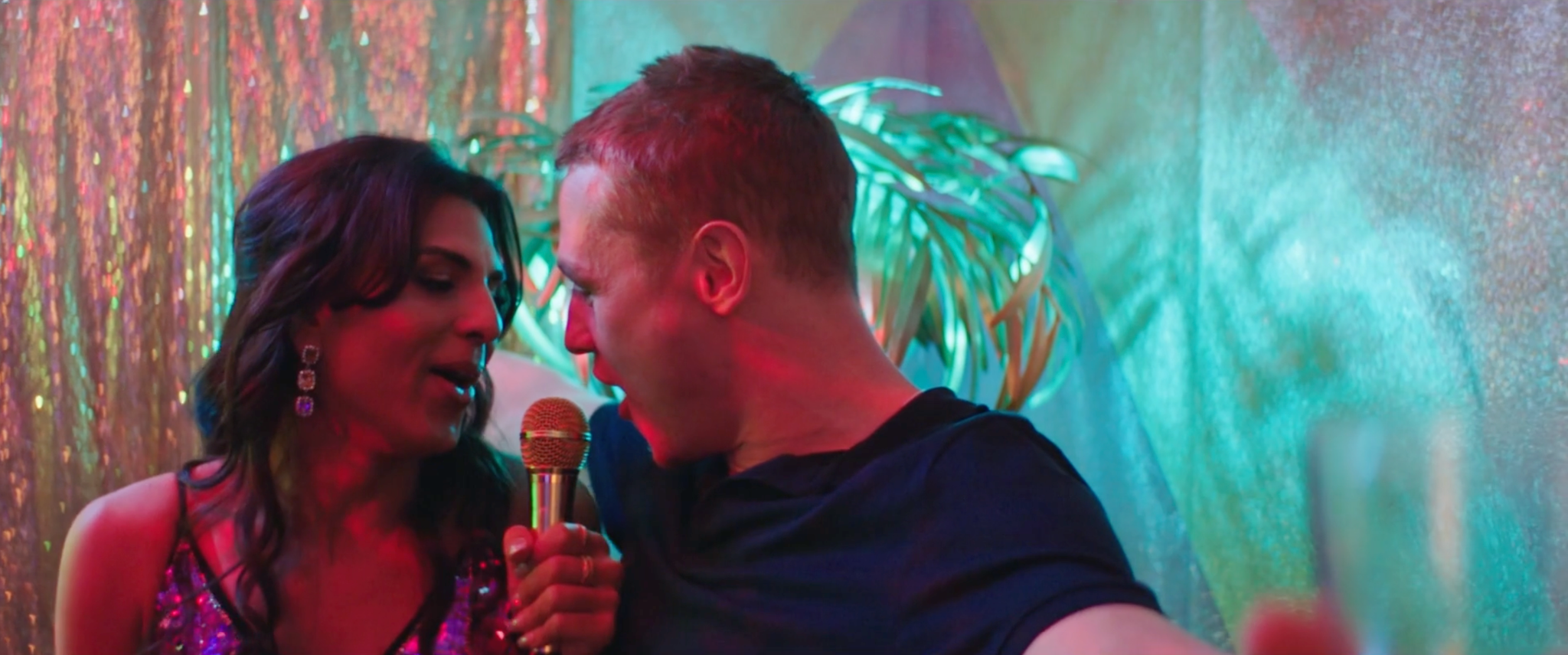
Unicorns is, at its core, a romance between a queer Southeast Asian drag queen, Aysha/Ashiq (Jason Patel) and a recently divorced father, Luke (Ben Hardy). Frankly, the story of connection is a powerful one, and is set up in the opening scene by screenwriter James Krishna Floyd. That introduction is a sex scene, pretty obviously a rushed hookup between Luke and an unnamed woman. After completion, Luke asks to see her again and she responds immediately that she wants to maintain a casual relationship, just a simple code for a one night stand.
As Luke stumbled upon an underground nightclub where Aysha is performing, there is a beautiful love at first sight moment for Luke. Of course, things immediately get complicated due to his lack of awareness that Aysha is a man. This is the knife’s edge point of the film. If it was handled either too soft or with too much harshness, the movie either strains credulity or leads us to despise Luke. Luckily, the combination of Hardy, Patel, and the script provides just the right interaction and the film is able to succeed.
What follows is a slow, structured, beautiful sense of connection, growth, friendship, and eventually something more. Patel, in particular, gives a masterful performance. Obviously, given the pseudo-dual role, he must be a convincing performer on stage, as well as play both sides of their gendered persona. There is not a single moment of ingenuineness and this carries nearly every scene in the film. Hardy is also quite good, but his role is more reactionary. Because Luke is closed off and unsure, he needs Aysha to, in some cases, pull him along the right path and teach him how to engage in relationships. The sexual tension between the two is palpable and, despite the struggle for Luke to come to grips with who he is attracted to, the audience will find themselves rooting for a happy ending.
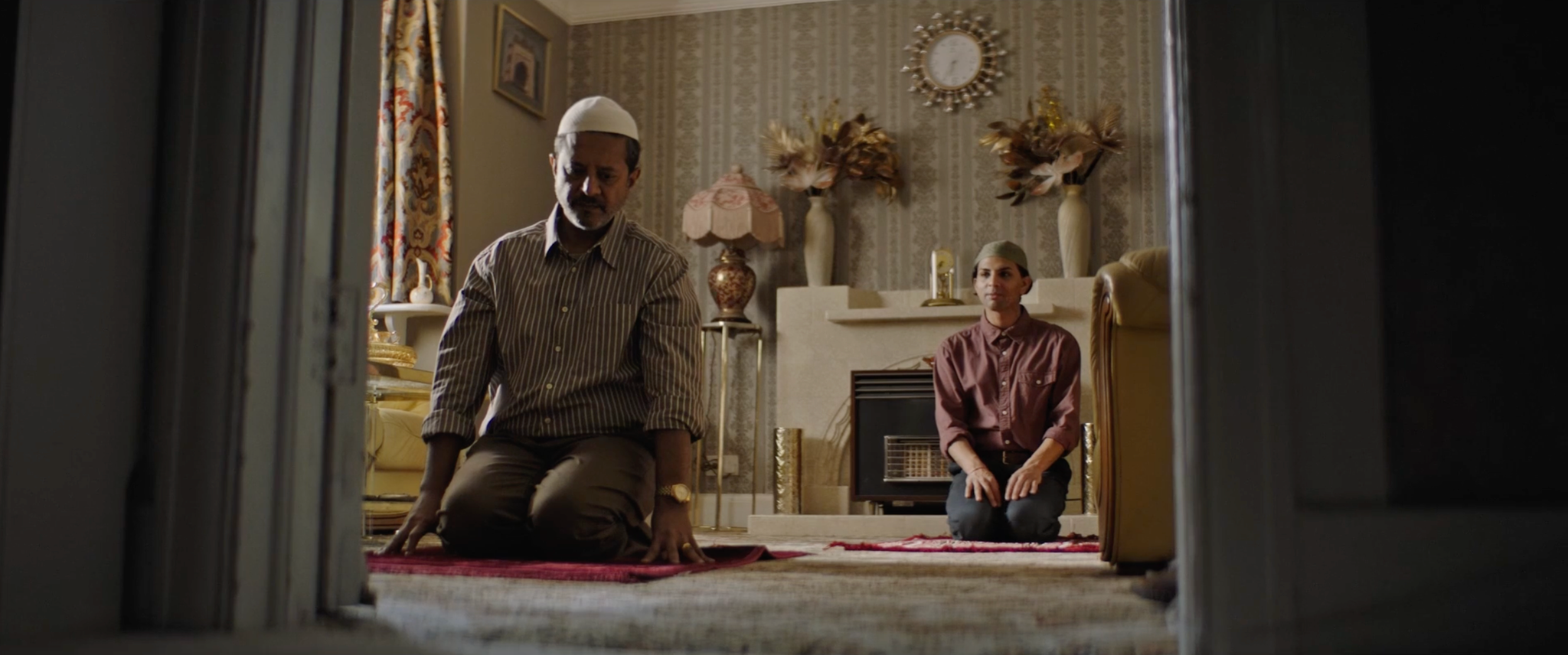
The struggle that this film has is that it has a difficult choice. Either do not involve the families or Luke and Aysha or involve them in a limited way. Luke has relationships with his father, his ex-wife, and his son, Jamie (Taylor Sullivan). All of these feel oddly limited, mainly because the film must balance between his story and Aysha’s. Jamie is highly featured, but mostly exists to help the romance blossom and for Jake to bridge certain gaps later in the film. Aysha, on the other hand, has relationships with their family that come to light much later in the script.
And these scenes, although tremendously moving, simply leave us wanting more. It feels as if there is another entire film on the cutting room floor that is a full familial drama. Aysha/Ashiq’s loving mother, their disapproving father, and their brother who lies somewhere in between provide a stunning and real dynamic that I wish had more time devoted to it.
This is not to say that the romance is not important, or moving in its own right. Luke’s journey into a more open, expressive world is gorgeous to watch, not only emotionally, but visually. Cinematographer David Raedaker captures a magical world of movement and sensuality that feels both far-flung and beautifully familiar. Through these visuals, we are treated to Luke being both surprisingly accepting and deeply confused. And because of this, we become firmly planted in our support of this burgeoning friendship and relationship.
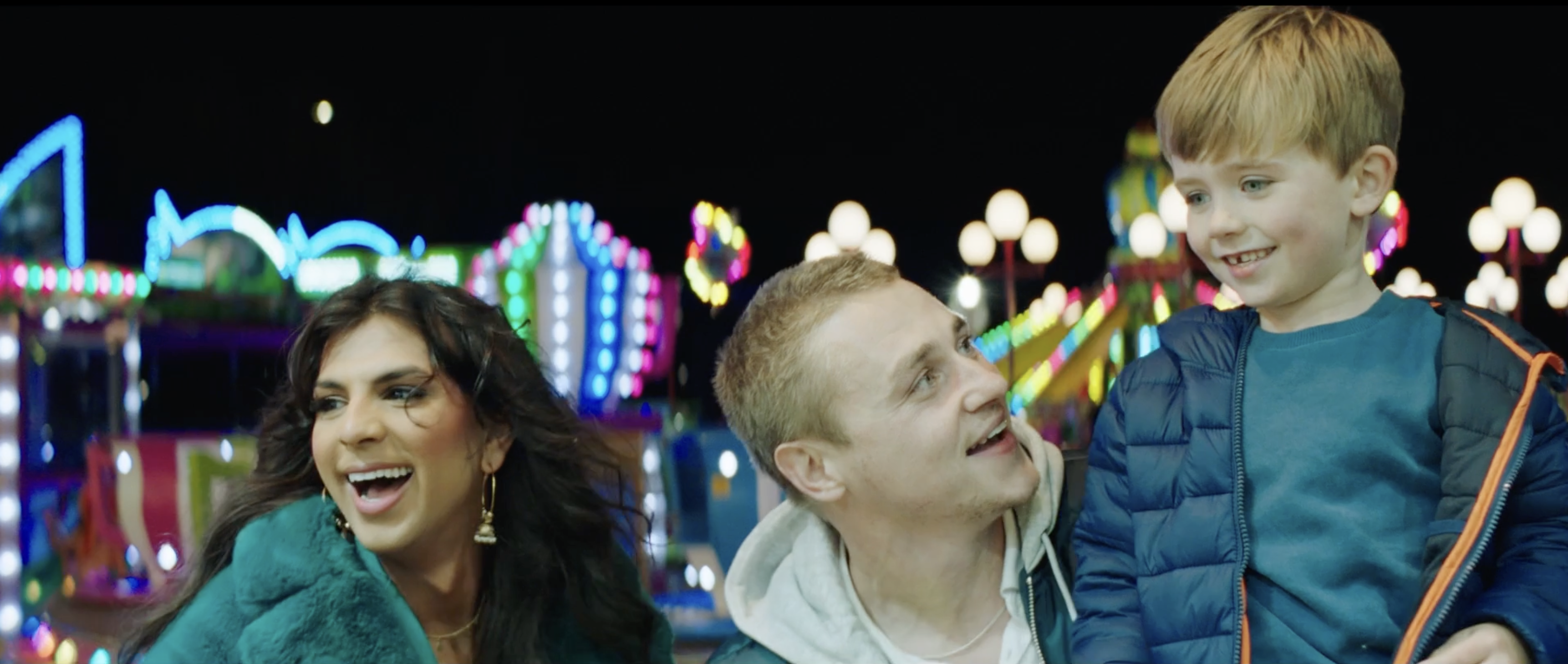
The story of Unicorns is a lot of things. An exploration of the queer “gaysian” subculture, a love story, a search for connection, and a discussion of cultural expectations. The film manages to do all of these things well, even if it is hindered by a slightly rushed storyline. Likely because of these limitations, some of the shared moments between Aysha and Luke do not hit quite as hard as they could. If the film was extended, it could easily be one of the best films of the year. As it is, Unicorns is still an extremely moving, delightful love story.