


Director: Sadie Frost
Stars: Twiggy, Dustin Hoffman, Joanna Lumley
Synopsis: UK model and cultural icon Twiggy, real name Lesley Lawson, whose career kickstarted in the 1960s.
“She lives to be alive, not to be successful. She’s rare” – Dustin Hoffman.
Few names from the world of fashion have become quite as instantly recognizable as Twiggy. At a time when models were often presented as glamorous, distant figures, Twiggy arrived with a completely different look and attitude, becoming one of the defining faces of the 1960s. Now, decades after she first became an international phenomenon, Twiggy gives the woman behind the famous eyelashes, short hair, and unmistakable style the chance to tell her story on her terms.
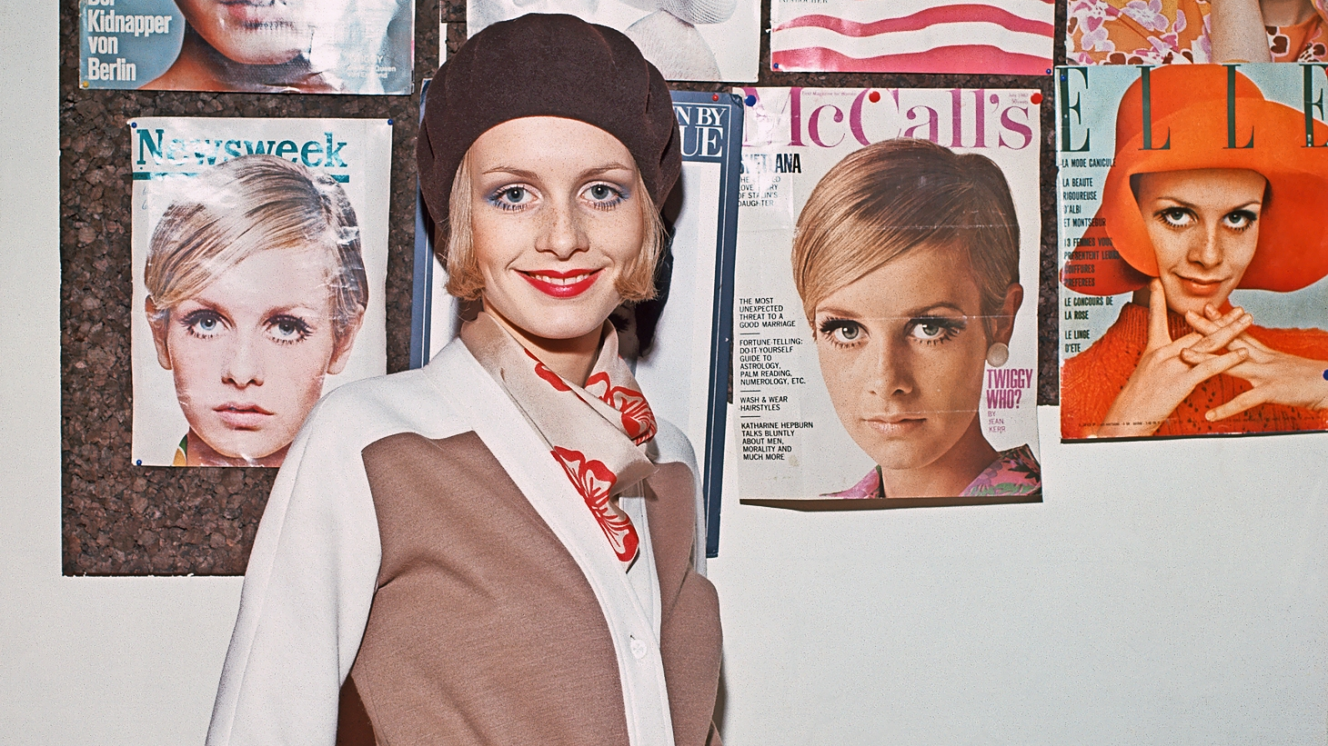
Directed by Sadie Frost, the documentary combines rare archival footage with contemporary interviews, allowing Twiggy to look back on her upbringing, career, relationships and the extraordinary journey that took her from a working-class London girl to a global cultural icon. What gives this documentary an edge is that it allows Twiggy herself to reflect on the woman she was, the woman she became, and the world that helped shape both.
There is always a danger with documentaries about famous figures that they become little more than a collection of compliments from people who knew them. Twiggy certainly has plenty of admiration, with famous friends, models, and fans including Paul McCartney, Dustin Hoffman, Brooke Shields, Pattie Boyd, and Joanna Lumley contributing their thoughts. Still, their presence also helps demonstrate just how far Twiggy’s influence extended beyond modelling. She wasn’t simply another face on the cover of a magazine. And the documentary shows how everyone had an opinion; they had something to say about her, about her role, about her fashion, and just how popular she was. It’s quite eye-opening – think the popularity of Taylor Swift and then times it by ten.
Twiggy became part of a cultural shift. Her arrival coincided with a younger generation beginning to challenge established ideas about fashion, femininity, and celebrity. She was famously young when her career exploded, having reached international fame before she was even 17, making the scale and speed of her success particularly remarkable.
Fame can look wonderfully glamorous from the outside, but Twiggy doesn’t completely gloss over the fact that becoming a global name at such a young age was an extraordinary adjustment. The documentary begins with her tending to her garden – showing a very different life now from the fame and fortune. Twiggy discusses her mother’s struggles with mental health, but growing up in a happy home, how her career exploded, how that affected her, meeting her husband… she misses nothing, and it feels like a real insight into who she is. For example, who knew her famous short haircut took seven hours?
Visually, the archival material is naturally one of the film’s biggest attractions. Seeing Twiggy (and life in general, streets, music, posters) during the height of her fame provides a reminder of just how distinctive her image was. But it’s also so lovely to see clips of her as an older woman, standing on beaches, in her home; it’s a great, delicate balance.
We have the famous interview with Woody Allen, where she makes a fool of him when he asks her who her favorite philosopher is, and when she asks whose his is, he can’t answer her. All the women are still here for that interview. We see clips from her favorite shoot with David Bowie in Paris and that famous album cover image. And then her transition into acting with the film The Boy Friend and winning two Golden Globes. It’s a jam-packed documentary filled with so much glam it’s hard to keep up.
With so much affection for its subject, there are moments when Twiggy risks becoming celebratory rather than genuinely probing. A documentary about someone whose career intersected with so many major changes in fashion and popular culture could potentially dig even deeper into the pressures and expectations placed upon young women in the public eye. The film does explore the person behind the icon, but there are occasions when you may wish it pushed a little harder.
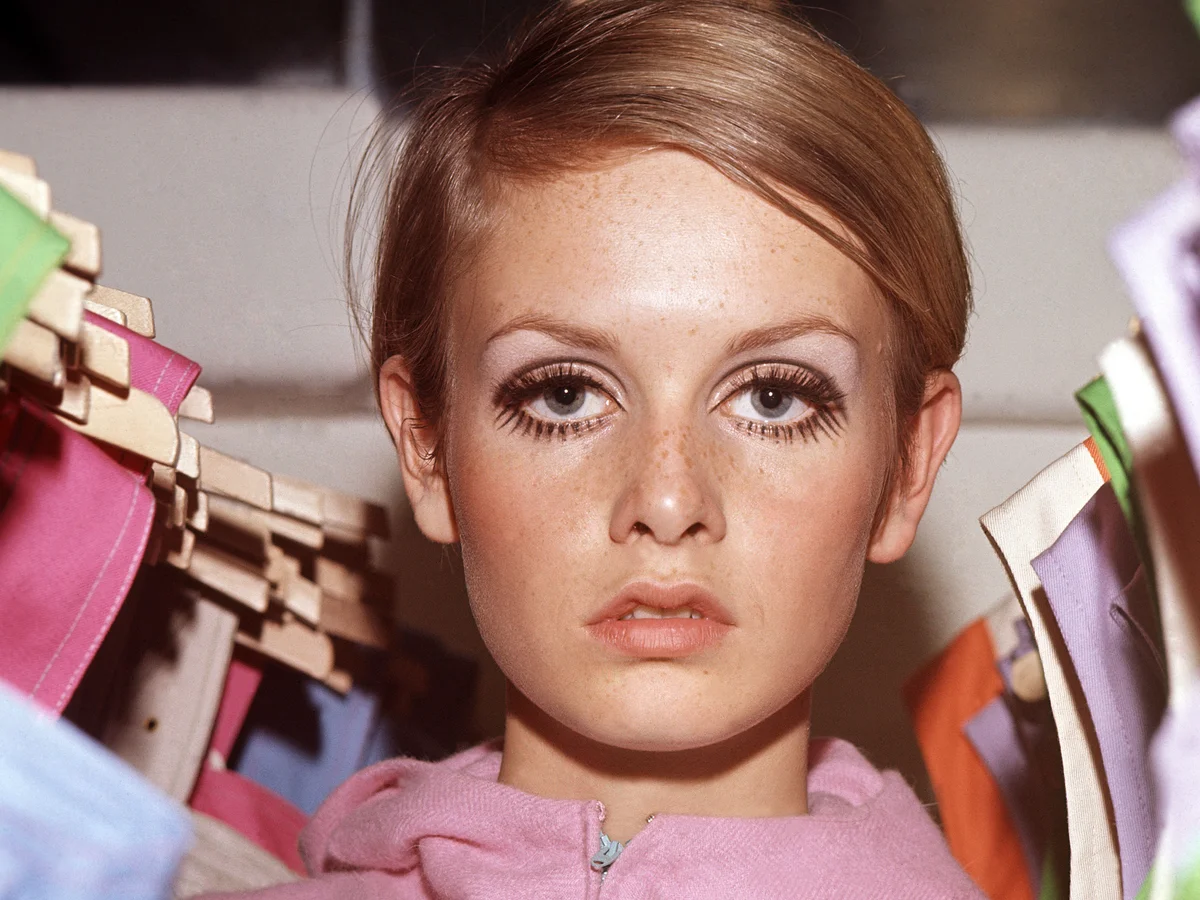
Nevertheless, Twiggy does well in trying to understand what happens when ordinary beginnings lead to an extraordinary life. From working-class London to international fame, the journey is remarkable precisely because Twiggy never set out to become a symbol of an entire generation.
For anyone interested in fashion, British popular culture, or the changing role of women in the public eye, Twiggy offers an accessible trip back to an era when one young Londoner could walk into the spotlight and change the way the world looked at fashion. It is affectionate, entertaining and packed with fascinating archive material. If you’re a fan of Frost’s work, you should also check out her previous documentary work on fashion designer Mary Quant. There is a clear fascination with the cultural figures who helped reshape British fashion and, consequently, the way women were represented. Twiggy sits comfortably within that conversation. After years of being photographed, discussed and remembered by others, Twiggy finally gets to whisper her own story, and it’s well worth listening to.