



It’s not every day that one watches a movie that touches their soul and leaves them wanting to know more about the process behind making it. Jamarcus Rose & Da 5 Bullet Holes is that kind of film. Watching it, I wanted to get inside the head of its writer/director Marcellus Cox to learn more about his creative process, his artistic choices, and more importantly, his humanity. Especially since Jamarcus Rose & Da 5 Bullet Holes is based on Lamont Taylor’s true story. The film takes place one day in the life of Jamarcus Rose as he meets a mentor before he is drafted to go play Major League Baseball.
Cox is warm, funny, and, more importantly, driven with a passion that holds the whole world in his warm embrace. On behalf of InSession Film, I am honored and privileged to talk about his process, why compassion matters, the value of human life, and his message as an artist.
Jaylan Salah: How did you come up with this creative title: Jamarcus Rose & Da 5 Bullet Holes?
Marcellus Cox: I didn’t know what to call the film. If I have to give credit to anyone for picking the title, I give it to my co-producer, Eric Quincy. We were sitting in the room one night, wondering, “What do we call this?” We knew the story, but we didn’t know what to call it, and he started throwing out names. He said, “If we’re going to give away the film the way it plays out, why don’t we just use Jamarcus in the title? We were going to call it Da 5 Bullet Holes, so we might as well put his name on top of it.” That played out the way that it did and I give all the credit to Eric. That’s always been the biggest thing when it comes to the film. Everybody asks, “Why is it called Jamarcus Rose & Da 5 Bullet Holes? You’ve given the story away.”
Well, if you watch the movie, you won’t even remember by the time you get to it. It’s just a play on the film. Again, I give all the credit to Eric.
JS: Thank you, Eric! Could you tell me a little bit about the inspiration behind this film? I know it’s inspired by true events, but what personally compelled you to make it?
MC: I wanted to put myself in the shoes of the individual who the story is based on. And it’s based on a young man whose name was Lamont Taylor. His story really impacted me. I came from the same neighborhood that he came from, and I realized that this could have easily been my story.
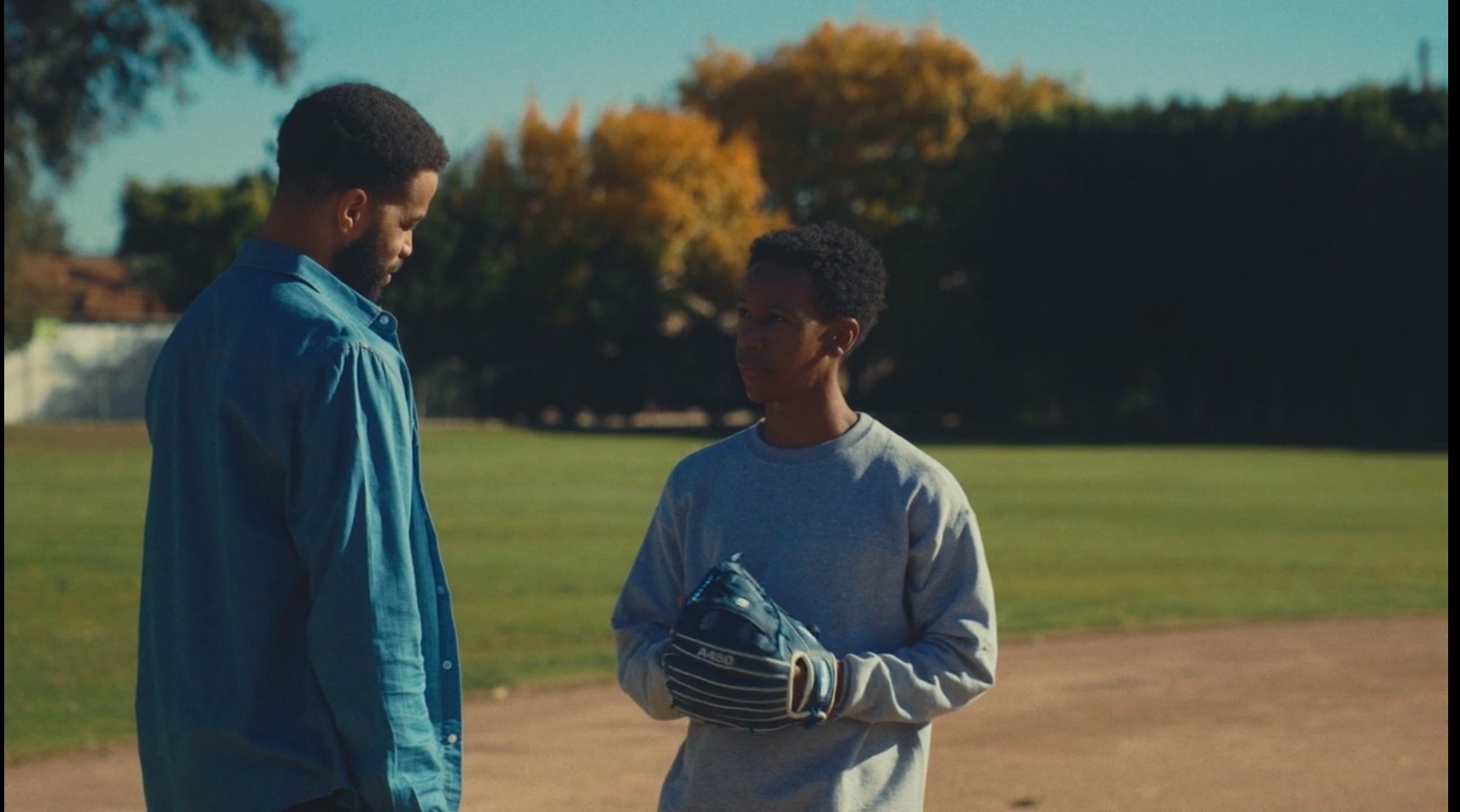
It could have been any one of our stories. So the moment I saw it on the news, I felt deep inside that nobody’s going to do this guy justice. He’s going to be another individual who goes into the wind, and nobody will ever remember him.
I heard his story and saw how talented he was, especially knowing that he was only a couple of months away from being drafted to go play Major League Baseball. I told myself, “I have to adapt this story into a film,” because this shows that everybody has meaning, from the biggest person to the smallest person. We all have meaning, and we’re all here for a reason. This was what I wanted to show and discuss, because I felt that a lot of young, talented men in our neighborhood don’t have that kind of mentorship. Young men don’t always have that sort of presence in their lives. I wanted to showcase that when you do have that, take advantage of it. It’s a blessing. It’s a godsend. As for those who have it, they have to know that it was meant to be.
JS: What do you think is the role of art in taking a news headline and turning it into a human story, flesh and bone and tears?
MC: Exactly, you’re giving pulse in life to something that simply would never have been touched in the light of day. As a filmmaker, I’m always looking between the lines. People see a news article and they see it for what it is. I’m trying to figure out who this individual was. What was his life like? What made him want to go on the journey he was taking to reach this event?
That’s the beauty of art: we can take anything and present it in a vision that no other profession can copy. I knew I had to do that for Lamont’s story because it could have easily been me; a young, talented, black man living in the hood who had a passion for film, but somebody would’ve decided that today was my day. And that’d be it.
You have to read between the lines of those stories about these individuals that would probably never be discussed again. Art allows us to do so. This has been one of those stories so long in the making. It’s a passion project, unfortunately. I’m happy that I was able to walk this journey of building this story and bringing this vision.
JS: To honor the real person that inspired you, casting must have been really difficult.
How did the casting process go?
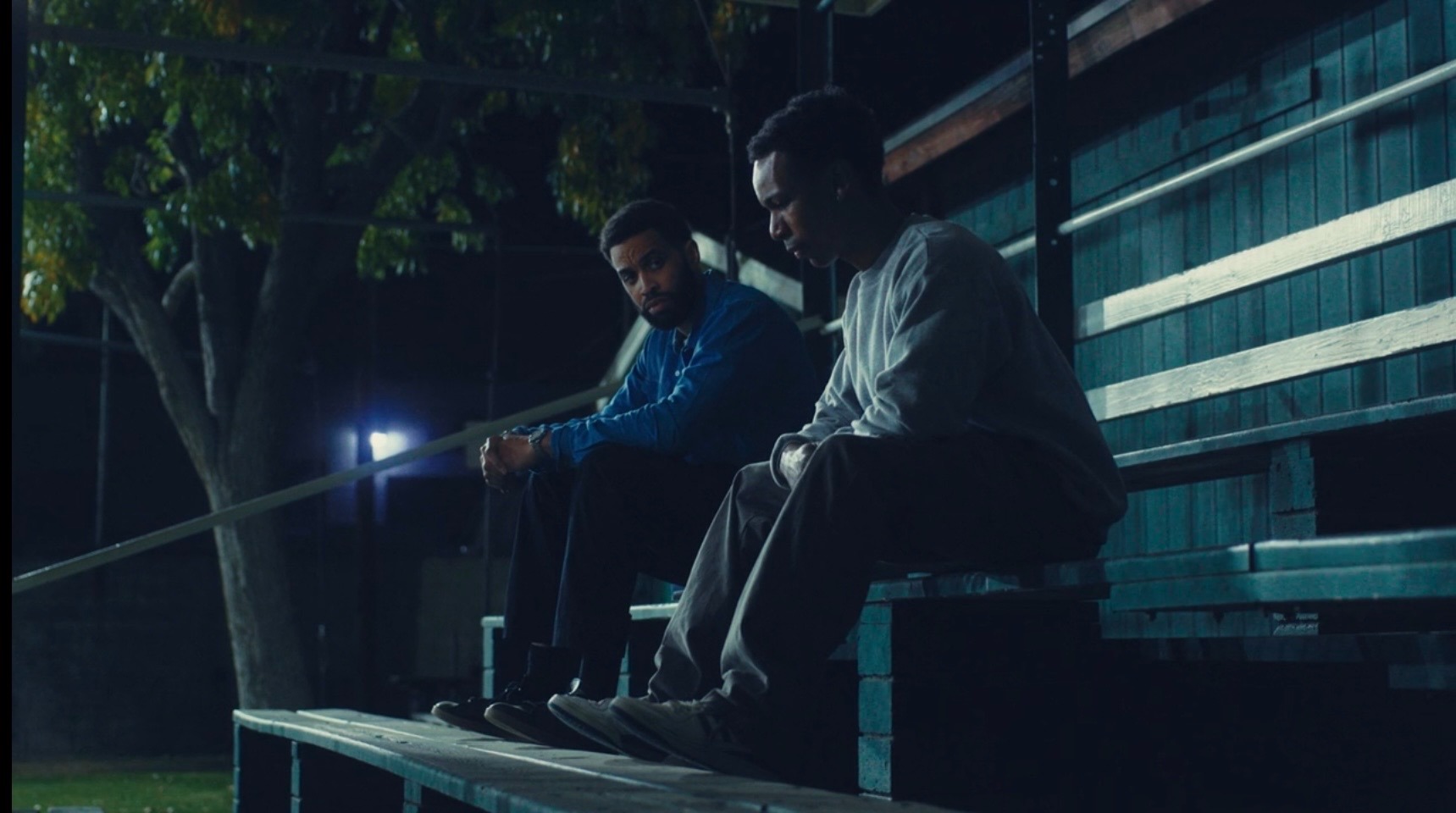
MC: The easiest role was maybe Jasper, which is Stephen Cofield Jr. I already had him in mind when I was going over the notes that I got from Lamont’s grandmother. And I already envisioned him as that character. The real character sounded just like Stephen, who’s a brilliant, amazing actor, with a wonderful personality. They both fit the same kind of vibe. So casting him was a given.
Casting Jamarcus, however, was creating off of Lamont’s character, whom I never got the chance to meet. That was probably the hardest decision. I used the notes and what I saw in the news coverage of what happened to him. You can see how he was a really good kid. Like any average teenager, he had his flaws, ups and downs, but you can tell that there was a spirit. He had a smile that would light up the room from a mile away. Being able to craft that into my own image, go over the notes, and build a character who’s flawed, but also human, that was maybe the most difficult thing, how to put all that so that you can see it on screen.
It had to be somebody who I know can demonstrate all those personality blends. I auditioned 60-70 actors but I was not happy with any of them. But the moment I saw Duane Ervin, he fit that personality. He was a guy whose smile and charisma you could see from across the room. I know he was the right guy and he fit the mold. The best decision I made was casting him as Jamarcus.
Of course I cast Ruthie Austin as the grandmother, because she reminded me immediately of Lamont’s grandma, who was from the South and had the same voice, tone, and personality as Ruthie. The moment I met her and started talking to her, I also knew that she was the right casting for this role.
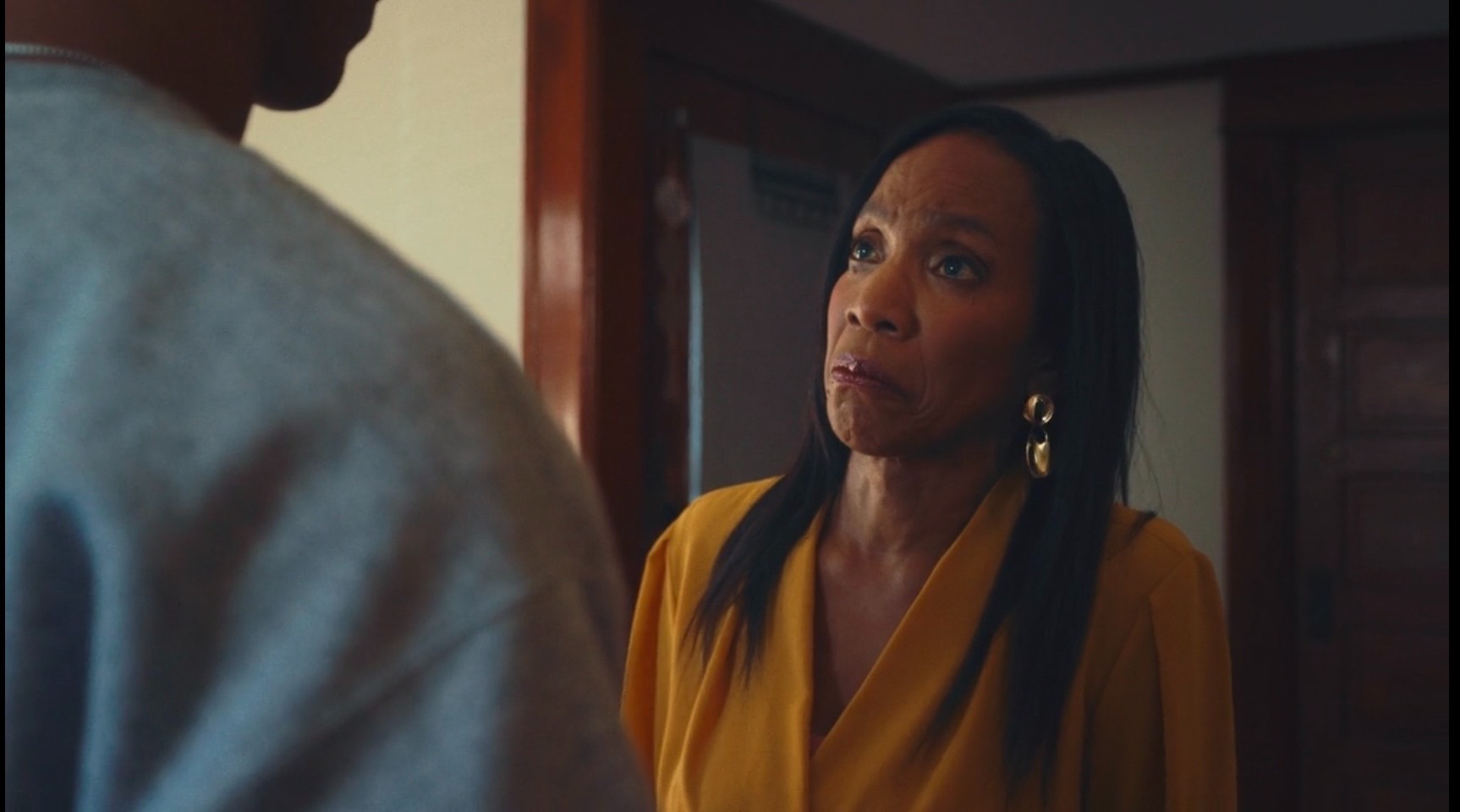
Overall, casting was difficult. But I know I cast the right people for this film. And I give all the credit to them creatively. Their performances are amazing. It came naturally with no real instruction. I just let them get into their field and their process, and they took it to where it ultimately went, so they were amazing.
I’m forever grateful to them because without their performances, there’s no telling how this film would have turned out.
JS: What are the real messages that you hope to transmit to the youth of this generation through your short? Do you think this world is more connected or separated because of technology?
MC: It seems separated. But if there’s anything that I know about life is that everything comes back full circle, no matter what the time period is. Everything that you think you’re seeing now, we’ve already seen.
That’s the true form of connection. We’re not showing this movie only to show what happened in this story, but we know it because we’ve experienced it ourselves. Although we might see things differently in the world, the world operates the same way at large.
To [young men of this generation], believe me, they treat you the same way that they treated me before. But if you can get away from that, off that cord of social media and live real life as it’s meant to be, this film is telling you, “Hey, we’re in this together.”
We’re not fighting you. We’re not trying to hurt you. We don’t hate you. We’re just trying to show you that this is how life is. We want you to know that everyone is experiencing the same thing as you. Our goal is to help you progress further in areas we didn’t have the opportunity to before. That’s what our film aims to do.
Even though there might be a disconnect in time between generations because of the time period and how life works, it’s still the same way. I want you to know we’re in this with you, and we’re going to do everything we can to help make sure that you don’t have to go through this alone, or pass this down to the next generation.
JS: What were the biggest obstacles that you faced while making this film?
MC: The biggest obstacle -and I could be speaking for every other indie filmmaker- was funding. That was the hardest thing, because you’re trying to get as many projects off the ground. One project may please somebody, but not please the person next in line.
Another obstacle was the inability to secure the rights, unfortunately. This is something that I regret. It wasn’t because I wasn’t able to get the opportunity, but by the time I was ready to shoot the film, Lamont’s grandmother had passed away, so I was never able to fully get the life rights. Unfortunately, she never got a chance to read the full script. So I altered it but I still based it solely on his story. However, this was one thing that if I could do it all over again, I would.
I’m forever grateful to Sandra Evers-Manly of the Black Hollywood Education & Resources Center who read the script and believed in me and my vision. She felt that this was worthy to invest in. She wanted someone capable of telling the story and I feel like I’ve done that justice. So I’m forever grateful because without her, this film probably would have never seen the light of day. She is the real MVP to be able to bring this to life.
I’m forever grateful to her for taking the chance on me and allowing my story to be seen and heard.
JS: Which was the most difficult scene for you to shoot?
(The next answer features major spoilers for the film)
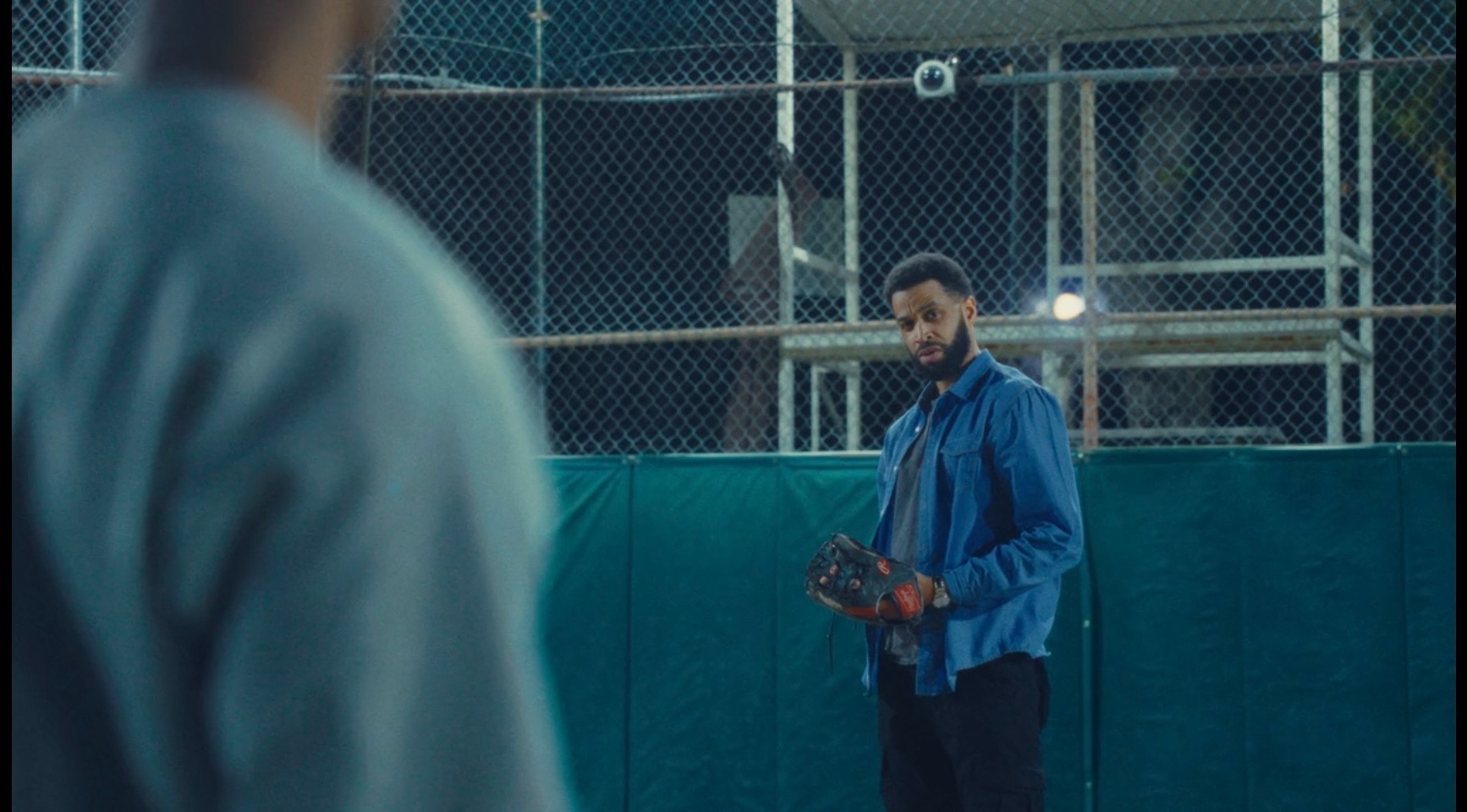
MC: It may not seem like it, but it’s the scene in the car towards the end where you’ll see Jamarcus and Jasper sitting and talking. It’s the last conversation.
It was difficult because when we shot the film, unfortunately, we started during daylight saving time in L.A. It was supposed to be a daytime scene originally, then we had to switch it. However, it actually worked out better for the film, and I’m happy that it played out that way.
Other than that, though, I think the way that we planned things out and worked with an experienced, veteran crew, made life simpler for everybody. In turn, the film wasn’t really difficult to shoot, just the one scene.
It’s probably on me, too, because I should have started shooting a lot earlier, so I take blame for that. But it played out really well and made the scene even better from that perspective, so I’ll live with that. You gotta take the good with the bad.
JS: What is the next journey for Jamarcus Rose & Da 5 Bullet Holes?
MC: We’ve played the festival circuit, so far in about 14 festivals, most prominently Cinequest, Julien Dubuque International Film Festival, Snake Alley Festival of Film, and Roxbury International Film Festival. We still have a couple more screenings that are going to take place, and by the end of the year, we’ll be done. We have our week-long theatrical screenings in place to qualify for the Academy. Hopefully that will work in our favor. We’re excited for the second half of the year. Afterwards, we’ll see where it goes.
I would love to showcase this for students. I would like to screen this in schools because it would be a great educational tool for young men in particular. I also hope to reach out to mentorship programs that are working with young men and women. I also have an idea about doing a feature version of this because there’s more to the story.
JS: Please do!
MC: I have been working on a feature script for it. Right now, I’m about 70 pages into it. Hopefully I’ll get another 20-25 more to tell the whole story. That’s the next plan and hopefully be able to get a feature made out of it. Because I’ve had a lot of people who’ve asked that from me, too. So all I’m saying, stay tuned.
JS: What do you hope the average viewer to feel or learn after watching your film?
MC: Live your life to the absolute fullest and know that you matter to somebody.
Regardless of race, everybody’s life has a meaning, a purpose, and something to offer. Even when it may not seem like it, whenever you look at somebody that may not align with your creed, you have to know that it’s not up to you to judge others. There’s somebody out there who loves and cares for that individual and wants to see them thrive and succeed in life.