



Director: Cristian Mungiu
Writer: Cristian Mungiu
Stars: Sebastian Stan, Renate Reinsve, Lisa Carlehed
Synopsis: An immigrant Romanian family living in Norway is subject to an investigation and faces the scrutiny of the local judicial system.
Everyone knows how a move to a new place feels. It can be disorienting, complicated, and feel as though you don’t fully belong. As such, your life and the inner workings in your household can sometimes differ from others, despite ordinary appearances. This is something to be expected, but what if they end up resulting in a massive divide that challenges whether the new family is in the right or doing the wrong thing? Such is the initial setup of Cristian Mungiu’s Fjord, the winner of this year’s Palme d’Or at the Cannes Film Festival.
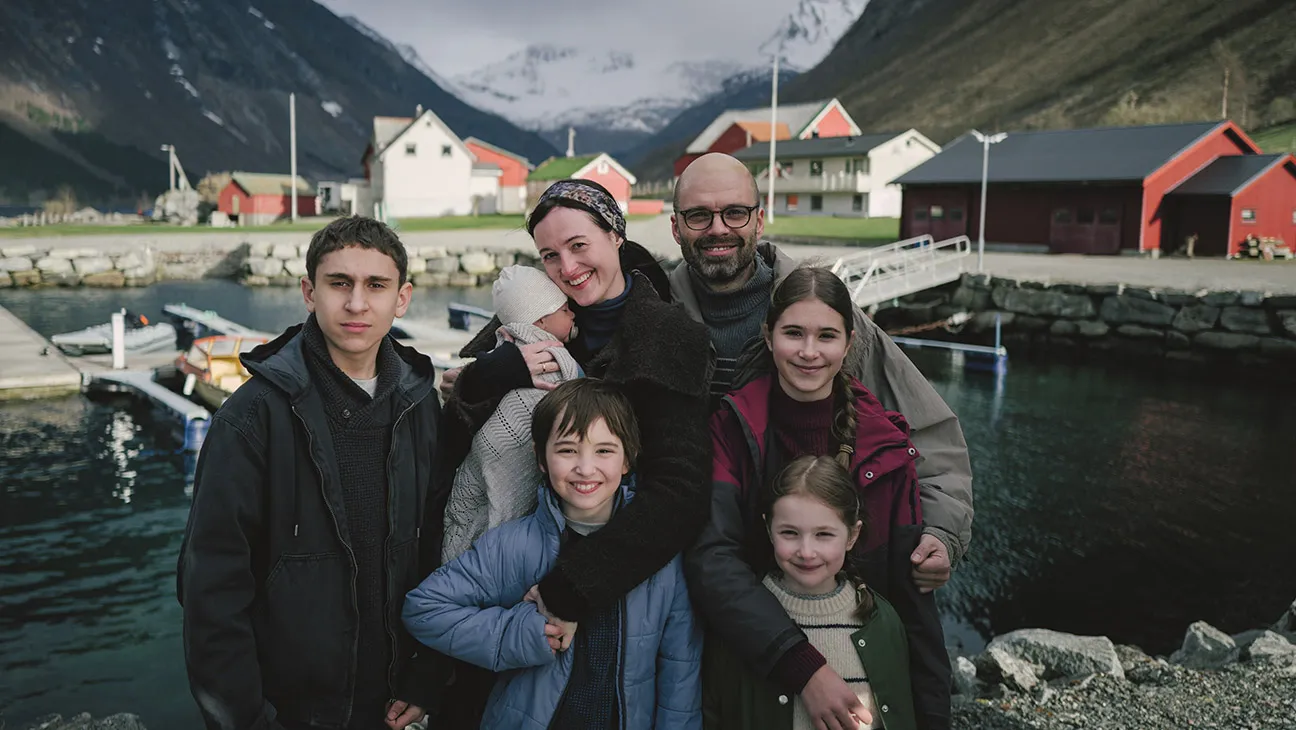
Inspired by true events, Fjord follows Mihai and Lisbet Gheorghiu (Sebastian Stan and Renate Reinsve), who have just moved to a quaint village in Norway along with their five children for work and to start a new life. A conservative Christian family that follows the teachings of the Bible to a T, the Gheorghius are quickly subject to scrutiny and questions from their neighbors as some notice the children seem to have too many constraints and punishments lined up in case they make a mistake. When wounds are noticed on their eldest daughter Elia (Vanessa Ceban), the Gheorghius are immediately swarmed by their neighbors and child protective services, who take their children away. What follows is an intense drama as their values and practices are placed under a microscope and every decision in their lives is questioned.
Fjord rides its very fine tightrope of both morality and acceptance in complex ways, never really picking a side when it comes to its central conflict and which side may be the most correct. As much as some may not agree with the practices of the Gheorghius and how they sometimes discipline their children (a mistake means no attending a birthday party, no smartphones, or watching YouTube allowed, prayers every night), there is empathy to be had in them potentially losing their children for good and not getting to see them grow, as the love for them is sound. Challenging their parenting is also fair, especially as the more progressive neighborhood finds these practices bizarre and dangerous, especially challenging them when the children try to bring religious teachings to school. At the same time, there is some hypocrisy highlighted in how they waste no time in rushing to judgment regarding the Gheorghius and taking away their children, in some cases without proper evidence upfront. It’s thorny, and Mungiu is aware of this with his direction and the presentation, making Fjord sometimes incredibly frustrating to watch. It can be argued, however, that that’s the point of the movie, and how not everything can always be black-and-white.
Stan plays Mihai with a stern coldness, as a father having an iron grip over his beliefs and virtues and how he raises his children, while Reinsve plays the more emotionally concerned mother wondering where she may have gone wrong with her children and questioning the system in place. The movie’s highlights, however, are with said children, as a majority of the runtime is spent with Elia and the eldest son, Emmanuel (Jonathan Ciprian Breazu), who eventually befriend their neighbor’s daughter Noora Halberg (Henrikke Lund-Olsen), who is often trying to get the Gheorghiu children to have more fun and experience life, while also learning from them about having a more structured system at times to live by, once again keeping that tightrope walk in play.
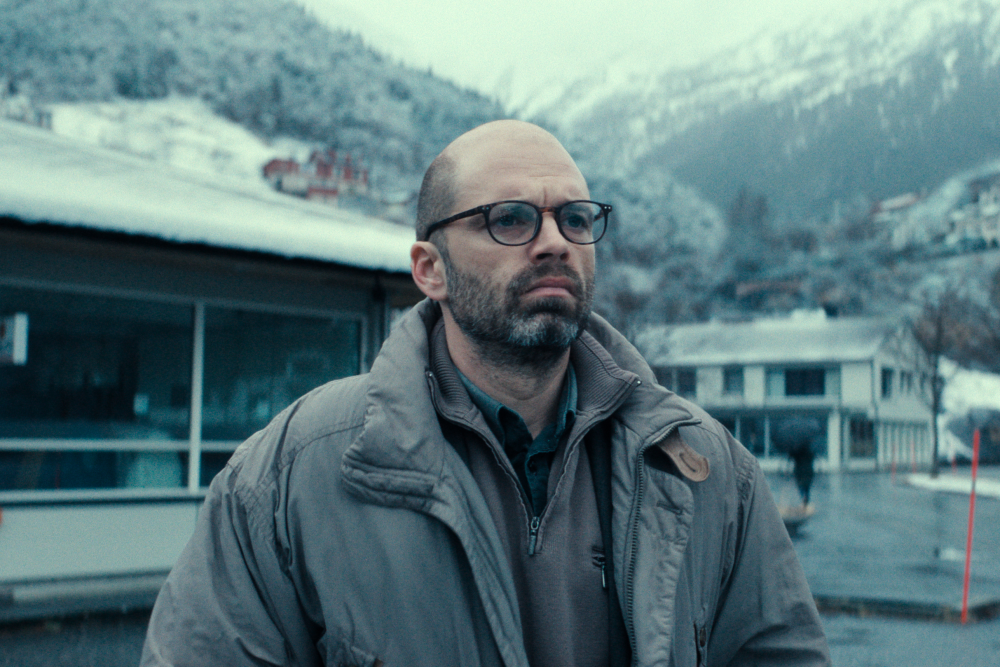
Amidst all its heavier subject matter unfolding, Fjord also remains a stunning movie throughout. Shot gorgeously by Tudor Vladimir Panduru, the quaint town, quiet streets, and gorgeous vistas of cliffs and mountain sides are strikingly captured, with its interior scenes having an increasingly claustrophobic feeling as the story progresses, further elevated by the minimal score from Kaspar Kaae that adds some eeriness to the events. Supporting turns from Lisa Carlehed and Markus Tønseth as Mia and Mats Halberg also provide gravitas to the movie, with Carlehed eventually becoming a key part of the events unfolding with the Gheorghius and wanting to try and help them in some ways.
Over its 2 hour and 26 minute runtime, Fjord eventually becomes a courtroom drama that lights a fuse under itself in multiple ways, bringing everything from tense deliberations to online support campaigns becoming increasingly louder and more hostile, to the table and escalating the stakes for the Gheorghius. Sometimes it can almost feel satirical seeing some of those moments play out, as the way of life of the family is questioned even more so. While many of these events are effective in getting the frenzy and desperation of the situation across, Mungiu does not always expand more on how morally twisted everything can get, sometimes keeping things to the surface level and nothing more. As a result, it can occasionally not feel as provocative as thoughtful as it intends to. In some of those moments, the movie makes use of some effective visual cues, some that aim to provide a bridge or a connection to the two sides represented by the Gheorghius and the town, leading to one particularly terrific moment towards the final act of the movie that feels perfectly placed.
By the end, Fjord proves a rather complex and purposefully frustrating experience that asks many difficult questions and does not always provide the simplest answers, if any at all. Backed by Cristian Mungiu’s solid direction at the helm and stellar work from Sebastian Stan and Renate Reinsve, the movie is one that may not work for everybody, but is definitely one of the more fascinating watches of the year, and one that may bring up some interesting conversations long after the credits have rolled.