



Director: Michelle Garza Cervera
Writer: Micah Bloomberg
Stars: Mary Elizabeth Winstead, Maika Monroe, Martin Starr
Synopsis: An upscale suburban mom brings a new nanny, Polly Murphy, into her home, only to discover she is not the person she claims to be
The rare case of a remake surpassing the original, The Hand That Rocks the Cradle is an assured sophomore effort from Mexican filmmaker Michelle Garza Cervera after her (incredible) debut feature Huesera: The Bone Woman. As interesting a movie as it is, I can’t think of one that has aged this poorly as Curtis Hanson’s properly insane, but incredibly problematic 1992 original, which was already fairly perplexing when it was released, and is even more so today. With the story being readapted (for Hulu, sigh), there was a real chance for Cervera to not only flex her genre filmmaking muscles further in the remake, but repurpose Amanda Silver’s screenplay to fit more progressive times, where representations of assault are treated less exploitatively and with no Ernie Hudson playing what is essentially Simple Jack.

Removing some of the insanity from the original does dilute some of the pulpier, trashier sections of Hanson’s film. However, there’s much enjoyment to be had in how, this time around, we don’t know the antagonist’s motivations when she infiltrates the family of an upscale mother with far too much on her plate. The original film’s introductory half took a lot of time to set up the revenge plot of Rebecca De Mornay’s Mrs. Mott, wife of Dr. Mott, who committed suicide after he was accused of sexual assault by Claire Bartel (Annabella Sciorra) during a routine exam, with each narrative beat becoming more preposterous as it progressed and Mrs. Mott’s motivations began to clear themselves up.
The remake takes a different direction and immediately opens with Polly (Maika Monroe) making friendly contact with Caitlyn (Mary Elizabeth Winstead), who will represent her in a trial in which she faces eviction from her landlord. We don’t know the details of what happened, since Cervera cuts to several months later, after Caitlyn has given birth to her latest child, Josie (Nora Contreras & Lola Contreras). It’s also there that she reunites with Polly, who tells Caitlyn she is looking for a job as a nanny but is struggling even to get hired.
There’s a lot of suspension of disbelief involved (much like the original film, since Claire hires Mrs. Mott without even seeing a resume and believes everything she says as the absolute truth). Still, this conversation gives Caitlyn the idea that perhaps she should give Polly a shot. After all, she is barely juggling her personal and professional tasks, and it would give her some peace of mind, especially as she comes highly recommended. In this case, there was a resume and referral! Fixing the mistakes of the past seems to be Cervera’s motto this go-around. The rest of the movie follows the same narrative as Hanson’s original (with Martin Starr acting as a stand-in for the Julianne Moore character). However, the mystery of Polly’s identity unfurls rather compellingly. We barely know who she is when the movie starts (although astute viewers who have seen the prior work have a sense of what’s coming) and, most importantly, do not understand her motivations outright.
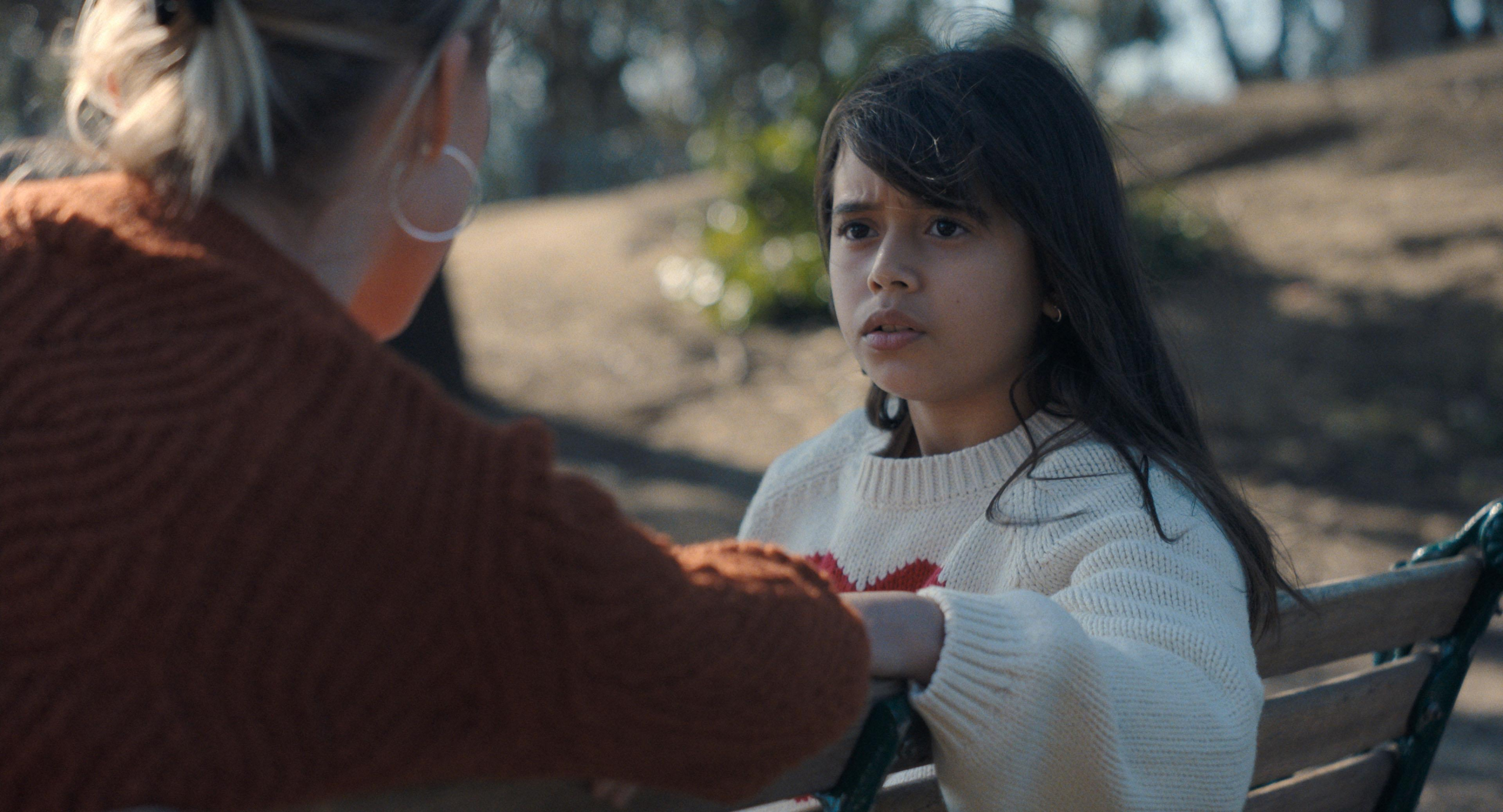
They slowly develop as her actions get more dangerous (from giving the family food poisoning to storing and lighting fireworks in the house) and threaten the safety of Caitlyn’s family, and, most importantly, herself. Micah Bloomberg’s screenplay smartly plays a gamble in changing the backstory of Caitlyn and Polly into less problematic territories, where the reasons for the latter’s “revenge” against Caitlyn have nothing to do with assault but something far more sinister. It’s definitely a big swing, but it works reasonably well, even if Cervera’s execution hampers ever so slightly during its perversely violent climax, where the filmmaker wants to bathe in the trashy impulses of Hanson’s movie (sans the greatest punch in cinema history) but refuses to delve deep into sleazy territory.
Monroe’s performance suffers as a result, because her Polly isn’t as devilishly psychotic (or deliriously unhinged, whatever you prefer) as De Mornay’s legendary career-best turn. She’s the reason why most audiences forgave Hanson and screenwriter Amanda Silver’s dated depictions of disabled individuals and an exploitative molestation scene that occurred at the beginning of the film. Monroe never holds a candle to De Mornay, even just a smidge, while Winstead recognizes that she probably won’t be able to top Sciorra’s performance and does something completely different. The sense of alchemy between the two actresses is there, but Winstead triumphs over literally everyone.
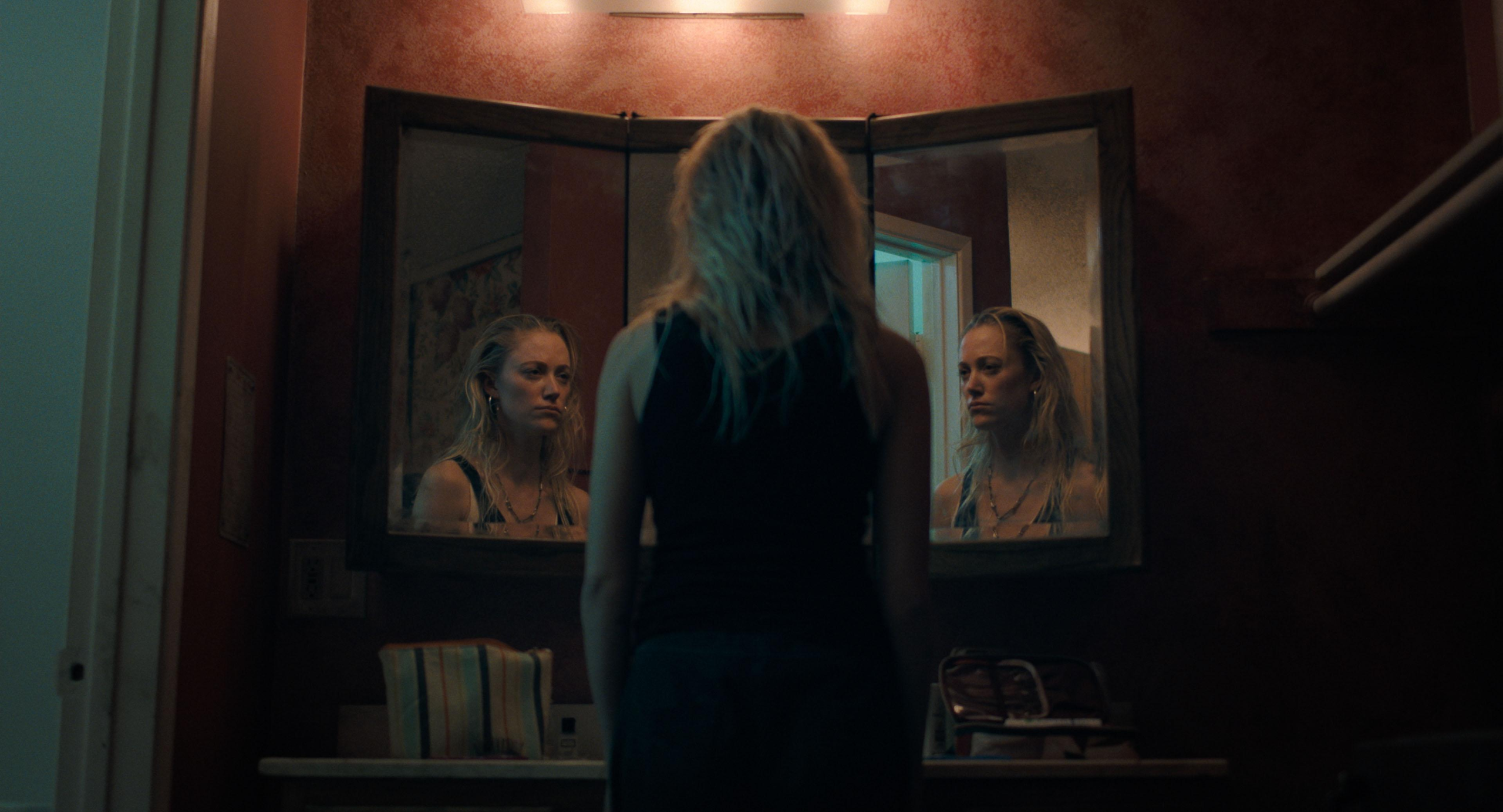
Her performance is controlled and downright terrifying, especially as Cervera, through the aid of ace cinematographer Jo Willems, intensifies the sense of dread she feels through a more erratic and blurry visual language than the polished work of Robert Elswit in the original film. It perfectly complements Ariel Marx’s guttural music, an absolute stunner during sequences of intense confrontations, giving note-perfect rhythm to editor Julie Monroe’s cutting. There’s actual thought in how each major setpiece is staged, which doesn’t happen often in this moviegoing economy.
It’s a shame that Cervera’s vision begins to fizzle out as the story gets clearer, but The Hand that Rocks the Cradle still manages to give Hanson’s version a run for its money. It effectively builds the mystery surrounding Polly, rather than spoon-feeding the audience with her motivations in the opening section. It also explores different themes than the original, freshening up the bare bones of the story for more contemporary sensibilities. It’s one of Disney’s better remakes in recent memory, and it genuinely feels criminal that it was unable to get a theatrical release. Cervera’s sense of aesthetics and vision alone are enough to warrant the big screen treatment. And if you’ve seen Huesera, you know what I’m talking about.