


Director: Quentin Tarantino
Writers: Quentin Tarantino, Uma Thurman
Stars: Uma Thurman, Lucy Liu, Vivica A. Fox
Synopsis: The Bride must kill her ex-boss and lover Bill who betrayed her at her wedding rehearsal, shot her in the head and took away her unborn daughter. But first, she must make the other four members of the Deadly Viper Assassination Squad suffer.
Movie lovers experienced quite the shocking bit of news as it was announced that Netflix is set to purchase legendary movie studio, Warner Brothers. There’s a lot of doom surrounding the purchase, and it has cinephiles everywhere a bit worried about the future of cinema, particularly with regards to movie theaters. But in theaters at this very moment is an opportunity that has been nearly 20 years in the making. Quentin Tarantino’s Kill Bill: The Whole Bloody Affair has finally been released to the larger public after premiering in 2006 at Cannes, and screening only a handful of times in the two decades since. Its differences are largely minor, and primarily affect certain aesthetics of the film which were hampered due to MPAA restrictions and runtime worries. And that’s not to say Tarantino has ever been a filmmaker audiences commonly associate with restraint, especially as both parts of Kill Bill scream nothing but excess. But viewing The Whole Bloody Affair should, and does, feel totemic. Tarantino’s tale of revenge has never felt more emotionally powerful than it has in its gloriously whopping 247 minute runtime.
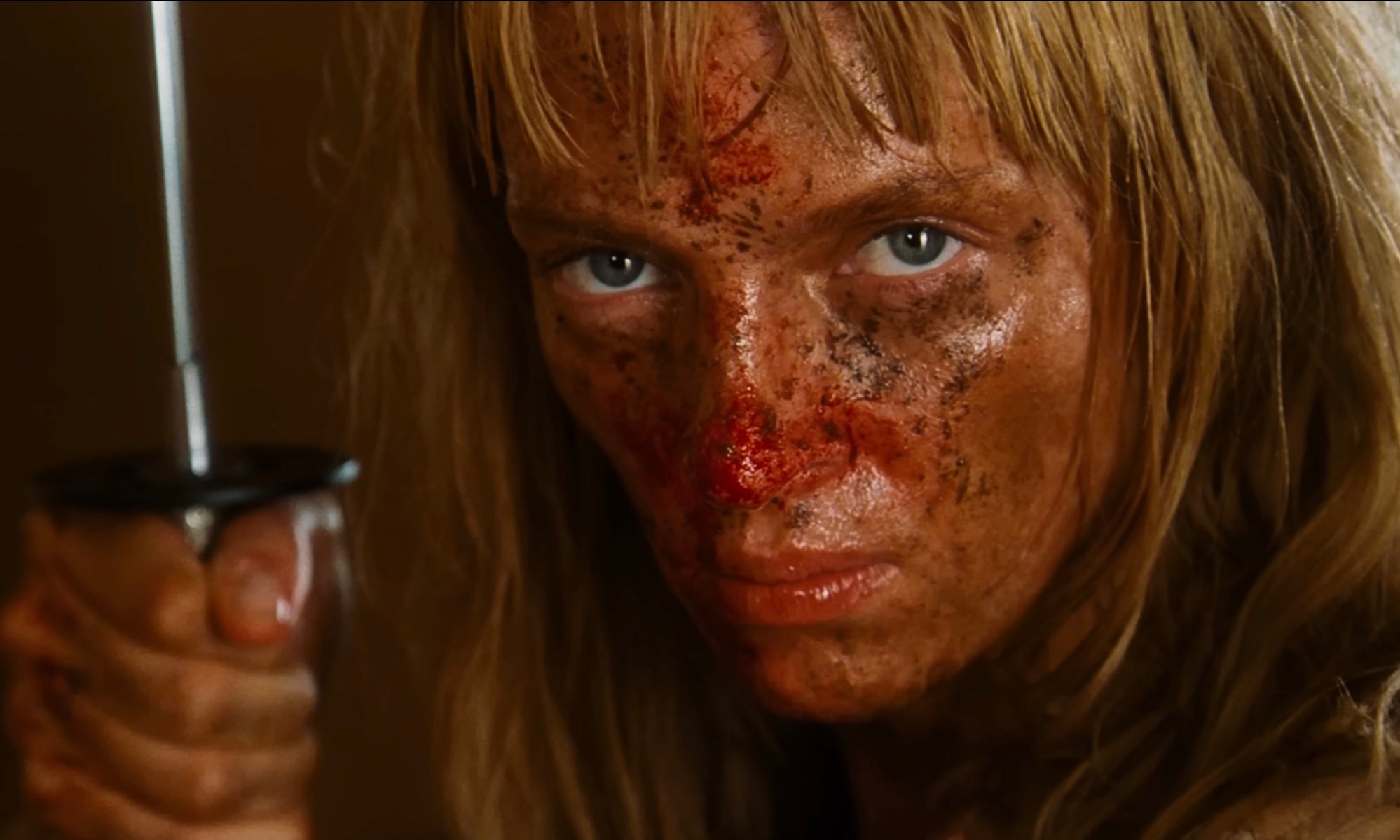
The changes have been whispered about for some time, but it’s still a treat to see certain sequences in an entirely new light. In the case of the iconic Crazy 88 fight, that can be taken quite literally. The bloody battle is in full color, including some additional cut-ins of even more katana mayhem. More of Uma Thurman’s (and stunt-woman Zoe Bell’s) fully committed martial arts performance could never be considered anything but a blessing for cinephiles. O-Ren Ishii’s (a supremely kickass Lucy Liu) anime origin sequence has finally been revealed in its full glory. There’s practically an entire second scene tacked onto what we’ve always known as the already-legendary anime cutaway. Is it necessary? Not particularly. Is it a thrill? Absolutely. Once again, Kill Bill represents many fundamental elements and sensibilities within Tarantino’s oeuvre. But excess is right up there at the top of its characteristics. In that capacity, any additions bolstering its entertainment value are welcome. It’s perhaps the version’s biggest narrative change that becomes its most deeply rewarding.
In the split-up release of Kill Bill, Tarantino capped off Part 1 with one of the great cliffhangers in cinema. An off-screen Bill (David Carradine) looms over Sophie (Julie Dreyfus), who has now been revealed to have lost both her arms to The Bride’s fury, and inquires as to whether or not The Bride is aware her daughter is still alive. After all the thrills and shock of its final fight, Tarantino initially provided his audience with a profound and immediate blow to the chest. The wait between films must have been excruciating; and it’s nevertheless a moment that still excites as the credits start to roll. But having the instant capability for a double feature (of which this writer has done on several occasions), takes an ever so slight bit of impact out of the reveal. So in The Whole Bloody Affair, that moment of dialogue is excised entirely. And how the remainder of the film’s narrative plays out strikes a deep chord with regards to its thematic implications and ramifications.
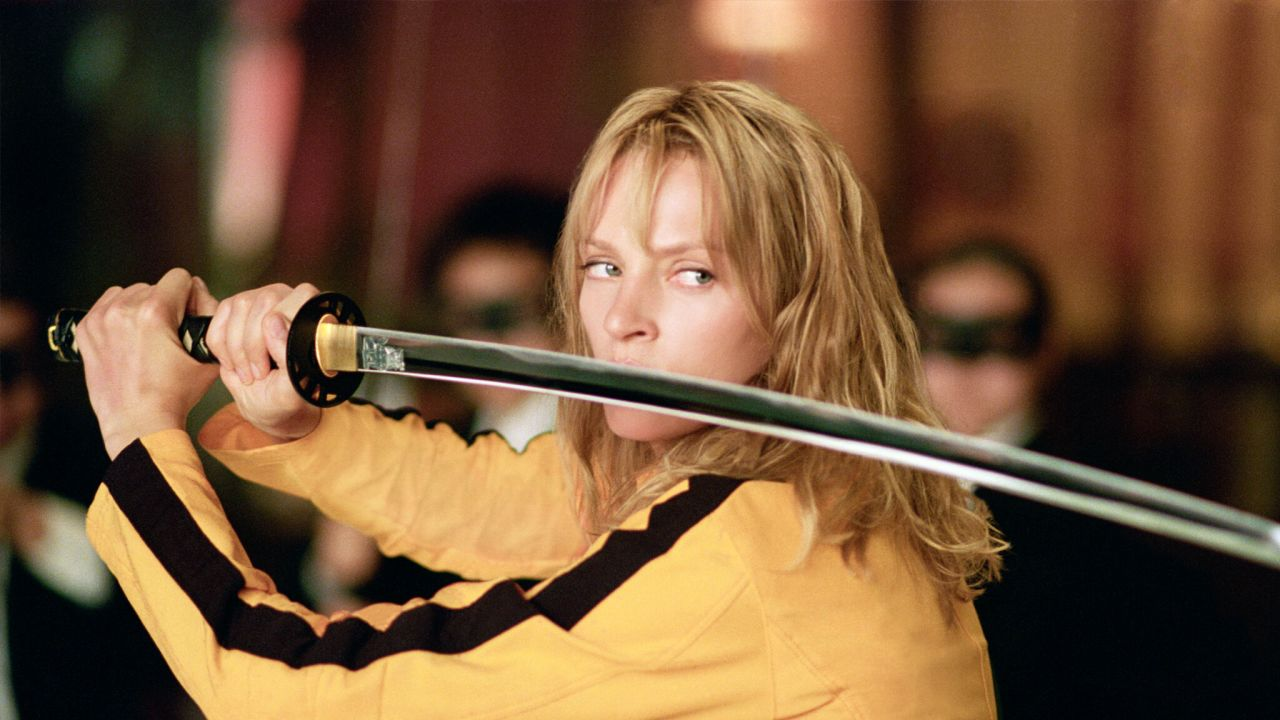
In both versions of Kill Bill, the second half plays out like a fundamentally different beast. Despite retaining its ‘70s martial arts sensibilities and stylistic flourishes, it also felt like a Western in equal measure. At times, it can be a much more subdued film. This striking tonal shake-up has never been more felt, especially once Tarantino whisks his heroine into the extended finale. The Whole Bloody Affair holds the reveal of BB (Perla Haney-Jardine), The Bride’s daughter, back from the audience until the moment The Bride herself makes the discovery. It’s an overwhelming moment in a film that has done all it can to desensitize the viewer through bloody, action-packed revenge. With a simple cut (this time from legendary editor Sally Menke), Kill Bill completely shifts its identity. Where we once showed up demanding excessive violence towards those that have wronged The Bride, both she and the audience can only fathom escaping the situation for the sake of the adorable BB. We see Thurman’s eyes convey such conflict in real time. Where there was one deep pain has been replaced by the shocking revelation that new priorities must take hold; Not only that, they must shift at this very moment. The immediacy, and almost blunt nature, with which Tarantino delivers this moment is totally in line with his filmmaking sensibilities. But it also speaks to an emotional filmmaking maturity that is deeply apparent in his previous film, the masterful Jackie Brown, and would rear its head even more so in his (penultimate?) film, Once Upon a Time in Hollywood.
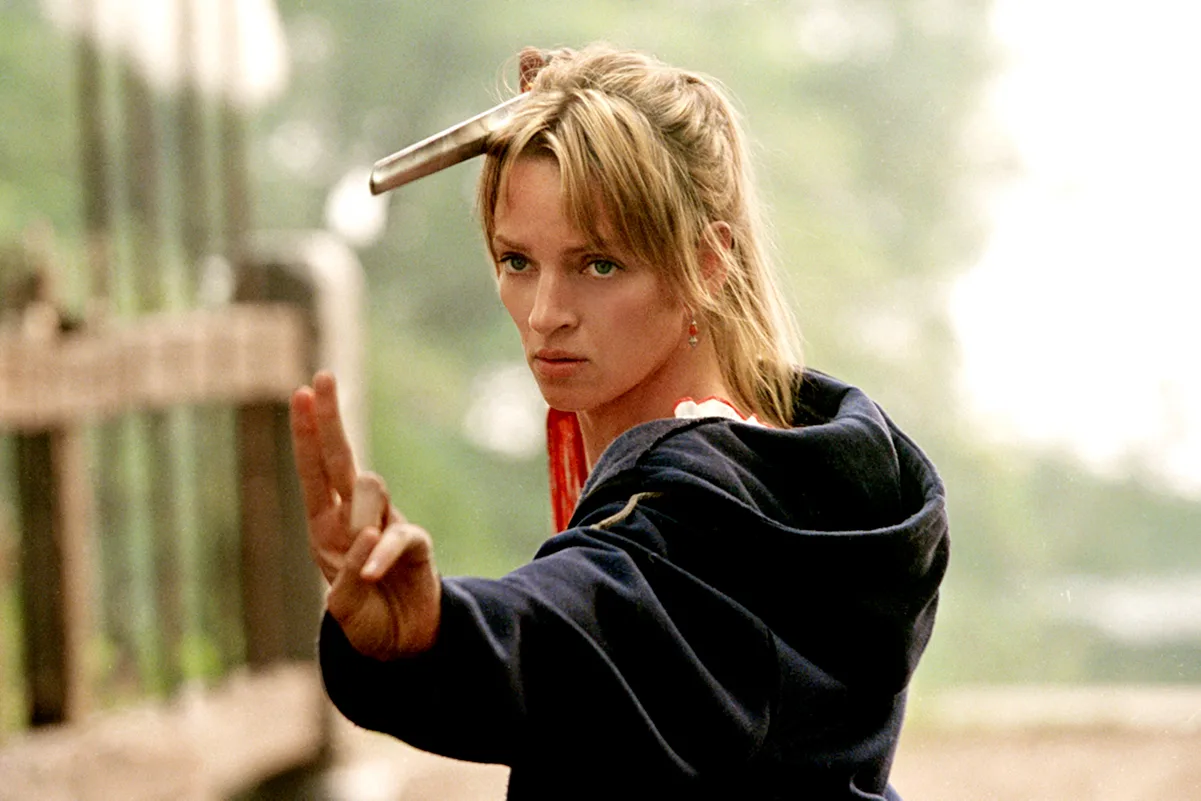
There’s been much talk of Tarantino being a hack for most of his career. Critics will claim he has pulled his greatest iconography from that of his favorite films. But one might argue that such fervor for cinema and his success as a filmmaker have opened up audiences to a wide range of films they might have never heard of otherwise. And isn’t that ultimately what us cinephiles all hope to see? We have an unbridled hunger for film from all around the world. There’s a sincerity to that desire which can often be deflated in a world bathed in irony. It’s a sentiment which has plagued contemporary cinema; But Kill Bill: The Whole Bloody Affair is a film devoid of that frustrating irony. It’s an epic which embodies all the style and sensibilities that shapes Tarantino’s taste. It’s a passion for filmmaking, and cinema in general, that we could use more of on screen. As thrilling as it is to see some of the coolest action ever committed to film, it’s just as refreshing to see a film so full of passion and sincerity be released in 2025. If you’d prefer to walk out on the highest of emotional notes and being wildly entertained, exit the theater upon the credits rolling. To sit through them all is to experience the Tarantino-directed Fortnite short Yuki’s Revenge. Based off a previously written, but unfilmed section of Kill Bill, the short is a miserable experience that feels longer than The Whole Bloody Affair. It’s a glorified Fortnite commercial that remains baffling on so many levels. The animation style is interesting and looks quite good, but it is just an incredibly sour note to exit the theater on. Yuki’s Revenge is less of a curio and more an indication of how dire the state of pop culture is at this moment. When everything can be tossed into a blender and this is what gets turned out, we all lose a bit in the end.