



Director: Daniel Goldhaber
Writers: Isa Mazzei, Daniel Goldhaber
Stars: Barbie Ferreira, Dacre Montgomery, Josie Totah
Synopsis: A woman, employed as a website content moderator, comes across a series of violent videos reproducing death scenes from a film.
We live in a film world where, frankly, reimaginings, remakes, and revamps of previously dormant IP have been the least interesting they’ve ever been. There’s the occasional new spin on an idea that needs updating or wasn’t very enticing in the first place, but most cases involve the common quick cash grab or something so unnecessary to be toiled with in the modern age that it would leave countless baffled. This knowledge makes Daniel Goldhaber’s Faces of Death inherently fascinating from concept alone; the original 1978 film was maligned for its brutality, getting banned in multiple countries and criticized for its lack of any real depth behind its gruesome imagery, and being seen as more harmful than anything else. Goldhaber and his co-writer, Isa Mazzei, put their own brilliant spin on the original’s reputation, updating its themes to our modern era of technology, where these horrifying images that were once shocking are now desensitized into our minds through nearly every corner of the internet. It makes for a meta remake, adding further depth to the hook of its concept while never sacrificing any gory ferocity or thrilling setpieces, making for one of the most unique horror remakes to release as of late.
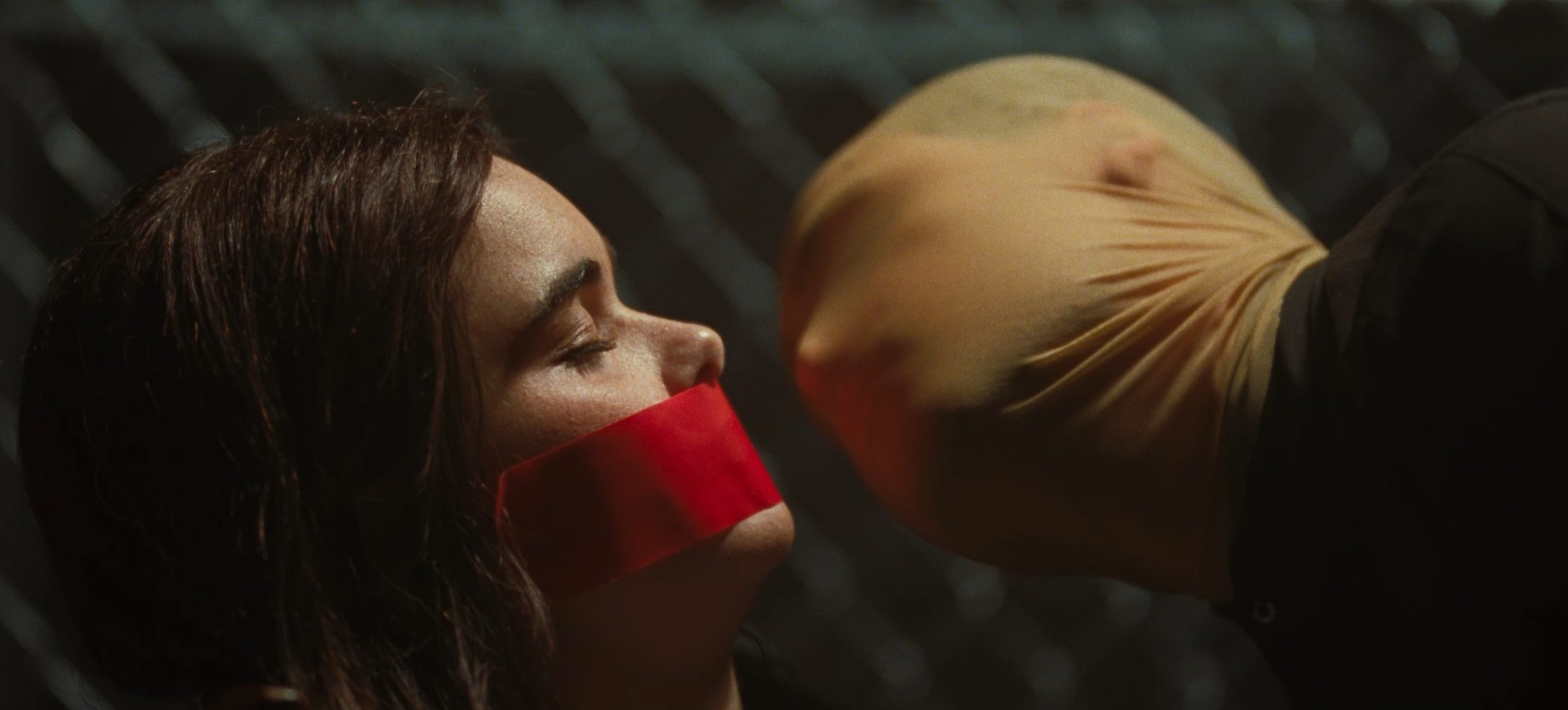
The film follows Margot Romero (Barbie Ferreira), a content moderator for the TikTok-like website Kino, where she parses through short-form videos every day, approving or flagging content. Margot is an extremely isolated person, with her very limited social interactions being with her roommate, Ryan (Aaron Holliday). Part of the reason for this isolation is Margot’s own viral gone wrong moment she had on the internet, leading to the loss of her sister, which is why she sees moderation as a means to protect people. Her work continues as normal until she comes across a particularly violent set of videos, seemingly recreating the gruesome deaths from the infamous film Faces of Death.
Margot is unsure whether they’re real or fake, but when she questions her boss (Jermaine Fowler) and fellow employees on the matter, no one seems to care about anything but keeping the trend going. Margot soon decides to take matters into her own hands, researching the situation to uncover if what she’s seeing truly is real, but when the creator of the videos, Arthur (Dacre Montgomery), begins to discover Margot’s investigation, he starts setting in motion for her to be a part of the madness, all for the sake in his words of “giving the people what they want.”
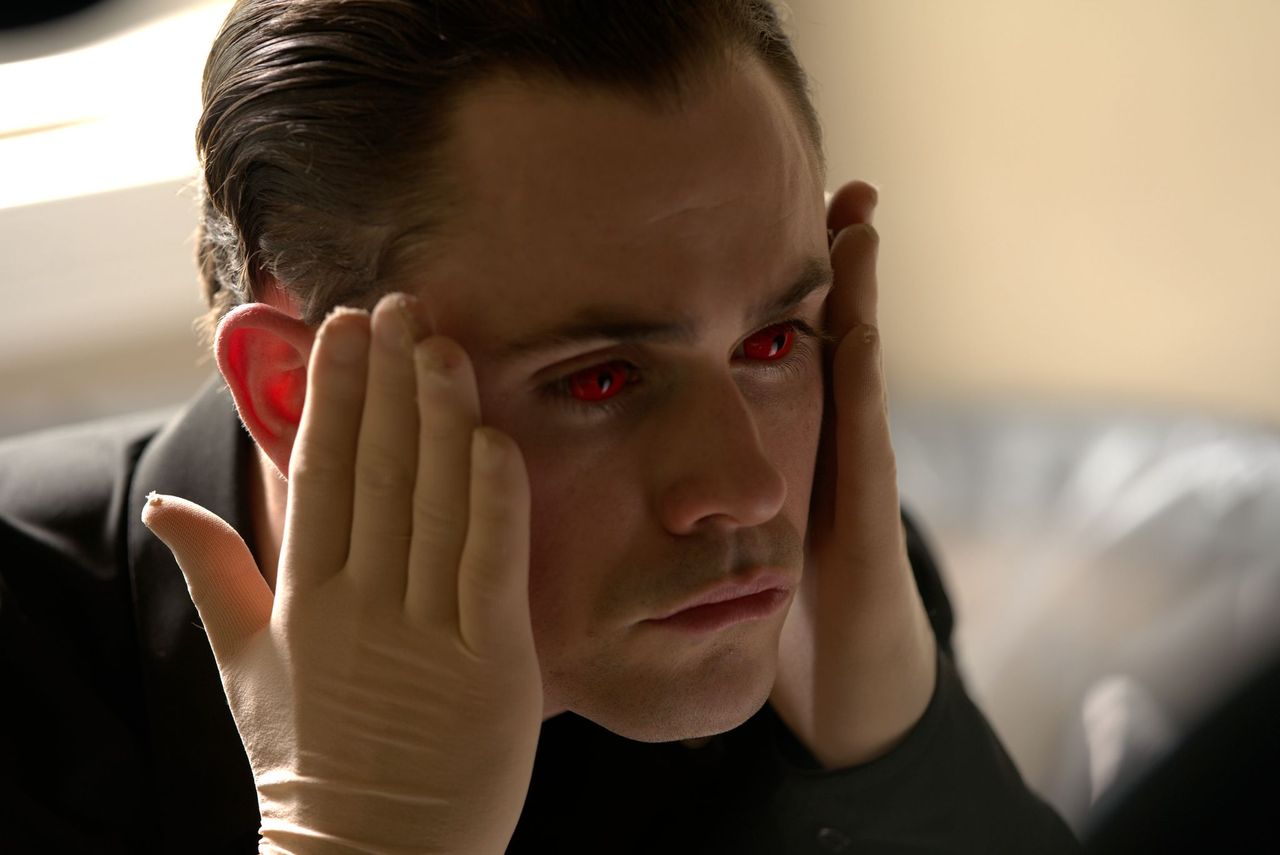
From the premise alone, Faces of Death is already metatextual in its commentary, with the original film existing as a piece of VHS memorabilia in this film’s universe. There’s a point in the film where Ryan is explaining the film to Margot and describes it as “the original viral video” of sorts, and this idea punctuates the entire messaging of Goldhaber’s reinterpretation. The tackling of technology paranoia has been explored plenty of times (most prominently recently in 2023’s Red Rooms), but Faces of Death brings the idea of our cultural desensitization to horrific imagery to the forefront, questioning the relationship to awful content being left to breed and the ultra corporations that refuse to do anything about their existence but continue to chase its popularity. Goldhaber’s Cam also revolved around a similar type of social media paranoia revolving around losing oneself to the vast arrays of media, and the way this film engages with our relationship to dangerous violence in our everyday modern media consumption (vs the past with the original film) is incredibly effective. It’s to the point where it almost feels like there’s even more to delve into here that is left more vague, but it remains chilling nonetheless.
Even with so much theming between the lines of the film’s plotting and regular horror tropes, Goldhaber also showcases his extremely well-equipped skills behind the camera to craft tense and thrilling set pieces. Everything in the presentation here is so slickly effortless, the quick editing between splitscreen screenlife sequences of Margot researching her way through the darkest depths of the web, the presence of multiple handheld and tracking shots to make perfect use of holding your breath through every scene, and an immersive thumping synth score from Goldhaber’s frequent composer, Gavin Brivik. All these elements stand out most through a killer one-take in the movie’s back half, making perfect use of all the film’s best technical qualities, which are only further bolstered by a chilling antagonist performance from Dacre Montgomery, who sees implementing Margot into his videos as his crowning achievement, considering her reputation.
Simply put, however, this movie would not be remotely believable without Ferreira as the lead here, firmly cementing herself as a standout scream queen within recent genre fare. As the final girl to a content creator serial killer, she goes through a wide array of horror conventions that may be eyerolly or predictable to some, but she’s so committed to every moment of terror and bloody brutality that nothing ever falters. Most importantly, however, is that her struggle as the central character and why she’s committed to solving this mystery when no one could be bothered is enough to root for her to finally be seen as right amongst her peers and the internet that has mocked her for so long.
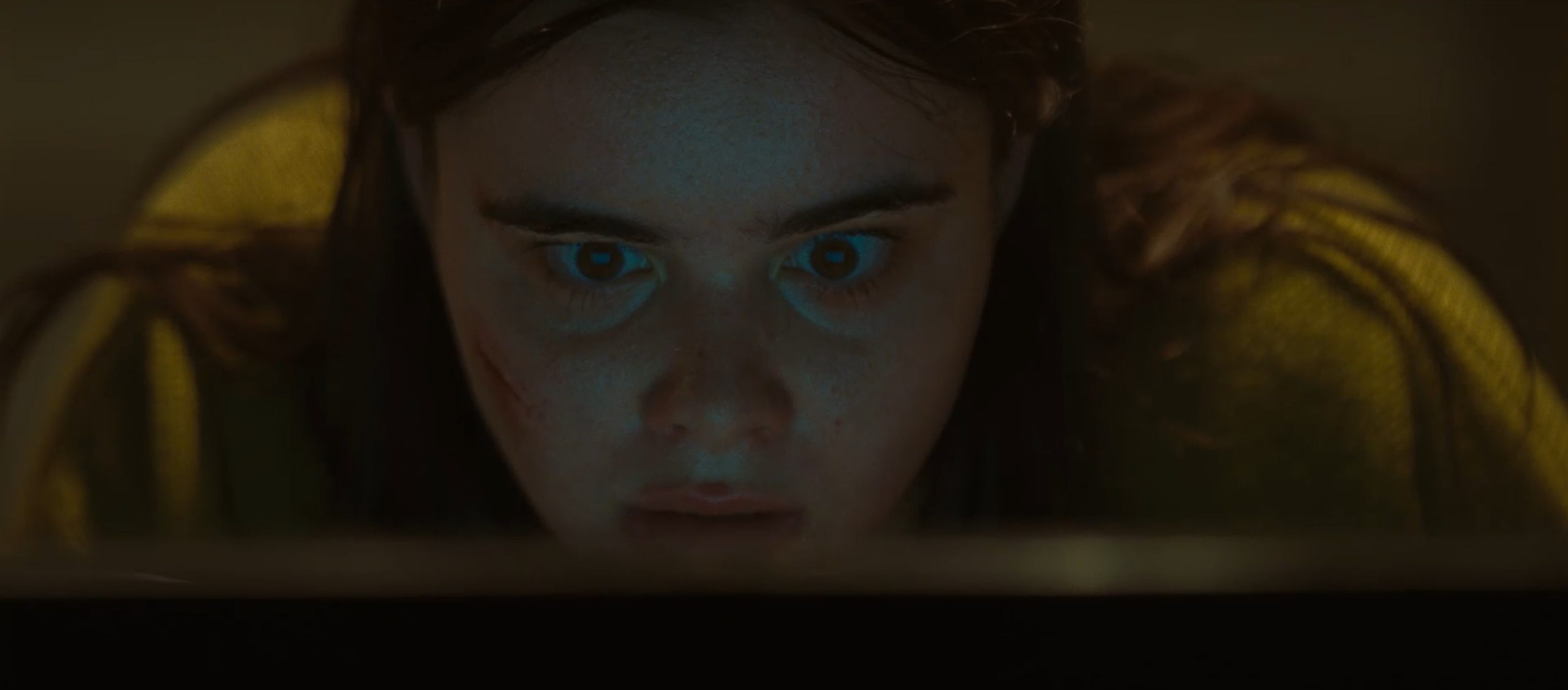
It’s rare to find the film remake or reimagining that isn’t just an evolution of the original’s material, but redefines it through the modern lens of today’s culture, and Faces of Death is that rare successful venture acting as delve into the desensitized nature of our modern relationship with violence in our social media, without missing a beat on providing thrilling sequences and killer gore to boot. With Barbie Ferreira’s excellent final girl stint as the glue holding it all together, Faces of Death will stand as one of the more intriguing horror revampings of older IP in recent times.