



Director: Charlie Polinger
Writer: Charlie Polinger
Stars: Joel Edgerton, Everett Blunck, Kayo Martin, Kenny Rasmussen
Synopsis: A socially awkward tween endures the ruthless hierarchy at a water polo camp, causing his anxiety to spiral into psychological turmoil over the summer.
As someone who’s statistically about a third of the way through his life (if I’m lucky), I can honestly say that I’d happily pass on the opportunity to revisit my youth. That’s not to say there weren’t great memories sprinkled along the way and friendships I’m incredibly thankful for. However, I’ve never been the kind of person to reminisce about the past with rose-colored glasses – not just because it’s not healthy to think about the past too often, but because it’s difficult to think back to the process of socialization itself. It’s difficult to think back on times when you tried so hard to be accepted by people who you wouldn’t give a second glance at anymore. It’s uncomfortable sitting in moments where you thought you were making a good impression, only to be given weird looks or made the butt of ridicule. As someone who struggled fitting in or feeling accepted, revisiting youth can be a terrible ordeal. Despite eventually figuring it out and going on to be on Homecoming Court, youth remains a tumultuous subject.
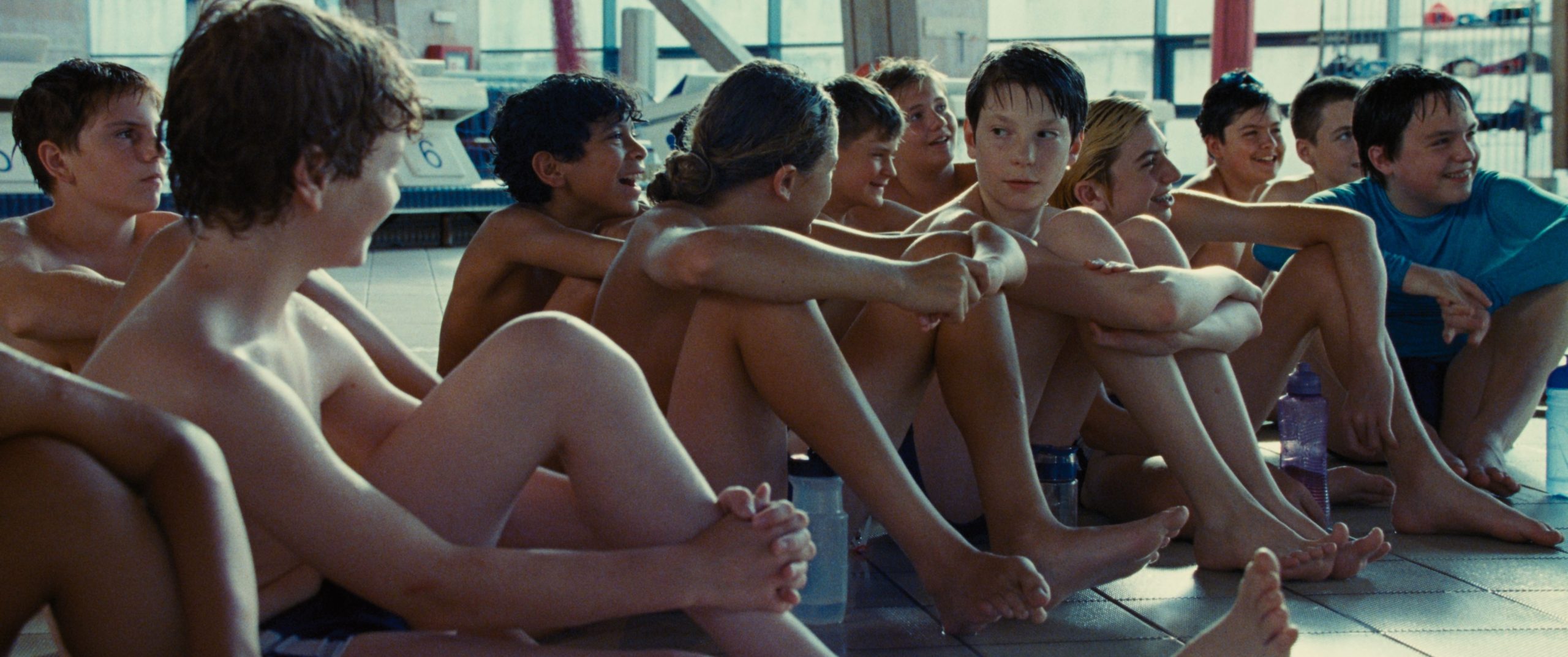
Charlie Polinger’s The Plague understands the hierarchical social structure that exists in middle school and dissects its toxicity with a tone that amplifies its internal pressures at every turn. Whether it’s the duress of attempting to gain the approval of the head of an established group, or simply doing everything in one’s power to avoid ostracism, the conflicts in The Plague radiate authenticity. Polinger recognizes that being the monkey in the middle between the top and bottom of the food chain is an experience shared by most, and the collective harbored resentment boiling under the surface of his audience makes for a perfect setting for a coming of age thriller. Between its stellar cast of kids composed primarily of first-time actors, excellent understanding of tone, and a terrific Joel Edgerton at the center of the film to anchor its drama, The Plague is a surprisingly in-depth and timeless dissection of youth’s inner-workings.
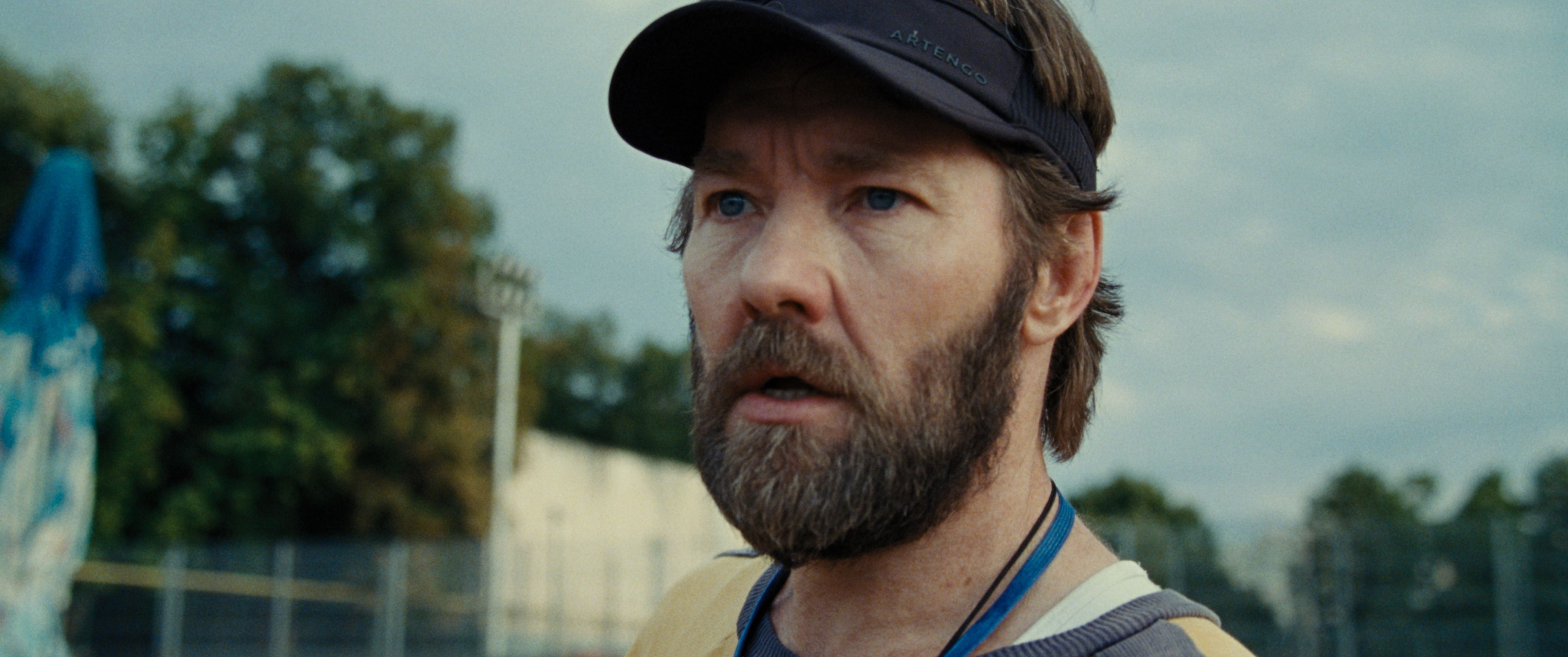
In a setup that could take place at any training camp in the world, The Plague follows a group of middle school-aged boys spending the summer at an all-boys water polo camp. While the film’s setting is unspecific, the film takes place in 2003, presumably to remove many of the technological advancements out of the equation to focus on the development of the characters themselves. Ben (Everett Blunck) is the latest to join the camp, a socially anxious newbie who doesn’t quite know how to fit into the group’s established dynamics. At the top of the pecking order is Jake (Kayo Martin), who controls the room no matter who’s nearby with effortless confidence and a cynical sense of humor. At first, Ben begins to earn the respect of Jake (and the rest of the group in succession), adapting to the unspoken rules of how to behave and interact with his fellow polo teammates under the supervision of their coach “Daddy” Wags (Joel Edgerton). However, Eli (Kenny Rasmussen), the awkward black sheep of the group, struggles to fit in amongst his peers, though he really couldn’t care less. He’s perfectly comfortable with who he is, even if he doesn’t meet the standards of everyone around him. Despite his awkward qualities, the biggest reason for his exclusion is a skin-condition all over his body, causing large, red rashes that the rest of the team refers to as the titular ‘plague’. As the camp progresses over the summer and dynamics shift, Ben realizes that some hierarchies can’t be changed.
The Plague is often at its best when it plays with the duality of its character relationships and discomforting thriller overtones. It’s one thing to hire a cast of young actors who actually are the ages they’re portraying, but for the actors to have believable chemistry and camaraderie is another aspect entirely, which the cast delivers effortlessly. Huge props are due to Polinger for writing and directing a film with a clear vision and admiration for portraying pre-teens with no-holds-barred honesty. The archetypes, while familiar, work in The Plague because they’re directly reflective of the personalities we’ve collectively experienced in our own adolescence. As much as we’d hate to admit it, we either knew these kids or were these kids ourselves, and the film’s admitted empathy and frustration for their plights is incredibly admirable in its execution. Additionally, the film is very memorable in tone, with a visual presentation and brooding color palate that suits it quite nicely. The comparisons to Full Metal Jacket and Stand by Me are inescapable, but somehow Polinger is able to assemble an atmosphere that’s well-connected with the vulnerability of youth. Whether or not someone directly relates to conflicts present in The Plague is irrelevant to appreciating the film’s execution. When Polinger relies on his audience’s sense of empathy and engagement with each characters’ turmoil, The Plague is about as successful as it gets.