Directors: Tanaz Eshaghian, Farzad Jafari
Synopsis: Convicted of murdering her husband, Tahereh served her sentence and now faces a ticking clock to negotiate with her in-laws who, under Sharia law, have the legal right to either execute her or forgive her- for a price.
“An eye for an eye will leave the world blind”. This saying has never felt more poignant than whilst watching this documentary. Many only quote the first half, which means that a punishment should match the exact harm caused by a crime. But the full saying suggests that revenge and vigilante justice only create more violence, more suffering, and more pain. Both ideas are discussed throughout, and you’ll leave this documentary filled with conflicting views and opinions.
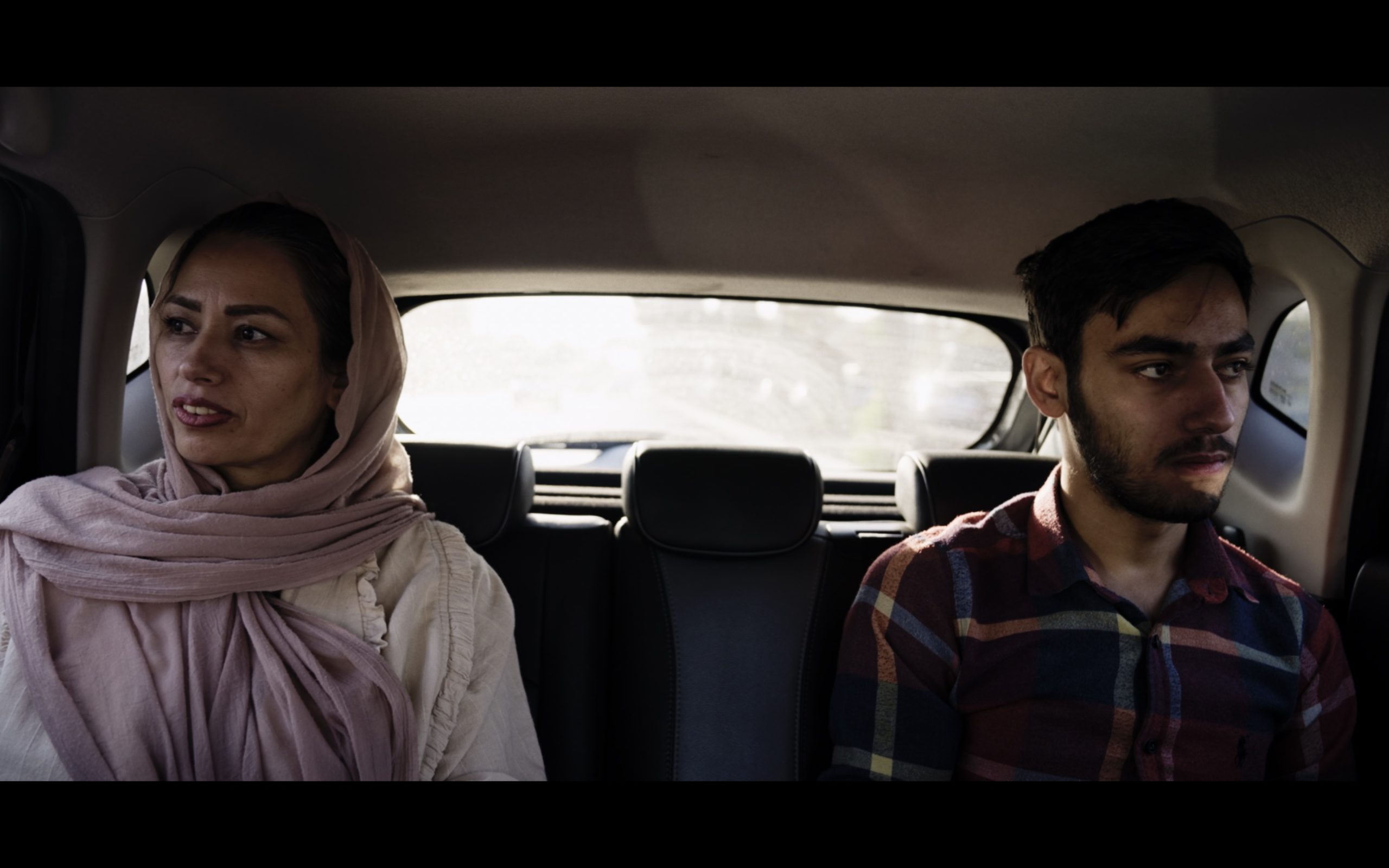
An Eye for an Eye, directed by Tanaz Eshaghian and Farzad Jafari, opens with a sense of dread and never lets go. This documentary tells the story of Tahereh, an Iranian woman sentenced to death for killing her abusive husband, and her son Mohsen’s frantic effort to crowdfund the blood money (known as Diya) that could spare her life. It’s urgent, intimate, and occasionally so uncomfortable in its access that you wonder how the filmmakers got the footage at all.
It’s not “entertainment” in any conventional sense; it’s closer to a legal thriller where the stakes are real, and the ending isn’t guaranteed to be satisfying. This documentary doesn’t ask you to hate individuals; it asks you to sit with a system, and to notice how ordinary and procedural cruelty can look on camera.
Under the version of Islamic law depicted here, a killer can be executed unless the victim’s family agrees to accept financial compensation instead. So Tahereh’s fate isn’t really in the hands of a judge; it’s in the hands of her dead husband’s relatives, and their price tag… 800 million tomam, which later becomes 1 billion (£437,040 GBP), to be exact.
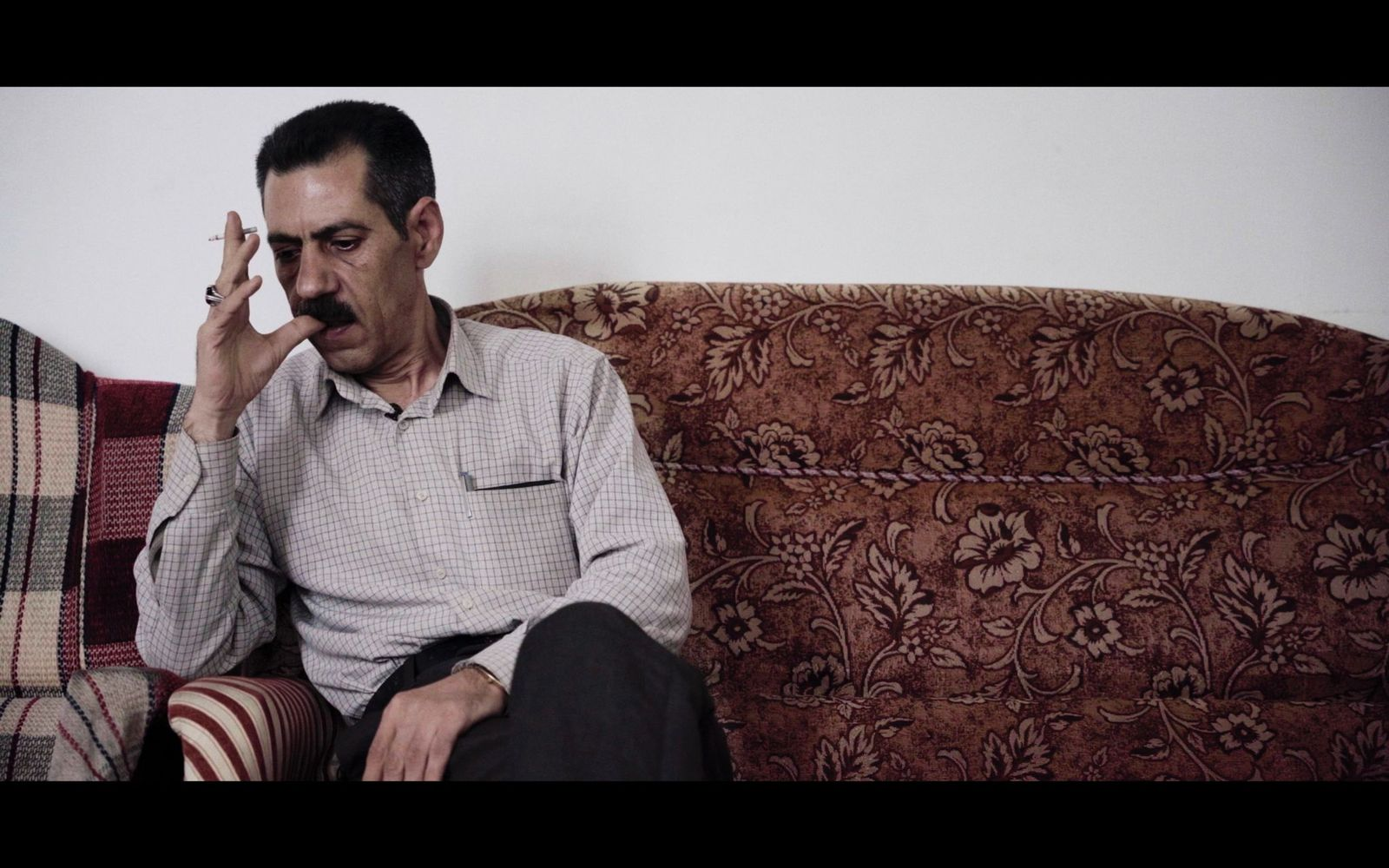
Mohsen becomes an unlikely fundraiser-slash-negotiator, appealing to donors and to a family that has every incentive to say no. It’s an unbelievable tension, making you question your beliefs on forgiveness, revenge, justice and the death penalty.
Eshaghian and Jafari get remarkably close to legal proceedings, into private family conversations, into rooms where the negotiations over a woman’s life are happening in real time. It’s the kind of access that makes a documentary feel vital, needed, more than just an informative documentary; it’s a cry for help. As a viewer, you’re stuck between bearing witness and just watching. You’re in a helpless place, and some viewers might not enjoy or fully understand that you’re meant to be uncomfortable watching this film.
Is This a Film About Domestic Abuse or About Bureaucracy?
Both, and that duality is the smartest thing about it. The abuse that led Tahereh here is treated as backstory; we understand what happened without the film wallowing in reenactment or gratuitous detail. It’s a very small story for Tahereh, describing how and when they (including her daughters) decided to kill Hossein. She’s calm, reflective, and not remorseful. Tahereh has served 14 years in prison, and you can tell she feels she’s paid her price with her time and freedom.
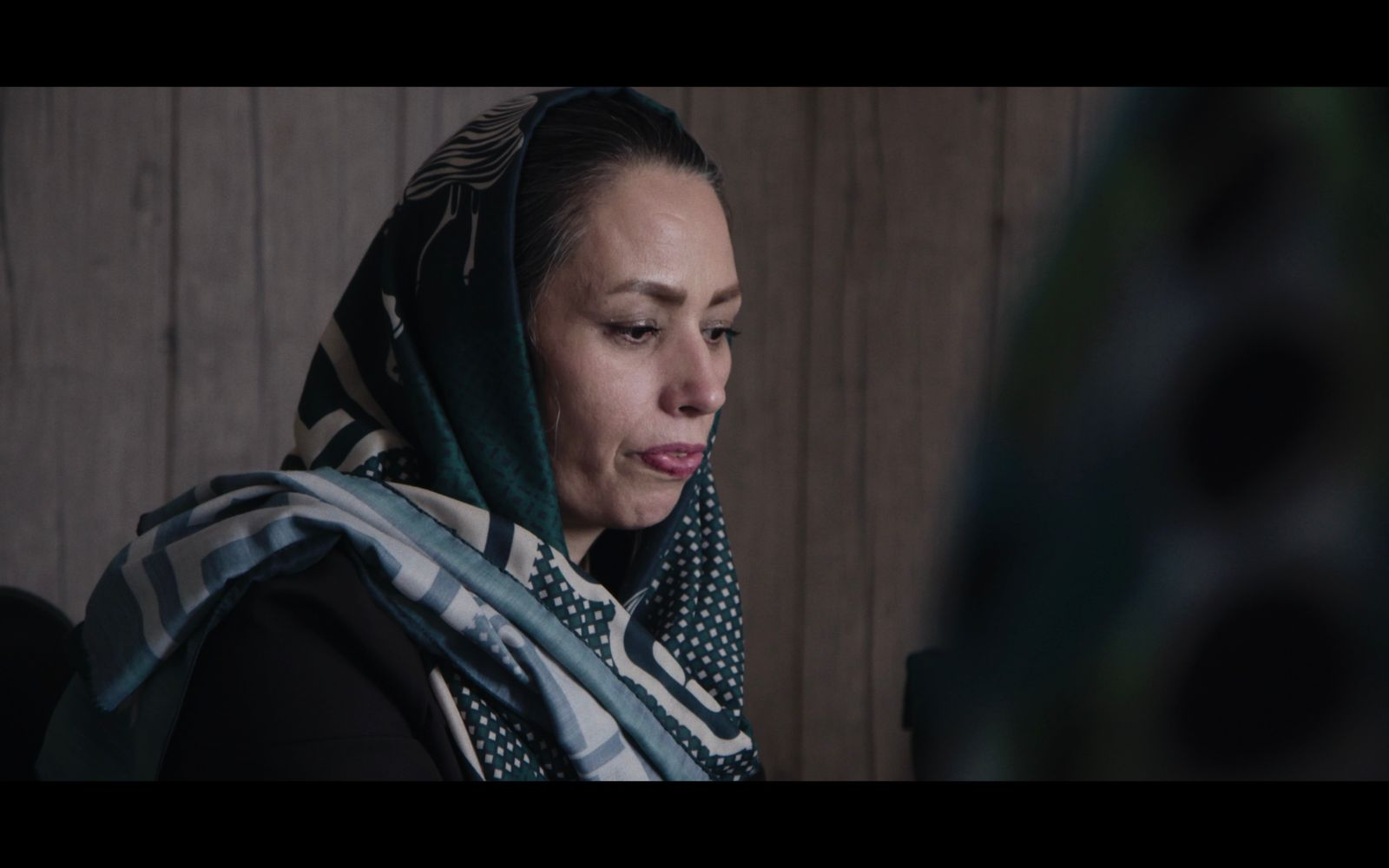
The camera’s real fascination is with the negotiations, the legal loopholes, and the fundraising math. It’s a portrait of how a patriarchal legal system processes a woman’s trauma into a transaction. That’s a harder, less cinematic story to tell than straightforward victimhood, and the film deserves credit for choosing the harder version.
The documentary is good at recognizing that a serious crime was committed, and balancing that with the backstory of a beaten woman, a system against her, and the sentence she has already served. It will make you debate if she has already paid for her crimes, or does she deserve death?
Who Comes Across as the Real Antagonist?
Refreshingly, it’s not any single person. The husband’s family aren’t cartoonish villains; they’re people operating within a system that gives them power they may not even want. The film’s real antagonist is the architecture itself: a legal framework where a victim of abuse must essentially purchase her own survival, and where public sympathy is treated as a finite, exhaustible resource. That’s a more unsettling villain than any individual could be, and the film trusts the audience to feel that without spelling it out in a closing title card.
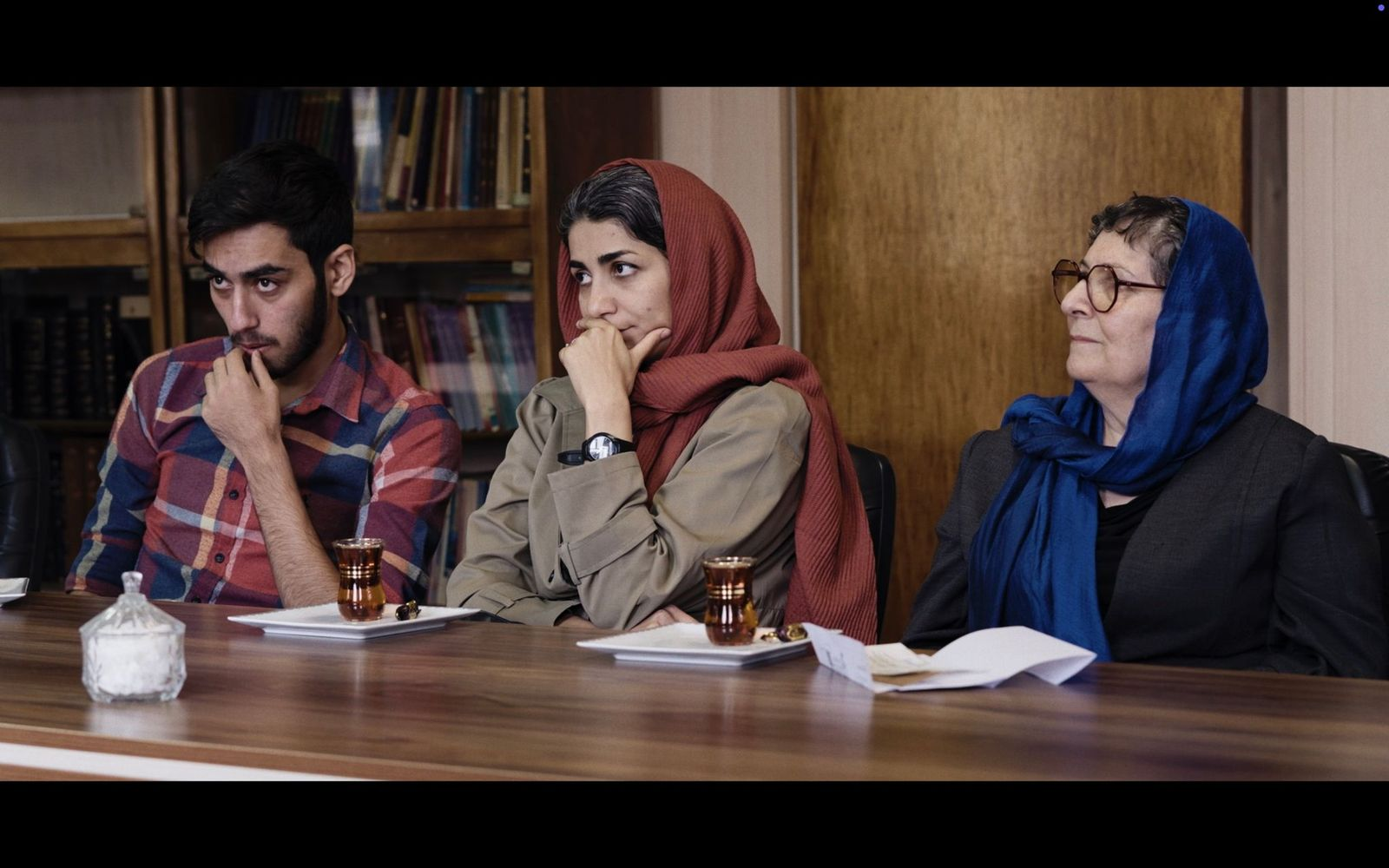
Technically, it’s unfussy in the best sense. There’s no score swelling to tell you when to feel something, no visual flourishes competing with the story. The camera mostly gets out of the way, which is the correct choice for material this weighty. If there’s a craft criticism to make, it’s pacing; the back half occasionally repeats the same emotional beats of hope and setback without adding new information, and a tighter edit in the final act would have sharpened the tension rather than dulled it through repetition.
What happens to Tahereh?
In the end, the mother is spared; she’s served her time in prison and paid the blood money, yet the family of Hossein is not happy. Would the family have more peace if Tahereh had been sentenced to death at their hands? I really don’t believe so.
With a runtime of just under an hour and a half, An Eye for an Eye is a tense, well-accessed, eye-opening documentary about a woman’s fight to survive a system built to make survival transactional. Go in openly and bravely, and don’t expect closure to feel like relief.
An Eye For An Eye can be found in select theaters and on Jolt.film