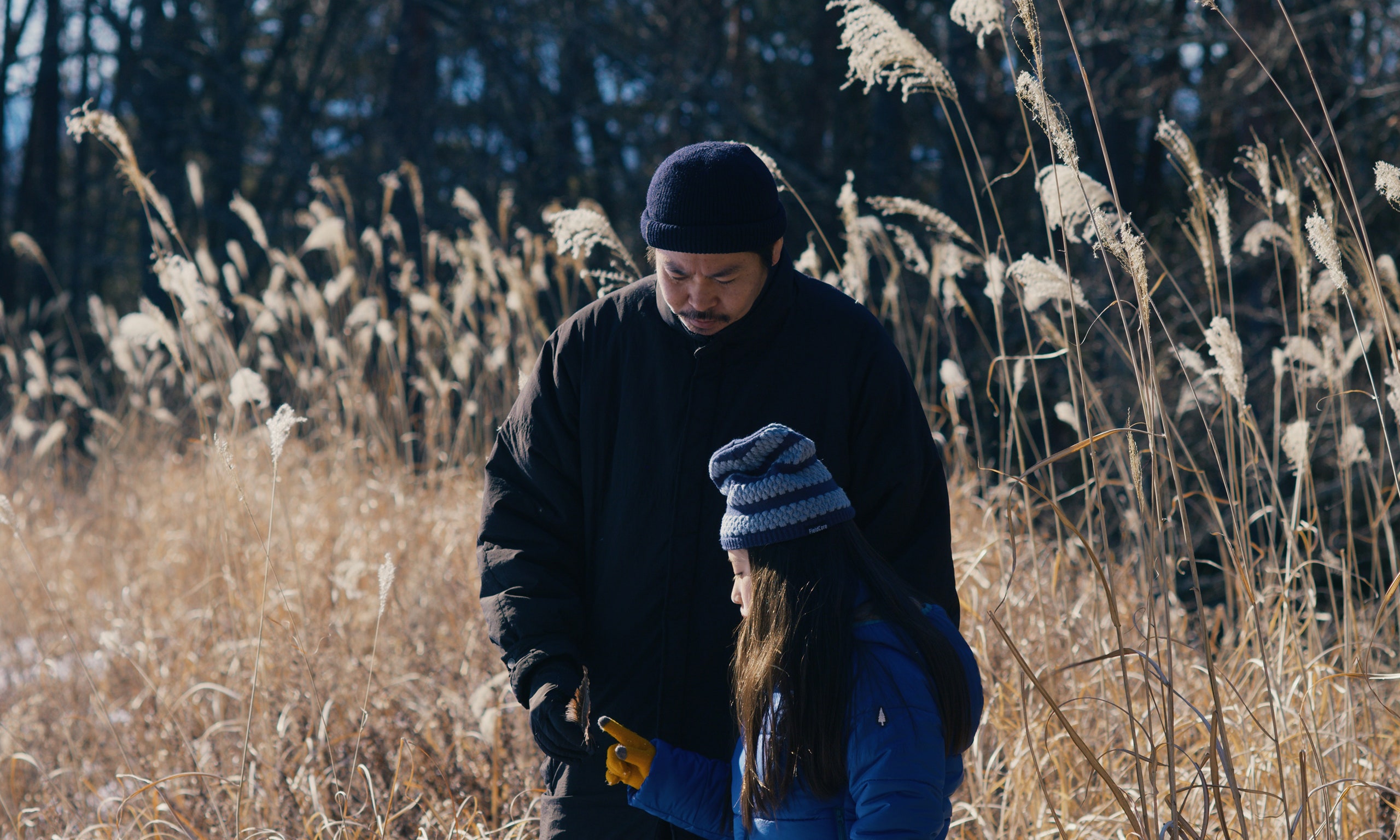



The slippery, unpredictable nature of time and memory stands at the center of Laurynas Bareiša’s latest foray into narrative filmmaking. The audience can never be quite certain of where they stand in relation to the dramatic scenario that slowly unfurls over the course of Drowning Dry (2024). The slightly queasy sensations that it provokes in audience members should endear it to fans of Ivan Passer’s work, but it isn’t necessarily the angsty Eastern European mood piece that you might expect. Its fragmented nature keeps it at arm’s length, but that ends up being one of its greatest charms. There’s nothing quite like the pleasure that one can derive from being frustrated and challenged by a deliberately obtuse work of art.
Drowning Dry is Lithuania’s submission for Best International Feature film at the 2025 Academy Awards. Zita Short had the opportunity to speak with director Laurynas Bareiša.
Zita Short: What drew you toward this project?
Laurynas Bareiša: This film was a bit of a continuation of what happened in my previous film. I made a movie called Pilgrims (2021), and then I went through a bit of a strange period in my life. While trying to cope with everything, I started writing it. I developed it while in Venice and wanted to go through this process so I could move forward. You don’t want to get stuck working on just one film. I am actually doing something similar now. I am writing yet another film. I had an experience with my child where they didn’t drown but ended up choking. It was an almost tragic event that brought out both good emotions and bad emotions. I kind of started writing this film thinking about how it could have ended very, very badly, but it didn’t. You feel very impacted by it, but you either move on or don’t move on.
Zita Short: You also experimented with a flashback structure. Are you interested in playing around with experimental storytelling techniques?
Laurynas Bareiša: For me, it’s important that the structure of a film and how the story is told is always reflected in the script. My first film was very much about places and locations. The geographical aspects of that story were very significant. In the case of this film, it was very important to think about memories and traumatic experiences. For me, memory is always connected with repetition. You also go back, and every time you go back, something changes. I think this duality, this repetition, this doubling…is very much in the fabric of this film. Going back to similar circumstances or the same situation is very, very important for me. It’s one of the basic aspects of memory. I put it somewhere, but the film itself is created by thinking about what happens when you try to go back and remember.
Zita Short: How do you define Lithuanian national cinema?
Laurynas Bareiša: It’s kind of hard to define because there are so many different periods. Our early cinema is very much connected to our occupation, to the Soviet Union, and to the cultural system of this regime that wasn’t ours. We were part of this bigger Soviet Empire, and we were subjugated. Even the films that are now considered classics are still tainted by this relationship to that power and a relationship in which we couldn’t express ourselves. Personally, I don’t take anything from that period. It’s kind of hard for me to relate to those films. After we regained independence in the 1990s and the 2000s, art suffered because of the economic crisis that we faced. We even use the term “the lost generation” to refer to directors who weren’t able to work during that period and had to go into other fields. We have very few films from that period.
From 2010 onward, after the foundation of the film center and after the economy picked up, we have a new generation of directors emerging. We all share this belief that we need to find our cultural identity and that we need to find our identity in the world and in a place for Lithuanian artists. We are all very, very different, but we are defined by our need to express our beliefs. We are all quite young in a way, but we have no tradition that pushes us. We have no masters; we do have some admired directors, but there is nothing that puts us in a box. So you have filmmakers like Marija Kavtaradze, with her film Slow (2023), that allows for the development of a strong identity. Even now, you have countries that are free, at least on paper, that are still subjugated on a cultural level. We kind of have this room to try different things and keep our individuality as filmmakers. I think I could define this period of Lithuanian cinema as not yet formed. We are still in the process of forming. We have all these young directors with new ideas, so there’s hope.
Zita Short: What was it like juggling the roles of director and cinematographer while on set?
Laurynas Bareiša: I have a degree in cinematography, so it wasn’t too difficult for me, but at first, it was a bit strange on set. I had to do a lot of running around between the gaffers and everyone else on set, but because I had a very good cast, they were all there together. In the end, I kind of settled, and I was able to go to them first. I also worked with a great crew, so nobody pushed me. I had time, and in the end, I was able to find my own rhythm. It was a bit stressful, and the child actors on set ended up calling me “Coach” because I was always running around and wearing these basketball shorts.


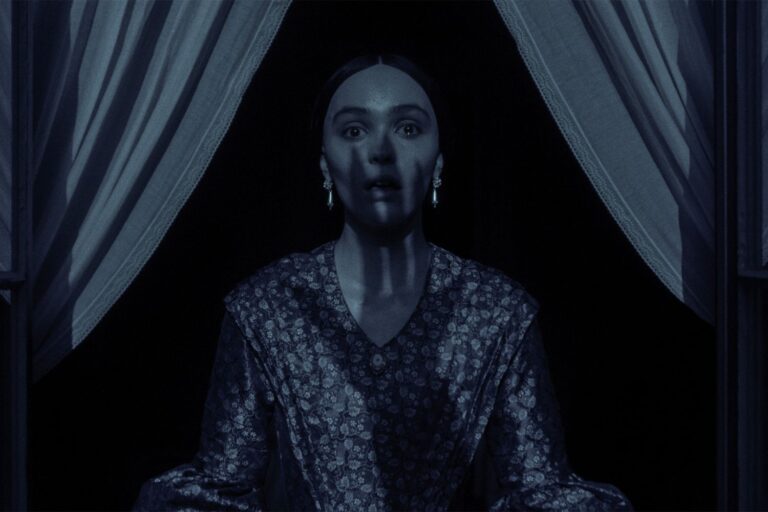

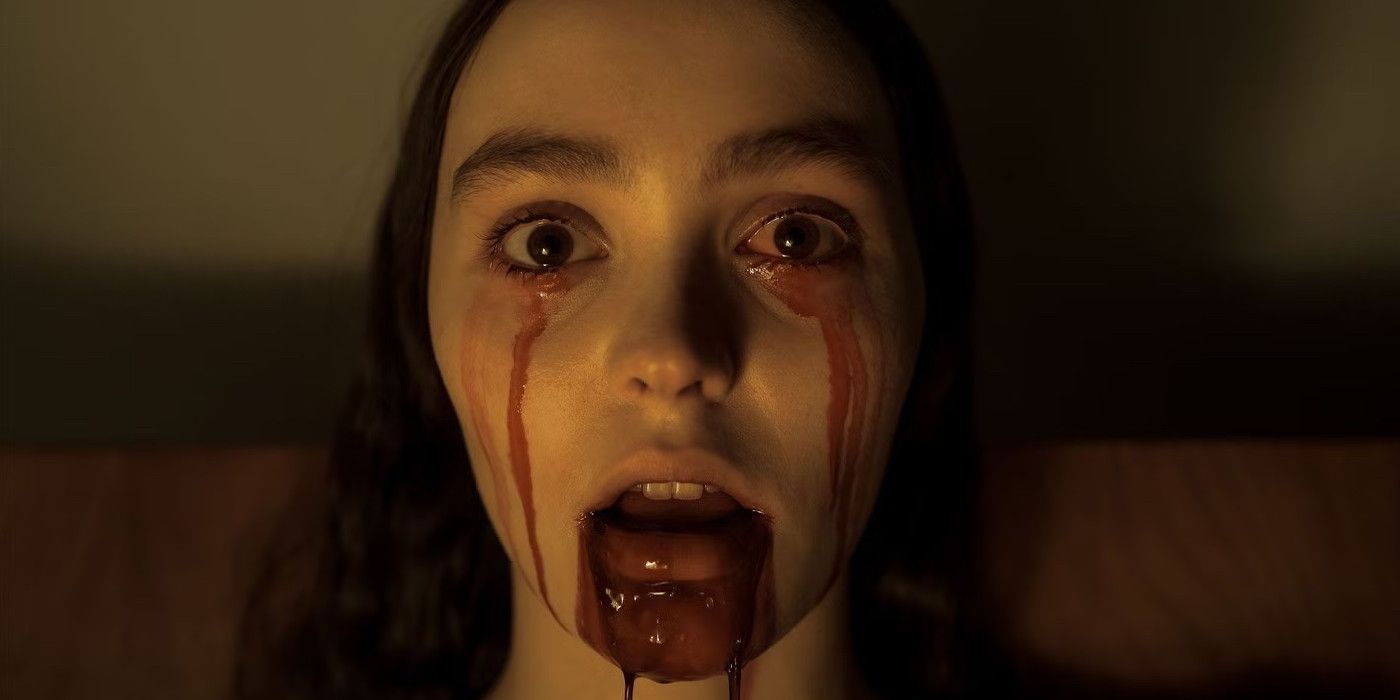

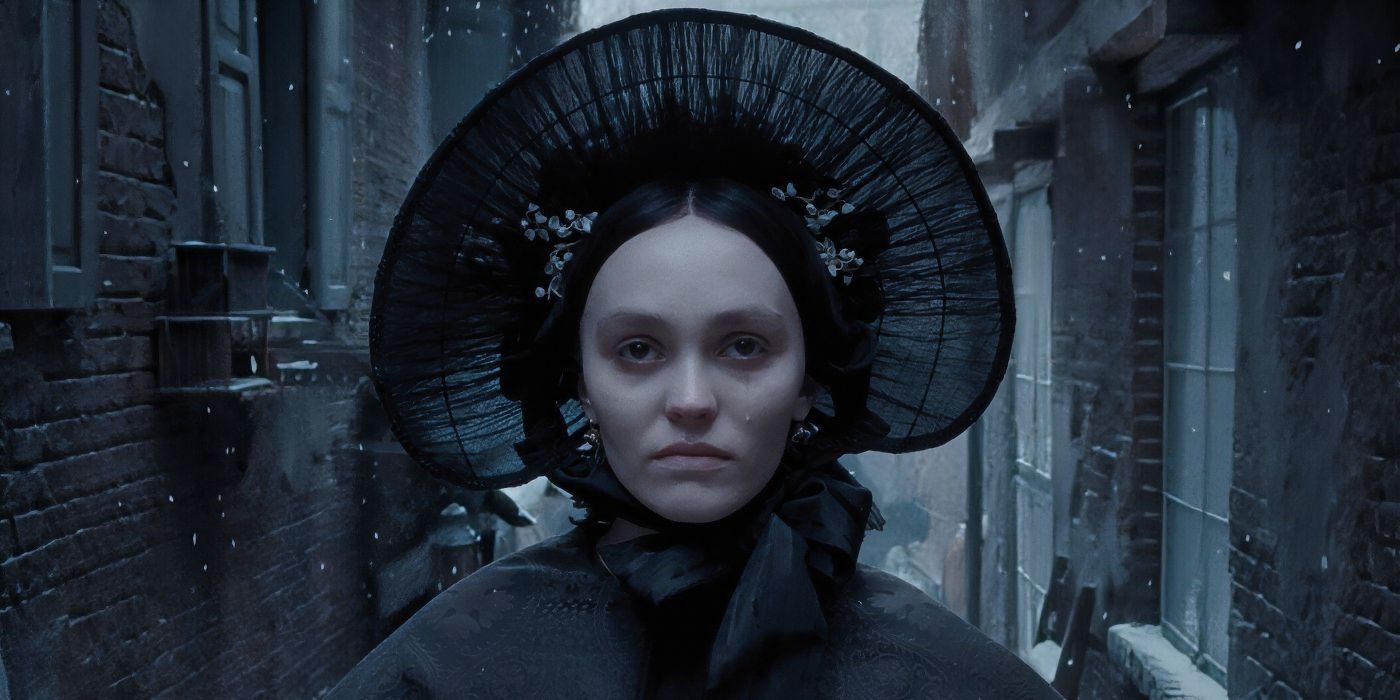 As the film slowly ramps up, it expertly provides moments of terror that, at first, cut away through masterful editing by Louise Ford, leaving us wondering what is real and what is melancholic fantasy. But as Count Orlok gets closer to his goals, a realization sets in that horrific sacrifices must be made. In the final act, there will be no cutting away. There is no shutting our eyes to the hideous nature of both the natural and supernatural. There is no flinching. The darkness will be faced. The passion will come to fruition. There will be an end.