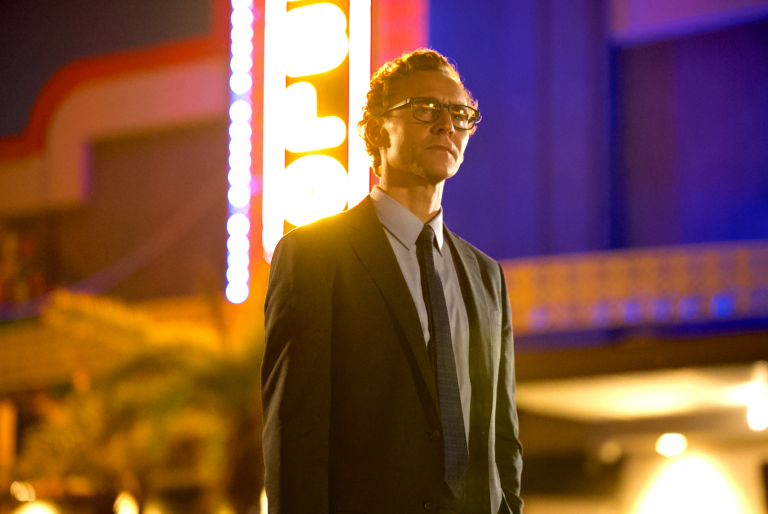
Director:Deborah Correa Writer:Ron Yungul Stars: Damian Conrad-Davis, Sam Bullington, Wayne Charles Baker
Synopsis: April 1862, set in Arizona territory during the opening months of the American Civil War, The War Between, is about two enemy soldiers who must cooperate in order to survive being stranded in the Sonoran Desert.
When we think about the “Wild West” we often imagine it after the Civil War. We think of outlaws, cowboys, lawmen, and frontier cavalry outposts. We think of mining towns, brothels, bullets, and booze. Yet, the period of westward expansion began before the tensions between the North and the South erupted. Because of the rapid expansion of people and policies into these new territories, the Kansas-Nebraska Act, passed in 1854, created a quagmire as it brought the idea of popular sovereignty to these new frontiers. Popular sovereignty meant the residents of these territories could decide for themselves whether or not they would own slaves.
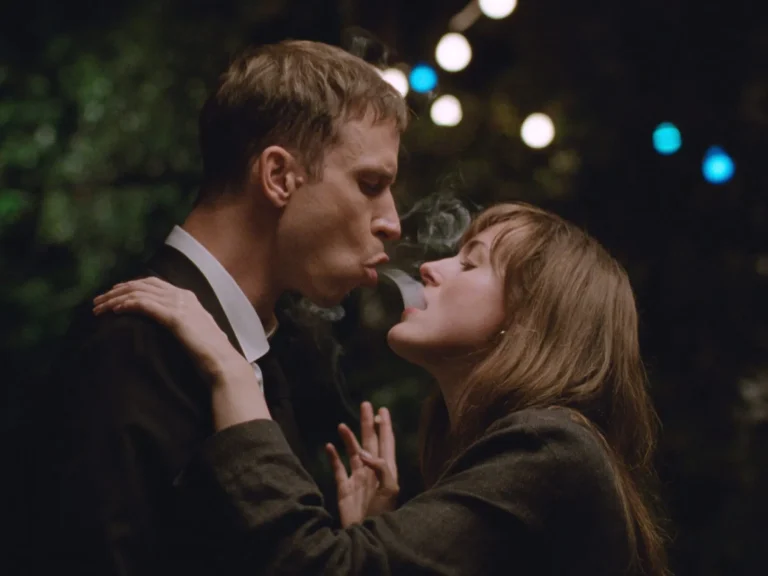
This is what the film The War Between sets up. Two soldiers on opposite sides of the Civil War are brought into close quarters in the New Mexico Territory, in what we now call Arizona. This wasn’t the same kind of pitched battles happening in the east, but battles fought by people from the frontier who had fought and learned tactics from the Native tribes these men had driven off their ancestral lands. These men are more survivalists than soldiers. The truce between these two men exists solely to ensure survival, in spite of their warring philosophies.
The War Between toes that line of Israel Terry’s (Damian Conrad-Davis) belief in preserving the union and Moses Jennings’ (Sam Bullington) belief that the secession was justified so that the Southern way of life could be maintained. Ron Yungul’s script is not about black and white, but awash in the complicated grayness of people. Jennings’ staunch understanding that slavery is necessary is also friendly and respectful of the traditions and personhood of Great Seer (Wayne Charles Baker), an Apache the soldiers meet on their road. Terry, while never claiming to be, and balking at the term, abolitionist, freed and befriended his father’s slave Atticus (Tank Jones). At the same time, he is also vehemently against keeping Great Seer alive and dehumanizes him with harsh racial epithets.
This liminal state bucks the trends of the traditional Western. There isn’t a throughline of moral righteousness because neither man can hope to achieve such an ideal. Both men are inherently flawed, which is not what myth of the West classic Westerns force-fed us.
The War Between also doesn’t look like a traditional Western. Director Deborah Correa and cinematographer Even Jake Cohen create scenes that look more like they’re out of a Terrence Malick film than the grand vistas and horseback chases of John Ford. The West of The War Between is as sparse as the actual West, not the Hollywood version of the West. If there are other people, they’re antagonists or, barring animosity, obstacles to getting back to something like civilization. The filmmakers utilize the rocky and unforgiving landscape to great effect especially as we know it will take so much longer for these men to reach a populated area on foot.
If The War Between has a detriment it’s that while it’s meant to be a balanced portrait of these two men, there is far more interest in one over the other. Our focal character, Terry, has a significant backstory that barely explains why he’s out in the desert attempting to make it back home. On the other hand, Jennings has much more than mere backstory. He has a point of view and a thoughtful nature. It makes it hard to want to keep up with Terry at all or care about his wife waiting back home. It makes it all the more difficult as Jennings is a believer in the necessity of the reprehensible practice of slavery.
The War Between is a sparsely populated, but thoughtful Western. There are elements that make us hope this film can usher in a much more nuanced portrait of the West than what Hollywood spoon-fed us in the early 20th century. The characters are rich and the setting is harsh. It’s a film that breaks out of a mold and forms its own mythos in the best way.
In the peak of Summer, Criterion brings in four new films while re-releasing a Stanley Kubrick classic and an entire franchise featuring Francois Truffaut’s most famous character. The new films include a shocking American noir, a bold Mike Nichols drama which became a legal case, a moving dramedy about conflicting siblings, and a contemporary masterpiece under the lights of Mumbai. Again, Criterion does not disappoint with this return of already-listed classics and the introduction of new films.
The Big Heat (1953)
Fritz Lang may have made his best Hollywood film with this amazing noir about a detective (Glenn Ford) who investigates the death of another officer and uncovers a complete crime syndicate. It raises the stakes compared to previous noir films with more shocking violence, famously featuring a woman getting attacked with boiling coffee, and the raw feeling of anger against the blatant corruption within the police. Gloria Grahame plays the non-typical femme fatale, and Lee Marvin thrives as the sleazy cop who uses brute force to get his way.
The Adventures of Antoine Dotel (1959-1979)
Francois Truffaut made his most famous character, loosely based on himself, and played by Jean-Pierre Leaud in all five films with Dotel. First came The 400 Blows, which made Truffaut and Leaud world famous, followed by the short film Antoine and Colette, the story about Dotel’s first love. Stolen Kisses features the character’s misadventures following a poor stint in the military, which matches the youthful times in France in 1968, followed by Bed and Board, which introduces Dotel to marriage and fatherhood. Truffaut’s final chapter, Love On The Run, brings Dotel fully into adulthood as a divorced man with a career in writing who falls in love again while also having to confront everything that has happened leading up to this.
Carnal Knowledge (1971)
When a movie goes to the Supreme Court, you know it was so controversial; they had to determine what is considered obscene versus protection under the First Amendment. They ruled it as not obscene (thankfully), as the subject is all about sex and how shocking it was, so frank about it for the time. It’s a stunning portrait by director Mike Nichols about two friends (Jack Nicholson and Art Garfunkel) and their relationships with women, being callous about what they think a woman is and what they want in relationships with them. Candice Bergen, Ann-Margaret, Rita Moreno, Carol Kane, and Cynthia O’Neal star in this ensemble that cashed in on the continuous sexual revolution of the 1970s.
Barry Lyndon (1975)
This new re-edition of the Stanley Kubrick masterpiece maintains its engrossing story and striking images from William Makepeace Thackeray’s novel. Some of the most impressive cinematography in cinema, with its candlelight lighting and amazing set designs, stands the test of time, fifty years after its release. Ryan O’Neal’s performance as the titular character remains the best of his career, as the lucky exploitative sneakily rises the aristocratic ladder to near full power while everyone looks on.
You Can Count On Me (2000)
Kenneth Lonergan made his directorial debut with a complex view of two siblings (Laura Linney & Mark Ruffalo) who come together after being apart for years. A single mother having an affair must deal with her loner brother who comes back home after being in jail, rehashing past problems that could break the relationship permanently. Lonergan’s poignant writing, with stellar performances by Linney, Ruffalo, Matthew Broderick, Jon Tenney, and Rory Culkin, makes this film a standout from the first year of the new millennium and would carry on with Lonergan’s Oscar-winning Manchester By The Sea years later.
All We Imagine As Light (2024)
One of the best films of the past year is India’s Payal Kapadia’s narrative-feature debut about three Indian women (Kani Kusruti, Divya Prabha, Chhaya Kadam) in Mumbai, and where their future lives lie. The pressure of gentrification and expectations for marriage lead them to a trip away from their problems and to confront their lasting secrets. Kapadia won the Grand Prix at Cannes last year for this extraordinary movie that deserved more awards recognition during the Oscar race last year; then again, it did lose to Anora for the Palme d’Or en route to winning the Oscar for Best Picture (and also being released by Criterion).
Isabelle Yasmine Adjani was born in Paris on June 27, 1955. The daughter of an Algerian father and a German mother, Isabelle would begin her film career in 1970 at the age of fourteen in Le Petit Bougnat. To the present day, Adjani has featured in almost fifty films and has been nominated for two Academy Awards and has won Best Actress at Cannes twice in 1981 for her roles in Possession and Quartet. With five Best Actress awards at the Césars (Possession, L’Été meurtrier, Camille Claudel, La Rien Margot, and La Journée de la jupe) Isabelle Adjani is an acting legend – a fact that has been attested to by her receiving the position of Commandeur in Ordre des Arts et des Lettres in 2014 and the position of Chevalier in Ordre national de la Légion d’honneur in 2010.
Nadine Whitney takes a look at some of Isabelle Adjani’s most feted roles.
L’Histoire d’Adèle H. (The Story of Adèle H.) François Truffaut, 1975.
At the age of nineteen, Adjani would star in the film which garnered her first Academy Award nomination. Based on the peripatetic life of Victor Hugo’s daughter, Adèle (Adjani) as she runs from her family home in exile in Guernsey in 1863 to find a young officer and the object of her obsessive affection, Lieutenant Albert Pinson (Bruce Robinson) in Halifax, Nova Scotia. Taking the pseudonym Adèle Lewly, Hugo finds a place at a comfortable boarding house run by the kindly Mrs. Saunders (Sylvia Marriott) and seeks out an uninterested Pinson through the streets and ballrooms of Halifax and eventually follows him to Senegal.
Adèle’s fantasies of her marriage to Pinson cloud her mind – a woman with extreme erotomania who gradually falls into depression, and madness. Truffaut’s account is based on the real Adèle Hugo’s diaries, which she kept assiduously. Truffaut saw Isabelle in a film in 1974 and decided that she was perfect for the complicated mix of absolute fragility and mania that Adèle embodied. In some ways L’Histoire d’Adèle H. marked out the trajectory of Adjani’s most acclaimed roles; people loved to look at her beautiful, suffering face tinged with madness. It is as if Adjani’s physical perfection required some mental imperfection to make the actress seem plausible as a human being. Nevertheless, L’Histoire d’Adèle H. is an extremely accomplished work for a young actor and she commanded the screen with her emotionality.
As a side note: Bruce Robinson who played the feckless Pinson would later turn his hand to directing. His most famous work was the semi-autobiographical Withnail and I in 1987.
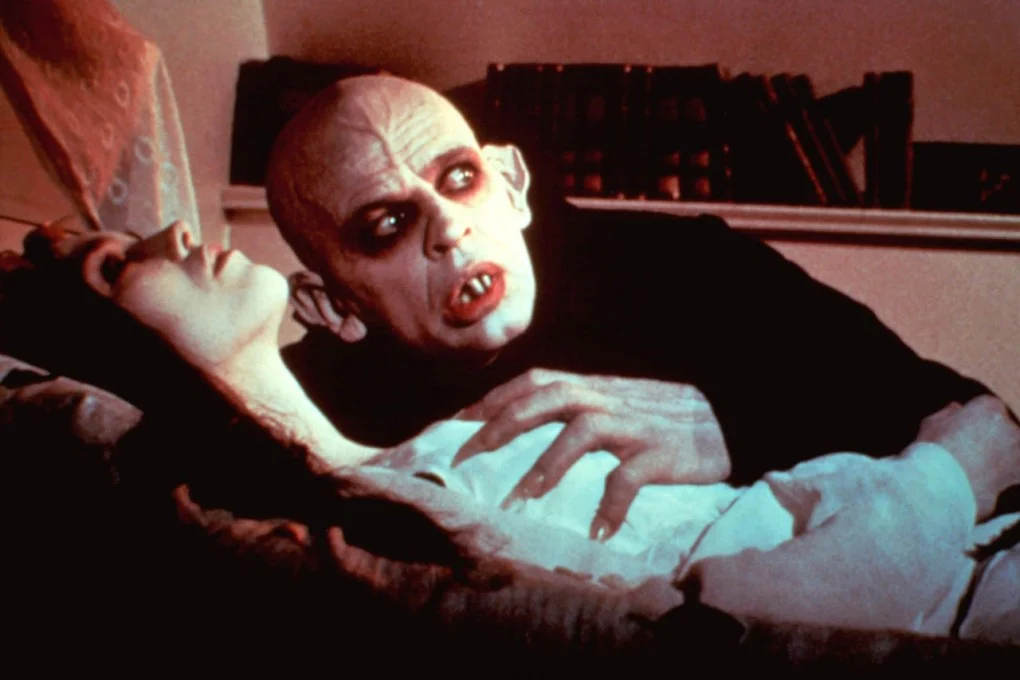
Nosferatu: Phantom der Nacht (Nosferatu the Vampyre) Werner Herzog, 1975
Fair warning: there are two cuts of Herzog’s remake of the famous Murnau film, one in German as it was intended, and one filmed in English. The English film is truncated and although Adjani is fluent in English, it was clear that other actors were having trouble with the language. Isabelle Adjani grew up fluent in French and German (her mother’s language), so her Lucy Harker is better suited to the German cut.
Werner Herzog deciding to remake the most German of German films was no small undertaking and he certainly did not see it that way. Essential to the film’s success was a surfeit of rats and precisely the correct cast for the three leads: Bruno Ganz as Harker, Isabelle Adjani as Lucy Harker, and Klaus Kinski as Count Dracula. A version of Bram Stoker’s Dracula filtered through the lens of the great F. W. Murnau (his silent German Expressionist 1922 version only just escaped being completely destroyed by the estate of Stoker who burned as many copies as they could after a court win) Nosferatu: Phantom der Nacht needed to be at once profoundly beautiful and as seductive as it was horrific. It is Isabelle Adjani’s ethereal Lucy that provides part of the immense beauty of the film, especially when she is paired with the beastly Klaus Kinski. After all, if an ancient vampire were to uproot himself from Transylvania for love – Isabelle Adjani is a worthy reason.
Most people have seen a version of Dracula so retelling the story is unnecessary, but it is pertinent to describe some of the additions Herzog made to the tale including the incredible plague carnival played out in the town square through which Lucy is wandering dazed and lost trying to convince the townspeople they must leave. Already infected, they enact a last supper and mad orgiastic dances. Herzog forgoes any type of happy ending for Lucy despite her braveness in distracting Dracula until daylight. Her husband is already infected with a different kind of sickness and the vampire lives on.
Possession Andrzej Żuławski, 1981
There is no simple way to describe Andrzej Żuławski’s Berlin set marriage breakup/creature feature/Cold War thriller. In fact, when Żuławski himself pitched it he came up with, “Woman f*cks with octopus.” Żuławski’s only English feature made after his work was shut down in his native Poland by the Communist government, Possession is an unwieldy and extremely strange piece of art which becomes even less easy to categorize the more times one views it. Elusive, extreme, and hallucinatory; Possession took Adajni’s skills to the furthest degree.
Adjani plays Anna, a young mother married to her Australasian spy husband, Mark (Sam Neill) living in a divided Berlin. Mark arrives back in West Berlin after a year on an operation and Anna firmly asks him for a divorce. Despite quitting his job in intelligence to be around Anna and Bob (Michael Hogben) more consistently, Anna refuses to engage in any kind of reconciliation, nor an explanation that Mark finds satisfying. After having his own mental breakdown dealing with the split, Mark begins to have Anna followed so he can understand what she’s doing beyond the passing infidelity with a pompous man called Heinrich (Heinz Bennent).
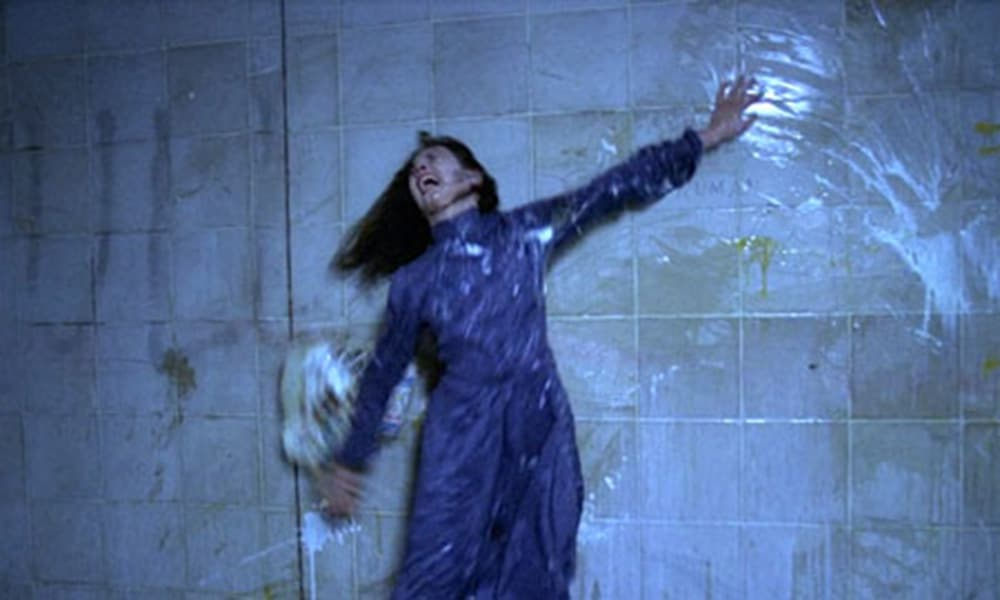
For those who haven’t seen the film, a full summary will be too spoiler filled. For those who have, there are four words: “Adjani in the U-Bahn.” Żuławski and cinematographer Bruno Nuytten (make note, he will pop up again) capture Adjani in the act of pure and almost dangerous hysterical physical performance. Anna throws herself at the walls of the U-Bahn, smashes her shopping, jerks forwards and backwards, laughs and cries, grunts and screams, expels liquids – if this scene were the only one where Adjani goes beyond what is expected from an actor it would be extraordinary as it is, but there is so much more going on and to be discovered in Possession, including Adjani playing a doppelgänger of Anna named Helen.
Possession is more than a horror film, and more than a cult film – it is art under extreme pressure. Sam Neill’s performance is excellent, but no one will ever doubt that the film belongs to Adjani.
Quartet, James Ivory, 1981
When James Ivory read Jean Rhys’ semi-autobiographical debut novel Quartet (1928) and asked his regular screenwriter Ruth Prawer Jhabvala to write a script for it, she originally demurred by telling him, “It’s so low-spirited.” Jhabvala wasn’t wrong but write it she did, and Adjani was cast as the tragic lead Marya “Mado” Zelli. Mado is married to a casual Polish art thief named Stephan (Anthony Higgins) and they live in Montparnasse in Paris. They don’t have a lot of money and are tolerated by the hoteliers who house them so long as the bill is paid. Stephan is arrested and sentenced to a year in prison. With no money and no family to speak of as she is an emigre from the West Indies, Mado finds her life and fate distinctly in other people’s hands.
Having caught the eye of wealthy British ex-patriot H. J. Heidler (Alan Bates) Mado is brought into his world by his deeply unhappy wife, Lois (Maggie Smith) who puts up with H. J.’s constant short-lived infatuations with “bruised flower” types such as Mado. She is installed in the Heidler’s spare room in their beautiful Paris home and introduced to the cream of bohemian society in the city. The cost, of course, is that she submits to H. J.’s seduction and later, Lois’ jealous cruelty.
Quartet is based on Rhys’ own affair with the writer Ford Madox Ford and his common law relationship with the painter Stella Bowen (here played by Maggie Smith as a society hobbyist) is indeed low-spirited with happiness belonging to no one, including H. J., but it is an exquisitely made film with a powerful performance by Adjani as the woman who believes herself at least partially loved by two men, only to find out she is disposable to both. There are wonderful scenes where Ivory recreates Paris in the 1920s including the Café Dôme. For her role as Mado, she was awarded Best Actress at Cannes in 1981 – an award she shared with her performance in Possession.
Camille Claudel, Bruno Nuytten, 1988
Adjani once again playing a talented artist who ends up spending a good deal of her life in an asylum – surely lightning can’t strike twice? Adjani believed it could and produced this biopic of the tragic and sublimely talented sculptor Camille Claudel. It was Adjani who brought Bruno Nuytten on as director (they had worked with each other several times, were ex-partners, and share a son) and whose ability to emote at the level of a headstrong and passionate artist keeps the audience transfixed for its 175-minute runtime.
Camille Claudel (1864-1943) was the eldest daughter of a permissive, loving, but often absent father Louis-Prosper Claudel (Alain Cuny). Distinctly bourgeoise, Camille sent small shockwaves through the community where she lived in Paris with her midnight clay raids and bohemian friendship with the British sculptor Jessie Lipscomb (Katrine Boorman). Camille was adored by her younger brother, Paul (Laurent Grévill) who she encouraged to be a writer. Attempting to be noticed by the establishment as a talent in her own right was near to impossible until she met Auguste Rodin (Gerard Depardieu) who was France’s “maker in marble” of famous men. Beginning as an assistant in Rodin’s studio, Camille became indispensable to Rodin and eventually they became lovers. However, Camille’s relationship with Rodin would not only end in heartbreak and scandal, but also cause her extreme paranoia that he was using her talent as his own.
Isabelle Adjani brings Claudel out of obscurity and into the light as a groundbreaking sculptor whose personal relationships eventually soured to the point where she became a shut-in living in a small room working night and day. Not only was Camille Claudel a role for which Adjani was nominated for an Academy Award, it was also the film entered into the International Academy Award competition. It was also a role which won her a César for Best Actress, and a Silver Bear at Berlin. Adjani is impossible to ignore as she screams “Rodin, Rodin!” under the cowardly artist’s window. Camille Claudel herself is the subject of another film by Bruno Dumont starring Juliette Binoche, Camille Claudel 1915.
La Journée de la jupe (Skirt Day), Jean-Paul Lilienfeld, 2008
Adjani plays public high school literature and drama teacher Sonia Bergerac whose students are mostly from an immigrant background. Tired, stressed, considered “immodest” because she insists on wearing a skirt, and generally abused and spoken over by her working-class students, life changes in an instant when she finds one of the students has brought a gun to school. Sonia manages to confiscate the gun, but instead of getting everyone out of the classroom and taking the gun to the authorities, she snaps and finds herself keeping a section of her students hostage.
Extreme racism between the students of different backgrounds and even worse sexism is a daily occurrence at the school. The place is somewhat of a powder keg and the school principal has avoided reporting any issues for fear that the school will go down in rankings. Sonia’s instincts to care for the children under her supervision as a teacher have become distorted as she is unable to begin any kind of repartee with them. With a gun in her hand, they will at least get through a lesson on Moliere.
Sonia might seem only tenuously in command of her class, but Adjani is absolutely in command of her incendiary role which becomes more complex as the film plays out. Adjani had been on a hiatus from acting for five years before she accepted the part in which her North African heritage figures in prominently. Skirt Day is one of Adjani’s most realistic, yet fraught, films.
Special mentions:
The Driver, Walter Hill, 1978.
Adjani in an American crime thriller with Ryan O’Neal and Bruce Dern and cars.
Les Sœurs Brontë (The Brontë Sisters), André Téchiné, 1979.
It can’t be said that Téchiné’s biography of the Brontë sisters and Branwell (played by Pascal Greggory who will play Adjani’s brother in a later film) is good, as such. After all, it’s bizarre to make a French film about the English authors. However, it does feature Isabelle Huppert as Anne, and has Adjani as Emily wandering the moors in trousers. That’s really enough.
Subway, Luc Besson, 1985.
Co-starring Christopher Lambert, Subway is pure Besson cinéma-du-look. Neon lights, impressive hairstyles, chic clothing – and a crime thriller plot.
La Reine Margot (Queen Margot), Patrice Chéreau, 1994.
A bloody and big spectacle film interpreting Alexandre Dumas’ novel about Marguerite de Valois and her marriage to Henry of Navarre (Daniel Auteuil) and the St Bartholomew’s Day Massacre in 1572. Queen Margot is a big, glorious, and gritty historical epic/fiction which also features Jean-Hugues Anglade as Margot’s brother King Charles IX, Virna Lisi as her mother Catherine de Médicis, Vincent Perez as Margot’s lover, and Pascal Greggory as her brother Henri of Anjou.
It’s the rare long-running horror franchise that has never hit the new-coat-of-paint reboot button. The received wisdom is that, at some point, most every horror property older than two decades will need an update for new audiences while selectively wiping out inconvenient continuity. Texas Chainsaw Massacre and The Exorcist essentially do it with each new film. Halloween every two or three movies. Nightmare on Elm St and Friday the 13th have done it. Hannibal is less franchise than collection of disparate auteurist takes on the same four novels. Chucky has mostly maintained its continuity, but even that franchise had to weather an ill-conceived remake.
And then there’s Saw.
Since 2004, the Saw franchise has transformed from James Wan and Leigh Whannell’s gnarly Sundance darling into horror’s most intricate soap opera. Characters ‘die’ in one film only to be revealed as having faked it in the next. Mysterious letters are delivered and three films later their contents will explain somebody’s strange behavior. Regular extensive flashbacks lend new context to years old scenes, revealing who was really involved just out of sight. The unexplained fate of a character in the first film becomes the basis of a twist in the seventh. Audiences might come to Saw for the horrifying deathtraps, but they stay for the dense mythology and plotting that Days of Our Lives would respect.
As the box office declined, Saw twice flirted with rebooting, but in both cases there’s a strong sense that the creatives knew a genuine reset was not going to be welcomed. As such, 2017’s Jigsaw tried very hard to be a fresh start without invalidating (or directly addressing) what came before and ended up pleasing nobody. 2021’s Spiral pitched itself as a copycat focused side story ‘From the Book of Saw,’ with little to link it to the old films apart from a couple of references. It presented somewhat as elevated horror thanks to its A-list stars and timely subject matter, but a Saw film that is embarrassed to be a Saw film is not endearing to those who love this franchise and doesn’t have much appeal to those who don’t.
Saw did not return to popular success until it returned to its most idiosyncratic impulses. 2023’s Saw X was essentially an extended flashback set between the first two films that largely exists to explain away a plot hole from Saw VI. Tobin Bell, Shawnee Smith and Costas Mandylor returned to their roles, despite all looking twenty years older than they’re supposed to be given the timeline. It blew up at the box office and received the franchise’s highest Rotten Tomatoes score ever. A sequel was quickly announced and it looked very much like Saw had regained its crown by embracing to the storytelling mode that its most ardent fans had been begging for.
There are varying reports as to what happened next. But the outcome was the same; Saw XI stalled due, allegedly, to differing opinions on the best direction for it to next take. A franchise that had only just regained its status was stranded in limbo. And then came the announcement that horror juggernaut Blumhouse had acquired the property, returning it to the influence of creators James Wan and Leigh Whannell. It has since been made clear that they will be directly involved in whatever form Saw takes next.
Is this good news? It depends on who you ask. Wan and Whannell are horror royalty. Between them, they have launched several hugely popular franchises, directed billion-dollar hits, and crafted respected reimaginings of classic properties. There is a strong argument that, given they created the franchise and have only become bigger and better filmmakers since, there could not be a safer set of hands to restore Jigsaw to critical and commercial glory.
But here’s the tricky part – the Saw that most fans love, the Saw that the tenth film brought back to such acclaim, is not the Saw that Wan and Whannell created. In a candid interview surrounding the release of Spiral in 2021, Whannell openly admitted that to him there are two Saws – the low budget thriller he and Wan originally directed, and the blood spouting, convoluted franchise that followed. Yes, Wan and Whannell were involved in the writing of the second and third Saw films, but both left the franchise after that. Much of what makes Saw – not the original, but the franchise overall – so beloved came from those who picked their baton up and ran with it.
And this is what creates a unique question mark over the future of Saw. Because it’s very hard to imagine two of the most prominent and respected horror filmmakers around taking back their baton only to continue the same race so far from where they started it.
Of course, it’s too early to say with any confidence what a new Saw film would look like and how involved Wan and Whannell might be. They certainly don’t need Saw at this point in their careers and the strongest likelihood is that they’ll take ‘consultant’ roles similar to what James Cameron did on Terminator: Dark Fate. Then again, Wan’s statement refers to his ‘significant creative return’ and how it will come with a ‘fresh perspective’. Maybe twenty years away from Saw has given him a renewed passion for his first big break. Nobody could begrudge Wan and Whannell doing whatever the hell they want with it, even if that means a total restart or a more selective reboot akin to the 2018 Halloween.
If so, it would be hard not to feel like horror fans had lost something a bit special. No other franchise ever cared so much about its own minutiae and there was something so eccentric and charming about that. What was so unique about the Saw franchise in its heyday was that the filmmakers clearly knew the box office receipts were mostly thanks to casual gorehounds, yet still made the movies with attention to detail and canon that somehow elevated the bad acting, clunky dialogue and increasing outlandishness.
But then again, considered in a slightly different light, Saw X looks less like a restart and more like a victory lap, a last bow for the old type of Saw film. Given its chronological placement, it’s not like it set up some bold new direction or left audiences desperate to know what happens next. That question was answered twenty years ago. It’s doubtful that more interquel Saw movies trying to sell an eighty-something Tobin Bell as a man in his fifties would have been a particularly fruitful creative direction. Saw X was likely a gambit that could only be pulled off once. If its threads are not picked up on, then it served as a pretty perfect farewell for what the franchise once was.
As to what it will be next? Maybe reinvention is what Jigsaw needs. Maybe Wan and Whannell have some electric new take that will see Saw movies dominate the box office for years to come. Maybe that take will build on the old continuity and maybe it won’t. Given how fast these movies have historically been turned around, we’ll probably know soon enough. Whatever the case, the game is far from over.
Synopsis: When M3GAN’s tech is stolen to create a military-grade weapon known as Amelia, Gemma realizes that the only option is to resurrect M3GAN and give her a few upgrades, making her faster, stronger, and more lethal.
Following the mega success of Blumhouse’s M3GAN in 2023, it would’ve been easy to tell a more simple revenge-driven story for the film’s inevitable sequel, but M3GAN 2.0 decides to take a page out of Terminator 2: Judgment Day’sbook with a full-on change in genre. Instead of mixing the movie’s campy tone into horror, it instead goes full steam ahead into action, espionage elements, going full tilt into Mission Impossible territory. Director Gerard Johnstone certainly took a genre risk but it mostly pays off as an enjoyable time. The silly humor from the original is well represented, but there are solidly choreographed action sequences mixed in. However, along with its silly nature, the sequel has a number of competing ideas, including the dangers of AI consciousness in our world. These ideas, paired with its overlong runtime, keep it from greatness. But, M3GAN 2.0 comes out on the positive end by understanding its tone. It becomes an absurd, but playful way to spend a couple hours.
The sequel immediately establishes a new tone when we open with a new android, Amelia (Ivanna Sakhno), fighting in hand-to-hand combat with goons, going rogue against her government-issued operation orders. The first film’s events left the world at a standstill with Gemma (Allison Williams) now trying to put guards on AI ever since M3GAN’s (Jenna Davis) bloody rampage. Gemma soon learns that Amelia was created from her own M3GAN tech, leading her to realize that bringing back the killer robot is the only option for the safety of her and Katie (Violet McGraw). The film’s thoughts on the ever-growing debate of ethical AI usage is present throughout and serves as light commentary to surround the film with more intrigue but it never goes anywhere interesting besides dancing on topics until the end where it goes completely off the rails, over-explaining itself. These elements are where the film carries over this same commentary from the first film and it’s about the same level of window dressing in each film, light concepts that keep interest but never really go fully anywhere and it’s the weakest aspect of both movies.
Where the movie does shine is through the surprisingly well-done spy/action film angle. With M3GAN now acting as a protagonist in the narrative, this movie goes the T2 route in more ways than one. Multiple sequences in the film are straight-up heist and spy-centric. Funny disguises for the characters to sneak around are used, and there are many action scenes to parse through. While this follow-up still retains its hammy tone, it’s surprising to see that so much of it is played straight, but never so much to the point where it starts becoming less clever because of the common genre tropes. It’s certainly a rare sight to see a Blumhouse film with car chases and 3rd act heists, but it is similar to another Blumhouse-produced film Upgrade (2018), especially with the similarities in action filmmaking. It feels twisty and precise in its robotic-like choreography and camera placement, which makes sense because M3GAN or Amelia are mainly the ones doing the fighting. The film never breaks new ground within the spy genre, action scenes, or espionage and one could say it even leans a little too hard into more predictable and boring genre tropes, especially with an exposition heavy 3rd act and unsurprising twist, but it mainly rides a line between a cool and spoofy nature.
The first M3GAN, while fun, was never truly an insanely entertaining movie because, for a film that’s supposed to be campy, it honestly took itself just a bit too seriously. There is still a lot of emotionality between our returning characters in this entry but because of the change from horror to action, it’s looser with the flow of its story. So, despite the unneeded 2-hour runtime, dull moments end up being few and far between. Of course, famous meme moments from the original are either recreated or have a new flavor to them here like a new M3GAN dance and another instance of cheesy singing that is sure to get a laugh out of audiences.
M3GAN 2.0 has a drawn-out runtime and just a bit too much clutter within it that keeps it from being great, but it was a pleasant surprise to see how effective it was with its genre change. It’s a sequel that still retains a tone that created such great success while also weaving in something new that will work for fans of the original and for those who wanted a little bit more out of it. M3GAN is a very flawed but creative shift to take a sequel to a modern hit.
Director:Kang Hyeong-cheol Writer:Kang Hyeong-cheol Stars: Lee Jae-in, Ahn Jae-hong, Park Jin-young
Synopsis: The five ordinary people, who developed their superpowers after receiving organ transplants from a previously superpowered being, are fighting against another psychic, who also gained the power through transplant and covets their powers.
Superhero cinema has become a routine genre as of late, offering little to no surprises for moviegoers who seek out the latest Marvel or DC feature (that said, James Gunn’s Superman is poised to breathe new life into DC adaptations this coming July, so the jury is still out on that front). And the recent financial returns have also shown a trend of fatigue in mediocre comic book adaptations, from the dismally-received Captain America: Brave New World to even Thunderbolts*, which was much more critically acclaimed than the recent streak of MCU films.
It’s almost as if superhero entertainment is in a perpetual rut of mediocrity because its writers have no idea how to reinvent a story that has been treated far too many times on screen. As good as Thunderbolts* may have been received, it was the MCU’s version of Suicide Squad – pretty much the same story, beat-for-beat, with a few modifications. None of it felt fresh and exciting. That’s why I’m a bit skeptical of the upcoming The Fantastic Four: First Steps reinventing the wheel, but we’ll see what Marvel has in store for us later down the line. For now, however, a brilliant movie from South Korea has recently released in cinemas and is the shot in the arm superhero filmmaking needs to continuously enthrall moviegoers and make them clamor for more by the time its credits roll.
The film is called Hi-Five and, you guessed it, tracks the story of five super-powered individuals who each received abilities after successful organ transplants from mysterious, superheroic, donors. Our protagonist, Park Wan-seo (Lee Jae-in), has recently recovered from a heart transplant and can now move at the speed of light, and superkick baddies with ease. It’s at that point when she meets Park Ji-sung (Ahn Jae-hong), who received a lung transplant and can blow everything incredibly far in front of him. The other members, Hwang Ki-dong (Yoo Ah-in), can control electromagnetic waves at the snap of his fingers, after receiving a cornea transplant, while Huh Yak-sun (Kim Hee-won) can heal people’s wounds with the touch of his hands, after he recovered from a liver transplant.
There is a fifth member, Kim Sun-nyeo (Ra Mi-ran), whose powers are still unknown, after she received a kidney transplant. Together, they must unite to fight against Seo Young-chun (Park Jin-young and Shin Goo), who dubs himself the “New God resurrected,” a cult leader who, after receiving a pancreas transplant, can absorb the youth out of other people and live eternally. As he gets younger and younger, he seeks to have each respective organ of the Hi-Five members for himself, so he can attain the same powers they have, in one entity.
It’s a fairly straightforward plot, but one that gets elevated by its relentless, wall-to-wall maximalism and humanist approach to its respective characters. Each action scene is a pure aesthetic thrill to watch unfold, particularly a well-paced, humorous chase that, in the year of our lord 2025, is scored through the sounds of Rick Astley’s “Never Gonna Give You Up.” The thing is, as outdated as this joke may be, we never cease to fall for it. It’s the one constant on the internet, ever since the popularization of the meme in the late 2000s. As on-the-nose as the scene may be, it works because the alchemy (or purposeful lack thereof) between the members is so strong that we ultimately root for their success as they overcome their inner demons to fight off against a seemingly invincible deity.
In that confrontation, Hyeong-cheol throws literally everything at the screen and mixes all of the superheroes’ unique abilities in surprisingly fun and hyperkinetic ways, where their respective powers respond to each other, as they look to stop the Eternal Young-chun before he becomes the “New God” he has always dreamed of being. It results in action that transcends the artifice of comic book entertainment and visualizes things only our limitless imagination is capable of coming up with, in a succession of grandiloquent digital gestures that are often surprising as they are cathartic. It’s creative swings like these that will always ensure the perennity of this artform, in the hands of people who want to craft aesthetically (and thematically) thrilling sequences of great formal ingenuity that always puts its characters at the forefront of the picture.
Because a film like Hi-Five! wouldn’t work if we didn’t care about the five protagonists on screen, who each have their own distinct vulnerabilities to overcome as the New God attains more powers. Hyeong-cheol ensures each member has their time to shine, both through their incredible acts of derring-do and as he pulls back the curtain on their more human aspects, both individually and collectively. I wouldn’t dare reveal how they surpass their most harrowing moments, but I’d be lying if I said I didn’t shed a tear by the time they unite forces and do what must be done to ensure Young-chun does not become the “New God resurrected.”
As a result, it was easy for me to enjoy Hi-Five! Not only is its creativity unmatched in the landscape of superhero entertainment, but it contains enough interesting characters that it truly doesn’t matter if some of the narrative developments Hyeong-cheol takes aren’t up to snuff. When you let your imagination run wild, you can come up with some of the kookiest, most galaxy-brained stories you can think of.
Sometimes, it doesn’t work and you’re left perplexed at how such a movie could ever get a green light. Other times, though, you get magical, once-in-a-generation entertainment like this one, where all you want as soon as you leave the theater is another one. Considering how many plotlines are left unresolved (notably one major aspect regarding a specific character), I can guarantee we’ll get a sequel much sooner than later, and I’ll be there on day one.
Director:Elliot Kirschner Writer:Elliot Kirschner Stars: Robert Reich
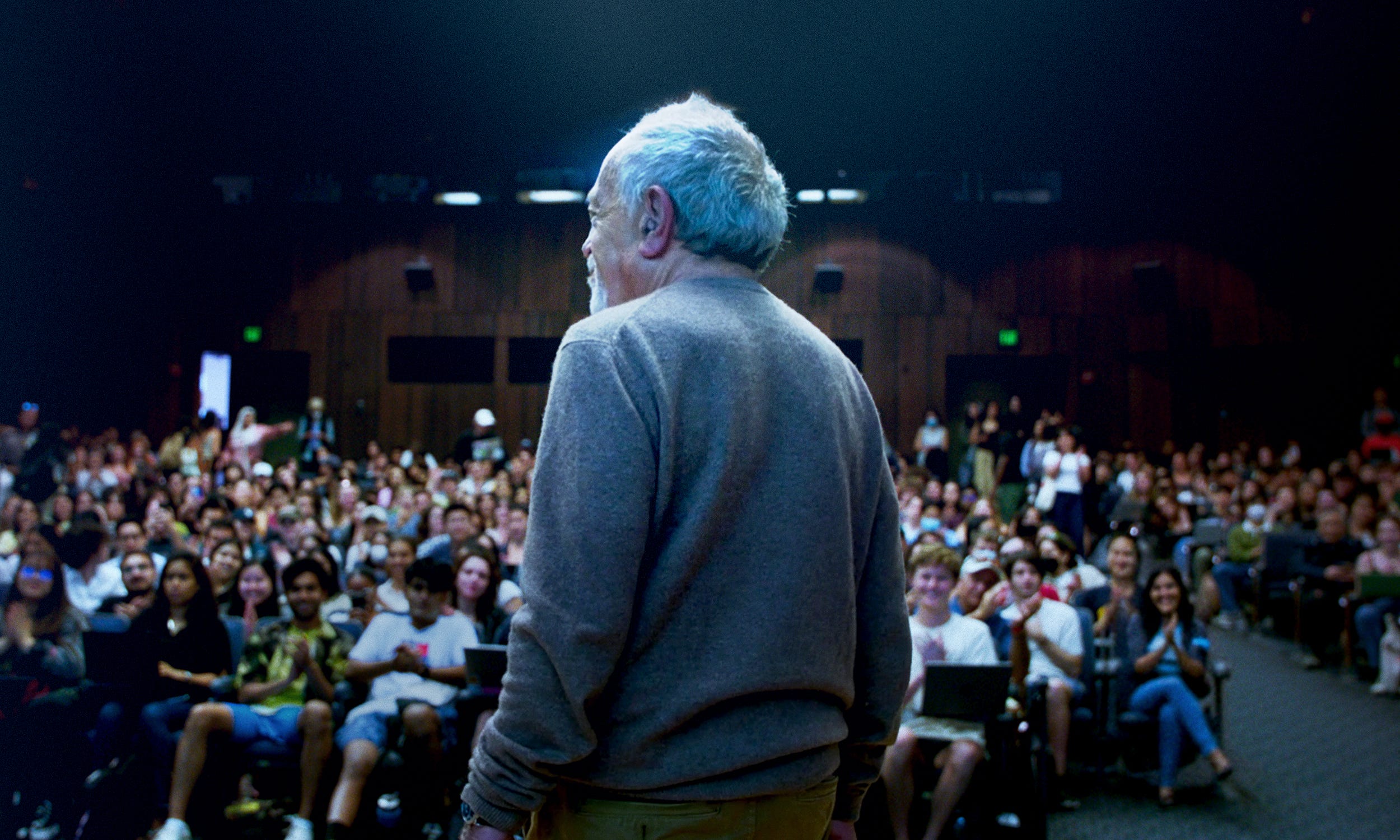
Synopsis: The film follows former Secretary of Labor Robert Reich as he teaches his ‘Wealth and Poverty’ course at UC Berkeley for the final time, capturing a master educator as he wrestles with his own aging and the reality of his students inheriting a world of widening economic inequality.
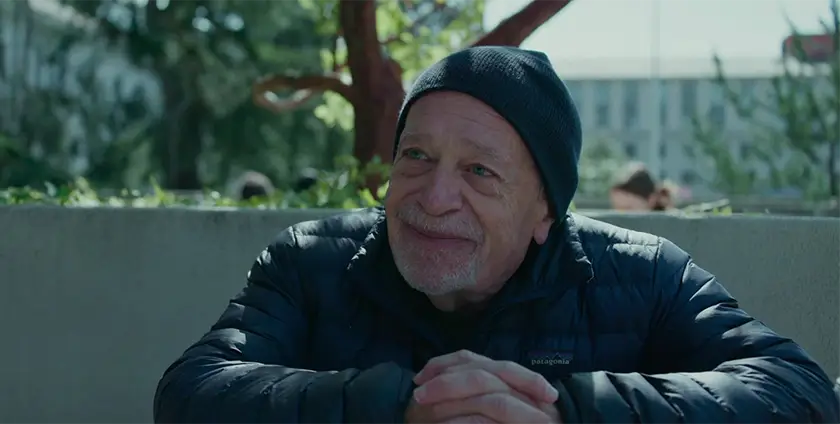
In an era of fiercely partisan political documentaries, The Last Class strikes a conspicuously quiet and gentle tone. It presents an intimate portrait of Robert Reich, the former US Secretary of Labor, during his final semester of teaching. The film succeeds beautifully as a study of a beloved teacher, capturing the warmth and wit of its subject. However, its gentle focus on the art of teaching often comes at the expense of a clear point of view, leaving one to wonder if its affection ultimately smothers its fire.
Visually, the film has the polished aesthetic common to many contemporary streaming projects, for want of a better phrase, the ‘Netflix style’. Its handsome exterior shots wisely place the viewer on the sun-dappled Berkeley campus, creating an immersive academic world. Within this frame, the film presents its strongest case as a character study, carried by Reich’s undeniable charisma. He is a charming subject, full of self-deprecating wit, and the camera captures a man happiest when examining difficult subjects with his students.
The film truly excels when it showcases his teaching method. We see his delight in the “special kind of alchemy” that occurs when a teacher connects students to a subject, and one scene perfectly encapsulates this. Reich demonstrates the power of incentives by giving one student in a pair a hypothetical $1,000 to split; if their partner rejects the proposal, neither gets a penny. The joy he takes, not in the result, but in exploring with them why they made their choices, is palpable. It shows us a teacher who understands that great teaching is not about providing answers, but about cultivating a generous and infectious curiosity.
And yet, for all its success in capturing the man, the film’s central weakness is its reluctance to engage fully with his life’s work. He is presented by listing his previous job titles, but there is little more than a passing attempt to explore the substantive material he is teaching. There is a theme about Reich teaching his students how to think, rather than what to think. However, it seems like a waste of the subject to not explore in more depth what his views are on the world. For a film about a major political voice, this choice to remain amiable and uncontroversial feels less like a stylistic decision and more like a frustrating evasion, especially in our current political climate.
This avoidance is perhaps tied to the palpable sense of melancholy that hangs over Reich as he faces retirement. His sadness feels like more than just a personal milestone; it seems to symbolise the closing of a wider political era. His career, after all, was defined by a respect for institutions, the pursuit of fairness, and the effort to find common ground. What stands out is not just his views, but the respectful, compassionate, and curious way in which he expresses them, qualities that feel increasingly absent from modern politics.
We are never told why Reich is retiring, however as a viewer you get the sense that it was perhaps not totally his decision. As Robert Reich brings his last class to end, as a viewer you are left with the sense that this is a man with much still to offer his students, and perhaps the rest of us. You also get the sense that he knows this too, which is what makes his retirement seem, in the end quite unsatisfying.
The Last Class is, in the end, a pleasant and heartfelt tribute. It is a warm and often moving documentary that is impossible to dislike. But in choosing to celebrate the teacher, it sadly refuses to engage with many of the vital lessons his work still has to teach us all.
Director:Sarah Friedland Writer:Sarah Friedland Stars: Kathleen Chalfant, H. Jon Benjamin, Carolyn Michelle
Synopsis: An octogenarian woman transitions to life in assisted living as she contends with her conflicting relationship to herself and her caregivers amidst her shifting memory, age identity, and desires.
Film is an audio/visual medium. There have been attempts made to add smell to it (Smell-O-Vision), but really it comes down to just what we can see and hear. Though, there are films that can transcend beyond just these two senses. If the images and sounds are strong enough it may trigger our memory. It may be that if the characters are suffering from cold weather, we pull our sweatshirts tighter. It may be that if the characters are tasting something gross, we take a sip of our sodas to get the taste out of our mouth. It may be that if a character is lifted by the aroma of a terrific feast in front of them, our mouths may water in return. Film uses memory to engage all of our senses and there are very few that do it as well as Familiar Touch.
There is true brilliance in the way writer/director Sarah Friedland and her team evoke the sensation of touch and make it an impression the viewer can feel right along with the actors on screen. There are shots of Ruth’s (Kathleen Chalfant) hands as she touches people and objects and because of the way cinematographer Gabe Elder positions the shot, we get a sense that it could be any hand, even our own. The same way that editor Aacharee Ungriswong inserts just the right amount of these hands so that we understand the importance or heft of the gesture. The same can be said of the sound team, led by sound designer Eli Cohn, which gives us that additional and important sensory input to fully grasp the touch on screen.
So much of Familiar Touch is about the present. It’s because Ruth is losing her past bit by little bit and her future is at a place that rarely changes. The film moves Ruth through these days that stretch on in her new home with her new routine and the new people in her life. We see the triumph of her good days and the agony of her bad days. This movement and flow wouldn’t work if it weren’t for the delicate and realistic performance of Kathleen Chalfant.
Chalfant has been a character actress for decades honing her craft, which helped her, in this lead role, to create a portrait of a person going through a tremendous upheaval in self. Her timing lends itself to the lighter moments. Her anger to the fear we all have about the possibility of going through something like this in our own lifetimes. Her devastation is palpable as she learns multiple times that she is at the end, that her memory is never to return and her self is gone. Chalfant is so achingly good and real in Familiar Touch. It’s a performance that transcends beyond the screen and into our sudden realization of our deterioration as we age.
There is a scene in the film that combines all of these elements together so absolutely perfectly, from Chalfant’s performance, to the cinematography, sound, editing, writing, and directing. Ruth is being given a session with the aquatic bodyworker (Rotem Hershkovich, an actual practitioner of the craft). In this session, Ruth floats on her back with the assistance of pool noodles and her bodyworker. As she is moved and floated, the sound becomes not a pool in a retirement community, but a crowded shore on a hot day. We experience what is happening in Ruth’s mind as she experiences this therapy. As the session ends and Vanessa (Carolyn Michelle) tells Ruth it’s time to come out, Ruth, still lost in memory, murmurs a few things to her lingering memories before she fully realizes where she is and the body she now inhabits.
Familiar Touch is full of scenes like this, scenes of quiet, of contemplation and a jarring return to reality. It’s a touching, devastating film that tries to give us a glimpse of what it’s like to watch someone disappear without the grandeur or melodrama we typically get with other films that try and tackle similar themes. It’s a film that never tries to over explain what’s happening, but lets us understand through these sensations and emotions what Ruth is experiencing. It’s a film filled with beautiful performances and many breaks for levity. The levity is not at the expense of anyone, but at the experience of trying to continue on after the body has begun to give up. Familiar Touch will stick with you like the lingering feeling of a lover’s hand on your skin, or your favorite fabric as it slips along your body.
Directors:Maggie Kang, Chris Appelhans Writers:Hannah McMechan, Danya Jimenez, Maggie Kang, Chris Appelhans Stars: Arden Cho, Ahn Hyo-seop, Ji-young Yoo
Synopsis: When they aren’t selling out stadiums, Kpop superstars Rumi, Mira and Zoey use their secret identities as badass demon hunters to protect their fans from an ever-present supernatural threat. Together, they must face their biggest enemy yet – an irresistible rival boy band of demons in disguise.
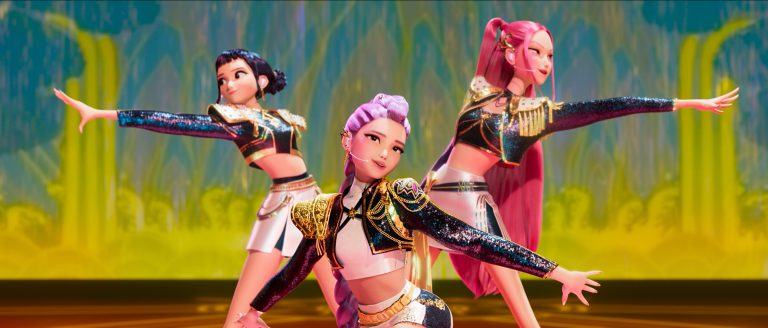
Did I have any expectations for the direct-to-Netflix KPop Demon Hunters? Absolutely not. In fact, I had only heard of this movie just a few weeks ago, shocked that it was produced by Sony Pictures Animation, and dumped on Netflix, thinking we had moved past this and that this entity of Sony Pictures would resume releasing their library theatrically. Yet, some part of me felt that this production could be as worthwhile as The Mitchells vs. The Machines and Vivo, which were both unceremoniously dumped on the streaming service but became massive hits during the COVID-19 pandemic. And while KPop Demon Hunters doesn’t reach the same heights as those movies, it’s at least aesthetically exciting and thematically cogent enough to at least warrant a recommendation.
This year, the animated landscape has been more than lacking. With the exception of the incredible Ne Zha 2 and Dog Man, many families have been left hanging as to when the next must-see offering will be released. Granted, audiences will have the chance to see Elio this week as well, but we’ve not had something genuinely creative from Hollywood in this medium of filmmaking in a long time, so much so that a small independent production from Latvia was able to beat the Pixar and Dreamworks of this world at this year’s Oscars.
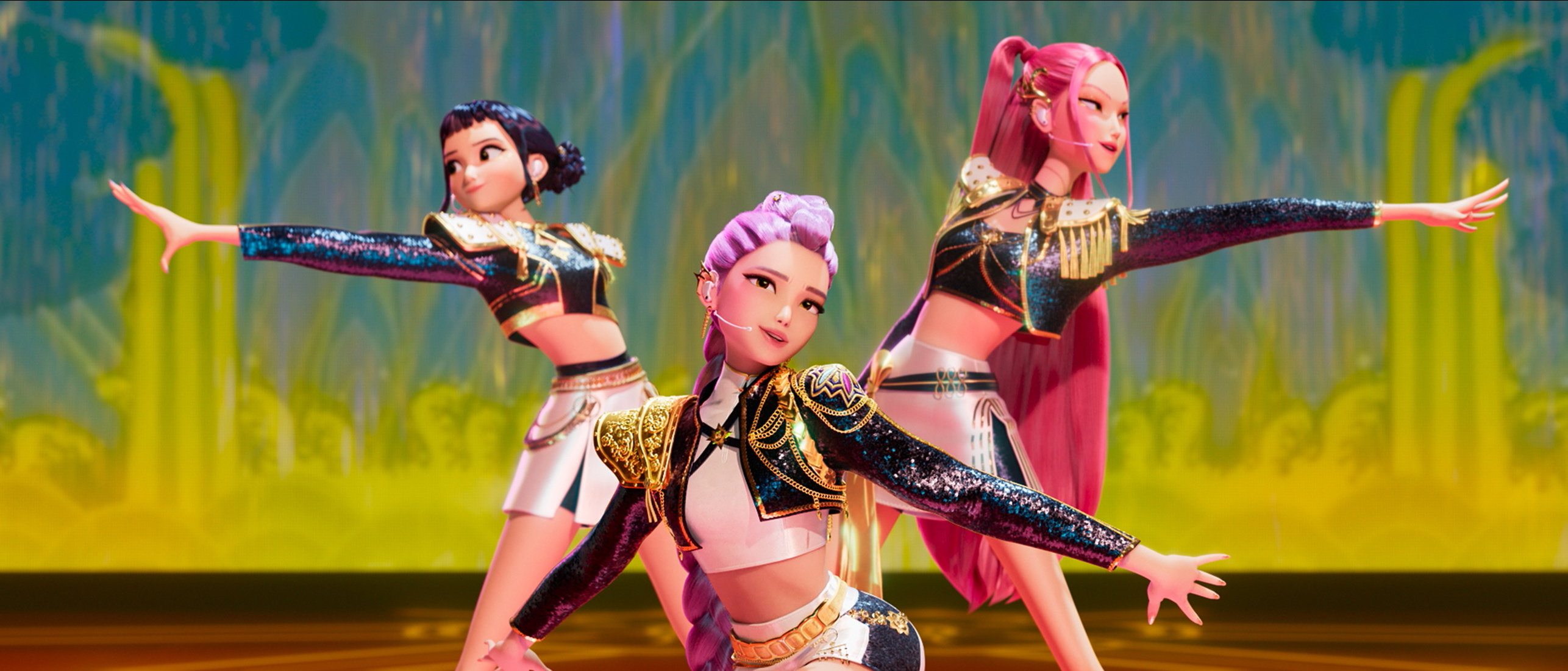
KPop Demon Hunters may not flow as easily as Gints Zilbalodis’ feature, but it is one of the most artistically interesting animated productions Sony has ever released. From its show-stopping, hyperkinetic action to songs of raw emotional power, wondrously visualized in a style blending the comic-book textures of 2D with the boundless spatial imagination of 3D, there isn’t a single frame in Maggie Kang and Chris Appelhans’ feature that doesn’t look incredible, or won’t make your jaw drop. It’s a genuine shame that audiences will be unable to see this movie in a theater, when each large-scale action setpiece warrants the price of admission on the largest possible screen, especially when hearing its bevy of emotionally-stirring KPop music.
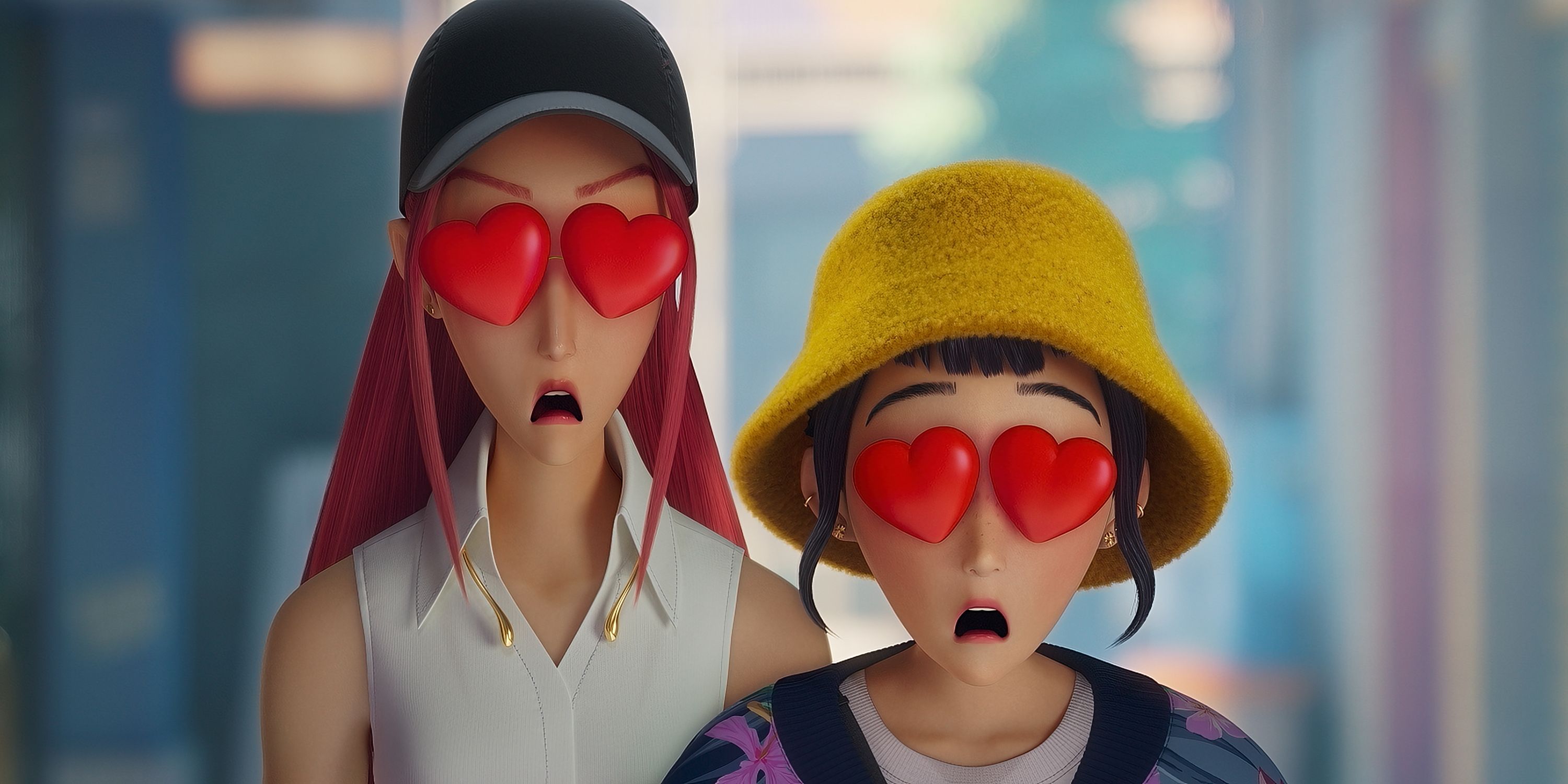
There’s also a tangible feeling in capturing the story of Rumi (Arden Cho), the leader of a popular KPop band known by the name of “Huntrix,” who, when they are not singing, hunts demons with her co-members Zoey (Ji-young Yoo) and Mira (May Hong). This is all well and good until we find out that Rumi herself is part-demon and begins to notice marks on her skin, which progressively get more significant as the malevolent presence of Gwi-Ma (Byung-hun Lee) starts to take hold of her body. The villain, while frequently omnipresent, is genuinely terrifying to the point where we actively feel for the people he successfully possesses, and the spirits he steals, even if they may not be truly good people.
Case in point: Jinu (Ahn Hyo-seop), the leader of a rival boy band, Saja Boys, is a demon, and attempts to break Huntrix by getting under Rumi’s skin. He initially tells her of a miserable story that eventually led him to join forces with Gwi-Ma, until we learn more about him and see that he is far more than a “broken” individual. While I anticipated these developments, how Kang and Appelhans treat his story is honestly far more interesting than how most studio-driven animated films usually illustrate, and the alchemy between both Jinu and Rumi makes up for some of the narrative shortcomings and childish humor of this project.
Because, yes, it’s easy to see where this scenario is going, even right at the top of the movie. It can act more as a bug than a feature, especially when the screenplay is filled with inconsistent comedy, but the directing duo more than makes up for their imperfections with a profoundly human story at its core, one that opens itself up in surprisingly cathartic corners as it reaches its climax. That scene is a perfect marriage of staggering visuals and musical editing, whose rhythm is created from the song Huntrix is performing, as we reach an apex bound to make everyone tear up, even non-fans of KPop alike.
It’s so powerful, one has to ask if directors Kang and Appelhans played a Hideki Kamiya game before diving into the family-friendly world of the KPop Demon Hunters. The blend between music and images is the strongest it has been in an animated piece of media since Kamiya’s Bayonetta 2 – my eyes couldn’t believe it. I didn’t much care for the bog-standard, albeit universal, story, so much so that I thought I would forget KPop Demon Hunters as I do most Netflix films. Yet, the final half or so is immensely staggering that I’ll long think about why some of the most artistically exciting works of animation, which beg the big screen (IMAX) experience, are always relegated to streaming, whilst the ones that do nothing for the medium are played in a cinema.
It’s a question to ponder, but, as of now, Kang and Appelhans’ film more than deserves your attention, and could act as a gateway to the incredible, highly imaginative world of KPop. You may never be the same after the credits roll, and that’s the best endorsement I could give for a film like this one.
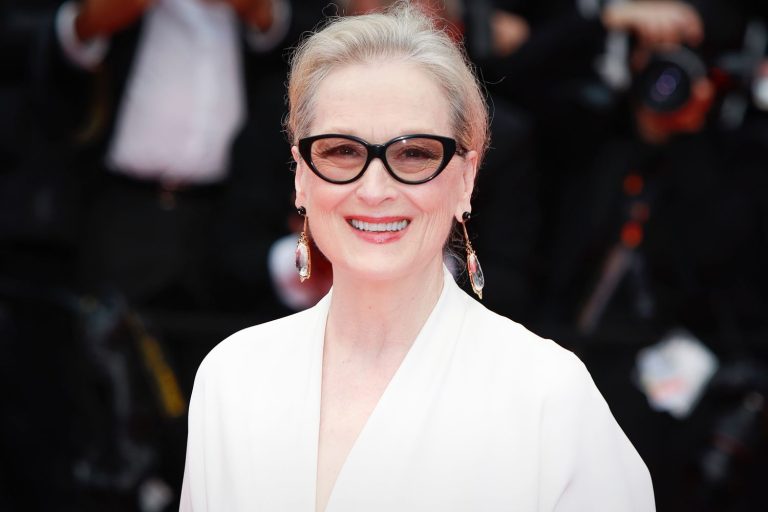
Meryl Streep turns 76 today, June 22nd, an occasion that perhaps inevitably, prompts the annual, almost liturgical, coronation of our ‘Greatest Living Actress.’ At this point, the title feels less like an opinion and more like an established scientific fact.
Yet, I must begin this celebration with a critical confession, one that comes with the risk that I may be required to hand in my Cinephile badge. For all my profound, genuine respect for her skill, I have always admired Meryl Streep’s work more than I have loved it. For me, there has felt like a pane of invisible glass between her performances and my heart. Naturally, I have always assumed that the fault is mine, that I am missing some crucial aspect of her brilliance.
This essay, then, is an investigation into that feeling. Is this ‘genius gap’ the very signature of a singular artist, a deliberate choice to command our admiration over our affection? Or is it a reflection of the gendered double standard we apply to our female stars, demanding a ‘warmth’ we don’t expect from her brooding male peers? This is my attempt to deconstruct that paradox, to finally put a finger on the magnificent, and for me, occasionally remote, nature of her genius.
A Star Without a Persona
My investigation begins with what makes her different, and the first clue lies in what isn’t there. Unlike her celebrated contemporaries of the 1970s, there is no fixed ‘Streep’ persona to latch onto. Jane Fonda was the fiery activist, Diane Keaton the intellectual, quirky style icon. They were (and remain) outstanding performers whose work demands our attention but our connection is to their personalities as much as their performances.
However, Meryl Streep, from the very beginning, was something else. Even before making her film debut, she had a reputation on the stage as one of the finest actors of her generation. However, her first act of defiance against the machinery of Hollywood stardom was to refuse to be a type. Her persona, in effect, is her brilliance, a quality that stands in for the identifiable personal traits that anchor other stars. Her currency, unusually for a leading lady then or now, was never her sexuality or relatability, but her formidable skill.
This placed her in direct conversation not with other actresses who started their work in the 70s, but with the ‘method men’ of New Hollywood. However, even here Streep’s approach is distinct. In films like The Deer Hunter (1978), she held the screen with Robert De Niro and her then-partner John Cazale, matching their intensity not with mimicry, but with a different kind of finely calibrated truth. Her Yale-honed technique, meticulous, architectural, built from the outside-in was a stark contrast to their raw, immersive style. She arrived fully formed, a character actress in a leading lady’s body, signaling that her career would be a gallery of distinct constructions, not variations on a theme.
The “Genius Gap”: A Question of Misogyny?
As I dug deeper, I realized my feeling of distance was, to my relief, not unique; this sense that we are watching a technically accomplished but possibly emotionally distant performance, was most pointedly articulated by Pauline Kael, in particular in her reviews of Sophie’s Choice (1982) and the French Lieutenant’s Woman (1981), where she suggests that Streep might be more interested in presenting artistic truth, instead of embodying it. I’m not sure that I would quite go that far, but it does go some way to helping me understand the distance I feel watching, particularly those early, emotionally demanding films of hers.
However, here, I am required to ask, do we demand an emotional accessibility from our leading women that we don’t from our most revered male actors? A brooding Pacino is ‘intense;’ a remote De Niro is ‘committed.’ A ‘technical’ Streep, however, is often labeled ‘cold.’ It is difficult not to see a gendered double standard at play, a discomfort with a female performer whose primary appeal is her visible, formidable intelligence.
Nowhere is this dynamic more apparent than in Sophie’s Choice (1982). It is a performance of such monumental, heartbreaking skill, the flawless accent, the haunted physicality, the weight of history in her eyes, that one watches in a state of profound awe. We admire the staggering accomplishment, but it’s an admiration that can feel different from the direct, empathetic transference of emotion. It’s a masterpiece that, by the very nature of its perfection, can hold you at an admirer’s distance.
The Performance of Power and the Charming Interpreter
Her portrayal of powerful women further complicates this relationship with the audience. Miranda Priestly in The Devil Wears Prada (2006) is a masterful construction of authority, built not on charm or seduction, but on intellect, will, and a voice that never needs to rise above a whisper. It is a performance that commands respect, even fear, but never begs for our love. And yet, the film is wonderfully accessible; in fact, in one of her more understated roles, I found Miranda Priestly to be my favorite Meryl Streep creation.
Here, I found another clue to the “genius gap”: the role of the co-star. I realized that the emotional distance is often bridged for us by a “charming interpreter.” These co-stars function as audience surrogates, performing the “love” for her character that we might be held back from feeling by her sheer technical brilliance. In Prada, Stanley Tucci’s Nigel is our witty, conspiratorial guide. He doesn’t just interpret Miranda; he adores her, and his warmth gives us permission to find the shielded humanity behind the flawless, formidable facade. The same is true of Kevin Kline’s raw, loving devotion in Sophie’s Choice. These male supporters don’t compete with her; they orbit her, reflecting her brilliance and translating her formidable nature into a language we can more easily connect with.
When she is locked in direct conflict with a peer, as with Dustin Hoffman in Kramer vs. Kramer (1979), the gap closes for another reason. The “acting as sport,” the raw, reactive energy of the competition itself, becomes the source of a thrilling and deeply human immediacy. It seems her genius is most accessible either when translated by a devoted proxy or when sharpened against an equal blade.
The Unparalleled Architect
Whilst I can’t say that the gap is entirely closed for me, I now have a richer and more settled respect for her as a performer. Her career is singular. She has achieved a level of consistent brilliance that perhaps no other actor in Hollywood history has ever managed. The very fact that, as this journey has shown, there are no easy comparisons to be drawn between her and any of her contemporaries tells us something vital about her monumental impact.
In searching for any equivalent (male or female), I look past her generational peers, whose late-career relevance she has arguably surpassed, to Daniel Day-Lewis. He is the only other modern actor so obsessively committed to erasing persona for craft. But even this comparison fails to do her justice. Day-Lewis’s genius required him to operate outside the system, with years between each monumental effort. Meryl Streep’s genius was to achieve a similar level of architectural perfection while working with relentless, prolific consistency within it. If Day-Lewis’s genius is artisanal, requiring years of seclusion to hand-craft each singular performance, Streep’s is something else entirely: a feat of sustained, industrial-scale brilliance. She mastered the art of delivering singular creations from within the relentless machinery of Hollywood, a feat which is arguably the more impressive achievement.
And what of her legacy? As she marks her 76th birthday, the mantle of ‘greatest living actress’ is not one she will relinquish any time soon, but one can see her influence in the generation that followed. It lives in the chameleonic audacity of Cate Blanchett, the technical and emotional depth of Kate Winslet, and the consistent, empathetic excellence of Amy Adams. They are all brilliant performers who, in their own ways, carry forward the ethos of a career built on demonstrable skill.
The ‘gap’ I once felt, I now understand, is not a bug but a feature: the respectful distance required to admire a singular, magnificent structure. Her career is the masterpiece, a defiant gallery of brilliant women who demanded not our affection, but something far more valuable: our undivided attention.
Director: Danny Boyle Writers: Alex Garland Stars: Aaron Taylor-Johnson, Jodie Comer, Ralph Fiennes
Synopsis: A group of survivors of the rage virus live on a small island. When one of the group leaves the island on a mission into the mainland, he discovers secrets, wonders, and horrors that have mutated not only the infected but other survivors.
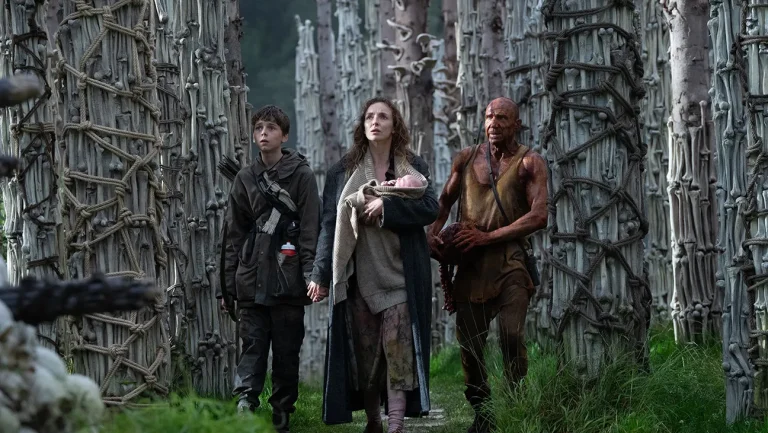
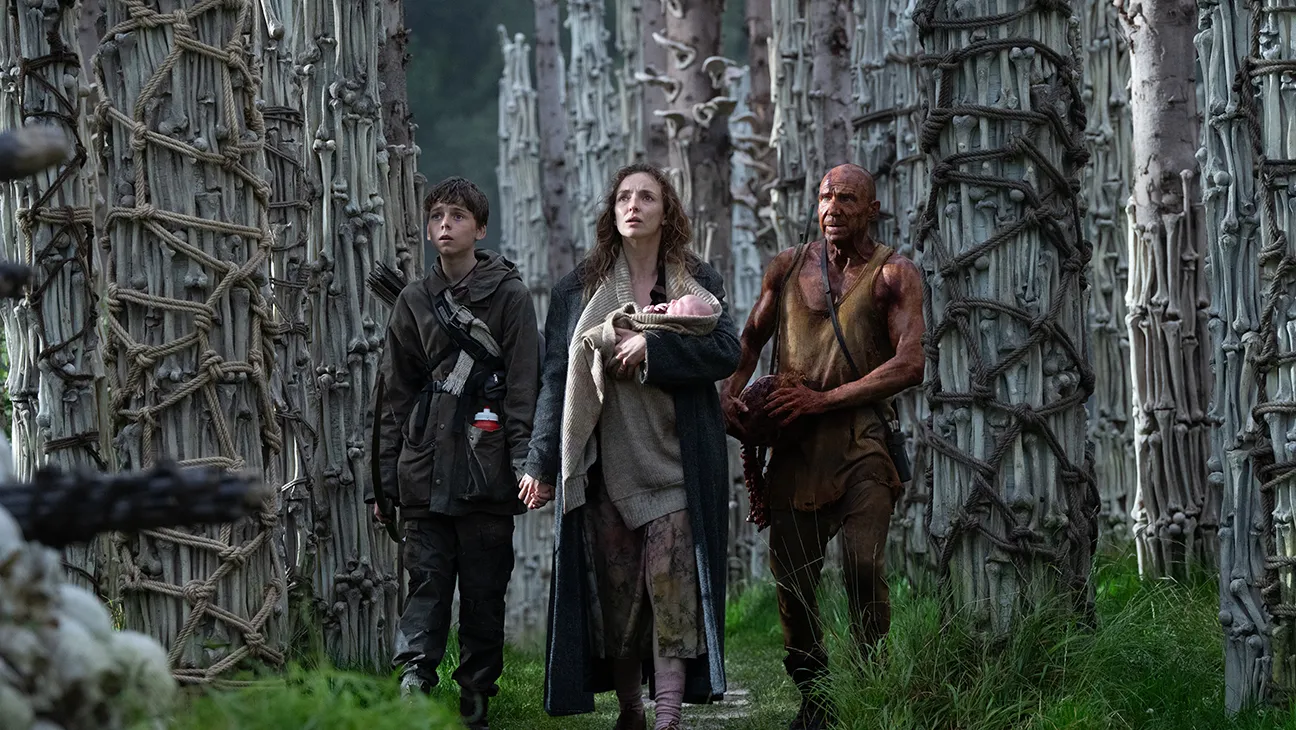
In 2002, Danny Boyle and Anthony Dod Mantle pioneered digital filmmaking by shooting 28 Days Later on a Canon XL1 DV camera, giving the Zombie apocalypse film a unique look and feel, while also paving the way for the acceptance of digital cinematography as the film industry began the transition from celluloid to memory cards. In the post-digital era we live in today, it is now routine for studios (and directors) to use newer cameras for their projects, as it is much cheaper and less cumbersome than film. And while there were formal innovations at the time where digital was not widely accepted, such as in Michael Mann’s Collateral and Miami Vice, the sludgy pictures filling our screens today is the most significant symptom of a desire to make each “big screen” experience as televisual as possible.
Digital filmmaking requires different considerations than film, yet few directors are actively interested in exploring these newer technologies and offering never-before-seen images for the audience to question their place in society. However, in the year of our lord 2025, auteurs like Jia Zhangke, Steven Soderbergh, David Cronenberg, Takeshi Kitano, Leos Carax, and Joseph Kosinski have all begun to question how filmmaking in this era should be approached when the big-budget productions of this Earth have grown more and more sterile. It makes their movies stand out amongst the rest of the pack, as they figure out the purpose of cinema at a time when few moviegoers actively want to see a film on the big screen.
For the much-anticipated 28 Years Later, Danny Boyle fundamentally understands that, for an audience to see his latest project in the cinema, he must offer them images they have never witnessed before, even if filmmakers like Sean Baker and Soderbergh experimented on the predominant device Boyle (and Dod Mantle) shot their Zombie film on: iPhones. Transcending the artifice Soderbergh established in Unsane and High Flying Bird, Boyle immediately jolts our attention with his perversely funny opening scene, as a group of children are mortified in terror as they are forced to watch the Teletubbies, whilst the rage virus outbreak is creeping at their doors.
In a recent interview, Boyle had discussed how he wanted to “desecrate the innocence” of the popular BBC children’s television series, but how Dod Mantle shoots the dingy television gives us our first honest look at how genuinely terrifying Tinky-Winky, Dipsy, Laa-Laa, and Po (alongside the Baby Sun, likely the most accurate visualization of Hell ever created) have always been. As editor Jon Harris cuts to the reaction shots of the petrified children who are attempting to ignore the horrors around them by watching the most horrifying television show made for kids, the outbreak begins to multiply rapidly, until it affects everyone in the room. It’s an intense cold open that primes the audience for the multiple tonal shifts Boyle’s latest film will play with, often darkly funnier than you expect, while also being unafraid to explore nastier, upsetting territories.
The opening 35 minutes or so of the movie (it could perhaps be even longer, I don’t carry a watch, but there’s a clear shift between the first and second half that most will notice) is the franchise at its most cogent and aesthetically exciting. Screenwriter Alex Garland, with best screenplay since…2015 (Jesus), is not only angry at how pessimistic society has become, but also violently rejects what most fans have been looking forward to seeing in a movie like this. Instead of giving answers to how the world looks 28 years after the initial outbreak, he immediately subverts expectations by paralleling the present-day story of Jamie (Aaron Taylor-Johnson), Isla (Jodie Comer), and their son Spike (Alfie Williams) to the darkest periods of world history and cinema.
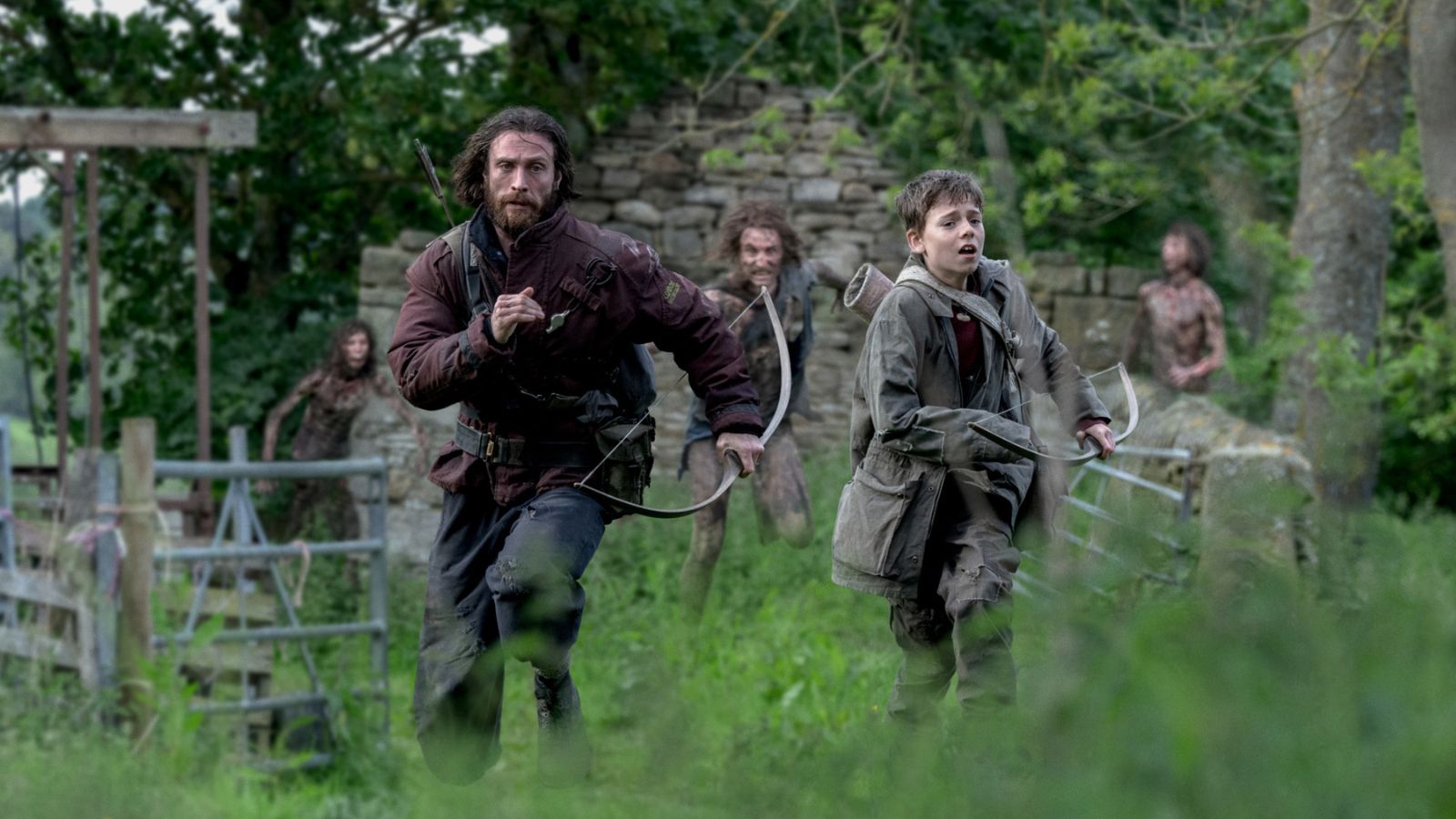
Through a riveting collage of archival footage as Jamie and Spike step out of the comforts of their remote island to hunt for the infected, Garland associates their actions to a bevy of medieval-set movies, as society has had to regress from the innovations of their times to the most primal human needs, with no access to cutting-edge medical treatment, weapons, and technologies. Spike has grown up in a closed-off community, away from the infected, and doesn’t know what a phone or the internet is. But they must do what they should to survive. However, when Isla begins to experience strange symptoms of an illness, and Jamie speaks of a doctor (Ralph Fiennes) who has gone mad, and lives away from the island, Spike takes her mother to him, hoping he will have an answer to her predicament.
It’s at that point where the movie begins to slow down and remind us that what we’re watching is indeed a Part One™, replete with some of the worst tendencies these films usually have: endless bouts of exposition and lore-dumping that feels, through Garland’s dialogue, like dense plotting, unresolved character arcs, and a denouement that acts more as a tease for what’s to come than a satisfying conclusion that will bridge the gap between the first and second installment.
The climax, in particular, is not at all one. It is more or less an extended teaser for what audiences will be getting in the Nia DaCosta-directed sequel, 28 Years Later: The Bone Temple, than wrapping up this part of the story in a way that will naturally encourage the audience to see what’s next instead of basically forcing the characters to go, “Did you like this? We’re not done yet, you better show up in January for Part 2!” Stuff like this halts the momentum of an all-timer opening section, one that’s filled with as much important commentary on the state of the world we live in today, in a post-COVID society, as it is with revolutionary filmmaking techniques, capturing Zombie action we’ve never seen before done at this scale, and with such a device.
Formally, 28 Years Later is as much of a leap forward in digital cinematography as the first, though with different (and more exciting) considerations. The 2.76:1 aspect ratio adds immense texture to Dod Mantle’s staggering iPhone-shot frames of an orange sky bathing on the human characters, or nature being captured in ways I’ve simply never seen before. The lush greens of the grass, moss and leaves, the bright yellows of daffodils, the bluer-than-blue water that separates the island from the mainland.
Every single image is jaw-dropping: the slight robotic freeze-frames as an infected, whether slow (Garland is finally tipping the hat to George A. Romero) or fast, is violently killed, the claustrophobic close-ups of Isla and Spike as they attempt to shield themselves from a massive gas leak, the slow-motion employed to demonstrate the Alpha Zombie’s strength (complete with an alpha dong, making Bruce LaBruce proud), as it runs in extreme conditions with the intent to dismember as many humans as it can. There’s so much one can extract by just looking at how Dod Mantle captures its characters, especially during its more melancholic conclusion, as Spike and Isla are directly haunted by the specter of Death, when they meet Fiennes’ Doctor Kelson, who tells them of a harsh truth Spike isn’t prepared to hear.
That’s why I didn’t much care about the endless Part One-isms, because Dod Mantle’s cinematography is so revelatory we can dissociate the film’s plotting from its staggering visuals. In an era that has mostly forgotten how to shoot movies and formally innovate, Dod Mantle continues the legacy he began with Thomas Vinterberg in The Celebration and Harmony Korine in Julien Donkey-Boy to continue questioning how a film can be shot at a time where one simple phone (or 50 phones mounted on a rig) can create the most impeccable visual poetry you’ve seen. In a way, it acts as a companion piece to Joseph Kosinski’s incredible F1 The Movie, where cinematographer Claudio Miranda continues his collaboration with the TRON: Legacy filmmaker in their rethinking of large-format photography as they take the exact same set up they experimented with for Top Gun: Maverick, and mount it on racing vehicles.
Kosinski is more of an architectural perfectionist than Boyle, who loves to showcase the imperfections of filmmaking (as demonstrated in 28 Days Later) and its artifice, which he frequently does in 28 Years Later, especially during its DIY-coded final scene, where everything is thrown at the screen in pure maximalism, a complete swing for the fences that will either make or break your appreciation of the work. The narrative paths of both Isla and Spike will also divide audiences, who were looking for a more thrilling affair, especially as Garland halts momentum and decides to ruminate on what life in a post-apocalyptic society means, as medical progress has ceased to exist. Still, Comer and Alfie Williams give the film’s best performances, while the contribution of Taylor-Johnson gets sidelined as soon as the movie shifts tonalities and becomes a more meditative affair.
While I’m not entirely sold on which direction the upcoming Bone Temple will take, one can’t entirely dismiss Boyle and Dod Mantle’s formal daring based on a few baffling screenwriting decisions from Garland. After all, this is the best screenplay he’s written in a long time, but he still seems a bit wobbly from his past missteps. Perhaps the second one will be much clearer, though I’m afraid it will alienate audiences way more than this one does, especially in how it sets up a central character with a strange connection to those godforsaken, Satan-created Teletubbies, making them this franchise’s recurring motif?? What did the children of the world do to deserve such a horrifying show like this one…
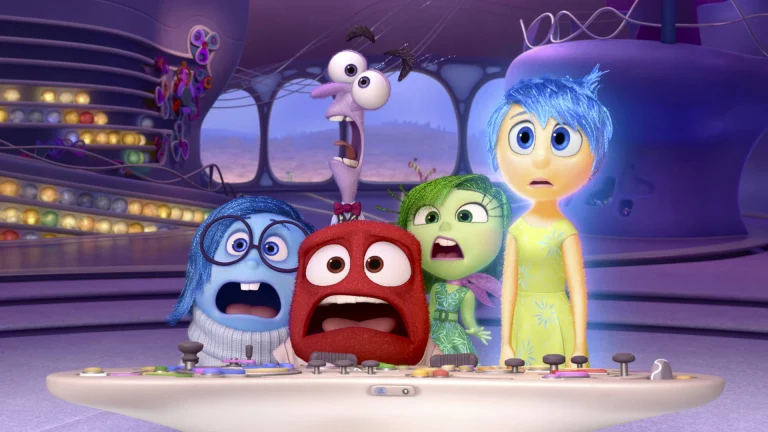
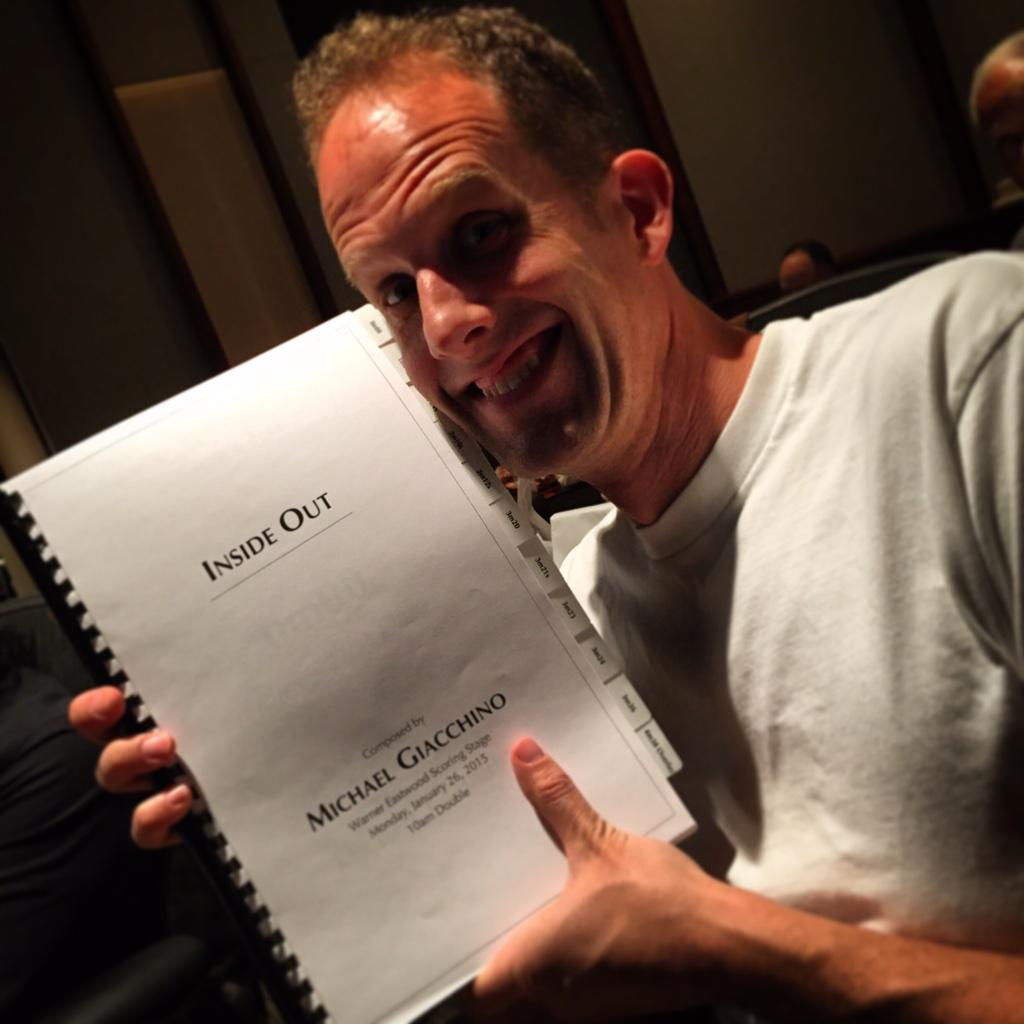
This week on the InSession Film Podcast, we combine our lists and come up with a consensus Top 10 Pixar movies! We also talk about Pixar’s upcoming new film Gatto and dive into the implications of Tom Cruise winning an Honorary Oscar this year.
– Opening Banter / Gatto (0:37) We begin the show this week with some housekeeping (with JD going on vacation this week) before turning our attention to Pixar’s announcement of a new film in Gatto. Turning to Luca director Enrico Casarosa, Gatto looks to be a fascinating turn for Pixar. The first image suggests it will have a unique visual style, and given our deep love for Luca, we couldn’t be more excited for Casarosa’s upcoming film.
– Tom Cruise Oscar (8:55) It was announced over the weekend that Tom Cruise will be receiving an Honorary Oscar this year, which makes a lot of sense given his saviorism to cinema in the last five years and his overall body of work, but it’s a little disappointing in the sense that he could still win a competitive Oscar given the new Stunt category (which he would win *this* year if it was starting in 2026 instead of 2027).
– Top 10 Pixar Movies (41:59) With the release of Elio this weekend, we thought it would be fun to discuss our favorite Pixar movies. As we have done in the past, instead of revealing our own Top 10 lists, we combined them to deliver a consensus Top 10, which somehow ended up being relatively easy and extremely complicated at the same time. Naming many of the films for the 10 wasn’t difficult, however figuring out the order ended up with us doing calculations and accounting. It was a ton of fun. With that said, what would be your Top 10 Pixar films?
If you want to help support us, there are several ways you can help us and we’d absolutely appreciate it. Every penny goes directly back into supporting the show and we are truly honored and grateful. Thanks for your support and for listening to the InSession Film Podcast!
Director:Simon West Writers:Cece Pleasants, Shaina Steinberg Stars: Rebel Wilson, Anna Camp, Anna Chlumsky
Synopsis: When a mercenary group takes a lavish wedding hostage, they have no idea what they are in for as the maid of honor is actually a secret agent ready to rain hellfire upon anyone who would ruin her best friend’s wedding.
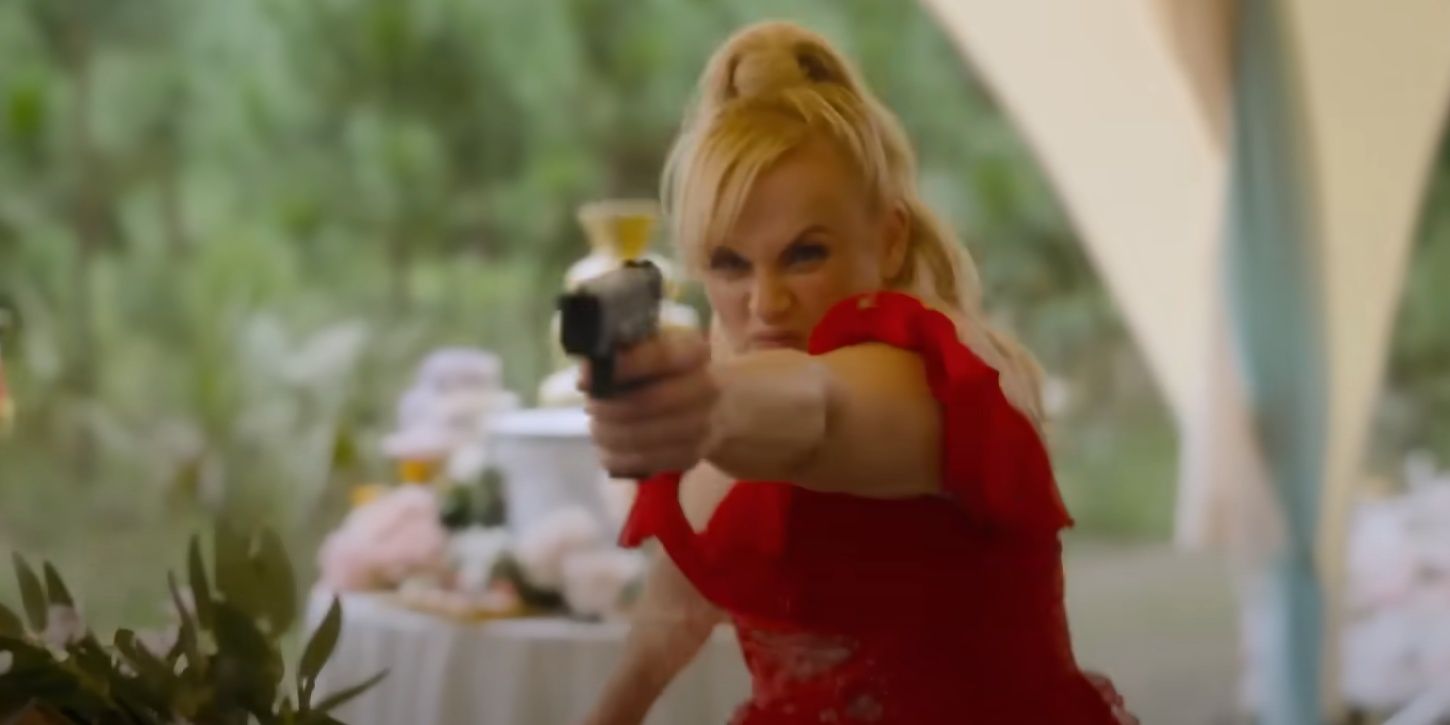
Bride Hard is a new action comedy designed as a vehicle for Rebel Wilson, the star of films like thePitch Perfect franchise,Bridesmaids,Jojo Rabbit, and even a viral clip where she humorously told Idris Elba at an awards show that she’s socially programmed to want chocolate on Valentine’s Day. Wilson is hilarious and, at times, downright adorable, with a distinct comedic persona and a talent that stands apart from anything else in the industry. Given her physical transformation, one would expect a role that leans into her gift for physical comedy to be a natural fit.
However, Bride Hard ultimately misuses Wilson’s comedic strengths, resulting in a final product that fails to reach the low bar set by even Kevin James’s Paul Blart: Mall Cop films. It’s a tedious bore—and one of the worst films of 2025.
The story follows the genre playbook step by step, focusing on the strained relationship or lack thereof between Sam (Wilson) and Betsy (Cafe Society’s Anna Camp), childhood best friends. Betsy is now marrying Ryan (Sam Huntington of Jungle 2 Jungle fame) and has chosen her long-absent bestie as maid of honor, much to the irritation of her future sister-in-law, Virginia (Veep’s Anna Chlumsky). Sam is always too busy with work to help plan the wedding, but she has a good reason: she’s a secret agent, quietly serving and protecting her country from the scum of the earth.
For example, during the bachelorette party—which she has the government relocate to Paris to multitask while on a mission—Sam disappears to hunt down a terrorist involved in a suspicious drop, presumably linked to nefarious activities. Her boss, Nadine (Joy Ride’s Sherry Cola), disapproves of her recklessness, while Betsy’s friends—including Academy Award winner Da’Vine Joy Randolph—resent Sam for never thinking of anyone but herself. However, everyone will be relieved later when the wedding is taken over by a band of terrorists, led by a no-nonsense muscle of the Columbian cartel, Kurt (Stephen Dorff), looking to break into Betsy’s future family’s vault to loot the family fortune, which looks like Fort Knox-lite.
Bride Hard was directed by Simon West, who has maintained an impressive streak of misfires since executive producing Black Hawk Down, making his directorial debut with Con Air, and capturing Rick Astley’s smooth pop ballad “Never Gonna Give You Up” on the small screen. Frankly, after his last thirteen films, we should be concerned that West took the title of that song a little too seriously—Rickrolling his way through Hollywood with jaw-droppingly bad efforts ever since.
Bride Hard may be his crowning achievement: an action comedy with no thrills, no laughs, and no purpose beyond featuring Justin Hartley as an inept heartthrob—the film’s only mildly amusing element, which grows tiresome than the extra “F” is Stephen Dorff’s last name.
Bride Hard is not worth watching—unless you’re a fan of flat jokes, predictable plotting, and a completely lazy, inept excuse for a cinematic swing. To put it politely, the freshman script from Shaina Steinberg is tedious; to be blunt, it’s atrocious. I didn’t think a movie could be worse than Flight Risk, but at least that film had an over-the-top, entertaining Mark Wahlberg reveling in its awkwardness.
At least, with that film, you were not bored, whereas West’s film is so charmless that it has no sense of its own watered-down identity.
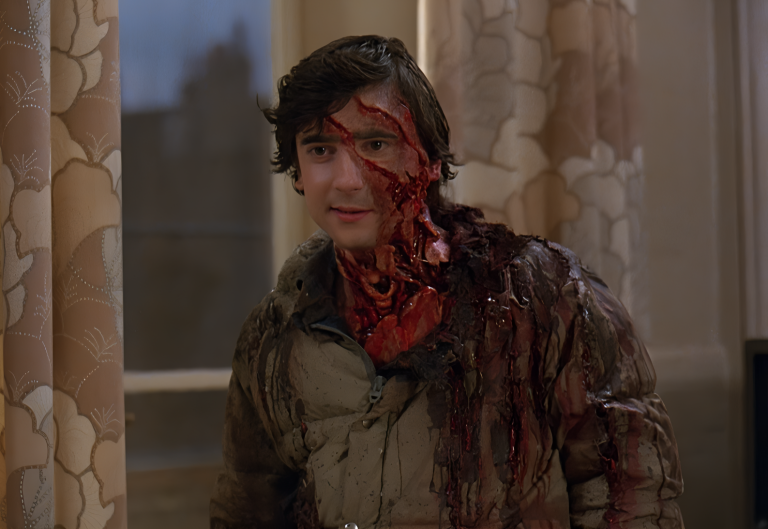
This week on Women InSession, after discussing vampires and witches in recent weeks, we thought it would be fun to continue the trend by discussing our favorite werewolf movies! There have been many great werewolf movies, and it’s fascinating how different they are from vampires and witches, even if much of the surface-level horror is born from a similar place. We had a great time breaking that down and just talking about these amazing films.
Panel: Kristin Battestella, Jaylan Salah
On that note, check out this week’s show and let us know what you think in the comment section. Thanks for listening and for supporting the InSession Film Podcast!
On this episode, JD and Brendan discuss Dean DeBlois’ remake of his own film in the new live-action How to Train Your Dragon! We also bring back a very special guest, JD’s son Sam, to get his thoughts on the film as well. While we are massive fans of this franchise, and even thought it could adapt well into live-action, we had our reservations going into the film. And it appears that our trepidation was justified, even at the risk of being against the grain to mainstream audiences.
Review: How to Train Your Dragon (4:00) Director: Dean DeBlois Writer: Dean DeBlois Stars: Mason Thames, Nico Parker, Gerard Butler
Pixar has an illustrious resume, one that is perhaps hampered over the last decade or so, but there’s no denying the prowess of their best work. The Toy Story films are remarkable (with the first of them rendering Pixar as a household name). Coco, and Luca are notable in recent years. But perhaps most famously, their run in the 2000s consisted of Monsters Inc., Finding Nemo, The Incredibles, Cars, Ratatouille, WALL-E, and Up. And this isn’t even mentioning Toy Story 3 kicking off the 2010s in June of 2010. That is a legendary run of excellence. With the exception of maybe Cars (which is still good, and by far the best of the Cars films), all of those movies are varying forms of stupendous. When ranking Pixar, there are so many forms it can take and you’re not going to be wrong.
However, there is one that stands out the most to me. It’s one that perhaps puts me on an island. My own personality island. It’s one of the best animated films of all-time. The best of Pixar. I’ll do my best here, but I’m not sure words can articulate the experience I had with Inside Out when it was first released in theaters ten years ago.
Let’s add some context. In 2015, I was newly married and on the verge of becoming a father for the first time (my wife was about six months pregnant at the time of the film’s release). Before meeting my wife a few years earlier, things were not great. There was a stretch after college, and before meeting my now wife, where sadness and depression had enveloped my life. Thankfully, with the help of some great friends and hard therapy, my life turned a corner and freedom came from the darkness.
If you’ve seen Inside Out, that isn’t subtle foreshadowing. While the film is a clever and imaginative rendering of child psychology and the role that core memories play in our lives, its nucleus lies in the duality of emotion; specifically joy and sadness.
There’s a scene in Inside Out that gets more airtime than any other. As Joy makes it out of the pit where memories go to die, she glances back at BingBong one more time as he screams “Take her to the moon for me ” right before he disappears forever. It’s a beautiful moment as BingBong sacrifices himself for the little girl that he loved so much. Understandably, that seems to be the most popular moment in the film, and I equally love it as much as everyone else, but it’s the moment right *before* BingBong’s sacrifice that profoundly changed me. As BingBong and Joy accidentally find themselves in this void of dying memories, we see Joy succumb to her worst fears and express her own sadness. A polarity that, in itself, is utterly captivating. After they fall into the void, she desperately inspects the area to find Riley’s core memories (as she’ll need them if they are ever to escape), and even begins to sift around at the old memories that are fading around her. A gray orb depicting RIley as a toddler doing some arts and crafts. Another showing a young Riley holding a frog. A third shows Riley twirling and frolicking in the grass. Fading joys from a young little girl that are juxtaposed to a glowing blue orb depicting Riley as she cries in her new classroom. We see Joy tightly embrace all of these orbs in a deeply poignant moment of catharsis. She weeps, as BingBong looks on, feeling as if she failed Riley.
As an aside, this isn’t the point of the scene, but, as a father now, it is even more devastating to see Joy rummage through those old memories of Riley as a toddler and cling onto them one last time before they fade away. My oldest is about the same age as Riley in this film, and I often think back to those moments of him being that young and how fast they grow up. The image of Joy clinging on to those orbs as she weeps is one that feels way too close to home.
To further (destroy me, clearly) heighten the emotion in Joy, there’s a wide shot of Joy and BingBong as Joy is sobbing on her knees, in which we see one of those old memories of Riley as a toddler fade away forever. A brilliant touch that not only taps into the film’s pathos, but adds stakes dramatically. Establishing this emotional duality in Joy is crucial for what comes next. She sees another orb amongst the dying pile, but this one is yellow. It’s Riley being lifted up by her hockey team as if they’re celebrating. Joy then rewinds the memory to the blue side of the orb where Riley is sitting in a tree, heartbroken. She is joined by her parents who console her after she lost the championship game. A gorgeous moment of family togethers, coupled with Riley being celebrated (simply for being who she is), all because of…sadness.
2010 was a hard year for me. As was 2011 and some of 2012. It was an emotional time and I wasn’t sure how I would get to the next day. But it was the sadness forged in those years that directly (and I mean that very literally) led to where I’m at now in my life. There is a tangible connection between the dark and the light. At the time, I had never really thought about that previously. Naive of me to say, I know, but it’s true. So you can imagine what was going through my mind as I watched Joy have that same epiphany. That she and Sadness are forever tethered together. Intimately. Profoundly. To say that it moved me is an understatement.
It’s one of my favorite scenes in all of film. There are very few moments that affected me as much as that one. And to have the film follow that up with BingBong’s sacrifice? It’s a miracle I walked out of the theater.
Beyond the thematic and emotional impact of Inside Out, its intuitive world-building is astounding. Everything from Core Memories and how those denote Riley’s identity, to Personality Islands, to Long-Term and Short-Term Memory, to the Subconscious World, to Imagination Land, to Dream Productions, to The Abstract Thought Tunnel and the Train of Thought, among so many other clever details, the manifestation of psychology is nothing short of brilliant. There is a lot of fun to be had and much of it derives from how the film takes advantage of the medium. Animation is powerful. It is cinema. And this is Pixar getting back to its highest heights in terms of striking visuals and nuanced storytelling.
Inside Out also stands out because of the cast. Amy Poehler and Phyllis Smith give two of the best vocal performances in the Pixar canon. Both of them impeccably tap into the respective emotions they are portraying. Poehler’s higher pitch and Smith’s brooding lower tones make for a captivating juxtaposition. I would, of course, be remiss if I didn’t mention Richard Kind. His Bing Bong is a fan-favorite for a reason. The innocence in his voice is remarkably charming. “Take her to the moon for me” has to be one of Pixar’s most heartbreaking lines. Bill Hader, Lewis Black, and Mindy Kaling are also inspired choices for Fear, Anger, and Disgust. Each of them deliver, and collectively as a unit you couldn’t ask for a better cast.
Michael Giacchino. There are not many working on his level, especially when it comes to the deep emotional layers of his music. His work here is criminally underrated. Or perhaps under-discussed in the discourse. However you want to label it, the score for Inside Out is one of the best in the 21st Century so far. It’s an all-timer. The melancholic cues that weave throughout the film are blistering. I’m not a musical expert, so forgive me as I cannot nerd out on its technical merit, but Giacchino blends a poignant atmospheric tone with gorgeous piano motifs and chimes, and the final product just kills me. There are not many film scores that emotionally slay me like that one does. The thematic and emotional process of Joy’s connection to Sadness would have been enough to be affecting, but a big part of my response to that scene of Joy in the void is due to Giacchino’s work. The score compliment’s the visuals perfectly. It’s an entrancing score that never fails to bring the #JDTears. Even a decade later.
I cannot overstate enough the impact Inside Out had, and continues to have, on my life. I think about it all the time. It’s a core memory for me. One embedded permanently into my short term and long term memory. It hovers in my subconscious world, waiting to be unleashed when I need a reminder. It sometimes even filters into my own dream productions when I’m sleeping. I love the film with everything that I have. It’s my favorite Pixar. I would argue the best Pixar. Either way, it’s a film that I will forever cherish.
Thanks for letting me get a little personal with this piece. Now, if you’ll excuse me, I’m going to go put on my skates, grab my hockey stick and go shoot some puck as I listen to Michael Giacchino’s score.
On this episode, in collaboration with our Best Movies of the Decade conversation we had on Episode 641, we thought it would be fun to discuss all the changes to our Top 10 lists for the first half of the decade! While we loved our Top 10 lists at the time we originally conceived, they of course evolve over time, with some films rising the ranks and others dropping spots. Either way, it was quite enjoyable to talk about all the differences.
Dave Giannini: Izidor’s story is heartbreaking and, of course, not one that has been shown, especially to American audiences. How did you first become aware of it?
David Kabbe: A mutual friend introduced me to Izidor Ruckel and Sarah Padbury in the summer of 2015. We met for coffee on Main Street in Santa Monica and ended up talking for hours. I was immediately drawn into Izidor’s story—there was a quiet gravity to it. I went home and read his biography, dug through every article and interview I could find, and started studying the political history of Romania, especially the treatment of orphaned children under Ceaușescu.
But what haunted me most was one specific moment: the day a nanny took Izidor outside for the very first time. That image wouldn’t leave me. Over time, my connection to the story deepened. It grew from fascination to responsibility. Eventually, it wasn’t just a story I admired—it was one I felt compelled to tell. Telling stories like this is what I’m made for.
DG: Can you speak about how disability is treated in your film? It seems that this is a problem, regarding representation, in many cultures.
DK: This isn’t a documentary—we set out to create a narrative film that uses both animation and live action to build a visual and emotional world, one that draws the audience into Izidor’s experience. The reality of those institutions is beyond most people’s comprehension. If we showed the full truth—the neglect, the cruelty—viewers would likely shut down, feel only horror. We had to temper it just enough to allow people to feel without recoiling.
But make no mistake, this was the reality for children with disabilities in communist Romania. Many societies, including the U.S., still have work to do. Izidor continues to face discrimination, as do so many others around the world. If this film does anything, I hope it stirs compassion and a sense of urgency to give people with disabilities the dignity and opportunity they deserve.
DG: What is the significance of food in your film?
DK: Food in this film isn’t just sustenance; it’s symbolism. In the institution, kids were fed “bean mush” or watery bread soup. That was it. And what makes it worse is the fact that the region is actually rich in agriculture. Everything grows there. Locals ate relatively well during communism. The fact that the children were malnourished wasn’t due to scarcity. It was due to neglect. There were crab apple trees on the hospital grounds, and yet they were still hungry.
But there’s another layer to this. Izidor remembers the first time he sat down for a meal with a family. That image stayed with him. It was about more than food. It was about belonging, about love. In Romanian culture, family is everything, and food is how that love is expressed. For a child who had known none of that, it must’ve felt like stepping onto another planet. That moment—that meal—is the emotional core of the story.
DG: I would like to ask you about the decision of animation vs filmed actors? In many cases, animation is used for vibrancy and excitement. In your film, it is the opposite. What went into that decision
DK: Honestly, it started out of necessity. You can’t film a live-action scene with 300 starving, naked, deformed children and do it responsibly. So we started exploring animation early. But what we found was that it offered more than a practical solution—it helped us dive into the emotional and symbolic world of Izidor’s memory.
The film is, in many ways, unfolding inside his mind. Animation lets us explore that interior world. It let us depict a reality that’s emotionally honest without being exploitative. We filmed the animated scenes in live action with stand-ins, just to get the pacing and feel right. Then we translated that into animation. It gave us a control over tone that we couldn’t have had otherwise.
And yeah, traditionally, the animated world is the escape—the magic. Here, we flipped that. In Izidor, the real world is bright, beautiful, and alive. The animated world is the cage. That inversion helped drive home what this boy was missing all along.
I love hearing from audiences how they react to the animation. And there are also other little Easter eggs to discover in the film!
DG: As I was watching the film, I noticed that I was swept up in Izidor’s perspective. So much so, that when he was returned to the orphanage, it felt cruel. What did you feel, from a character perspective? Is this cruelty or kindness?
DK: I wanted the audience to sit with that question—is it cruelty or kindness? I know the full story, but this film doesn’t give you everything. That’s intentional. As a storyteller, I tried to leave space for your own response.
There’s a case for seeing the nanny’s actions as cruel. Offering comfort, then taking it away, can feel like betrayal. But there’s also quiet courage in giving someone one good day when you know you can’t give them a lifetime. Onișa’s the kind of person who believes small things matter—that one act of kindness can echo.
To Izidor, being sent back felt cruel. He had seen what life could be—and once you’ve tasted hope, going back is a kind of heartbreak. But over time, that feeling changed. He was no longer a blank slate. That glimpse of love and belonging, even if brief, lit a fire in him that never went out.
Bruno Bettelheim’s work influenced my thinking, especially The Uses of Enchantment. He argued that fairy tales help children face darkness symbolically—abandonment, death, fear—through stories. That’s what I tried to do here. Izidor wasn’t saved in the traditional sense. He was given a story worth holding onto. And maybe that’s what makes survival possible.
I could never end this film with “happily ever after.” But I could offer a different kind of hope: If Izidor can overcome his trauma, then maybe you can too. So go slay your dragons.
DG: Home is an obvious theme of Izidor. What does home mean to you? How is it different from Izidor’s perspective?
DK: For me, home has always been tied to people—not places. I had a loving family, and we moved around a lot, but I always felt rooted because I had that emotional anchor. To me, home means belonging. Safety. Identity.
For Izidor, it was the opposite. His earliest environment was one of abandonment and survival. He had to learn what home was, later in life. That one afternoon with Onișa gave him the first taste of it. It’s no wonder he held onto it.
The tagline of the film—”To belong is to be alive”—says it best. Belonging isn’t just a comfort. It’s a need.
DG: A strong emotional moment involves Izidor sharing food with a friend upon his return. What do you see as the role of sharing the feeling of food and home, even when being forced to leave?
DK: That moment is all about legacy. It shows that one act of kindness can ripple outward. Izidor had experienced something beautiful, something new—and instead of hoarding it, he shares it. He gives Cristina a taste of hope, of what life could be.
He didn’t use words. He used food. And in doing so, he modeled what Onișa had done for him. It’s a small moment, but I think it says everything about the human capacity to pass on kindness, even in the darkest places.
DG: Can you discuss the decision to include real (and disturbing footage) at the end of the film?
DK: That was a tough call. During the edit, we realized people might not grasp the true disparity and cruelty of the institutions. Without context, the film might seem too gentle. But if we opened with that footage, it would’ve felt manipulative—like we were trying to shock the audience into caring. What we really wanted was for the audience to walk beside Izidor and experience that day as he did.
So we held the real footage until the end. Just flashes. Just enough to suggest the depth of Izidor’s trauma and the courage it took to return. Those images aren’t fiction. They’re part of his story, the actual children he lived alongside in the institution. We wanted to honor that.
Izidor really did go back. It wasn’t easy. But by including those real glimpses, we hope people come away not just moved—but changed. Maybe they’ll want to be someone like Onișa. Or maybe, if they’re in the midst of their own battle, they’ll draw strength from Izidor’s resilience and courage.
The film was a true blessing to make, and I hope it becomes a blessing to those who find their way to it.
This week on the InSession Film Podcast, the great Adam Kempenaar from Filmspotting joined us to discuss our Top 5 movies of the decade so far! 2020 and 2021 were obviously impacted heavily by the COVID pandemic, forcing Hollywood to make massive changes, but despite those challenges it still rendered some really great films. The big studios might still be reeling in some ways, but the last few years have been extremely rich for cinema and it made for a really fun exercise talking about the best movies we’ve seen over the last five years. With that said, what would be your Top 5?
Here are the movies that made our list. Be sure to listen to the show as we discuss these films and why they made our list.
JD
1) Oppenheimer
2) Nickel Boys
3) Aftersun
4) All We Imagine As Light
5) The Worst Person in the World
6) Tár
7) The Zone of Interest
8) First Cow
9) Past Lives
10) The Brutalist
Brendan
1) Petite Maman
2) Licorice Pizza
3) Luca
4) Furiosa
5) Perfect Days
6) The Worst Person in the World
7) Nope
8) Oppenheimer
9) The Banshees of Inisherin
10) Dick Johnson is Dead
Adam
1) Aftersun
2) Petite Maman
3) The Brutalist
4) All of Us Strangers
5) Oppenheimer
6) The Worst Person in the World
7) All We Imagine As Light
8) First Cow
9) Do Not Expect Too Much From the End of the World
10) Lovers Rock
Hopefully you guys enjoyed our lists! If you agree or disagree with us, let us know in the comment section below. Clearly there are a lot of other contenders that battled for our lists that just missed the cut. That being said, what would be your Top 5? Leave a comment in the comment section or email us at [email protected].
On this episode, Brendan is joined by Ryan McQuade of AwardsWatch to discuss Mike Flanagan’s new film The Life of Chuck! Flanagan has a passionate relationship with Stephen King’s work, and while that’s admirable, the results have been mixed. The Life of Chuck obviously got a rousing reception out of TIFF last year, even winning The People’s Choice Award, but was that just festival hype? We discuss why that might be the case and more in this conversation.
Review: The Life of Chuck (4:00) Director: Mike Flanagan Writer: Mike Flanagan Stars: Tom Hiddleston, Chiwetel Ejiofor, Karen Gillan, Mia Sara