


The 94th Academy Awards was the first year in which we were slowly getting out of the COVID-19 pandemic. We did see some films do reasonably well at the box office, but not a ton that broke major records. Outside of Spider-Man: No Way Home, the highest grossing American film was Shang-Chi and the Legend of the Ten Rings, which made over $224 million domestically.
With that said, we also saw a fair amount of award contenders underperform or flat out bomb at the box office. However, one of the few films that actually did okay was Belfast. Its production budget ranged from $10-15 million and made back $49 million worldwide which was quite impressive. And while the Best Original Screenplay category had a bit of a race by the end, the prize ended up going to Kenneth Branagh for his coming-of-age drama. In this article, I want to go over the other nominees, and explore how he managed to walk away with his first Oscar.
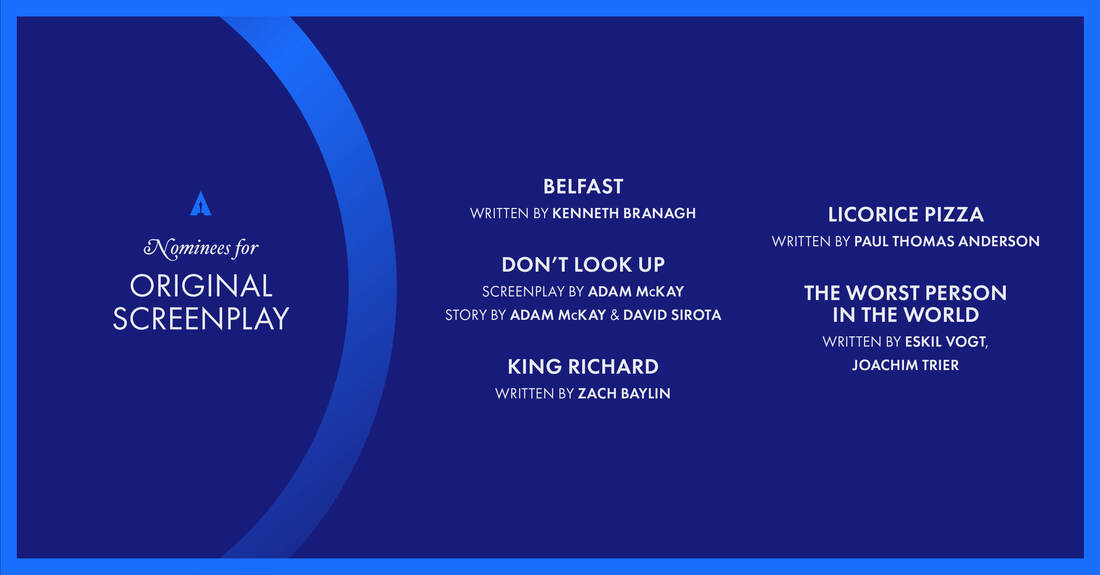
At the time, the field was considered pretty weak in comparison to say the Parasite year, where we had strong contenders left and right. Since the pandemic prevented productions from continuing or movies being delayed, we got a much thinner year for competition. Because of that, we didn’t see a lot of strong contenders for this writing category.
If there was one major contender that almost got in, it would’ve been Aaron Sorkin’s Being the Ricardos. While the film failed to score a Best Picture and Director nod, it did net three acting nods for Lead Actor (Javier Bardem), Lead Actress (Nicole Kidman), and Supporting Actor (J.K. Simmons). Aaron’s script did get nominated at the Critics’ Choice Awards, Golden Globes, BAFTAs, and Writers Guild of America Awards, but just missed the field of five, which was considered a surprise miss.
The film that did land in that fifth spot was The Worst Person in the World, which managed to get in without getting a single major precursor nod for its screenplay. The Norwegian film premiered at the 74th Cannes Film Festival and competed for the Palme d’Or. While it didn’t win the festival’s top prize, it did win the event’s Best Actress prize for Renate Reinsve. The Worst Person in the World had done consistently well with the precursors to get a Best International Film nomination, but it wasn’t enough to get into the top categories as there were more recognizable filmmakers than Joachim Trier; it would take him until his next film, Sentimental Value, for the filmmaker to get that recognition.
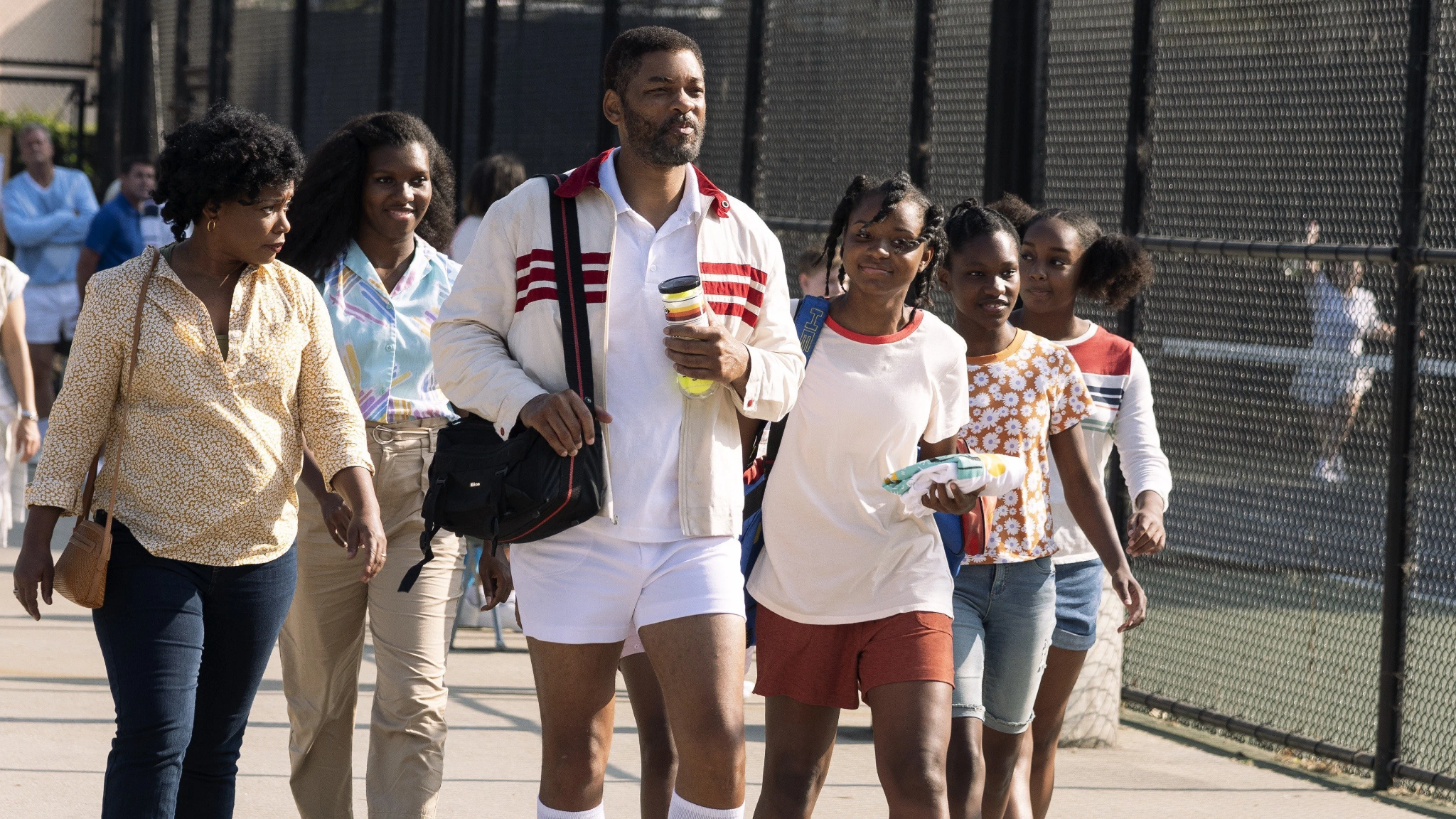
King Richard quickly became an awards-contending vehicle for Will Smith. It had been so long since he was previously nominated and this would be his time to finally come up to the plate for that big swing. While the film itself was a box-office flop, it got positive word-of-mouth from critics and audiences alike. King Richard did get nominated for six Oscars but outside of Lead Actor, the film didn’t have much of a shot at winning anything.
You could argue that Best Film Editing was on the table, as it beat out The Power of the Dog and Dune: Part One in the Best Dramatic category at the ACE Eddie Awards. But as we saw, it was a fairly fractured race, making pundits confused on what might win. If anything, its win at the editing guild was a sign of passion for the film and would be placed into Will Smith’s inevitable Oscar win.
As for Zach Baylin’s script, it does the job fairly well and pleases the broader demographic. Yet, it didn’t stand out to voters as it didn’t win at major precursors, such as BAFTA or WGA. Had Zach won at either precursor, I could’ve seen a potential path to victory. But as is, he had to settle for the nomination being the win.

As for Don’t Look Up, this was Netflix’s other awards contender they were pushing out. Unlike The Power of the Dog, the Adam McKay-directed flick got harsh reviews from critics, scoring a 49 on Metacritic and a 56% on Rotten Tomatoes. Despite this, the film got nominated for four Academy Awards, including Best Picture, Original Screenplay, Film Editing, and Original Score. In a shocking turn of events, this managed to win at the WGA in the Best Original Screenplay category. So, how did this win the guild prize?
If you’re familiar with Adam McKay’s history on television, you’d know that he worked on Saturday Night Live. Not only that, but his co-writer, David Sirota, is a known journalist and political commentator who wrote speeches for Bernie Sanders’ 2020 presidential campaign. Add in the political satire the film is attempting to do, and we got this as our winner at the guild. If the film got more nominations (especially in the acting categories) or gained more critical acclaim, I think we could’ve seen this WGA win translate to the Oscars.
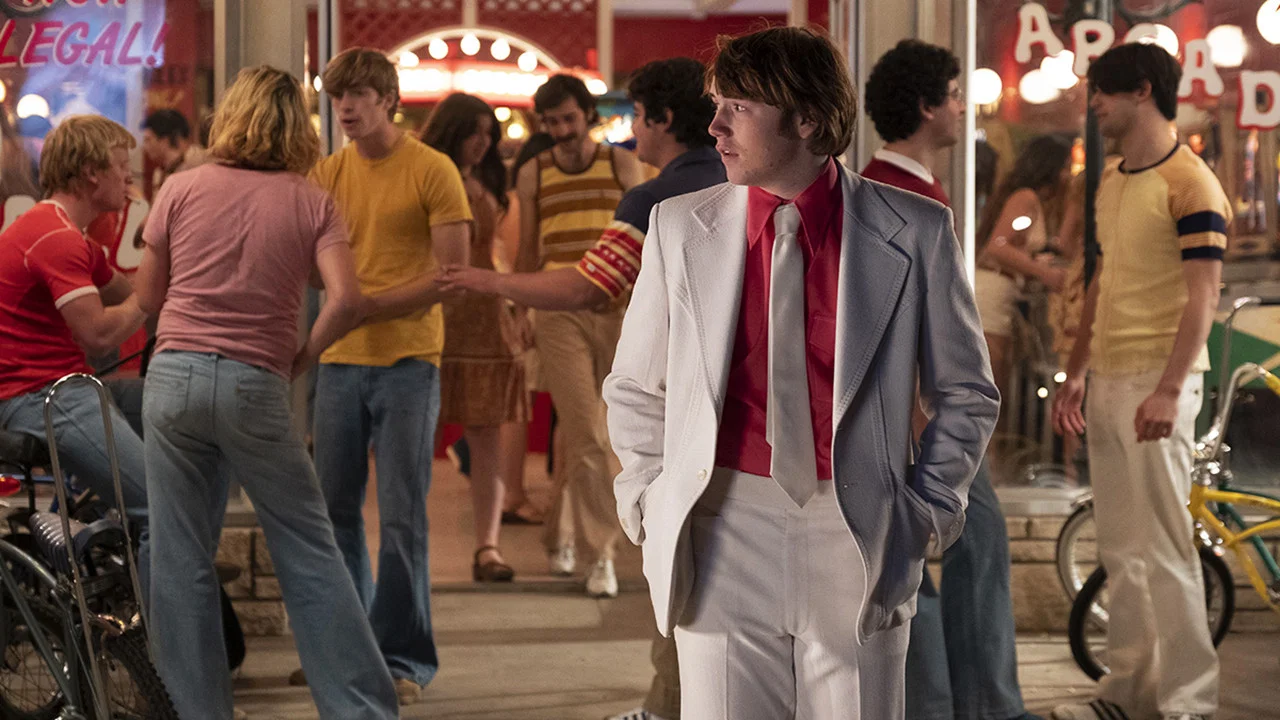
Licorice Pizza was Paul Thomas Anderson’s ninth feature film that garnered great reviews at the time. However, it bombed pretty hard at the box office, making only $33 million off a production budget of $40 million. Some pundits did think this could finally be Paul’s moment to grab a golden man for his coming-of-age comedy. However, it lost at WGA which should’ve been an easy win for the film, when it has a dialogue-heavy script and they usually do well at the awards.
Licorice Pizza did beat Don’t Look Up and Belfast at the BAFTAs. Unfortunately, if you look at the past decade of films only winning BAFTA in the writing categories, it doesn’t always translate to an Oscar win.
- 2020/21: The Father in Adapted
- 2018: BlacKkKlansman in Adapted
- 2016: Lion lost to Moonlight at Oscars in Adapted
- 2013: American Hustle and Philomena lost to Her and 12 Years a Slave at Oscars in Original and Adapted, respectively
- 2012: Silver Linings Playbook lost to Argo at Oscars in Adapted
- 2011: The Artist lost to Midnight in Paris at Oscars in Original
Even in the following years, we saw All Quiet on the Western Front (lost to Women Talking) and A Real Pain (lost to Anora) win at BAFTA but lost the Oscar. Why was that you may ask? It’s because the Oscar winners had more passion from the writing branch, as they also won WGA. However, with WGA and BAFTA split on their winners, it likely caused both of them to be deadlocked in the race.
So, whenever a writing race is this fractured, predict the contender with immense passion. Whether it’s the Best Picture winner, a film with more nominations, or a film with acting support, you would need to keep an eye out on the one with more passion in the race. Unfortunately, Licorice Pizza only got three nominations for Best Picture, Director, and Original Screenplay. However, the film not being able to score an acting or below-the-line nod showed that there wasn’t as much passion. Looking back, I am happy that Paul did eventually get his due for One Battle After Another, as that got him his overdue victory.
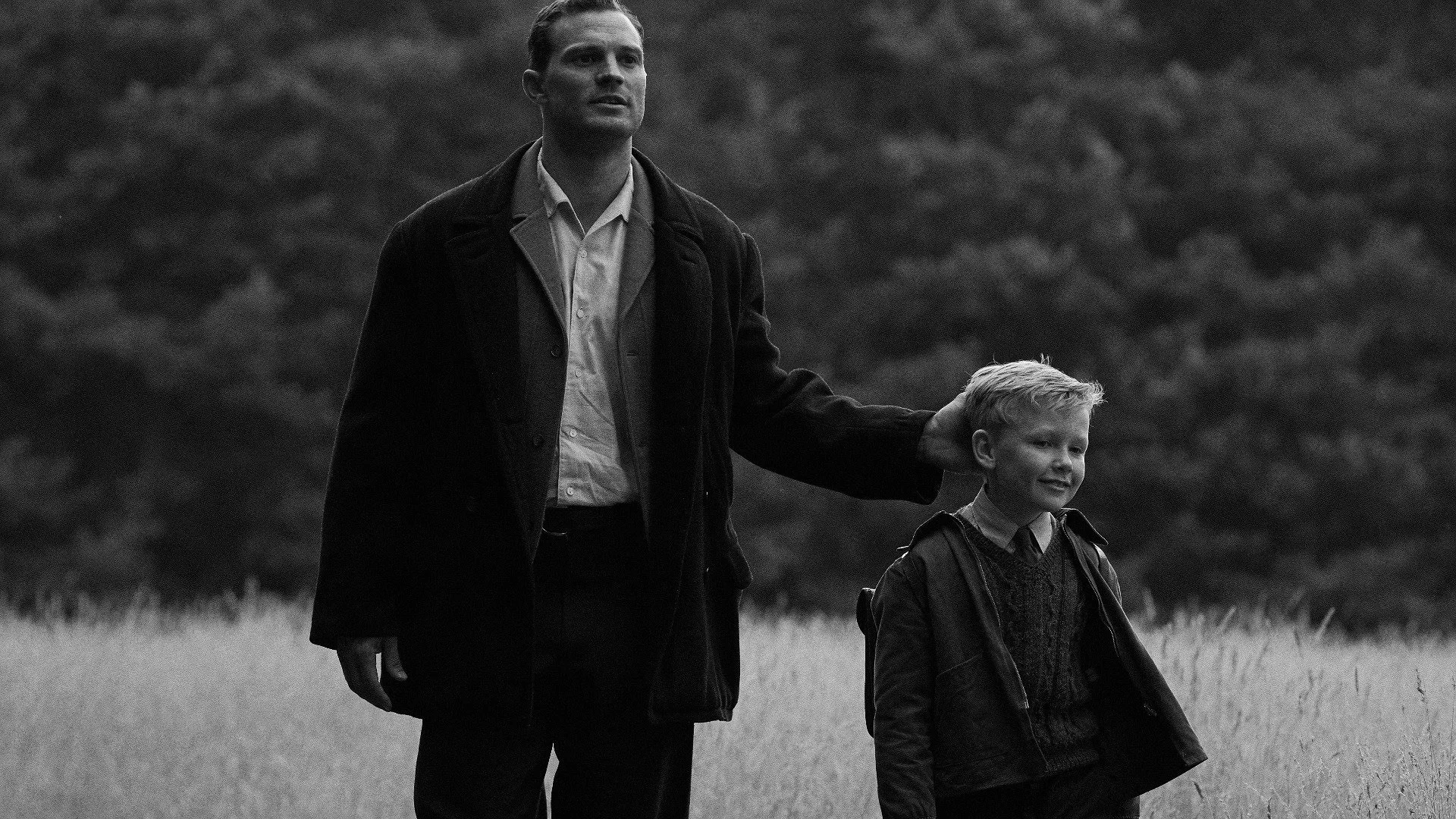
Belfast was inspired by Kenneth Branagh’s childhood growing up in Northern Ireland. This was considered both a personal project and a comeback film for the filmmaker, as he came off the heels of directing Artemis Fowl. The film premiered at the 48th Telluride Film Festival and was screened at TIFF, where it won the People’s Choice Award. After that, it was screened at other Fall festivals and won audience awards from Mill Valley Film Festival, Heartland Film Festival, and Montclair Film Festival.
The festival buzz and critical acclaim was enough to get Belfast nominated for seven Academy Awards. Since Kenneth was not a member of the WGA, he was not eligible to be nominated at the guild. He did win at the Golden Globes and Critics’ Choice Awards for Best Original Screenplay.
Another factor that helped Kenneth win his Oscar was that he was a multiple Oscar nominee for different categories. You could argue this was an overdue narrative, as the man never got a chance to win his trophy. And while the film may not be on par with the filmmaker’s other films, it was digestible enough to work for voters, who may have been lukewarm to the other contenders like Don’t Look Up and Licorice Pizza.
I’d also argue that if your movie is gaining momentum at film festivals and wins a handful of audience prizes, you’re likely going home with something on Oscar night. Films like American Fiction, The Holdovers, Conclave, and Hamnet all won festival prizes and walked away with some type of win; they may not have been strong enough to win the top prize, but they had just enough passion to put a foothold on one of the above-the-line categories. It’s also been a trend of films winning screenplay Oscars to do a festival run, especially within the expanded ballot era. Sure; you have an outlier like Django Unchained or Sinners popping up where they didn’t screen for festivals, but they had become their strongest contender within their respective years.
Something else I realized was that while Don’t Look Up and Licorice Pizza had been nominated for other categories, neither of them got in for their actors. Belfast had two acting nominations for Ciarán Hinds and Judi Dench, which showed support not just in the below-the-line categories but in the above-the-line categories. Add in a fairly strong studio like Focus Features pushing out all the tricks to campaign for the gold, and you get an Oscar win for Belfast.
At the end of the day, I did learn a few lessons from this outcome. Besides it being a fractured race, a film to win screenplay needs to have passion from voters. That’s something you can see by its nomination count and precursor wins. Granted, not every film that had the most nominations managed to win the writing Oscar. But with this specific case and how split the category was, it allowed Kenneth Branagh to take home his first Academy Award.