This Oscar season had anointed La La Land as our Best Picture frontrunner since its Venice premiere. Throughout the season, we heard about contenders like Arrival and Manchester by the Sea. But there was one film that became a formidable player for the top prize. And that film was Barry Jenkins’ Moonlight.
This quiet, subdued movie is presented in three stages of Chiron’s life: childhood, adolescence, and adulthood. As we experience these chapters of the boy’s life, we witness the difficulties he bears from his drug-addicted mother and struggles of identity as a black gay man. Over the season, Moonlight built momentum all the way to Oscar night, where it won three Academy Awards, including Best Adapted Screenplay.
In this article, I want to explore the category Moonlight landed in and how it managed to win the Oscar. I also want to discuss how we got the field we did, since some potential candidates could’ve made the Oscar lineup. With that said, let’s get started!
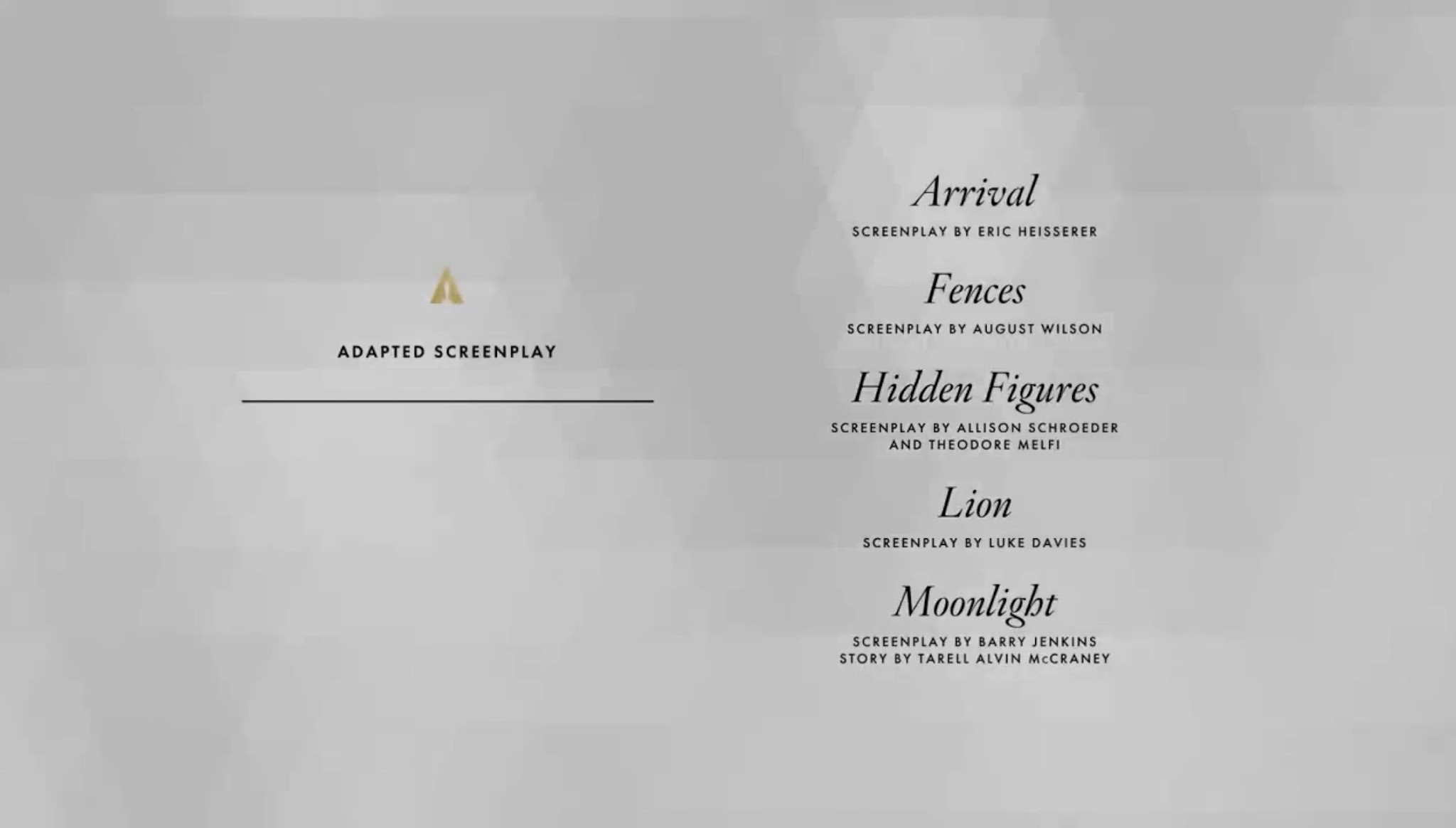
Looking at the possible fringe contenders, I’d say Nocturnal Animals was the closest to making the cut. Writer/director Tom Ford got significant support for his writing, getting a Golden Globe, Critics’ Choice, Writers Guild of America, and BAFTA nod. Despite the film being a box-office failure, it garnered critical acclaim and even received its fair share of praise for its acting and writing. During my research, I noticed that the GG and BAFTAs responded more positively to the movie, giving it a Best Director nod and recognizing Aaron Taylor-Johnson for his performance over the more well-known veteran actor, Michael Shannon. Unfortunately, the Academy didn’t love the film as much as those two groups and gave it only a Best Supporting Actor nod for Michael Shannon’s performance.
Another possible contender that could’ve gotten in was Jeff Nichols’ Loving. While many groups considered the film an original contender, the Academy deemed it an adapted contender because it was inspired by the 2011 documentary The Loving Story, directed by Nancy Buirski. The feature film earned a CCA and WGA nod in the Best Original Screenplay category. But because the field was already stacked with more passionate contenders, Jeff Nichols didn’t get an Oscar nomination for his work. Loving did get a lone Best Lead Actress nomination for Ruth Negga.
Another bubble contender, I think, was Hacksaw Ridge, which got a BAFTA nomination. However, the film wasn’t seen as a writing achievement; it was more of a tech achievement, with its editing and sound work, which is why it didn’t make the list in the end.
Finally, the last likely (or unlikely) contender that could’ve made the cut was Deadpool. While many people saw it as a superhero comic book film, it became a huge box-office hit. Add in the positive reviews it got at the time, plus the various award nominations that kept piling in (including a WGA nomination), and it was seen as a potential contender in the writing category. To be fair, Deadpool likely didn’t get in because it wasn’t seen as breaking new ground in the genre, like Logan did the next year.
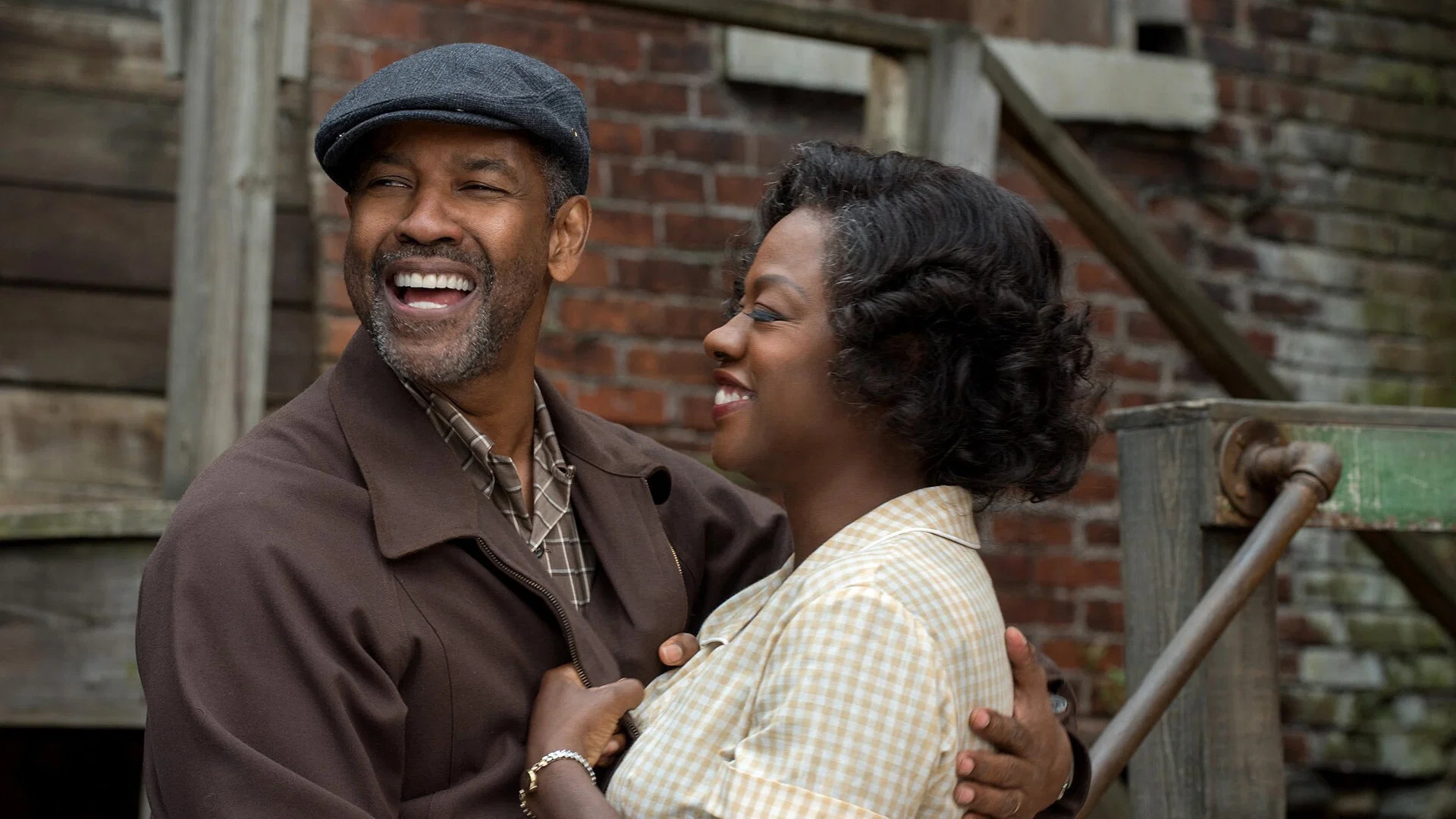
Before his death, playwright August Wilson wrote a draft to adapt his Tony Award-winning play, Fences, into a feature film. Unfortunately, he died in 2005 and never got to see the adaptation. Five years later, Denzel Washington and Viola Davis did a Broadway revival of the play in 2010 and won a Tony for their performances. Since they knew how to play their characters on stage, they wanted to bring the play to the big screen.
This would let them reprise their award-winning roles and put Denzel in the director’s chair. He also enlisted Oscar-nominated screenwriter/playwright Tony Kushner to help finish August’s draft and turn it into a feature screenplay; Tony didn’t receive final credit on the screenplay, but he did receive a co-producer credit for his contributions. The film adaptation of Fences came out in December 2016 and was a box-office and critical success. The film received four Oscar nominations, and Viola Davis swept the televised precursors for Best Supporting Actress, leading to her inevitable Oscar win.
As for its Best Adapted Screenplay chances, I would argue Fences was likely dead last. I get that the film won two SAG awards for Denzel Washington and Viola Davis, but SAG has a history of going its own way. In fact, Denzel had never won a SAG prize, and while Casey Affleck was the frontrunner for the Oscar, the guild likely saw his performance in Manchester by the Sea as too subdued to recognize.
Outside of Viola’s win, the film wasn’t strong enough to win much else at the Oscars. Had Fences won at the WGA, I could’ve seen an argument for the film as a solid contender in this category. As is, the nomination was the win for the late playwright.
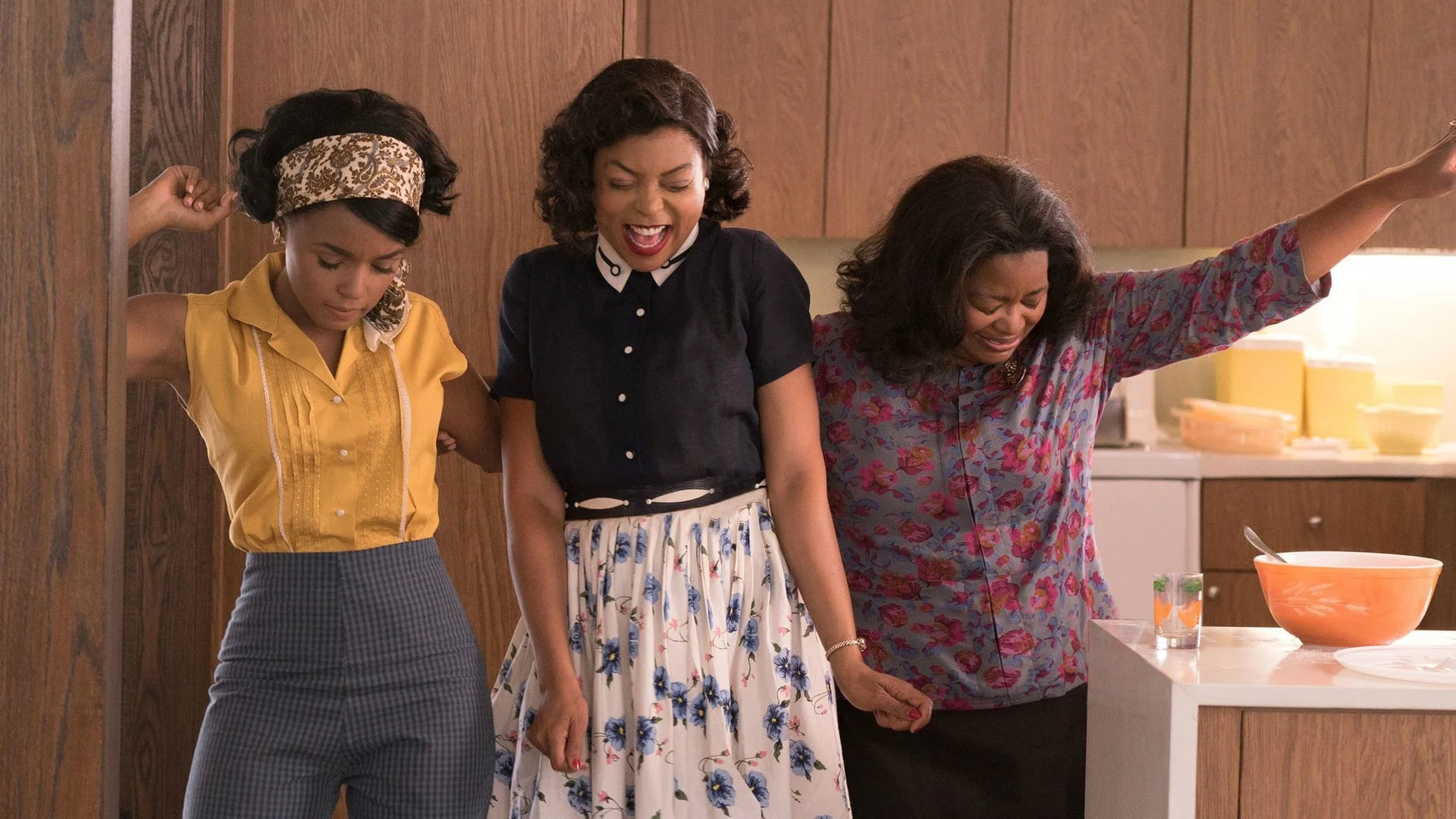
Hidden Figures became a smash hit at the box office and with audiences over the holidays. The film earned three Oscar nominations: Best Picture, Supporting Actress for Octavia Spencer’s performance, and Adapted Screenplay. And while the film didn’t win any of its categories, it did win a big prize that even our eventual Best Picture winner couldn’t pull off: SAG Ensemble. That’s right! This win helped the guild over Moonlight, Manchester by the Sea, and Fences.
If anything, I was shocked it won the prize, since it wasn’t favored in any category, especially for its writing. If I had to guess why it won, it was likely because the film not only combined actors from film and television, but was also the more crowd-pleasing one in the lineup. It wasn’t as depressing as Manchester by the Sea or as quiet and reserved as Moonlight was.
Outside of that, Hidden Figures was seen as a late-breaking contender that would crash the party, but not amount to much for a major victory. If the field had been less competitive, or if it had won at the WGA or BAFTA, I could’ve seen a path to Best Adapted Screenplay. Unfortunately, it became one of two Best Picture nominees to go home with no wins.

Lion was Gareth Davis’s directorial debut, and the film follows Saroo Brierley, who’s separated from his family at a young age and adopted by an Australian couple. Years go by without any luck finding his family; he ends up distant from his adoptive parents and his girlfriend, Lucy. It isn’t until he uses Google Earth to find his hometown that he hopes to reunite with his family.
The film is pure Oscar bait, based on the premise alone and with The Weinstein Company attached to its production; this was also the last time the company had a film competing for the Academy Awards. However, Lion had enough goodwill attached to this directorial debut that I can see why it would get critical acclaim. The cinematography by eventual Oscar winner, Greig Fraser, is beautiful to look at. Dev Patel’s performance is also quite good, especially in the film’s final moments.
While Lion did get enough support for nominations, it couldn’t find a category to lock itself in as a frontrunner. Yes, it did win the American Society of Cinematographers award and the First-Time Feature Film category at the Directors Guild of America. Still, it never won anything big at the other guilds like PGA or SAG. I would argue it was likely in this writing category since it did well at BAFTA, scoring a Best Adapted Screenplay win.
Sometimes that sole win can help your chances, but other times it may not. In fact, let’s take a look at the times when a film won a lone BAFTA precursor in the Best Adapted Screenplay category, and see how many times that win translated to an Oscar:
| Year | BAFTA | Academy Award |
| 2022 | All Quiet on the Western Front | Women Talking |
| 2020/21 | The Father | The Father |
| 2018 | BlacKkKlansman | BlacKkKlansman |
| 2016 | Lion | Moonlight |
| 2014 | The Theory of Everything | The Imitation Game |
| 2013 | Philomena | 12 Years a Slave |
| 2012 | Silver Linings Playbook | Argo |
| 2011 | Tinker Tailor Soldier Spy | The Descendants |
| 2007 | The Diving Bell and the Butterfly | No Country for Old Men |
| 2003 | The Lord of the Rings: The Return of the King | The Lord of the Rings: The Return of the King |
| 2001 | Shrek | A Beautiful Mind |
As you can see, only three films have won the Oscar with just the BAFTA as their only major precursor win. One possible theory is that, in those three instances, the field was split between CCA, WGA, and BAFTA. While the field was divided this year, it wasn’t as confusing across the board as the 2020/21 year was.
Had we seen a more split consensus, I could’ve seen Lion making a break for that writing Oscar. Even if Dev Patel had won more televised prizes outside of BAFTA, I could’ve seen the film potentially doing better. Unfortunately, the film went home empty-handed that night because of the competition.
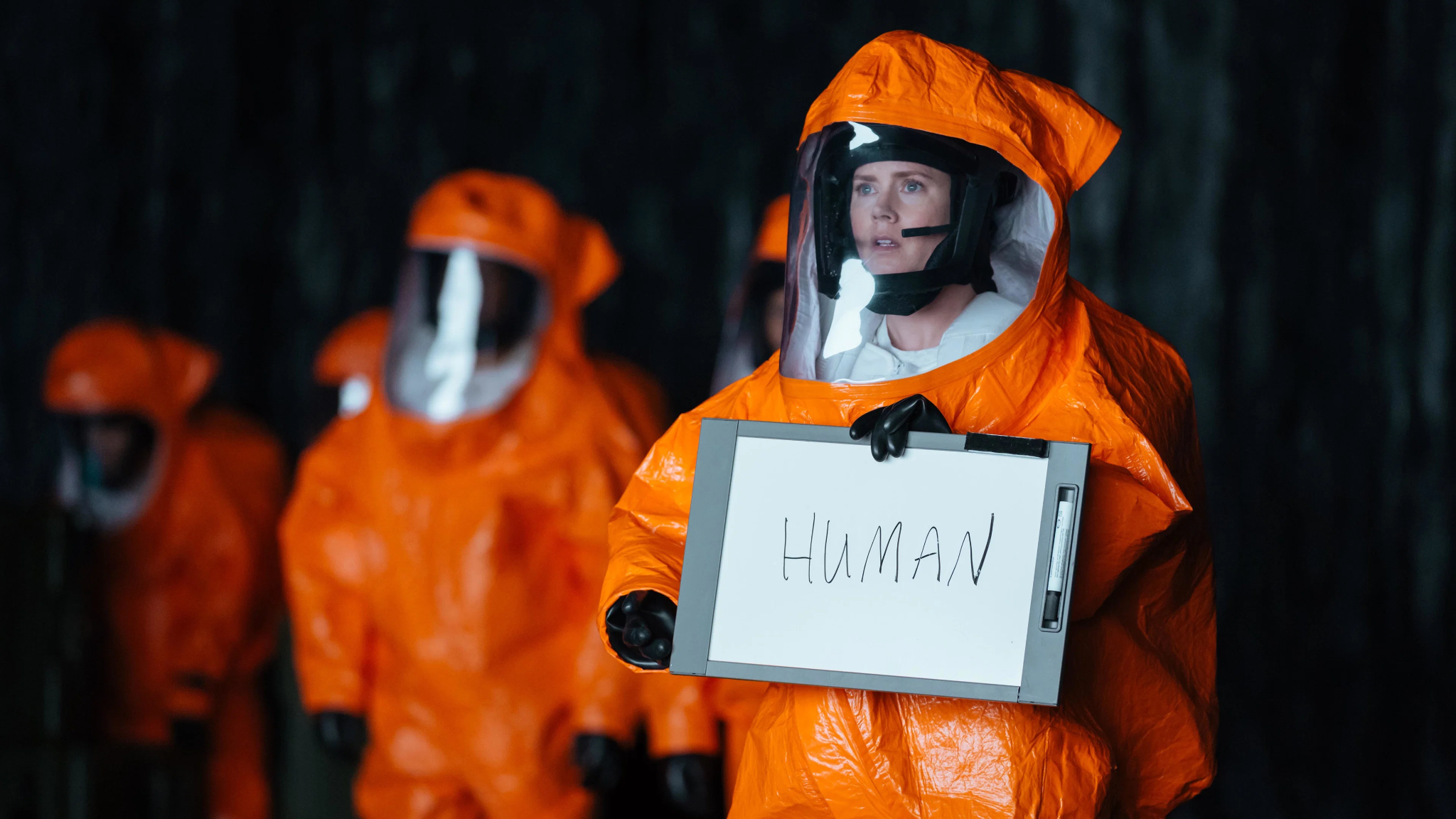
Eric Heisserer wrote Arrival as a spec script and tried pitching it for years. It was based on Ted Chiang’s novella, “Story of Your Life”, and turned it into a feature screenplay. After many failed attempts, Eric gave up on adapting this into a narrative feature. It wasn’t until the writer completed what would become Paul Walker’s final role in Hours that people started to think he could be a screenwriter.
21 Laps Entertainment worked closely with Eric to refine the script and find a director and studio willing to put it together. Eventually, they found Denis Villeneuve to bring this script to life and Paramount Pictures to shepherd the production. The film premiered at the Venice Film Festival and opened to rave reviews, then moved through the Fall festival circuit, including Telluride, TIFF, and BFI London.
Arrival became a box-office success, grossing over $213 million worldwide on a $47 million budget. The film earned several accolades, including eight Oscar nominations, but won only one: Best Sound Editing. Of all the contenders, I’d say this was the likely runner-up in the writing category, as it won the WGA award for Best Adapted Screenplay and even won at CCA.
Under different circumstances, I could’ve seen Arrival walk away with the Oscar, as it fits the typical lone-writer winners we’ve been getting. But circumstances made this outcome impossible, despite a major WGA win. When accepting the guild win, even Eric Heisserer said he voted for Moonlight in his category at the Oscars.
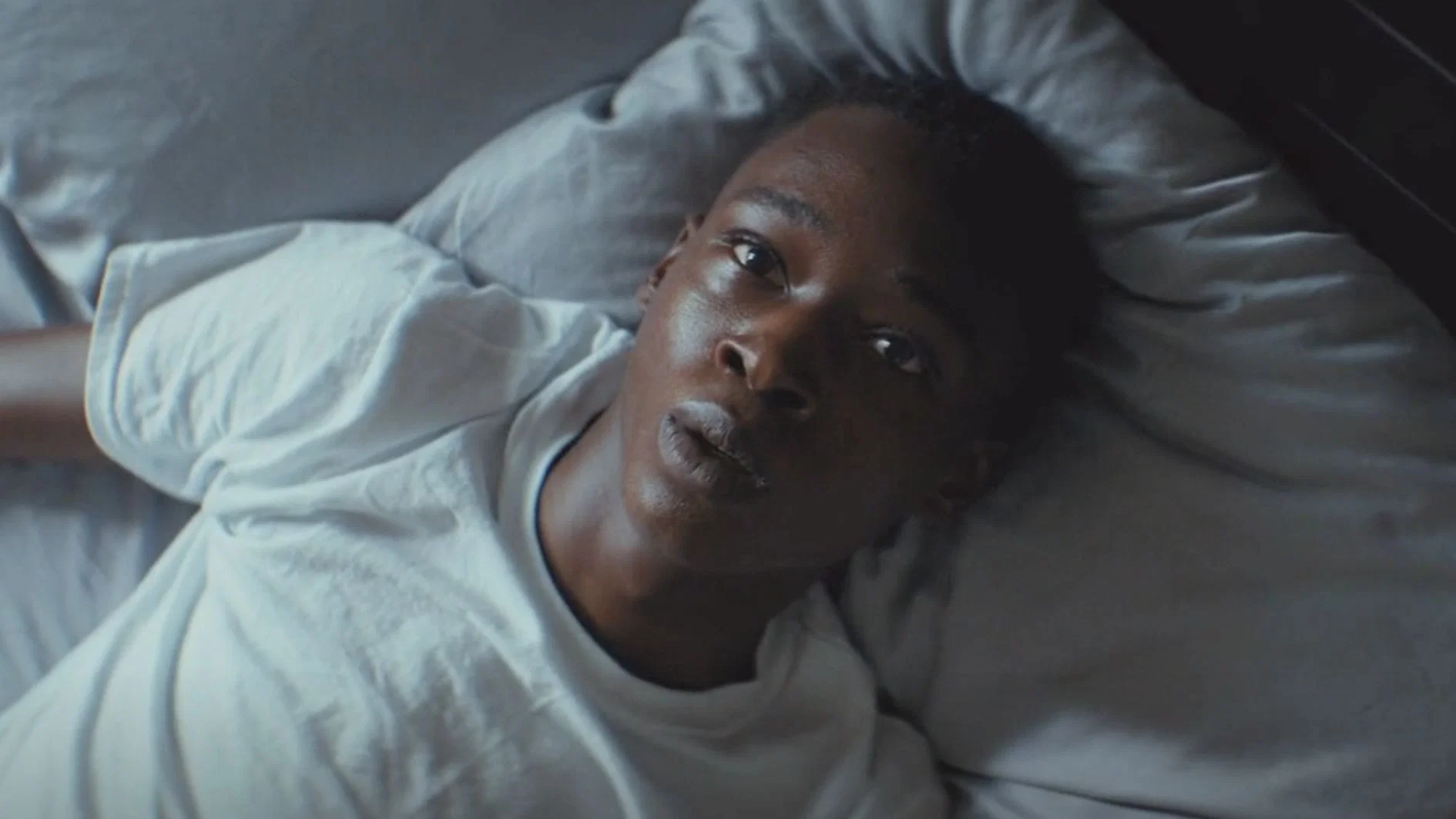
Moonlight became Barry Jenkins’ second feature, after his directorial debut, Medicine for Melancholy, which came out eight years prior. The Oscar-winning film drew on Tarell Alvin McCraney’s unpublished, semi-autobiographical play, In Moonlight Black Boys Look Blue. The film premiered at Telluride and opened to rave reviews, then made its way through the Fall film festival circuit. On its way to the Oscars, Moonlight kept building on its strong word-of-mouth reception, despite its quiet, subdued tone.
Even though it was a box-office hit, it was considered, at the time, one of the lowest-grossing films domestically to win Best Picture. Despite this, the film would sneak up on La La Land and take the Best Picture prize right out from under it. So the big question is: how did Moonlight become the top dog and win big that night?
The first reason is that, despite most groups classifying it as an original contender, the Academy saw it as an adapted contender. The group has a history of doing this, whether it’s switching over because they saw it as based on a short film or Barbie being seen as an adaptation of Ruth Handler’s toy line; this shouldn’t surprise many people once you’ve seen the history.
However, that made it pretty easy to predict what would win; if it had stayed in the Best Original Screenplay category, it might’ve been harder to predict. But as we saw with WGA, they went with what they felt was the more beloved film in the Best Original Screenplay category. So, maybe that would’ve been an easy win for the film in either category.
The second reason was that it was seen as a consolation prize for Barry Jenkins. Even though Barry had a strong contender on his hands, he wasn’t seen as the frontrunner for Best Director the way Damien Chazelle was for La La Land. Not only had the musical swept the precursors, but it was the kind of contender the Academy usually gives its directing prize. G toiving this writing Oscar to Moonlight was a way to give Barry Jenkins his own trophy while honoring the playwright the film was based on for his contributions.
The third reason was that Moonlight was gaining momentum throughout the award season. Not only was Mahershala Ali poised to win Best Supporting Actor after winning SAG and CCA, but in the weeks leading up to Oscar voting, signs suggested the film was likely seen as a threat to win Best Picture. Yes, it won the WGA award, but the passion for the film had been building since its Telluride premiere.
La La Land was a strong contender to win the prize, but as we’ve seen before, no one wants to be the early frontrunner because it can hurt your chances. Remember the infamous Saving Private Ryan, which lost its early frontrunner status to Shakespeare in Love? Even recently, we saw Timothée Chalamet as the early odds-on favorite to win Lead Actor for his performance in Marty Supreme. As the season progressed, we saw enough evidence that his chances of winning were slipping away.
As for La La Land, it scored 14 nominations, but just because you’re the most nominated film doesn’t always mean you can translate all those nominations into wins. Recently, Sinners broke the record with 16 Oscar nominations, but won only four categories. Sometimes when people get around to watching your movie during that phase two voting, the passion you once had may swing towards another film. In this case, it was Moonlight, which likely resonated with its emotional storytelling and its exploration of finding oneself in this world.
Another sign that Moonlight was building up momentum was not just its word-of-mouth reception at festivals, but its audience awards. An early sign that a film could be well liked by the Academy is winning audience awards. We saw this with Belfast and, more recently, American Fiction; both ended up winning the Oscars in their respective years. With Moonlight, it won its own share of audience awards, including those from the Mill Valley Film Festival and the Chicago International Film Festival.
Add that, and you’ve got your Best Adapted Screenplay winner. It’s a deserving winner, in my opinion, because even when I first saw Moonlight, I saw the brilliance of Barry Jenkins’ storytelling. He hasn’t directed a feature film since Mufasa: The Lion King, and I have no idea what his next film will be. Hopefully, he’ll return to his independent roots and show us he still has that magic.

Speaking of LGBTQ+ films, La Bola Negra is coming out for this upcoming award season. I’m starting to wonder if this’ll pull off a similar upset at the Oscars, as Moonlight did with La La Land. Granted, The Odyssey is still our touted frontrunner for the Best Picture. But as we’ve seen in the past, early frontrunners can fade as the season progresses.
Boyhood and The Power of the Dog were predicted to win, but they lost steam over the season to Birdman and CODA, respectively. If nothing else, La Bola Negra’s response at TIFF is giving me eerily the same vibes I felt when Moonlightcame swinging into the Fall festival season. If Netflix plays its cards right this time, maybe it can finally win the coveted prize it’s been chasing for almost ten years: the Academy Award for Best Picture.