



Peter Bogdanovich, who passed away in 2022, would have turned 86 on July 30, 2025. As we approach his birthday, we look back at the singular career of a director who lived, breathed, and ultimately reshaped our understanding of cinema’s past.
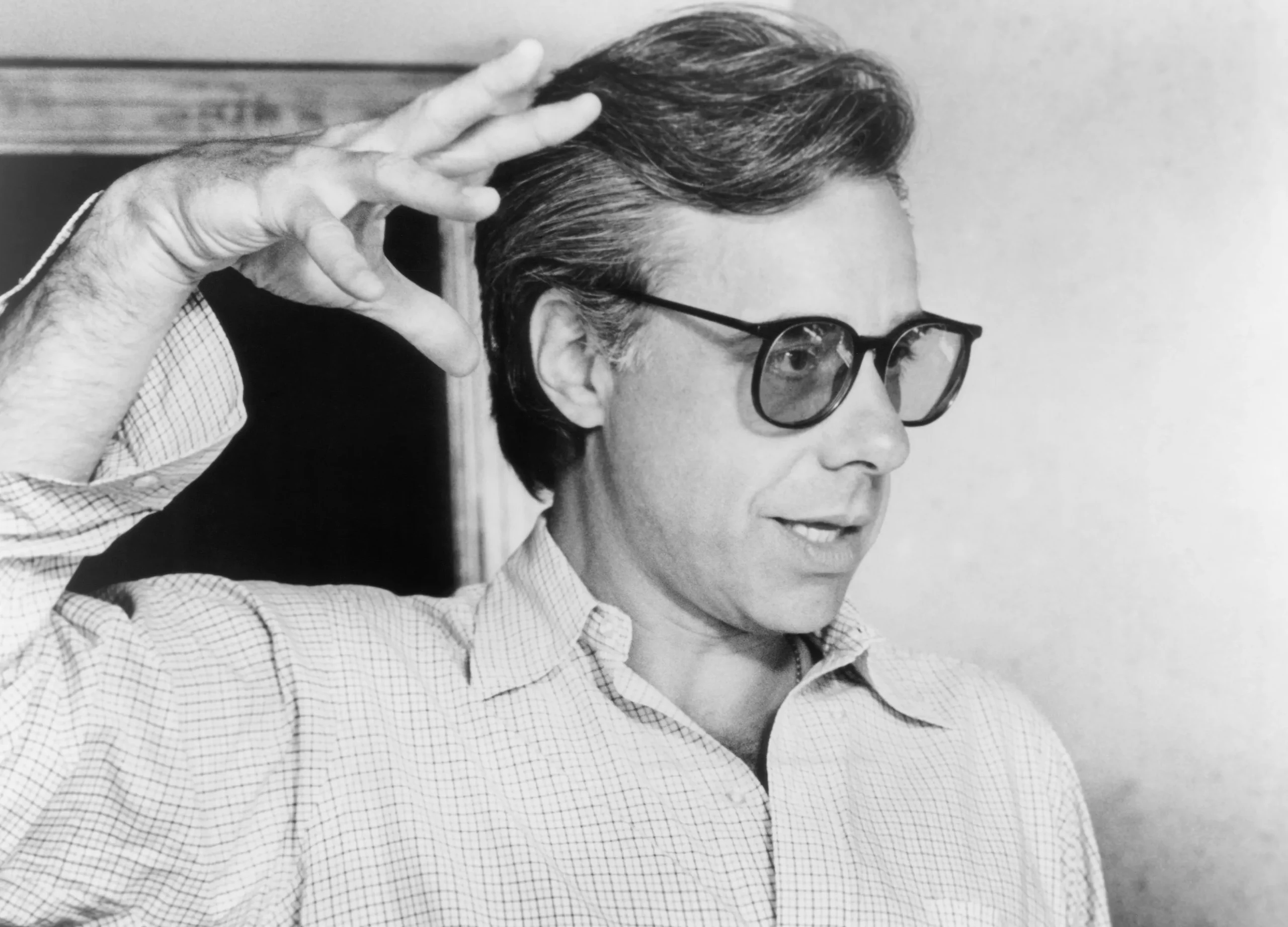
During 1970s New Hollywood, a revolution was underway. A generation of auteurs, inspired by the turmoil of their times and the freedom of a collapsing studio system, were forcibly creating a new American cinema. Francis Ford Coppola was dragging the gangster epic into the shadows of Dostoyevsky; Martin Scorsese was mapping the profane poetry of the streets; and Brian De Palma was refracting Hitchcock through a prism of modern alienation. Off to one side from the ‘Movie Brats’ was Peter Bogdanovich. He was not a revolutionary kicking down the doors; he was a master restorer, lovingly tending to the classical architecture his peers were so eager to abandon. Bogdanovich stands as a brilliant anomaly of his era, a director who used the radical freedom of his time not to break from the past, but to canonize it.
While his contemporaries were killing their idols, Bogdanovich was interviewing them, writing definitive books on John Ford, Howard Hawks, and his personal North Star, Orson Welles. His encyclopedic reverence for the Golden Age was his greatest asset, and eventually a creative straitjacket. This deep dive into his career reveals that his most vital work was the product of a delicate balance: his profound knowledge of film history anchored in the contemporary genius of his then-wife and collaborator, Polly Platt. When that anchor was lost, the critic-king was set adrift in a sea of nostalgia, only to find a new, more personal shore decades later.
His legendary run of films from 1971 to 1974 – The Last Picture Show, What’s Up, Doc?, and Paper Moon – represents a near-perfect fusion of past and present. They are the work of a partnership in perfect sync. In The Last Picture Show, Bogdanovich channeled the stark, elegiac grandeur of Ford’s westerns and the deep-focus melancholy of Welles’s The Magnificent Ambersons. Yet the film never feels like a mere style exercise. It was Platt’s contribution as production designer and credited co-writer that infused his classical compositions with a raw, lived-in authenticity. She found the texture in the peeling paint, the dust on the floorboards, and the awkward fumbling of adolescent pain, grounding Bogdanovich’s anachronistic tendencies in a reality that felt both timeless and immediate.
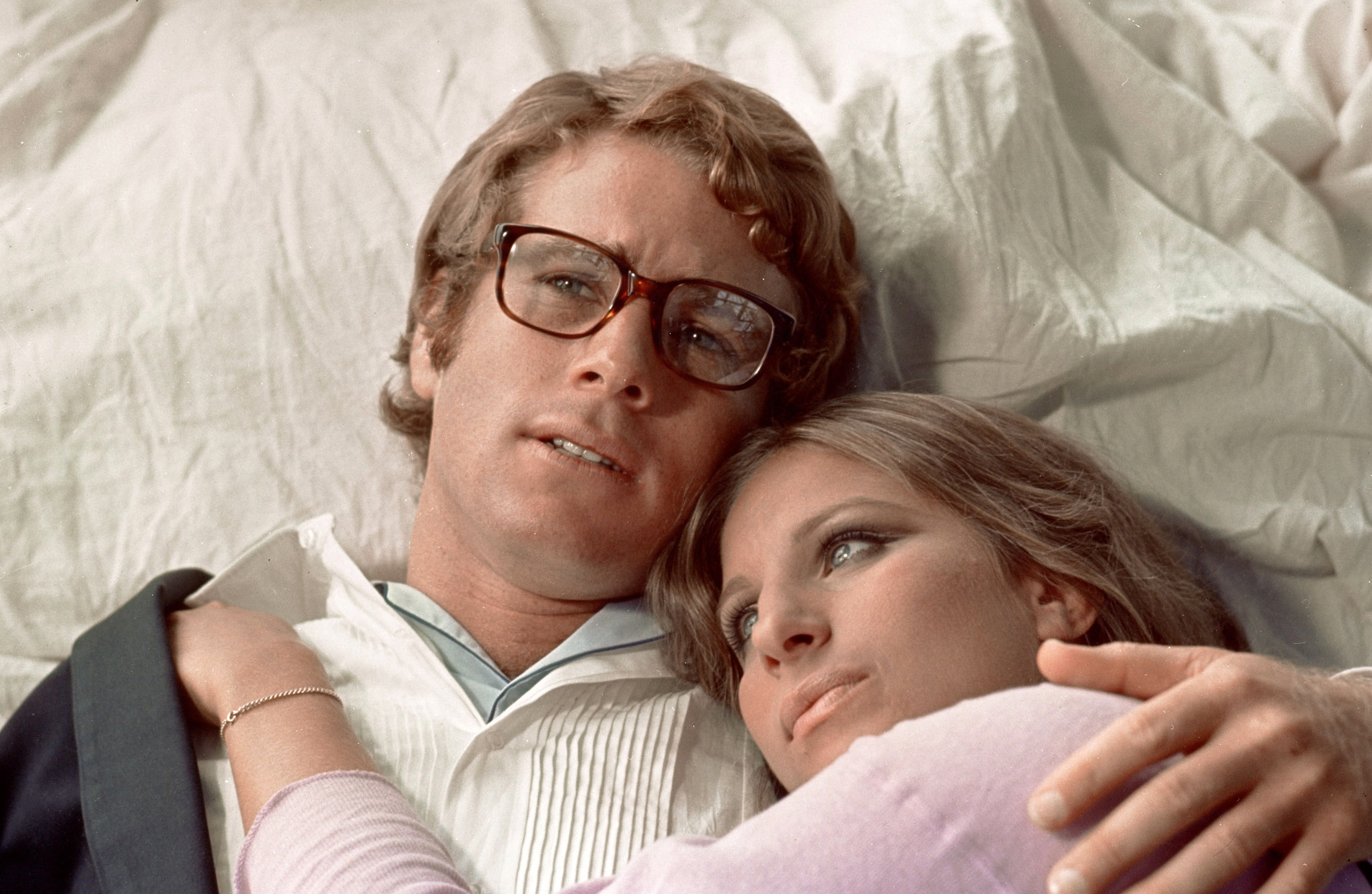
Similarly, What’s Up, Doc? is a flawless reincarnation of a Hawksian screwball comedy, and Paper Moon looks as if it were unearthed from a 1930s time capsule. But the film’s emotional core, the genuine chemistry, the sharp wit, and the surprisingly tender relationship between Moses and Addie Pray resonated with a contemporary audience. This was the magic of the Bogdanovich-Platt synergy: she acted as a bridge between his library of influences and the living, breathing world of the 1970s. She kept the films anchored and relevant to modern audiences.
Peter knew movies, Polly knew people.
After their professional and personal split, that anchor was gone. Bogdanovich’s subsequent films became untethered, showcases of his technical virtuosity but missing the bridge to the present day that made his earlier work so resonant.. The most notorious example is At Long Last Love, his 1975 attempt to resurrect the Cole Porter musical. On paper, it looks like a classic Bogdanovich project. In execution, it was a catastrophe. Stilted and airless, it felt less like a loving homage and more like an academic thesis statement. It had the form of the classics but none of the heart, none of the contemporary resonance that Platt had so expertly helped to craft. Without his collaborator to balance him, the critic-king was making films for an audience of ghosts.
Even a director like Steven Spielberg, equally steeped in film history, sought to channel the emotional spirit of classic Hollywood, the wonder of Capra, the spectacle of DeMille into modern populist myths. Bogdanovich, in his wilderness years, was more often focused on replicating the specific formal language of his heroes. One translated, the other transcribed. Adrift from the present, his work became pastiche, and audiences, sensing the lack of a contemporary pulse, turned away. One gets the impression that during this period, Bogdanovic was more interested in making movies that Orson Welles would be impressed with, rather than trying to delight modern audiences.
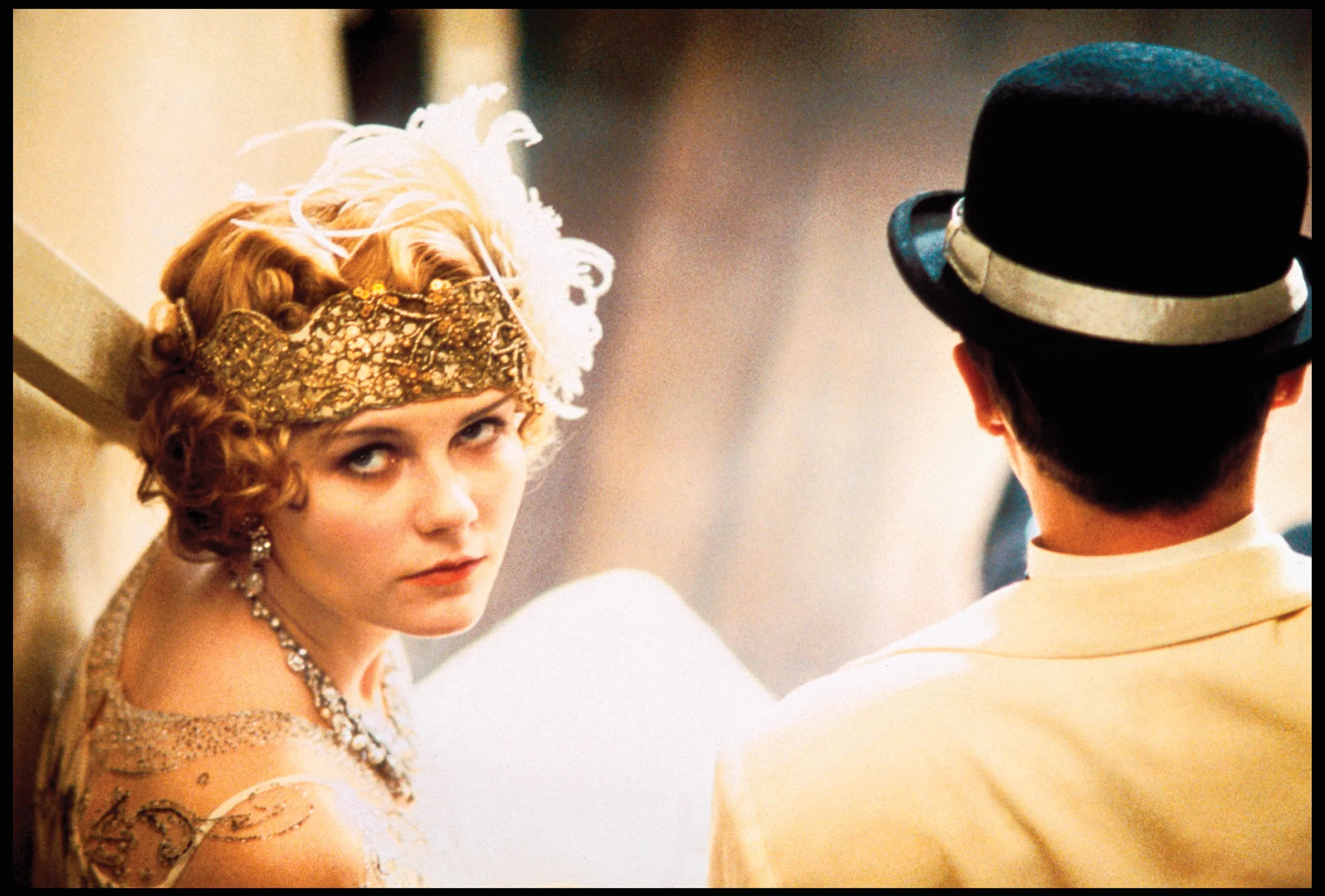
Decades later, after a period of immense personal tragedy and professional retreat, Bogdanovich returned to the director’s chair and made what might be his most quietly revealing film: The Cat’s Meow (2001). On the surface, he was still looking back, telling a story about a mysterious death aboard William Randolph Hearst’s yacht in 1924, at the very heart of Old Hollywood. He was still obsessed with the past, but his relationship to it had fundamentally changed.
The Cat’s Meow is no loving tribute. It is a cynical, melancholic, and deeply complex dissection of the very myths he once worshipped. It’s a film about the moral decay beneath the glamour, the bitter rivalries and desperate sadness of the figures he had spent a lifetime lionising. This was not a director imitating Orson Welles; this felt like Peter Bogdanovich, the man who had lived through dizzying fame and devastating loss, offering his own weary, wounded perspective on the Hollywood dream. Here, the critic-king was no longer simply curating the myths of the past; he was dissecting them with the weary authority of someone who had survived their fallout. The film is less a celebration and more an autopsy.
In finding this new, more critical voice, Bogdanovich finally reconciled with the burden of his influences. His late-career resurrection was not about abandoning the past but about finally having his own conversation with it, one coloured by personal experience, not just scholarly admiration. He completed his journey from being the cinema’s most brilliant student to becoming a master in his own right, forever the last picture showman, who at long last, found his own story to tell among the ghosts.