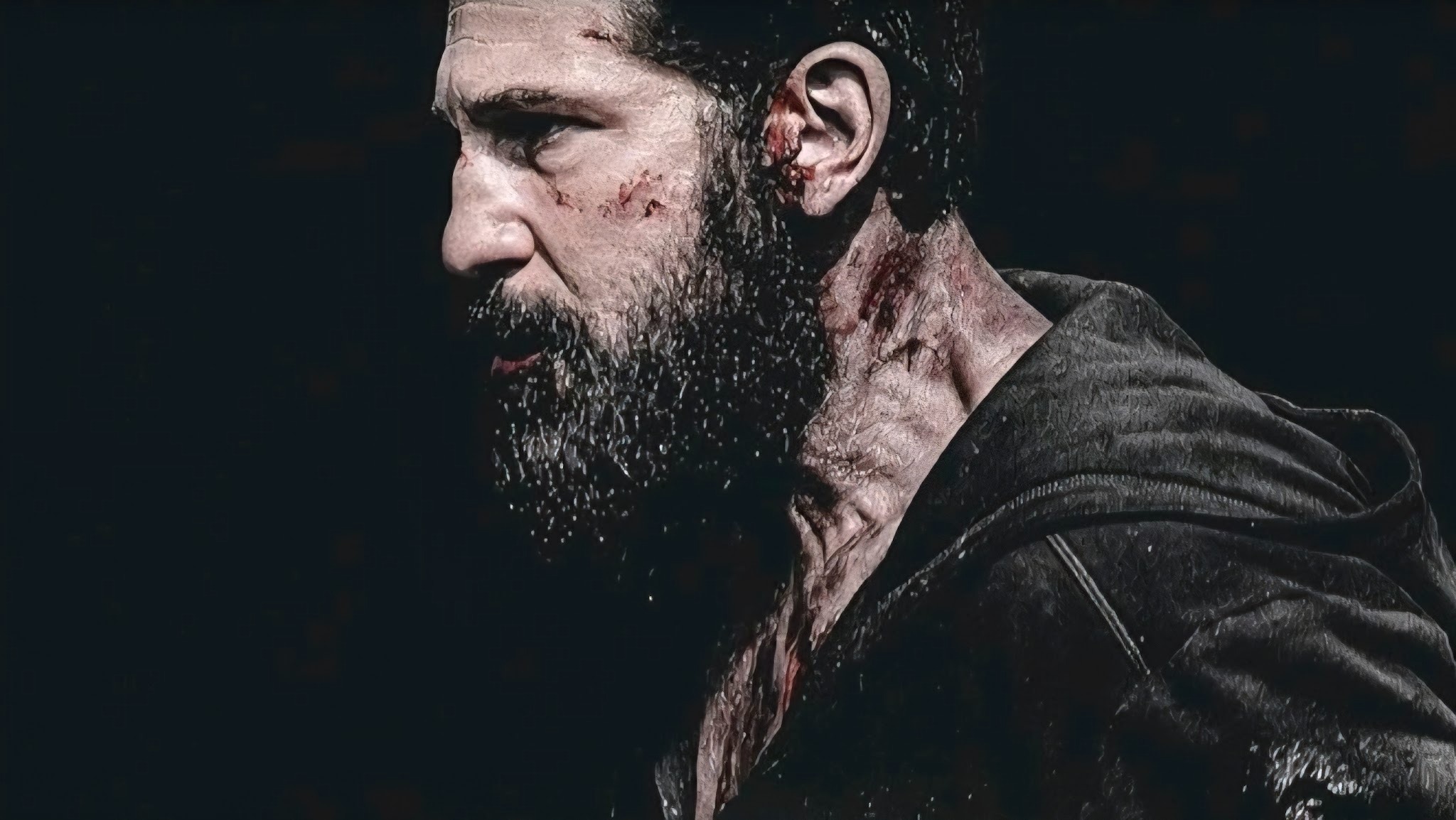
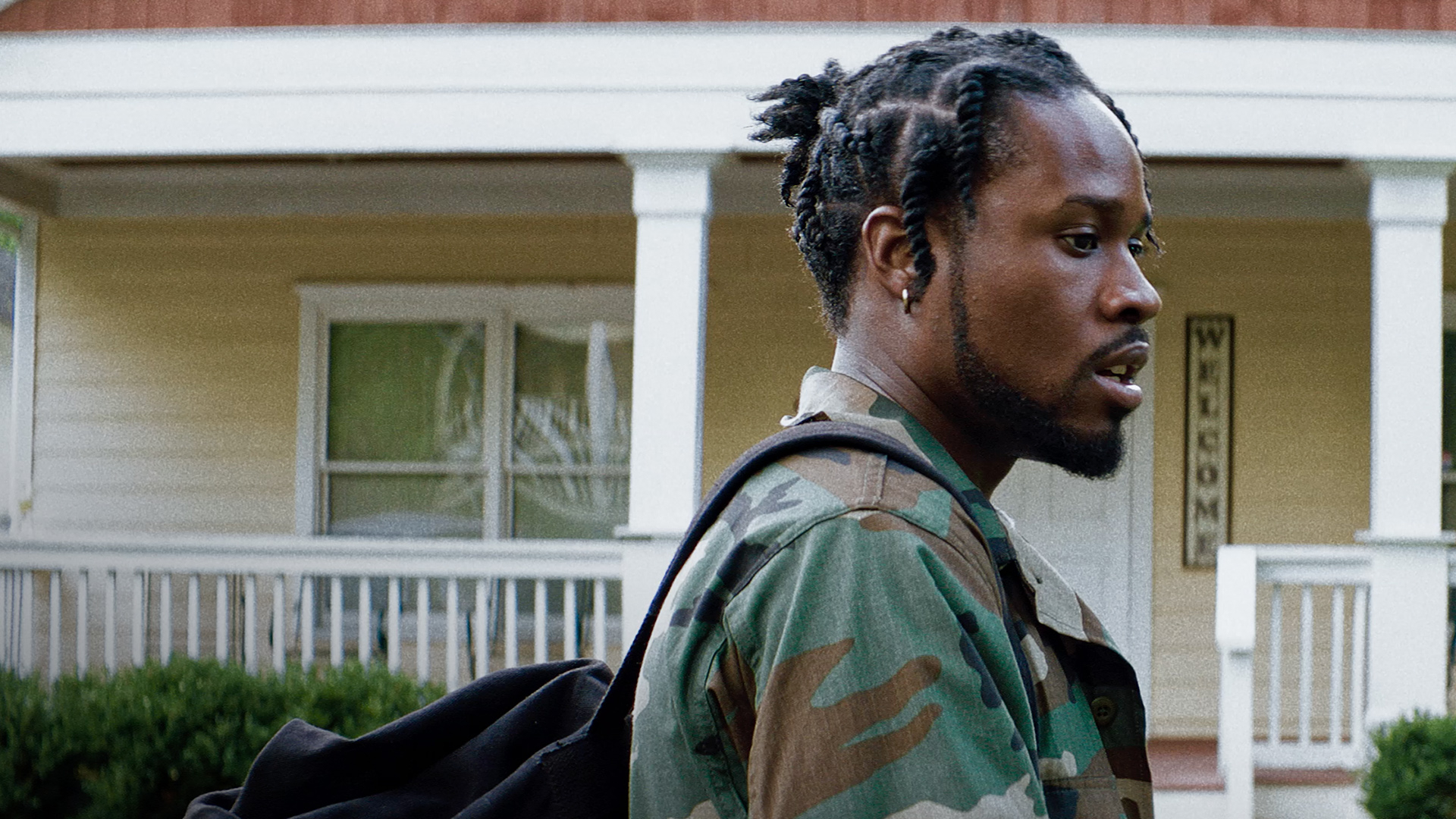
Director: Reinaldo Marcus Green Writers:Jon Bernthal, Reinaldo Marcus Green Stars: Jon Bernthal, Chelsea Brea, Colton Hill
Synopsis: As Frank Castle searches for meaning beyond revenge, an unexpected force pulls him back into the fight.
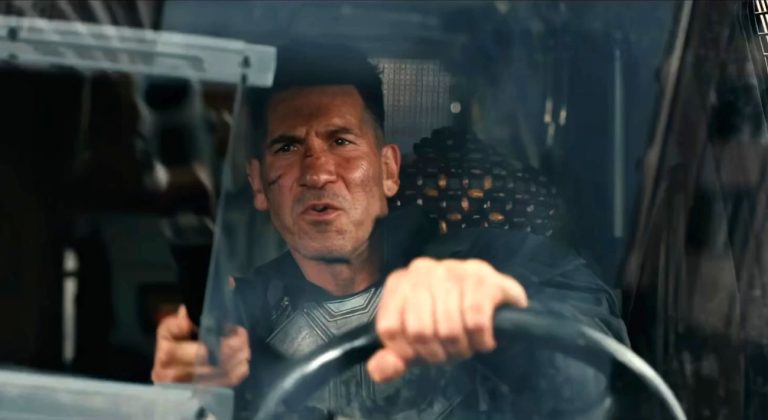
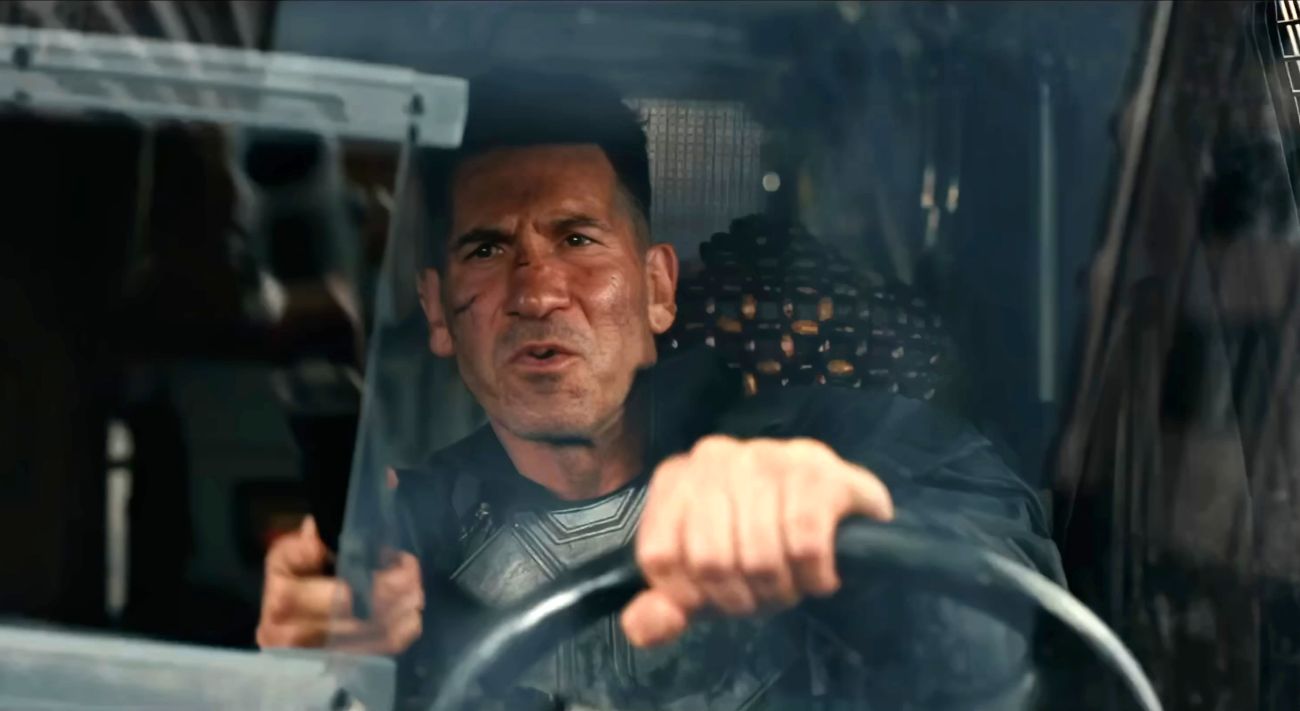
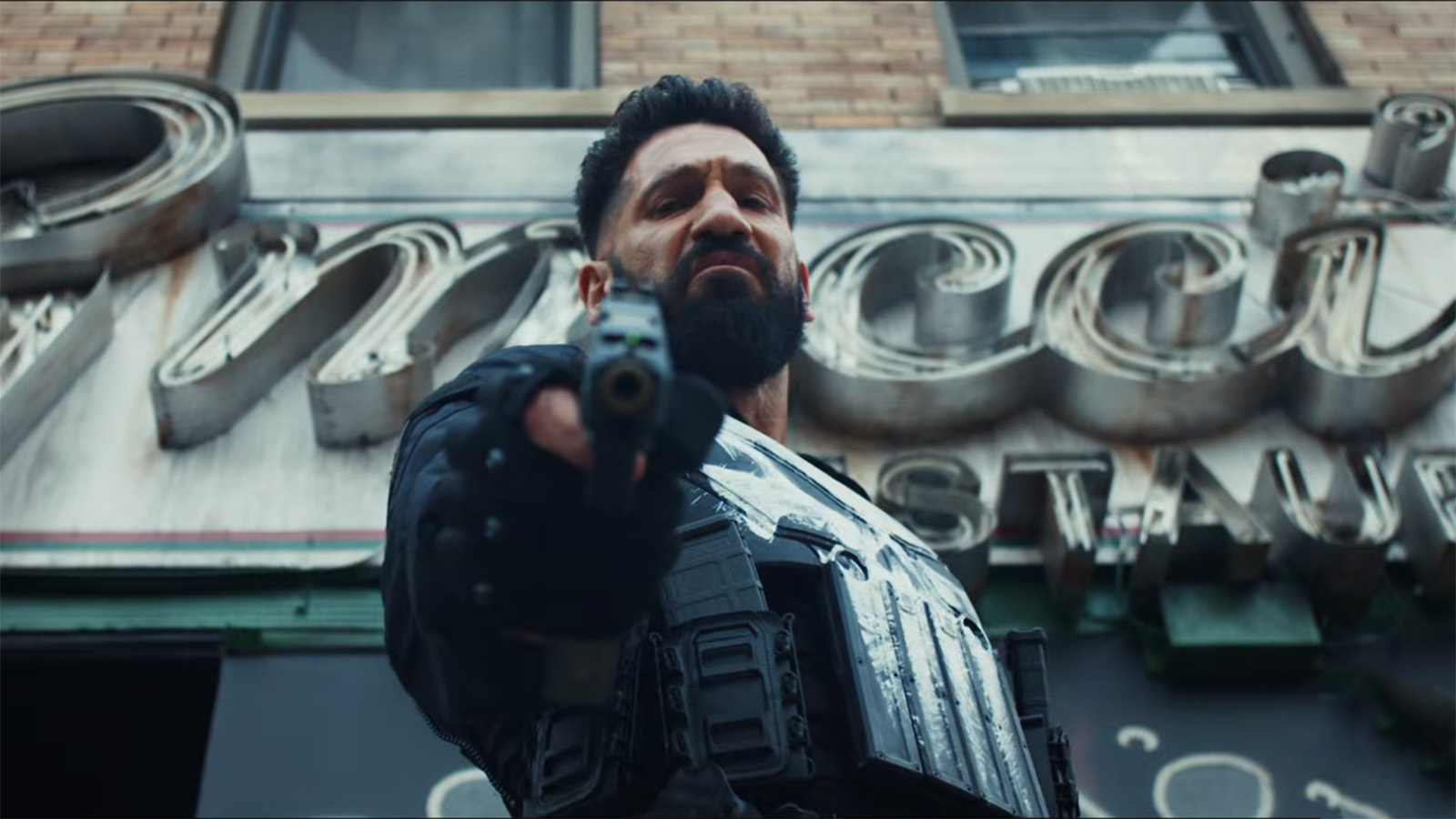
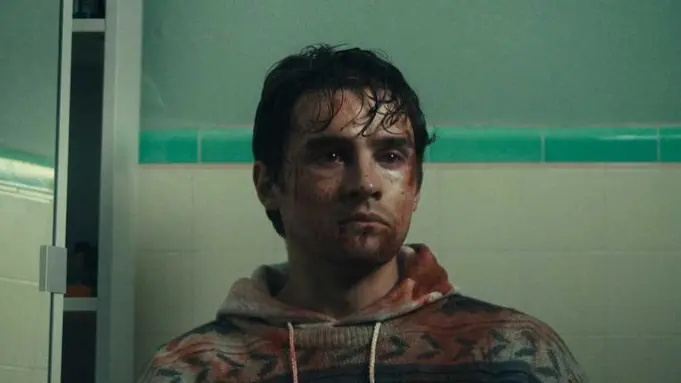
Brooding, volatile, and cathartic; The Punisher: One Last Kill, the Marvel and Disney+ special featurette collaboration, is hard to categorize, as it defies being boxed into the constraints of normal television or movies. With a runtime of approximately 48 minutes, this precursor to Frank Castle, aka The Punisher, serves as a bridge to his next reported appearance in Spider-Man: Brand New Day.
The Punisher: One Last Kill, for all intents and purposes, is a storytelling aberration, if you will. We should not waste too much time trying to nail down where this takes place within episodic series The Punisher, Daredevil: Born Again, or the overall Marvel Cinematic Universe timeline. Though if you care, it appears to overlap with the superior second season led by Charlie Cox, since Frank Castle does not appear in those eight glorious episodes.
This, technically, at over forty minutes, could be considered a feature film, and is a thematically heavy and visceral look at an imaginative world crumbling around us. Like Daredevil: Born Again, this authoritarian crime aberration attempts to capture a community, country, and a world spinning off its axis while still trying to find equilibrium. There is hardly any banter in the special, creating a sense of dialogue brevity.
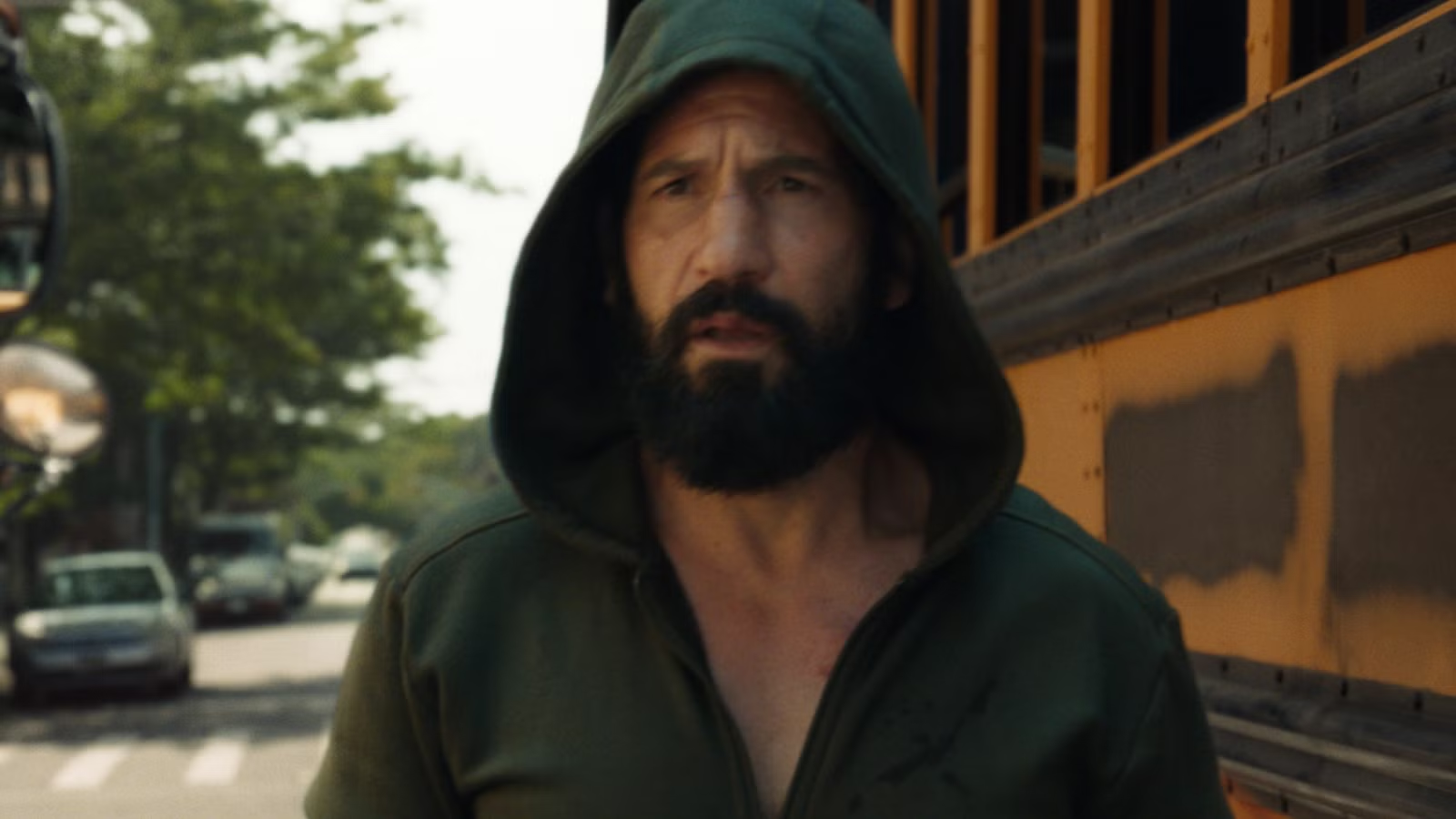
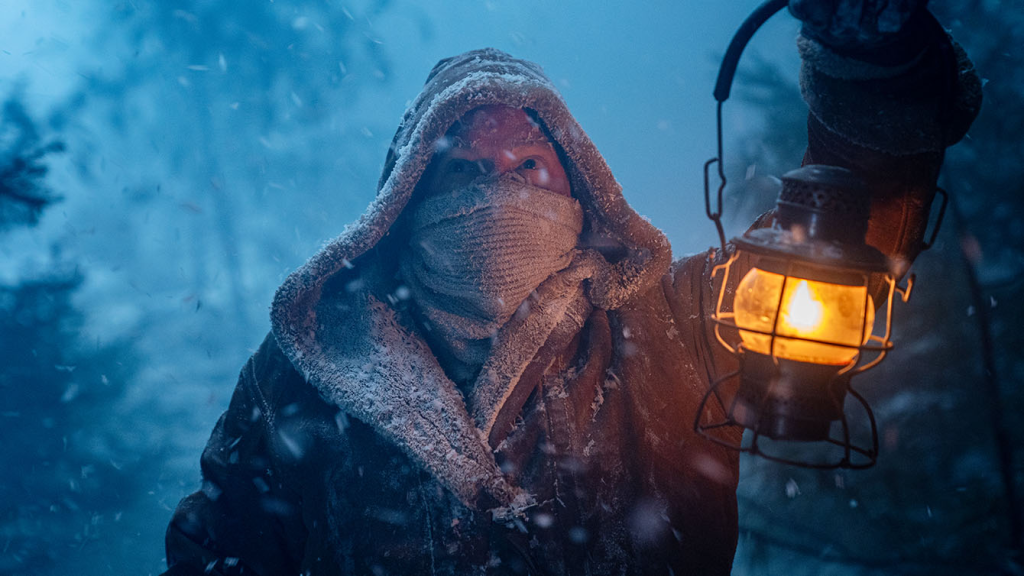
However, there are several eye-catching visuals, including a breathtaking Steadicam continuous one-shot sequence of Jon Bernthal’s Frank Castle walking through the war zone that is Hell’s Kitchen with nothing but a dingy hoodie covering his Easter Island-like head, as people are assaulted, guns are fired, and cars are lit up like bonfires ( or “bonfires of the vigilantes,” if you will). Director Reinaldo Marcus Green (King Richard) makes the scene criminally hypnotic.
Then, for some reason, the special, film, or featurette lends itself to several minutes of exposition. That scene features theater royalty, and Who’s the Boss? Legend, Judith Light as Ma Gnucci, recounts Frank’s past sins. In a stroke of John Wick-like revenge, she hires every killer in the city to hunt Castle, who is still grieving the loss of his beautiful wife, Maria (Kelli Barrett), his precious daughter Lisa, and Frank Jr.
Of course, he sees them in visions, traumatically ruminating to the point that he has conversations with them. The theme of post-traumatic stress disorder is rampant, visceral, and deeply felt throughout this chapter. So much so that Castle struggles to distinguish reality from imagination. He is also haunted day and night by his three former military brothers, Curtis, Nick,, and Colton. Of course, this is where Bernthal is at his very best.
Bernthal’s trembling physicality, mood swings that can turn like a light switch, and those stoic thousand-yard stares where his eyes and clenched-jawed restraint echo a young Brando or Gandolfini. Then there is that action-packed scene where Castle attempts to escape an apartment building, blending bone-crunching thrills and dark humor, as addictive as Punisher fans will remember from the famed Netflix series.
However, what is the point? It is hard to say. If anything, this feels like a series finale, or at least a conclusion to Frank Castle’s personal inner turmoil, for the original Netflix series that ran for 26 episodes. One would think that, amid the streaming wars, Disney+ could have greenlit its own legacy-continuation series for Punisher. Instead, we are given a little over forty minutes of blood-soaked, bone-crunching, glass-pulling brutality that initially feels like nothingness.
Not necessarily. Written by Jon Bernthal and Green, The Punisher: One Last Kill is a storytelling oddity that brings Frank Castle’s full-circle journey to a close, finally allowing him to work through his grief. The “film” is pure fan service, nothing more and nothing less, but it keeps its finger firmly on the pulse of inner turmoil and reflection while putting a cherry on top of a character revived during a time when we arguably need him most, reminding audiences that anyone can heal.
Even Frank Castle, in his own vengeful, murderous, and deeply fractured kind of way. Hey, progress, is progress, is it not?
You can stream The Punisher: One Last Killexclusively on Disney + on May 12th+
This week on the InSession Film Podcast, with the Cannes Film Festival kicking off this week, we discussed our Top 5 Palme d’Or Winners! However, because we did this list nearly a decade ago (on Episode 223), we decided to focus just on the prize winners of the 21st century this time around. We also talk a little box office given the really fun dominance of The Devil Wears Prada 2.
– JD Story / Box Office (5:31) We open the show this week, after some random discussion at the top, with JD telling the story of traveling to Chicago to see Spike Jonze’s Her in the middle of winter. His wife is from south Florida, so it was quite the memorable trip as a result. We then had to talk about the box office for The Devil Wears Prada 2, a film that has now outgrossed most superhero films from the last year or so.
– Top 5 Palme d’Or Winners (25:05) The Palme d’Or prize list is full of some all-time great movies when you go back through the decades. However, since we’ve done this before, we wanted to narrow down the criteria a little bit, so this time we only talked about the winners from the 21st century. Which has featured some phenomenal movies that will absolutely go down as all-timers themselves. All of that to say, yeah, we had the best time with this list. With that said, what would be your Top 5 Palme d’Or winners??
If you want to help support us, there are several ways you can help us and we’d absolutely appreciate it. Every penny goes directly back into supporting the show and we are truly honored and grateful. Thanks for your support and for listening to the InSession Film Podcast!
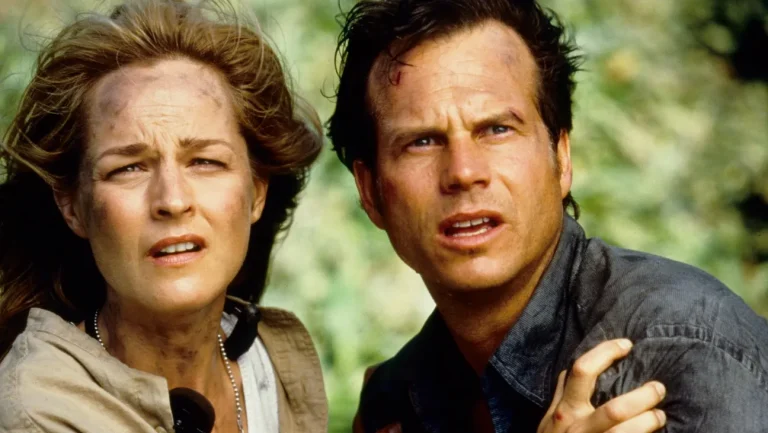
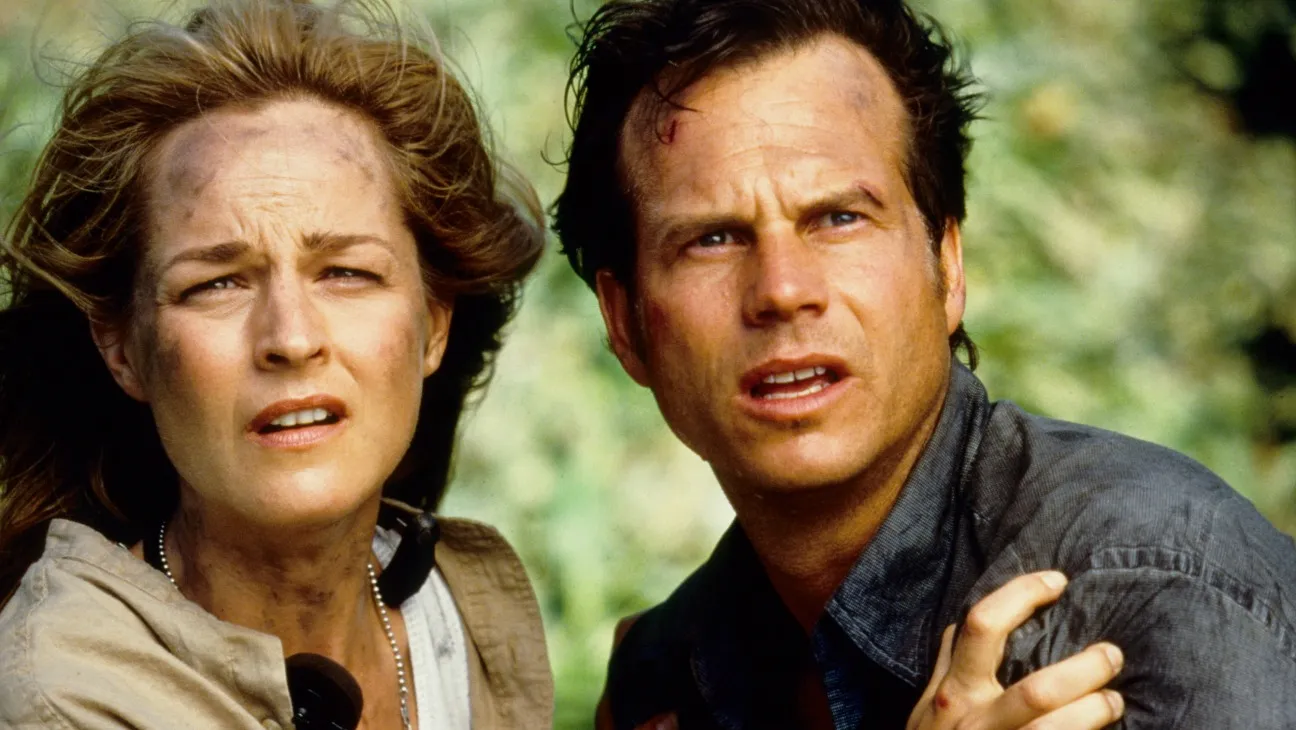
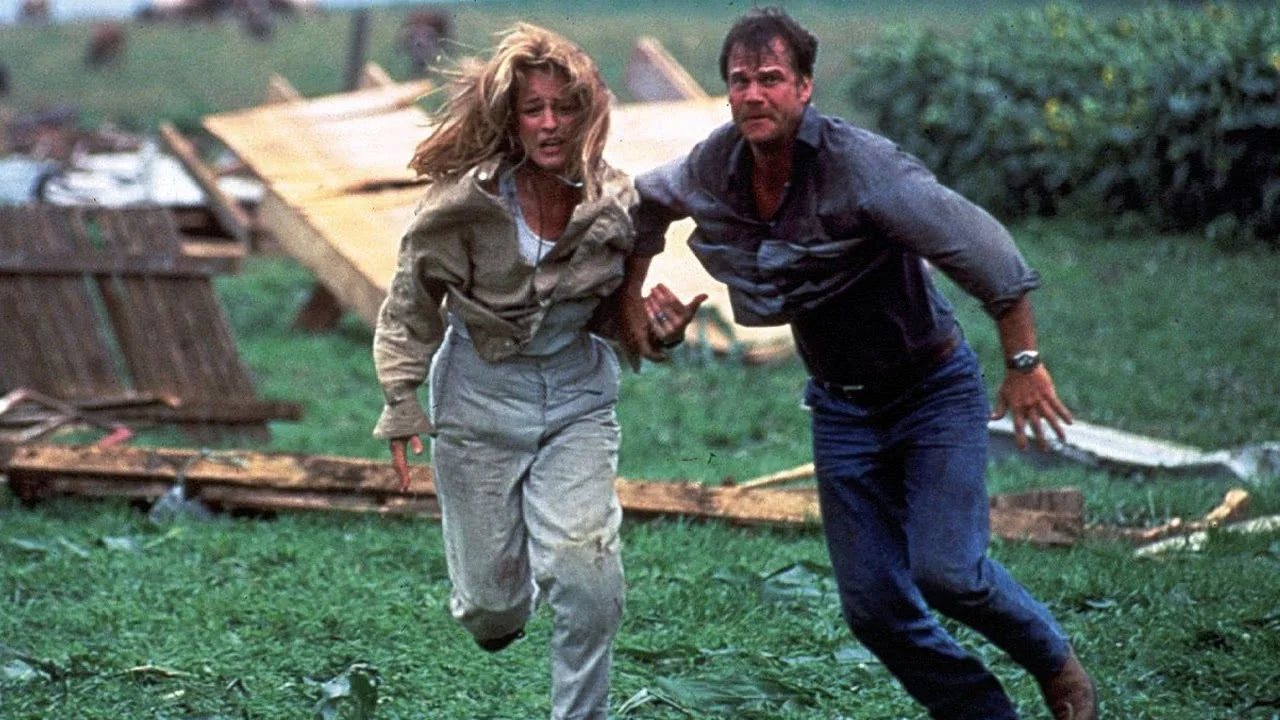
Director: Jan de Bont Writer:Michael Crichton, Anne-Marie Martin Stars: Helen Hunt, Bill Paxton, Jami Gertz
Synopsis: Two storm chasers on the brink of divorce must work together to create an advanced weather alert system by putting themselves in the cross-hairs of extremely violent tornadoes.
Few blockbusters capture the raw thrill of nature unleashed quite like Twister. Released in 1996 and directed by Jan de Bont, it stormed the global box office, becoming one of the highest-grossing films of its year and a defining spectacle of ’90s cinema. Audiences were drawn not just to its groundbreaking visual effects, revolutionary at the time, but to its pulse-pounding premise: storm chasers risking everything to study the most violent weather on Earth. Decades later, its legacy still spins strong, with fans revisiting it for both nostalgia and genuine cinematic adrenaline. The recent release of Twisters has only reignited interest, reminding us how enduring the original’s formula really is.
Watching Twister again, I’m always in awe of how well it balances spectacle with character. At its center are Helen Hunt and Bill Paxton, whose chemistry grounds the chaos. This couple are on the brink of divorce, but before separating they team up to develop and test a tornado alert system. In order to do this, they have to get into the eye of the storm. Hunt’s Jo is driven, obsessively so, by a childhood trauma that fuels her pursuit of understanding tornadoes. Paxton’s Bill, meanwhile, is caught between past and future, torn from a quieter life back into the storm. Their dynamic gives the film emotional stakes that elevate it beyond mere disaster spectacle. You’ll be invested in their journey and reignighting love story, even as cows flew past the windshield and Bill’s new fiancé is trying to enjoy the ride.
Of course, the real star of Twister is the tornado itself, or rather, the succession of increasingly terrifying twisters. Even by today’s CGI-heavy standards, there’s a tactile, grounded quality to these sequences that still holds up. It’s an exhilarating ride and it reminded me just how effective practical effects and smart filmmaking can be when paired with cutting-edge technology.
Disaster movies have always had a peculiar grip on audiences, and Twister is a prime example of why. There’s something universally compelling about watching humanity confront forces far beyond its control. Films like Jurassic Park, Independence Day, and The Day After Tomorrow tap into that same fascination, blending spectacle with survival. They allow us to experience fear and awe from a safe distance, to imagine how we might react under extreme circumstances. At their best, these films also explore resilience, ingenuity, and the fragile balance between humanity and nature. Twister excels because it invites us into the pursuit of understanding it. In this we feel like we’re learning and growing as audiences.
Another reason the film feels timeless is because of its sense of fun. Despite the danger, there’s a camaraderie among the storm-chasing team that feels infectious. Characters bicker, joke, and bond in ways that make the group dynamic believable and engaging. Philip Seymour Hoffman as Dustin is a great example of a fun secondary character you’re rooting for. Bill’s fiancé brings a realistic level to the film. She does not enjoy chasing the tornadoes and grounds the film by reminding audiences, and the characters, that this is a dangerous pursuit. It’s this human element that keeps the film from becoming cold or cheesy. There’s also the emotional rollercoaster of Jo’s aunt, whose house is completely destroyed and it’s a mission to rescue her and her dog. This is what is the core of the film – trying to help protect and save those you love by understanding and controlling tornadoes.
Twister is a film with heart, humor, and a genuine sense of adventure. The performances are strong, the pacing is relentless, and the set pieces still deliver a rush that few modern blockbusters manage to replicate. While Twisters may bring updated visuals and a new generation of storm chasers (and Hollywood hunks like Glenn Powell), the original remains a benchmark for the genre. In the end, Twister thrives because it captures something timeless: our fascination with the uncontrollable and our desire to face it head-on. Watching it again, I didn’t just feel nostalgia, I felt the same excitement, the same tension, and the same awe. And honestly, that’s the kind of cinematic storm worth chasing. Forty years since its first release, it’s still an exciting ride. If you haven’t watched it yet, make sure you do! Twisters is the disaster film; thrilling, emotional and fun.
Directors: James Cameron, Billie Eilish Writer:Tarik Mikou, Billie Eilish Stars: Billie Eilish, Finneas O’Connell, Andrew Marshall
Synopsis: An accompanying 3D concert film, documenting the Manchester shows and co-directed by Eilish and James Cameron.
The first time I was introduced to Billie Eilish was through a college class. As part of an exercise in a filmmaking seminar, students had to recreate a scene from a movie, show, or music video of their choosing. The list ranged from movies like Die Hard and Dark City to The Royal Tenenbaums and The Godfather. In this specific class, I was working with a group whose director wanted to recreate a section from the music video of “bury a friend”, a song that had just been released as part of the album “WHEN WE ALL FALL ASLEEP, WHERE DO WE GO?” The latter was not information I knew at the time, but we worked on creating the set, getting the lighting and the framing of the shot right to pull it off. Every class was four hours, so by the end, we were done and had a recreation on file. At the time, the focus was more on making the recreation of the snippet work, so I wasn’t able to fully get a grasp on Eilish as an artist. Later, I would listen to the album and become more interested in her future ways.
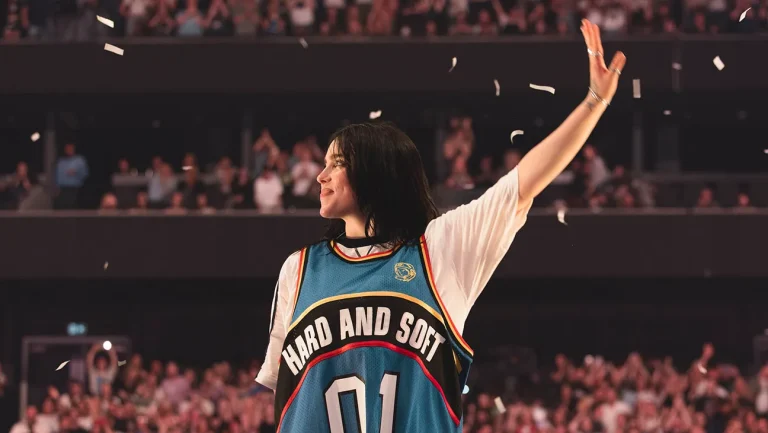
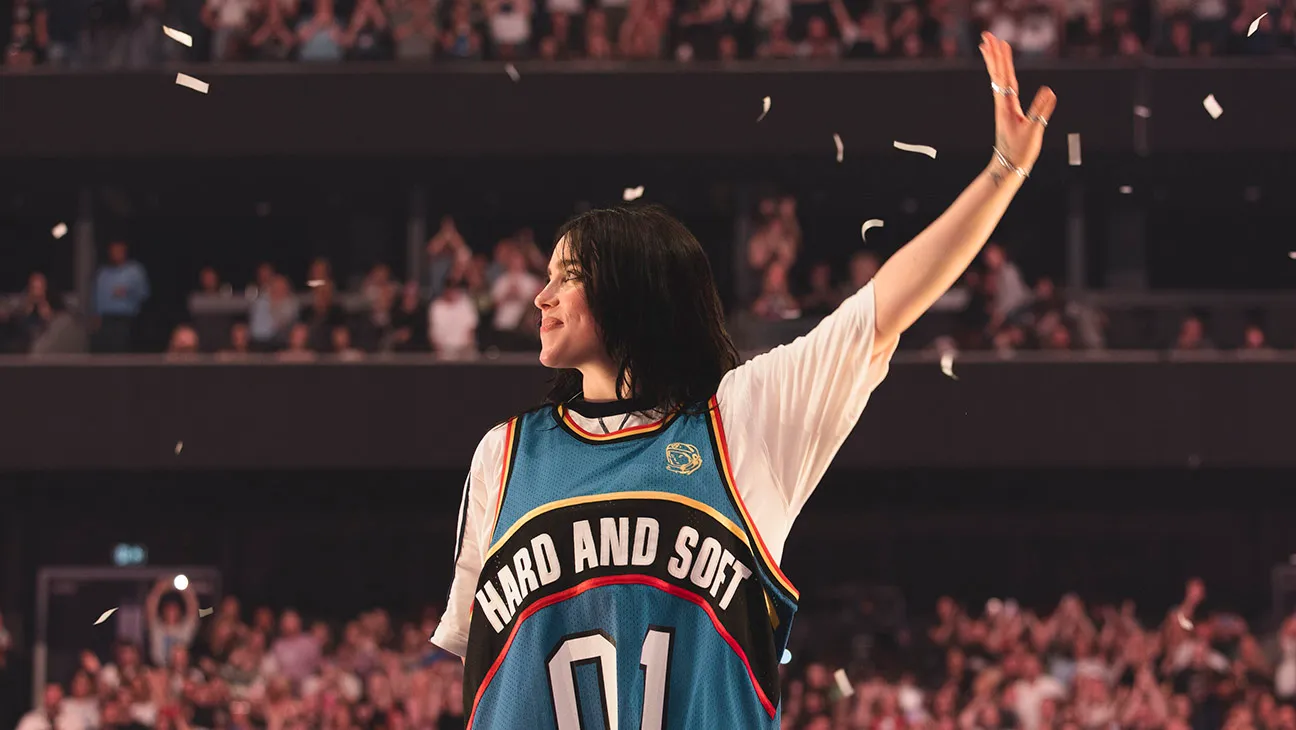
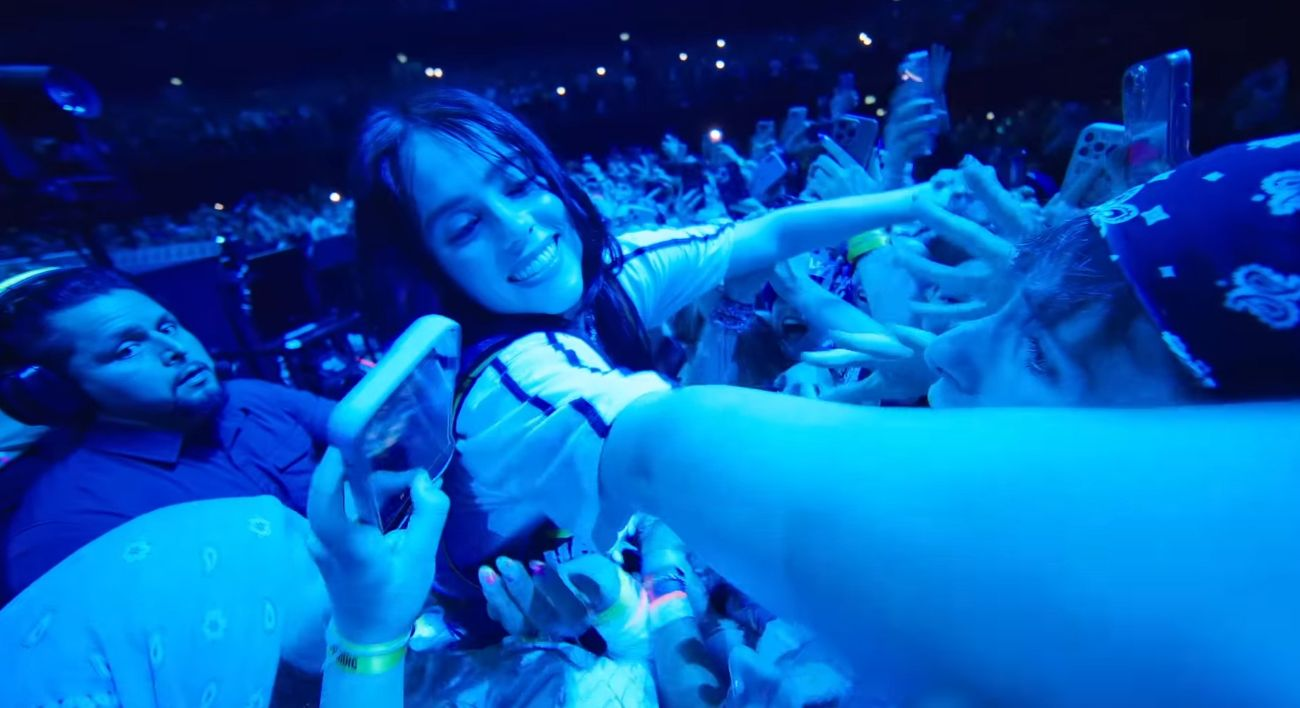
That was 2018. Now in 2026, Billie Eilish is a multi-Grammy winning and two-time Oscar winning singer, with two more excellent albums, “Happier Than Ever” and “Hit Me Hard and Soft,” under her belt, and it is that third album that leads to this documentary, which showcases the final concert of the “Hit Me Hard and Soft Tour,” taking place in Manchester. To pull off this movie, Eilish worked with James Cameron–yes, that one–to film and present the performance in 3D, and create an immersive experience that allows audiences to feel as if they are at the venue themselves. Throughout its 1 hour and 52 minute runtime, audiences are treated to the concert as well as a majority of the setlist that was performed, which contains songs from all her albums as well as singles like her Oscar-winning song “What Was I Made For?.” Sprinkled in between some of the performances, however, are moments behind-the-scenes that provide some insight into Billie Eilish’s process and her life, as well as her connection with the fans who follow her work.
If anyone was curious to catch a glimpse of the effect that Billie Eilish has had on millions around the world, one need only come and watch this movie. Hit Me Hard and Soft: The Tour is an incredible experience to behold. For fans of her music and her artistry, this is paradise. From a booming, visually flashy opening with a raving crowd around the stage, to a series of kinetic and energetic performances that will have everyone in the know singing and dancing to the beats, Eilish and Cameron direct this wonderfully, and expertly give even more life to an already turbocharged evening. The production design is simple but extremely effective, giving Eilish all the room to literally run circles around it and interact with the fans watching. The camerawork, with Cameron himself holding the camera and recording it, almost never stays still as it often goes from onstage to down below in one fluid motion, with seconds sometimes between performances where Billie Eilish quickly catches her breath or prepares for the next song. It’s seamlessly crafted, further amplified by the excellent use of 3D, which adds a layer of wonderful depth to the crowds as well as the performances onstage, with even the smallest of details popping out to make it even more immersive. Watch out for a shot where even a hair flip from Billie Eilish gets a 3D effect and pops out of the screen.
Interspersed between the performances are moments that chronicle the prep for the concert and conversations between Eilish and Cameron as they discuss her process, with a 3D camera on Cameron’s shoulder filming everything from her vocal preparations to saying hello to fans around her. These moments, while brief, add enough depth to some of the moments on stage, particularly an extended scene where Billie reads a letter from her brother Finneas, who cannot make it to the show and it would mark the first time she hasn’t performed with her brother…until he does (not a spoiler, it’s in the trailer)! Perhaps the best aspect of Hit Me Hard and Soft: The Tour is it showcases the humanity and personality of Billie Eilish in a manner that makes her far more endearing and a delight to interact with. Another extended segment where Eilish, Cameron, and the concert crew interact with rescue dogs and help provide a moment of peace in the midst of everything. While they may only take up a handful of minutes in the movie’s 1 hour and 53-minute runtime, they help in humanizing and bringing her down to Earth even more, and helps
Where Hit Me Hard and Soft: The Tour (Live in 3D) also excels is in its appreciation for Billie Eilish’s fanbase. In perhaps the most affecting part of the movie, the crew speaks with fans who are outside the concert venue camping out and waiting for the show. As the interviewed people talk passionately about why they love her and how Billie’s music has been such an integral part of their lives since they first heard it, the film’s emotional heart comes to the surface, and creates a resonant experience with audiences. At the screening which I attended, fans around were actively sobbing and sniffling to the words, and through those moments, it is very evident just how much of an impact the lyrics to her songs have had on people, and why they showed up to the theater. 400 people, all dressed in concert attire and even like Billie Eilish herself. According to reports, Eilish herself told Cameron that she wanted the movie to include those moments, and it’s to the movie’s benefit that they made it into the final cut.
A great concert movie is defined by the concert itself, yes, but also the filmmaking on display. Both of those aspects are aces here, and by extension, this ultimately makes for a great movie, too. While Billie Eilish and James Cameron are a combination that doesn’t immediately come to mind, one couldn’t imagine a more well-suited duo for this. By the end of Hit Me Hard and Soft: The Tour (Live in 3D), fans of Billie Eilish will no doubt have had one of the finest experiences of their lives, from singing and dancing along to the music–at one point, 200 of the 400 people at my screening congregated at the front to dance along and have fun, with the 3D effects almost ‘spilling’ out into them and expanding the image–to being moved by the movie’s more sweeping moments like those fan interactions where Billie says hello to fans camping down below Videotron Center or the interviews outside the concert venue. For those who are new to her music and her persona, the movie may even help bring more fans to the foray, and appreciate her work even more. One thing is for sure: audiences across the board will likely be ‘happier than ever’ by the end.
Synopsis:Egypt’s most adored actor, George Fahmy, falls into disgrace with the authorities overnight. On the verge of losing everything, George is forced to accept an offer he can’t refuse.
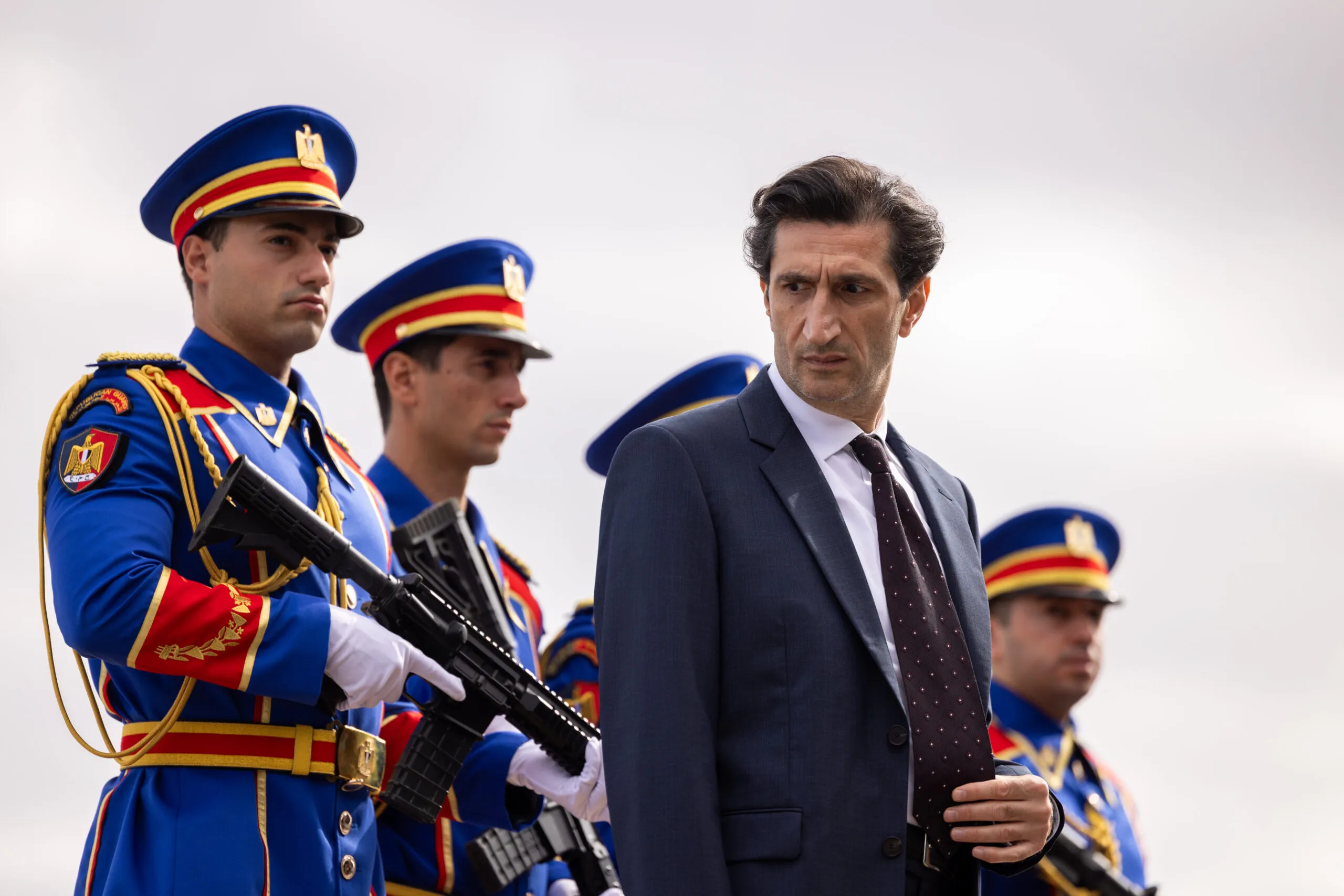
With Eagles of the Republic, writer/director Tarik Saleh concludes a trilogy of Cairo-set films, each starring Fares Fares in a key leading role. Whether in the clinical The Nile Hilton Incident or the gripping Cairo Conspiracy (AKA Boy from Heaven, which won the Best Screenplay award at the 2022 Cannes Film Festival), Saleh’s Cairo-centric trilogy has emerged itself as an important corpus of dissident cinema, unafraid to heavily criticize the institutions of power that are currently corrupting Egypt’s democracy, under the authoritarian reign of its current President, Abdel Fattah el-Sisi.
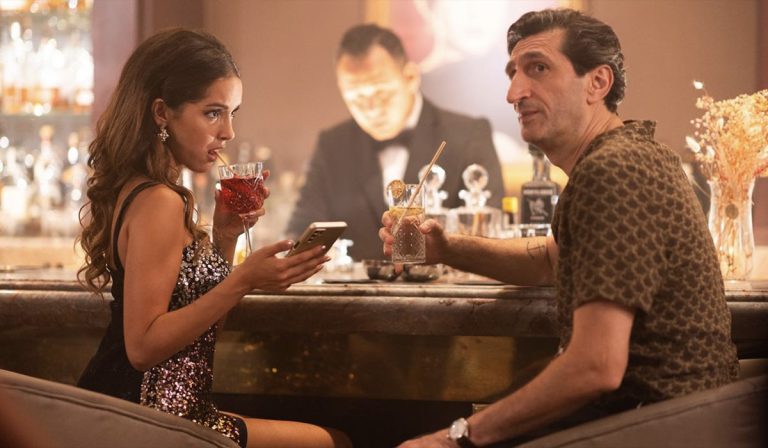
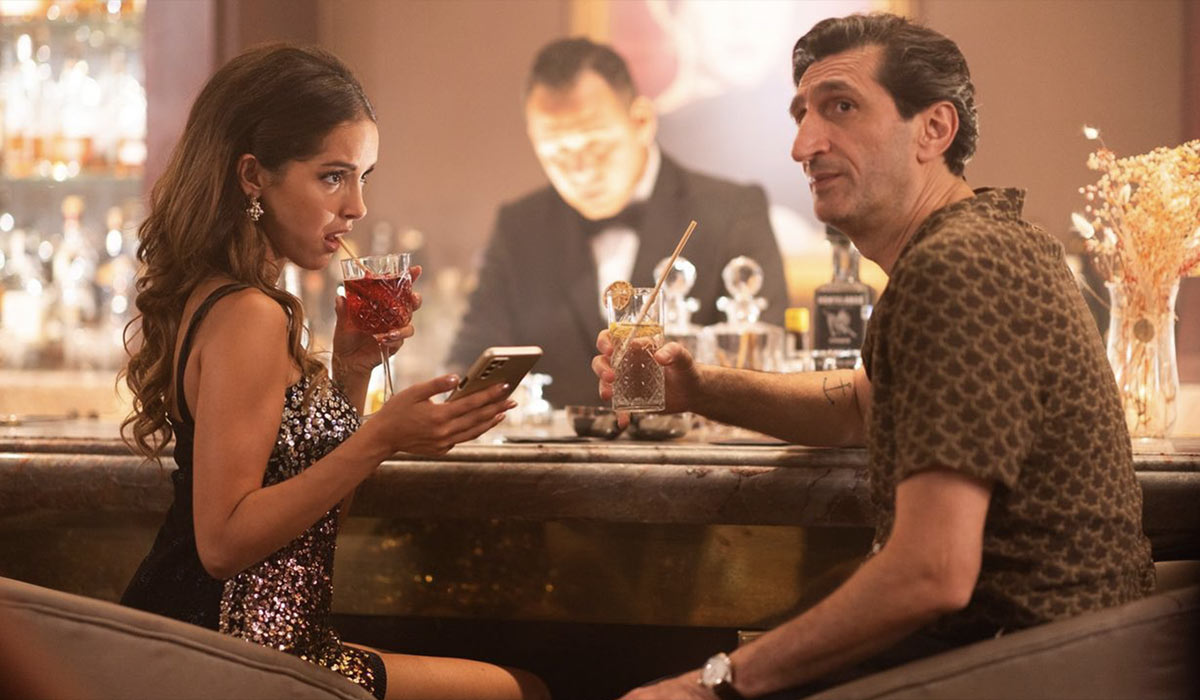
In Eagles of the Republic, Saleh criticizes Abdel’s regime head-on, by making its central protagonist, actor George Fahmy (Fares Fares), a mouthpiece of government propaganda. Fahmy is a well-known, highly celebrated figure within Egyptian cinema, especially in the genre pictures that has made him a household name. However, almost overnight, Fahmy’s comments on the current government’s tyrannical reign forces him in a precarious position. Some of his colleagues, including actress Rula Haddad (Cherien Dabis), are forced to speak out against him, which many of them refuse of doing so.
As the government threatens his son and wife’s safety, George has no choice but to reluctantly accept starring in a propaganda film designed to portray Egypt’s president as a heroic figure and portray the overthrow of Mohamed Morsi’s government in a positive light. More than his previous two films, Saleh discusses the subject of cinematic censorship and government propaganda, and showcases exactly how well-known actors eventually get roped in to star in these projects. To put it simply, none of them have a choice in the matter. As George’s agent Fawzy (Ahmed Khairy) says to him, “Nobody says no to them.”
Unfortunately, Eagles of the Republic is also Saleh’s weakest entry in his trilogy, and never fully commits to anything it presents. It’s a real shame, too, because the cast is undoubtedly his most stacked. Apart from the main draw of seeing Fares collaborate with Saleh again, the filmmaker has garnered even more significant talent than his previous two installments, including Lyna Khoudri, whose performances in Martin Bourboulon’s The Three Musketeers diptych has garnered her significant acclaim, and Amr Waked, who is always an effective screen presence.
Sadly, and apart from Fares, every single supporting character are pitifully underused and rarely, if ever, have any shred of development. The treatment of female characters, especially, is appalling. Most, if not ever women in this picture are frequently objectified and used as pawns for George’s sexual desires, with no agency of their own. They’re also the only characters whom the filmmaker disposes of, in particularly brutal ways. It very much leaves a sour taste in the mouth, because the only person who is fully developed and feels somewhat three-dimensional is the central, sexually impotent, male at the heart of the movie.
I wouldn’t mention his carnal issues if Saleh didn’t make it such a big deal, especially when George is around women, who are almost always sexualized. Khoudri and Dabis never feel like fully-fledged characters, but always in service of George no matter what occurs to them. This was also the case in The Nile Hilton Incident, but it didn’t feel as egregious as it does in this entry. These actors deserve so much better, because they’ve proven themselves as capable to portray characters with real agency and feeling, and to see them do the exact opposite is baffling.
Yet, this is one misstep among many in a film that seems cogent in discussing themes of gubernatorial censorship and oppression in a fascistic rule, but doesn’t know where to direct his narrative and thematic threads. Throughout the movie’s slow 128-minute runtime, there’s nary a moment where we recognize what the film clearly wants to state, because it goes in a thousand different directions. Unlike Saleh’s Cairo Conspiracy, which discussed the subject of political espionage with the glacial, but thrilling pace of a John le Carré novel, Eagles of the Republic wants to be about five different things at once.
That wouldn’t be a problem if Saleh knew how to operate between the genres he is undoubtedly wanting to riff on, while simultaneously acting as a movie about movies, but since most of the characters don’t get their time in the spotlight, and the messaging eventually becomes muddled, the emotional impact of the picture is minimal. Fares is, obviously, without reproach. His character is in a perpetual conflict between himself and his own beliefs once he’s forced doing something he doesn’t want to. That internal push-pull is genuinely thrilling, even if Saleh falls short at giving his supporting characters something, anything, of substance.
That’s why when the movie eventually reaches an explosive denouement, with an assassination attempt that recalls the brutal action of Saleh’s debut in Hollywood with The Contractor, the effect such a sequence leaves is minimal. We’ve spent two hours with the same egotistical protagonist whose conflicts are intriguing enough, but lead to nowhere, just like none of the supporting characters possess any ounce of individuality beyond their use as pawns for George. It’s a frustrating conclusion to an otherwise compelling trilogy that positioned Saleh as a major voice to watch within dissident cinema. He still says, but perhaps not in the same way as when Cairo Conspiracy confirmed his greatness. Here’s hoping his next movie will be better than whatever the hell Eagles of the Republic ended up being…
Directors: Gene Gallerano and William Pisciotta Writers:Gene Gallerano and William Pisciotta Stars: Brittany Allen, Jim Cummings, Corbin Bernsen
Synopsis:Merriell Sunday Sr. and Hollis Bannister vanished in Alaska. Ellie and Merriell Jr. mount a search, but an ancient threat stalks their expedition into the wilderness, hunting them as they seek the truth behind the disappearances.
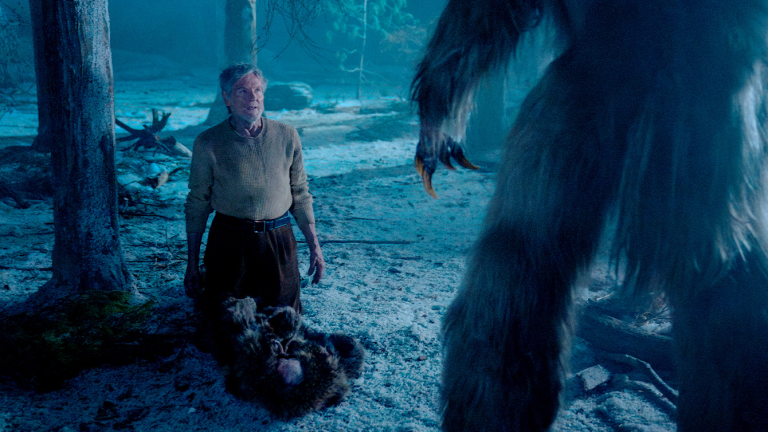
The Yeti begins on a silly note. Before we are introduced to our main characters, we see a group gathering at a remote cabin in Alaska as they play games and drink. The scene cuts to a short while later, showing a man on a ladder trying to fix something, and a woman approaches to hit on him. Then a mysterious noise thuds from the rooftop, and he is pulled by a fierce creature, followed by the woman being absurdly sprayed with blood as she screams. Given how this sounds, one might expect The Yeti not to take itself too seriously. But one would be incorrect.
The movie has all the window dressing of a silly B-grade horror movie. A string of characters with exaggerated personalities and characteristics. Even the marketing title font has the personality of a cheeseball Ed Wood production. However, for a movie with a Yeti gruesomely murdering a search crew in Alaska, the film has a blistering cold identity crisis.
Written and directed by Gene Gallerano and William Pisciotta, the film centers on Ellie Bannister (Brittany Allen), the daughter of a famous adventurer, Hollis Bannister (William Sadler), who has been recruited to lead a rescue expedition in Alaska. The search is for a missing oil tycoon and businessman, Merriell Sunday Sr. (Corbin Bernsen), with his son, Merriell Sunday Jr. (Eric Nelsen), assembling the world’s grittiest team for the expedition. At first, the film leans into silliness, showing black-and-white footage of each team member as a fast-talking 1940s-style announcer narrates. The voice introduces characters like “Dynamite Daniel Hewitt (Gene Gallerano)” and adds, “because sometimes the only way through is with a fistful of powder.” Other key players on the expedition include Margaret Lamb (Christina Bennett Lind), Leander Coates (Linc Hand), a soldier with a partial prosthetic face; and Booker Marchmont (Jim Cummings), a radio specialist who witnessed the bombing of Japan.
From the outset, it’s hard to decipher whether the film is intentionally rushed or if large sections of the plot were removed. In our first scene with Ellie, she comes across as the reluctant hero. Ellie refuses to take part in the expedition, whether or not she might find her father. And to seal her refusal, she hands the recruiter a compass and says, “You might need this.” Then, in an abrupt case of whiplash, we cut to the next scene, where Ellie has shown up at the press gathering for the expedition and reclaimed the compass. Even more disorienting, the scene that follows throws viewers straight into the Alaskan wilderness, where the party already seems to be in conflict for unclear reasons. Tensions are high, and a few have already turned on Ellie as the navigator. It’s implied that they have been traveling for a few days, and Dyamite Dan keeps referring to Ellie as the nickname “slow walk.” The execution makes it feel as if an entire scene (or scenes) were removed, leaving the viewer confused about why there is hostility towards Ellie.
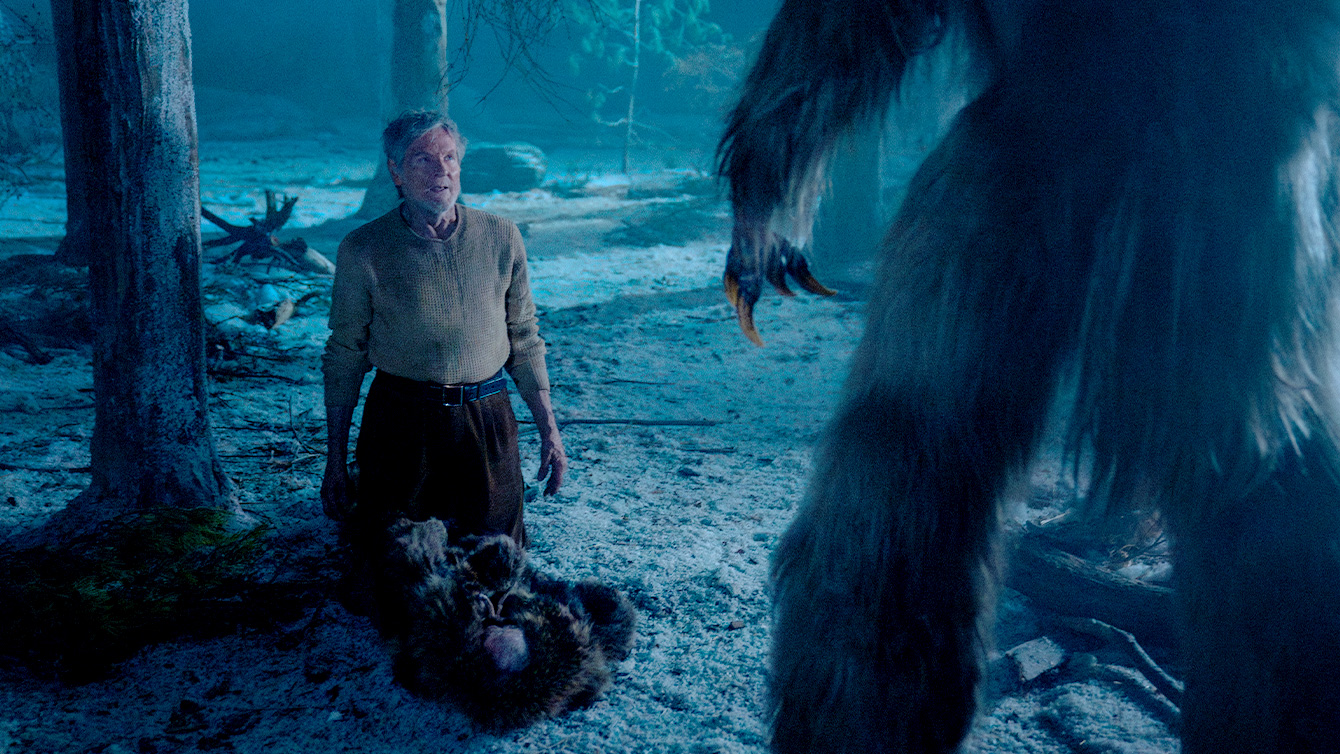
The practical effects done by Ali Gordon and Tate Steinseik are impressive. The Yeti looks as nasty and real as some of Rick Baker’s early work, especially when the monster has to kill one of the film’s vast array of one-dimensional characters. It’s one of the few things the film gets right. Unfortunately, none of the sequences in The Yeti have any sense of stakes or suspense. Due to the rushed setup, we hardly have an opportunity to understand the characters. In Kurt Vonnegut’s rules for writing, he says, “every character should want something, even if it’s a glass of water.” Beyond the desire for the plot to move forward, I could not begin to explain what anyone wants on a deeper level in this movie, except maybe Jim Cummings as Booker, who speaks about the unspeakable brightness of the Hiroshima bomb. Booker never says exactly what he wants, but it’s the way Cummings handles the character that shows he’s done his homework. His character and Ellie share one moment of humanity in the film before it devolves into a strange, uninspired mess of monster attacks and overly sluggish, melodramatic scenes.
The film also features one of the worst character deaths ever written for any film. The Yeti begins walking around the cabin, attempting to kill the characters inside. One character shouts, “Back away from the window.” A few seconds later, the same character unwittingly stands directly in front of the window, perfectly positioned for the creature to skewer him like a shish kebab. A scene like this would be perfect as a spoof or a comedy. But the scene that follows involves a tender exchange between Ellie and Booker, signaling a confusing tonal shift for the viewer. One moment, we might feel the need to laugh at the absurdity of a character’s stupidity, and the next, we are expected to mourn Ellie’s struggle as a navigator in the shadow of her father’s legacy.
By the time The Yeti reaches its climax, it offers an interesting commentary on the theme of man vs. nature. The reasons the creature is killing are recontextualized, giving viewers a chance to reconsider as the film takes a final lap. The ideas are not terrible; they simply deserve a far better film to support them. The film’s photography is not half bad either. Cinematographer Joel Froome gives segments of the movie a soft glow, a look commonly seen in pictures from the ’40s and ’50s. There is a version of this film that might’ve actually looked decent in black-and-white. Unfortunately, The Yeti fails to function as either a campy B-movie or a serious horror flick; by trying to be both, it succeeds at neither. The characters are one-dimensional, extremely unintelligent, and lack depth. The monster looks great, but it’s not scary whatsoever because there’s no one to root for. By the end, you’re mostly left cold and aggravated, like The Yeti himself.
On this episode, JD is joined by ISF writer Shaurya Chawla to discuss Mortal Kombat II! Much like its predecessor, it’s an extremely messy movie by every traditional standard, but it also knows what it is and fully leans into being a Mortal Kombat movie. And what’s wrong with that?
Review:Mortal Kombat II
Director: Simon McQuoid Writers: Jeremy Slater Stars: Karl Urban, Adeline Rudolph, Jessica McNamee
Director: Aleshea Harris Writer: Aleshea Harris Stars: Kara Young, Mallori Davis, Sterling K. Brown
Synopsis: Two sisters embark on an epic quest for revenge; confronting a charged family history that will push them to extraordinary lengths.
I am not going to sit here and tell you Aleshea Harris’ Is God Is is a perfect film. The film has a lot on its mind thematically, emotionally, and visually. But I will tell you one thing for sure: nothing about this film is boring or uninteresting. In fact, it is never anything other than completely captivating.
Everything Harris tries doesn’t work, but she delivers it with such energy and verve, it almost doesn’t matter. What that occurs on screen is awesome to watch, which gives the audience plenty of rope to forgive some of Harris’ shortcomings as a new director. Filled to the brim with lush, complex characters, an atmosphere of mystery, and an ensemble of exceptionally cast and performed roles, Harris proves herself to be one of the most exciting young directorial voices to emerge.
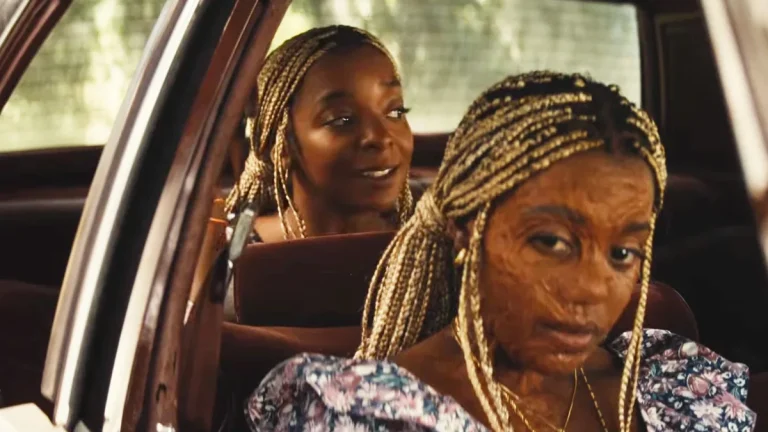
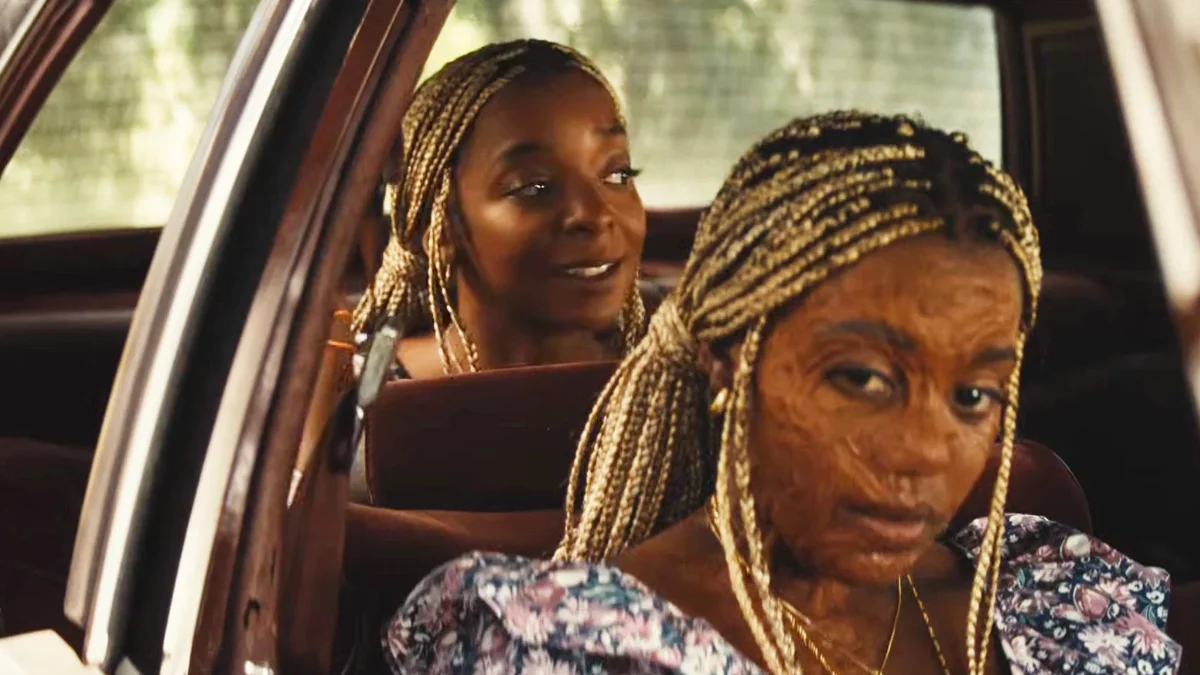
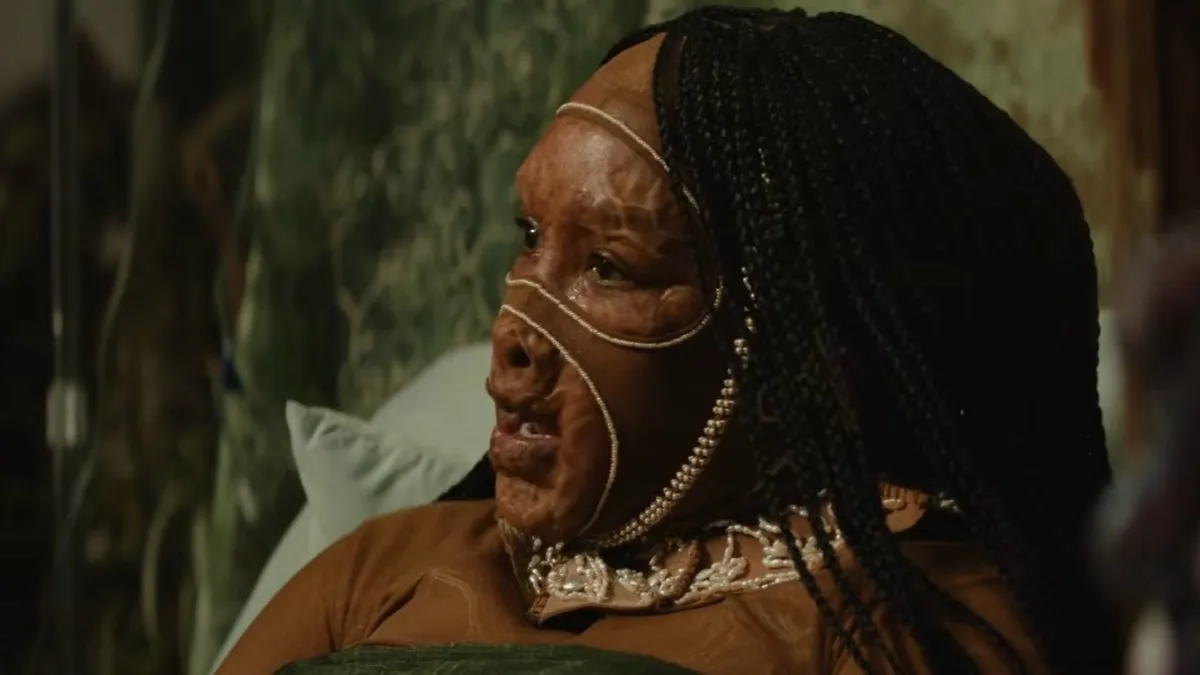
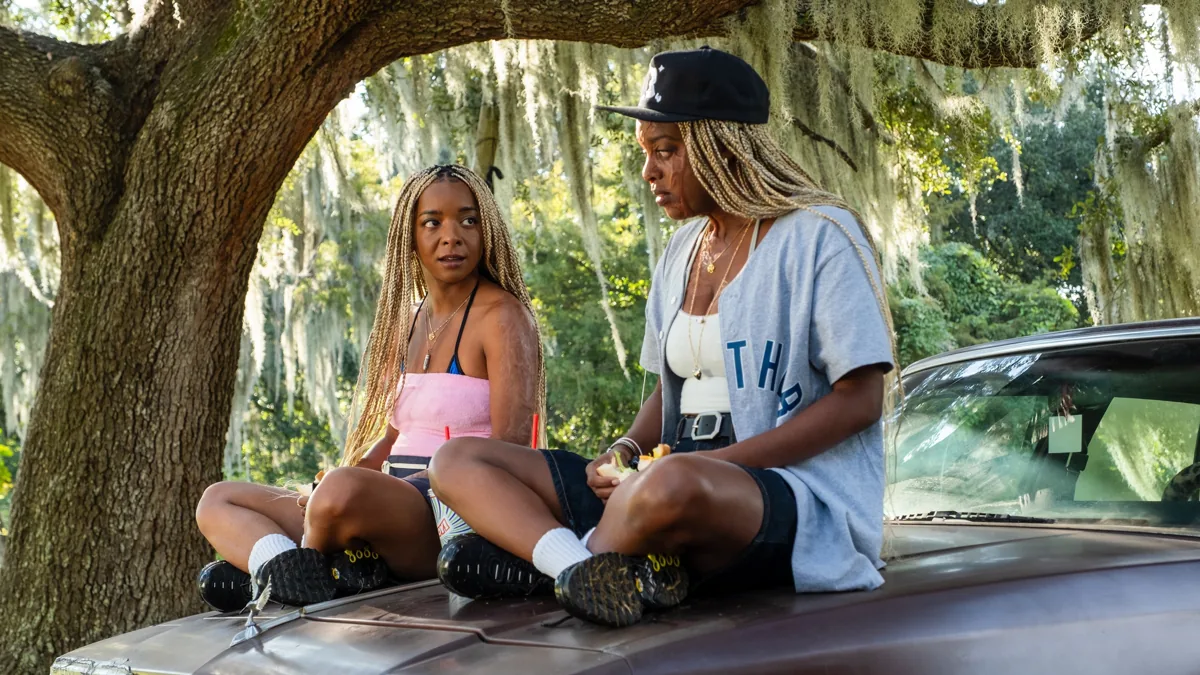
Based on Harris’ own play, Kara Young and Mallori Johnson star as twin sisters Racine and Anaia. Both sisters have significant burn scars, causing sideways stares from strangers, which draw Racine’s ire. Able to communicate telepathically, the twins receive word from their dying mother Ruby (Vivica A. Fox), also named God, to meet with her before her death. God instructs the girls to find and kill their father (Sterling K. Brown), who was the cause of the group’s burns.
Racine becomes embattled by her task, ready to find her father and exact revenge, while Anaia questions her mother’s charge as well as her sister’s potential as a murderer. The twins seek out preacher Divine (Erika Alexander), another of their father’s wives, tongue-less lawyer Chuck (Mykelti Williamson), and their father’s new wife (Janelle Monae). The twins will find out about themselves and their family as they get closer to their goal from God.
Yes, there are some of the shortcomings you can expect with a first-time filmmaker. Despite the film having a propulsive rhythm, the narrative takes a number of tonal detours that break the flow. On top of that, the character’s shifting motivations might add to their complexity, but it also muddies their characterization. When the film begins to wind down, you are sitting there enjoying what you are watching, but you don’t see much conclusion on the horizon. When the ending gets there, it’s so abrupt, you feel like a rug has been pulled. It’s not wrong, it’s just abrasive. That being said, the film doesn’t attempt to shy away from the more seedy elements.
Luckily, those are mostly small problems. Young and Johnson are dynamic performers with such a clear understanding of the characters, you just want to live in their atmosphere for that much longer. Racine and Anaia are opposite personalities, but live in that world of familial comfort. They know each other’s moves and sensibilities, but have different views in approaching life. Their differences inevitably lead to conflict, but their history and love for each other bring them back together.
Young, in particular, excels in anger. Fiercely protective of her sister and the world’s view of her scars, her first instinct is to lash out in response to adversity. Young is able to project this justifiable anger without entering into being a psychopath. Johnson goes in the opposite direction, turning everything she feels inward. Her sensitivity feels out of place in such a world of violence and chaos, but her goodness (and some would say naivety) is a welcome breath of optimism, even when the world doesn’t need it. The pair are beyond exceptional in their very different roles.
For his part, Brown is mostly seen below the nose, only revealing his full face in the last 20 minutes of the film. His inherent likeability and on-screen persona leads the audience into a false sense of security, but he is an exceptional foil to the girl’s quest. Fox, covered in layers of scar prosthetics, commands her limited scenes with gravity and purpose. Monae, Alexander, and Williamson all have their own standouts in separate vignettes, but they all do fantastic work. The entire ensemble is stellar.
It might not be perfect, but Is God Is entertains with a dynamite cast, and a pair of exceptional performances from Kara Young and Mallori Johnson. Aleshea Harris will be a director to keep an eye on for years to come.
On this episode of Chasing the Gold, Shadan is joined by ISF writer Josh Martin to discuss the new rules from The Academy and how we expect them to impact the awards race later this year! The acting categories might be the most noteworthy, but the safeguards around AI are also quite interesting.
Check out this week’s show and let us know what you think in the comment section. Thanks for listening and for supporting the InSession Film Podcast!
Director: Jing Ai Ng Writer: Jing Ai Ng Stars: Kelly Marie Tran, Andie Ju, Brandon Soo Hoo
Synopsis: Siblings Raymond and Coco Zhang run a forgery ring. Coerced by a disgraced millionaire, they create counterfeit masterpieces for his family’s collection. FBI agent Emily Lee investigates a new string of art forgeries.
Since I was a young kid, I’ve been told that the American Dream is something I can obtain with hard work and ingenuity. What the people who told me that didn’t mention was that I’d also have to deal with the roadblocks of classism and racism from companies and institutions that are supposed to be a helping hand on that journey. The characters in Jing Ai Ng’s Forge are ambitious and still figuring out their identities. They’re willing to do whatever it takes to climb the social ladder, make real money, and prove to themselves that they can hold their own without relying on anyone outside their inner circle.
Forge tells the story of siblings Coco and Raymond Zhang (Andie Ju and Brandon Soo Hoo), who run a forgery ring that includes everything from classic art reproductions to fake passports and IDs. Coco is the painter — she can replicate any classic work and make it look indistinguishable from the original. Raymond specializes in documents: IDs, passports, anything that requires precision. They have a good thing going until they sell a replicated painting to an unsuspecting art dealer for twenty thousand dollars. The rush from that score is unlike anything they’ve felt before. Soon after, they’re coaxed by disgraced nepo‑baby millionaire Holden Beaumont (Edmund Donovan) into forging his dead grandfather’s art collection. The siblings hesitate, but ultimately decide they need the money. Unfortunately for them, FBI agent Emily Lee (Kelly Marie Tran) has just transferred from New York to Florida. She’s investigating a string of art forgeries — and the siblings’ work is at the top of her list.
The performances from Ju and Soo Hoo are profound and multi‑layered. To their family, they’re hardworking college dropouts trying to find themselves in Florida. In reality, they’re a team of scammers using the skills they developed in college to make serious money. They’re chasing the good old American Dream that so many people pursue. In the end, Coco and Raymond learn that their class status will always be frowned upon by the upper elite — even though those elites are often bigger scam artists and criminals than they’ll ever be. Donovan’s Beaumont is a straight‑nosed, smarmy asshole desperate to make a quick buck. He treats Coco and Raymond like they need him, when in truth, without their help, he’d be in prison for creating fake start‑up companies and scamming donations from a long list of friends.
When the third act arrived, I felt like Emily was going to do everything she could to help Coco and Raymond. She sensed they were being taken advantage of by Holden and pressured into the job. During her recon around Florida, she notices Raymond walking around his old workplace in a brand-new suit and driving a brand‑new car. That moment reminded me of the scene in American Gangster when Richie spots Frank Lucas at a boxing match dressed to the nines — and instantly knows he’s in the drug business. The characters in Forge have the depth and development needed for this story to work. Jing Ai Ng wrote a detailed script that could make even a veteran writer like Gillian Flynn say, “Girl, how did you do that?”
I’ve watched this film multiple times, and each time I find something new to appreciate. There’s so much to discover — from the well‑framed, painterly cinematography by Leo Purman to the revealing and refined costumes by Colleen O’Connell. Ng’s second feature film shows audiences that she continues to wield a mighty pen and the directing skills to go far in the entertainment industry.
Director: Olivia Newman Writers: Olivia Newman, John Whittington, Shelby Van Pelt Stars: Sally Field, Lewis Pullman, Colm Meaney
Synopsis: Through unlikely bonds formed during night shifts at a local aquarium, Tova, an elderly widow, learns of a life-changing discovery that may bring her joy and wonder once again.
Netflix’s adaptation of the bestselling novel Remarkably Bright Creatures is the kind of movie that likely never would have been made if not for the content streaming wars we find ourselves in today. And what I mean by that is a traditional studio would have to devote a remarkable amount of time, money, and creative effort to a project with limited commercial appeal.
There is a need to attract recognizable stars and established filmmakers to turn a hidden gem into something truly special and a genuine crowd-pleaser. Instead, the streaming giant places greater value on simply filling its library with recognizable faces and emotionally accessible storytelling designed to manipulate the audience to the heart’s content.
That’s what you have in Remarkably Bright Creatures. An affable, perfectly fine, yet middle-of-the-road experience that repeatedly wants to hit the genre’s most emotionally egregious zones in hopes of squeezing a few unearned tears from the audience. All of this is done in the hope that audiences will keep their subscriptions for just a few months longer.
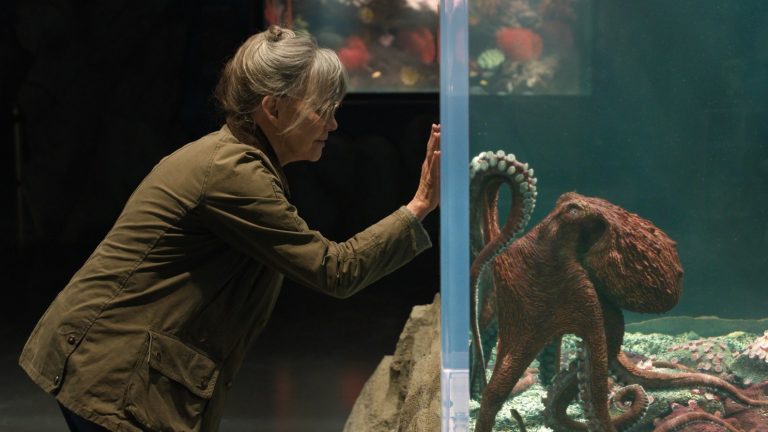
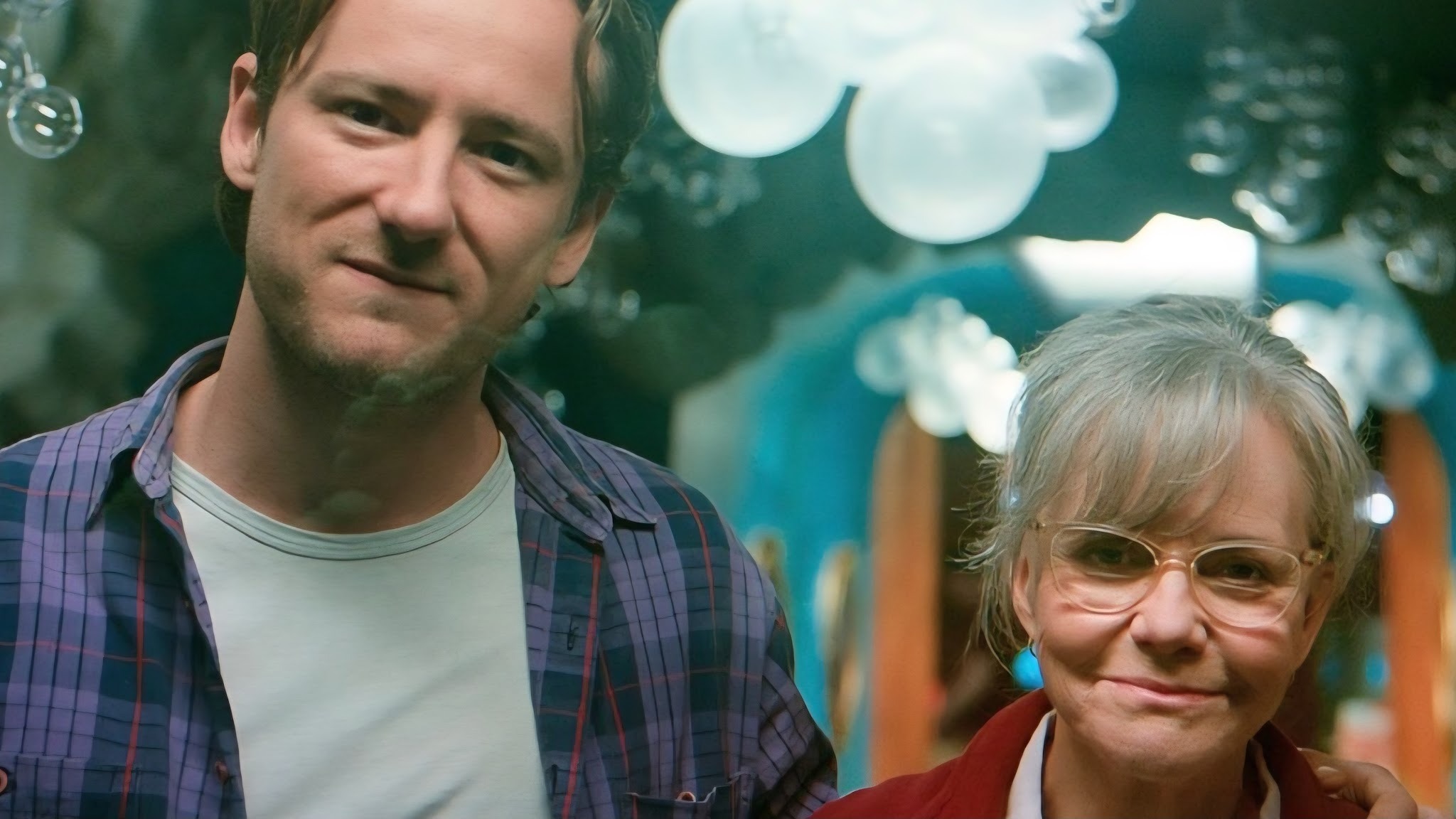
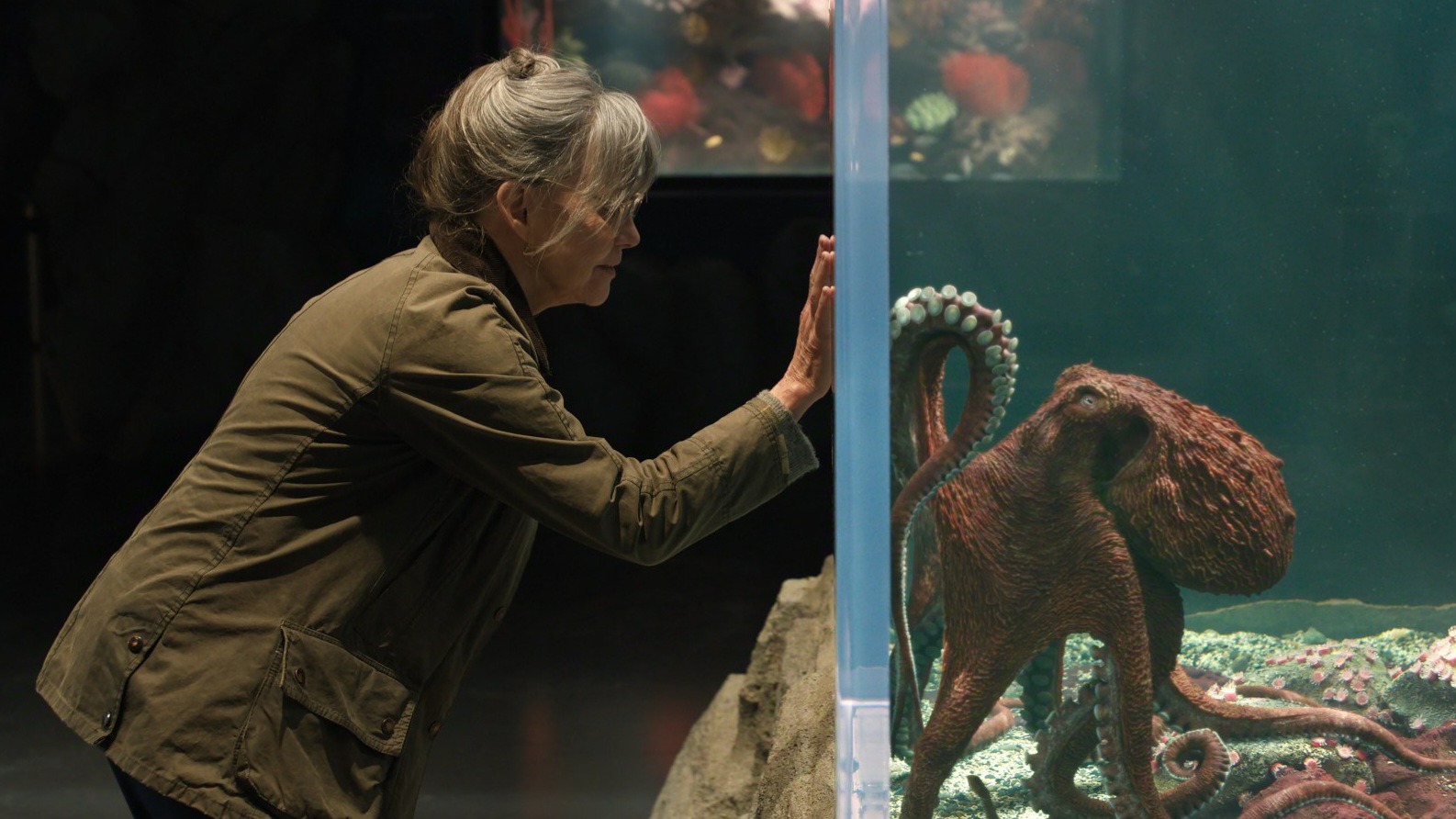
The story follows an older woman with a haunted past, Tova (the great Sally Field), who works as a caretaker at a small-town aquarium in Sowell Bay, a picturesque slice of heaven in Washington. Tova is a widow with no family to speak of besides a close group of friends and an eclectic cast of residents in a town where everyone knows your name.
However, her life is about to be shaken up, for better or worse, when a young man some would call a rambling soul pulls into town in his van, not necessarily down by the river, with a smoking radiator and no money to fix it. That would be Cameron (Top Gun: Maverick’s Lewis Pullman), the lead singer of the band Moth Sausage, which has not played in months.
Cameron is searching for the biological father he has never met, hoping to collect 18 years of child support payments after being raised solely by his now-deceased mother, as Cameron tells Tova while helping her care for her beloved octopus, Marcellus (voiced by Alfred Molina, though Ving Rhames would have been a bit of inspired casting), after Tova suffers a nasty fall.
Of course, being a giant Pacific octopus, Marcellus has three hearts. In what some would call a novel storytelling cliché, he seems to lend two of them to Cameron and Tova as they bond through caring for him and begin mending their own broken souls. The result is something soulful, sometimes funny, but never quite moving enough to keep the audience truly engaged.
That has become the real commodity in the streaming era. The same is true with Remarkably Bright Creatures, as director Olivia Newman (Where the Crawdads Sing), finds the Netflix sweet spot, little artistry or originality, but content designed to keep viewers emotionally engaged as a way to trick you into thinking you’re getting your money’s worth
Sure, the film is pleasant enough. However, it leans heavily into a cliché that has existed since series like Northern Exposure, Picket Fences, and Twin Peaks were all the rage in the 1990s, with their eclectic small-town characters constantly mixing and matching. Yet the script, by Williams and John Whittington, waters down the source material like algorithmically engineered comfort food.
At least a bunch of small-town clichés and mysteries would have been fun, even appreciated. Instead, the trope of what almost feels like an Alec Baldwin-style narration inspired by The Royal Tenenbaums, complete with watered-down whimsy from Alfred Molina, becomes another tired storytelling tool. Frankly, Marcellus offers nothing meaningful to enhance the story.
So much so that you forget he is even there. The anthropomorphic narrative device, which is also an issue with the source material, ultimately renders the creature pointless when it should be anything but. The rest of the script simply goes through the motions, complete with predictable romantic subplots.
Sure, we want Lewis Pullman’s Cameron catching the eye of a local paddleboard owner (Sofia Black-D’Elia) to find love and meaning in his rudderless existence. And yes, we don’t have cold hearts, so let Sally Field’s Tova connect with a charming country store proprietor (Colm Meaney) to find some Autumnal romance.
However, Netflix’s adaptation of Remarkably Bright Creatures has a fatal flaw in that it never knows whether it wants to be a Hallmark Channel original or a quirky, offbeat independent comedy. Like its main characters, the filmmakers seem saddled with source material designed to be easily adapted into middle-of-the-road entertainment.
The result is a streaming experience that is tonally timid and far too creatively cautious for its own good.
You can stream Remarkably Bright Creatures exclusively on Netflix on May 8th!
Synopsis:Erin and Charlie escape to the desert to navigate an unexpected and challenging new phase of their relationship.
Grief, of all types, walks hand-in-hand with change. That change is usually irrevocable and forces us into places that we would never go willingly. Whether that grief is the upcoming loss of a romantic relationship, a friend leaving our side, or the death of someone close to us, the change has a similar weight. We feel a very specific lack, a quiet that discomfits and leaves us wandering from room to room hoping for the familiar noise. And when that relationship is particularly intimate, it becomes even more difficult to process because, frankly, no one else can possibly understand the exact connection that you shared.
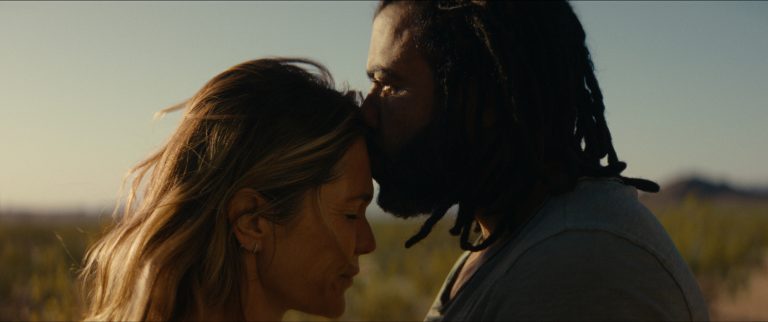
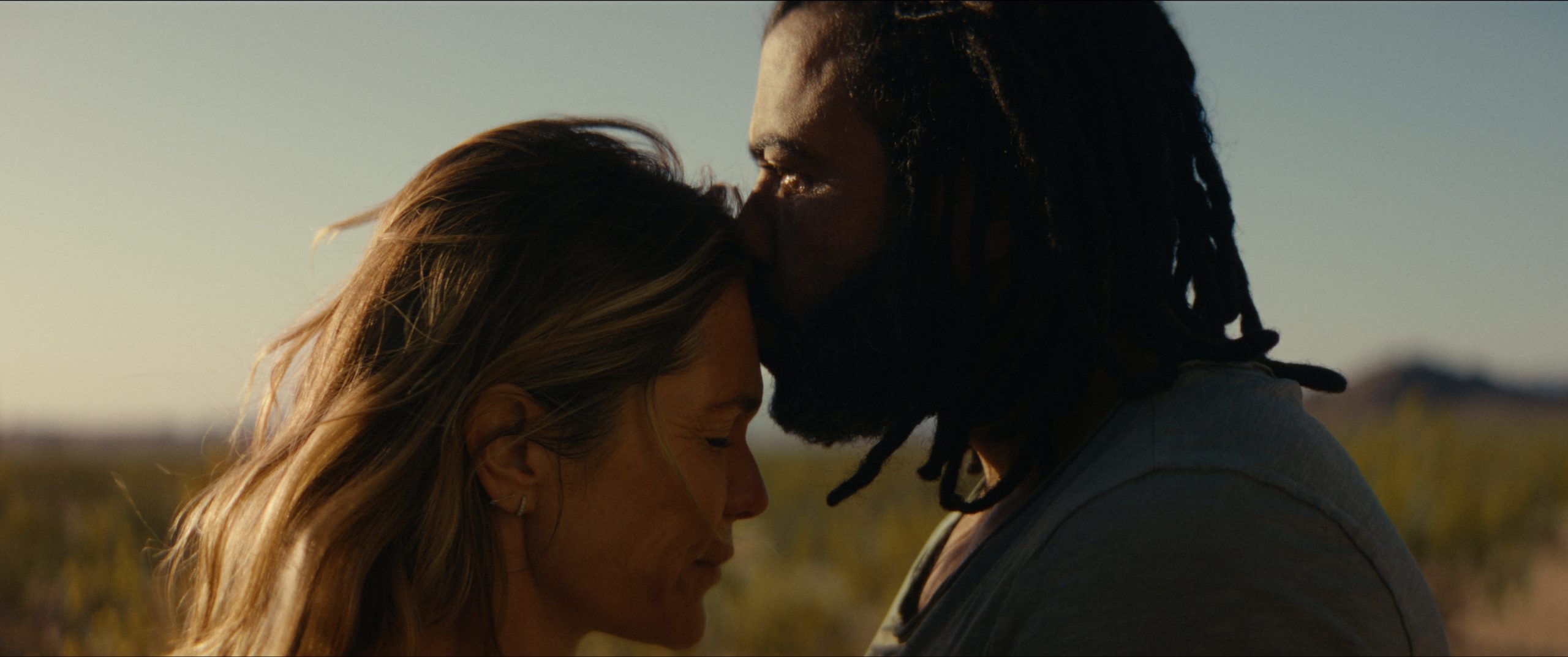
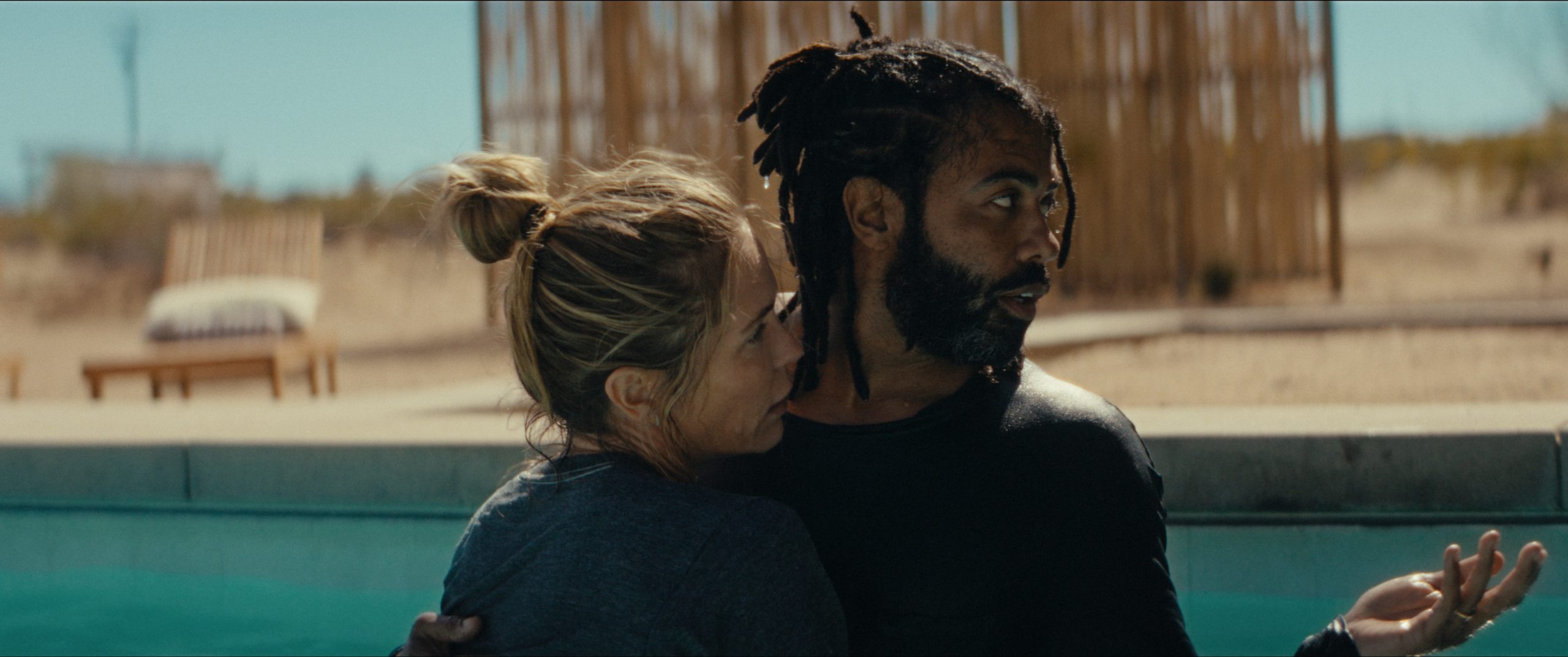
Katie Aselton, director of Magic Hour, is clearly interested in the what-ifs of the possible ends of these relationships. Erin (Aselton) is paired with Charlie (Daveed Diggs), but they, for unknown reasons, are struggling. Actually, Aselton gives herself a truly difficult character to inhabit. Diggs is so effortlessly charming that the film has to do a fair amount of work to balance the problems between the partners. Magic Hour never fully manages this, but the script, from Aselton and Mark Duplass, does provide enough conflict (even if purposefully obscured). As the couple travels to the desert at Joshua Tree, purportedly to figure out their relationship after an unspoken problem, Aselton and director of photography Sarah Wheldon begin a dreamy mirage-filled visual perspective that serves to unmoor us, until more is revealed.
It feels strange given the short runtime of Magic Hour, but there are numerous scenes that serve as either pure distraction or filler. When you have performers as talented as Aselton and Diggs, everything else feels like simply waiting until you get back to them. Given the circumstances, it is understandable, but Aselton gives herself the role of being slightly more out of control and Diggs is handed the opportunity to mainly be the sole voice of reason for Erin. Although this may distance some audiences, it allows us to understand what Erin stands to lose if this relationship is truly over.
There is a pretty massive twist that is being tiptoed around in this review, but even if you are spoiled, it does not ruin its power. There are certainly clues as to what is about to happen, but the real trick it performs is making sense of both the look of the film and explains some odd cuts from editors Kyle Boston and Stephanie Kaznocha. There is a serious moment of clarity and one wishes that Magic Hour had stayed more with this exploration instead of attempting to broaden its focus, without the needed context to make these future scenes hit a bit harder. Instead, Aselton attempts (as both director and actor) to process massive emotions with characters that we don’t know much about.
As the film moves forward, gaps are filled simply because Aselton and Duplass feel that they must. It is unfortunate because when Erin and Charlie are together, Magic Hour floats on the cloud of their chemistry so easily that we never want to leave their side. Even when others show up to liven the proceedings, like Ricky (DJ ‘Shangela’ Pierce) and a few other drag queens, it all ends up feeling a bit hollow and as if they lack the confidence to stay with the couple at hand. It is interesting that Aselton feels a kind of pressure to build moments of guided emotional closure that distract from her journey detailing the trials and tribulations of adult partnership.
Magic Hour is a film that, when homing in on the dual processes of love and loss, has the full attention of its audience. When it strives to break out of that insular world, the audience will likely feel its padding. Aselton has created an interesting feature that sometimes feels as if it could have been a tremendous short film. That being said, her visual choices are stunning, her casting decisions are on point, and, even with its flaws, Magic Hour is watchable, engaging, and thought provoking.
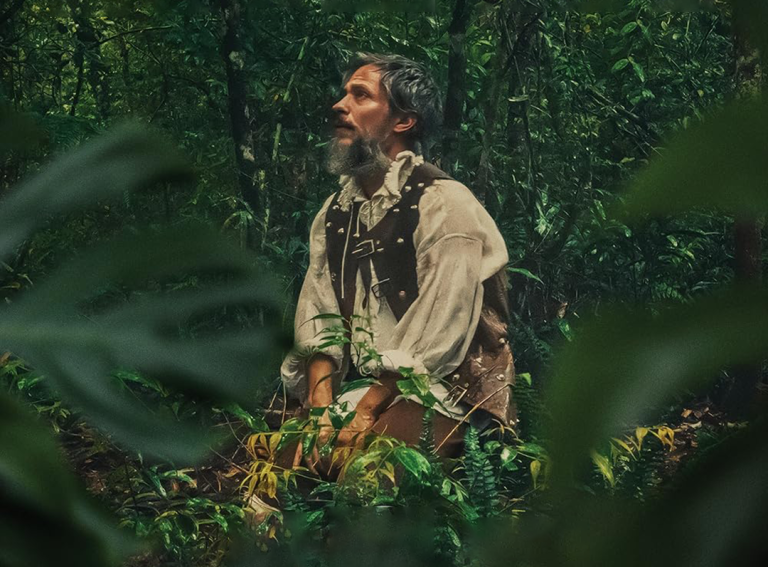
On this episode, JD and Megan discuss Lav Diaz’s latest film Magellan, starring an understated Gael Garcia Bernal! Known for his methodical filmmaking, Diaz creates an astounding portrait of myth deconstruction. banal expeditions and the devastating costs of colonialism. In short, it couldn’t be more antithetical to the Michael‘s of the world.
Review:Magellan
Director: Lav Diaz Writers: Lav Diaz Stars: Gael García Bernal, Amado Arjay Babon, Ângela Azevedo
Director: Kyle Balda Writers: Craig Mazin, Leonie Swann Stars: Hugh Jackman, Brett Goldstein, Patrick Stewart
Synopsis: Every night a shepherd reads aloud a murder mystery, pretending his sheep can understand. When he is found dead, the sheep realize at once that it was a murder and think they know everything about how to go about solving it.
The Sheep Detectives is the kind of high-concept family entertainment critics and audiences have been clamoring for, though it remains surprisingly difficult to find. The movie has undeniable charm, natural heart, and a deep bench of live-action stars and voice actors who elevate the wonderfully bizarre premise. Yet, when you strip all of that away, you are left with a film that is predictable, harmless, risk-averse, and too formulaic for its own good.
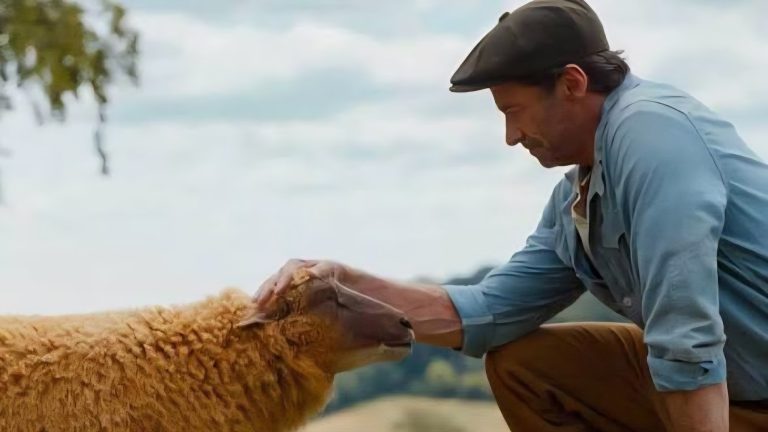
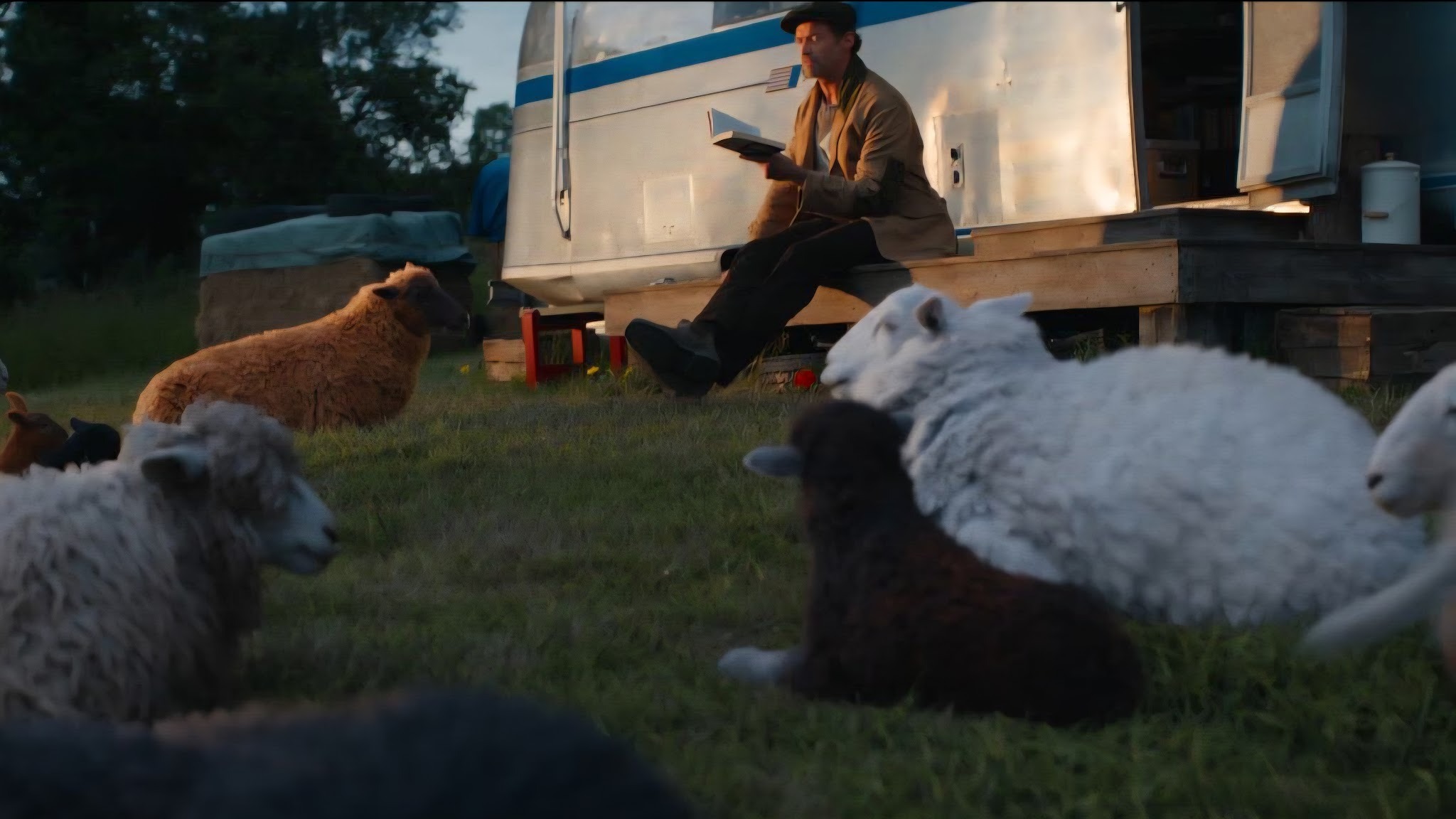
The story follows a curmudgeonly shepherd, George Hardy (Hugh Jackman), who reads a mystery novel to his flock of sheep every night. Beloved by his herd, the real leader of the group is Lily (11-time Emmy winner Julia Louis-Dreyfus), who manages to solve every mystery George reads to them, as he has a penchant for leaving the final chapter until the next morning.
This leaves Hardy’s flock often “baa-fuddled,” which includes sheep, rams, and adorable baby lambs, including one of the winter “variety” many turn their backs on. Lily’s friends include Moppie (Chris O’Dowd), a Merino sheep with the ability to never forget, and Sir Ritchfield (Patrick Stewart), the regal Boreray and elder statesman of the group.
However, Hardy ends up dead, leaving Lily and the gang in a “ewe-nique” state of confusion. That’s because no one dies, they simply turn into clouds. However, instead of making themselves forget the bad things, which is one of the film’s central themes, including George’s death, they skip the “lamb-nesia” and press on, intent on solving the case.
There are many suspects in town, including a Reverend (Kobna Holdbrook-Smith) who is hiding a secret. There’s also local innkeeper, Beth (Hong Chau), who was in love with George. You have a wicked butcher, aptly named Ham (Conleth Hill), who wants to buy Hardy’s meaty flock. Finally, there is a rival shepherd, Caleb (Tosin Cole), who wants to assimilate the herd into his own.
Directed by Kyle Balda, this is his first live-action film after decades of working with Pixar and Illumination. Working from a script by Craig Mazin and adapted from the novel “Three Bags Full” by Leonie Swann, the movie is adorable and heartwarming, if occasionally manipulative.
The real sticking point is that the film is not nearly as funny as it could have been, nor as smart as some have proclaimed. Yes, this is Babe meets Knives Out, but the movie plays things far too safely as a family-friendly whodunit. As a result, the mystery and comedy feel heavily sanitized, with love interests and conflicts simplified, and resolutions often come with a single speech.
The thing is, family film storytelling doesn’t have to feel unearned, which describes most of The Sheep Detectives. The film seems fine with grazing in the meadow of lazy narratives. Which is a shame, because the duo of Nicholas Braun’s endearing doofusness as a local cop and the arrogance of Nicholas Galitzine’s ambitious reporter, investigating the murder, was entertaining.
That should have been the live-action focus. Unfortunately, much of the film steps into the clichéd convention of a forced romance involving Molly Gordon’s Rebecca. Whether you want to argue it exists to distract audiences from the real villain, the reveal is thinly veiled, weak, and not at all believable. Ultimately, the storyline feels like unnecessary narrative wool-gathering.
The supporting cast nearly saves the film. Bryan Cranston voices the stoic Sebastian, a ram living a life of quiet solitude, bringing gravitas, if not a predictable story arc. However, most of the comic relief comes from Brett Goldstein, voicing Reggie and Ronnie, who play ram versions of the Hanson brothers. I will mention that Emma Thompson is criminally underused here.
In the end, The Sheep Detectives is safe family entertainment, with a script that features layered themes of grief, acceptance, and identity subtly woven throughout the film. However, at the screening I attended, most of the children seemed bored silly, and parents rarely laughed except at Brett Goldstein’s voice work.
For a movie with aspirations of being a feel-good family crowd-pleaser, the film is remarkably steadfast in rarely rising above the flock and seldom straying from the pasture of safe family entertainment.
You can watch The Sheep Detectives exclusively in theaters starting May 8th!
On this episode, JD and Megan discuss the long awaited sequel The Devil Wears Prada 2, with Anne Hathaway, Meryl Streep, Stanley Tucci and Emily Blunt all reprising their iconic roles! It might depend on how you feel about the first film, but this is one of the more surprising films of the year with some fascinating insights into the state of journalism in 2026. Is the execution there, however? We debate.
Review:The Devil Wears Prada 2
Director: David Fankel Writers: Aline Brosh McKenna Stars: Anne Hathaway, Meryl Streep, Emily Blunt, Stanley Tucci
Director: Simon McQuoid Writer:Jeremy Slater Stars: Karl Urban, Adeline Rudolph, Jessica McNamee
Synopsis:The fan favorite champions — now joined by Johnny Cage himself — are pitted against one another in the ultimate battle to defeat the dark rule of Shao Kahn that threatens the very existence of the Earthrealm and its defenders.
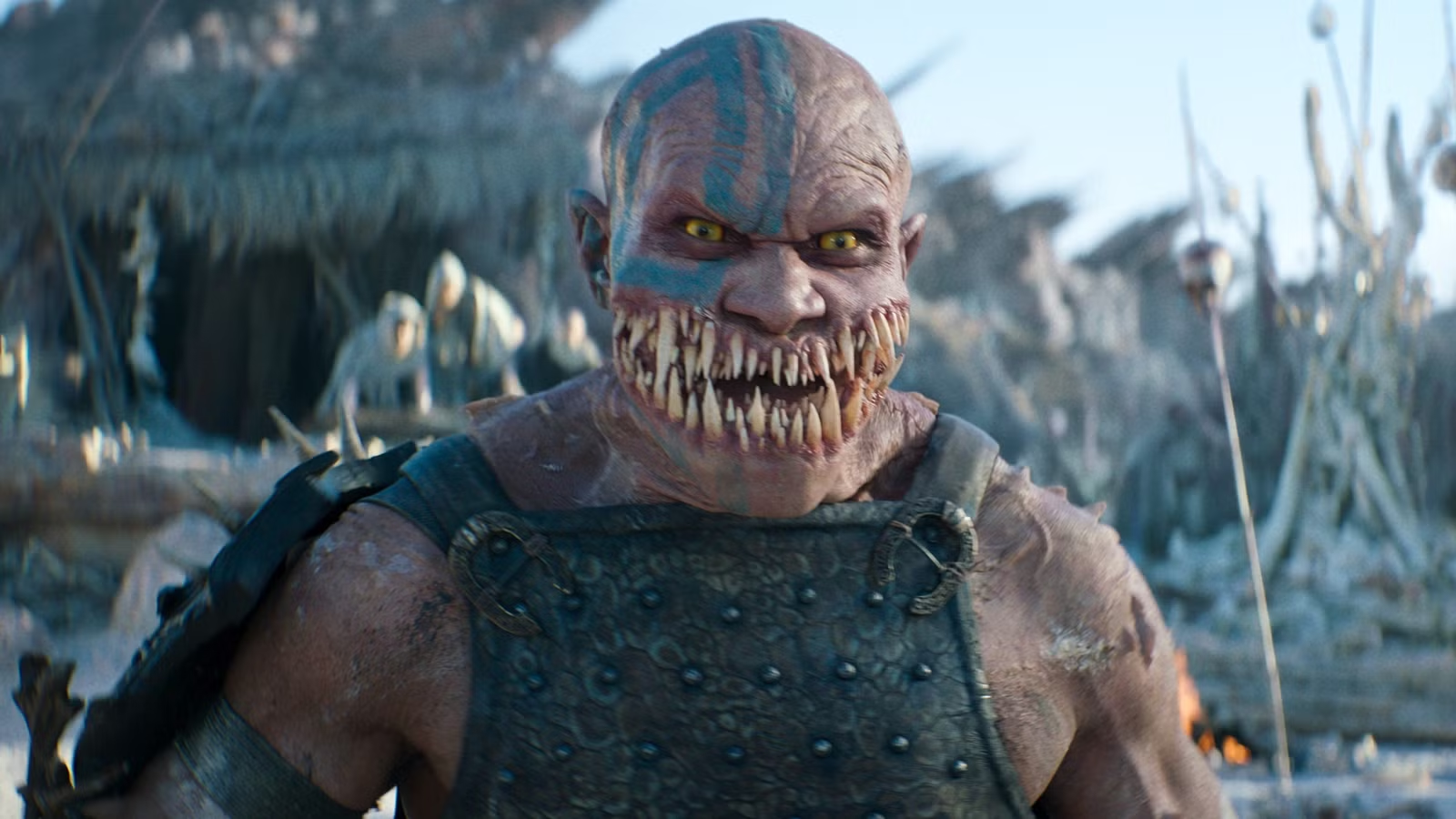
Video game movies are slowly but surely becoming a new certified staple within the Hollywood zeitgeist. Although the industry once couldn’t seem to figure out for decades, it has finally cracked the code, as franchises like Minecraft and Mario break box office records. What’s more fascinating than the new rise of these films, however, is the circumstances of how they occurred and how the movies changed quality-wise. You could realistically argue the quality of video game movies on average isn’t better at all, but rather the corporate management behind fan satisfaction is within a post-comic book movie peak era. Enter the Mortal Kombat film franchise which has swung and missed on 3 attempts at adapting the material to a cinematic landscape. While the 2021 film wasn’t a very good movie, it had enough setting up and exposition dumps of memorabilia to reinvigorate the film franchise and while Mortal Kombat II is the most successful in the franchise yet as an adaptation that still isn’t saying much in the grand scheme of things. For every step forward the sequel takes as an improvement within more creative fights, and taking itself a bit less seriously, it takes a few back with even worse dialogue and exposition dumps, weird miscastings, and rough CGI that tends to take away from the weight of some fatalities. Mortal Kombat II isn’t a complete failure of a sequel, but it’s certainly a deeply flawed attempt at victory.
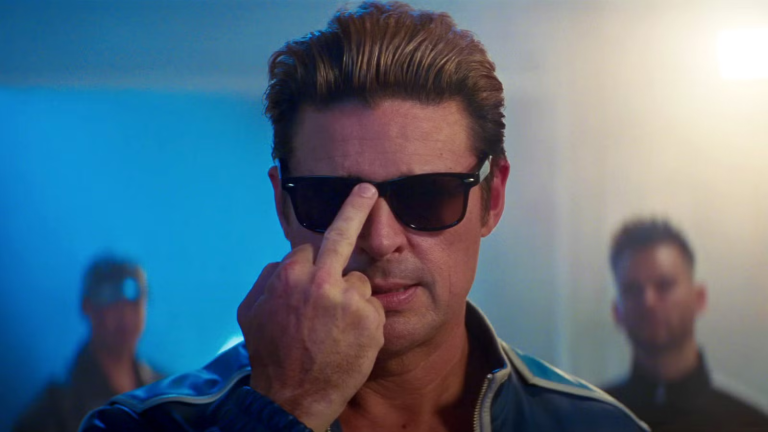
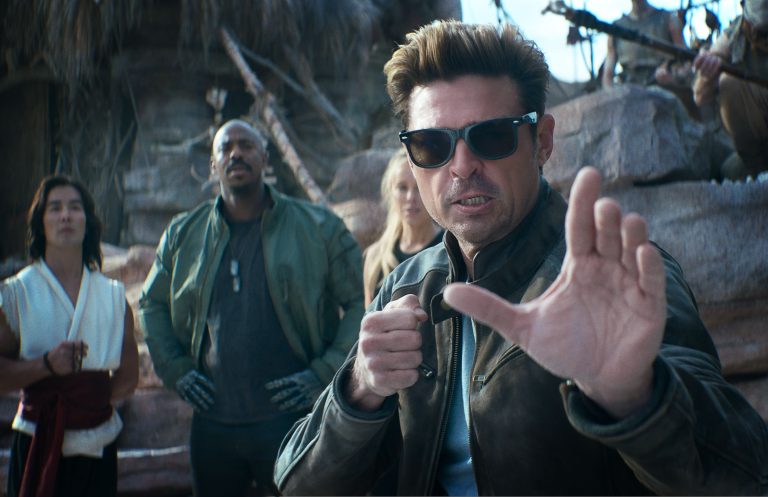
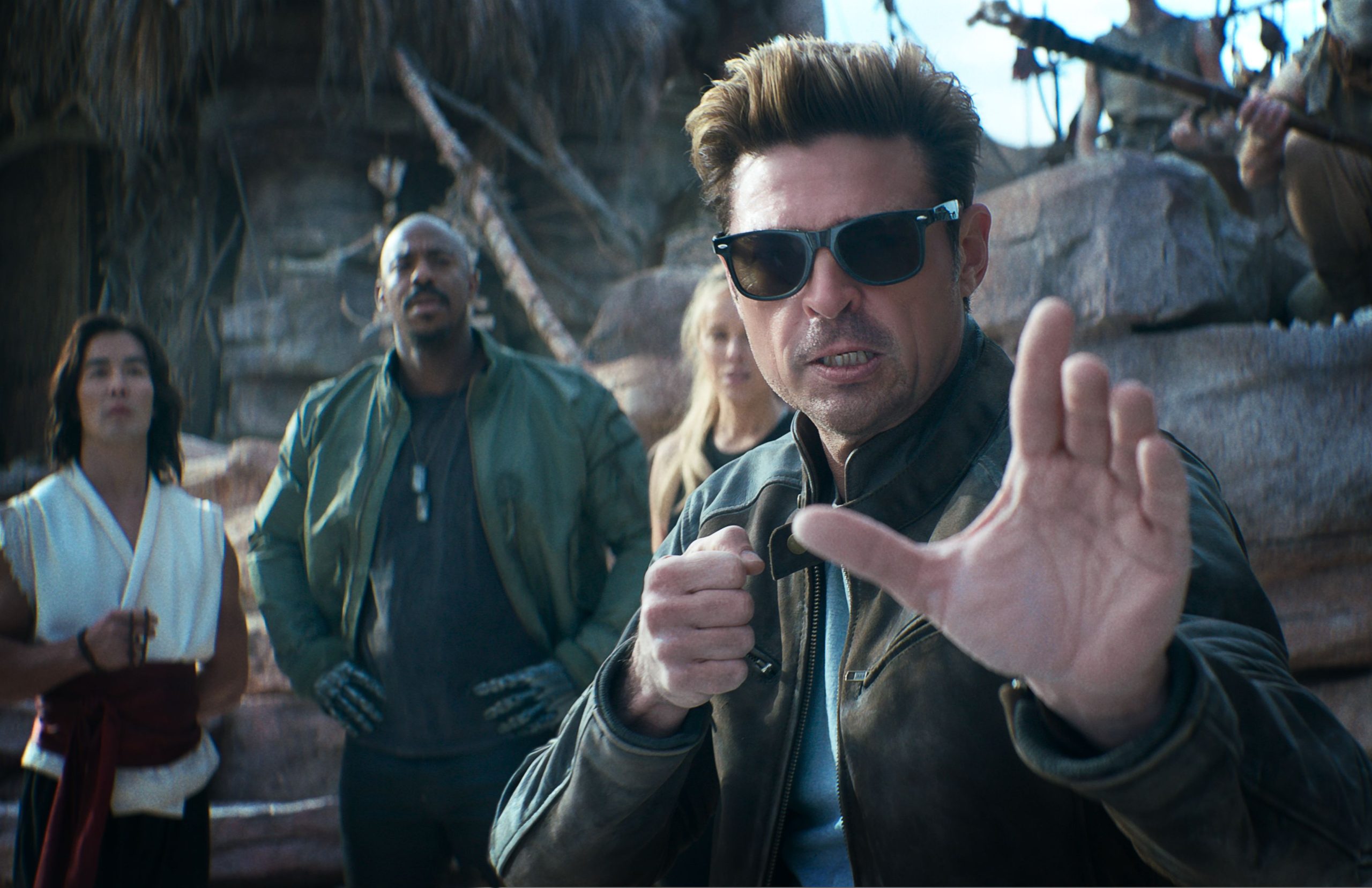
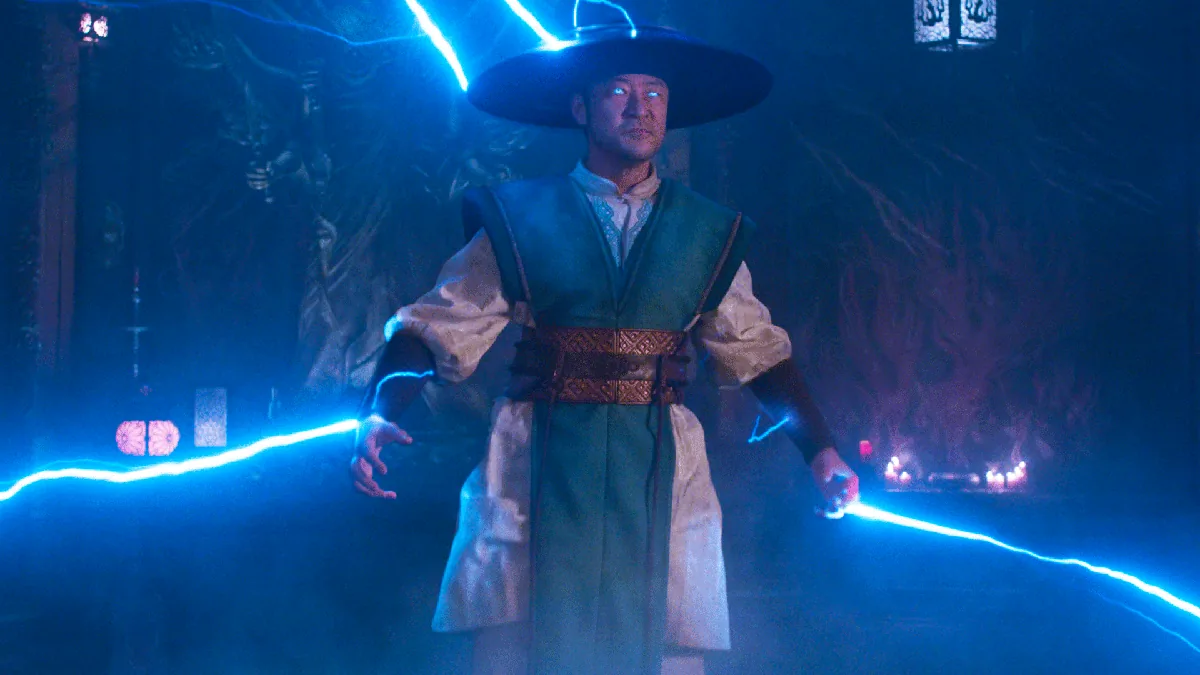
The sequel picks up not long after the events of the first film, with champions Sonya Blade (Jessica McNamee), Cole Young (Lewis Tan), Liu Kang (Judi Lin), and Jax (Mehcad Brooks) preparing to defend Earthrealm within the tournament alongside their leader, Lord Raiden (Tadanobu Asano). We open, however, with a new character, Kitana (Adeline Rudolph), a princess whose realm fell to evil emperor Shao Kahn (Martyn Ford) and Outworld after Shao killed her father in combat. As Kitana works behind the scenes with the Earthrealm to stop her new father’s reign, the champions officially find and recruit Johnny Cage (Karl Urban), a washed-up ’90s action star who believes his best days are behind him until it seems that getting transported to a new realm to fight for the world might give him some new purpose. With Shao Kahn about to retrieve an amulet that grants him immortality, and using sorcery to revive old foes and allies of our heroes, the stakes and fights are higher than ever to save Earth from Outworld’s dominance.
It’s a shame that Mortal Kombat II isn’t able to completely save itself from many of the pitfalls of its predecessor, since there’s actually a fair amount of aspects that are actually upgrades. For one, there’s *gasp* a tournament in a Mortal Kombat? You don’t say? Silly quips aside, while many of the film’s fights still retain the same core issues, Simon McQuoid’s direction is certainly more innovative in both choreography and creative deaths. The constant succession of fights throughout the film is also when it tends to best balance its campy sensibilities and stakes between battles. Johnny Cage’s fights have a particularly delightful, silly energy to them, despite the deeper problems with the character’s presence in the narrative.
Unfortunately, the positives to Mortal Kombat II tend to always have consistent caveats that always end up hampering the material. It will not be utterly confounding that despite the fact that the ‘95 film is rated PG-13, it manages to have more kinetic fight sequences than almost anything that happens in these new R-rated films. Even when you witness the brutal nature of fatalities unfold within the fights, there is absolutely no weight to them because of the poor CGI and incoherent editing that surrounds them. Once the fight scenes start to pack zero punch behind them, it only makes all the other problems with the sequel even more egregious.
Jeremy Slater’s screenplay is all around abysmal. Both old and new characters have virtually no substance to them besides acting as placeholders for what people know from the video games. The dialogue is particularly bad, ranging from a bit clunky at best to spouting exposition like a robot at worst.
Many will likely argue that “It’s Mortal Kombat! The character writing isn’t supposed to be that great,” or that the nonsensical campiness of its narrative is an added value to its enjoyability. One of the film’s biggest issues, however, is that while yes, it tends to have more fun with itself, it wants to have its cake and eat it too, never fully committing to either ridiculously silly one-liners or strong developments between its characters, particularly well. The clearest examples of this lie within both the characters of Kitana and Johnny Cage, who both get the most depth here.
Both characters have the same issue of having the beginning of a character thread that is never fully followed up on by the time the film reaches its conclusion. The idea of Johnny Cage being a past his prime actor finding new meaning through fighting to save his world isn’t a bad concept, but there are large gaps within the writing missing. For instance, his reason behind why he ultimately decides to go through with competing in the tournament after choosing to refuse the first time, and being brought back against his will the second are never explained. There are threads of it that exist that are never followed up upon.
We also never know why exactly Cage would be useful to Earthrealm’s fight besides the fact that he’s a big part of the games, so he has to be here. It doesn’t help that Karl Urban feels bizarrely miscast even as an aged version of the video game character. Sometimes he’s able to make the cheesiness work, but whether it’s because of the screenplay or him not quite fitting the archetype, many of his line deliveries tend to be off.
Most fans will be pleased with the many game references and sound bites to recognize within all of Mortal Kombat II’s constant battles, but its lack of virtually anything else of substance ends up still holding it back in the end. Sure, it’s a technical improvement upon most aspects of its predecessor, but the sequel often ends up a one step forward two steps back scenario where its haphazard dialogue, lackluster visuals, and inability to commit to full tilt camp or narrative structure make it the latest in the line of recent videogame films to place fan appeasement first, and being a good movie 20th.
This week on the InSession Film Podcast, inspired by Star Wars Day and other notable films coming out soon, we thought we’d discuss some of our favorite movie quotes in film! We’ve oddly never done this top 5 before, and boy did we have a great time with it (even included #JDTears). We also discuss the box office for The Devil Wears Prada 2, Netflix going to theaters in a big way and the new changes from The Academy.
– Star Wars Rant / The Devil Wears Prada 2 (0:35) We open the show this week, as we recorded on Star Wars Day (May the 4th Be With You), with a little rant about a rumor going around that Disney is going to retcon the sequel trilogy. Yeah, that’s not going to happen. We then turn our attention to the box office for The Devil Wears Prada 2, which went gangbusters over the weekend with a haul north of $200 million worldwide.
– Netflix & Narnia / The Academy Changes (15:11) Netflix announced over the weekend that Greta Gerwig’s new Narnia movie will be moved to February of 2027, but in this case it’s for a great reason. For the first time ever, Netflix is distributing the movie to theaters worldwide, including IMAX and said the film will be in theaters for 54 days before going to Netflix. After discussing that incredible news, we talk about the changes that were made by The Academy regarding some of their rules, and it was very promising to hear.
– Summer Preview (27:40) This summer looks to be really fun. Some of its spectacle might leave something to be desired, depending on what shakes out with Spider-Man, Supergirl and Masters of the Universe, but we have little doubt in filmmakers such as Christopher Nolan, Ridley Scott and Steven Spielberg. Where things look most promising is on the auteur front with the likes of The Death of Robin Hood, Teenage Sex and Death at Camp Miasma, Her Private Hell, I Want Your Sex, Backrooms and more.
– Top 5 Movie Quotes (52:10) This is another incredibly dense topic (that we will for sure do again in the future) with hundreds of iconic movie quotes to choose from for our lists. Where does one even begin to narrow it down? Well, we do have some specific criteria to start, before we decided to thin the margins further with our personal feelings on what we wanted to discuss. All in all, not only did we find some powerful movie quotes, but one of them even led to some #JDTears once again. Just another day at the office. With that said, what would be your Top 5 movie quotes?
If you want to help support us, there are several ways you can help us and we’d absolutely appreciate it. Every penny goes directly back into supporting the show and we are truly honored and grateful. Thanks for your support and for listening to the InSession Film Podcast!
As many of the winter and spring festival circuits begin to pass, one of the less talked about but still semi-relevant film festivals has just wrapped up, The Dallas International Film Festival. DIFF is home to many Texas-filmed and shot movies, with many of them, such as Mantis, having their full premieres there. The festival isn’t as huge as the Cannes or Sundances of the world but the titles for this year’s slate were definitely more intriguing.
Still, they tried their best to pull out as much as they could for 2026 given it’s the 20th anniversary of the festival’s existence and while it was relatively quaint in size, they managed to get their hands on more intriguing titles than last year’s lineup, and even lined up keynote speakers like CEO of Warner Brothers Mike Deluca, and director of Sing Sing, Greg Kwedar.
I managed to see 8 films over the course of the festival’s week-long run, with DFW thunderstorms impeding my journeys and all. I’ll go in chronological order of when each film was watched/played at the fest.
Misper
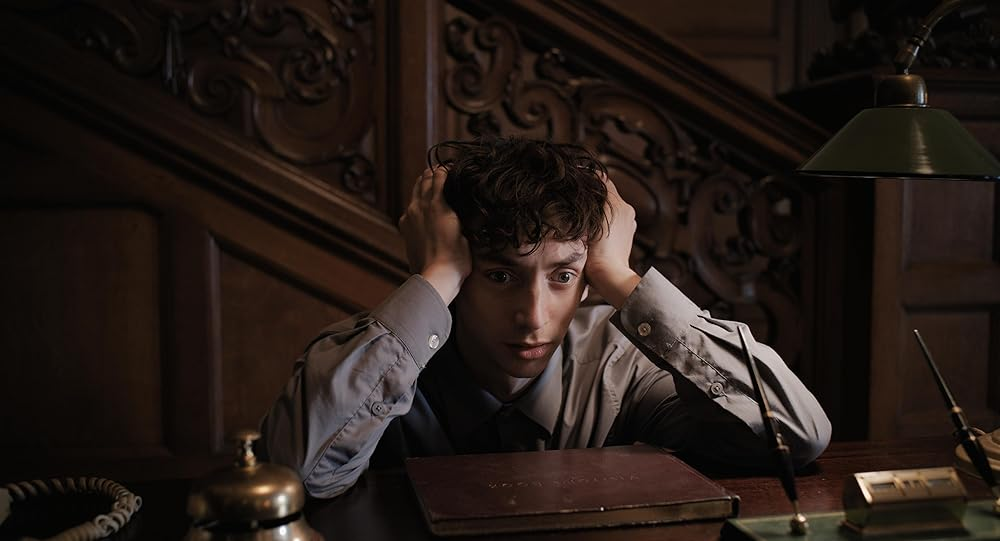
Misper is an interesting mash-up of dry, awkward comedy and atmospheric tension taking place in a quiet hotel that’s been rundown for several years now. Leonard (Samuel Blenkin) is an employee at the hotel, incredibly bored with his job and tired of the demands from the occasional customer and his boss, Gary (Daniel Ryan). Leonard has a friendship with his co-worker, Elle (Emily Carey), whom he’s had a major crush on, but Leonard has never had the courage to really make their friendship anything more. Then, out of nowhere on a random night, Elle disappears without a trace, leaving the entire hotel in a depressive spiral without her, especially Leonard.
Misper has a lot going for it and a plethora of thematic and genre touches that it barrels through in its brisk runtime. The dry British wit, explorations of loneliness, and light touches on the invasive nature of true crime implementation in today’s media give the film a compelling hook on how the effects of sudden loss impact the inner psyche of the real-life people surrounding it. However, in its mission to tackle so many interesting tones on paper, the film never fully has a distinct identity or focus by the time the credits roll, leaving the experience on the whole as a largely empty but fine debut feature for director Harry Sherriff. [Grade: C]
Obsession
Obsession has been a festival darling for quite a while since its big premiere at the Toronto International Film Festival last year. It was acquired by Focus Features and is set for release later this month and, in a world where many horror releases tend to be hyped to no end, Obsession manages to live up to expectations in both expected and delightfully surprising ways. The logline is relatively simple: Bear (Michael Johnston) has had a crush on Nikki Freeman (Inde Navarrette) for the longest time, but is too shy and nervous to ever express his feelings to her. This leads to him deciding to take a chance on hopeless fate by breaking the mysterious “One Wish Willow” in hopes that his wish of Nikki loving him more than anyone in the world would come true. Sure enough, his wish becomes reality with Nikki becoming increasingly obsessed with him, but Bear soon learns his wish will come at a great, sinister price he never could’ve imagined.
Director/Writer Curry Barker helms Obsession with such effortless confidence, blending pitch-black humor with insanely cruel subject matter so effectively, but Obsession truly hums when its unrelenting dread sets a truly terrifying tone within every scene of escalation. Barker has such patience with the way shots are framed in the shadows and how a scare isn’t released until the highest point of tension that you’ll be holding your breath throughout the film’s entirety. All of that on top of a star-making performance from Inde Navarrette makes Obsession easily the year’s best horror movie thus far. [Grade: A-]
Power Ballad
Anyone can tell from watching even a snippet of his work that John Carney adores dissecting the world of music, both within the art form and the industry revolving around it. Power Ballad is no exception to the filmmaker’s commonalities, even if it’s one of the weaker forays into these concepts we’ve seen.
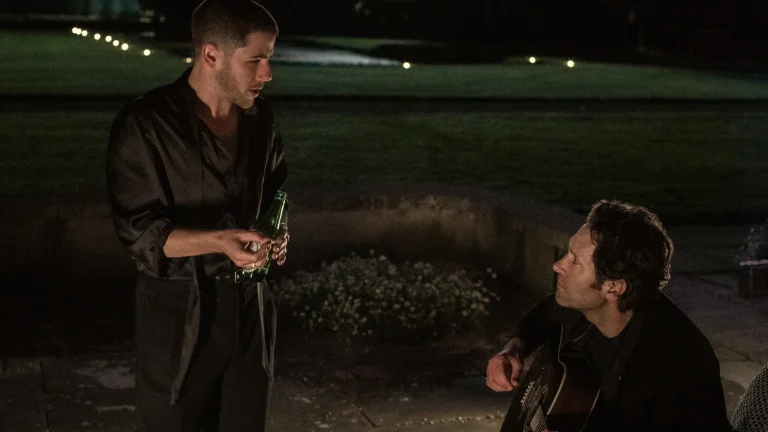
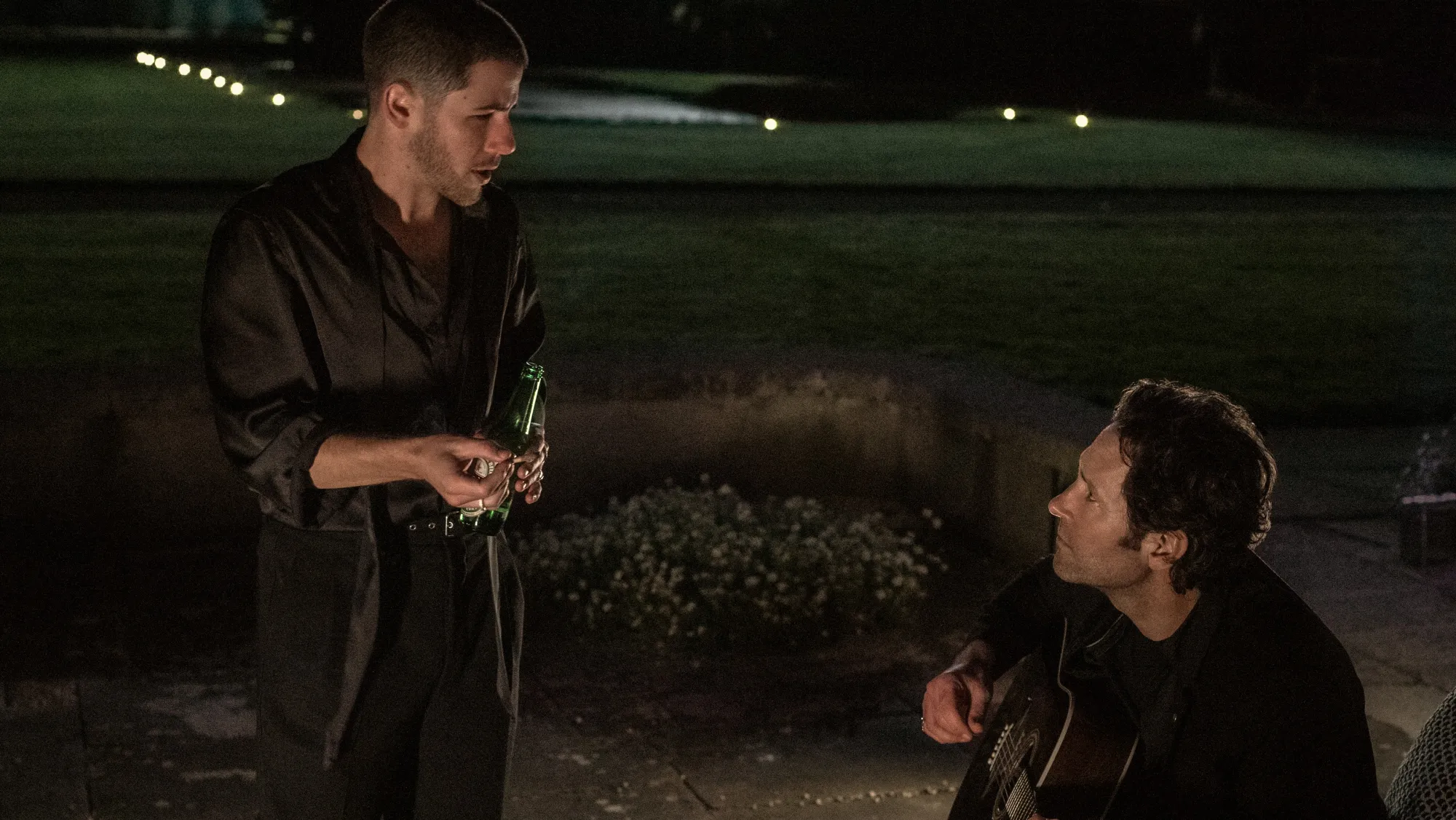
The film follows Rick Power (Paul Rudd), a wedding singer in Ireland who had big dreams of being a music star before settling down with his family. During one of his gigs, Rick meets fading boy band star Danny Wilson (Nick Jonas) and the two have a late-night jam session together. Months later, however, when Rick overhears a song he wrote that he sang with Danny on the radio, he goes on a journey to fight to receive credit for the song, no matter how much it upends his life in the process.
Power Ballad, simply put, is a plain crowdpleaser through and through, which ends up working both for and against it. The film tends to rely often on saccharine melodrama when it comes to fights between characters at certain points that makes the story a bit aimless in structure within its middle section but the film won me (and likely most people) over through the consistent endless charm and emotional weight of Paul Rudd’s performance and a general ending that brings the whole film home making for a weaker but still cute Carney picture. [Grade: B]
The Furious
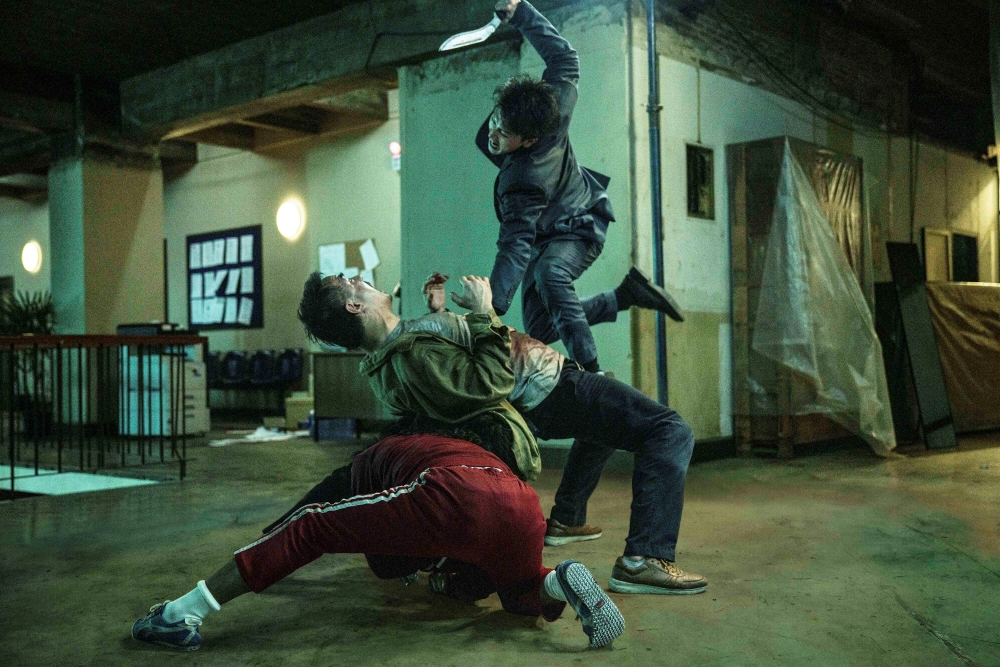
While great action films are still around in spades, it’s rare to find an action film that takes clear inspiration from the greats and evolves its own action into a relentless fury, in both bloodied knuckle-brawls and kinetic energy that has never been captured to this degree. The Furious is that action flick. Director Kenji Tanigaki’s martial arts extravaganza follows Wang Wei (Xie Miao), a mute man searching for his daughter, who was kidnapped by child traffickers. Wang teams up with journalist Navin (Joe Taslim), who is on his own search for his wife, to take down the criminal network and save their loved ones.
It will be easy to compare The Furious to other action greats like The Raid, but Tanigaki brings a brutality to every kick, punch, and mallet to the head that manages to be even more exhilarating. The choreography is perfectly synchronized to every camera movement and clean edit to craft an experiential event of a pure action onslaught that will cement The Furious as a new action classic for years to come. Pure, electric, “hell yeah” cinema and my favorite film of the festival. [Grade: A]
One In a Million
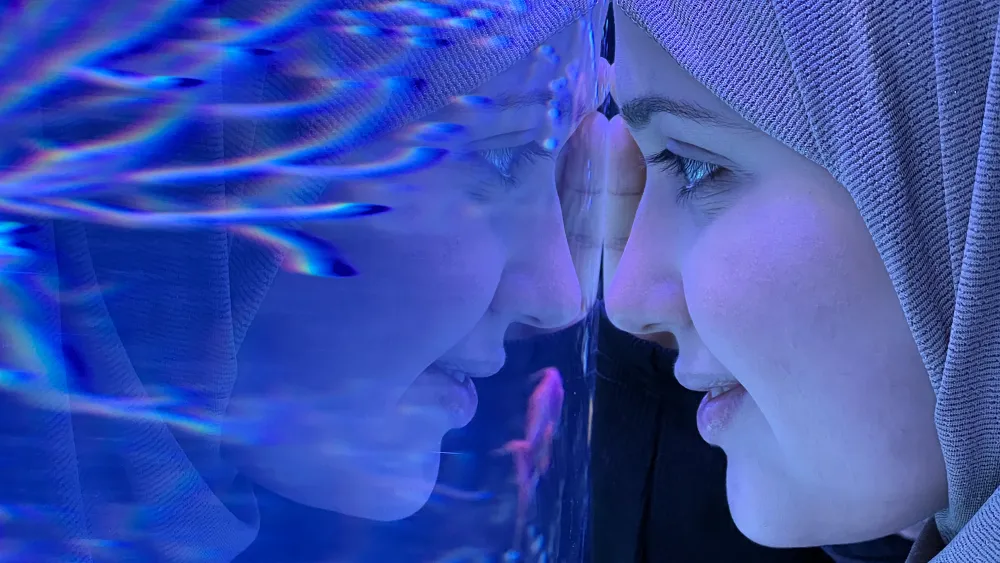
One in a Million is an emotionally powerful documentary that is able to capture a unique side to the concept of growing up within the refugee experience. The movie is filmed over 10 years, from 2015-2025, following Israa, a young girl who has to flee from Turkey with her family to Germany in search of a better and safer life. Once the family reaches Germany, we see Israa grow throughout the rest of her childhood and the beginnings of her adulthood as her dynamics between her mother and father begin to shift, and Israa struggles to find her identity in the midst of learning more about her two homes of Germany and Syria.
What makes the core of One In a Million so powerful is that directors Itab Azzam and Jack Macinnes shift the focus of the film to the aftermath of the destruction, making the introspection on this family and Israa much more insightful in both family dynamics and tension. It ultimately culminates in an extravagantly filled journey of resilience that offers a different perspective to what we usually get from most documentaries, even if certain areas of making could leave you wanting more exploration. [Grade: B+]
Tuner
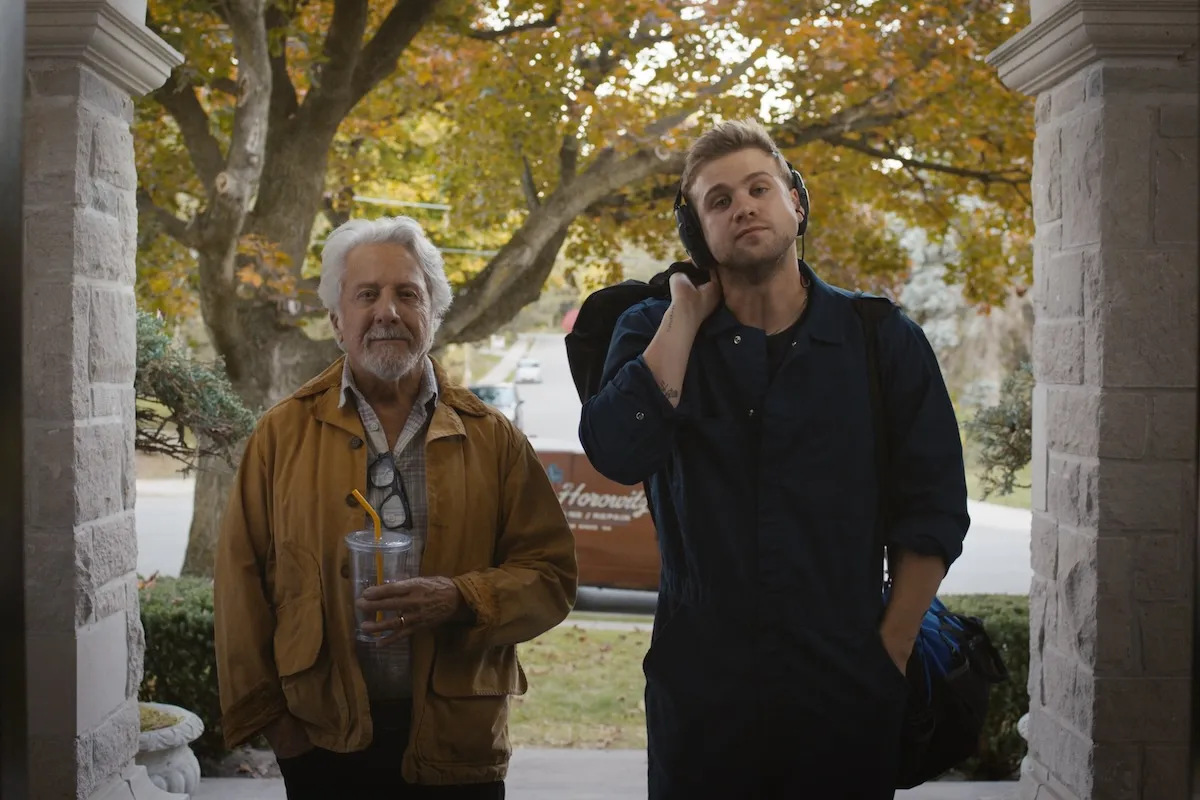
I am a pure sucker for a heist film, the slick presentation, the delightful back-and-forth of things going right and wrong. Sometimes, it can be the most exciting type of movie to watch when you’re in the mood, so when a movie like Tuner sharply executes on virtually every facet of the formula down to its baseline premise, I’ll always be engaged. What’s the hook? Niki White (Leo Woodall) is a piano tuner with a sensitive hearing condition working with his elder mentor, Harry Horowitz (Dustin Hoffman), to keep pianos at their right pitch. The heist portion of the film kicks in when Niki discovers his supernatural-esque hearing can also be applied to cracking safes, which sends him down a whirlwind of chaos, all while forming a potential romance with piano prodigy Ruthie (Havana Rose Liu).
Tuner is the definition of a film that knows its tropes and plays to all of them so perfectly, if you’ve seen a film in a similar vein, its formula won’t be difficult to follow, but it works so well thanks to its snappy editing and crackling jazz-centric score that craft an interesting cross between the elements of De Palama and Mann crime thrillers of the past to make an exquisitely slick heist movie that knows its strengths and delivers on them. [Grade: A-]
If I Go Will They Miss Me
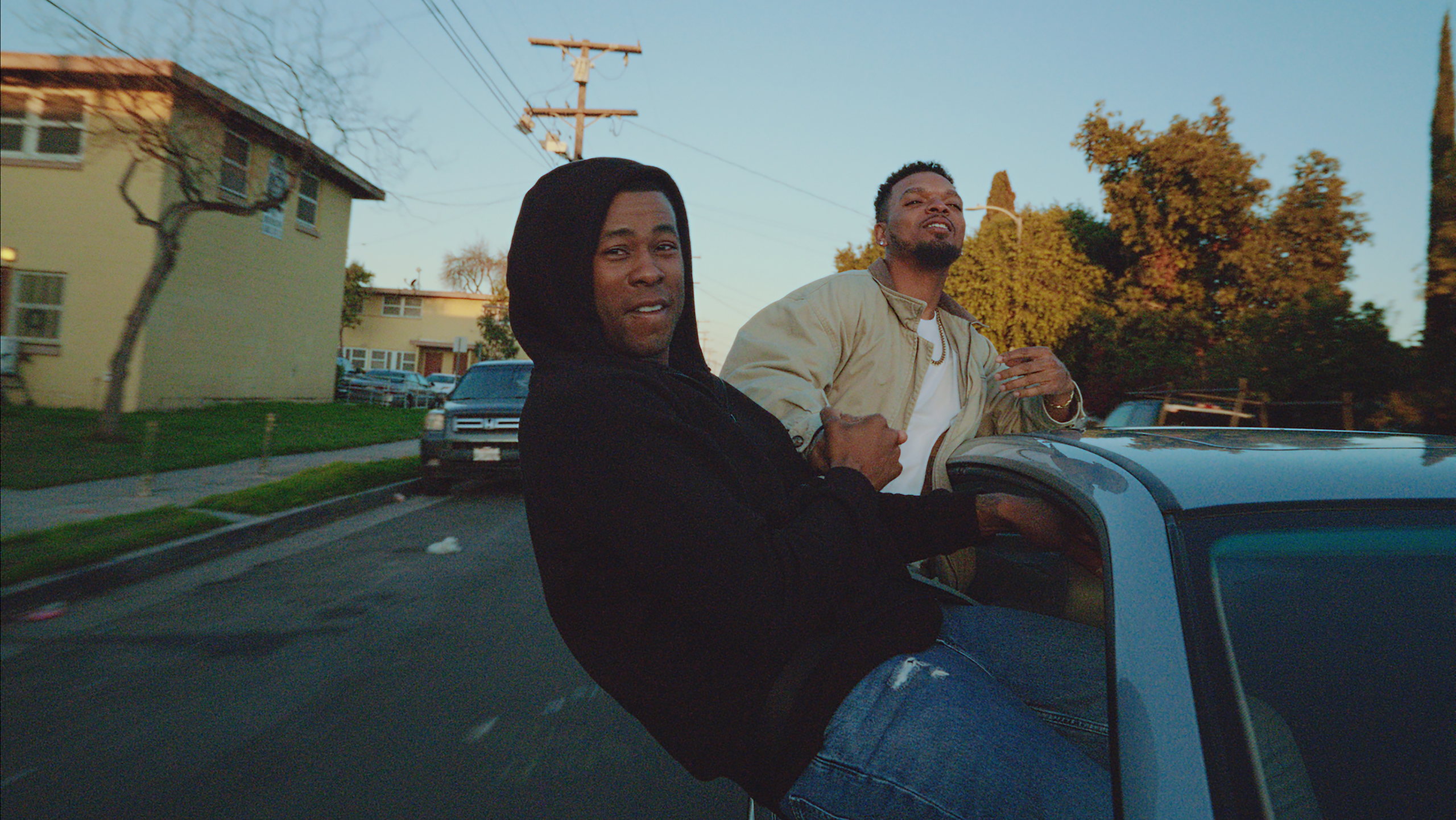
The conceit of fatherhood has a heavy thematic prevalence within many films over the past years, but director Walter Thompson-Hernández is able to craft something truly transcendent with If I Go Will They Miss Me, capturing a poetic sincerity to both what binds a father and son and the honest truth of what can lie behind a broken relationship. Based on the short film of the same name, we open with Lil Ant (Bodhi Dell) about to see his father, Big Ant (J. Alphonse Nicholson), post his prison sentence, finally being over. As Big Ant starts to implement himself back into the family and wife Lozita (Danielle Brooks), he starts to see Lil Ant’s tendency to treat him as a god in his drawings as worrying, as he doesn’t want his son to treat him too highly.
If I Go Will They Miss Me captures a lyrical sense of wonder in its dynamics and relationships that feel otherworldly from both a narrative and filmmaking perspective. It’s the visual motifs of the images children see of their parents vs. the reality of where they stand that is handled with such poignant grace that one won’t be able to help being swept up in its majestic wonder and deeply human drama. [Grade: A-]
Poetic License
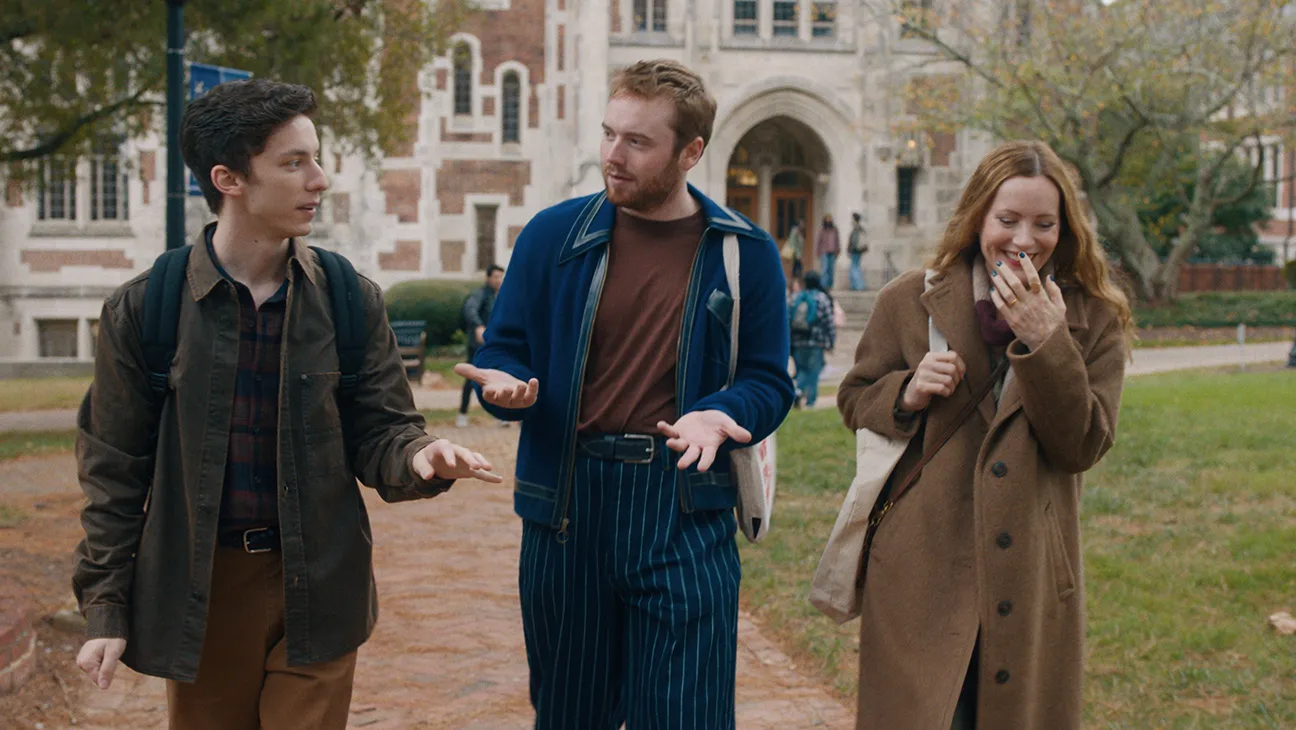
Poetic License was the closing night film for the festival, directed by Euphoria star Maude Apatow (daughter of Judd Apatow). Maude, like her father, excels in directing much of the loose conversational comedy here, but she also brings a certain cozy warmth to her own comedy, capturing heartfelt sincerity alongside its sharp wit. It centers on Liz (Leslie Mann), a lonely mom and former therapist who is struggling to connect more with her growing daughter (Nico Parker) while taking a new job as an auditor for a local poetry class. While there, she forms a friendship with her best friends Sam (Andrew Barth Feldman) and Ari (Cooper Hoffman), but what starts as a bond between the three becomes a war between Sam and Ari for Liz’s affection.
The banter between Hoffman, Feldman, and Mann carries nearly every scene, and the long-winded conversations live or die by how funny the material is, and all three manage to make even weaker line readings get a small snicker. The film tends to run a bit long and redundant in structure by the time it starts concluding, but Maude Apatow matches the comedy of Raffi Donatich’s screenplay so well, and I am more than interested to see where her directorial efforts go next. [Grade: B+]
Director: Renny Harlin Writers: Pete Bridges, Shayne Armstrong, S.P. Krause Stars: Aaron Eckhart, Ben Kingsley, Angus Sampson
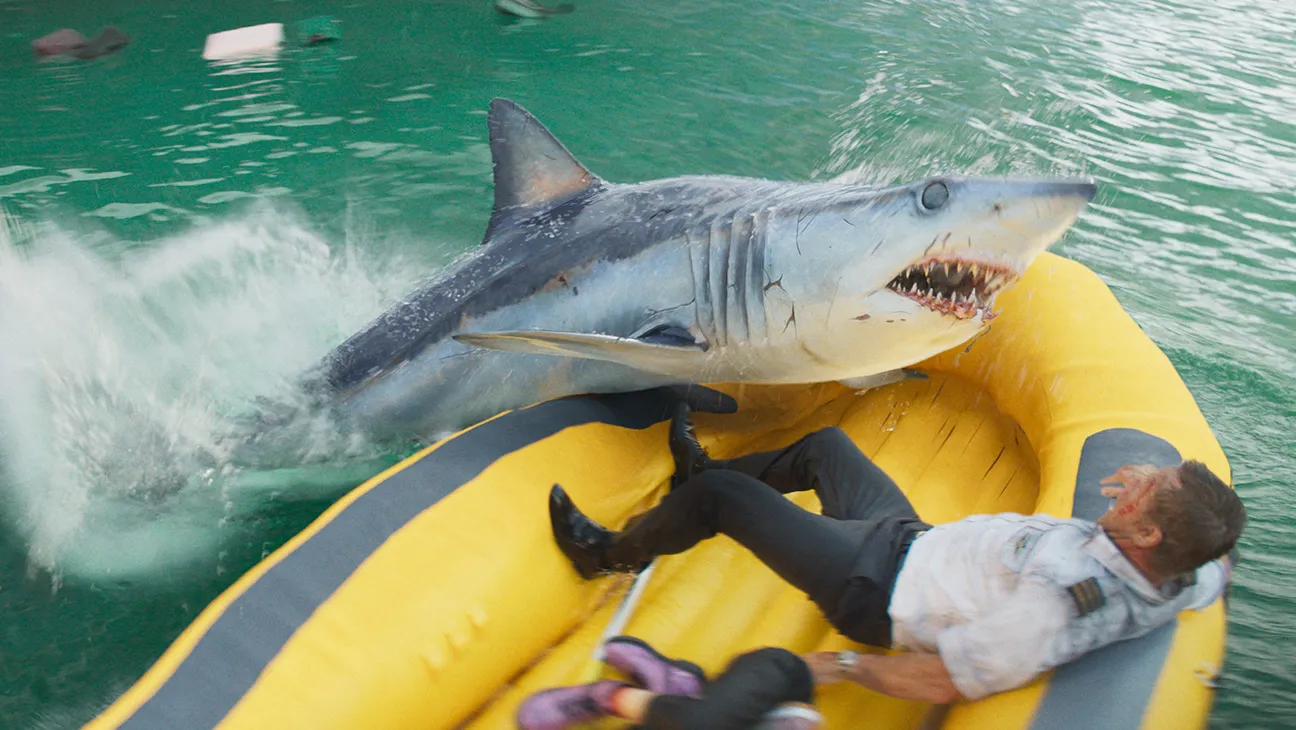
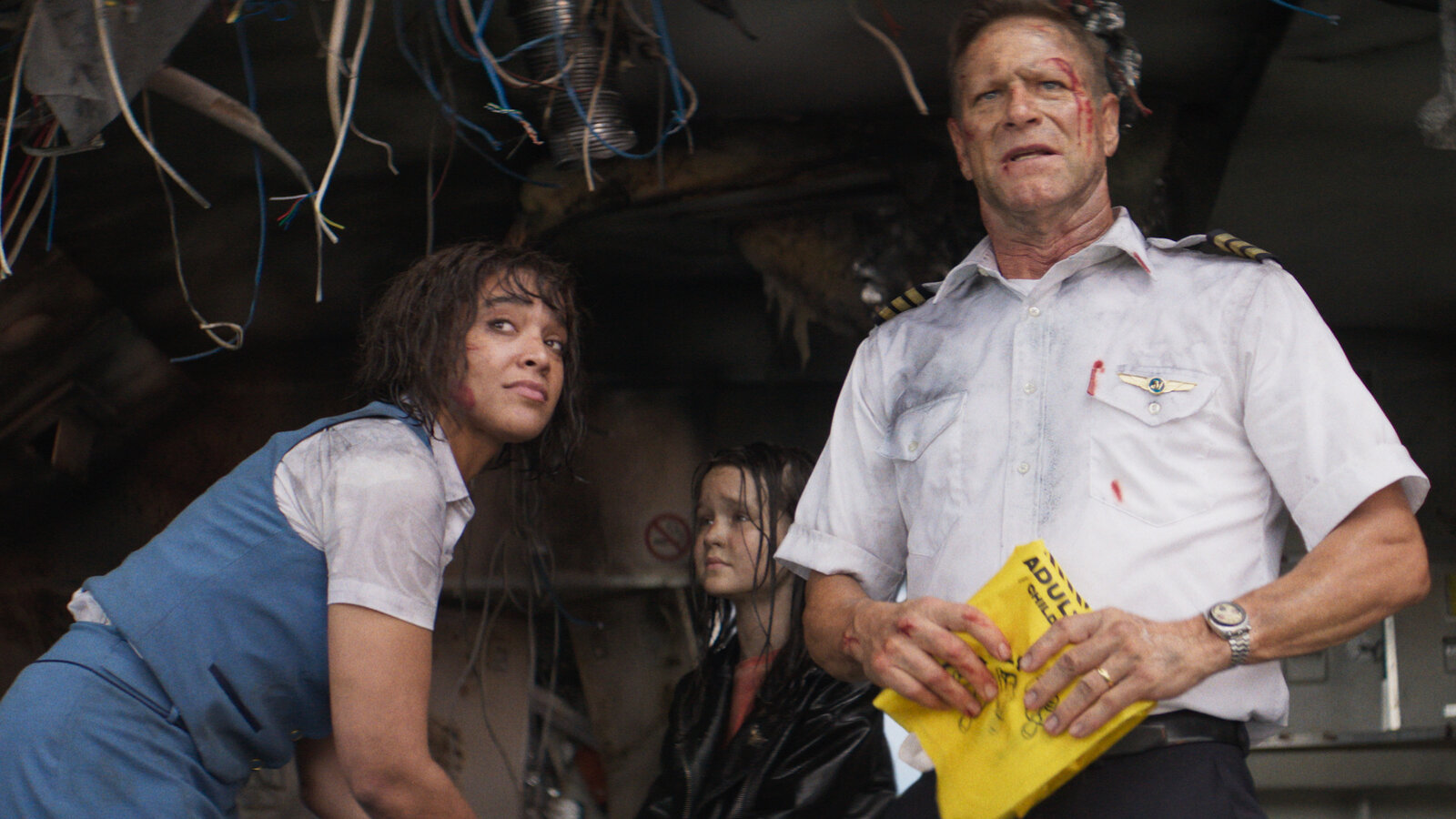
Synopsis:A group of international passengers en route from Los Angeles to Shanghai are forced to make an emergency landing in shark-infested waters. Now they must work together in hopes to overcome the frenzy of sharks drawn to the wreckage.
Shark films have an almost primal pull. Maybe it’s the simplicity of the threat, something ancient, unseen, and circling beneath us, or the way they tap into a fear we can’t outrun once we’re in the water. From Jaws setting the gold standard, to leaner survival thrillers like The Shallows and recent streaming entries like Thrash, the genre thrives on tension, isolation and the unpredictability of nature. It also thrives on being… trash. These films seem to accept and push on the fact they can be thrill-less, cheap, and cringy. So when I sat down to watch Deep Water, I was hoping to get a tight, nerve-shredding descent into aquatic terror. What I got instead was something far more subdued, and at times, oddly adrift.
Directed by Renny Harlin, this film drifts between stretches of quiet unease and sudden bursts of danger, often prioritizing atmosphere over momentum. The story follows a small group navigating open water after a traumatic incident leaves them stranded, their vulnerability heightened by the growing sense that they are no longer alone beneath the surface. They now must work together to survive the group of sharks coming for them. Deep Water is thoughtful in places, visually striking in others, and anchored by performances that keep you invested even when the narrative drifts.
The performances do a lot of heavy lifting in this film. Ben Kingsley is confident and charming as ever, with Aaron Eckhart being more suave and intense. Both actors do bring some gravitas to the film and the rest of the cast does well in keeping up to their standard. We have an array of characters, and for me, the characters Matt and Becky bring the best comic relief – their characters are honest and not cheesy and not typical, like a separated family or couple. It is quite a large cast, and I did expect more deaths, more savageness from the sharks and the sea.
Tonally, the film sits somewhere between psychological drama and survival thriller, but never fully commits to either. It hints at deeper themes; guilt, trauma, the fragility of control, but these ideas are only lightly explored. I found myself wanting the film to push further, to either embrace the raw terror of its premise or dig more deeply into the emotional fallout.
The plane crash scenes are to a very decent standard – maybe don’t watch before flying or if you’re worried at all about crashing over the ocean. It’s just a shame that the sea didn’t look like the sea. It looked like a giant pool and it was far too green and still. It missed a vastness which could have represented how alone the passengers are. And the sea was so calm, the water itself could have been a tool to build tension and been a stronger threat. But a lot of the film does take place inside the plane craft. I also enjoyed the extravagance of half the plane being in the ocean with some people still alive in it. Unbelievable, but that’s what we want from dramatic, disaster films like this.
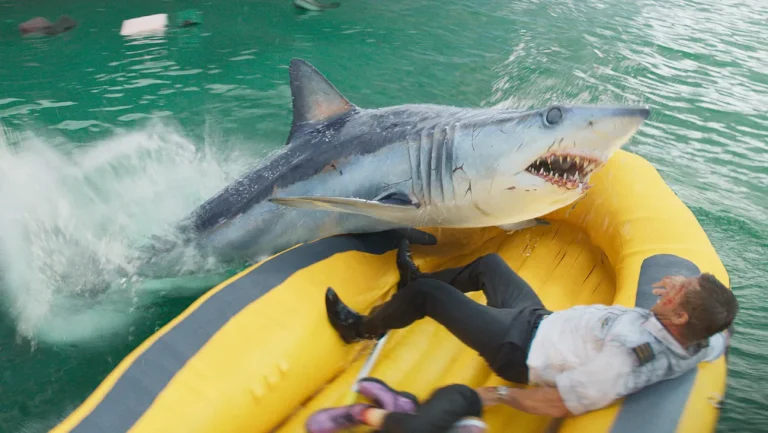
The sharks, arguably the main attraction, feel underutilized. When they do appear, the film briefly snaps into focus, delivering flashes of intensity that remind you what’s at stake. But those moments are fleeting. There’s a fine line between suspense and absence, and Deep Water doesn’t always stay on the right side of it.
As the story continues you do wonder where it is going. One plot is trying to reunite a little girl with her family, and the others are trying to get out of the aircraft. It feels like a lot is going on in the middle of the ocean. Everyone is going on their own emotional journey whilst waiting to be saved. Which, they eventually are, but not before a dramatic, maverick moment for our lead. The last 20 minutes are very exciting, and even if the end is predictable, you’ll still enjoy the building momentum.
In the end, Deep Water feels less like a full plunge into the genre and more like a cautious dip. It has moments that ripple with tension, but they’re spaced too far apart to fully satisfy. For a film about what lurks beneath, it spends a surprising amount of time staying on the surface, and that is where it leaves you. Deep Water is a thrilling disaster film, but if you’re looking for a shark-themed thriller, this one lacks bite. It’s a film for those who love their disaster dramas, and for those wanting something mindless on a Sunday when they’re scrolling on their phones.
Director: RZA Writer: RZA Stars: Shameik Moore, RJ Cyler, Paris Jackson
Synopsis: An ex-military convict seeks a fresh start in a small town, but his past catches up as he finds love amid danger and chaos.
In the Q&A following the screening of One Spoon of Chocolate, filmmaker and legendary NYC-based rapper RZA stated he had the idea for this film all the way back in 2011 and had only the first 40 pages of the screenplay for a while and couldn’t find the way forward. After seeing the film you could certainly tell that this has been on and off the burner for the better half of 15 years. One Spoon of Chocolate is an uneven ‘stranger in a new town’ film that lacks the charisma and charm of RZA’s other projects. There are a multitude of issues with this film with little pros to show for it, but most disappointingly One Spoon of Chocolate feels hollow for a film trying to say so much.
One Spoon of Chocolate follows former Army man and ex-con Unique (Shameik Moore) – possibly an homage to the Shaw Brothers first film studio – following his release from prison. Unique is placed in Karensville, Ohio, a town in which he has family, to try and live out his days as peacefully as he can. But the town is top-to-bottom corrupt, the townsfolk are incredibly racist and brutally violent. Acts displayed in the film include lynching, organ harvesting, and group beatings – all of which are shown as brutally as possible, not allowing the audience member to shy away from the horrors within.
One Spoon of Chocolate is wholly uneven as a film. When the film starts, we get something that feels a little more sensationalized, a little more exploitative, a platform that could’ve been built off of to be great. Then, after the first hour or so, the film seems to lose itself. It falls into something more self serious, losing the visual and thematic drive that preceded it. If you were to cut the film in segments, the first fifty minutes or so feels exploitative and purposeful, the following forty minutes that reads like one of Spike Lee’s socially aware films (something like BlacKkKlansman), then the remainder is just a big action blowout. There is a world where this could all blend together, but this did not.
In terms of the role white supremacy plays in the film, it seems to lean heavily on the economics side. While the angle is interesting, it is never explored further than a surface level glance. Obviously, RZA set out to speak on white supremacy and its existence, but when we’re at the stage we’re at in 2026 with how horrible it has gotten it feels sort of short of reality. In a way, it feels like someone trying to lampoon the National Enquirer, you can’t extend it much further without leaning into irony. Which, irony seemed to be the flavor at the beginning of the film, but quickly dissipated as the film progressed.
When I first started writing film criticism I touched on superfluous items that may not add to the total enjoyment of the film. For example, I was critical of acting at such a weirdly granular level that it seemed to add air into a room that isn’t asking for it. However, in One Spoon of Chocolate, Shameik Moore is extraordinarily bad. The other actors in the film do their role at the level they need to be (hell, Paris Jackson was a highlight, someone I was anticipating to just be visual furniture), but Shameik Moore cannot rise to the occasion. The film, at times, had some really excellent shots and lighting and the complete image could look excellent at times – then Shameik Moore would start speaking and it would melt all of the illusion and world that was built beforehand.
What One Spoon of Chocolate gets right is the final action sequence. RZA was aware of the lessons and ethos of Kung Fu and samurai films and it worked in this final segment. While the lead up to this point was less than ideal, the actual action was well worth it. There is an excellent restraint on the use of firearms and there is an emphasis on hand to hand combat and different items as weapons. If not for the rest of the movie being a drag, the build up to the final form of Unique’s prowess could have been something that is immortalized into film canon. Regardless, the final segment was well worth the journey to get there, warts and all.
It’s no secret that RZA is a massive film fan, and his enthusiasm is infectious. However, when it comes to his insertion of other film ideas into One Spoon of Chocolate, it feels lost. Sure, I recognize the references to Schindler’s List, Pulp Fiction, A Fistful of Dollars, all incredible films, but their homages are simply visual and nothing substantial. While I mentioned that RZA respected the style of Kung Fu films, that seemed to be the only philosophy he drew from. Everything else was just clunkily inserted in and didn’t feel as aware as the final action segment.
One Spoon of Chocolate is a film that had its heart in the right place but the execution was not there. RZA is an excellent artist, Enter the Wu-Tang is a top 10 album for me. I could listen to RZA talk about films for hours, but this film was certainly not one of his best. If you had told me this was his first feature film, I would believe you (and going into it, I did think it was his first feature film). If you were looking to find a great action film you can go watch John Wick, The Raid, or any Bruce Lee picture instead. There are redeeming qualities to One Spoon of Chocolate, but with the 112 minute runtime and bore of a middle section you could just see something else instead.