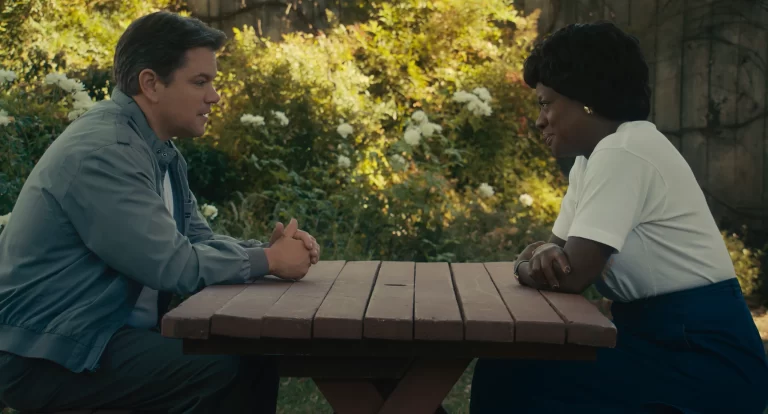
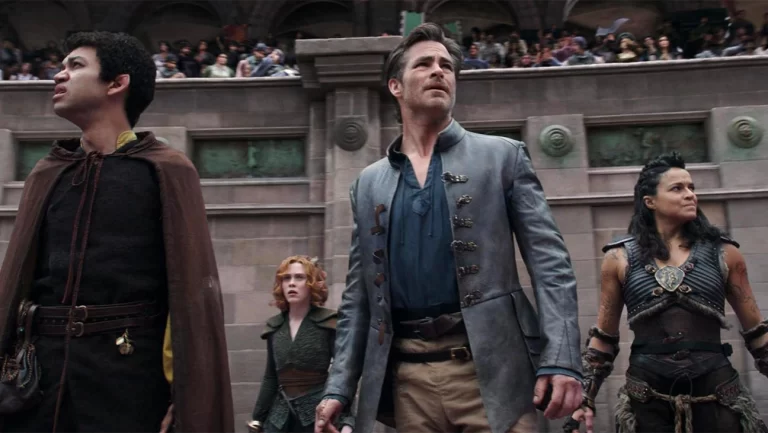
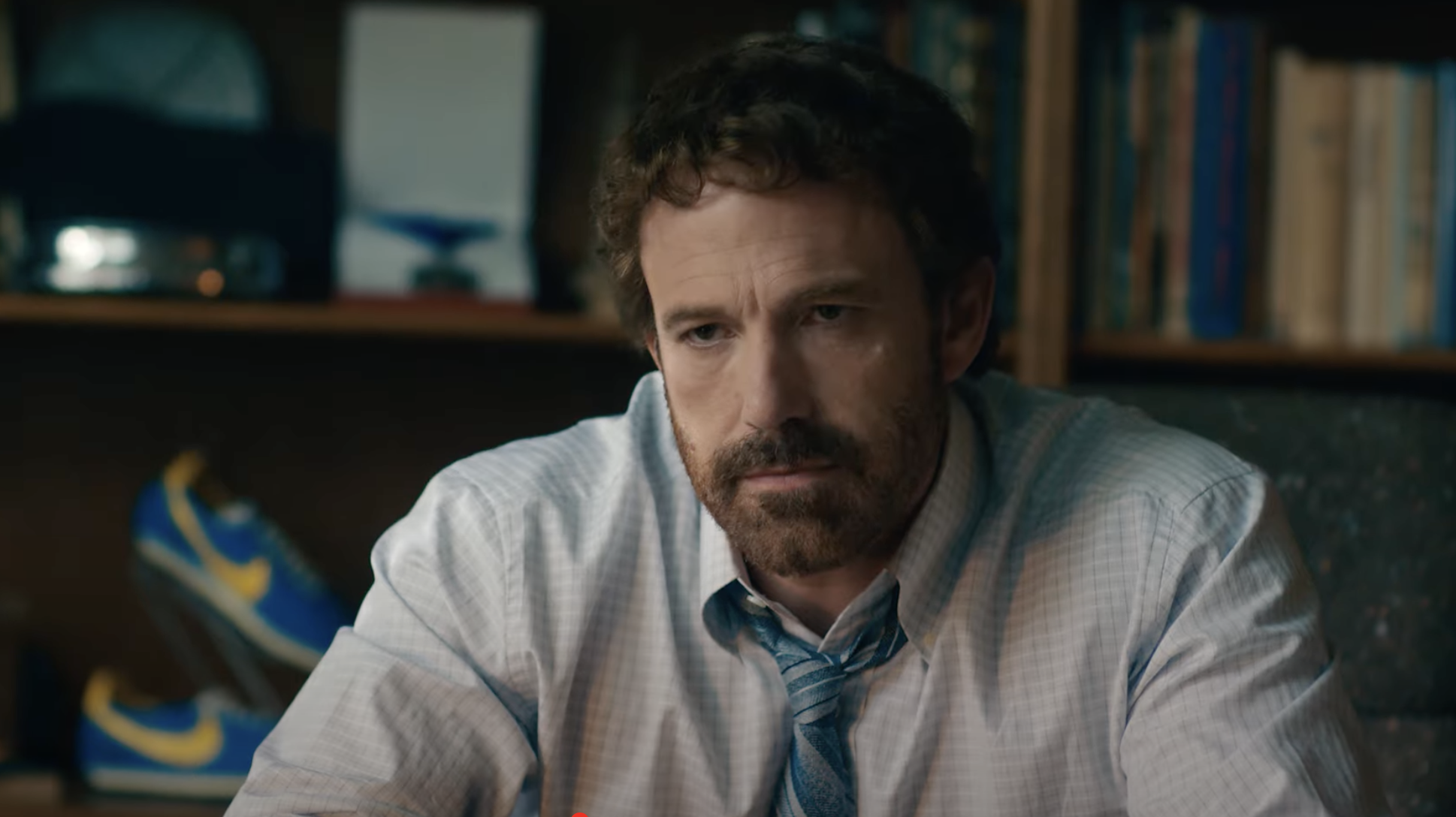
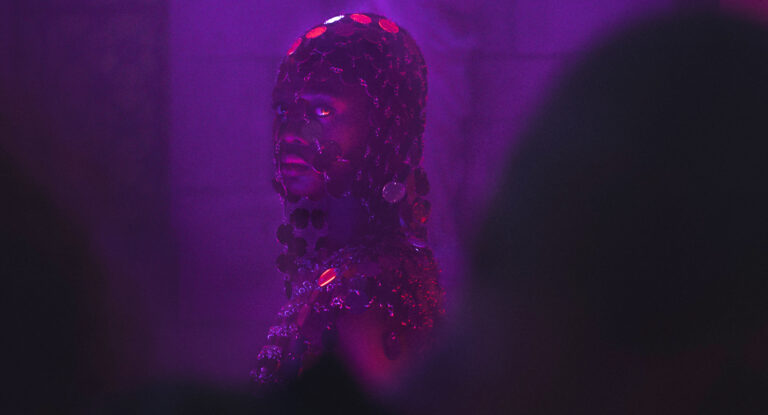
This week on the InSession Film Podcast, inspired by Ben Affleck’s new film Air, Brendan and Jay discuss their favorite actors turned directors! Plus, we answer some listener questions at the end of the show.
On that note, check out this week’s show and let us know what you think in the comment section. Thanks for listening and for supporting the InSession Film Podcast!
– Actor Turned Directors (3:00)
For those who are interested in the archive, we did do a Top 3 list on this very topic all the way back on Episode 51 in 2014. However, since that was before Brendan, Ryan and Jay’s time, we thought it would be fun to revisit this topic and talk about our favorite actor turned directors. Not only has cinema seen some great transitions, but some have seen their legacies be equally revered with their work behind the camera.
For this segment, we answer some listener questions regarding the new Barbie trailer, the proposed Harry Potter reboot and Michael Mann’s new film Heat 2!
If you want to help support us, there are several ways you can help us and we’d absolutely appreciate it. Every penny goes directly back into supporting the show and we are truly honored and grateful. Thanks for your support and for listening to the InSession Film Podcast!
Stars: Owen Wilson, Michaela Watkins, Stephen Root
Synopsis: Carl Nargle, Vermont’s #1 public television painter, is convinced he has it all: a signature perm, custom van, and fans hanging on his every stroke – until a younger, better artist steals everything (and everyone) Carl loves.
Comedies, like dramas, can come in many different varieties. The dramedy which plays both sides, the sex comedy where everybody wants some, and the offbeat, quirky affairs that find their loving, devoted niche. Paint wants to be that offbeat comedy. It wants that underdog status, but it’s just kind of a chuckler. It’s the kind of comedy where rather than laugh out loud you chuckle or your brain says, “Oh, that’s funny.”
That’s not necessarily a bad thing, but it doesn’t make for an interesting movie. Paint’s a bit of a shrug. A, “So that’s what you want to do with your not Bob Ross, but obviously Bob Ross adjacent, comedy?” kind of movie. It feels stale the first time Owen Wilson talks about bushes and trees in his whispering lilt. So much of that character exists in our minds already that it was a disappointment that Carl Nargle is just another uninspired imitation.
The filmmakers didn’t even play up the idea of the man out of time aspect of it. In fact, until one character jarringly refers to The Real Housewives and another calls an Uber, it’s not at all clear when this is supposed to be set. If their timeline matches, then the 22 years earlier flashback that occurs is roughly 2000 not the more obvious references to the late 1970s and early 1980s which would have made more sense as that’s when shows like Paint with Carl Nargle would have been on. Much more could have been mined from a man who doesn’t accept the changing of the times with forty years of history behind him.
There is a lot of comedy like this left on the table. The cringiness never boils over, the pratfalls are pitiful, and many quirks are never explained even with a satisfying nonsensical explanation. Though, one sequence that is genuinely funny is when Carl wants to avoid some bad press. He drives his van to every house with a newspaper and steals the paper so no one can read the article that mentions him negatively. The genius comes from editor Sofi Marshall’s work as she does several quick cuts to the sequence of Carl speeding forward by inches, hitting the brakes, putting in park, jumping out for the paper, throwing it in and then jumping back in to start it again. It’s a ridiculous sequence that finally does more than make you chuckle.
However, the film as a whole is just half baked. It’s trying to mine depths that aren’t present and it has a main character that has no likable qualities. Carl would have been a great anti-hero. He could have been a spectacular cad. He could have kicked puppies, pushed an old lady down, popped a kid’s balloon, but he didn’t. He didn’t really do anything, fight for anything, or stand for anything. His downfall isn’t so much of a downfall as leaving one room for another slightly less comfortable room. Even his grand ambitions are just pitiful.
The whole film has this pity party feel to it that’s playing to an audience of one. Who can say who that one really is, but I hope they like their movie. It’s probably best to just skip this one all together. There are quirky comedies out there that actually care about being funny and interesting at the same time.
Stars: Aline Kuppenheim, Hugo Medina, Nicolás Sepúlveda
Synopsis: Chile, 1976. Carmen heads off to her beach house. When the family priest asks her to take care of a young man he is sheltering in secret, Carmen steps onto unexplored territories, away from the quiet life she is used to.
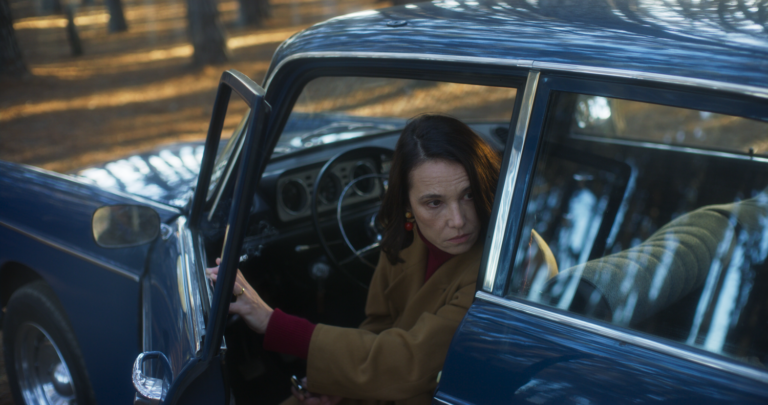
Impressively so, Manuela Martelli demonstrates her exceptional directorial capabilities with Chile ‘76 – a film that blends arthouse visual sensibilities with Hitchcockian thriller elements to create a tension-filled and fearless take on a year in the Pinochet dictatorship, anchored by a superb performance from Aline Küppenheim. This “political nail-biter” focuses on forging its atmosphere and curating complex imagery rather than implementing the usual genre elements seen in today’s cinema.
Out of the many feature-length directorial debuts in this year’s New Directors/New Films festival program, Chile ‘76 (formerly titled 1976) is the boldest and most impactful of the bunch. Actress-turned-filmmaker Manuela Martelli (known for her work in Machua and B-Happy) has created a suspenseful and gutsy story about a year in an authoritarian regime, particularly the Augusto Pinochet dictatorship. Before the film truly starts, a deep and dark sense of dread lingers around in the setting’s atmosphere, replicating how Chile was suffocating under Pinochet’s reign in power. This trepidation in the background paves the way for the film’s introductory scene. A middle-aged woman, Carmen (Aline Kuppenheim), is at a local paint store looking through an Italian traveling book for the best shade of pink to paint her beach house. There’s a sort of delicateness to this quick glimpse into Carmen’s life. As her cigarette burns, she brushes through the pages like there is not a worry in the world.
Carmen asks for more blue shades to match the pink-tinted skies of the image that inspired her to choose that color. However, there’s a contrast between the image chosen and the scene that occurs after. She selects a picture of Doge’s Palace during the sunset; Carmen wants the pastel-colored hue of the evening covering the skies. What a lot of people don’t know is that such a place, which looks stunning from that frame, housed thousands of prisoners and tortured them for centuries. The picturesque Venice landmark and Carmen’s life both have something ominous creeping underneath them – a façade filled with beauty covering up the darkness. As the camera lingers on, the beautiful colors of blue and pink mixing together in the blender, the evils of Pinochet strike almost instantly. Outside the paint store, a kidnapping is taking place. We never actually see the woman being abducted, but the viewer hears her screams – begging to be let go.
A drop of the pink-colored paint falls onto Carmen’s shoes as a reminder of such an event taking place; that drop stands in for a blood-stain, hinting at something absent at that precise moment yet inevitable in the long run of Manuela Martelli’s narrative. This is a brilliant introduction to Chile ‘76. It is fascinating how Martelli has captured such strong emotions and imagery filled with plenty of analogies in just a single scene, all worth digesting and examining once the film ends. We get to know her sharp and astute skills as a director mere seconds into her movie. After the woman has been seized, we follow Carmen’s upper-middle-class life as she renovates her family’s beach house. But, her life is about to turn upside down when the local priest, Father Sanchez (Hugo Medina), convinces Carmen to take care of a “common criminal” who has suffered a gunshot wound, Elías (Nicolás Sepúlveda). This sets the path for a new major shift in her lifestyle as she later becomes acquainted with the man and learns that he’s running away from Pinochet’s police force.
Paranoia and fear run through her veins as the rush of inevitability and suspicion intertwines, fueling Carmen’s anxiety about government-caused gender oppression. In Chile ‘76, Manuela Martelli offers a fresh and vastly rich perspective on the torments and terrors of Pinochet’s reign in power. By combining Hitchcockian and 1970s thriller elements in the vein of Francis Ford Coppola’s The Conversation (with each dialogue set-piece containing pressure-cooker suspense) and Michelangelo Antonioni’s The Passenger, Martelli captures that pulsating adrenaline rush of uncertainty and dread-tainted serendipity. She builds tension by curating a feeling of the “will they, won’t they”; the audience is worried about Carmen and her family as she continues to aid the injured Elías. What will happen to her if they catch her? Is someone carefully watching all of her moves? The hesitation of every characters’ decisions (and their outcomes) keeps the audience guessing until the very end, fascinated by the various upcoming twists and turns. However, there are a couple of moments in which you know in which direction the story is headed.
Outside of Martelli’s vision and Soledad Rodríguez’s cinematography, there are various forms in which Chile ‘76 demonstrates paranoia and unease. As Camila Mercadal’s nifty editing shapes the growing anxiety of Carmen’s apprehensions, the synth-focused score by Mariá Portugal creates a disorienting effect that replicates the country’s restlessness. While every facet is impressive and adds to the film’s ever-growing tension, Chile ‘76 wouldn’t work without Aline Kuppenheim’s performance. Her delicate facial expressions and smooth voice intertwine with the fear of being hunted and later getting caught. Out of the films I have seen, this is my favorite performance of hers. You are worried for her throughout the runtime, from the film’s thrilling introduction to the more significant dangers that arise later in the narrative.
Chile ‘76 doesn’t capture the complete feeling of life under Pinochet. But the fresh perspective gives it a sense of importance due to Martelli’s innovative grasp on tackling the theme of oppression. Instead of dwelling on the macropolitical aspects or tunning a melodramatic tone, Manuela Martelli inputs an arthouse style and combines it with conventional thriller sensibilities. This approach helps uplift some of the weaker elements in the film, such as the lack of in-depth character development outside of Carmen, because it is gripping and increasingly far more interesting than the multi-million-dollar pictures we see from the bigger studios.
Synopsis: Increasingly overshadowed by her boyfriend’s recent rise to fame as a contemporary artist creating sculptures from stolen furniture, Signe hatches a vicious plan to reclaim her rightfully deserved attention within the milieu of Oslo’s cultural elite.
With a more profound aggravating touch to his usual acerbic comedic sensibilities and a great “down for anything” performance by on-the-rise talent Kristine Kujath Thorp, Kristoffer Borgli satirically (and equally frustratingly) depicts the toxicity of competitive narcissism, egotistical sympathy, and victim mentality in our modern times with his latest work, Sick of Myself (Syk Pike).
Norwegian filmmaker Kristoffer Borgli has been interested in creating outlandish yet intriguing movies that cause significant reactions from the audience. His approach to filmmaking is somewhat absurdist, but not in the way of Quentin Dupieux or Leos Carax because he adds meta-commentative humor into his works, as seen in his 2017 mockumentary, Drib. Although that film was relatively lackluster and didn’t manage to achieve its full potential, many of us were intrigued by what he would do next. With his first film in five years, Borgli ups the ante, both for better and worse – mainly for the former. Titled Sick of Myself (Syk Pike), Borgli wants to take on, satirically, the obsessive narcissism that spreads like a virus among influencers and people obsessed with social media. And he does capture that feeling of competitive self-admiration, all through hilarious and annoying dialogue and scenarios that make and break the film. So is it worth indulging in the vanity of this farcical story? For the most part, yes!
Sick of Myself begins with a birthday celebration at a restaurant, where we meet our two unlikable young protagonists, Signe (Kristine Kujath Thorp) and Thomas (Eirik Sæther). Thomas wants to impress her by buying a two-thousand-dollar bottle of wine – the most expensive one in the locale. They both laugh at the absurdity of consuming such pricey liquor, pouring their glasses as if they have all the money in the world. Signe states that everyone is looking at her, even though most people eating there aren’t. These are the first signs of self-obsession and narcissism Borgli puts in the film, and there are many more where that came from. However, something peculiar is about to happen. Thomas asks Signe to go outside and pick up her phone. In my short experience as a waiter, this scene definitely frustrates me as I know exactly what is about to happen – I know of such incidents firsthand (I’m looking at you, the couple at table three). As she lights a cigarette in the street, Thomas runs away with the bottle; the waiter chases him to ensure he pays for his actions.
Immediately after, Signe delivers the quote that cements the film’s crux: “Narcissists are the ones who make it… combined with talent, it’s a plus.” Signe sure is narcissistic, but she lacks the talent to pull it off. Instead, she depends on desperation to acquire her daily dosage of conceit. The young couple lives in a stylish apartment with colorful paintings and a hodgepodge of stolen furniture. While the film’s introductory scene might present that their relationship is intact, the reality is the opposite. Toxicity runs through the longevity of their romance. Together they are amorously unhealthy; if you put them apart, you begin to notice that, in a way, they are meant for each other. The two of them constantly fight for attention wherever they go, whether at dinner with friends or parties in their apartment. When Thomas is headed for fame with his artistic work, Signe becomes bitter about it. So, Signe decides that she needs to fight for eyes to see her every move.
At first, it is minor, yet distasteful; lies about being attacked by a dog or having a nut allergy in front of Thomas’ dinner guests. Yet, later on in the narrative, her yearning for attention causes Signe to make very drastic decisions. She indulges in some illegal Russian drugs with a side-effect that triggers an allergic reaction — a rare skin disease that scars your face. Because she’s frantic enough to do engage in such actions that might jeopardize her health, Signe swallows one pill after another as if it was candy; her skin slowly breaking out to the point where she needs to be hospitalized due to her infection. And that’s precisely what she wants; with that hospitalization, Signe gets the egotistical sympathy that fuels her daily living. At this point in the story, many viewers will find themselves either annoyed or engaged with the film due to the excessive and tongue-in-cheek satire delivered by Borgli. When the Munchausen syndrome comes into play, that division between annoyance and entertainment will make or break the viewing experience for many.
Although I found some scenes rightfully annoying, I was intrigued by Sick of Myself’s satirical exploration of the modern-day pursuit of fame or being recognized, as well as tainted relationships. The characters in this film, largely the unhealthy pairing of our “protagonists”, are sick of one having more attention than the other, to the point where one decides to become ill to fuel the fire of their crumbling partnership. Borgli doesn’t want to let any of them off the hook for their actions, creating various brutal scenarios for them to cross paths into. But, of course, the person we see suffer the most, at least on the outside, is Signe, played by a fiery Kristine Kujath Thorp. Thorp is just having a blast with the material she’s been given. This performance demands a lot from her since it is a balancing act of making the audience disgusted by the character’s cruel decisions and care about her simultaneously – understanding why Signe is a manipulator and frequent liar.
Because Thorp is such a talented actress, you want to keep watching what other outrageous things her character will do next, even if it is morally repugnant or just plain erroneous. Borgli doesn’t shy away from showing us her transformation into a solipsistic monster. He implements elements in the story that both figuratively and literally shine a light on the different aspects of the main character’s victimhood and egocentricity. The main two are the clever script by the Norwegian director and the fantastic makeup work by Dimitra Drakopoulou and Izzi Galindo. The script focuses more on exploring how Signe has used her own suffering and illness as a tool (or sport) for her pleasures, as well as how Thomas’ antagonistic approach to their relationship served as a trigger for her downward path to self-destruction. Meanwhile, the highly well-crafted practical effects and makeup show the literal impact of her compulsive “look at me” mania.
There are gags in the movie that feel short-sighted, placed to create a reaction rather than to amplify the project’s themes. But, for the most part, Sick of Myself is pretty entertaining and witty. This film and Ruben Östlund’s Palme d’Or-winning Triangle of Sadness enjoy seeing people in pain and suffering because of their rash and questionable decisions. And honestly, I do too. There’s a magnetic feeling in seeing these satirical scenarios become more insane and corrupt by the minute. It is also hilarious that Sick of Myself was brought to us by the same people who made Joachim Trier’s Oscar-nominated film, The Worst Person in the World, because there is no close comparison between Renate Reinsve’s Julie and Kristine Kujath Thorp’s Signe. The former feels like she is the worst person in the entire world on the inside, while the latter is the pure definition of such a description. I’m definitely looking forward to Kristoffer Borgli’s next film, the Nicolas Cage-starring and A24-backed Dream Scenario.
For this week’s Patreon Bonus Content, JD is joined by Christian Eulinberg to discuss this year’s Star Wars Celebration and some of the fun announcements made over the weekend! Including a new film from James Mangold, a new film featuring Rey, and a new Ahsoka trailer that was very exciting.
To hear our bonus content episodes early, subscribe now on Patreon. In many cases, though, we offer our bonus content for free after a certain period of time and we do encourage (and very much appreciate) a small donation of $0.99 as a way to help support the show if signing up on Patreon isn’t for you. Click on the PayPal button below to donate and thanks so much for your support. You can also hear much of our Bonus Content via our mobile apps. See the information at the bottom of the post for more details.
[divider]
Mobile Apps!
Listen to all of our bonus content on our apps for just a one-time fee! Whether you have an iPhone, Android or Windows phone, our apps are available in many different ways that is convenient for you. With our mobile app, not only can you listen to all of our bonus content, but our main shows and our Extra Film podcasts as well. Click here for more info!
If you don’t want to purchase our bonus content, but still want to support us, there are other you can help us out. Click here for more info.
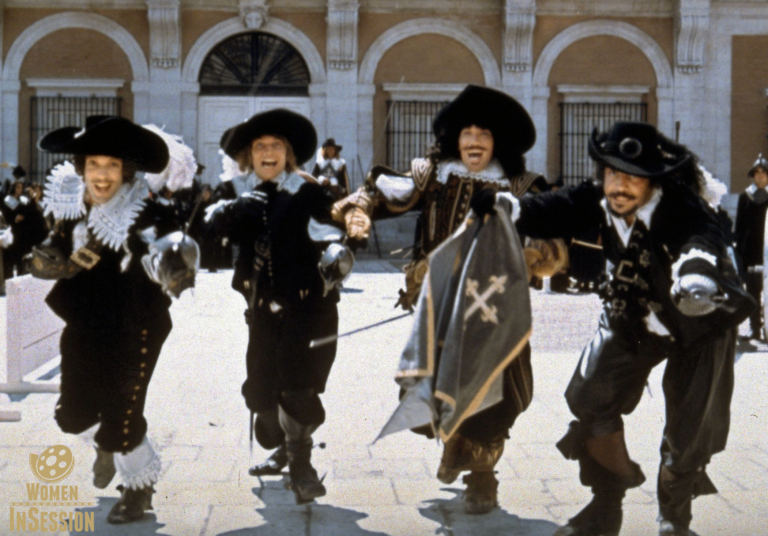
This week on Women InSession, we discuss our favorite adventure and swashbuckler movies! They may look different today, or perhaps they don’t make them in quite the abundance they used to, but there are so many great adventure movies throughout the years that we love. This was a really fun conversation that we hope you enjoy as well.
Panel: Kristin Battestella, Zita Short
On that note, check out this week’s show and let us know what you think in the comment section. Thanks for listening and for supporting the InSession Film Podcast!
To hear this Extra Film episode and everything else we do, download our apps on the Amazon Market for Android and the Podcast Source app on IOS devices. The mobile app covers all of our main shows, bonus podcasts and everything else relating to the InSession Film Podcast. Thanks for your wonderful support and for listening to our show. It means the world to us.
With Holy Week upon us and many people getting into the mindset of religion and spirituality, I thought it would be fun to dive into best films cinema has provided regarding humanity’s thirst for God and truth. Regardless of where you sit on that spectrum – a full on believer or a devout atheist – cinema has given us some captivating films about faith and how complex the journey is along the way. Sometimes it’s urgent and existential. Other times it’s just a matter of ruminating and contemplating on what might be out there. Either way, let’s take a look at faith and religion in film, and the five best that distinct themselves from all the rest.
[divider]
5. Andrei Rublev
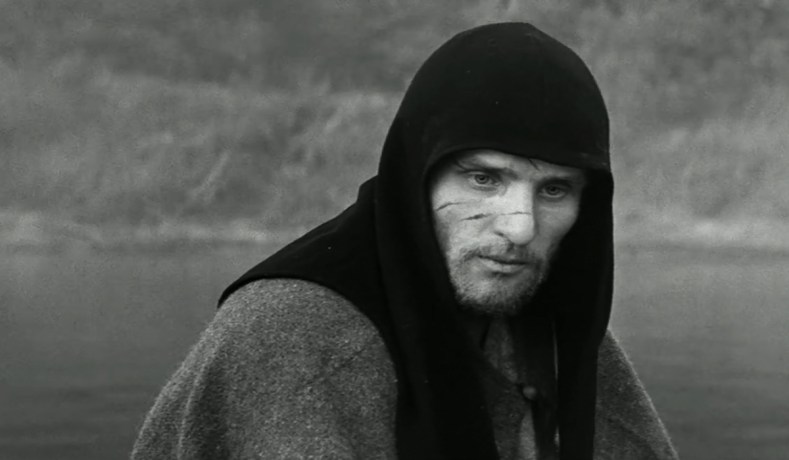
There are some filmmakers (several on my list, if not all of them) synonymous with spirituality and faith, and Andrei Tarkovsky is certainly one of the best. His films, especially Rublev, are chock full of complex and thoughtful ideas on faith and how people wrestle with its challenges. Rublev is long and contemplative, but it becomes a provocative exploration in Andrei Rublev (the character) ruminating on how faith has summoned humanity’s most tragic irony. Some see the Church as a path of hope, but most are drowning in their own suffering, and Rublev is constantly in conflict with that dichotomy. Especially when people indulge in actions that the Church would despise when in reality they are coping mechanisms that they cannot live without. There are many great scenes in which these things are debated, and it’s all channeled through Tarkovsky’s brilliant framing and imagery.
[divider]
4. The Night of the Hunter
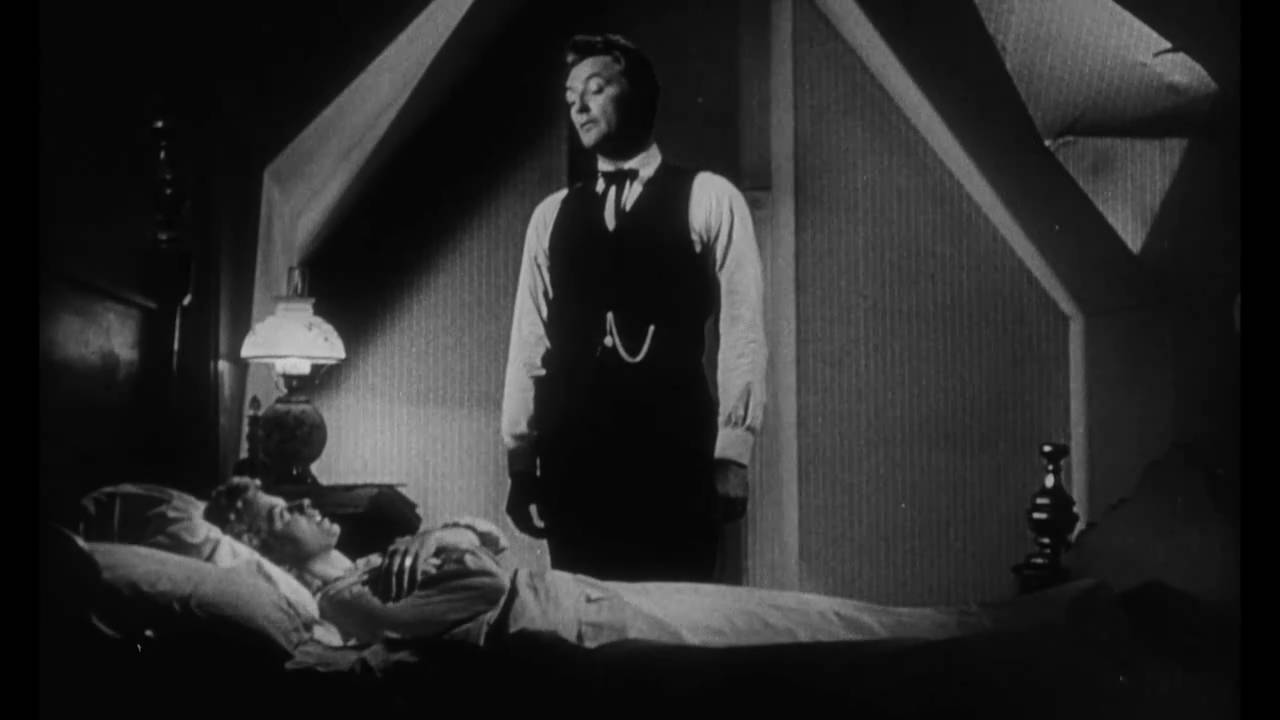
The Night of the Hunter is not only a thematically stirring film, it’s stunning how relevant it still is today. I mean, how often do we see in the news of some sort religious or political figure using “love” and “Christianity” to mask the hatred they demonstrate? Even using Christian bibliography to excuse their manipulative agenda. Preying on those who are vulnerable. Asserting authority wherever they can. The dualities of love and hate are not just written on Harry Powell’s hands, but they’re deeply interwoven within every aspect this narrative and the actions of these characters. It evokes a cynicism that’s wholly counterintuitive to the spirit of Easter, but it’s worth talking about because its ethos is rooted in highlighting the very things Jesus was against. Additionally, the film is simply captivating in its drama and conflict.
[divider]
3. Silence
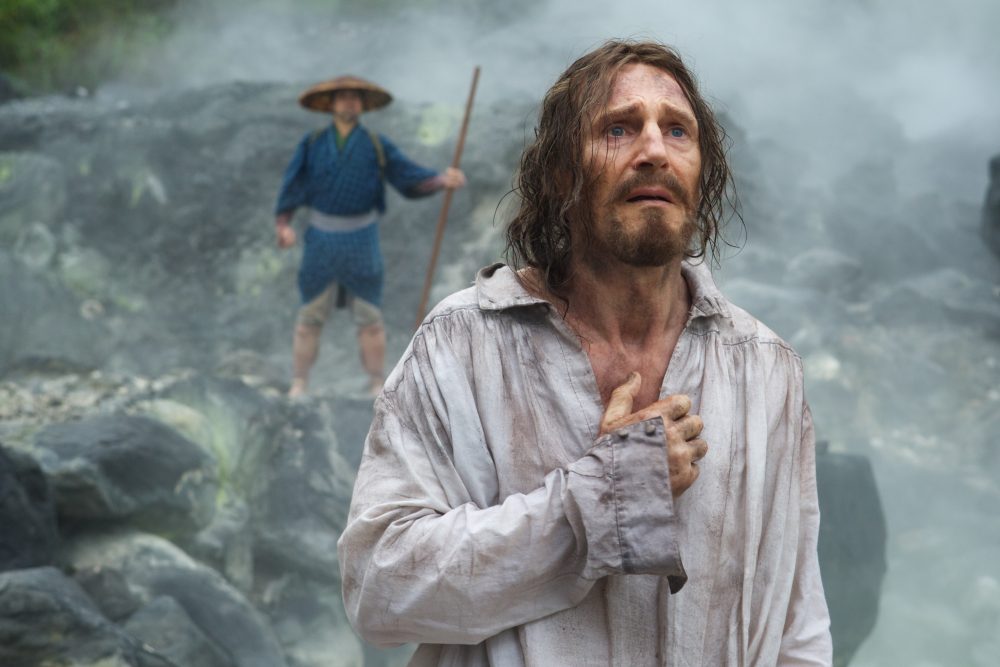
Martin Scorsese is one of cinema’s greatest filmmakers (hot take, I know), and is probably best known for his psychological studies and work in the crime genre. However, his spiritual explorations are equally fascinating. The Last Temptation of Christ could have easily made this list as well (more flawed, but still very compelling), but Silence is one of Scorsese’s best films. Period. In fact, you could argue that it’s a Top 3 Scorsese, top 5 at worst. At three hours long, it’s one of the most nuanced and complicated looks at faith and the deflating path it can take you down. There’s a clear dividing line in Silence between being righteous and being truthful. Rodrigues (Andrew Garfield) is constantly forced to reconcile his faith with the reality around him. And it’s captivating to see his desperation devolve into hopelessness as adversity becomes more cumbersome for him. Primarily because, as the title suggests, he starts to question the idea of God when the silence is overbearing. When he needed God the most, he found himself alone and broken. Perhaps that’s just part of the test when indulging in your faith. Either way, this is Scorsese wrestling with the religious human experience (and probably his own) and the deafening echoes of silence that you often hear on your faith journey.
[divider]
2. The Seventh Seal
It is against the law to write about faith in movies and not include Ingmar Bergman. In fact, this whole list could have just been his entire filmography. Honestly, any one of his movies would suffice (you won’t get much push back from me), but The Seventh Seal is the one that stands out the most. Maybe because it’s the most overt of any Bergman film, but its notions on faith are at once challenging and extremely relatable. It has so much to say about the search for God, and doubts we may have about God’s existence (and by proxy the afterlife as well). The film evokes questions of isolation and emptiness when it comes faith and feeling God’s absence. Antonius Block’s (Max von Sydow) torment and desperation to prove God’s existence, or at the very least experience him in a tangible way, renders some of the most poignant imagery we’ve seen in cinema. It means something to him, whereas the squire Jöns (Gunnar Björnstrand) has already accepted the absence of God. Bergman’s dueling perspectives on faith throughout the film is nothing short of sublime. However; I do want to emphasize, what makes The Seventh Seal slightly distinctive as it relates to these ideas, is Bergman’s genuine approach to them. The previous films on this list have a more cynical bite to them (which I love, don’t me wrong, that’s not a bad thing at all), but that dichotomy of rationalism vs faith here is captured with an earnest curiosity for some sort of truth. Whatever that may look like. It’s as if Bergman was truly struggling with this and needed some artistic catharsis. As a result, it’s one of the most honest and balanced depictions of spirituality in film.
[divider]
1. The Tree of Life
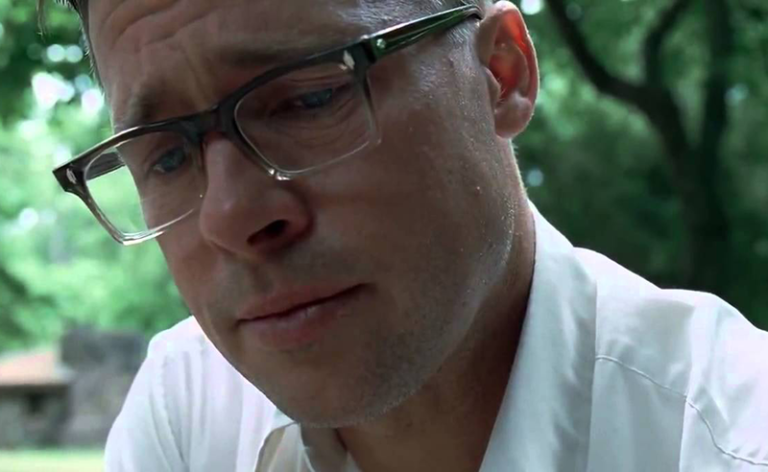
Like the aforementioned filmmakers above, Terrence Malick is known for his spirituality and religious themes. But nothing gets to the heart of faith, in an American context, better than The Tree of Life. At the heart of Americanism are two things – religious freedom and “big” things. For better or worse, American Christianity has been a foundational block since the inception of the United States, and it’s been a defining trait for many families over the decades. The United States has also become a beacon for the biggest and baddest things. Big houses. Big trucks. Big guns. Big everything. So what does Malick do here? He explores religion through the absolute biggest prism possible; the cosmos. Nature and spirituality are woven into the DNA of this film, coursing through its veins as it explores provocative existential questions surrounding and our place in the universe. Using the Book of Job as an allegory for Malick’s family in the 1950s, we see the hardships they experience together. At first its domestic conflict, a father struggling to make the American Dream a reality. But then it shifts to deep grief with the sudden loss of a son and brother. But underneath that, at the heart of the film, is a journey of seeking and understanding God (or some sort of faith) and finding peace along the way. A notion that Malick funnels through this dichotomy of nature vs grace, which sets the groundwork for how this family will cope when their faith is tested. We love our children endlessly. We can also prepare them for the harshness of reality. But the truth is we can’t always protect them. Tragedy can strike at any time. Nature is as beautiful as it is unrelenting. An idea Malick depicts through the Big Bang and even dinosaurs. But in all of that, the film suggests something about faith and understanding that our lives are in the hands of a force beyond us. A force far bigger than we can even conceptualize. We may not understand all of life’s uncompromising difficulties, but there are bigger truths that can comfort us knowing that our dramas are fleeing compared to the majestic and wondrous stage they take place on. That is the thesis of The Tree of Life and it’s one of the most profound cinematic experiences I’ve ever had.
Here are some honorable mentions, as there are several more that make great arguments for being in this conversation: The Passion of Joan of Arc, Winter Light, First Reformed, The Witch, Black Narcissus, Stalker, The Virgin Spring
Having debuted at TIFF last September and being screened at the 40th annualMiami Film Festival, this excellent debut by Canadian writer/director Chandler Levack connected to this critic from just the main character. Even though it is a period piece going back to Levack’s time as a film buff, she chose to switch the protagonist to a male because of her desire to prove that female directors can also make male-led stories. Even now as it was back then the belief that women directors can only do female-led stories, connecting the twenty years in difference shows that the perception is still the same.
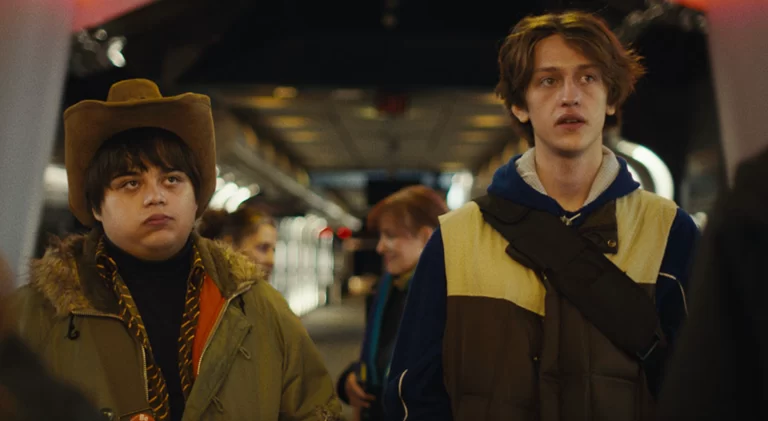
Seventeen-year-old Lawrence (Isiah Lehtinen), is an overweight, socially inept cinephile and aspiring filmmaker. Right there, the description fits me both, even though, whereas I come from South Florida, our main character is an Ontario, Canada-based high school senior who aims to go into New York University’s film school. His single mother suggests that he can study films here like Canadian directing legend David Cronenberg (who didn’t go to film school presumably because the University of Toronto didn’t have one; his degree was in Literature), but the hardcore Lawrence wants to be the next Todd Solondz – a first for someone to say that – or Stanley Kubrick. He is of the mindset that he’s special and that he is the next big thing to shake up cinema.
It is 2003 and he and his friend Matt make their own movies on video (do teenagers know what VHS was?) but their tastes are very different. Reluctantly, Lawrence takes a job at a movie store to save money for tuition and begins an odd friendship with the manager, Alana (Romina D’Ugo). Alana is both somewhat annoyed by Lawrence’s arrogance in movies, such as telling customers what not to rent rather than just letting them rent anything, yet has pity for him when she realizes that his social skills aren’t the best and that he hurts internally from his problems communicating with others outside of the film-loving world. This is more apparent when she learns of Lawrence’s own issues at home with his mother (Krista Bridges) that explain his insecurities.
Levack uses her own upbringing – another movie-infested childhood being portrayed like in Belfast and The Fabelmans – as the basis, but, as noted earlier, makes the lead character a male adding a more complex layer to him. Lehtinen is smug as the ambitious yet delusional Lawrence whose holier-art-thou mindset allows the character to be emotionally vulnerable. It brings back the nostalgia of Blockbuster in the U.S. with rows of VHS and DVDs, the return drop box, and those dreaded late fees. But also Levack brings us moments of heartbreak and reality setting in for awkward teenagers whose one-dimensional view gets forcefully expanded. There’s a lot of heart in her script which makes the film simple and stays connected to changing events that humble the learning Lawrence as he goes into adulthood.
It even takes a turn into some serious matters which may not have been spoken of then compared to now. When Lawrence has an anxiety attack in the back room of the store, or when Alana comes over for dinner when an argument about Lawrence’s deceased father espouses the source of his hurt. The more dramatic point comes when Lawrence and Alana have a heart-to-heart about the reality of Hollywood when Alana reveals she went there as an aspiring actress but left following a traumatic event. He is seventeen and learns something that he may not totally understand, but it reveals her own love-hate affair with not just movies, but with men. It isn’t a random thing being said, but Levack’s lengthy scene adds context to a person withholding her own hurt and projects it onto Lawrence.
As a whole, this is a small film with plenty of nostalgia – again, today’s teens probably don’t know what tape recorders were – as well as a retrospective on learning to grow up quickly. It doesn’t try to push itself further, avoiding any over-dramatizing from the performances within the story. Levack’s film thrives on being simple, which is what a film just needs to be (the budget was reportedly $125,000), even for a new director on the scene. Some may complain about it not trying to go further with the emotions, but this isn’t a Mike Leigh, slice-of-life story. It’s quite relatable for the Lawrences of the world and the last scene leaves with hope on the way for the film nerds who just can’t fit in with the others.
Writers: Ariela Barer, Jordan Sjol, and Daniel Goldbaber
Stars: Ariela Barer, Kristine Froseth, Lukas Gage
Synopsis: A crew of environmental activists plot a daring plan to disrupt an oil pipeline.
In Paul Schrader’s First Reformed, a frustrated Rev. Toller played by Ethan Hawke yells out “Well somebody’s got to do something” when speaking to a fellow priest about the church’s involvement in the ongoing battle of climate change. His frustrations are not singular, millions around the world have tried to make their voices heard by stating the importance of the climate change movement and how we, as a society, have to counter the environmental damages we have caused to our planet. By the end of Schrader’s film, the focus stirs away from finding a solution to the biggest problem facing humanity, leaving the door open for someone else to find answers. With How to Blow Up a Pipeline, director Daniel Goldhaber’s second feature examines how far people will (or even should) go to make a real impact on this vital issue.
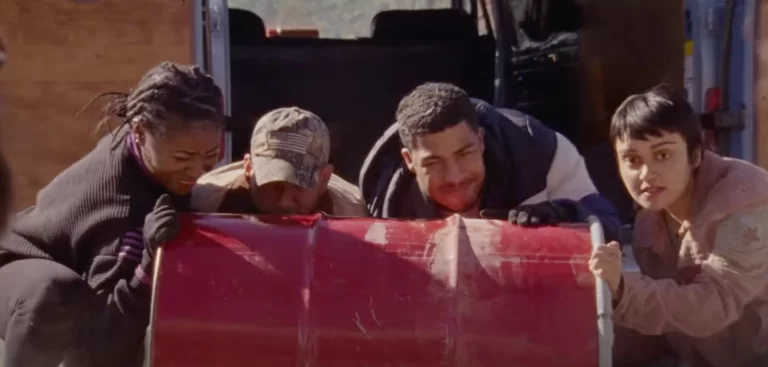
Based on Andreas Malm’s nonfiction novel covering multiple accounts of various individual stories to advocate for saving the planet against the threat of climate change, the film takes all of these stories. It combines them into a group of mostly strangers who band together to make a statement big enough to change the world’s current stance on fossil fuel admissions and dependence on oil. The group’s inception starts with Xochitl (Ariela Barer) and Shawn (Marcus Scribner), who are two college students working on a documentary focused on climate change. In gathering together with their classmates, their anger and frustrations continue to grow, as they are having the same old conversations that we’ve been having about climate change for the past twenty to thirty years. They are tired of the false hope they are told to put in powerful leaders, waiting for small changes to be made, but ultimately they get nowhere close to the legislation that can make a difference. So, they decide to see if they can pull a team together of experts on the issue to make something that will get the attention of the oil companies and politicians; they decide to create a bomb.
Once this decision is made, Goldhaber cuts back and forth from the group’s creation of the bomb to more backstory of the other members of the group, showing how they all got here and how this issue affects them or why they have nothing to lose in going head in on a project as dangerous as this one is. Emotional backstories only heighten the drama happening and the importance of this mission’s success. Take Theo (Sasha Lane), who is diagnosed with leukemia and wants to leave a lasting legacy before she dies, or Dwayne (Jake Weary), who has been fighting the oil companies for the land that has been in his family for over a hundred years and is about to get kicked out so they can continue to drill on something that was never the companies, to begin with. These frustrations turn into anger, and lead to our characters having nothing to lose, thus making an individual so driven that you can’t stop. All of this is written expertly by Barer, Goldhaber, and their co-writer Jordan Sjol, who create a tight thriller filled with tension and deep emotionality.
In an effective, tension-packed 104-minute runtime, How to Blow Up a Pipeline sucks the audience into the urgency of this mission by seeing the bomb being built step by step. Every setback or shortcut is slowly examined by Goldhaber, who steadily directs each scene like an expert, even though this is only his second feature film. In doing this, the mission of the entire team keeps us, the audience, on the edge of our seats with the last 45 minutes coming at such a heart pounding pace that you can’t help but be captivated. Solid work by the entire ensemble, though there isn’t a performance that stands out above the rest. But the point of this film isn’t to have big speeches about how to fix issues, it’s about taking action and thus when we see the bomb blow up, we see this cast now have to deal with the damage they have created and how this doesn’t end happily for all involved but it serves the purpose intended; to create a movement of change.
In the film’s coda, we find out just how impactful their actions are and what we will see going forward because of it. The spark has been lit and it is up to us after the film is over to make a larger change. The message isn’t preachy but instead urgent and real. How to Blow Up a Pipeline is an effective political thriller with a lot of heart and passion behind it. It seeks to change the minds of people around the world, whether or not it will do that will ultimately be the legacy of the film and the topic of climate control as a whole.
Synopsis: The story of The Super Mario Bros. on their journey through the Mushroom Kingdom.
While Pac-Man might have been the first official video game character in 1980, the first version of Mario wasn’t far behind. Initially named ‘Jumpman,’ and a carpenter instead of a plumber, he made his first appearance in 1981 in the arcade game Donkey Kong. It wasn’t until the 1983 release of Mario Bros. that Mario, and his new brother Luigi, would step into the spotlight as the main characters in their own game. From then on, the character of Mario exploded culturally spawning variations including Super Mario, Mario Kart, Mario Party, and countless others. While Nintendo’s most profitable and well-known character has made many appearances in game form, when it comes to the big screen, he has been relatively absent. That is until now with The Super Mario Bros. Movie, the first Hollywood adaptation of this character since the 1993 live-action Super Mario Bros.
The Super Mario Bros. Movie kicks off in the world known best by the Mario Games with Bowser (Jack Black) invading the Snow Kingdom, home of the Penguins, searching for a legendary Star. Meanwhile, in Brooklyn, Mario (Chris Pratt) and his brother Luigi (Charlie Day) have recently quit their jobs to pursue their dream of starting the Super Mario Bros. Plumbing service to help out their neighborhood and save Brooklyn one leaky faucet at a time. Mario and Luigi head underground to solve the problem when a water line bursts and the streets flood. However, when their attempt to help goes wrong they wind up in a pipe system deeper underneath Brooklyn. One of the pipes isn’t like the others and eventually sucks in Mario and Luigi sending them to the universe of the games.
While traveling, Mario and Luigi get split up, with Mario landing in the Mushroom Kingdom and Luigi on the floating island inhabited by the evil Bowser. Upon entry, Mario stumbles into Toad (Keegan-Michael Key) who tells him that the best way for him to save his brother is by meeting with Princess Peach (Anya Taylor-Joy). They both travel to the castle to find Peach who is currently speaking to the Toad army about the best way to go about the Bowser invasion. After running into Mario and hearing his cry for help, Peach puts him through a series of tests before they venture off to the Jungle Kingdom to recruit the Kong Army, led by Cranky Kong (Fred Armisen) and his son Donkey Kong (Seth Rogen). With the help of the Kongs, Peaches and Mario will be able to protect the Mushroom Kingdom, and save Luigi.
As more time passes it feels as though there is more of a longing for the past; a need to remember a time that has come and gone. This is especially covered in visual media such as television and film as a way to pop the nostalgia bubble and evoke a feeling of youthful innocence. Sometimes this kind of media can work in a way to hit the feels while still expanding on the already-developed story to bring about something that feels similar, but new – last year’s Top Gun: Maverick is a good example. However, for The Super Mario Bros. Movie, nostalgia isn’t just the basis of the story, it’s the entire story itself.
In what has to be the most easter-egg-heavy movie of the year, The Super Mario Bros. Movie plays out more like a speedrun than a traditional playthrough. Bouncing through different worlds and game styles, there is never a moment in the short 92-minute runtime in which, as an audience, you can stop to smell the roses, in this case the fire flowers, and instead it’s a jolt from one level to the next. Screenwriter Matthew Fogel spends too much of the film’s time attempting to get casual “oohs” and “ahhs” rather than creating a story with any real heart behind it. Once the sentimental feeling this film does elicit begins to fade away, what’s left is an odd tale of what one will do to protect the ones they love that, in this case, worked far better in the 8-bit world than on the big screen.
The lack of any real story might be the most disappointing factor when it comes to The Super Mario Bros. Movie because a lot of the other factors of the film actually work. Directors Aaron Horvath and Michael Jelenic both have a strong vision of how they want this world to look and visually this film accurately depicts Mario in its later forms. The animation was sleek, and the different variations of the many Mario games and lands were exciting to see on screen. There were a lot of things this movie did well from a fun and entertainment aspect, but the lack of world-building caused it to feel like something that was visited rather than something lived in. The emotional connection to the characters wasn’t made through the actions on screen and instead is solely built on your connection to them going into the movie rather than during it.
As for the characters, most of them are voiced even better than initially advertised. Anya Taylor-Joy as Princess Peach isn’t particularly great, but Keegan-Michael Key is hilarious as Toad, and Charlie Day is exactly the voice Luigi needs; Seth Rogen brings Donkey Kong to life in a great way, and Chris Pratt, while still massively miscast for the character, fits the role better than I initially had thought. However, it is Jack Black as the menacing Bowser who truly steals the show and voices this character with the perfect amount of gruffness displaying villainous tendencies that Black is able to articulate so well.
Even with good visuals, a clever score from Brian Tyler that incorporates the Mario themes in a great way, and nostalgia galore, The Super Mario Bros. Movie is too fast-paced and too underdeveloped as a film to truly be considered a good movie. There are fun moments throughout, but this adaptation of the games leans far too heavily into sentimentality and sacrifices the story for the sake of it. Maybe the quick pacing and lack of development were done in a way to set up sequels that would explore these characters more, but if Illumination and Nintendo truly want this film to spawn into a franchise, it’s going to need a power-up.
Stars: Alice Krige, Kota Eberhardt, Malcolm McDowell
Synopsis: An aging film star retreats to the Scottish countryside with her nurse to recover from surgery. While there, mysterious forces of revenge emerge from the land where witches were burned.
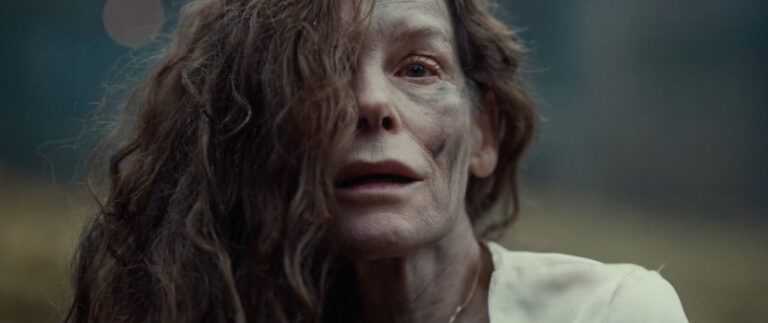
Aging star Veronica Ghent (Alice Krige) attends a Scottish retreat with nurse Desi Hatoum (Kota Eberhardt) after a mastectomy, and the eerie outdoors help Veronica face her disturbing past thanks to past burnings at the stake and future astral revenge against her former director Hathborne (Malcolm McDowell) in the 2022 Dario Argento (Suspiria) produced She Will.
Writer and debut director Charlotte Colbert opens She Will with eerie lake reflections and upside down vistas paralleling the looking up at overhead surgery eyes, skin, and lipstick. A brief narration tells us of the layers of masks and make up rituals we use to preserve ourselves as the ticking clock speeds faster. She Will immediately establishes its female audience and sense of ageism with breasts making the woman a woman societal pressures and the extremes women go through to attain our warped sense of beauty. The furs, sunglasses, and red lips look Old Hollywood out of place in the forested, isolated Scottish quaint, for wealth and grand train cars can’t overcome the trouble sleeping, tunnel metaphors, and painful breast prosthetics. Men don’t like to see these chest scars, and the real life scary is evident in a sad woman holding her fake breasts in her hands. Tabloids also abound with her then and now face alongside repeated mentions of Navajo Frontier as Veronica’s big ingenue film and retro footage of Malcolm McDowell as the famed director who discovered her. Other guests at the retreat chant with yoga, crystal pedestals, and champagne amid storms, stone ruins, and the 1722 grave markers commemorating the 3,000 witches burned there. The wide lens panning camera captures the awkward fish bowl interactions, smartphone lights flashing, and adoring people in your face commotion as dreams of our past starlet collide with flashes of blood, knives, screams, and nightmares reflecting her traumatic state of mind. Veronica walks in the woods and feels like she has been there before – apparitions of encroaching mud, moss, bonfires, and incantations aren’t herky jerky strobe meant to scare the audience but rather nature calling in unnatural ways. Drawing with charcoal made from the local ash purported to have healing properties leads to automatic writing, Gaelic words, and phallic images. The retreat therapist suggests how we see is ingrained by the patriarchy, but a male guest who says hysterical women bite the hand that feeds them, i.e. men, has his hand catch fire. Whispering winds, dreams of witches, and memories of Navajo Frontier blur as bruised girls in white float back to the nighttime city – circling the talk show sets with astral observations of Veronica’s former director. She promises supernatural torment to come thanks to the projection as empowerment. What Veronica thinks can happen, and past and present women connected by pain combine for a vicarious paranormal experience. Nature, spirit, and healing are in tune as Mother Earth responds to the cancers within with all consuming horror.
Malcolm McDowell’s director Hathborne likes to court controversy. Life long consequences to a thirteen year old girl be damned in the name of art! When asked if he was unlawful and went too far, he disturbingly justifies his “making her into something” by capturing the exploration of their special bond for Navajo Frontier. To Hathborne, hindsight is distorting how he only wanted the best for his special girl. She knew what she was doing and how dare she be ungrateful to him now! She Will provides truthful conversations and commentary on the maturing too soon gaze. Even the character’s name is an excellent personification of the actions he hath wrought coming back to haunt him. Kota Eberhardt’s Desi does her best to care for a patient that doesn’t want to be told what to do. Both women resent each other but know they need one another, and Veronica gives Desi advice to be teeth and claws when the retreat staff flirt with her. Local men try to scare Desi with rumors of the past witchcraft, and viewers fear for her walking into town alone with no reception even if she enjoys the drinks and compliments. Of course, the pressure to stay for another round gets out of control, and the ladies come to an understanding in the rite of passage women must endure. Unfortunately, Veronica’s class and sophistication aren’t enough when the hair wrap, wrinkles, and drinking mini liquor bottles make her feel old and delicate. She’s reluctant to join the retreat’s group activities and scoffs at their mumbo jumbo about the stars aligning. The rustic cabin is not her style and Veronica prefers to be alone, but she is not without wit – joking that their situation is just like a horror movie with her young nurse is the isolated maiden soon to be sacrificed. Veronica doesn’t want to be babied, yet both admires and is jealous of Desi because she can be anything she wants to be. She says Desi’s short white, edgy, androgynous haircut is attractive in the young, but it’s repugnant to the old ghosts in her bed. Veronica wants to look in the mirror and be happy, and getting dirty outside and letting her hair grow wild takes away her pain. Her renewed connection to the earth makes for a second chance, and Alice Krige deserved awards notice for She Will.
Although the blue digital gradient is noticeable and we don’t need an astral cool moment every time once the connection is established; red firelight and orange lanterns accent the moon, fog, and ash falling from the sky. Rippling rain, assorted reflections, screens, and mirrors create distortions of ourselves. Swirling smoke and water photography invoke the winds, thunder, and spooky Clint Mansell score as the ye olde beats match the barefoot in the woods levitating, ancient trees, and mud baths. She Will becomes brighter – shining the light on its ills with Expressionistic stairs, black and white patterns, square buildings, and harsh architecture versus the natural green wilds, organic visuals, and red metaphors of the women’s domain. At 97 minutes, She Will feels a touch long with a redundant end where the dialogue and revenge projections in action are hard hitting enough. This is probably too weird or overly feminine for some mainstream audiences, as She Will forces us to pay attention to our mother daughter relationships, women’s horrors, and real world consequences.
Synopsis: Follows the history of shoe salesman Sonny Vaccaro, and how he led Nike in its pursuit of the greatest athlete in the history of basketball: Michael Jordan.
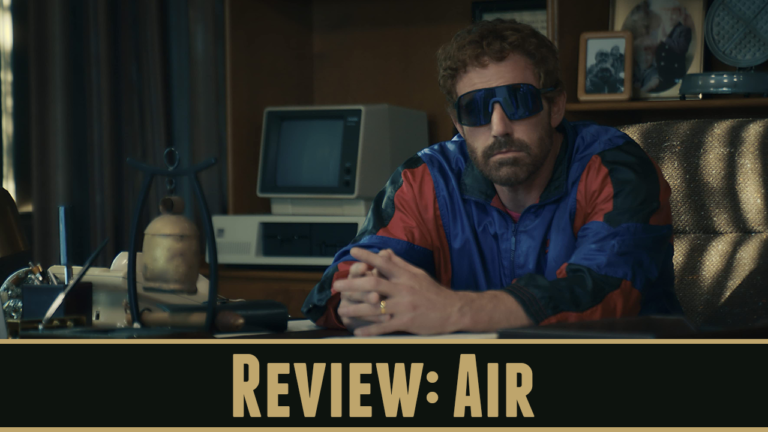
It’s been just shy of over a decade since Ben Affleck directed Best Picture Winner Argo, but he’s never really left the eye of the public. In that time, he’s been announced as Batman, confirmed he is done playing Batman, returned as Batman, directed Live By Night, his coldly-received Best Picture follow-up effort, starred in the insanely under appreciated The Last Duel, reunited with his bestie Kevin Smith, married Jennifer Lopez, and, of course, become the ultimate spokesperson/meme extraordinaire of Dunkin’ Donuts. All that is just the tip of the iceberg. The point being: a lot has happened over the years, and time can fly by to the point that everything seems unrecognizable. And that’s exactly how Affleck’s Air begins, with a fun catch. Yes, 1984 is almost 40 years in the past, and the present world should be completely unrecognizable ten times over. In many ways, it is, but luckily we have all the colorful and fun iconography of the mid ‘80s to ground us. But there’s an even larger link between then and now: Michael Jordan. The immortal figure, or rather his mythos, around which this film centers itself in a fascinating way.
Air follows Matt Damon as Sonny Vaccaro, the Nike employee who (spoiler) brought Michael Jordan to the company at a time of dire straits. While Vaccaro didn’t achieve this alone, and we will surely touch on the supporting players shortly, Air very much feels centered around Vaccaro setting forth the big risks being taken; and Damon excels in this role. There’s a pivotal moment around the third act of this film that feels like an Oscar reel playing out live before your eyes. The reason being is simple: it’s wholeheartedly believable, and even for just those moments, it feels as if the lines between character, actor, and real-life persona blend into something magic. When paired with the editing of Oscar-winning William Goldenberg, it’s deeply chilling. Some may question whether this film will feel impactful knowing the outcome of Nike and all the success of the Air Jordan sneaker and brand. To them, I say, “You must not have seen the fervor and energy The Last Dance created.” When it comes to Michael Jordan (whose face is unseen in the film aside from archival footage), the very idea of his presence is enough to captivate viewers. For those who witnessed him play, the feeling must be indescribable. But for those who haven’t, I would argue that it becomes even more powerful. To live in a world where the man and the brand bearing his name is practically inescapable, the mythos this film encapsulates is deeply felt without practically any effort. So the fact that a talented cast and crew came aboard for this makes each moment hit harder and more effectively.
At one point, Phil Knight (Affleck) makes the claim, “You’re remembered for the rules you break.” By no means does Air feel as if it’s redefining the biopic in any sense, or breaking any rules impactfully along the way, but that doesn’t mean it doesn’t play to its strengths. Take for example, the repeated motif of personal ambition and the lengths one will sometimes go to in order to prove something. Throughout the film, many conversations are framed in extreme close-ups with varying, almost jarring, shifts in focus. These moments of clarity, or lack thereof, feel as if Affleck wants the viewer to know that, at times, we sometimes have to hear what we want to hear. Personal ambition and ego can get in the way of many things, that is a certainty in life. But if everybody were to live pragmatically for the rest of time, would any innovation ever come about? Between that and an unshakeable belief in oneself and those around us, it feels like anything can be achieved. It’s in this notion that Viola Davis grounds the film as Deloris Jordan, Michael’s mother.
In a statement regarding the film, Affleck noted that he “came to the realization that the fulcrum of the movie is… Deloris.” It shouldn’t be a surprise that Davis comes across as a true force to be reckoned with on screen, as per usual. She brings a sense of gravitas and fierceness to any role she takes on, regardless of how much screen time she may have. Unfortunately, it does feel as if the film leans more towards other characters and their stories a bit more, but her presence is massively felt throughout the film, especially in the third act. One reason that Air works so well is because the history of Michael Jordan and the Air Jordan sneaker is etched in stone. As montages are shown of what audiences all know is to come, a large part of it all stems from Deloris; and we are acutely aware of it. From how she raised Michael, to the ground-breaking deal she made insisting her son take a percentage of the shoe profits, Davis brings a genuine belief to the film that grounds it all in the end. It’s a moment that extends far beyond the film, far beyond sneakers, far beyond basketball; we see a mother wholeheartedly endorsing her child solely based on her belief in him, and that’s all an audience needs to latch onto the success story Air depicts.
While Air certainly leans heavily into the 40-year nostalgia of 1984, it feels very earnest and well-earned. Most films that lean into nostalgia in such a way feel hollow. There are many culprits, some more blatant than others, yet Affleck’s film is able to find a genuine middle ground. When discussing the film, Damon and Affleck both repeatedly harkened upon how Jordan “meant so much to” them and “loomed so large in [their] childhood[s].” Above all, this film is a scrappy, fun look at how one of the most recognizable brands of all time came to be. It’s an emotional, honest ode to a mother making sure her son gets all that he deserves. It’s a movie where the great Matthew Maher is introduced within a basement lair at Nike like he’s the next MCU superhero. More often than not, AIR succeeds in its mission of being a crowd-pleaser, with something genuine to say.
Director: Jonathan Goldstein and John Francis Daley
Writers: Jonathan Goldstein, John Francis Daley, and Michael Gilio
Stars: Chris Pine, Michelle Rodriguez, Regé-Jean Page
Synopsis: A charming thief and a band of unlikely adventurers embark on an epic quest to retrieve a long-lost relic, but their charming adventure goes dangerously awry when they run afoul of the wrong people.
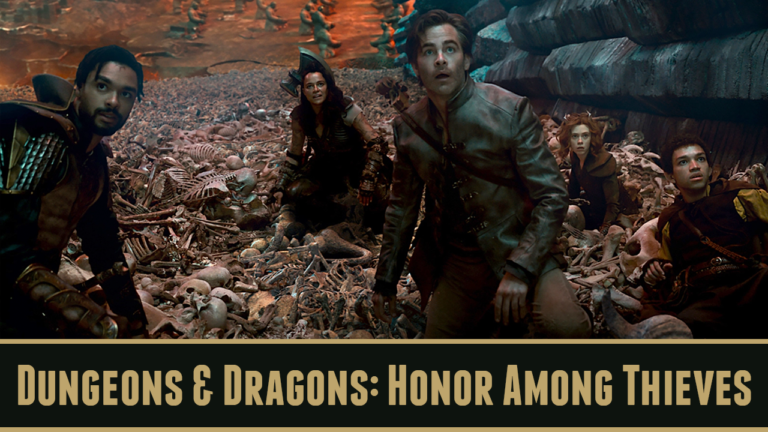
Big-budget fantasy films are out in force in this modern age of cinema, and yet the majority of the films that plague this genre feel emotionless and largely boring at this point. So, how refreshing is it when one particular film comes along and smashes down all the usual barriers and delivers an enthralling adventure filled with great comedy and even better characters? The arrival of Dungeons & Dragons: Honor Among Thieves couldn’t have come at a better time, when the world has become tired of rinse and repeat comic book adaptations and huge budget CGI films have become a passionless common trend – this is how you make a fantasy film people, a masterpiece of the fantasy genre.
Jonathan Goldstein and John Francis Daley’s joint effort is based on the gaming phenomenon known as Dungeons and Dragons (you might have heard of that at some point in your life) and is set in the Forgotten Realms campaign setting. It’s actually a reboot of the critically panned original trilogy that began with Dungeons and Dragons (2000) starring Jeremy Irons, which was then followed by a TV film and a direct-to-video finale, so thank God it’s not a continuation of that hugely questionable series. This directing duo clearly have a fabulous creative connection with each other – the pair co-wrote Horrible Bosses (2011) and co-directed the black comedy Game Night (2018) – but they needed to crank things up a few notches for this latest venture, and that they did as well.
Honor Among Thieves introduces us to a magical land, one that has become a staple in so many gamers’ lives over the years. It follows Edgin Darvis (Chris Pine) a charming thief and bard who, along with his loyal partner, the fearsome barbarian Holga Kilgore (Michelle Rodriguez) must attempt to rescue Edgin’s daughter from the clutches of evil. Like any death-defying quest, they will need a team of trusty friends and allies (but a group of reprobates will do) to help them conduct the heist of all heists. Their path leads them to recruit an old gang member; the terrible wizard Simon Aumar (Justice Smith), as well as Doric the druid (Sophia Lillis) – with all angles now covered, the group set out to dethrone the Lord of Neverwinter and get back what is theirs.
With this being an action-adventure film, it is exactly that which will be put under the microscope for close inspection – it’s a good thing it’s brilliant then. The action scenes are fantastically choreographed and hugely enjoyable; every single scene, whether it’s chaotic combat in the Underdark or a simple prison escape, is as entertaining as the last. The film also uses its special effects perfectly; never becoming solely reliant on them, but instead cultivating them with great efficiency. There is a small but important decision that the directors make; the use of prosthetics for some of the characters really was a masterstroke.. How often is the creation of fantastical beasts and monsters left up to CGI when talented people are gearing up and ready to manufacture a human-sized bird costume with mechanical wings? It adds a level of care and creativity that can often be lost in these films.
Chris Pine also puts in a very assured performance as the film’s lead (thankfully not being affected by a case of protagonist syndrome that has stricken so many leading characters in fantasy films over the years) and turned into a fine comedy leading man in the process. The cast in general was superb as well though, and they all added glitz to proceedings while the chemistry between them all was magnetic. Whether it was Rodriguez as the stoic sidekick or Hugh Grant as the slimy but weirdly irresistible Forge Fitzwilliam – the rejuvenation of Grant’s career as a comedy scholar is one potentially welcomed by many. And for once, we have a family fantasy film that didn’t fall into the trap of forcing its comedy, with an incessant need for cheese and glaringly obvious punchlines that can be seen from a mile away – this film really is a breath of fresh air, and it’s about time, too.
For the first film in a possible franchise (although that’s yet to be confirmed) it had everything that a full trilogy sometimes struggles to attain. It doesn’t feel like your usual warm up film in a series, it just dives head-first into the madness and it pays off massively. There was never a dull moment in Dungeons & Dragons: Honor Among Thieves, and it results in a sparkling big-screen experience – which is exactly where you should be enjoying this because it will be the most fun you’ve had at the cinema in quite some time.
This week on the InSession Film Podcast, inspired by Chris Pine in the new film Dungeons & Dragons: Honor Among Thieves, we thought it would be fun to do a movie draft where we draft the biggest, and best, movie stars of all-time.
On that note, check out this week’s show and let us know what you think in the comment section. Thanks for listening and for supporting the InSession Film Podcast!
– Movie Star Draft: Part 1 (3:00)
The “movie star” is a dying breed, but the history of this prestigious group is rich and dense. Regardless of era, there are many to pick from making this exercise a challenging one to say the least.
If you want to help support us, there are several ways you can help us and we’d absolutely appreciate it. Every penny goes directly back into supporting the show and we are truly honored and grateful. Thanks for your support and for listening to the InSession Film Podcast!
Synopsis: After a painful journey through Europe, Aleksei arrives in Paris to join the Foreign Legion. In the Niger Delta, Jomo struggles against the oil companies threatening his village and the lives of his family. One day, at the head of an armed group, he kidnaps French nationals. A commando of the Foreign Legion intervenes, led by Aleksei. The destinies of Aleksei and Jomo will merge and continue across borders, bodies, life and death.
Giacomo Abbruzzese plays with our notions of war films with his impressive and stylistically distinctive feature-length directorial debut, Disco Boy – a sensory and compelling, albeit slightly messy, tale about two lost intertwining souls that embraces a mystical and physical nature to tackle the geopolitical tension of migration, all led by a trio of great performances in Franz Rogowski, Laëtitia Ky, and Morr Ndiaye.
The Film at Lincoln Center and MoMA (Museum of Modern Art) collaborative festival, New Directors/New Films, has always found intriguing and fresh voices from upcoming filmmakers from across the world. Although most of the features included in this year’s lineup are dramas, there is a lot of variety when it comes to the topics being tackled, as well as a diverse array of techniques and artistic visions – the complex dual views of life and death in Lila Avilés’s Totem, the intersection between hope and sadness in Alexandro Belc’s Metronom, or Sadim Sadiq’s fearless and elegant exploration of repressed desires in Joyland. There’s a great selection of features, but one of them stands out in stylistic terms. That film is Giacomo Abbruzzese’s mesmerizing feature-length debut, Disco Boy. While the film might have some issues connecting its two-intertwining stories, its lead, Franz Rogowski (one of Europe’s most engaging actors working today), holds it together thanks to his acting presence.
Disco Boy introduces itself by showing us a bus full of football fans and tourists attending an international match. Inside, there’s Aleksei (Franz Rogowsk) and his friend, Mikhail (Michał Balicki), who are fleeing their home of Belarus for a better one in Paris. The match is only a facade to cover their getaway, as their Schengen visas are only valid for a one-day trip. They have their hearts set out on this preferable life on the other side of Europe. Tragedy strikes Aleksei’s expedition early on; a river crossing incident causes him to go on that journey alone – Mikhail drowned in the process of their escape, not making it to their final destination. As he recalls his past couple of tragic days, Aleksei still wishes to acquire a French passport. But, the only way he can acquire one is by doing five years of service in the notorious Foreign Legion, a faction in the French national army composed of foreigners.
Aleksei is considered a promising soldier, completely committed to the training drills, which is why he is selected to be part of an overseas rescue mission in Nigeria. And here’s where the other half of the story comes into play. Meanwhile, all of this is happening on the other side of the world, there’s Jomo (Morr Ndiaye) and his sister, Udoka (Laëtitia Ky), who, like Aleksei and his now passed friend, dream of one day escaping to Europe. They want to dance the night away in the techno clubs and enjoy their lives for once. Yet, they are stuck in the Niger Delta, forced to protect their community against the oil exploitation in their lands. The film divides itself into two separate countries, where the two central characters cross paths with one another once during Aleksei’s first mission, later to distance themselves once again. Though, their respective journeys are related to each’s escapist’s dreams of migrating to a better place and their current political struggles.
Through Aleksei and Jomo’s experiences, which tear them apart mentally, Abbruzzese explores how war makes people contemplate their feelings of otherness and their respective pasts. The journey they are each currently taking respectively will pave the way for unforeseen destinations. As the days pass, they become less human, hence their search for a getaway into another sanctuary. The more blood is spilled, the closer Aleksei is to getting what he wants. But, will it be all worth it since the institution is stripping him from his self? That’s one of the many aspects Disco Boy wants to explore through its short ninety-minute runtime. Its scope is worth dwelling into, and the director’s ambition is worthwhile. What Disco Boy intends to pull off is not an easy thing. The film wants a clash between two intertwining stories that connect in thematic and metaphorical terms. But, unfortunately, its approach to doing such has some issues along the way.
The film never explains itself, nor does it feel that it needs to craft scenes with the purpose of dumping exposition onto the audience. The lack of justifications and its occasional structural inarticulateness might frustrate some viewers because the themes don’t tie together cohesively – excessive ambiguity being the film’s main fault. This blend of more than a handful of ideas might have entirely broken another filmmaker’s project. The constant fight with trying to take the necessary time with exploring each concept and topic is seen in numerous ambitious films throughout the years. However, Giacomo Abbruzzese has some tricks up his sleeves to counter his debut film’s shortcomings. One of those tricks is to create a dream-like balancing act that intertwines the stories of two lost souls and their respective countries’ political and military crises, which ends in a very compelling and stylish feat that’s more than an introductory showcase of the Italian filmmaker’s talents and his unique voice. It constantly plays with our notions about what a war film should be.
Disco Boy doesn’t go on the same path as the most recognizable or acclaimed pictures of said genre, although Abbruzzese manages to sneak in some minor references to Francis Ford Coppola’s Apocalypse Now. As the story travels through the Niger Delta to Paris, the director adds mystical and sensorial elements (mirrorings, ghostly presences, and possessions) into the narrative – slowly curating a wistful atmosphere that fits its melancholic and mournful emotions. Cinematographer Hélène Louvart, who has been on a recent streak of striking features (such as The Lost Daughter, Le Pupille, and Invisible Life), implements two different styles for the different perspectives. In Aleksei’s story, she’s more delicate, often reminiscent of Claire Denis’ masterpiece, Beau Travail. Meanwhile, on Jomo’s side, Hélène is mystical despite shooting landscapes with a sense of impending doom, channeling her inner Werner Herzog. Its look and presentation surely capture the melancholic beauty of the mournful narrative.
Still, the sound design plays a crucial role in building this feeling from the ground up, with Vitalic’s gloomy and vibrant score (which contains renditions of some recent tracks of his) leading the way. In addition, there are songs added into the film’s narration that help, like ‘Amoureux Solitaires’ (by Lio) and ‘Je Ne Regrette Rien’ (by Édith Piaf) – two songs that are opposites to one another; the former is about pessimism and the latter about optimism. I’m interested in knowing how the director came up with the idea of choosing these two tracks. They add a layer to the shifting feverish ambiance the film is slowly building up, remaining intact and fully effective throughout its entirety.
Although everything might not be tied together, both narratively and thematically, Disco Boy remains an intriguing feature debut by a filmmaker with his own voice and style. Its main-genre selection may be war, though Abbruzzese takes bits and pieces from other ones in order to keep diverting our expectations and be in awe of his artistic gifts. It is often odd that a project like this ends up working out as well as Disco Boy does. The movie definitely leaves the viewer outstanding by sheer talent, both on and off screen, straight of vigor, endeavor, ingenuity, and a trance-inducing aura.
On this episode, Ryan and Brendan review the new fantasy film from John Francis Daley and Jonathan Goldstein in Dungeons & Dragons: Honor Among Thieves!
Review: Dungeons & Dragons: Honor Among Thieves (5:00) Director: Jonathan Goldstein, John Francis Daley Writers: Jonathan Goldstein, John Francis Daley, Michael Gilio Stars: Chris Pine, Michelle Rodriguez, Hugh Grant
This week on Women InSession, we discuss some of our cinematic blind spots and the areas of film we hope to remedy in the near future! Some of this conversation is a little humbling, but everyone (even film critics) have those area of film that we need to fulfill. We hope by bringing it to light it gives us a reason to watch these movies sometime soon.
Panel: Kristin Battestella, Zita Short
On that note, check out this week’s show and let us know what you think in the comment section. Thanks for listening and for supporting the InSession Film Podcast!
To hear this Extra Film episode and everything else we do, download our apps on the Amazon Market for Android and the Podcast Source app on IOS devices. The mobile app covers all of our main shows, bonus podcasts and everything else relating to the InSession Film Podcast. Thanks for your wonderful support and for listening to our show. It means the world to us.
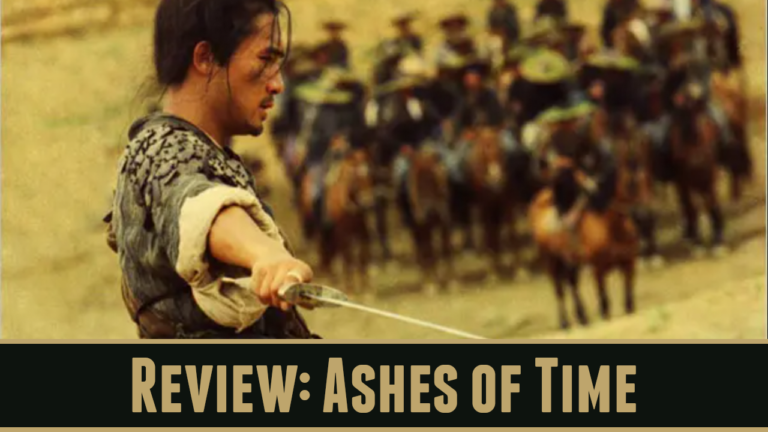
On this episode, Ryan and Jay continue our Wong Kar-wai Movie Series with his 1994 film Ashes of Time! It’s considered (by many) to be Kar-wai’s worst movie, but is it as bad as its reputation? We debate that, and much more.
Review: Ashes of Time (3:30) Director: Wong Kar-wai Writers: Wong Kar-wai Stars: Leslie Cheung, Tony Leung Ka-fai, Brigitte Lin, Tony Leung Chiu-Wai
Stars: Adam Sandler, Jennifer Aniston, Mark Strong
Synopsis: Full-time detectives Nick and Audrey are struggling to get their private eye agency off the ground. They find themselves at the center of international abduction when their friend Maharaja, is kidnapped at his own lavish wedding.
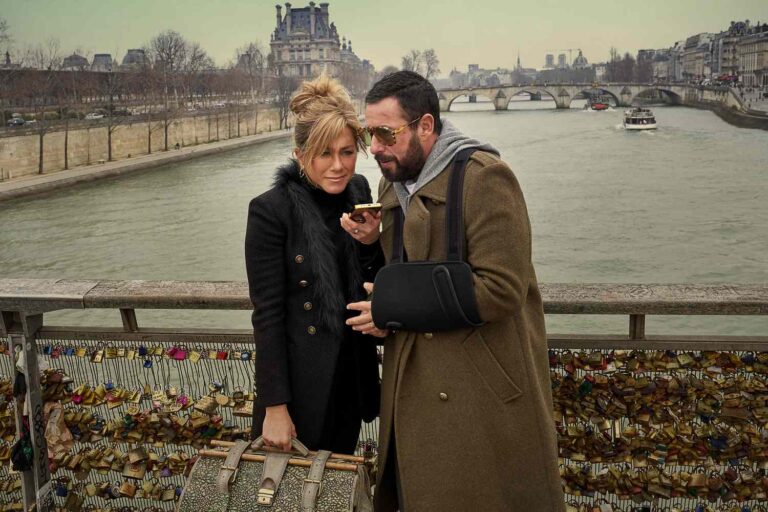
Four years ago, Murder Mystery set sail on Netflix’s streaming waters with the team “Saniston,” establishing one of the dullest comedies in recent memory. Every time well-respected and likable megastars executed a joke, each fell flat. Never before have you yearned for a Rob Schneider cameo to give a comedy some much-needed life, and that’s saying something. The tedious riffs and homage of Clue was a waste of everyone’s time and talent. While Murder Mystery 2 changes course, switching to more of an action couple’s comedy like Date Night, some much-needed improvements are made. Though, you see fewer risks taken and an outcome you easily see coming from a mile away.
The Binge’s Jeremy Garelick now steps behind the camera while working with another script from Scream VI scribe James Vanderbilt. The story picks up a few years later as Audrey and Nick Spitz (Jennifer Aniston and Adam Sandler) run a floundering private investigation agency. Sure, some couples may find working together a pathway to strengthening a marriage with deeper bonds with shared interests. However, the Spitz’s are getting on each other’s nerves. Including the former New York City cop ruining an investigation for an insecure spouse (Anni Mumolo) into her suspected cheating husband (Tony Goldwyn). How? By crunching on some salty snacks in her ears equipped with a transmitter out of spite for her wife chomping down a couple of shrimp cocktails.
The Spitzs then receive a much-needed invitation to The Maharajah’s (Adeel Akhtar) wedding to his new wife, Claudette (Mélanie Laurent). They look around at their crumbling business and decide to make this trip a honeymoon they never had. That’s until The Maharajah is taken and a fifty-million-dollar ransom is put on his head. Who is behind this latest version of Happy Madison’s Clue? The gold-digging fiancé? The jealous sister, Saira (The Big Sick’s Kuhoo Verma)? Their old friend, Colonel Ulenga (John Kani)? The Countess Sekou (Jodie-Turner Smith)? Or the international film star who has had over 10,000 lovers, Francisco (Enrique Arce)? While you may put your money on the one who probably has a couple of dozen paternity lawsuits, the Spitzs need help from a Special Air Service officer. His name is Miller (Mark Strong), a renowned hostage crisis expert who wrote a book on the subject. He comes in (or more like swims) to assist Nick and Audrey with their incompetence.
What Murder Mystery 2 does well is blending a handful of comedy and action sequences. I’m unsure if Sandler has picked up a fake gun since 1996’s Bulletproof, but he is not out of place here.The scenes here have nice energy and fold in some enjoyable moments of dark or irreverent humor. Another nice change here is the investigation. The original had most of the suspects in the same room. As the story progresses, suspects pick themselves off left and right in various locations. Now, not all the jokes land, and Vanderbilt’s humor leans towards the two stars riffing into Saturday Night Live Weekend Update’s buddy-buddy nonsensical shtick. Sometimes it works, like Danny Boon’s inappropriate Inspector Delacroix and Jillian Bell’s homage to Sleepless in Seattle’s Annie Reed. Other moments, like Turner-Smith Countess Sekou, are repetitive, dull, and one note.
Also, if you are a fan of this type of film, you will immediately spot the main villain (or one of them, in this case ), which is almost always based on the size of the role and name recognition. Not to mention, the initial beard the script utilizes you’ve seen thousands of times before. You have the second cliché with a flimsy explanation for another bad guy in the shadows. None of this adds to any suspense the action comedy tries to build up. Yet, I’m sure no one has that expectation going into this sequel in the first place.
Obviously, if you are a cinephile, Murder Mystery 2 is a cliched mix of action-buddy comedy tropes. And honestly, the film has them in droves. (Including the classic out-of-shape star who basically kicks a trained mercenary in the shin, and the villain proceeds to do a 360 spin as if their leg was blown off). However, Sandler, Aniston, and company land a few good laughs and enough goodwill to engage the casual movie fan to the finish line. There’s enough fun and effort here to give the unearned sequel a mild recommendation for anyone who enjoys the film’s stars and the genre. This is a date night movie, plain and simple, and an improvement over the original.