

Home Blog Page 121

Movie Review: ‘Shortcomings’ is a Flawed and Understated Step in the Right Direction


Director: Randall Park
Writer: Adrian Tomine
Stars: Justin H. Min, Sherry Cola, Ally Maki

Synopsis: Follows a trio of young, Bay Area urbanites–Ben Tanaka, Miko Hayashi and Alice Kim–as they navigate a range of interpersonal relationships while traversing the country in search of the ideal connection.


With heavy hitters such as Barbie and Oppenheimer dominating the box office this summer, independent film releases worthy of attention can go unnoticed. Thatโ€™s where the must-see rom-com Shortcomings comes into the mix, and though itโ€™s not the most gripping film of the year, it’s undoubtedly one of the most authentic.

Based on the 2007 graphic novel of the same name by Adrian Tomine and with a directorial debut from Randall Park, Shortcomings explores love, identity, and growth. At the film’s beginning, we are introduced to Ben (Justin H. Min), an outspoken, self-centered film-loving jerk who manages a local movie theater and spends his free time watching Criterion Collection classics.

In fact, when it comes to his adoration for film, heโ€™s a bit of a snob. After he and his long-term girlfriend, Miko (Ally Maki), attend a film festival, the pair have opposing views on the Crazy Rich Asians parody film that premiers at the event. As the couple is Asian American, Mika feels liberated by the on-screen representation and believes itโ€™s a step in the right direction for future Asian American filmmakers.

On the other hand, Ben argues that the rom-com is uninspiring and generic, proclaiming that he would feel more represented if future filmmakers created something unique. The couple also seems to disagree a lot regarding their views, not to mention Benโ€™s attraction to white women and his desire to pursue a romantic connection with one whenever the opportunity arises.

Thereโ€™s no getting away from the fact that Ben isnโ€™t a very likable guy. Heโ€™s selfish, hypocritical, and insulting. Still, his comedic one-liners, ignorance, and lack of self-awareness provide copious amounts of entertainment, especially regarding his awkward dating experiences. Min transitions through Benโ€™s undesirable character traits flawlessly, and effortlessly flips the script, and executes humor and charisma when the moments call for it, reflecting his range as an actor.

Ben is at his most animated when spending time with his lesbian best friend Alice (Sherry Cola), who challenges his ideals and isnโ€™t afraid to give him a piece of her mind. The dynamic works as the pair are outspoken, brutally honest with one another, and have an unspoken understanding. Alice represents that one friend we all need in life. We might feel a bit put out when they disagree with our life choices; but at the same time, they provide logical and valid advice that we need to hear.

Cola is having quite the year since starring in the risquรฉ comedy Joy Ride, and her performance in Shortcomings doesnโ€™t disappoint. Her moments on-screen are as charming as they are endearing, and I look forward to her future work. She and Min do a fantastic job of depicting two close friends with a genuine connection, and their back-and-forth banter gives audiences some of the feature’s most authentic moments. Ben is by no means pleasant, but we see glimpses of his softer side when he temporarily adopts the fictional title of Aliceโ€™s boyfriend, as sheโ€™s yet to disclose her sexual orientation to her family and fears how they will react to the news.

Mikoโ€™s relationship with Ben is relatable and something we are all likely to have experienced at some point in our lives. She delays an inevitable breakup, hoping the pair can overcome their challenges, as she hopes for change, yet it never arrives. On the other hand, Ben likes having his cake and eating it too. He stays in the relationship while being open to other romantic partners he views as preferable.

Min and Maki perfectly portray a relationship past its sell-by date that both parties hold onto due to comfort and fear of change, and their scenes alongside one another adequately capture the complexities of love. It would have been nice to see more of Makiโ€™s personality throughout the film, as most of her scenes are disputes with Ben. Still, given that heโ€™s the main character study of the story, most of which centers around their breakup, itโ€™s understandable why she may have taken a back seat.

What I really admire about Shortcomings is its realness and simplistic โ€œlife happensโ€ approach to storytelling. Though the film has little emotional depth and veers on the more lighthearted side, it addresses challenges people face in their everyday lives and plays out as a coming-of-age story for adults that you want to stick around until the end for.

The characters are flawed, but their journeys are a learning curve and help them become better people. Ben may not have the most groundbreaking conclusion, but, by the end, his experiences encourage him to look within and embrace growth. The story’s moral is that the grass isnโ€™t always greener, and you should appreciate what you have because sometimes, once itโ€™s gone, you can never get it back again.
Grade: C+

Chasing the Gold: Barbenheimer

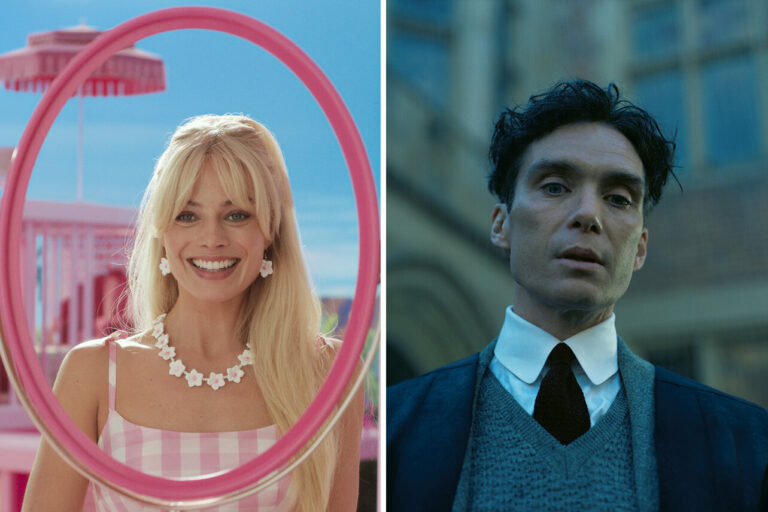
Two of the yearโ€™s biggest hits, Barbie and Oppenheimer, were finally released on July 21, and both films have received significant Oscar buzz in the days since. They are likely to do well at next yearโ€™s Academy Awards ceremony, including in the top eight categories. Barbie has a good shot at getting into Best Adapted Screenplay for Greta Gerwig and Noah Baumbach, along with Best Picture. Oppenheimer will probably perform even better, with nominations predicted for Best Adapted Screenplay and Best Director for Christopher Nolan as well as Best Picture.

But what about the acting categories? Does anyone in the Barbie cast have a chance at hearing their names called on Oscar nominations morning? And despite Heath Ledger being the onlyย actor in a Christopher Nolan movie to ever manage an Oscar nomination (and win) for The Dark Knight, might some of the talent from Oppenheimer receive acting Oscar nods? Here are the five actors from the two movies who can do itโ€ฆ

1. Robert Downey Jr., Best Supporting Actor for Oppenheimer

The most surefire contender from the two films is Robert Downey, Jr., who gives one of the best performances of his career as Lewis Strauss, the government official who did not see eye-to-eye with Robert Oppenheimer. His character goes through a fascinating arc, cool and confident in his earlier scenes, and losing his patience to dramatic effect in the third act. A moment near the end when his character goes berserk in an angry rant is particularly memorable. The character allowed Downey Jr. to flex his acting chops in a way he hasnโ€™t done in years, and with two Oscar nominations behind himโ€”for Chaplin in 1993 and Tropic Thunder in 2009โ€”look for Downey, Jr. to enter the Best Supporting Actor Oscar race as the presumed frontrunner in early 2024. 

2. Ryan Gosling, Best Supporting Actor for Barbieย 

It is extremely difficult to make it into the acting categories at the Academy Awards for a comedic performance, but Goslingโ€™s hilarious, high-spirited turn as Ken in Greta Gerwigโ€™s film is too much of a delight to pass up. If his character was only allowed to act silly and idiotic, he wouldnโ€™t necessarily be a contender, but Gerwig takes Ken into unexpected directions, including giving him a long segment of the movie to sing his heart out and build more complexity into the character. Gosling already having two Oscar nominations behind him doesnโ€™t hurt eitherโ€”for Half Nelson in 2007 and La La Land in 2017. With Barbieโ€™s massive popularity, the Academy is going to want to reward at least one of the cast members with a nomination, and the same way Melissa McCarthy was deemed worthy of an Oscar nod for Bridesmaids in 2012, Gosling will make the final cut next year for Best Supporting Actor.  

3. Cillian Murphy, Best Actor for Oppenheimer

Murphy not making it in for his impressive lead performance in Oppenheimer would be one of the craziest snubs in recent years. Nolanโ€™s epic rests on his shoulders, Murphy in almost every scene of the three-hour running time. He has never been nominated before, which could put doubt in peopleโ€™s minds, but heโ€™s never had a juicy role like Robert Oppenheimer to sink his teeth into and show what heโ€™s made of as an actor. Itโ€™s not a colorful performance the way Ken is in Barbie, and Murphy isnโ€™t given a ton of showy moments the way Robert Downey, Jr. is in Oppenheimerโ€™s third act. However, Murphy is essentially the entire movie, and given Oppenheimerโ€™s behemoth box office and massive critical acclaim, you can bet on a Best Actor nod for Cillian Murphy. 

4. Margot Robbie, Best Actress for Barbie

If Greta Gerwigโ€™s warmly embraced film can get into Best Supporting Actor, Best Adapted Screenplay, and Best Picture, is it possible the star of the film gets left off the Best Actress list? Unlike Cillian Murphy, who is almost guaranteed a Best Actor nod for Oppenheimer, Robbieโ€™s best shot at getting into Best Actress for Barbie comes down to how competitive the category will be next year. Itโ€™s difficult for comedic performances to get into the supporting acting categories, and itโ€™s nearly impossible for them to make it into Lead Actor or Lead Actress. Her character goes to some moving and dramatic places in the second half, which should help Robbieโ€™s chances, as will her two previous Oscar nominations for I, Tonya in 2018 and Bombshell in 2020. Whatever happens, Robbie is likely to get at least one Academy Award nod for Barbieโ€”even if she doesnโ€™t make it into Best Actress, a producing nod is likely for Best Picture.  

5. Emily Blunt, Best Supporting Actress for Oppenheimer

The immensely talented Emily Blunt has done great work in films like The Devil Wears Prada, Sicario, and A Quiet Place, and yet she still has never received an Oscar nomination. Will 2024 finally be the year Blunt receives some much overdue recognition from the Academy? Although she doesnโ€™t have a big role in Oppenheimer as Robertโ€™s wife Kitty, many of her scenes in the filmโ€™s first half being brief and with little dramatic power, sheโ€™s given a few excellent moments in the second half. Her back-and-forth with Murphy show frustration and longing, and her riveting interrogation room scene near the filmโ€™s conclusion might be enough for Blunt to find herself with her first Academy Award nomination.

The only other person I could see being a potential spoiler in the acting Oscar categories is America Ferrera in Barbie for Best Supporting Actress. Her one beautifully delivered monologue she delivers about the frustrations of being a woman could be her ticket to a surprise Oscar nomination if the category isnโ€™t super competitive. Overall, look for both Barbie and Oppenheimer to show up on Oscar nominations morning in the acting categories. The race in Best Supporting Actor between Robert Downey Jr. and Ryan Gosling is especially going to be a fun one!

Women InSession: Critic Spotlight – Zita Short

This week on Women InSession, we continue our critic spotlight series as we get to know Zita Short further and talk about her passions and journey as a film critic! She’s been a wonderful contributor over the years, and now as co-host of the podcast, and we had a great time getting to know her a little bit further.

Panel: Kristin Battestella, Zita Short, Amy Thomasson

On that note, check out this week’s show and let us know what you think in the comment section. Thanks for listening and for supporting the InSession Film Podcast!

Subscribe to our Podcasts RSS
Subscribe to our Podcasts on iTunes
Listen on Spotify
Listen on Stitcher
Women InSession – Episode 49

To hear this Extra Film episode and everything else we do, download our apps on the Amazon Market for Android and the Podcast Source app on IOS devices. The mobile app covers all of our main shows, bonus podcasts and everything else relating to the InSession Film Podcast. Thanks for your wonderful support and for listening to our show. It means the world to us.

Movie Review: ‘Dreamin’ Wild’ Thrives In Its Sincerity


Director: Bill Pohlad
Writers: Bill Pohlad
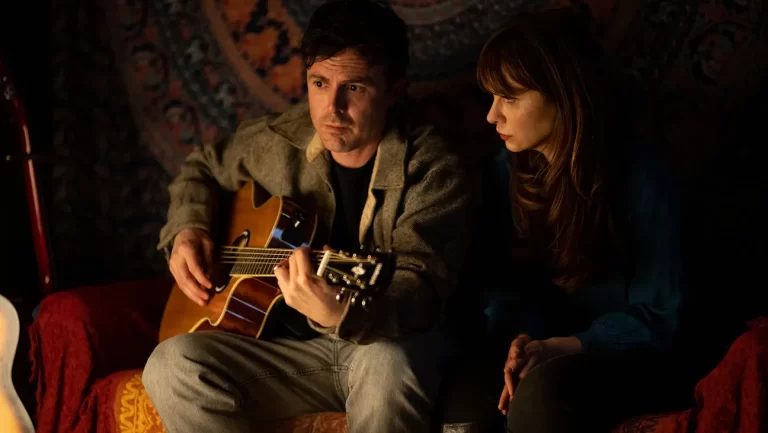
Stars: Casey Affleck, Walton Goggins, Zooey Deschanel, Beau Bridges, Noah Jupe

Synopsis: Musical duo Donnie and Joe Emerson spend everything they have to produce a record in the 1970s.


Sincerity.

Sincerity can often be the biggest strength of a film, and in some cases it’s what saves a movie from any over indulgences. Whether it be melodrama, sentimentality, thematic structure, or performances; genuine sincerity will almost always overcome any potential pitfalls the film has. And that certainly is the case for Bill Pohlad (Love & Mercy)’s latest film, Dreamin’ Wild, starring Cassey Affleck and Walton Goggins.

Dreamin’ Wild is based upon the true story of the Emerson brothers, Donnie (Affleck) and Joe (Goggins), who produced an album in their teens. Upon its initial release in the late 1970s, it came and went without any critical or financial success. It was also the beginning and the end of their musical careers in many respects. Donnie continued to pursue music before realizing it wasn’t going to be as fruitful as he hoped. Three decades after recording their album “Dreamin’ Wild” as teenagers, they are contacted by a record producer who wants to re-release the album and truly market the soundtrack properly. Donnie and Joe didn’t know it, but their album has somehow become popular with the advent of the internet.

For most people, it would seem as if this is the opportunity of a lifetime. It’s a Hollywood story that doesn’t seem real. You make an unsuccessful album in your youth only for it to be revitalized as a big hit in your 40’s? That only happens in the movies, right? That’s pretty much how Donnie reacts to the news. He’s in disbelief. He’s dreamed of this happening his entire life, but never thought it was possible. Yet, as the film unfolds, we start to see that Donnie’s reaction to all of this isn’t incredulousness, it’s something deeper. Something more somber.

Enter in sincerity. In one of the most crowd-pleasing characters of the year, we learn that Donnie’s father – Don Sr. (Beau Bridges) – is a major catalyst behind his musical prowess. When he realized that Donnie was gifted as a kid, he went out of his way to gift him guitars and pianos. He built them a studio on their farm to hone their skills and make music. He guided his boys with wisdom. He loved them at all costs. Don Sr. is the kind of film character that is often saccharine, but Bridges brings a warmth to the character that avoids that pitfall. When we learn of his sacrifices, and how that affected Donnie, it could have felt emotionally manipulative. And in the hands of a lesser filmmaker, it would have. But Pohlad and Bridges, alongside Affleck and Goggins, offer a rich honesty that not only gives the film integrity, but that emotion is felt with earnest relatability.

In one way or another, everyone has experience with grappling with disappointment as it relates to their parents. We understand Donnie’s deep-rooted guilt. Especially when we come to realize the cost of Donnie pursuing his dreams. It was heavy. So, this opportunity to save his musical career isn’t just about him, it’s about his family. His father. His brother. Affleck is perhaps best known for his saddening retrospective style of acting, which makes his casting impeccable. The way he portrays guilt and shame here is quite sublime. Equal to the task is Goggins, who is aware that he’s not the musical genius of the family, but rather someone who just wants to spend time with his brother. The way he conveys love and respect, despite being chewed out a few times, is remarkable. He’s truly the unsung hero of this cast.

Pohlad doesn’t quite reach the same heights as Love & Mercy, but his direction and storytelling with Dreamin’ Wild is still impressive. Structurally speaking, the film echoes what we see in Love & Mercy between one’s past and present, with Noah Jupe playing young Donnie. There are moments in which those editing lines are apparent, and slightly manufactured as we come to find out what’s driving Donnie’s guilt. However, did I mention the sincerity of this film? All kidding aside, those sequences could been seen as cloying, but they aren’t. And it’s not just the performances, it’s Pohlad’s direction and how much he clearly cares about this story.

Dreamin’ Wild may not be winning any Oscars, but it’s one of those movies that often qualify as “Best Surprises” of the year. There’s so much joy to be had here with its ideas on family, sacrifice and love. Even if it is sappy (and I don’t think it is), I ate it up. These performances are very good. The music is captivating. It’s a film worth your time.

Grade: B

Movie Review: ‘Heart of Stone’ Weakens After Its Reveal


Director: Tom Harper
Writers: Greg Rucka and Allison Schroeder
Stars: Gal Gadot, Jamie Dornan, Paul Ready

Synopsis: An intelligence operative for a shadowy global peacekeeping agency races to stop a hacker from stealing its most valuable and dangerous weapon.


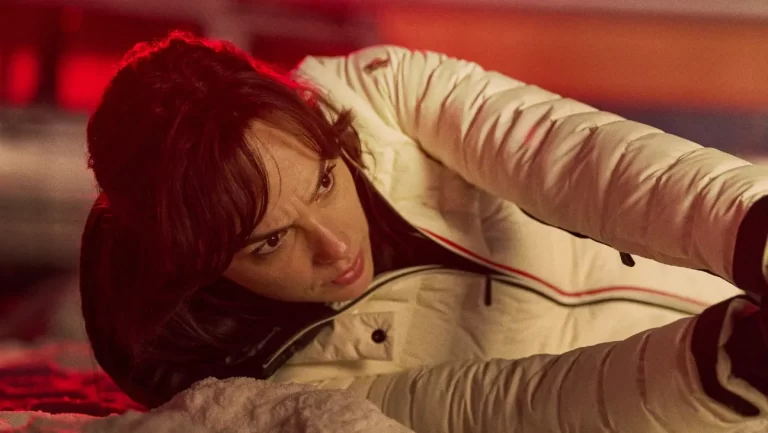
Of all the streaming services, Netflix has undoubtedly tried the most to create new action franchises. Extraction seems to be the saga with more financial and commercial success, but it’s too short for an entertainment network capable of convincing the biggest talents in the industry to work on the small screen. Heart of Stone is the latest attempt, with Gal Gadot serving as “bait” for the home audience, although the most significant personal interest falls on Greg Rucka – creator of numerous comics for Marvel and DC Comics, as well as The Old Guard, also adapted by himself for Netflix.

With Tom Harper (The Aeronauts) as director and Allison Schroeder (Christopher Robin) helping with the screenplay, the truth is that Heart of Stone manages to surprise viewers with a fast-paced, captivating first half, packed with efficient narrative twists, and in-location action with pretty convincing stunts. As impartial as I can be, I found the Lisbon set piece genuinely impressive not only due to the long, adrenaline-charged chase but also to Mark Eckersley’s (All the Old Knives) editing, which, for those who know the city, creates a pleasantly logical, easy-to-follow path, in addition to showing some essential tourist points of the Portuguese capital.

Even leaving this more personal element aside, Heart of Stone grabs viewers from the start without treating them disrespectfully. The premise could hardly be more formulaic, following dozens of ideas previously seen in so many other films – including an AI system that allows access to all cameras and uses deterministic calculations to predict the future – but, during the first hour, the time is dedicated to the espionage storyline as well as the relationship between the main special agents.

A revelation at the end of this first half will even raise the eyebrows of more experienced viewers, but after this impactful moment, Heart of Stone strangely begins to lose the energy, general interest, and even technical competence of its action sequences. Unnecessary exposition narrated with equally useless images becomes the main storytelling method. Character and plot developments become exponentially predictable and unimaginative, culminating in an emotionally hollow ending. And finally, the action itself becomes too reliant on noticeable fake backgrounds, inconsistent CGI, and over-the-top stunts.

Heart of Stone also lacks any kind of thematic weight, as well as any character arc not driven by bland personal vendettas. Whenever there’s an ideal moment to deepen some conversation, the movie immediately accelerates to the next location and subsequent action scene. This superficiality is even more disappointing when the cast shares commendable chemistry. Gadot is decent enough as the lead, but Jamie Dornan (Belfast) stands out with the most intriguing role of the bunch.

Unfortunately, Heart of Stone doesn’t justify or induce thought-provoking discussions or complex analysis, but it would be unfair not to mention that it fulfills its primary purpose: simple, straightforward, light entertainment to enjoy at home with family and friends on a weekend without plans. Personally, this type of film usually gets a borderline positive review, but a cultural crime prevents me from doing so. I wholeheartedly appreciate the time dedicated to shooting in Portugal, a country with stunning locations for Hollywood cinema, but mentioning that “eating tapas” is part of its gastronomic culture – in yet another example that contributes to the absurd misconception that Portugal is a province of Spain – demonstrates such highly offensive cultural ignorance that I must not and cannot ignore.

Grade: C+

Movie Review (Locarno 2023): ‘Bitten (La Morsure)’ Gets Lost in Genre Crossings


Director: Romain de Saint-Blanquat
Writers: Romain de Saint-Blanquat
Stars: Fred Blin, Lรฉonie Dahan-Lamort, Lilith Grasmug

Synopsis: A Catholic schoolgirl is convinced tonight is her last night on Earth and decides to attend a costume party with her best friend.


Taking its inspirations from Giallo horror and 2000s teen coming-of-age films, with a look and atmosphere thatโ€™s reminiscent of the sixties, Romain de Saint-Blanquatโ€™s Bitten (La Morsure) delivers some fascinating (and occasionally haunting) visuals that stay with the viewer. But, as it runs its course, the filmโ€™s ideas on youth, death, love, and teenage angst go for a fifty-fifty split between hollow and fascinating for its intriguing concept, ending with a pretty anti-climatic finale that leaves you wanting more. 

Many genre combinations have appeared and disappeared in horror cinema, often inciting means to revisit them years after. Horror and comedy have been interlaced with one another for what seems like forever. The same goes for the coming-of-age story, sci-fi, fantasy, and many other genres and stories. But I donโ€™t think (at least to my recollection) anybody has blended the Giallo horror visual aesthetics with vampirism and added a manic pixie dream girl main character from the 2000s as a cherry on top of the strange dark sundae. All of this sounds like a fascinating, yet messy feature with plenty on its table. And it is, as we see in Romain de Saint-Blanquatโ€™s feature-length directorial debut Bitten (La Morsure), which is making its world premiere at the Locarno Film Festival. While interesting on paper, the movie doesnโ€™t fully crack the potential of its horror-drama-comedy genre combinations. But it does have something going for it via its imagery and flash.ย 

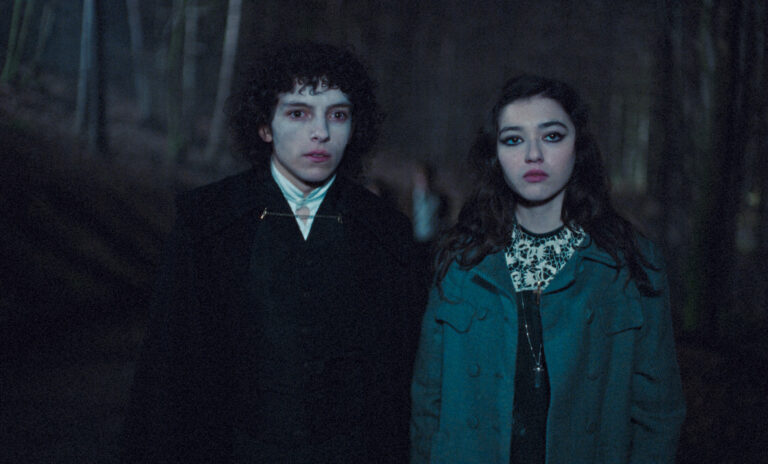
Set in the year 1967 on Ash Wednesday, a day of repentance for all Catholics, a weird, ominous collage of ritual-like images introduces Romain de Saint-Blanquatโ€™s Bitten, as it gets its look from the VHS 80s horror pictures and the grainy feeling of vintage 60s cameras. As a house burns down, a girl with a cross on her forehead looks terrified at a dark figure staring back at her. Her makeup runs down her face as the fire destroys everything in its path. All of a sudden, a young woman named Franรงoise (Lรฉonie Dahan-Lamort) โ€“ a student in a Catholic convent school in the middle of France โ€“ wakes up from her deep slumber; was it a bad dreamโ€ฆ or was it a vision of an upcoming calamity? Sheโ€™s perplexed by her nightmare as it all feels too real. To calm herself down and ease her mind, Franรงoise asks her classmate and best friend Delphine (Lilith Grasmug) to get out of bed. 

You immediately see that the two friends are polar opposites, as usual when it comes to quirky (or with a similar tone) coming-of-age films. While Franรงoise is more erratic and seems like the one who makes the rash decisions in the group, Delphine is more calm and pensive โ€“ in a sense, sheโ€™s more mature and occasionally repentant with her faith. Delphine is her alter ego, but one that doesnโ€™t drag the other one down; they complement each other in various ways. However, thereโ€™s a chance that she might not save her in their next venture together. โ€œClockwise if I am to live, counterclockwise if I am to die.โ€ When playing with a โ€œgiftedโ€ pendulum, Franรงoise is convinced she has one more night to live. And if thatโ€™s the case, she wants to savor her final moments on Earth. So, they go to a hidden house party in the woods to find some boys, ending their curiosity with adolescence and love once and for all. 

Guided by her rash instincts and inquisitiveness for what the world has to offer, given that she doesnโ€™t see much behind the fences that cover the convent schoolโ€™s ground, Franรงoise makes a couple of dangerous decisions during her โ€œdream nightโ€ โ€“ involving herself with a riotous crowd in exchange for cigarettes, a lonesome adult who keeps on following them (a plot point in the story which I donโ€™t understand its meaning or purpose), and drinking until she pukes. She just wants a change from her monotonous life, which sets the path for these misadventures. But what they donโ€™t expect is that something wicked this way comes. This night will be one to remember; the rebellious girl will meet a man with a secret, and her more tame friend is approached by a charming boy. And it was at this point in the film, almost at the thirty-minute mark, the shifting flow of its ideas began, ranging from fascinating to questionable. 

As the story develops, you begin to feel the cinematic inspirations Romain de Saint-Blanquat uses for his debut feature, combining the atmosphere of Giallo horror pictures with the teen coming-of-age trappings of the cult classic Ghost World, although with a more manic pixie dream girl vibe attached to its main character โ€“ and on top of it all having a banging sixties soundtrack. These stylistic choices make a magnetic force that constantly pulls your eyes to the screen. It is almost like an homage to its inspirations. Romain de Saint-Blanquat uses the essence of its sixties obstreperous setting rather than recreating it on-screen so the audience can be more immersed in this sensory experience. When you add the talent of the young performers to this visual mixture, it becomes an even more immersive tale. During the moments when the camera focuses on them, the director blends their facial expressions with nightmarish visions, just like the ones that introduce the film, often creating an illusory array of frames that cause more emotional reactions than the words being spoken.ย 


Although the imagery and cinematography by Martin Roux do create some occasional impacting visuals that stay with the viewer for a fleeting moment, the main problems that Bitten has are the development of its narrative and its anticlimactic conclusion that leaves more questions than answers in a way that doesnโ€™t entice a conversation afterward. The second half of Bitten takes a more talkative approach instead of the horror-esque maneuvers it was previously implementing. This should have paved the way for a broader discussion on the previous topics it tackled, such as love, death, religion, and teenage angst. Yet, it never reaches a point where it moves you the same way as it did with this imagery beforehand. I believe this has to do with adding vampirism into the tale. Not all of the filmโ€™s ideas have a purpose or contain the thematic heft to uplift its convictions. But most of them that arrive in the middle and third act feel hollow. And when you compare it to what was presented during the introductory one, it makes you less intrigued by what the film has to offer as it goes.

Grade: C+

Movie Review: ‘Red, White & Royal Blue’ Slightly Sizzles Despite Poor Writing


Director: Matthew Lopez
Writers: Matthew Lopez and Ted Malawer
Stars: Taylor Zakhar Perez, Nicholas Galitzine, Uma Thurman

Synopsis: When the feud between the son of the American President and Britainโ€™s prince threatens to drive a wedge in the U.S./British relations, the two are forced into a staged truce that sparks something deeper.


The novel Red, White, and Royal Blue, penned by Casey McQuinton in May of 2019, swiftly ascended to the ranks of the New York Times Bestseller list. Its rise was additionally propelled by enthusiastic endorsements from prominent TikTokers with a focus on books, collectively recognized as “BookTok,” which cultivated a dedicated and affectionate fanbase. The book garnered acclaim for its authentic portrayal of a gay romance, featuring a diverse cast of characters and gaining renown for its steamy insinuations.

The subsequent announcement of an Amazon Studios-backed film adaptation heightened the anticipation among the book’s enthusiasts. However, the film’s ability to successfully translate the heart of the story onto the screen relies heavily on each viewer’s personal connection to the source material. While the film manages to capture the essence that resonates with fans of the novel, it falters in its overall execution, which might leave general audiences struggling to establish a connection.

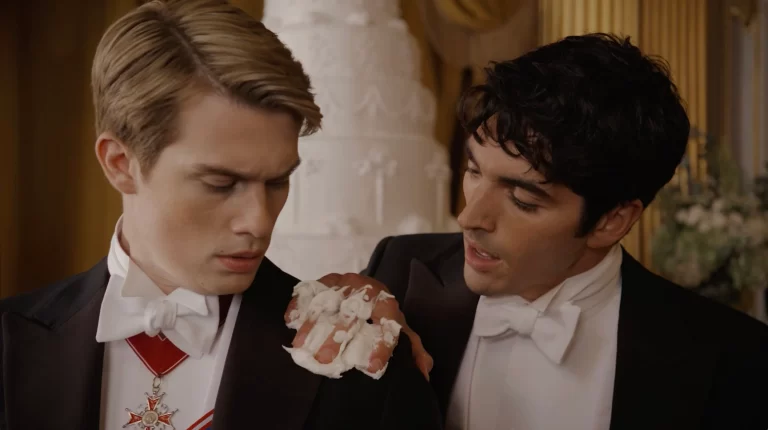
Set in an alternative fictional reality where a woman holds the presidency in the United States, and an equally fictional royal family graces the United Kingdom, the story follows the unexpected romantic journey between first son Alex Claremont-Diaz and His Royal Highness Prince Henry. This secret love affair is shrouded in caution due to potential political implications and the risk of creating foreign policy complications.

The narrative of the book unfolds through a series of exchanged emails that exude a delightfully flirtatious quality, adorned with cheeky lines designed to leave readers grinning. However, this charm that’s evident in the novel doesn’t seamlessly transition to the screenplay. The same lines, while charming on paper, lose their heartwarming and endearing touch when spoken by actors, often resulting in unsettlingly awkward moments.

Unfortunately, the distinct essence that defined the original text seems to have dissipated in its transition from page to screen. The adaptation ends up mirroring a commonplace gay romantic comedy, evoking a vibe reminiscent of content typically found on the Hallmark Channel. The majority of the dialogue lacks originality, being heavily imbued with the anticipated clichรฉs of a typical rom-com. The entire screenplay feels akin to patched-together scenes borrowed from other films of a similar genre, with minimal adjustments to fit the narrative of this particular story.

In addition to its lackluster writing, the entire film grapples with a sense of miscasting, yielding performances that range from mediocre to subpar. Uma Thurman, in the role of President Ellen Claremont, attempts a southern accent that, unfortunately, proves painfully difficult to endure whenever she appears on screen. While the supporting ensemble endeavors to make the most of their roles, their limited experience, coupled with a less-than-adequate director, results in an overall presentation that feels dry and lackluster, reminiscent of a community college theater production.

Lead actor Taylor Zakhar Perez, who portrays first son Alex Claremont, seems to have been cast primarily for his striking looks, aligning closely with the physical description of the character in the novel. Regrettably, his acting was certainly not taken into consideration during the casting decision, as he emerges as the weakest link within the ensemble, despite being the character granted the most screen time. On the other hand, co-star Nicholas Galitzine, who takes on the role of his love interest, Prince Henry, delivers an acceptable performance, offering consistent support to the two main characters throughout the entirety of the film.

Fortunately, Sarah Shahi, portraying the no-nonsense chief of staff Zahara, injects much-needed moments of comedic relief and emerges as a standout in the film, easily constituting its strongest facet.

While the acting may not meet expectations, the chemistry between the two leads undeniably blossoms. Their shared tension is palpable, punctuated by an array of passionate make-out scenes and steamy intimate moments that mirror the essence of the novel. Remarkably, the film features a sex scene between the two lovers, executed with impeccable taste and intimacy. It’s bound to leave viewers feeling the heat and longing for a tall glass of water to quench their thirst, as these two actors undoubtedly stoke the flames.

On the other hand, the film’s true downfall lies in its dearth of coherent direction. It never quite achieves a consistent tone, leaving the impression that the director might have been engaged solely for a quick paycheck, devoid of any genuine connection to the source material or the final outcome. Evidently, there was a lack of dedication to providing the screenplay the essential refinement it warranted, or to aiding the actors in delivering credible performances.

Moreover, the film’s style is insipid and tonally perplexing. Numerous intimate moments that ought to be heart-wrenching instead manifest as awkward, or worse yet, unintentionally comedic. Similarly, scenes that should exude endearing charm and humor ultimately fall flat, rendering them stale in the process.

Beyond my personal emotional connection to the novel, I regret to convey that the film offers little in the way of substantial additions. For those devoted to the book, this adaptation is sure to deliver an enjoyable experience, as it did for me. Nonetheless, releasing this film directly to streaming is a prudent decision, as I am inclined to believe that the optimal viewing experience will be a relaxed one, enjoyed at home with differing degrees of focus and cognitive engagement.

Grade: C+

Op-Ed: Some Of The Favorites From The Criterion Channel So Far

Through the first half of the year (I wrote this after June 30), Iโ€™ve watched 100+ films of various genres coming from the Criterion Channel, which I always endorse. Every month, thereโ€™s a new slate and new themes that allow me to discover for the first time or rewatch. Here are a few of these films that have impressed me so far, but if you check out my Letterboxd (https://letterboxd.com/bsusbielles/list/criterion-channel-2023/), you can see what I have listed in order so far. 

Adamโ€™s Rib (1949)

One of several films with real-life couple Spencer Tracy and Katherine Hepburn, this battle of the sexes comedy from director George Cukor is a witty tale of the gender gap existing in real life. After a distressed woman (Judy Holliday) wounds her husband for having an affair, the assistant district attorney becomes the prosecutor while his wife, a defense attorney, takes up the womanโ€™s case. The ongoing legal battle causes a bitter debate between the couple and brings up the question of who really wears the pants in the family. 

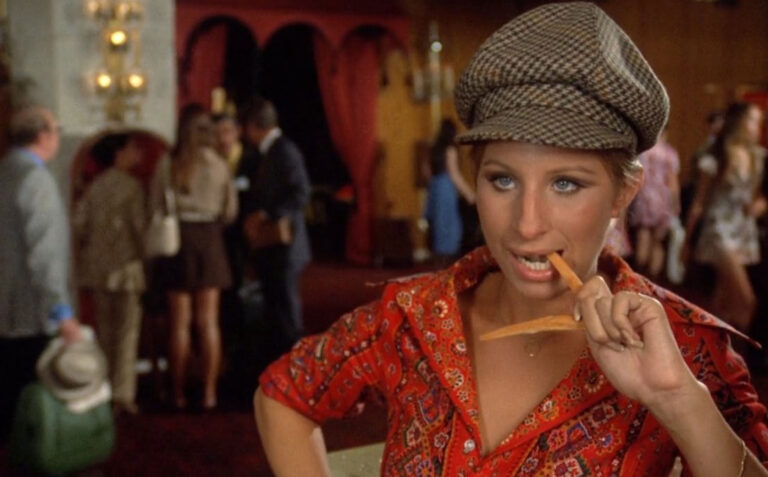
Whatโ€™s Up, Doc? (1972)

Off the major success of The Last Picture Show, director Peter Bogdonavich shifted to a screwball comedy, playing homage to slapstick and love with this bonkers chase from the airport to the San Francisco pier. Ryan Oโ€™Neal is a musicologist looking to win a research grant but gets consistently caught in the troublesome bosom of Barbra Streisand, who finds the engaged stiff attractive. Meanwhile, other figures get caught up with their own goodies in matching bags, causing mayhem and neverending laughter to the end of the film. 

Attica (1974)

This documentary immerses viewers in the infamous prison riot of 1971 in New York State, capturing many points of view on what went on for four days in September. It has no bias, editing in numerous news and surveillance footage with interviews with prisoners, prison officers, and police who were outside trying to negotiate. It still has the raw feel of it being of recent years with the emotions of racism, distrust in authority, and demands for proper treatment in a hectic, chaotic time filled with sociopolitical turmoil. 

Vera (1986)

One of the earliest sympathetic portrayals of transgenderism came from Brazil loosely based on the life of a trans man whose poems were published at the age of 20 just before his tragic death. It is about the horrors of growing up in a facility for abandoned youths with violence and rejection all over and how a single person got out of the system to form an independent identity against norms. This is a humanist portrayal that rejects perversion against someone who identifies as the opposite sex and is a very important film in LGBT cinema.

CzechMate: In Search of Jiล™รญ Menzel (2018)

In 7.5 hours, director Shivendra Dungarpur tells the story of not just the Czech New Wave, but also the story of a singular director who dominated the field. Menzel, director of the Oscar-winning film Closely Watched Trains, allowed himself to be interviewed over a period of eight years, which Dungarpur cuts from archival footage to important films to numerous interviews with those who made the New Wave happen. It is a living textbook of how a country used a newly established liberalizing of free speech to satirize communist society and Menzelโ€™s devotion to Czech cinema, never leaving his home country (his fellow countryman, Milos Forman, went to Hollywood), and was committed to his work for his entire life.

Movie Review (Locarno 2023): โ€˜Family Portraitโ€™ is a Restrained and Dysthymic Look at Family Get-Togethers


Director: Lucy Kerr
Writers: Karlis Bergs, Lucy Kerr
Stars: Rachel Alig, Deragh Campbell, Katie Folger

Synopsis: A sprawling family’s futile attempts at capturing a family photo take a dreamlike turn when the matriarch vanishes and one daughter becomes desperate to find her.


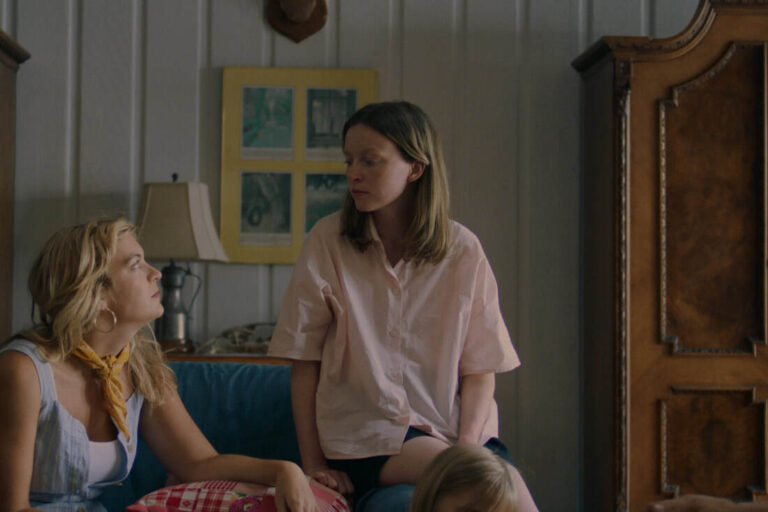
Have you ever wandered through one of your relativeโ€™s houses and seen their framed pictures? It is a reflection of that personโ€™s memories and loved ones โ€“ still images that elicit some kind of emotional reaction to the person who keeps them. These are beautiful touches that make that person cherish those around them. However, for Roland Gรฉrard Barthes, the French literary theorist, essayist, and semiotician (someone who studies signs and symbols and their use or interpretation), it takes a darker tone, both that serves as a reminder that time movies at different paces and the ending that awaits us all. He says family photographs are a desperate means to freeze time and immortalize the family. However, Bathes also states that the family taking the picture doesnโ€™t realize that, as they smile and pose for the photo, they have already died. 

This is all explained in further detail in his book โ€˜Camera Lucida: Reflection on Photographyโ€™ from 1980, in which he wrote about his motherโ€™s portrait, soon after her death and not long before his own. But, writer Parvati Nair perfectly describes the essence of what Barthes meant with those scarring words in a beautiful piece I stumbled upon while learning more about the man. She interpreted them as โ€œphotos signaling death because they seek to rescue the photographic moment from the obliteration accompanying the passage of time and the inevitable alterations of placeโ€. While Barthes comes with a darker perspective than our own, you understand his point of view. When you go back and look at old pictures, you first feel nostalgia. But then it is immediately followed by some dysthymic sensation, mostly occurring when looking at a photograph with someone who has already passed (or a person who is no longer in your life) in them. 

For many of us, some photographs aren’t the same after the lockdown, which left a deep emotional scar because of the gloom gradually swallowing your entire room whole, as days turned to weeks and weeks turned to months. And thatโ€™s where Lucy Kerrโ€™s simple yet compelling picture, Family Portrait, takes its inspiration โ€“ between the words of Barthes and the experiences of the 2020 pandemic. It is one of the many films concocted from the draining moments and emotions caused by that time. But this one is quite different from the ones you have seen recently. Family Portrait sets itself in the dawn of such events before the world was enclosed in its entirety; this causes the events that transpire in Kerrโ€™s film to have a wounding effect, as these characters donโ€™t know what awaits them. 

This silence and atmosphere-reliant film sneakily moves the viewer with its calm storytelling and dread-inducing underpinning. โ€œThrough a circle that ever returneth in to the self-same spotโ€. These words by Edgar Allan Poe, from his โ€˜Conqueror Wormโ€™ poem, introduce the film and provide a glimpse of whatโ€™s about to occur, at least metaphorically. That poem implies that human life is โ€œmad follyโ€, which ends in hideous death โ€“ the universe being controlled by dark forces we humans canโ€™t understand. Or, if you want to bring in a darker note, humans are no more than puppets caught in an endless cycle of suffering and fear. This is reflected in the persona of the filmโ€™s protagonist, played by Deragh Campbell (Anne at 13,000 Feet, Possessor), whoโ€™s often seen in a state of worry and nervousness. While she speaks with a soothing and calm voice, her body and thoughts transmit a different message, one thatโ€™s being covered in dread by impending pandemic-induced collapse.

The first image you see is a family walking together through some kind of tree-covered backyard with beautiful green plains on a lovely morning, as a Lynchian sound โ€“ the wind brushing through the scenery and some static โ€“ covers its background. The family members are talking to one another, yet you canโ€™t catch what they are talking about since their voices are muffled. During this initial scene, you notice a significant detail that paves the way for the sadness lingering in Family Portrait. Only one of them is regrouping the entire family, a woman with no name (Campbell). She looks like sheโ€™s been trying to get them together for quite a while now; the rest doesnโ€™t even seem to care about what is happening. They have planned a group picture for the Christmas season. And immediately, you go back to Barthesโ€™ words.

The party is reluctant to take the picture because they take that moment for granted, as the only person who seems to cherish this time being spent together wants to frame it. As the woman regroups the family together for the picture, Family Portrait reveals the missing voices of its characters and the setting โ€“ the chirping of the birds and crickets, the kids playing in the background, and the conversations, among others. The next couple of scenes dedicate themselves to being with specific family members, shifting the story into a dread-covered one for a few seconds. These scenes donโ€™t contain much dialogue, relying on the soothing yet slowly gnawing atmosphere covering the household these people are staying in. We see a girl reading a poem, a lonesome wife, a stressed mother catching a break, and a little kid hiding behind a tree. 

These quick scenes may not do much in terms of story development. But they serve as a simple touch that reflects these peopleโ€™s feelings on the inside, as the next time we see them, they will be using a mask to hide their genuine emotions. Things start to kick off when the mother of these women disappears out of nowhere. And only one of the daughters seems to worry about her, growing anxious about her disappearance and when they will take the picture. The rest of the family appears to wander independently โ€“ resisting any attempt to gather. This is the moment where Lucy Kerr halts time and space for her characters as if they were in some haunted location where they canโ€™t leave or in a state of limbo. A beautiful yet hectic summer day is descending into brightly-lit solemnity. This transition reflects on the introductory words of Poe and the background of Barthes, yet with a look and scenery that mirrors the opposite, so it can draw out the characters and trap them. 

That is the filmโ€™s best asset. The details in the facial expressions combined with the atmosphere are a mixture that elicits a reaction from the viewer. It helps us think about our own family get-togethers and the losses we have had. However, its short runtime makes the experience feel less effective. Kerr doesnโ€™t give us enough time to immerse ourselves into this transient paralysis fully. You are sent to this place, and everybody knows each other thoroughly, which is excellent because the actors deliver convincing performances, and their chemistry with one another is top-notch. It often makes you feel as if they were all part of the same family in real life. Yet that causes their respective character arcs, outside of the filmโ€™s lead, played by Campbell, to feel somewhat hollow. I believe that happens because of her dynamic within the confines of this time and space immobility, and with her relatives is much different. 

Nevertheless, thereโ€™s plenty to admire in Lucy Kerrโ€™s picture, precisely how it captures the depiction of family reunions from realistic angles โ€“ showing the intertwined delight and sorrow that lingers in them. Family Portrait is an easy-flowing journey into the unknown of these types of dynamics that, although it doesnโ€™t immerse you in its totality due to some restrainment, manages to get the viewer thinking about their time spent with the people they cherish both before and after the pandemic (and how these bonds have changed through that draining period). It is both discrete and evocative in its storytelling procedure. But Kerr ensures she packs strong visuals and metaphors along the seventy-five-minute tale that enriches the story even with its reticence.

Grade: B

Movie Review (Locarno 2023): โ€˜The Beautiful Summerโ€™ is a Syrupy Summer Romance Flick


Director: Laura Luchetti
Writers: Laura Luchetti
Stars: Deva Cassel, Nicolas Maupas, Andrea Bosca

Synopsis: Ginia, seventeen, experiences the ecstasy and turmoil that characterize the mysterious journey into adulthood. Meeting with Amelia confronts her with new and shocking emotions. But only by recognizing this love, she can be herself.


Summer is the time of year we anticipate the most, especially when we are young. Along with plenty of sunny vacation days and, depending on the city, trips to the beach, thereโ€™s room for a person to reflect on how the year has gone so far. To describe it more profoundly, those hot summer days and moonlit nights are not only a time for fun and escape but also for relaxation, self-discovery, reflection, and potential change. And, if you ask me, it is the perfect time to do so. And sometimes, a specific โ€œsomebodyโ€ helps you along the way. It can be a summer fling or someone you are close to. But what matters is how that person affects your life during those months and if those moments with them will shape your life for the better. 

Because this sort of scenario often happens during our lives, maybe once or twice (if youโ€™re lucky, even more), filmmakers worldwide have found a way to capture the moments in an array of means. They aim to express and replicate the emotions felt during these encounters. Depending on the story’s angle, these films range from palpable and relatable to purposefully distant and devastating. The most recent  of these summer romance tales is Laura Luchettiโ€™s sophomore feature The Beautiful Summer (La bella estate), which had its world premiere at this yearโ€™s Locarno Film Festival on the Piazza Grande. By reading the incidentally tongue-in-cheek title, you immediately know what type of story this film will tell (it’s almost too obvious). Luchetti takes a Guadagino Call Me By Your Name-inspired approach to her new work, albeit without the Italian auteurโ€™s unique way of expressing tenderness and efficacy in newly lit and fractured relationships. 

While Luchetti may struggle in presenting those types of emotional cinematic manifestations to us, especially when you put it side to side with the aforementioned Oscar-winning picture, she makes up for it by making sure the cast reflects every feeling in the marginally syrupy narrative can be seen and perceive in a humanistic manner, at least for its first two acts. Set in 1938, The Beautiful Summerโ€™s premise is pretty simple. It is a story we have seen plenty of times: two strangers meet, and the trajectory of their lives is changed forever because of it โ€“ a slowly igniting fire that becomes a bright light in their lives after those summer days before their destinies change by a future cataclysmic event. While cliched, it is a proper description, as the two leading ladies seem to be in flux for different reasons. 

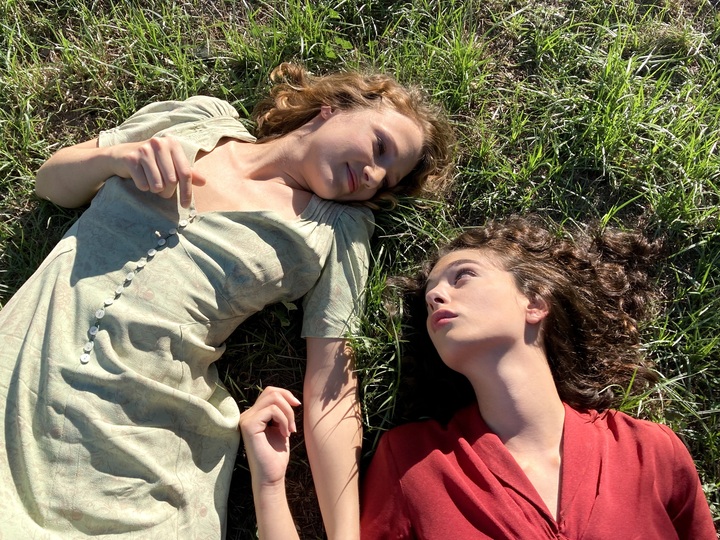
In the filmโ€™s first few shots, we see a young woman, Ginia (Yle Vianello, known for her work in Alice Rohrwacherโ€™s works), running through the Turin streets. It looks like sheโ€™s a woman out of time in a rapidly changing world. Her blonde hair brushes against the calm whispering winds of uncertainty, and her facial expressions determine such sentiment. Having just moved from the countryside, Ginia seems to be thinking about the many possibilities that might arise, yet she doubts the choices that have been presented to her, which led to her move. Nevertheless, sheโ€™s desperate for adventure. Ginia seeks something exciting to soothe her boredom and slowly-building gloom. And thatโ€™s when she meets someone special during a trip to the beach with some of her (and her brotherโ€™s) friends. That person is Amelia (Deva Cassel), a model she meets while having an affair with a local painter. 

The instant Amelia looks into Giniaโ€™s eyes, you know something will happen between the two. Just by the glances on their faces, you can perceive the wavelengths of their relationshipโ€™s trajectory, both developing joyful and saddening moments. As expected with this type of story, these women are far different from each other in terms of personality. While Ginia is more restrained and quiet, Amelia is the opposite; sheโ€™s more sensual and outgoing โ€“ almost up for anything. It goes back to the aspect of Ginia feeling like a woman gradually running out of time. You can perceive the same thing in Ameliaโ€™s persona. Via her โ€œup for anythingโ€ personality, you feel she is avoiding something that might (or might not) shift her life for the worse. At least one thingโ€™s for sure, Amelia helps Ginia get the courage she needs to become her true self. 

This dynamic brings a fast-paced rush to the young Giniaโ€™s life, ending in some equally beautiful and delicate, in a way overarchingly schmaltzy, moments. The specifics of their relationshipโ€™s development arenโ€™t that easy to predict. But the opening and closing of each chapter is. Thereโ€™s the usual falling apart and getting back together, each person missing each other yet avoiding them, the culminating reconciliation, amongst other scenes. You are not bothered by your knowledge of these tropes, as Laura Luchetti takes her time to develop each emotional story beat in the first two acts. The issue is that in The Beautiful Summerโ€™s third and closing act, the delicateness of its passionate story is lost due to rushing the characterโ€™s arcs and leaving its side characters on the side after being critical players in the story. You get that constantly returning sensation of running out of time. Instead of letting the narrative simmer for a while, the film closes things out rapidly. 

And it is a shame because, although some unnecessarily syrupy moments were scattered across its 110-minute runtime, you grow fond of Ginia and Amelia. Though Vianello and Cassel do great acting work, it feels like you never got the chance to connect with them on a deeper level. Even if you knew where things were going, you wanted to perceive those beautiful moments with them together, as each second they spend together makes The Beautiful Summer shine brighter. Nonetheless, the abruptness of its curtain-closing act makes those moments feel somewhat pointless. We spent all those moments with these two characters just so that whatโ€™s supposed to be the most impactful and definitive moment in their relationship is hastily delivered to us. The first act switched its hurried pacing to fit the calmness and fragility of this slowly building romance. But the ending doesnโ€™t have much reason to conclude with a rush if the characters have finally found peace and ease in their previously quickened lives with each other. 

Grade: C

Movie Review (Locarno 2023): โ€˜Baanโ€™ is Fragmented, Albeit Emotionally Perceivable


Director: Leonor Teles
Writers: Francisco Mira Godinho, Leonor Teles, รgata de Pinho
Stars: Carolina Miragaia, Meghna Lall

Synopsis: When Home stops feeling like one, wandering becomes routine. Time, space and emotions implode, blurring Lisbon with Bangkok. Past, present or perhaps future intertwine in a story that begins when L meets K.


Inspired by Hou Hsiao-Hsienโ€™s masterwork Millennium Mambo, Leonor Telesโ€™ latest work Baan, is a fragmented story about two lost souls who roam around the world searching for a place to call home. Some moments disorient the viewer due to the filmโ€™s stylistic storytelling choices. Yet, its wandering nature fits with the characterโ€™s constant ballads with love, time, and individualism. 

So far this decade, plenty of films talk about peopleโ€™s search for their own selves or how they fit in the world. There are various renditions of this classic tale. However, the most effective (and relatable) ones have been concocted in this modern era. There are the likes of Davy Chouโ€™s Return to Seoul, Joachim Trierโ€™s The Worst Person in the World, as well as Luca Guadagninoโ€™s Bones and All. Another fitting into this category is Leonor Telesโ€™ Baan, playing at this yearโ€™s Locarno Film Festival in the varied Concorso Internazionale slate. The Portuguese cinematographer-turned-filmmaker blends time and location to tell a puzzled piece about a young womanโ€™s search for a place to call home and how she tries to overcome the misery attached to tenderness and devotion. Baan may not be the best example of its kind. But thanks to the leadsโ€™ performances, as well as a bold yet impressionistic stylish attire, its emotions are perceivable enough to withstand its narrative faults.

Baan begins with a shot of a woman, El (Carolina Miragaia), looking out of her window. The shades of dark blue in the skies and the silver buildings in the background offer a beautiful image that transmits her low spirits. This scene doesnโ€™t last long; it transitions into El singing Banksโ€™ โ€˜F*** Em Only We Knowโ€™ (from her debut record โ€˜Goddessโ€™) into a manโ€™s ears. That song is a ballad about star-crossed lovers longing to run away together; similar to the story of Romeo and Juliet, people doubt their love and future โ€“ which would later involve some form of emotional abuse. This is a strange song choice, and El sings it does so in a calmer, yet somewhat saddened, manner. But it hints at what might be coming for the characters in Leonor Telesโ€™ film. Recognizing the song and its meaning, I seriously want to know their relationship status. 

Later, we will receive more details about this pairing, which ends with the man rejecting Elโ€™s will to fight for their relationship. Via quick cuts and scenery changes, Teles takes us through various places in this womanโ€™s life โ€“ a grocery store, her apartment, a nightclub, and a street in Bangkok. But there are two things in common with this mini collage of scenery swapping and the previous singing sequence: the woman still looks like sheโ€™s lonesome, and yet another great track about love backs the scenes, this time being Chaka Khanโ€™s cover of โ€˜I Feel For Youโ€™ โ€“ a track about the power of love, both in its beauty and its imperfection. Most, if not all, of the songs in Baanโ€™s jukebox are related to love and extremities of experience with relationships, whether good or slowly going bad. 

Once the track ends, something strange happens with the film that fits with its constant changes โ€“ some of them fit perfectly into the scene, while others do not. Elโ€™s story begins to get fractured; her visions and experiences blur with one another โ€“ sheโ€™s in Bangkok, and, within minutes, it goes back to Lisbon. The filmโ€™s transition of fractured states begins with reference to a movie that inspired it, Hou Hsiao-Hsienโ€™s Millennium Mambo, specifically the aforementioned filmโ€™s introduction, where the main character walks through a tunnel passage in the dead of night under a row of fluorescent headlights. Like Vicky in Hsiao-Hsienโ€™s masterwork, El looks back as if sheโ€™s leaving something behind and moving forward for new things, relating to her respective amounts of time in Bangkok and Lisbon. This specific scene is replicated on a couple of occasions throughout the filmโ€™s runtime, citing the development of a new chapter in the characterโ€™s search for individualism. 

Blurred altogether, the audience, alongside El, feels trapped between the two cities, often going back to one another or both weirdly being together simultaneously through some details in the background. Sometimes, this transition from scene to scene feels a bit disorienting as the film continues. While the aspect of time is indeed a factor in her life, you canโ€™t grasp it. Time flows differently and weirdly as itโ€™s fragmented; the past, present, and future are mended together in a narrative concocted via memories and reflections. There are moments when you feel that this story-telling device is beginning to fracture the film itself. If you think about it further, it does fit with the lead characterโ€™s persona and development. Yet it is more of a slight nuisance rather than an effective stylistic choice if done without precision. 

Baan focuses more on the bond between El and Kay (Meghna Lall), specifically the impact she had on her life โ€“ two lost souls who roam around the world in search of a place to call home. Their constant wandering from city to city makes them feel like they arenโ€™t supposed to land anywhere. During one of their many conversations about their constantly shifting lives, El asks Kay about the reason why she didnโ€™t stay in London, one of her many pit stops throughout her search for identity and sanctuary. Kay replies, โ€œI felt like I never belonged thereโ€. She also quotes an idiom thatโ€™s primarily used in Southern parts of the United States, โ€œIf itโ€™d been a snake, it would have bitten you alreadyโ€, stating that if one of those locations where Kay has traveled where the right fit to call home, she would have never left them. 

As the two get along and, at the same time, separate from one another, the story begins to gain more emotional weight, elevated by the performances of Lall and Miragaia, both of which are brilliant in their respective portrayals. Yet, the former upstages due to her personal and humanistic expressionism. The camera always lingers for enough time that their facial expressions transmit the necessary emotions to us watching. When you add the cherry on top of the melancholic sundae that is the cinematography, shot by the director herself (who also worked on Joรฃo Canijoโ€™s brilliant double-film Mal Viver and Viver Mal), you end up with a collage-like expressive portrait of the struggle with identity in the modern era and the distance in heartache. 

Grade: B

Movie Review: ‘Meg 2: The Trench’ Trades Story For Gore


Director: Ben Wheatley
Writers: Jon Hoeber, Erich Hoeber, and Dean Georgaris
Stars: Jason Statham, Jing Wu, Shuya Sophia Cai

Synopsis: A research team encounters multiple threats while exploring the depths of the ocean, including a malevolent mining operation.


Meg 2: The Trench has Ben Wheatley making sure the film lives up to its ridiculous premise, at least for its third act. It is a baffling and self-aware shark movie that, for most of its runtime, doesnโ€™t rely on the titular creatures to its fullest capacity. While the image of Jason Statham on a jet-ski throwing harpoons with bombs attached to a megalodon might be an appetizer to your B-movie craving, you are never fed a full meal. 

Filmmakers have always profited from our fear of the deep blue sea since the beginning of cinema. From The Creature of the Black Lagoon to The Poseidon Adventure, there are various ways for directors to make us buy a ticket for some fear-eliciting cinematic deep-sea experiences. But the ones that have remained a constant staple in pop culture throughout the decades are shark movies (and the sharksploitation movement that came along). This is why Steven Spielberg’s Jaws was the first movie to make us think twice before going head-first into the water. Sharks are some of the most impressive yet gruesome creatures lurking around the sea. Spielberg managed to capture their essence and our fears, even without even showing the beast for the majority of the film, relying on the image of its fin and John Williamsโ€™ classic score. 

After such a horror classic, other directors wanted to cash in with their own versions. Some did so by focusing on other marine predators, like Joe Dante with Piranha (and later on the horrid sequel by James Cameron). In contrast, others literally and figuratively jumped the shark and made things more ridiculous just for the sake of it. These films were made to be easy cash grabs that entertained via their over-the-top and cheesy demeanor, as well as filling the craving for the audienceโ€™s shark obsessions. But, over the years, these films have gotten even more baffling, hence the likes of the Sharknado franchise, Planet of the Sharks, and the recently released Cocaine Shark. Thatโ€™s where the Jon Turtletaub film starring action-star Jason Statham, The Meg, comes into play โ€“ being one of the best in the bunch of silly and exaggerated shark pictures.

Five years have passed since Statham came face to face with a Megalodon (and won). Has enough time gone by for a rematch? Answers vary, depending on who you ask. I definitely think it is time for man and beast to fight one another once again; this time, anything goes. Whether you were anticipating it or not, a sequel to the underwater cheese and ham parade, Meg 2: The Trench, has arrived with the talented English filmmaker Ben Wheatley (Kill List, Highrise) at the helm. This one is more ridiculous and self-aware than the first installmentโ€ฆ at least in its last twenty minutes or so. Unfortunately, it suffers from the same issues that made the 2018 blockbuster miss its B-movie mark: taking too long to get the shark action-slasher elements going, being unnecessarily two hours long, and focusing on the humans more so than the creatures themselves โ€“ the latter of these issues is what plagued the abominably creaky Godzilla vs. Kong back in 2021.

Meg 2: The Trench begins with a false statement: a small dinosaur is eaten by an even larger one, who seconds later is eaten by a Megalodon. You would think that with this introduction, the film would make more time for what all of us sitting at the theater want to see: seventy-five-foot sharks eating people for lunch and later seeing Jason Statham fight against them in a brutally illogical battle in the seas. Though, just like the first installment, its first scene promises something it canโ€™t keep. Then it flash-forwards to the present day, where we get one plot exposition dump after the other, with some thrilling sequences intercut between them. Still, none deliver what we all want to begin with โ€“ weโ€™d have to wait almost ninety minutes or so for that. 

This movie is set ten years after the first film. Jonas Taylor (Jason Statham) and company are still doing the regular secretive underwater exploration near the Mariana trench in the Mana One operationโ€™s base. Not only are they keeping tabs on the megs lurking near those waters, but they are also researching the areas twenty-five-thousand feet deep. What they find down there is more shocking than a gigantic killer octopus; they spot an unseen base at the bottom of the trench, where some people are mining a rock that contains many minerals and combustibles. And when other fishy scenarios cross their paths, Taylor suspects they have been sabotaged by one of their own just to break the bank with these newly found sea stones.

All of this isnโ€™t explained in full detail. In fact, the writers know that trying to make sense of everything that happens in the film isnโ€™t going to work in their favor. So, they chose to give the implication of a story and go along the journey where we mostly see Statham growling his lines and punching faces left and right. And while I like to see that in the Transporter and Crank films, here it is the most bland and lazy version of such, to the point where it begins to bore the audience. It keeps you alert because the situations get more silly (and convoluted) by the second. Though, you end up laughing more at the movie than with it for its two acts. You start shouting internally: โ€œWhen is the shark mayhem going to happen?โ€ and โ€œWhatโ€™s taking so long for a shark to hunt its lunch?โ€ 

What the poster promises arrives during the third act, and it is entertaining, yet it feels too late at this point in the story. After more than ninety minutes of wandering through the seas, Meg 2: The Trench finally begins showing the carnage and rampage, although with the high number of deaths during this closing act, rarely enough, there isnโ€™t much blood being splattered. One of the best moments doesnโ€™t last long, yet it managed to leave an impression on me; it is a POV shot from the megalodonโ€™s mouth as it munches people down. That quick scene was utterly fantastic, leaving me with some bittersweet feelings because it represented what the film could have been and the beauty of B-movie practicality and ingenuity. There are other moments that you could say are pretty cool. However, we got too little for the price of admission because it wanted to use all of its characters (both disposable and so-called โ€œheroesโ€) to fight some creatures, which leaves less time with Statham fighting megs and a giant octopus. 

Even when you consider Ben Wheatleyโ€™s talent, it doesnโ€™t matter because you can barely notice that it was one of his films. He doesnโ€™t have any wiggle room due to the screenplay, which takes its time to โ€œdevelop the plotโ€ so it can later embrace the craziness of its premise. If you are going to make a B-movie, or something similar, you need the Roger Corman effect โ€“ trim everything down to its bare essentials, cut it down to ninety minutes (or less), and grasp the brutality and chaos of its killers. Meg 2: The Trench is held back by its story when it should have ditched that to go all out with its true purpose of creature feature delights. It made me wonder if the people on board this multi-million-dollar ship knew what they were making in the first place. Thatโ€™s why, despite receiving some gnarly, purposefully schlocky sequences, Meg 2: The Trench feels like yet another missed opportunity both by the studio and the filmmaker attached. 

Grade: C-

Podcast: Teenage Mutant Ninja Turtles (1990) / Pee-wee’s Big Adventure – Episode 456

This weekโ€™s episode is brought to you by Fandango. Follow us on social media for your chance to get $15 OFF movie tickets!

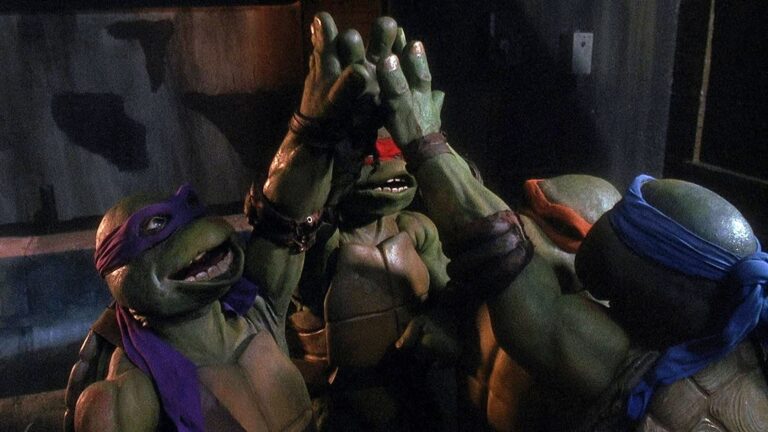
This week on the InSession Film Podcast, it’s all about childhood nostalgic as we look back at the 1990 live-action film Teenage Mutant Ninja Turtles (inspired by Mutant Mayhem in theaters) and also take a deep dive into the world of Paul Reubens as we discuss Pee-wee’s Big Adventure! Plus, a little more discussion on Barbie as it crosses $1 billion at the box office.

On that note, check out this week’s show and let us know what you think in the comment section. Thanks for listening and for supporting the InSession Film Podcast!

– Barbie Box Office (9:20)
It was inevitable, but it finally happened over the weekend. Barbie hit $1 billion at the box office and we wanted to briefly talk about its significance, and how the train may not slow down any time soon given its competition over the next few weeks.


RELATED: Listen to Episode 516 of the InSession Film Podcast where we discussed our Top 10 Movies of 2022!


Teenage Mutant Ninja Turtles (18:42)
The 1990 Teenage Mutant Ninja Turtles films is especially nostalgic for JD as it was the first movie he ever saw in theaters as a kid. However, we both grew up on these movies and wanted to go back and look at why that first film actually holds up pretty well. Even with all of its 90isms and quirkiness, the film takes itself seriously enough that it’s actually poignant at times.

Pee-wee’s Big Adventure (1:09:35)
With the passing of the late-great Paul Reubens, we wanted to continue our nostalgic road trip to talk about one of his most iconic movies in Pee-wee’s Big Adventure, a film that is particularly close to Brendan. Early Tim Burton certainly helps, but this is Reubens at the height of his powers in many ways and one of the best depictions of Pee-wee Herman.

– Music
Turtle Power – Partners in Kryme
Pee-wee’s Big Adventure – Danny Elfman

Subscribe to our Podcasts RSS
Subscribe to our Podcasts on iTunes
Listen on Spotify
Listen on Stitcher
InSession Film Podcast – Episode 546

Next week on the show:

William Friedkin

Help Support The InSession Film Podcast

If you want to help support us, there are several ways you can help us and we’d absolutely appreciate it. Every penny goes directly back into supporting the show and we are truly honored and grateful. Thanks for your support and for listening to the InSession Film Podcast!

VISIT OUR DONATE PAGE HERE

Movie Review: ‘Passages’ Examines a Complete Lack of Restraint


Directors: Ira Sachs
Writers: Mauricio Zacharias, Ira Sachs, Arlette Langmann
Stars: Franz Rogowski, Ben Whishaw, Adรจle Exarchopoulos

Synopsis: A gay couple’s marriage is thrown into crisis when one of them impulsively begins a passionate affair with a young woman.


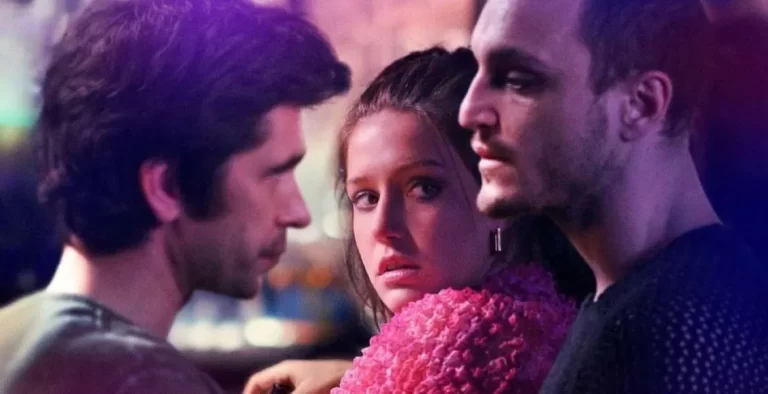
When we first see Tomas (Franz Rogowski) in Ira Sachsโ€™ Passages, heโ€™s directing a scene from his latest film. Hyper-focused on the minutiae, he stops a seemingly simple scene multiple times before rolling. An actor swinging his hands too much, a partygoerโ€™s cup being empty.  Almost immediately, we feel we understand this character. So how is it that a man so in control of his sets can spend the next 90 minutes of a film making the most rash, thoughtless, impulsive decisions imaginable? Thatโ€™s where the subtle beauty of Sachsโ€™ direction and script co-written by Mauricio Zacharias comes in. While this film is incredibly comical, if only for the sheer absurdity of its scenarios, Passages never feels as if itโ€™s crossing over into cartoonish. Instead, the lives of Tomas, and the two lovers he bounces between, feel deeply rooted in the worlds of one another. Tomas being the only connection between Martin (Ben Whishaw) and Agathe (Adรจle Exarchopoulos), the consequences are felt deeply and reverberate throughout the film, and subsequently, the audience.

Passages feels like Uncut Gems, if that film was incredibly sexy. Tomas is likely to go down as the messiest character of 2023. How are characters such as himself and Howie able to get the viewer so much on their sides? These characters, long before seeing how their stories end, are so clearly tragic figures. While it does feel that both Martin, and especially Agathe, are a bit under explored as characters, Passages operates way better on a Freudian level. With Tomas clearly operating as the id, the title of ego and superego shifts between the two other central characters throughout the runtime. Theyโ€™re left to seemingly battle each other for the scraps as they become more wrapped up in his twisted love life. Whatโ€™s most raw and depressing about this film, however, is how little they actually attempt to do so. 

Rather than having Martin and Agathe pitted against one another, theyโ€™re deeply passive in the film, and at least some of it feels intentional. Another key aspect that saves the somewhat shallow nature of how these characters feel written is the performances given. Each one feels immensely lived in, and every reaction feels genuine. There are multiple instances of Whishawโ€™s performance wherein he hides a deep level of sadness, but captures a sense of composure barely being held onto. Itโ€™s the type of emotionally resonant performance full of nuance that feels special from the second you see it on screen. Rogowski, on the other hand, feels a bit reserved, but for good reason. It feels as if Tomasโ€™ face is, more often than not, intentionally hidden and kept away from the audience in moments of vulnerability. A particular directorial choice in the third act breaks this pattern in a way thatโ€™s both brilliant and maddening. In many ways, Passages feels both elusive and deceptively simple. Yet itโ€™s in this balance that its best moments shine. 

Another element of Passages that must be noted is the gorgeous costume design. Each outfit on screen shines brighter than the last, and itโ€™s the type of film that makes you want to reassess your entire wardrobe. Thereโ€™s a palpable sense of freedom in how all the characters dress. From the strikingly colored dress and jackets, to the sheer crop-top Tomas inappropriately yet unabashedly wears, these characters all exude deep comfort with themselves, even during objectionable moments. Time and time again, youโ€™ll want to scream at Tomas. Youโ€™ll do nothing but hope that Agathe and Martin are able to break free of Tomasโ€™ deceit. But youโ€™ll always remember that this is simply in Tomasโ€™ very nature, and it almost seems that heโ€™s less so just committed to his behavior, as much as itโ€™s just the only behavior he knows.  

Passages as a whole film really grapples with the notion of choice. Whether or not the right choice is made feels secondary on some level to the very idea that we have a choice in the first place. But itโ€™s funny that the thesis statement of the film could be found, in all places, from one of Agatheโ€™s young students. When asked if heโ€™s allowed to go to bed whenever he would like, the young boy simply replies, โ€œI canโ€™t go to sleep whenever I want.โ€ Tomas, the man who strolls into homes unwarranted whenever he so feels inclined, must have never learned this in school or at home. As his actions become more and more intolerable, you begin to wonder what his life must have been like that led him to this point. And yet, he has convinced two people to love him. When discussing the controversial NC-17 rating of this film from the MPAA, Sachs said, โ€œThereโ€™s no untangling the film from what it is.โ€ To look at Tomas as anything besides what he is: a narcissistic wasteland of pain dragging down those around him, would be a fool’s errand. Passages is beautiful because it focuses on an individual that, at his core, is ugly. Even still, Sachs is able to find a human core thatโ€™s radiant within all of it, warts and all.

Grade: C+

Podcast Review: Teenage Mutant Ninja Turtles: Mutant Mayhem

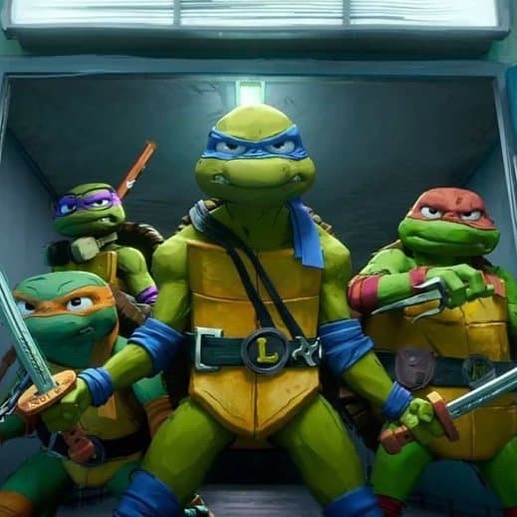
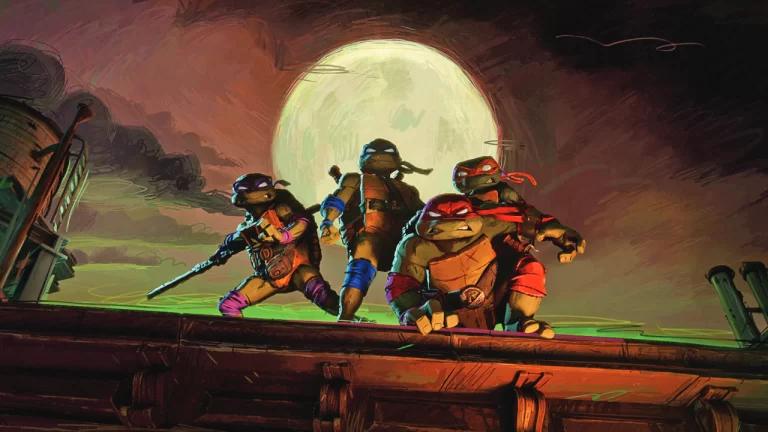
On this episode, Christian Eulinberg joins JD and Brendan to review the Seth Rogen-produced animated films Teenage Mutant Ninja Turtles: Mutant Mayhem!

Review: Teenage Mutant Ninja Turtles: Mutant Mayhem (3:00)
Director: Jeff Rowe
Writers: Seth Rogen, Evan Goldberg, Jeff Rowe, Dan Hernandez, Benji Samit
Stars: Micah Abbey, Shamon Brown Jr., Nicolas Cantu, Brady Noon, Ayo Edebiri, Jackie Chan

Subscribe to our Podcasts RSS
Subscribe to our Podcasts on iTunes
Listen on Spotify
Listen on Stitcher
InSession Film Podcast – Teenage Mutant Ninja Turtles: Mutant Mayhem

Women InSession: Favorite Criterion Movies

This week on Women InSession, Brian Susbiellus joins us as we discuss our favorite movies in the Criterion Collection! As you’ve heard on the show before, we are big fans of film history and classic cinema, which makes a segment on Criterion really fun and dense. There’s so many films to consider here and we had a great time talking about what makes Criterion one of the best, and most important, aspects of cinephilia.

Panel: Kristin Battestella, Zita Short

On that note, check out this week’s show and let us know what you think in the comment section. Thanks for listening and for supporting the InSession Film Podcast!

Subscribe to our Podcasts RSS
Subscribe to our Podcasts on iTunes
Listen on Spotify
Listen on Stitcher
Women InSession – Episode 48

To hear this Extra Film episode and everything else we do, download our apps on the Amazon Market for Android and the Podcast Source app on IOS devices. The mobile app covers all of our main shows, bonus podcasts and everything else relating to the InSession Film Podcast. Thanks for your wonderful support and for listening to our show. It means the world to us.

Podcast Review: Carmen

On this episode, JD and Brendan review Benjamin Millepied’s debut film Carmen, starring Melissa Barrera, Paul Mescal and Rossy de Palma!

Review: Carmen (3:00)
Director: Benjamin Millepied
Writers: Benjamin Millepied, Alexander Dinelaris Jr., Loรฏc Barrรจre
Stars: Melissa Barrera, Paul Mescal, Rossy de Palma

Subscribe to our Podcasts RSS
Subscribe to our Podcasts on iTunes
Listen on Spotify
Listen on Stitcher
InSession Film Podcast – Carmen

Op-Ed: Heat Waves: Films That Show People Melting Under The Sun

We are in the middle of a global heat wave where Miami has a heat index of 106 degrees and Montreal, where I recently visited, was under a heat warning of 91 degrees. Walking through the city before the rain cooled it all down, I could feel it and Iโ€™ve been around worse. Hence, Iโ€™m inside and I hope all of you are safe from the sun. In the movies, extreme heat has been portrayed as a perfect setting that reflects the personal nature of people besides being part of mother nature. It cannot be avoided, even when inside sometimes. Here are a few of those films where the heat can be sensed emanating off the screen onto us. 

Greed (1925)

Within the Erich von Stroheim masterpiece about a man who wins money and then becomes psychologically attached to every dollar, he has a punishing ending that rings poetic. In the desert, his two surviving male characters are fighting to kill each other with a bag of cash out of reach. For two months during the summer, production was shot in Death Valley, arguably the hottest place on Earth, during the summer, with temperatures well over 100 degrees. Wanting to be as authentic as possible, instead of being close to Los Angeles, the film was shot 100 miles from the nearest populated town with temperatures recorded to be as high as 123 degrees. Heat exhaustion was common and numerous members of the crew were sent back home to recover. 

Lawrence of Arabia (1962)

David Lean went all out in taking his film to the deserts of Spain, Morocco, and Jordan where the blistering heat is all on Super Panavisionโ€™s 65 mm. Sun blisters, thirst, and the difficulty of running through the dunes are all captured through the breathtaking cinematography of Freddie A. Young, who won an Oscar for his work. Sequences such as crossing the Sinai to reach the port town of Aqaba from behind, considered impossible and nicknamed, โ€œThe Devilโ€™s Anvil,โ€, just drains the energy out of you to consider this crossing madness. Of course, the legendary jump cut of the sunrise captures how exotic Arabia can be, but the full sunshine captures its brutality. 

Walkabout (1971)

Nicholas Roeg made his directorial debut by going out into the Australian Outback and leading two children, who survive their fatherโ€™s attempt to kill them, into the wilderness. Alone and struggling with thirst, an Aboriginal boy (the late, great David Gulpilil) finds them and takes them on his own trek where they survive through traditionalist ways. Roeg himself was a cinematographer and did the camerawork with all the hypnotic shots, capturing the allegory of the Garden of Eden with its counterculture themes of nature against modern civilization. 

Do The Right Thing (1989)

The heat of social consciousness and tempers matches the temperature of a summerโ€™s day in Brooklyn, courtesy of Spike Lee. While fire is the consuming source of heat at the filmโ€™s climax, the actual sun causes people to toast and burn up their own personal feelings as their violent tendencies rise. To make it even more obvious, the street where the movie was shot had sets filled with red and orange to match the day. While the pizzeria was a set built on a lot, the ovens were actually functional. Everyone is looking for shade the best way they can, but there is no hiding.

The Hurt Locker (2009)

Katheryn Bigelowโ€™s Oscar-winning war drama in Iraq zeroes in on a bomb unit squad who go in under the immediate threat of explosion to deactivate all weapons. Jeremy Renner made his breakthrough sweating heavily in his bomb suit as he has difficulty disarming all of them while his character shows off his ego by baking in the job. The heat does not bother him but certainly does his fellow soldiers under the constant pressure of ambush and the grotesque scenarios that threaten everyone. The scene that stands out the most is when the number of tons in the trunk of a car is discovered and Rennerโ€™s character drops his tools in shock. He takes off the suit, saying, โ€œIf Iโ€™m going to die, I wanna die comfortably.โ€ 

Follow me on Twitter: @brian_cine (Cine-A-Man)

Podcast Review: They Cloned Tyrone

On this episode, JD and Brendan discuss Juel Taylor’s debut film They Cloned Tyrone, starring John Boyega, Teyonah Parris and Jamie Foxx!

Review: They Cloned Tyrone (3:00)
Director: Juel Taylor
Writers: Juel Taylor, Tony Rettenmaier
Stars: John Boyega, Teyonah Parris, Jamie Foxx

Subscribe to our Podcasts RSS
Subscribe to our Podcasts on iTunes
Listen on Spotify
Listen on Stitcher
InSession Film Podcast – They Clones Tyrone

Movie Review: ‘Teenage Mutant Ninja Turtles: Mutant Mayhem’ is a Shell Shocking Good Time


Directors: Jeff Rowe and Kyler Spears
Writers: Seth Rogen, Evan Goldberg, and Jeff Rowe
Stars: Ayo Edebiri, Jackie Chan, Brady Noon

Synopsis: The film follows the Turtle brothers as they work to earn the love of New York City while facing down an army of mutants.


There has never been a Teenage Mutant Ninja Turtles film that genuinely captured the original cartoon series’ humor, relatable characters, and innovative concept. One reason for this could be that the original series was ahead of its time and can now be viewed through a more socially conscious lens. Another reason is that the movies were subjected to corporate demands, prioritizing merchandising and product placement over crafting a story that could resonate with both the loyal fanbase and new audiences (especially evident in the rushed one-year turnaround of the sophomore follow-up effort, Teenage Mutant Ninja Turtles II: The Secret of the Ooze). However, the latest iteration, now led by a creative group of Turtleheads who respect and appreciate the mark that TMNT made on pop culture, returns to the roots of what made the Peter Laird and Kevin Eastman characters so special in the first place.

The story follows the four Turtle brothers, raised by Splinter (Jackie Chan), an anxious mutant rat suffering from crippling agoraphobia. Before mutating, however, his life takes on new meaning when he comes across his four sons, a tiny bale of little slowpokes covered in DNA-altering green ooze. He absorbs the stuff through his skin when he picks up the little hatchlings. He becomes a human-sized rat and watches videos to become skilled in ninjutsu by ordering VHS tapes over the phone (kids, this was the original YouTube university).

Raphael (Good Boys’ Brady Noon) is a turtle of action in the group with a rage problem that causes him to act first and think later. Michelangelo (The Chi’s Shamon Brown Jr.) is a charming, loquacious brother who can talk himself out of almost any situation. Then you have the tech-savvy Donatello (Micah Abbey), who constantly questions why his weapon of choice is just a big stick. Finally, you have Leonardo (The Fabelmans’ Nicolas Cantu), the group leader and truly loyal to his father’s wishes. As the little guys mutate and age, their father excuses why they should not interact with the human world.

Remember what Paul Newman’s John Rooney said in Road to Perdition? “Sons are put on the earth to trouble their fathers.” The boys love seeing movies in the park and people-watching. They witness the community and relationships being formed and want more out of this life of theirs, like going to school. That’s when they start to fight crime when they run into April (The Bear’s Ayo Edebiri), who has her scooter stolen by a chop shop operation with ties to an infamous villain named Superfly (Ice Cube), the head of a mysterious crime syndicate. If they help her, they hope to be heroes in the human world and be welcomed with open arms.

What sets apart this new cinematic version of TMNT are the genuine laughs, the message about acceptance and tolerance, and the quirky storytelling freed by the franchise returning to its animated roots. The credit should go to the deep bench of filmmakers and writers behind the production, which includes two sets of talented writing partners and a director known for one of the best-animated films of the decade, The Mitchells vs. the Machines, by Jeff Rowe. Throw in Superbad and Pineapple Express maestros Seth Rogen and Evan Goldberg, who co-wrote the script with The Tick and Detective Pikachu’s Dan Hernandez and Benji Samit’s writing team. With comedy zingers spewing from different angles that are super clever, even smart, and have a direct line to everyone’s funny bone. In particular, Jackie Chanโ€™s Splinterโ€”like Ashley Park said in Joy Ride, heโ€™s a great fatherโ€”and Raphael’s rage-filled turtle is amusing here. Not to mention Donatello reflecting on what we thought as kids and why we never wanted to play with him.

Also, there are more positives regarding the underlying themes when examining socioeconomic issues and at-risk groups, which accurately reflect the environment in which the cartoon takes place and are more attuned to the race and ethnicity patterns of New York City. For instance, changing the character of April Oโ€™Neill from Caucasian to a BIPOC is a refreshing and welcome pivot. (Eastman commented in a recent interview that the original concept of April was someone of APIDA descent but was later changed into a white female character.) Additionally, the script reflects acceptance, inclusiveness, overcoming adversity, empowerment, and even mentorship. This applies to the four main characters and the rival mutants, as they show two sides to every story. Also, the sudden new trend of 3D and 2D animation (Spider-Man: Across the Spider-Verse and Puss in Boots: The Last Wish) used here by Cinesite and Mikros Animation gives the film a sense of grittiness.ย ย One of my mild complaints about the Teenage Mutant Ninja Turtles: Mutant Mayhem is the limitation on how far Rogen, Rowe, and the company were allowed to push the envelope regarding comedy. The simple explanation is that the movie is primarily for families, not adults, despite some dark undertones. (Remember, this is a joint Paramount and Nickelodeon production.) However, the film works because it treats the iconic pizza-loving characters not as comic book superheroes but as teenagers who yearn for acceptance and a father who just wants to keep them safe. Combining these elements with quirky characters, modern storytelling, socially conscious themes, and a unique point of view, there’s something for everyone in the latest TMNT film. It’s truly a “Shell Shockin'” good time for the entire family.

Grade: B+