



ComMANNdment #3: Thy Movie Shall Have a Lone, Complicated, & Imperfect Male Lead
If nothing else is known about Mann as a screenwriter and storyteller, it should be known and etched in stone that he gravitates towards the lone, complicated, and imperfect males in his films. While there will be an entire ComMANNdment dedicated to women later, it is the psyche of these often-damaged males that propels Mann (and us as the audience) through the tale being told.
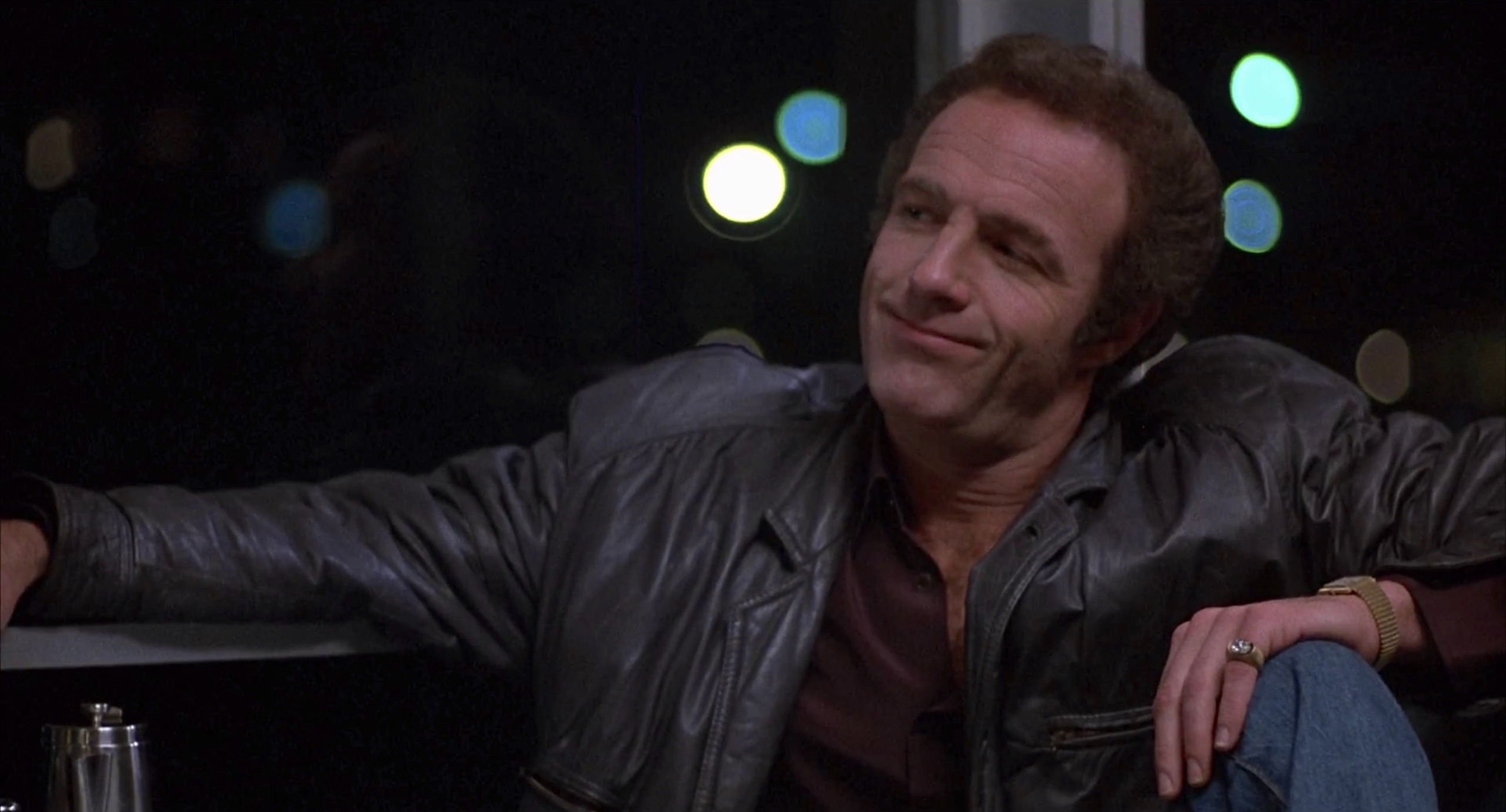
Frank in Thief is Mann’s first foray into this type of character. In his coffee shop confessional to Jessie, we learn of his time being incarcerated and the violence both inflicted upon him and that he inflicted upon others. And while we may think that these actions are excusable or justifiable, it does not negate the moment prior to this scene where Frank forcefully pushes Jessie through the bar, onto the street, and into his car. Among other things, we also learn in the failed adoption scene that Frank was state-raised and has strong feelings about children going through the system. Watching this moment of desperation may get you to empathize with Frank, but remember in this scene he uses racist stereotypes to describe the kind of child he would take.
For The Keep, I don’t think Glaeken should serve as our imperfect, lone, complicated male lead because I’m not sure he is entirely human. And Dr. Cuza ends up under the control of Molasar for a chunk of the film. However, Jürgen Prochnow’s portrayal of Woermann does fit well under this ComMANNdment. He is sent to these alps and is clearly on the wrong side of history: he is alone, separate from his men, and is bearing some huge, internal guilt. Through the revelation of character, we discover that his family has been killed and that he would have been fighting on the same side as Dr. Cuza’s son. In fact, Woermann is so conflicted that he eventually stands up to Kaempffer because he knows that what the Nazis are doing is wrong. This rebuff to his Nazi supervisor ultimately leads to his death – with no resolution or chance to right any previous wrongs.
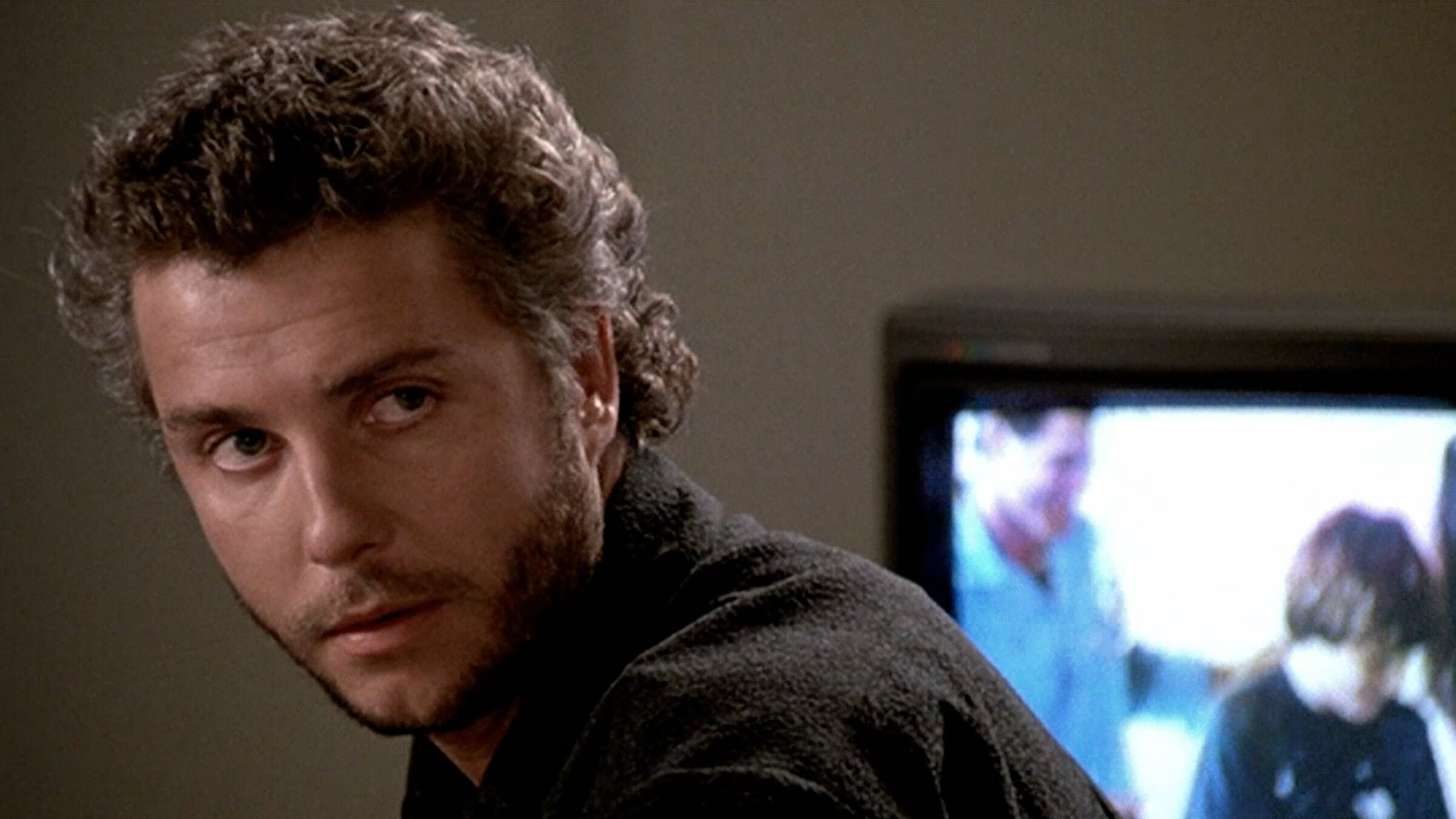
You could go so far as to say that Manhunter has three complicated, lone male figures: Lecktor, Dolarhyde, and Graham. For the purposes of this conversation, I’ll leave out Hannibal as that character is featured more prominently in the Anthony Hopkins trilogy. The characters of Will Graham and Francis Dolarhyde are different variations on a loner theme. Will has a family and has extricated himself from his prior life after a run-in with Dr. Lecktor leaves him close to death and in a terrible mental state. Francis’s past is mostly unknown to us (source material set aside), and we have to make assumptions as to why he destroys these families. What links these two characters is the fact that they are both quite alone even though they allow themselves to be around people. For Will, he has a wife and son to protect and future families to save from the mayhem of the “Tooth Fairy.” Will has a moral obligation to use his skill of seeing through the killer’s eyes to stop further crimes from happening. Francis, on the other hand, wants attention AND isolation – these conflicting states causes his emotional unrest towards the end of the film. Isolation is needed to plan and enact these heinous murders that he has perpetrated on the Leeds’ and Jacobi’s families, but attention is ultimately what he is seeking from his victims (mirrors in their eyes who ultimately see his transformation). What Francis does not expect is for REAL attention to come his way in the form of Reba, who instantly clings to him in a way that makes him question his transformation. While this ComMANNdment has been discussed already in Thief, Manhunter becomes the first example of multiple male figures who tend to work better alone with complicated thoughts towards the world.
Complicated male characters make up what feels like the entirety of The Last of the Mohicans. As to our lead, played impeccably by Daniel Day-Lewis, his past is extremely complicated that is summed up to Cora rather succinctly: his family was killed when he was very young, Chingachgook took him in and raised him as his own, and he and his new brother Uncas learned English at a religious school. While all of that can be true, it also puts a white man into the world of the Mohican people – he is an outsider that has been accepted. Magua’s storyline is a bit inverted: he grew up with his Huron people, but his family was killed by soldiers led by the “gray hair” (Alice and Cora’s father, Munro). This has led Magua down the path of pure revenge – so much so that he veers away from the nature of his Huron people. And just to throw in one more complicated figure, let’s bring in Duncan. Duncan is after the heart of Cora, but she outright refuses him multiple times. After having his manhood tested and bested in front of Cora by Nathaniel, Duncan lies about what he heard regarding the villagers and their families and actively pushes for Nathaniel’s death once he helps the villagers escape. And yet after all this animosity towards Nathaniel, Duncan sacrifices himself so that Nathaniel and Cora may escape from the Huron camp. The French-Indian war was a complicated time, so it is not out of the realm of plausibility that many of our male lead figures would have complicated pasts and storylines.
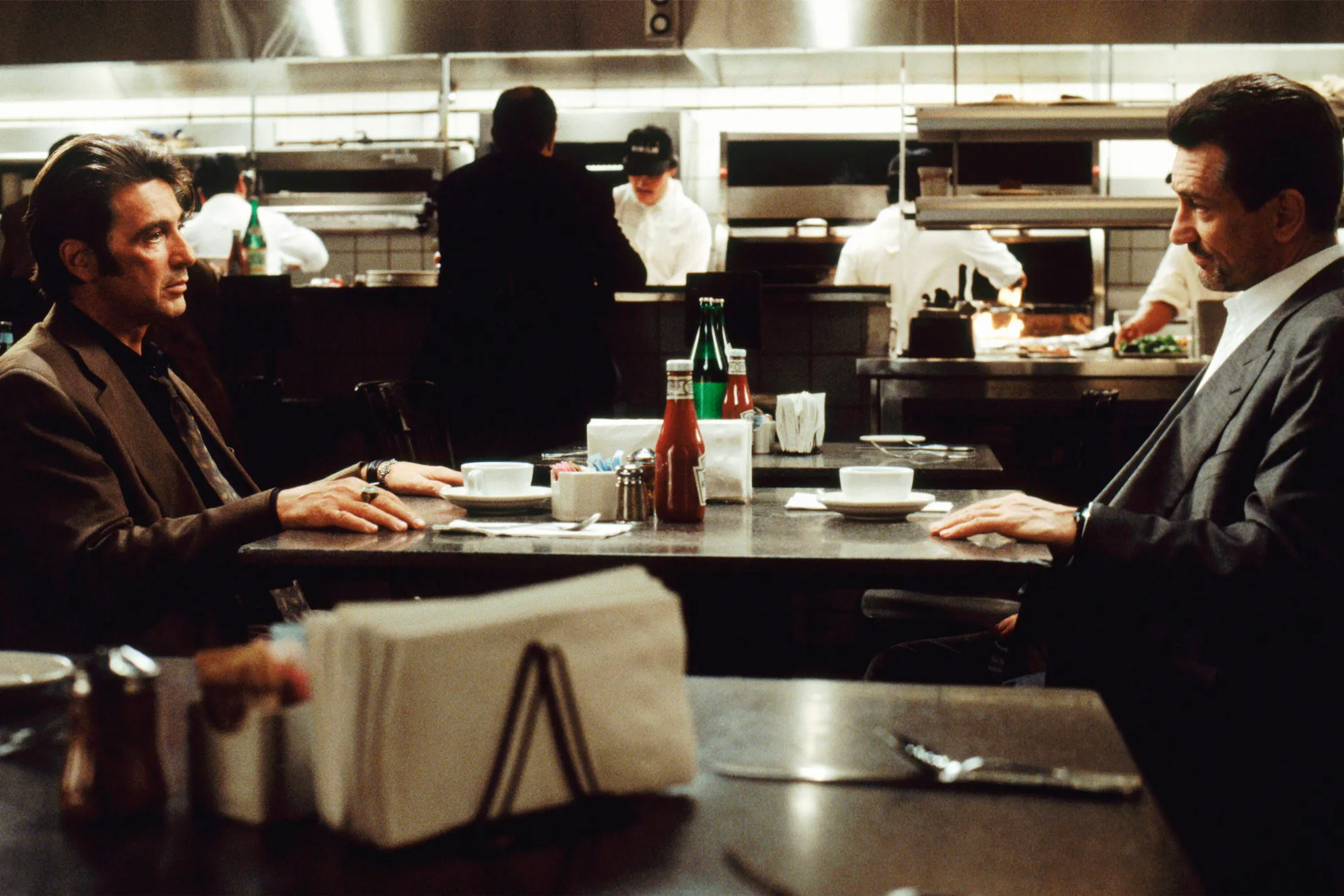
Upon having their only conversation in Heat, Neil McCauley says to Vincent Hanna “There’s a flipside to that coin.” And there you have it: Vincent and Neil are the two sides to the lone, complicated male lead coin. Vincent’s code – to catch the bad guys, even if his methods are extreme. Vincent is not a good husband and has no aspirations of being a family man. The indication that he has only focused on what he is chasing at that moment proves that Vincent would rather be on the street or tracking down a lead then having an emotional, in-depth conversation with Justine. And however complicated Vincent may be, he is a man of his word: “I do what I say, and I say what I mean.” Neil is a bit more complicated. We hear personal accounts of his family and upbringing and they do not paint a pretty picture. We know Neil has done time in prison and that he will not be going back. We also know his code: “Don’t let yourself get attached to anything you are not willing to walk out on in 30 seconds flat if you feel the heat around the corner.” What I find amazing about this code is that it is very clear and we see Neil stick to this when he hears a sound (from a SWAT member across the street) during the platinum heist. Of course, we know the heartbreaking decision that is made when Neil sees Eady but knows that Vincent is hot on his tail so he decides to leave her in the dust (Or is it heartbreaking? We’ll discuss this more later.) All this is to say that Mann sets up a really great collision of character: two men with strong work ethics who just so happen to be on either side of the law.
When you have a strong moral compass and are forced to review the recent events of your life to determine if that compass has been pointing true north it makes for compelling character arcs. With The Insider, we are treated to two different compasses that need to be examined and due to the structure of the storytelling we really get to see each one examined separately. Jeffrey Wigand’s code is very diligent: he knows the rules and follows them. In his scene with Sanderford after being called back to Brown & Williamson, he very directly tells him he had no intention of breaking his confidentiality agreement. Wigand, as a man of science, knows how to make calculated decisions UNTIL he is pushed too far. The true north for Wigand diverts as he is followed at driving ranges, finds a bullet in his mailbox, and receives death threats in his email. Once he decides to do the interview and give his deposition, Wigand struggles to find his bearings and it takes a lot of will power and another man with a code to help. Lowell Bergman is a newsman with journalistic integrity: he never burns a source. You could say Bergman’s eye for spotting people with information important for the world to hear is his due north. Unlike Wigand’s challenges that rack him with emotional and financial strain, Bergman faces an ethical dilemma within CBS and how the corporate division decides not to air the interview. Bergman starts to wonder if he means anything at all (“I’m Lowell Bergman. I’m from “60 Minutes”. You know, you take the “60 Minutes” out of that sentence, nobody returns your phone call.”) His path back to true north means getting back to his roots and doing some investigative work on the smear campaign being leveled against Wigand; it even means Bergman selling out what happened behind closed doors to the New York Times. These two men, their codes and imperfect natures, and the methods in which they try to find their moral center is what makes for incredible arcs and gets us to empathize with them so deeply.
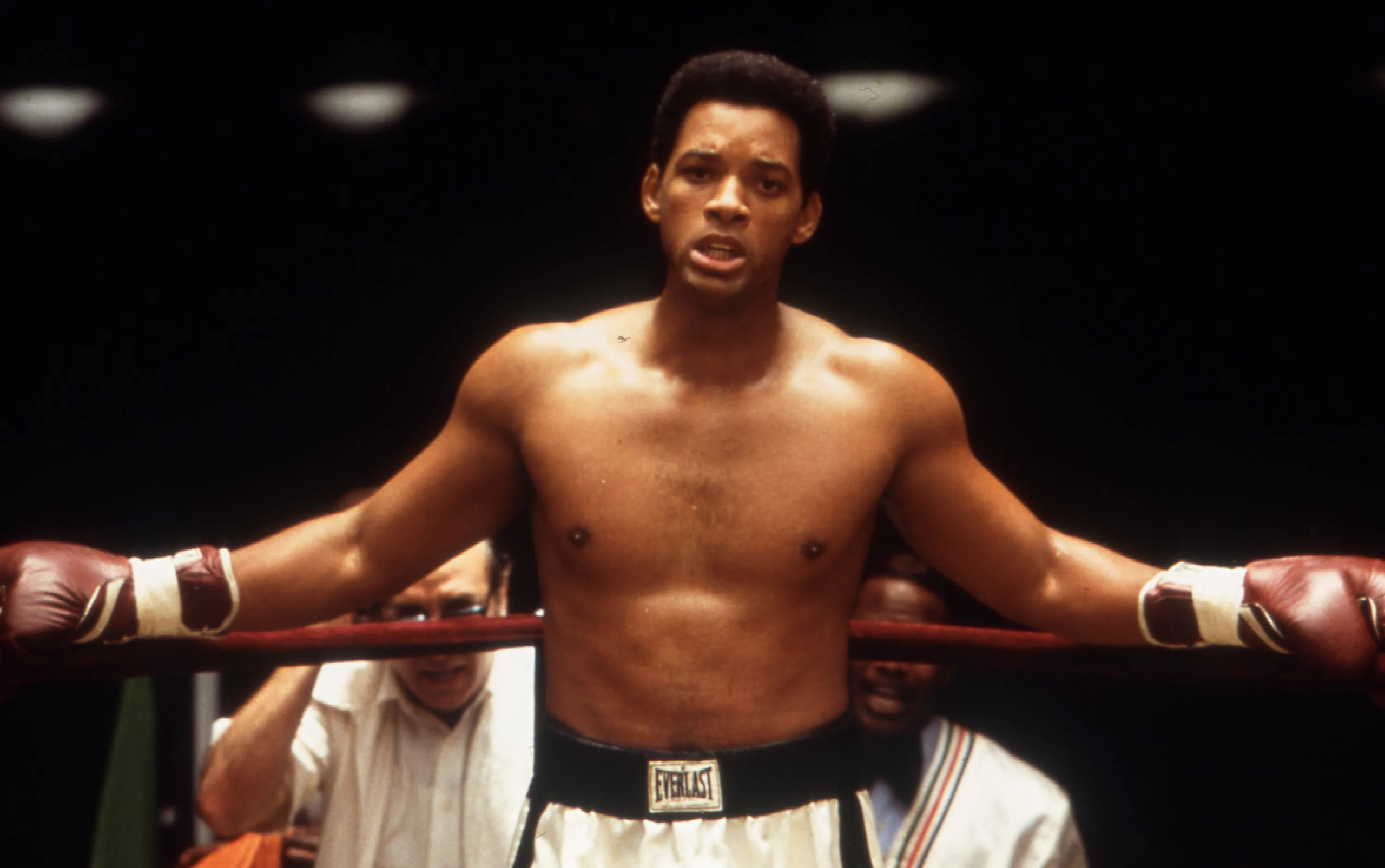
They say it’s lonely at the top – and being at the top of your field can complicate how your choices are interpreted by family, friends, and mainstream media. While I have some issues with the overall scope of the film Ali, one thing that is clear is that we see our pugilist hero transform multiple times over the course of the film. In name, we go from Cassius Clay to Cassius X and ultimately end on the now cemented Muhammad Ali. Nowadays, we see Ali as a man who conquered the sporting world and stood up for his personal and religious beliefs – but the film also shows a personal side that tells us just how complicated his life was. To start, we see how the name change affects Ali’s relationship with his father. We also see that as Ali’s fame and power rises and his involvement within the Islamic community grows, he starts to become more of a philanderer. And complications mount we he refuses to be inducted during the Vietnam War and later on live television we hear him admit that he is broke. All this leads Ali and his family down a treacherous path with an uncertain outcome. It will not be until Ferrari that Mann focuses on an individual with so much personal power and influence in the sporting world, but the story of Ali does reinforce how lonely being a champion boxer can be.
Hot take: Vincent in Collateral follows the “30 second flat” rule better than Neil in Heat. Vincent was hired for a very particular job and he aims to complete it: come to Los Angeles and kill 5 people in one night. No matter what happens along the way, whether it be meeting random mothers or stopping in the listen to jazz or losing all of the information needed to find these people, Vincent will not be stopped. Vincent excels past Neil in another facet in that he (seemingly) has not chosen to become intertwined in a relationship. Vincent is methodical and relentless – he is almost a horror villain in the way he is always moving in on his prey. And what may make Vincent even more scary is the fact that part of his code and personality is knowing that life is fleeting. All you need to do is review his diatribe to Max to understand this: “Now we gotta make the best of it. Improvise. Adapt to the environment. Darwin, shit happens, I Ching, whatever man. We gotta roll with it.” This ability to just keep moving forward regardless of what has just happened make this lone, complicated, and VERY imperfect male lead so devastating: nothing will stop him from the task at hand.
What is Sonny’s code in Miami Vice? Theoretically, Sonny is here to avenge the death of a CI and help the FBI take down an international drug dealer capable of mass amounts of death and destruction. As part of his act, Sonny is very aggressive and behaves more like a deviant than he normally would. Upon his arrival into this new mission and after meeting Jose Yero, he starts to infiltrate his way into the world of Isabella (whom we later find out is a confidant of Montoya – the man running this entire operation). They dance, drink mojitos, have sex, and…fall in love? Really? As far as Rico is concerned, his code seems clear: he doesn’t like seeing the woman in the green dress getting manhandled in the club during the opening scene, he is very protective of Trudy, and when he learns that she is in danger he will stop at nothing to help rescue her (this will come up again during ComMANNdment #7, but I’ll let it be for now). Rico has his head on straight EVEN when personal matters arise. Sonny, on the other hand, seems to only be thinking with his…you know…All of this leads to a conclusion that is baffling: Isabella being taken away in a boat and sharing a somber moment of connection with Sonny – but why? Both had codes and morals they chose to live by, but in the course of their business (crime and punishment) are we meant to believe they fell in love? Call me cynical if you must, but Rico was the lead with a code – Sonny not so much.
Two male leads both on either side of the law and both with moral and ethical codes that guide their decisions. Christian Bale has the more “thankless role” of Melvin Purvis, but still we see a man who wants to rid the United States of criminals and do everything within his power to take down public enemy #1. We see Purvis as a driven man, but also a man with faults: pride being the one that gets in Purvis’s way the most. When he lets Babyface Nelson escape and misses out on another Dillinger robbery, he owns up and takes full responsibility with J. Edgar Hoover. Purvis has one mission: capture Dillinger. And while other FBI agents seem to be out for vigilante justice and use torturous tactics on Billie, Purvis is there to stop it. Dillinger also has a code, but the thing about being a criminal is that you can expel that code when it doesn’t suit you anymore (you can refer to Heat for how this works). Dillinger is loyal to those who are loyal to him, but if you cross him, it’ll be the last thing you do. After agreeing to a bank robbery job that includes Babyface Nelson, Dillinger’s trusted accomplice Red reminds him of a code: “Don’t work with people you don’t know and don’t work when you’re desperate.” Had Dillinger stayed true to this code, he never would have gone on the job with Babyface and the Little Bohemia shootout would not have happened, resulting in the death of Red. Despite all these events and ideals, Dillinger is also a man of his word – he tells Billie that he will always lookout for her. It is this promise that leads to her being caught, detained, and ultimately to them never seeing each other again.

Nick Hathaway (Chris Hemsworth) is a digital age version of John Dillinger: “I only steal from corporations. I don’t burn people.” We will get more into Hathaway’s backstory in the 9th ComMANNdment, but he is a complicated individual in relation to why he does what he does. Among the many choices made by this character, the most compelling (at least from a storytelling perspective) is that he chooses to hack the Black Widow software. In committing this act, he is essentially breaking the conditions of his future release and leads to the dismantling of the well-oiled team (coming up in our 4th ComMANNdment). Is this a selfish act of Hathway? Is he trying to be the hero? What are his motivations? Despite the repercussions, Hathaway is trying his best to think of the others – sending Dawai, Jessup, and Carol out of the room so that they could at least say they didn’t see it take place. A rather complicated character, we are not done exploring Hathway yet. By this point in my life, I should just assume that any powerful man who seemingly finds himself at the top of his field must have some skeletons in his closest and trauma he hasn’t worked through yet. Ferrari presents us with a man coming to a fork in the road that leads in two directions: Laura or Lina. Enzo has fathered an “illegitimate” child, Piero, with Lina while continuing to grieve for the loss of his son with Laura. The decision as to whether Piero will be baptized as “Lardi” or “Ferrari” is looming. Meanwhile, the Ferrari business is not doing well financially and Enzo either needs to take on a partner or win the Mille Miglia (or both). And while both things are going on, Enzo is also seemingly dealing with the death of his brother and the resentment of his mother (“The wrong son died.” she so eloquently states in the film). What does this all mean? It means we’re watching a Michael Mann film – Enzo at no point shows regret in his decisions and holds onto that trauma because to reveal it would be unmanly and against his code. The level of machismo is through the roof in this film, but so much oozes from Ferrari himself that to say he is imperfect is an understatement.
Come back next week for CoMANNdment 4!