



Two Visions of the Unraveling American Dream
In modern American cinema, Todd Haynes and David Lynch stand out as unique figures. Their styles are so distinct we’ve turned their names into adjectives. “Haynesian” brings to mind meticulous period detail, high-stakes emotion, and the rigid rules of classic Hollywood melodrama. “Lynchian” means the grotesque bursting into everyday life, a surreal dream logic that makes reality feel unstable. This ‘adjectivication’ serves both directors poorly, chiefly by flattening their work and points of view into ‘styles’; but Lynch in particular suffers for it, with the term ‘Lynchian’ often erroneously being used to describe anything avant gard or simply just a bit weird.
But beneath these different styles lies a deep and similar critical project. Both directors have spent their careers taking apart foundational American myths, especially the “American Dream.” Their work suggests the dream isn’t just a failed promise of success, but a kind of sick or broken creative idea at its core. Both Haynes and Lynch use their films to diagnose this sickness in the American psyche.

Haynes, a kind of “elegant anthropologist of human desire,” critiques the dream from within its own historical forms. He uses pastiche (a form of imitation) as a critical tool, borrowing the look of 1950s “women’s pictures” to expose the racial, sexual, and gender anxieties hidden inside them. Lynch, on the other hand, acts like a cinematic psychoanalyst, the “master of the surreal” who digs up “America’s shadow self.” His critique comes from the subconscious, the darkness lurking just beneath the calm suburban surface.
Together, their films challenge the “idealized depictions… associated with the American Dream.” They both argue that a “realistic” style is the wrong tool for the job. You can’t capture a culture founded on a fantasy by pretending to be realistic. The “real” America, in their films, isn’t a place of facts but a place that feels like a melodrama or a nightmare.
The Politics of Pastiche: Todd Haynes and the Sirkian Melodrama
Todd Haynes’s cinema is a kind of careful, critical archeology. His main strategy is taking and reusing past cinematic forms, especially the 1950s “women’s picture” and the lush, social-commentary-filled melodramas of director Douglas Sirk. This isn’t just empty nostalgia. For Haynes, imitation is a powerful political tool. By perfectly recreating the look and feel of a repressive film era, he builds a framework to say all the things that, because of the strict Production Code, a director like Sirk could only hint at.
Haynes’s focus on form is a political act. He uses the very language of a conformist, old-fashioned cinema to tell the subversive stories it was designed to silence. He treats melodrama as a serious tool for social critique, proving that its “lush seductiveness” can be used to expose the very repressions it once had to hide.
Haynes’s work acts as a critical bridge. It connects the high melodrama of Douglas Sirk, the queer art of Andy Warhol, and the European films of Rainer Werner Fassbinder. At the center of this is a deep understanding of melodrama not as a negative term for “over-acting,” but as a unique style with critical power. In this view, melodrama is a “competing logic” in film. It favors the characters on the margins, finds meaning in the set design and colors (the mise-en-scène), and focuses on emotion over “rational” action. This is the logic Haynes uses.
Haynes has spoken of his and Fassbinder’s “critical discovery” of Douglas Sirk. They both saw the “political and critical potential” in a genre often dismissed as the “maternal melodrama.” Fassbinder, and later Haynes, realized that the power struggles in a family “re-echo historical and political structures.” By choosing to work in this “degraded” genre, Haynes is arguing that the home isn’t a retreat from politics—it’s the most intimate and intense stage for politics.
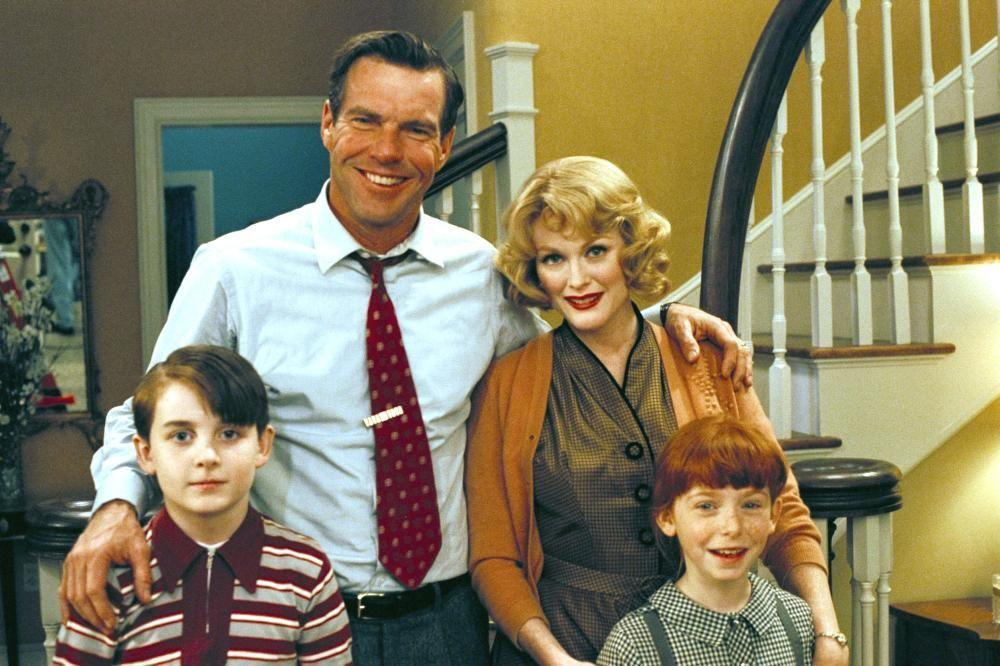
His 2002 masterpiece, Far from Heaven, is the clearest example of this project. The film is obviously in direct conversation with Sirk’s All That Heaven Allows (1955). But Haynes’s film is more than a remake; it’s a critical expansion. It uses Sirk’s template to confront 1950s taboos with a modern frankness. Where Sirk’s film was about a scandalous romance between an older widow and her younger, working-class gardener, Haynes introduces the previously taboo subjects of race and sexuality.
In Far from Heaven, the seemingly perfect husband, Frank Whitaker (Dennis Quaid), is a closeted gay man. This is a direct comment on the life of Rock Hudson, the star of All That Heaven Allows, who had to hide his own homosexuality. At the same time, the film changes the original’s class-based romance into an interracial one. The heroine, Cathy Whitaker (Julianne Moore), finds comfort with her Black gardener, Raymond Deagan (Dennis Haysbert). This introduces a racial conflict that 1950s Hollywood could never have shown so openly.
This bold theme is backed up by an incredibly strict visual style. Cinematographer Edward Lachman has described the painstaking process of recreating the look of 1950s Technicolor, using period-appropriate lighting and old-fashioned lenses. The goal, Lachman said, was to test Haynes’s core idea: could the social critique hidden in Sirk’s style—where the “beauty that surrounds the characters’ lives becomes their repression”—still connect with a modern audience? The answer was yes. The result is a film in which every saturated color, every perfect camera angle, and every soaring musical note carries the heavy weight of social meaning.
The film’s obvious artificiality begs to be seen through a postmodern lens. Some theorists, like Fredric Jameson, have called this kind of imitation a “blank parody,” an “empty” and “ahistorical” style. But Haynes’s work is far more complex. It creates what scholar Amelia DeFalco calls a “double-edged longing that realizes and embraces the illusion of its own object.” The film isn’t nostalgic for the real 1950s; it’s nostalgic for the movies about the 1950s.
As theorist Linda Hutcheon argues, this kind of irony puts its source in “inverted commas.” It both uses and subverts the old-fashioned style. The hyper-stylization doesn’t hide history; it reveals ideology. The “obvious artificiality of the sets, costumes, facial expressions… points to the constructedness of the underlying social structure.” By showing that the “perfect” suburban world is a movie-made fantasy, Haynes suggests that the social rules of racism, sexism, and homophobia are also just social constructions made by humans, systems of power that can be questioned and taken apart.
The American Uncanny: David Lynch and the Surrealist Subconscious
If Todd Haynes digs up the American Dream through its film history, David Lynch tunnels into its psychological roots. His film universe is defined by a unique style we call “Lynchian.” This term describes a specific strategy: making the familiar feel deeply strange. This is close to Sigmund Freud’s concept of the “uncanny,” or das Unheimliche, literally, the “unhomely.” Lynch peels back the “mask of this idyllic Americana” to reveal a churning, irrational subconscious where desire, violence, and the grotesque burst into the everyday world.
The “Lynchian” style is a powerful mix, a blend of the “incredibly grotesque” with the “incredibly mundane” that creates “a constant feeling of unease.” This is a uniquely American kind of surrealism. It’s not abstract; it’s built “entirely from American materials and archetypes.” His films are soaked in 1950s imagery: James Dean haircuts, Roy Orbison songs, and the clean surfaces of new suburbs. Lynch has said he loves the work of Norman Rockwell and Edward Hopper, artists who “see a certain thing, and they catch it.” Lynch’s genius is finding the surreal inside this all-American imagery, not outside it.
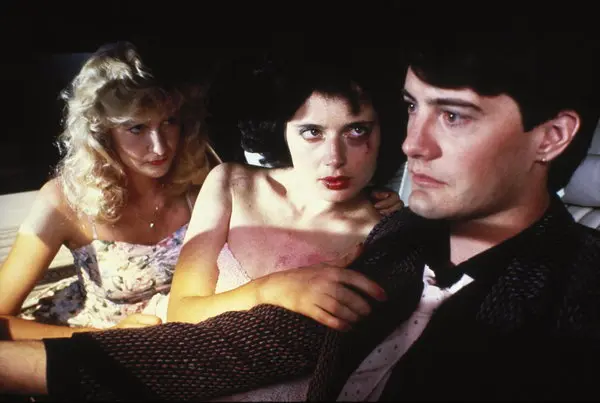
He filters this project through the rules of film noir. Noir gives Lynch a basic “sensibility: You look under the surface… and there’s this corruption.” Many of his films, like Blue Velvet and Mulholland Drive, are built around a mystery. But Lynch turns these plots into journeys of the mind. The detective isn’t just investigating a crime; he’s investigating the dark corners of himself and our collective unconscious. This mix of noir and surrealism creates the uncanny effect. The familiar world is just a thin layer over a chaotic, dream-like reality.
Blue Velvet (1986) and the TV series Twin Peaks (1990-91, 2017) are perfect examples. The opening of Blue Velvet is a visual mission statement for his entire career. It starts with perfect, Rockwell-esque images: white picket fences, bright red roses, a friendly fireman. This perfection is suddenly broken when a man watering his lawn has a stroke. The camera then pushes past the surface, diving deep into the green grass to show a chaotic, writhing mass of insects; a clear metaphor for the violent, primal world just beneath the calm surface.
Twin Peaks applies this critique to a whole town. The town, with its charming diners and “damn fine coffee,” seems like a wholesome American archetype. But this quaint exterior is a parasitic host for a list of horrors: rape and murder, incest, kidnapping, and arson. The show’s structure, both murder-mystery and soap opera, is key. Lynch uses the familiar, even silly, tropes of a soap opera as a vehicle to explore deep and disturbing themes of trauma, grief, and supernatural evil. The critique is psychological: the “evil comes from within.”
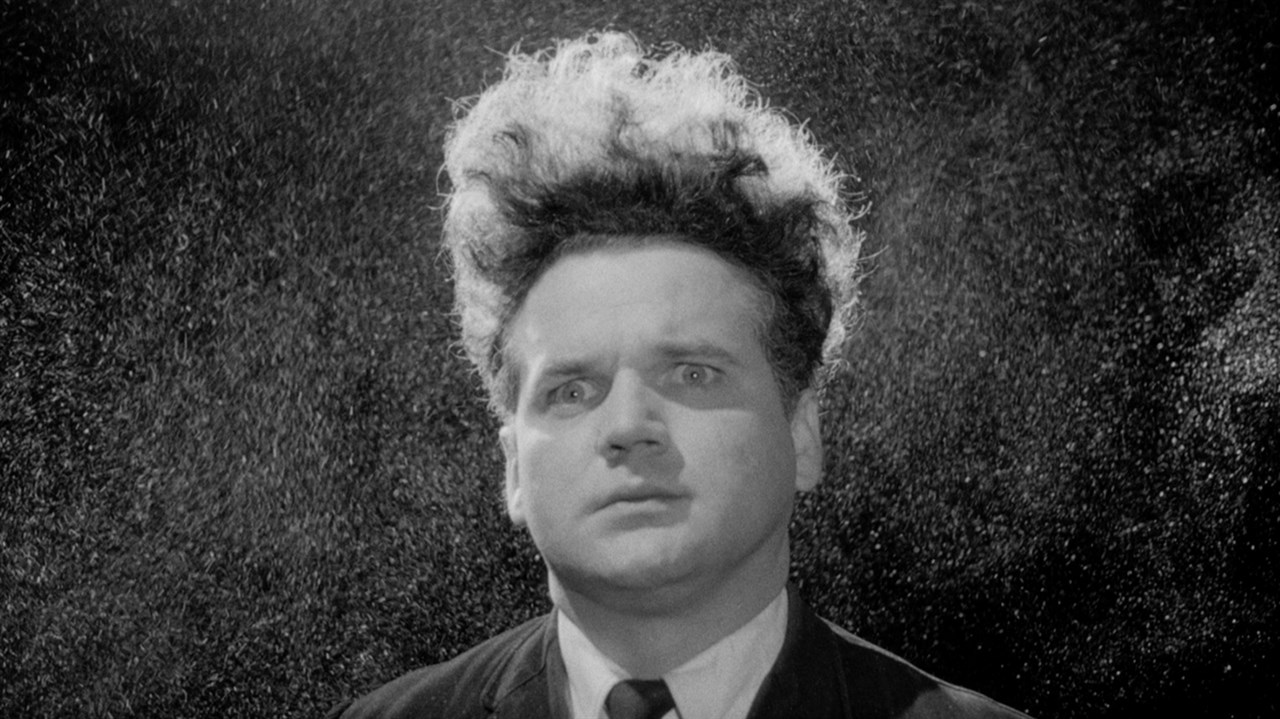
Central to this style is Lynch’s fascination with the grotesque, especially the human body. His first feature, Eraserhead (1977), is a landmark of “body horror” and explores what scholar Mikhail Bakhtin called “grotesque realism.” Lynch’s camera focuses on the “deformed and ‘monstrous’ body,” ignoring its “closed, smooth… surface” and instead showing its “orifices” and “inner features… blood, bowels, heart.” This isn’t just for shock. It’s part of his worldview, which swings between the horrific and the sublime, merging “the grotesque with the beautiful.”
This all leads to a powerful critique of the idea of “home.” The very spaces that should be the most comforting – the suburban house, the nuclear family – are, in Lynch’s films, the source of the deepest horror. The uncanny isn’t an intruder. It is the repressed truth of the domestic sphere, the “unhomely” reality at the very heart of the American home.
The Corrupted Garden: A Comparative Critique of the Suburb
The American suburb, that powerful symbol of post-war prosperity, is a shared battleground for Haynes and Lynch. In Far from Heaven and Blue Velvet, both directors use the 1950s suburb as a hotbed for trauma. They turn what Douglas Sirk called a “storybook-pretty but socially arid prison of conformity” into a place of deep crisis. Both films agree that the “American dream contains within it the American nightmare,” but they reach this conclusion from different directions. Haynes finds the sickness in the rigid social codes (racism, homophobia) that crush people from the outside in. Lynch finds it in the primal, violent urges that burst up from the subconscious, from the inside out.
Haynes’s suburb is a world of surfaces you can’t ignore. Filmed in the oversaturated Technicolor of a Sirk melodrama, his Hartford, Connecticut, is almost impossibly beautiful. The horror is the oppressive perfection of the image. The flawless homes and vibrant colors are the tools of a “profound social sickness,” the crushing weight of social expectation.
Lynch’s suburb, by contrast, is a lie. His Lumberton, North Carolina, is shot like a film noir, where deep shadows are always threatening to swallow the sunny surfaces. The horror isn’t what you see; it’s what’s hidden. For Haynes, the surface is the prison. For Lynch, the surface hides the prison.
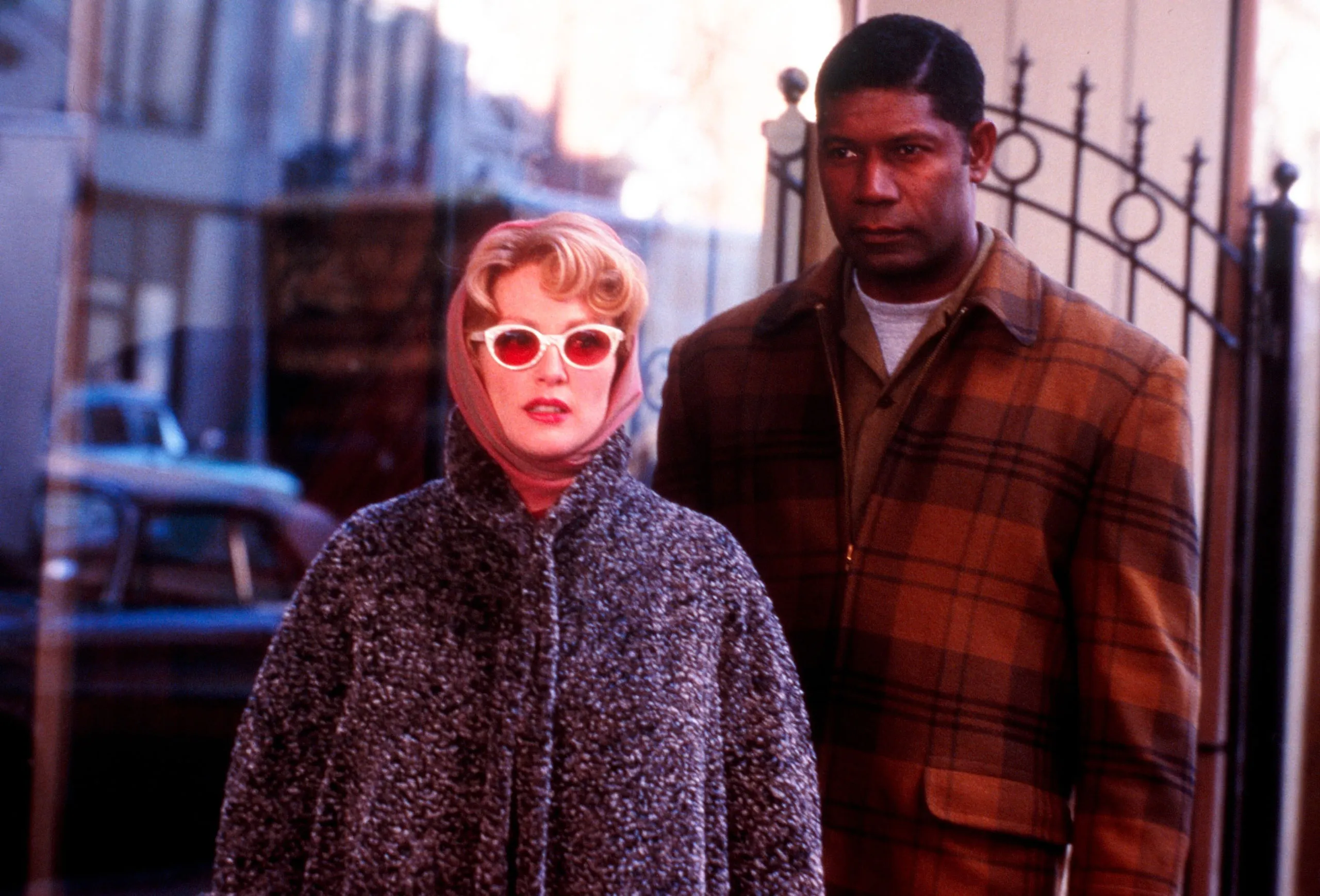
This points to a key difference: Haynes’s critique is sociological, while Lynch’s is psychoanalytic. In Far from Heaven, the trauma is social. The characters suffer because they crash into the “mores of the era.” The evil is systemic, collective, and enforced by the community. In Blue Velvet, the trauma is psychological and primal. The hero’s journey is a dark initiation into a world of sexual violence and sadism. The “evil” is an eruption of the id.
Their main characters show this difference clearly. Cathy Whitaker in Far from Heaven is a classic victim-heroine, a figure of pity. Jeffrey Beaumont in Blue Velvet is a voyeur, an active explorer who is both repulsed and drawn to the darkness he finds.
Aesthetic Bleed: The Uncanny in Haynes, The Melodramatic in Lynch
While these labels are useful, just calling Haynes “social” and Lynch “psychological” doesn’t tell the whole story. A closer look shows a significant bleed or crossover between them. There are moments when Haynes explores the uncanny, and moments where Lynch relies heavily on melodrama.
Todd Haynes’s 1995 film Safe is a great example. It’s a “tale of suburban body horror” that feels closer to Lynch or David Cronenberg. The film follows Carol White (Julianne Moore), a wealthy housewife who develops a mysterious “environmental illness.” Haynes films her sterile world with a clinical distance, using wide shots that make her look tiny and lost in her own home.
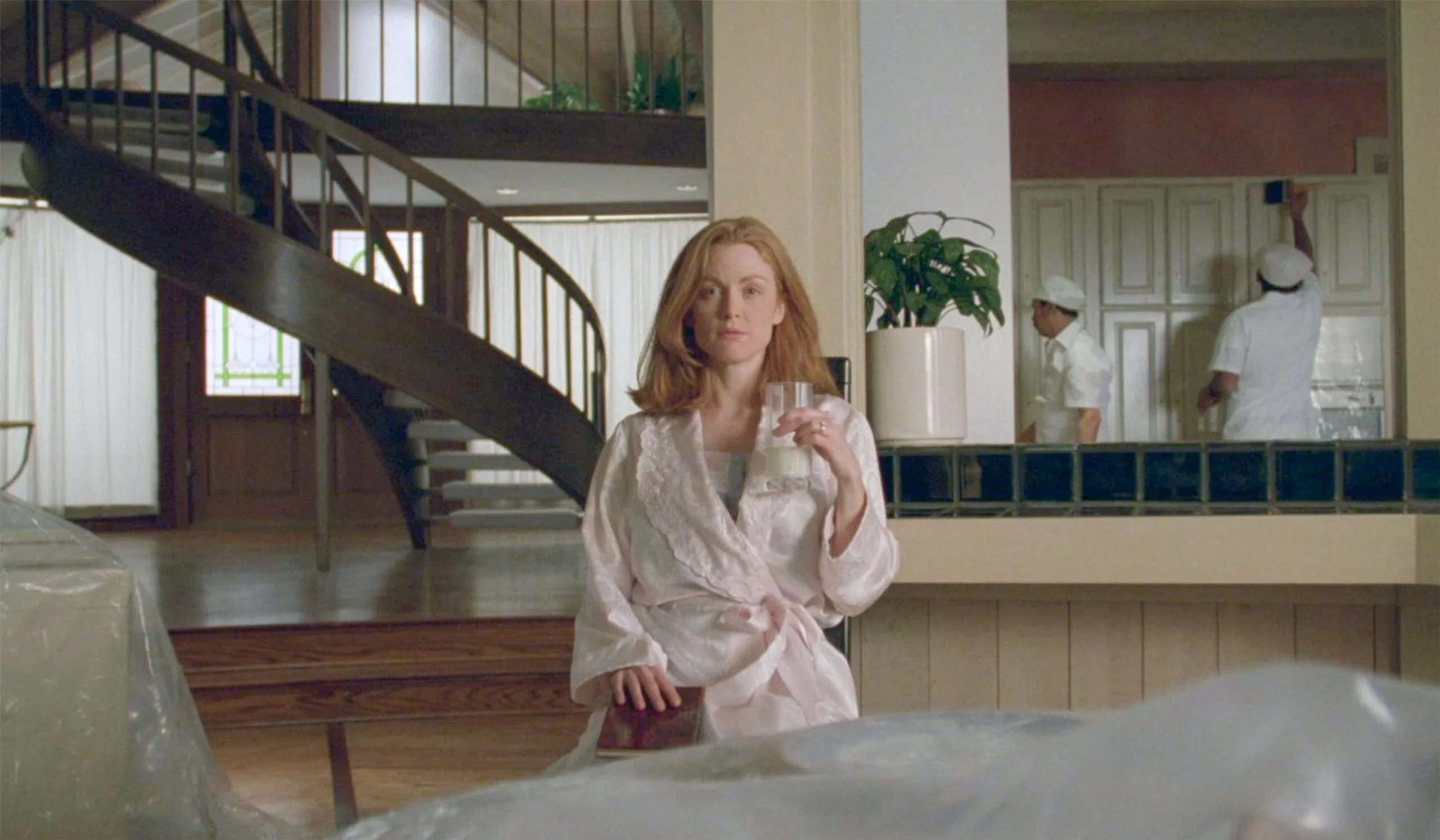
The film’s power is in its ambiguity. Carol’s illness, which causes violent physical reactions to everyday chemicals, is a deeply unsettling affliction. It blurs the line between her body and her environment. It’s as if her toxic suburban life is literally poisoning her. The film never gives a clear diagnosis, leaving us to wonder if the sickness is physical, mental, or both. As one analysis notes, Safe understands that the “most oppressive horrors are the ones that we generate from within.” Here, Haynes shows that the repressive social environment doesn’t just cause emotional pain, it can physically manifest as a terrifying, uncanny sickness.
On the reverse side, Lynch’s Twin Peaks is built on the foundations of melodrama and the soap opera. The show is “equal parts murder mystery and soap opera,” filled with classic melodramatic tropes: dark family secrets, forbidden loves, and the suffering of its female characters. The over-the-top emotional outbursts from its characters create a constant tension between absurdity and real, gut-wrenching pain, a core feature of melodrama.
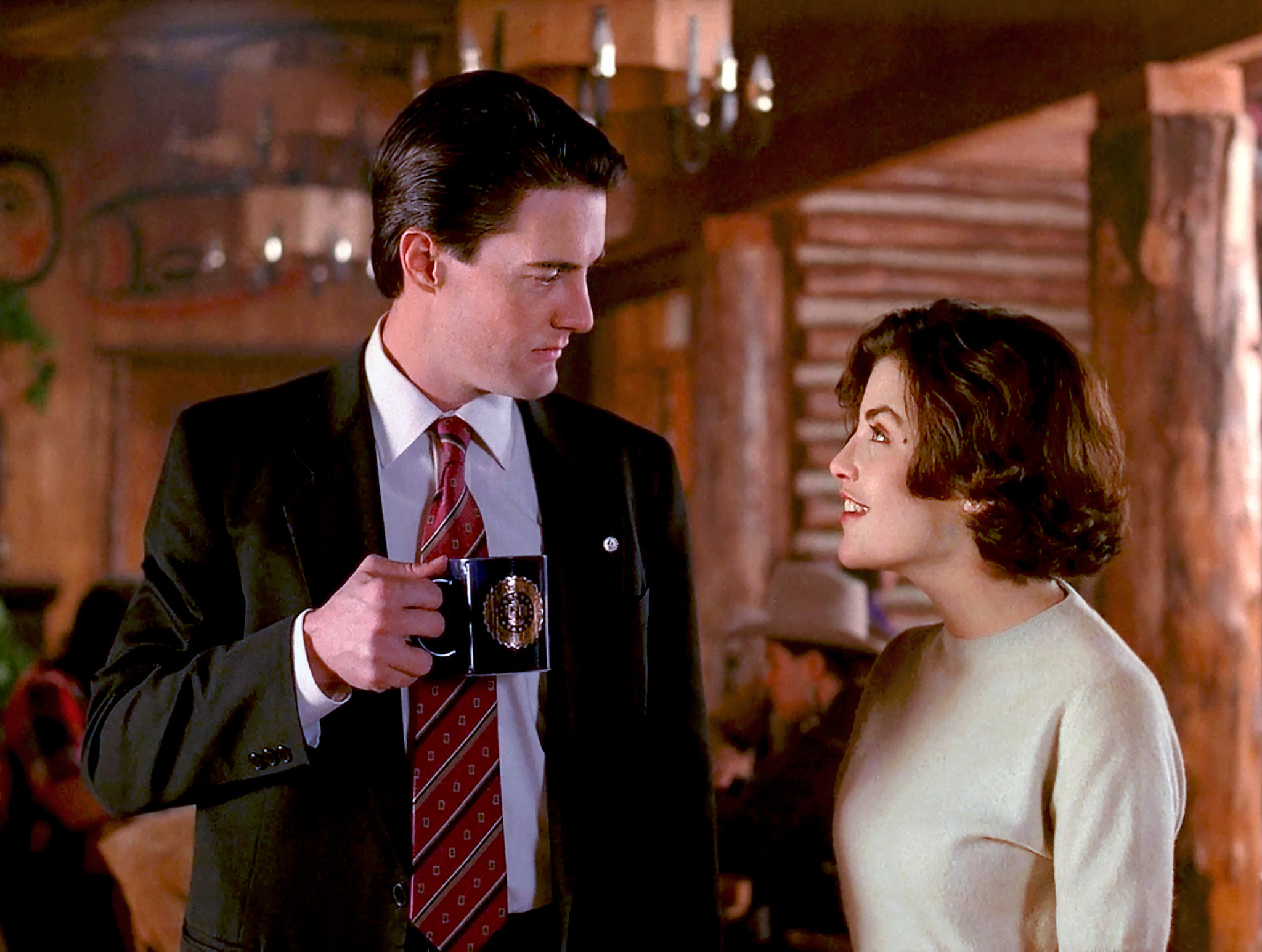
Lynch’s genius is using these “low culture” forms as a Trojan horse. The familiar, comforting structure of a soap opera grounds the show’s most bizarre, surreal, and horrifying moments. This makes their intrusion even more disturbing. By hiding his supernatural horror inside a primetime soap, Lynch suggests that the extreme passions and hidden traumas of melodrama aren’t a distortion of reality, they are a more accurate map of the psychic turmoil bubbling just beneath the surface of American life.
This crossover is a key point. The unifying element for both directors is the human body as the ultimate site of critique. In Safe, the social environment becomes a pathogen that sickens Carol’s body. In Twin Peaks, deep psychological trauma results in the brutal destruction of Laura Palmer’s body. For both filmmakers, the abstract critique is made real and physical through the suffering of the human body.
A Shared Lineage: The Subversive Inheritance of Sirk and Fassbinder
The parallel critiques of Haynes and Lynch aren’t a coincidence. They are part of a shared artistic family tree. Their work is built on a line of subversive filmmaking that runs from mainstream Hollywood to radical European art cinema, starting with Douglas Sirk.
Sirk’s 1950s melodramas are a core inspiration for both. A leftist German intellectual who fled the Nazis, Sirk directed Technicolor “weepies” for American studios. From within this system, he developed a deeply sardonic style, offering an “ironic and at times surreal refraction of the American self image.” He turned the idealized suburb into a “prison of conformity,” using “exaggerated sets… painted in unreal hues” to show his characters’ inner turmoil.
The influence on Haynes is direct. Lynch’s debt is less direct, but just as deep. Lynch inherits Sirk’s profound sense of irony and his use of “kitsch.” Sirk himself said his beautiful, flower-filled sets were “tombs, mausoleums filled with the corpses of plants,” symbolizing the spiritual death of the middle class. This use of glossy surfaces to signal inner rot is a core principle of the Lynchian style.
If Sirk provided the source code, the German director Rainer Werner Fassbinder was the revolutionary programmer who unlocked its most radical power. Fassbinder is a central influence on Haynes. He showed that the power dynamics in domestic relationships were direct reflections of “historical and political structures.”
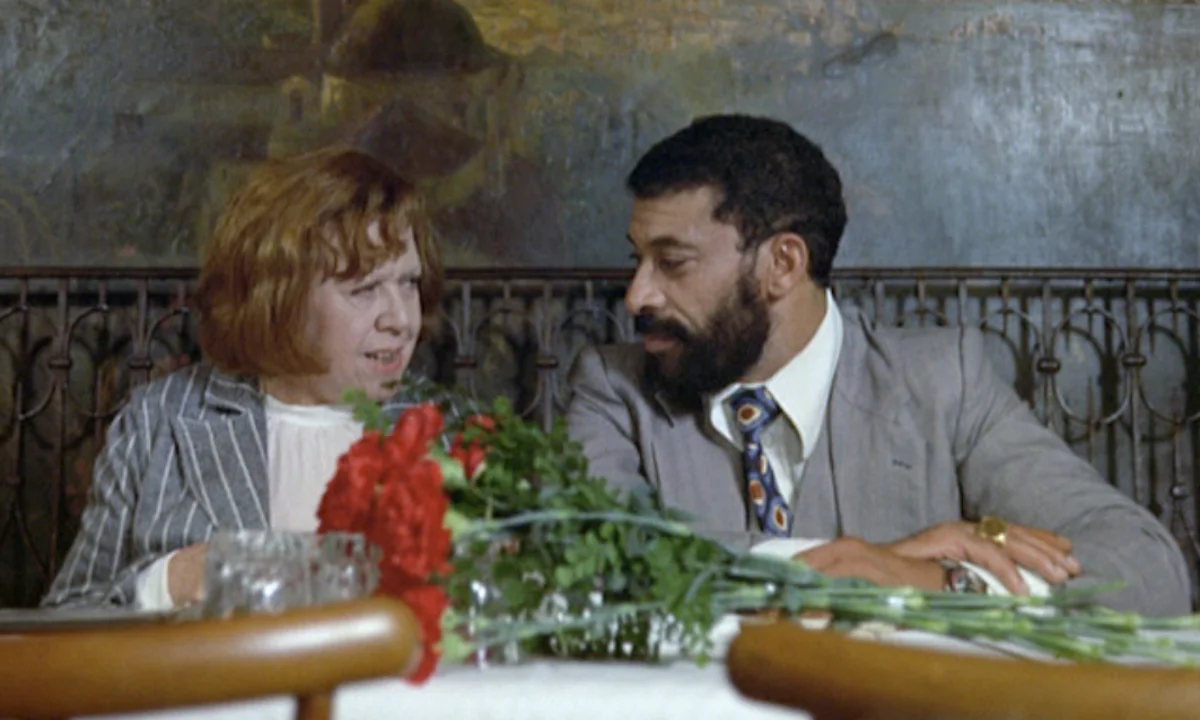
Fassbinder’s 1974 film Ali: Fear Eats the Soul is a key film in this chain. It’s a direct remake of Sirk’s All That Heaven Allows, but Fassbinder’s version is about a romance between an elderly German woman and a younger Moroccan immigrant worker. This film was the direct model for Haynes’s own Far from Heaven.
The connection between Fassbinder and Lynch is more about similar themes and feelings. Critics have noted their shared fascination with mystery and the “nightmarish” qualities of human relationships. Fassbinder, influenced by the playwright Bertolt Brecht, often used techniques to create a critical distance. This idea of using form to make the audience think, rather than just feel, provides a useful link between Haynes’s self-aware imitations and Lynch’s unsettling irony.
Sirk’s critique had to be hidden. Fassbinder took that hidden critique and made it loud, radical, and political. He legitimized the use of degraded popular genres (like melodrama) for serious artistic and political work. He paved the way for filmmakers like Haynes and validated the strange, complex experiments of an auteur like Lynch.
Filming the Dream’s Collapse
The cinematic worlds of Todd Haynes and David Lynch, though they look different, arrive at the same powerful conclusion: the American Dream is not a reality to be filmed, but a fantasy to be taken apart. Their work argues that the sicknesses of American life can’t be captured with realism. Instead, they turn to styles often dismissed as “too much”; melodrama’s high emotions and surrealism’s irrational logic. They show that these are actually the most precise and truthful ways to articulate the nation’s deepest anxieties. They expose the American Dream as a fragile story, a postmodern simulation built on a cracked foundation of social and psychological repression.
Their critiques are postmodern. They reject a single grand narrative of truth. Instead, they focus on how our idea of America is a mediated reality, built from all the other images and films we’ve ever seen. Haynes’s Far from Heaven is not a film about the 1950s so much as it is a film about films about the 1950s. Lynch’s work does the same, blurring the lines between dream, memory, and media to suggest a “hyperreality” where the copy has become more real than the original.
Haynes’s melodramatic mirror reflects the elegant, cruel surfaces of American society. Lynch’s surrealist nightmare gives shape to the darkness that this polished society tries to bury. But these are not opposing visions. They are two reflections of the same truth. The crossover between their work– Haynes’s body horror in Safe, Lynch’s soap opera in Twin Peaks– proves their shared belief that the social and the psychological are one and the same.In the end, the most powerful critique Haynes and Lynch offer is that the dream and the nightmare are not opposites. The nightmare is the dream’s subconscious. The melodrama is the emotional truth of the dream’s spectacular failure. Their films don’t just show the death of the American Dream; they perform an autopsy on it, revealing its true, terrifying, and often tragically beautiful nature.