



Director: Emily Mkrtichian
Writer: Emily Mkrtichian
Stars: Sose Balasanyan, Gayane Hambardzumyan, Svetlana Harutunyan
Synopsis: Four women of Artsakh face war’s aftermath, build lives amid uncertainty until another war interrupts; some take arms, others flee as homeland faces ethnic cleansing and erasure.
This is, unquestionably, the year of documentaries. It features multiple emerging voices of documentarians, tackling various topics from wars to sexual identity and, more importantly, accounts of humans as they mess up their lives, make art, love, procreate, and die.
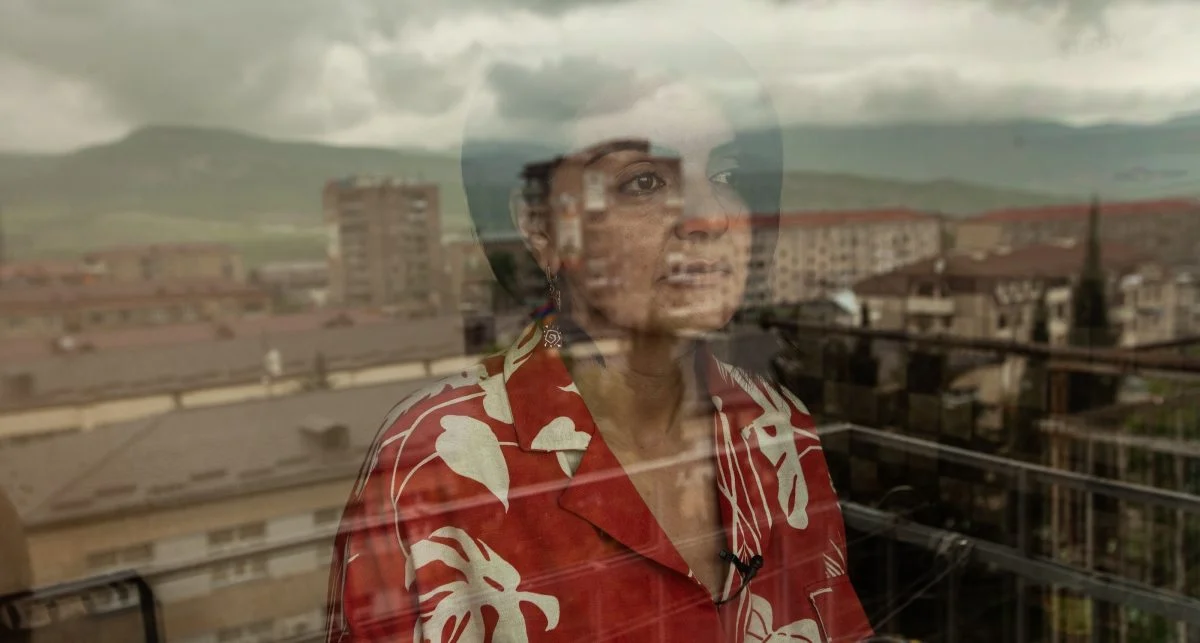
There Was, There Was Not is a story about land and women. But women are lands in their own right, fertile, giving, nurturing, but also requiring care. The problem with “land” is that people tend to overlook the fact that it needs care and nurture to survive and sustain its giver nature. So when war strikes land, and when women are displaced and lose their sense of safety and belonging during wars, the core trait of what makes a land “land” and a woman “woman” is lost.
Director Emily Mkrtichian paints a picture of a world destroyed, a painful concept that is not typically understood in the “modern” Western mindset. It is the idea of nations erased from the earth, their homes and memories obliterated. The mere thought of their homeland existing only in storytelling, where they immerse themselves in a perfect image of what their countries could have been.
The documentary showcases four Armenian women forced to live in a manufactured country called Artsakh, a country that lies in the Soviet Republic of Azerbaijan, even though it has an all-Armenian population. After a few wars, Armenia regained control of Artsakh, and it became an independent republic of the Armenian people. However, this temporary heaven vanishes after Azerbaijan starts another war on the make-belief republic, wanting to claim it as its own. Soon the façade of peace that these women thought they have lived in is shattered, and they find themselves a term “women of war”. They no longer have their separate identities but collectively a single entity. The director excels in recording live footage of the war, and it looks scary from a personal angle up close. It gives the documentary a harrowing tone, especially with how late it comes in the film (after approximately 40 minutes of runtime).
Mkrtichian takes us on a magical journey with her through the lives of the women. Her choices are very niche and unique in that they are all strong, influential women who leave their mark on the Artsakh society, but it’s a great way to highlight the contrast of the tragedy and how it affects how these women contribute to their community. War is usually the elephant in the room, those women have moved on with their lives and considered Artsakh home, but the mention of “war” sneaks into their conversations in the slightest of ways.
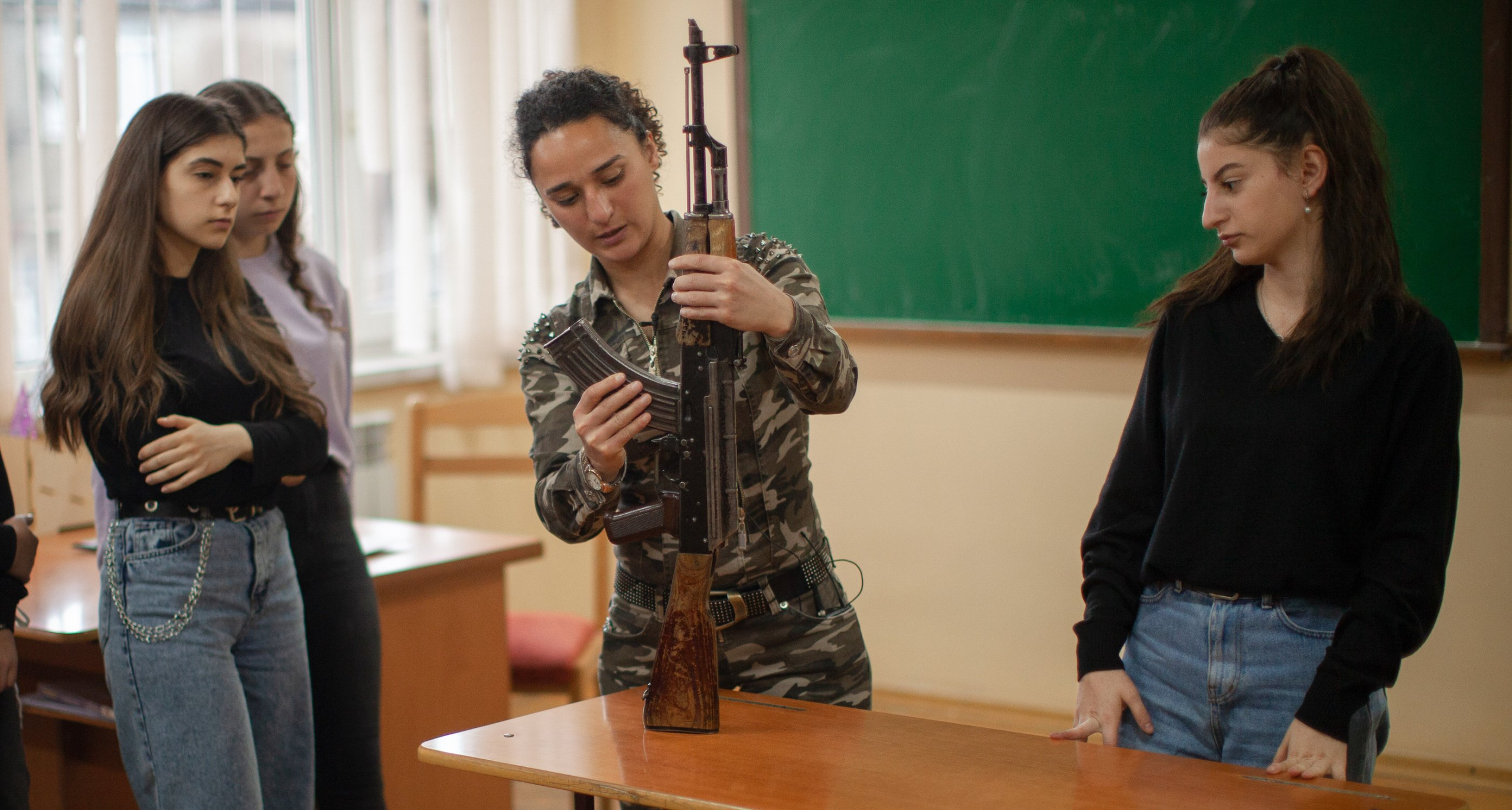
The director captures the smallest details that make these women seem less like heroes and more like familiar faces you might pass on the street. She removes the burden of having to be seen solely as subjects; a title that feels lifeless and based in hostility. We see Sosé Balasanyan, the gold medal-winning judoka, holding her favorite plushie, activist Gayane Hambardzumyan preparing meals for her family after organizing meetings for battered women, and the politician Siranush Sargsyan dancing and chilling in a pub. Through these subtle details, Mkrtichian gradually draws us into a larger Armenian folk story, without neglecting her focus on the harsh realities of war. Instead, she weaves a patchwork of conglomerate truths that together reveal the lives of women in wartime.
There Was, There Was Not perfectly humanizes the stories of people who went to war and came back alive. It creates a realistic, if all-too-painful way to look at those wartorn nations, but through a microscopic lens that zooms in on individuals, rather than complete identities. The women of Artsakh are not simply a fairytale told at night before bed, or around the fire, but they are a saga of perseverance.