


Director: Brydie O’Connor
Synopsis: An archival study examining pioneering lesbian filmmaker Barbara Hammer’s impact, career, and contributions.
The lineage of queer filmmakers has seen an explosion of undiscovered classics from the 1980s and 1990s. Few figures were as integral to telling raw, honest stories about life as a lesbian as Barbara Hammer. The Sundance documentary Barbara Forever seeks a deeper understanding of her life. Expanding her short documentary about Hammer, director Byrdie O’Connor captures never-before-seen intimacy from Hammer’s life, a shocking surprise given how open her stories have always been. While the film is a little long, the sheer amount of footage on display is a marvel.
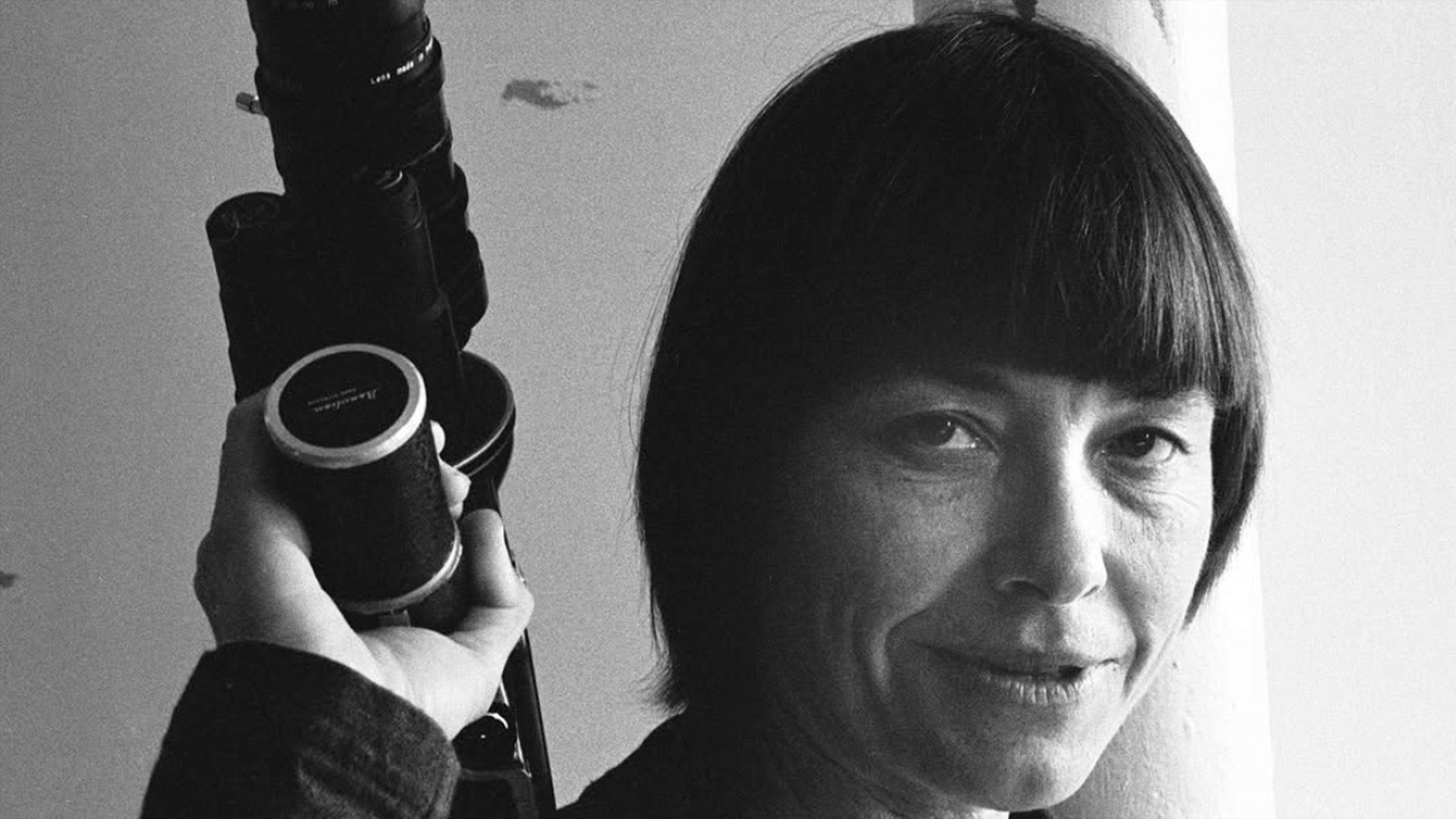
After leaving her husband in 1974, Barbara Hammer sought every opportunity to explore love on her terms. She picked up a camera and began capturing the raw intimacy of her life, especially her sex life, whenever possible. Over the next five decades, Hammer would craft more than 80 films, including Dyketactics and Nitrate Kisses. While Hammer treated her life like an open book, many of her partners did not. However, after meeting Florrie Burke, Hammer found a partner and collaborator.
O’Connor faced a massive amount of archival footage as she began piecing together the documentary, but at the same time, much of this footage already contained Hammer’s voice. The challenge was finding the balance between recreating the artist’s existing work and crafting your own style. For the most part, O’Connor delivers on this front and crafts a compelling biodoc.
Even so, there are moments when the story becomes a bit traditional. This is often an issue in this subgenre, especially when they cover a famous person’s entire life. This leaves some of the drama dependent on the ups and downs of Hammer’s career. Barbara Forever breaks most from the tropes when she speaks with Burke. Hammer’s longtime partner provides insights that even the overly honest filmmaker did not put on camera. Mixing new interviews with their home movies, you get an intriguing view of Hammer.
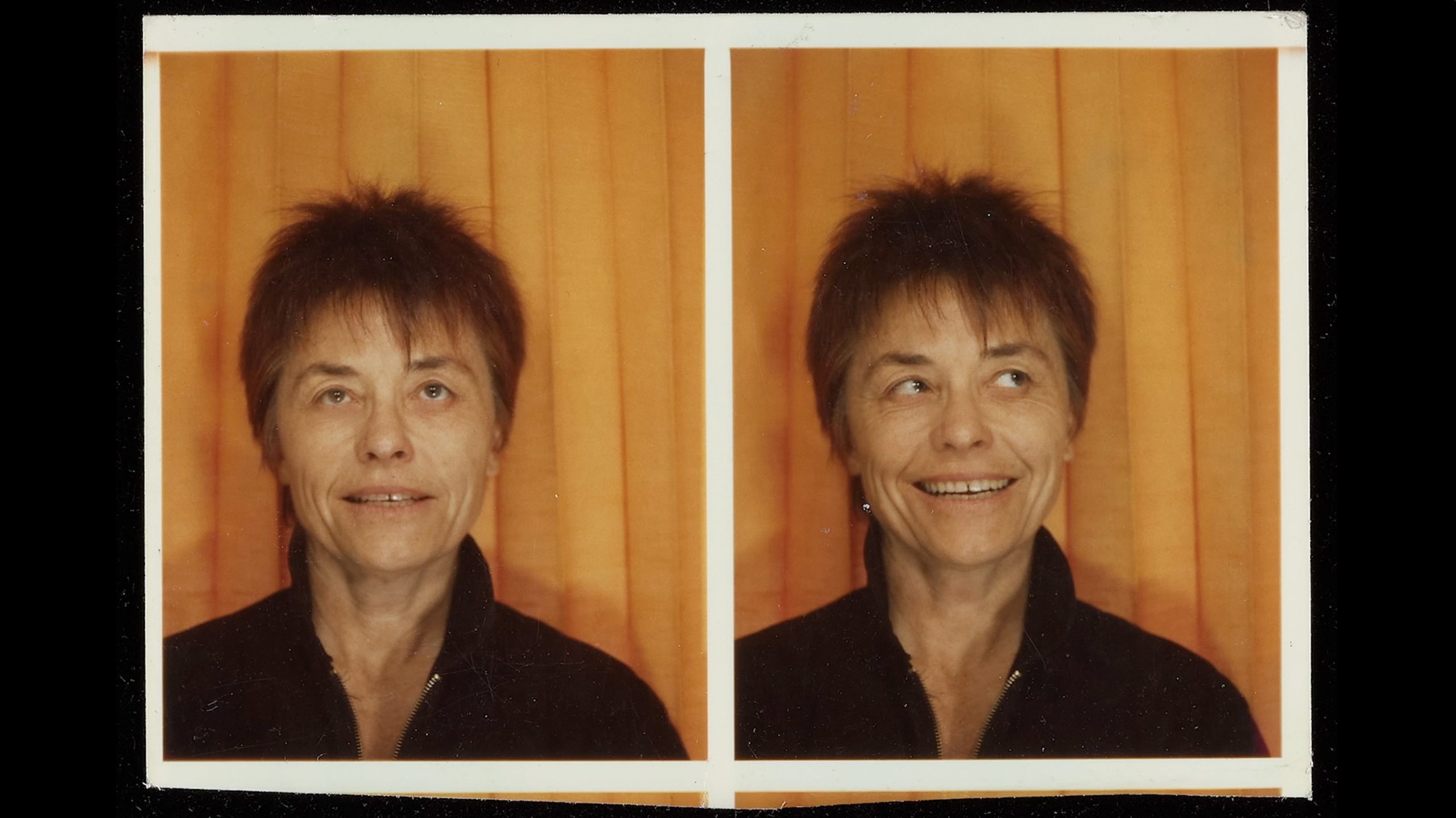
Most of the narration in Barbara Forever comes from Hammer herself. However, this is not the self-aggrandizing stories that we sometimes see the subjects of biographical documentaries use to craft myths about their lives. This becomes a benefit to Barbara Forever and highlights O’Connor’s familiarity with Hammer across nearly any subject. Rather than a single audio track, she pieces together snippets of recordings in her archive. O’Connor is also credited as an archivist on the film, which further adds credence to this process.
The other intriguing aspect of Barbara Forever is its focus on Hammer’s most intimate concept: aging on camera. We rarely see this in queer cinema, but it was one of Hammer’s most important contributions to the scene. From her days in the 1970s through the end of her career, Hammer was fascinated with the female body. In Barbara Forever, we observe a visible shift in her appearance over time. It’s a fearlessness we rarely see in cinema, where cultural expectations of looking “young” have led many to undergo drastic body changes. Instead, the natural beauty of the female form is not only ever-present in Hammer’s films, but one of its most intriguing aspects.
In terms of her influence on indie film and LGBTQ+ cinema, O’Connor ensures she’s put in the same breath as Todd Haynes, Gregg Araki, and other ’90s contemporaries. Hammer always had admirers, but working on avant-garde movies does not open oneself up to mass appeal. Yet her push to continually defy the boundaries of what was possible in cinema opened the doors for future filmmakers to build on her progress. There’s a reason why Nitrate Kisses continues to find an audience over thirty years after its release.Barbara Hammer is not a household name, even among cinephiles. However, her influence on the art form and avant-garde storytelling is undeniable. O’Connor handles the filmmaker’s legacy with care, resulting in a sprawling vision of queer art for over forty years. That alone makes Barbara Forever a must-watch for film historians.