



Director: Chie Hayakawa
Writer: Chie Hayakawa
Stars: Yui Suzuki, Hikari Ishida, Lily Franky
Synopsis: In 1987 Tokyo, a quirky and sensitive 11-year-old girl copes with a terminally ill father and stressed-out working mother while encountering various adults dealing with their own struggles.
“I know how you feel.”
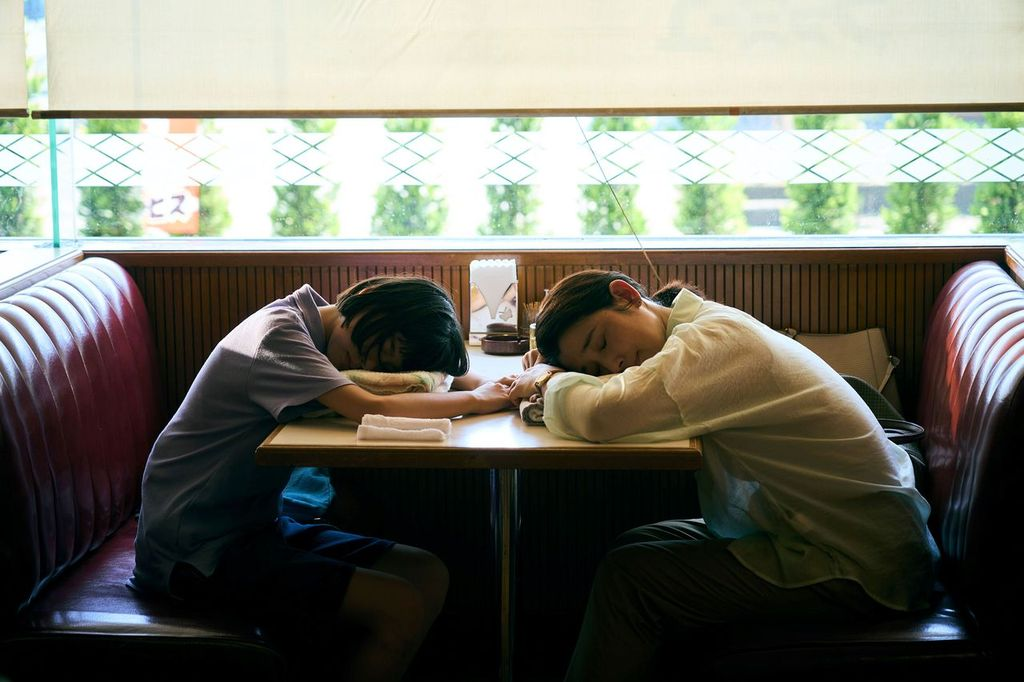
These are words that should immediately make us feel seen, heard, and understood. But the person it comes from matters, and the context matters even more. One of the ways that we wish we could be understood is through our grief. Unfortunately, there is almost no way anyone can know exactly how we feel through loss, regardless of the type. Our age, our place, our feelings, these all have an impact on how we process, or plan to process these losses. This is especially true of anticipatory grief, the pain we feel before the loss that we know is coming.
In Chie Hayakawa’s second feature film, Renoir, she interestingly switches nearly 180 degrees from her debut feature, Plan 75. While her first film is a dystopian look at euthanizing the elderly, this film is from the point-of-view of a young girl, being forced to come to grips with mortality. Featuring a stunning child performance from Yui Suzuki, the film throws us into the world of this young girl who is attempting to balance adolescence, new friendships, a difficult relationship with her mother (Hikari Ishida), and a terminally ill father (Lily Franky). Fuki (Suzuki) is an entrancing character, vacillating between analyzing the world around her and taking risks, both with other adolescents and adults.
Due to this very specific point-of-view, there are moments in which the film stagnates and feels disconnected. Now, some of that is a feature, as we are brought along on Fuki’s journey. However, the disconnection is so strong between certain key scenes that it takes a moment to catch up and reconnect. Luckily, there are individual interactions, especially between Fuki and her father that are so strong that the struggles start to matter less once you give in to Hayakawa’s style. Much like the life of a child, the audience feels little control or understanding over the pacing and flow of Renoir. This both helps and hinders the film; we feel both drawn to Fuki and frustrated that we do not know where things are headed, or even where they came from.
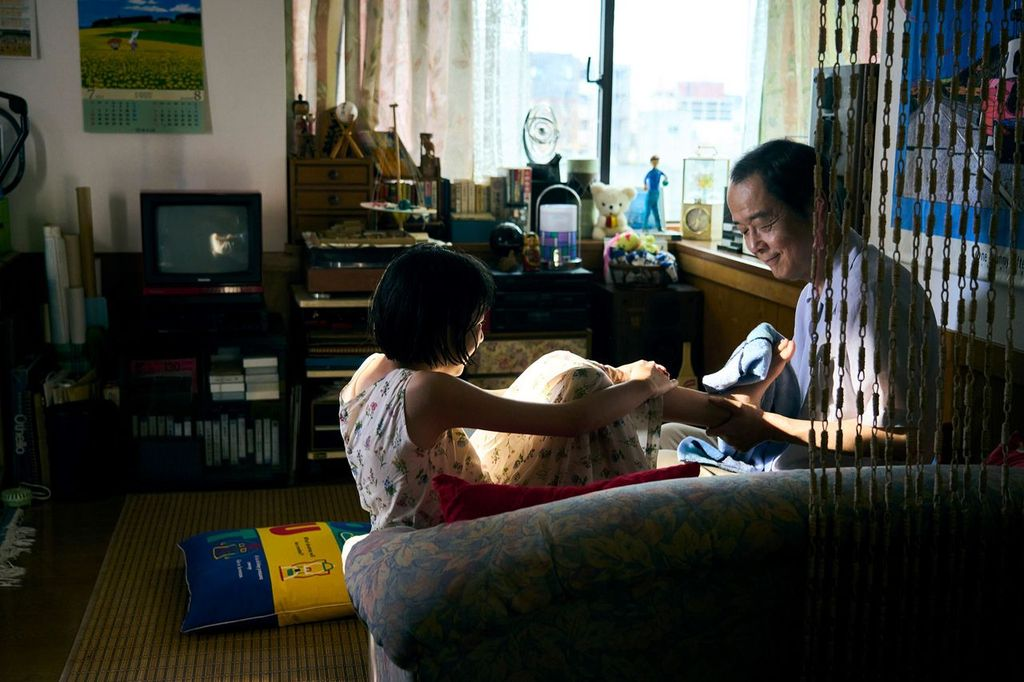
From an aesthetic perspective, Renoir is a stunningly detailed visual centerpiece. Cinematographer Hideho Urata and production designer Keiko Mitsumatsu combine to create a lived-in, focused world. As Fuki wanders from her school to her home, nothing feels out of place or unnatural. The same is true when visiting her friend Kaoru’s (Ryôta Bandô) house after bonding through a simple song. This home, more ordered and of higher class, shows a divide between the families, but not between these two girls. Hawakawa’s comfort and confidence behind the camera shows through here, trusting the audience to understand the seemingly innocuous bonds of childhood that seem stronger than even those with our parents.
Fuki’s clear obsession with death and occult practices, through both her creative endeavors and hobbies, becomes noticeable to both the audience and her parents, which cause two very different reactions. Given her father’s cancer diagnosis, we see it as understandable. But to her mother, who is simply trying to survive daily life, this is both frustrating and perplexing. This is again an advantage to the film’s almost sole focus on Fuki. In these small moments, we have a beat to understand that, as a parent, this would be worrisome. For better or worse, Hayakawa refuses to hold the audience’s hand, moralize about what is the right way to parent a child, or deal with impending trauma. There are no answers, and this is to the great benefit of the film. While we enjoy Fuki spending time with her father, thanks to yet another beautiful, gentle performance from Lily Franky, there are still consequences and costs. Fuki cannot see this, but her mother can. This is yet another way the director holds back the lessons of childhood. As young people, we were never particularly good at seeing what could happen, only what is.
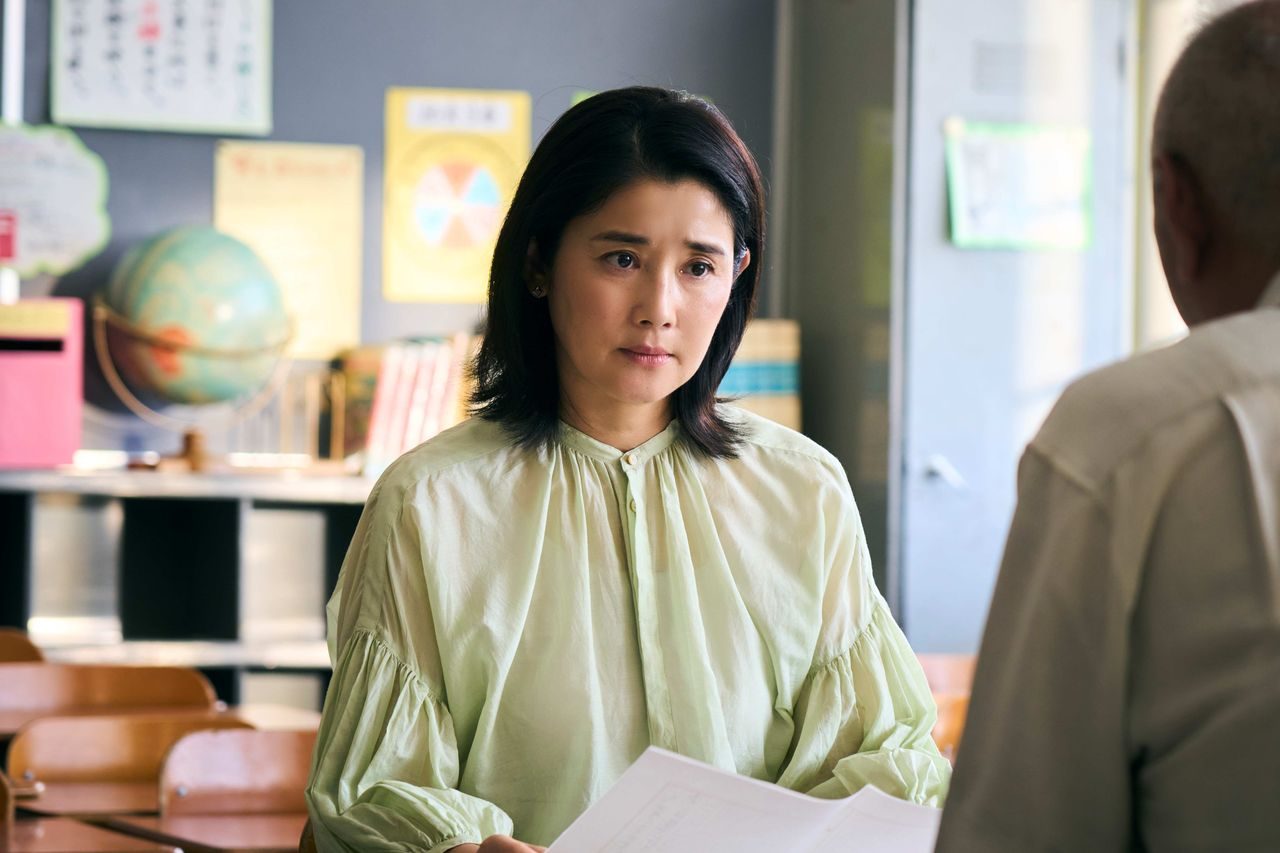
As Renoir moves forward in time, in connection with Fuki’s English lessons, we see an understanding in her eyes. An understanding of death, life, love, and even her parent’s experience. Through quite impressionistic strokes, as the title implies, Hayakawa finds a way to provide a path through the darkness and into the light. Even if the film feels slightly disjointed, the ideas behind Hayakawa’s script have enough depth to pull us along on the journey. No one can truly understand how we feel, but when we feel together, we are stronger for it.