



Directors: Prashanth Kamalakanthan, Artemis Shaw
Writers: Prashanth Kamalakanthan, Artemis Shaw
Stars: Prashanth Kamalakanthan, Artemis Shaw, Katerina Shaw
Synopsis: Struggling with new parenthood and stalling careers, Kallia and Ram’s lives are thrown into chaos when Kallia’s blind mother goes on a mission to exorcize the family from the evil eye.
Even if we choose not to have children of our own, there comes a point in life where we may have to parent. The hard part is parenting the people who raised us when they become unable to take care of themselves. It’s hard to imagine watching that deterioration of someone who seemed such a solid stalwart in our lives for so long. It’s harder still when they can’t see it for themselves and still believe their cognition has not altered. This intergenerational parenting is at the heart of Removal of the Eye.
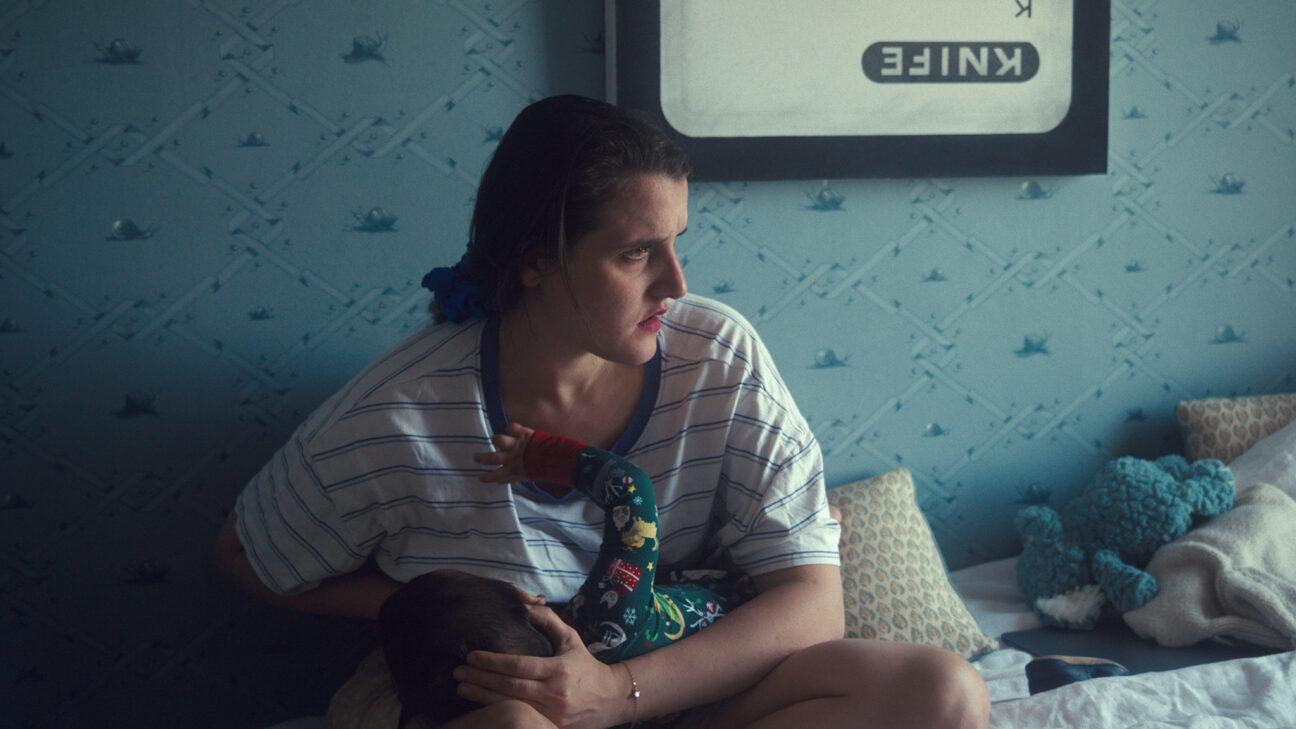
One of the most engaging aspects of the film is the cinematography by co-director, co-writer, and co-star Prashanth Kamalakanthan. The film keeps us off kilter from the moment it begins. There are extreme closeups, Dutch angles, and a unique use of 360 degree cameras that create an out of body effect. The 360 degree camera’s closest equivalent is a fish eye in the way it curves the world of the scene, but unlike a fish eye, we see the elongated limbs from the other side and all the action around what the camera is pointed at. In Kamalakanthan’s hands it’s used to upset the audience and ingrain the idea of the presence of the evil eye in each scene it’s used.
The whole film feels off balance. It’s chaos playing on the edge of a knife. While other filmmakers may try and choose a more frenetic pace for this type of story, Kamalakanthan and co-director, co-writer, and co-star Artemis Shaw build a languid unease and discomfort. They make us sit in these situations of parental anxiety. We have to be uncomfortable in order to empathize with the discomfort of the situation. It makes each fight, slight from a conversation with their own parents, and unwanted comparisons from other young parents seem all the more awkward.
This awkwardness fits well with the precision of Kamalakanthan’s editing. The simultaneous scenes of Ram (Prashanth Kamalakanthan) and Kallia (Artemis Shaw) feel like they’re happening side-by-side and it heightens the tension of each because they mirror each other in some ways. It’s a technique Kamalakanthan employs throughout the film. This connection into how their interactions outside their relationship affects their relationship comes into focus as Kallia has a very terrible video call interview and Ram is failing to convince a fellow musician, Dax (Mons Vi), his vision for his music video is good. The scenes then connect in one of the best scenes in the film.
After her terrible interview, Kallia comes back to the apartment to find her baby alone, covered in spit up, and crying. She finds out from the trash that Ram has been feeding the baby formula to get him to nap, which is something Kallia has previously put her foot down about. As Ram flounders his last pitch to Dax, he turns to see an irate Kallia. The scene has no dialogue, just the images of a shouting Kallia in slow motion with her baby strapped to her chest as she tears open formula tubes and sprays Ram with the contents. The scene brings to the surface all of Kallia’s frustrations and finally gives Ram the comeuppance he deserves.
If Removal of the Eye has faults it’s in the execution of its full vision. As a whole the film feels somewhat incomplete. There feels like the need for a bit more explanation or finality to the experience. There is a good catharsis at the end and great scenes in between, but it just lacks the compelling narrative oomph to make it great.
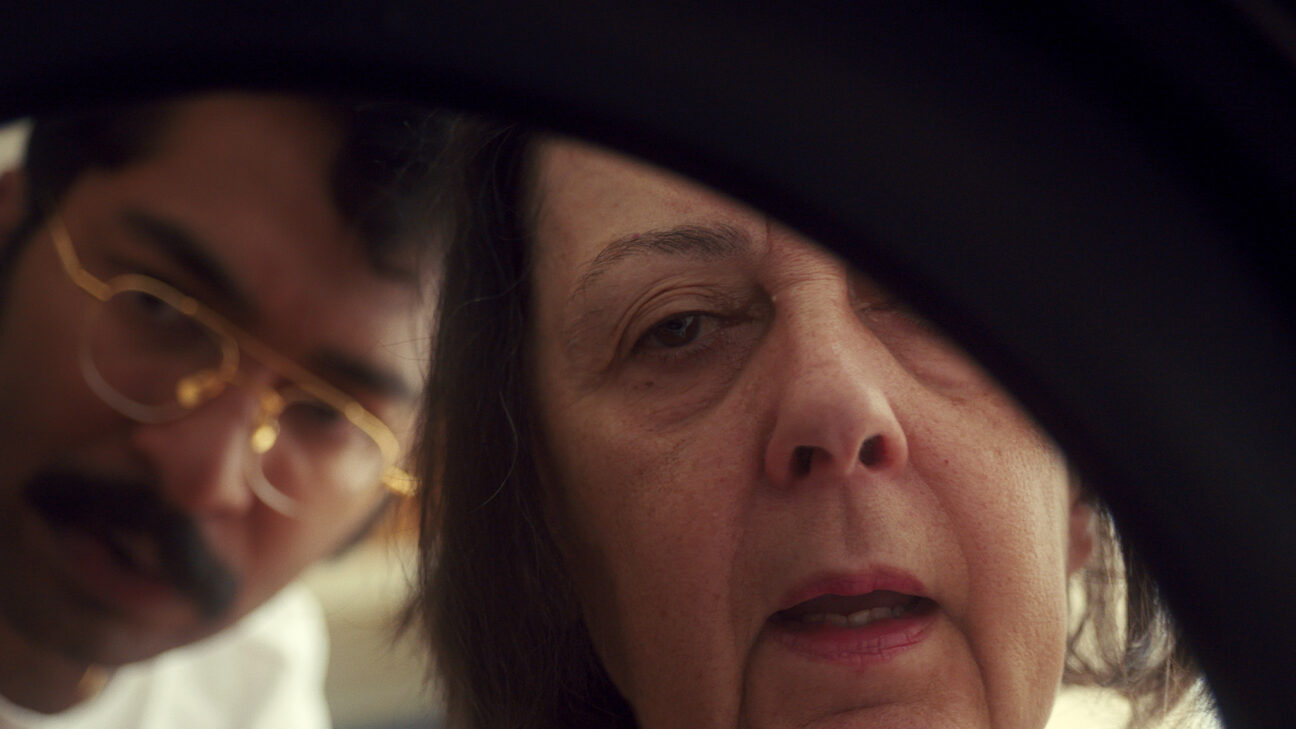
In spite of that, the unique perspective and the semi-autobiographical nature of the film lend it to an enthralling cinematic experience. This family, both in front of and behind the camera, made for an eerie, heartfelt, and funny film about the complicated nature of intergenerational parenting. It’s well worth seeking out.