


Director: Larry Fessenden
Writers: Larry Fessenden
Stars: Laetitia Holland, Aitana Doyle, Addison Timlin
Synopsis: A writer investigating her town’s dark past for a newspaper article stirs up fears about lurking monsters. Larry Fessenden’s final chapter of his quadrilogy works as a standalone or series finale.
In 1995 Larry Fessenden wrote, directed, and starred in one of the least romanticized vampire films made – Habit. A grimy urban gothic which dealt with isolation and numbing the pain of living. Fessenden’s Sam was an alcoholic who had just lost his distant academic father and had given up doing much more than dragging his hungover heels through another day. Sam was easy prey for Anna, a carnal and jealous vampire who drove him to insanity. Fessenden worked making films about “mythic” monsters such as his chilly Wendigo (2001) and in 2019 took on Frankenstein in the form of the deeply melancholic Depraved. Having vampires and Frankenstein in his retinue, when he made the wolfman story Blackout in 2023 Fessenden had enough “Universal Monsters” to have his own shared universe which he teased at the end of Blackout. Trauma or, Monsters All is his monster mash bringing together a much older Sam, Adam (Alex Breaux) the creature from Depraved, and werewolf Charley Barrett (Alex Hurt) together in the wounded town of Talbot Falls in upstate New York.
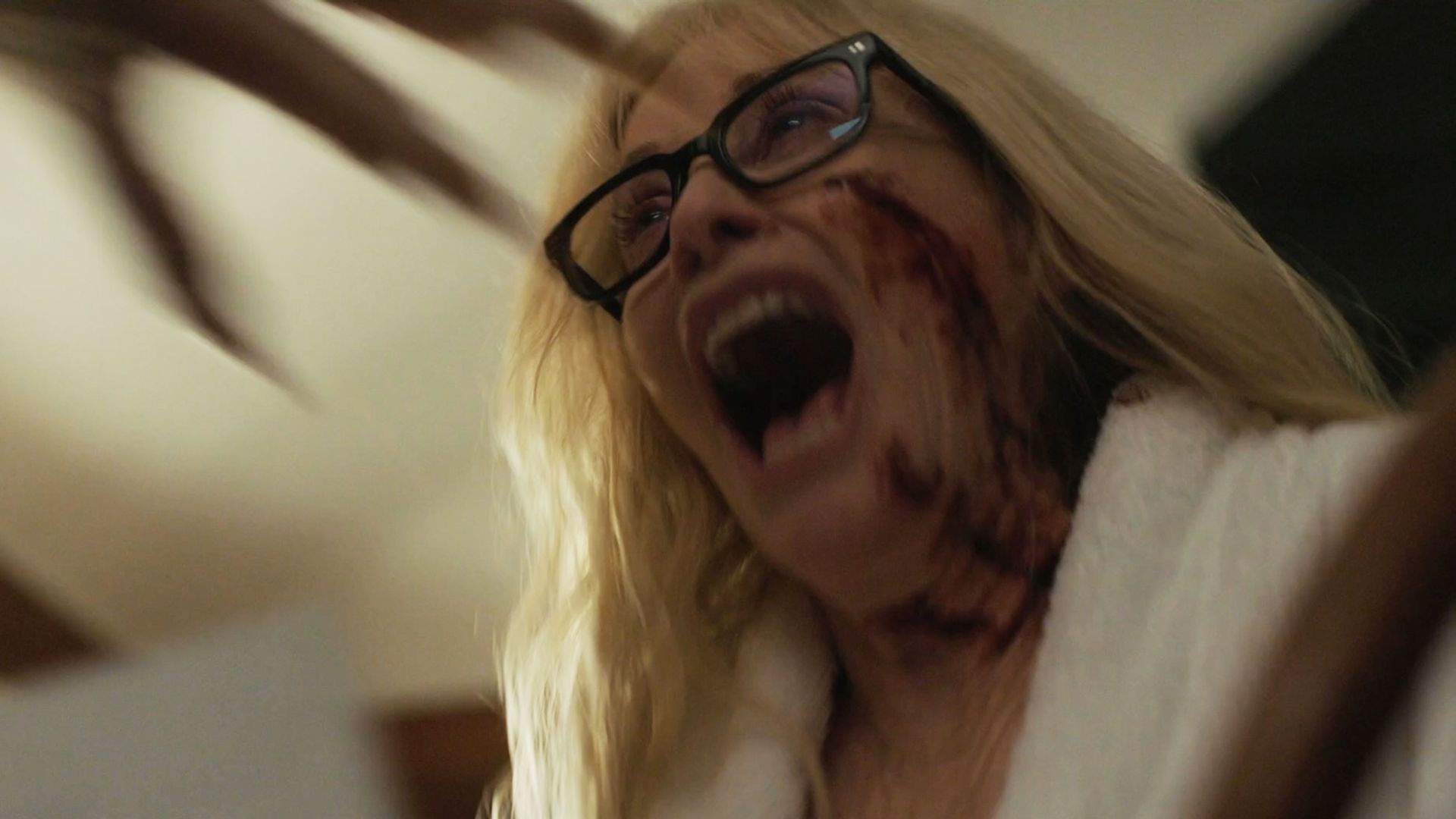
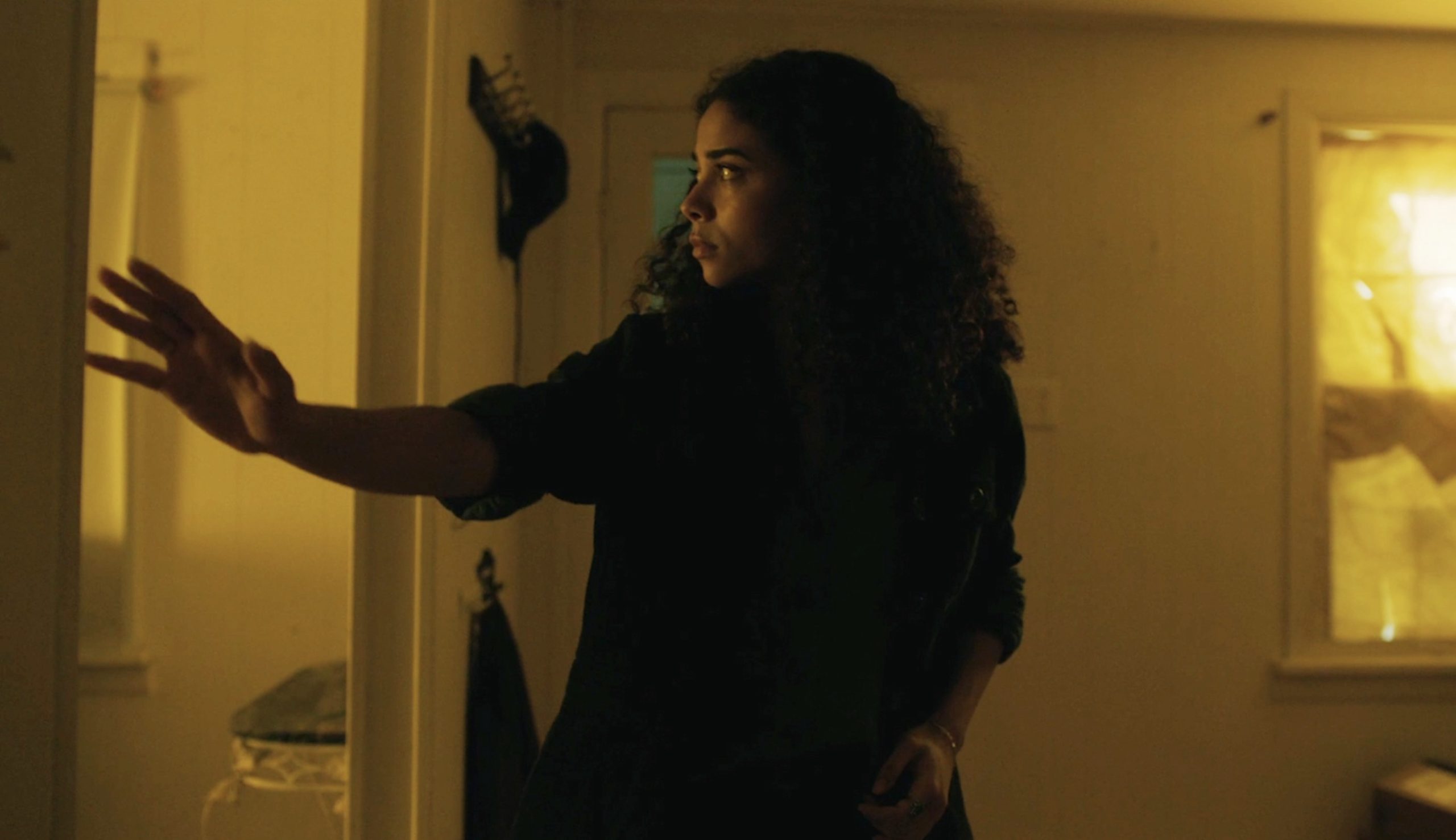
Cassandra (Laeticia Hollard) is a young historian who has chosen Talbot Falls as the place where she will write her book on the genius botanist George Washington Carver. The rent is cheap in the neglected houses of Cedar Grove and it’s mostly quiet; except when it isn’t and there is the sound of howling coming from her neighbors. Agnes (Aitana Doyle), her only friend and co-worker at the local library. tells her part of the story of the murders that happened a few years back in Talbot Falls. Cassandra’s imagination is captured and she researches the recent past and makes the mistake of writing an article about the monsters surrounding the town which opens up her reclusive neighbors Charley and Adam to new scrutiny and further traumatizes those who lost people in an incident that almost caused the town to collapse into a racially motivated ‘war.’
Agnes is shocked that Cassandra would “kick the hornet’s nest” by taking a story that doesn’t belong to her and relitigate it, no matter how well-intentioned her motivations. The sting of the recent past still lingers with Sharon (Addison Timlin), who lost her father and fiancé, as well as the love of her life, Charley, in the affray. The police chief Tom (James Le Gros), as well as former officer Luis (Joseph Castillo-Midyett), drink heavily, numbing themselves with what they did and had to do when the homo lupus was active. Father Francis (John Speredakos), who tried to keep the town from splintering at the time, gently rebukes Cassandra who tries to explain that she was hoping people would come together in empathy and healing through her story as it has more power than history does to conquer division. Cassandra’s naivete comes from her own notion of identity filtered through being an interracial woman. The biggest mistake she made is assuming people wanted to come together at all when convenient scapegoats exist.
Dark intent comes from both inside Talbot Falls and without. Cassandra’s piece brings people from the gentle but tortured Adam’s past to town. Sam comes from New York seeking monsters he can play with. Populist idiots Bert (Cody Kostro) and Ernie (Marc Senter) want to take Cassandra down for daring to write at all. Charley, with his continued existence uncovered, realizes that his isolation has made him forget the reasons not to fall under the thrall of his “monstrous” side. Sharon’s guilt makes her an easy target for the “asshole” vampire who wants to mess with her life. Cassandra has put everyone including herself in danger because she didn’t think of the consequences and perhaps she didn’t know how real the “monsters” were.
Fessenden’s script leans further into comedy than his previous three monster films. Most of the comedic lines and actions come from his outsized version of Sam, who after thirty years has lost the knack of “empathy” and other human traits which he says atrophy if they aren’t used. Sam was left as a vampire without a guidebook, and it seems he hasn’t really bothered to investigate his own situation (something that was true of Sam in the 1990s). Because Fessenden camps up the monsters more (with the exception of Adam), Trauma or, Monsters All doesn’t feel as sincere as the works preceding it. Fessenden is still engaging with ideas of identity and acceptance, but they don’t have the same weight. Cassandra is bright enough to understand that “It’s the stories we tell ourselves that become our truth,” but not experienced enough to know that not everyone is sharing the same reading of a story and like her mythological namesake stories aren’t always believed.
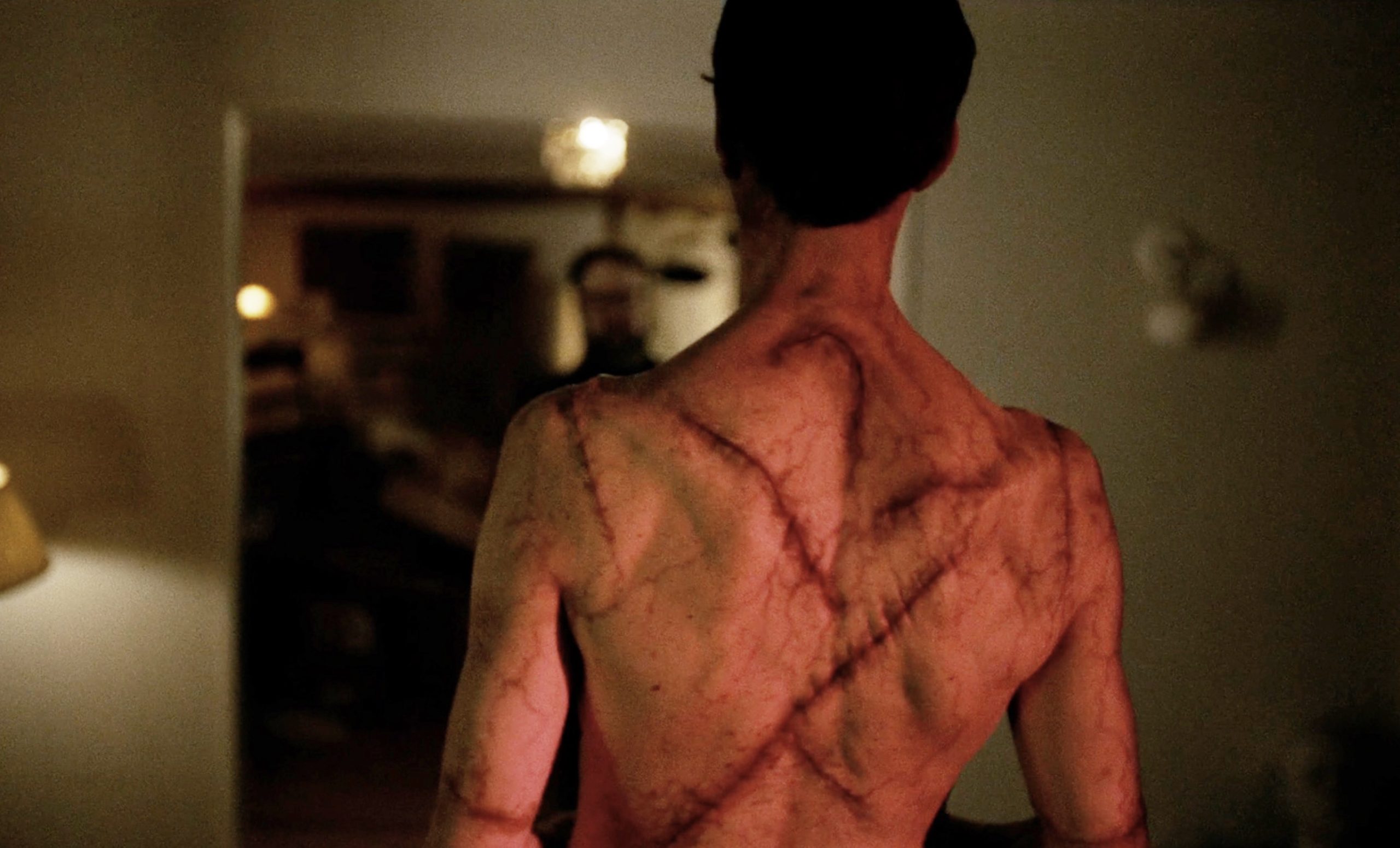
Trauma or, Monsters All doesn’t have the melancholy elegance of Fessenden’s Habit, Depraved, or Blackout but it does have the bones of a great horror movie on a practical and visual scale. It’s fitting that Adam, the new man, is ultimately the best person in the film and the most sympathetic. A friend that Cassandra called ‘monster’ who has been quietly protecting Talbot Falls through his loyalty.
Larry Fessenden’s final outing for his “monsters” is smart, sometimes scathing and is best when exploring how scary selfhood and otherness is. The world is complicated and that’s how people end up putting others in boxes. Everyone has the ability to produce fang and claw to harm and not changing the relationship people have to the past means trauma doesn’t heal. Trauma or, Monsters All recognizes living as the most gruesome prospect of all.