



Director: Nicolás Pereda
Writers: Juan Francisco Maldonado, Nicolás Pereda
Stars: Francisco Barreiro, Rosa Estela Juárez ,Luisa Pardo
Synopsis: In Mexico, musician Tere hosts fellow composer Rosa for a TV interview. Their conversation wanders as unexpected guests arrive. A witty, absurdist comedy that lampoons art-world phoniness and pretension while honoring female friendship.
How can Nicolás Pereda’s Everything Else is Noise best be described? The most succinct, albeit crass, summation is this: it’s a 71 minute manifesto reminding its audience that men are trash. Impressively, as frustrating a reminder that this film is of that universal truth, one can’t help but giggle at its particular approach from the very outset. It’s all there in the introductory sequence which plays out as a backdrop to the opening credits. Set to a lovely classical composition, the first image Pereda captures is an absurd traffic jam. Even completely devoid of context, this scenario captured from a high-angled perch feels like we’re watching nature play out as it has since the inception of the personal motor vehicle. It’s a dilemma that couldn’t be more fundamentally understood. And in retrospect, as we see cars desperately try to inch their way towards freedom, or witness a train of cars forcibly seizing their way through a gap, the entire thesis of Everything Else Is Noise makes itself abundantly clear in these opening moments. They initially play out as merely a series of silly moments of human behavior for the audience to chuckle at. Yet it takes on the weight of being the perfect representation of life itself, in particular the experiences of the women at the center of this film and far beyond its 71 minutes alike.
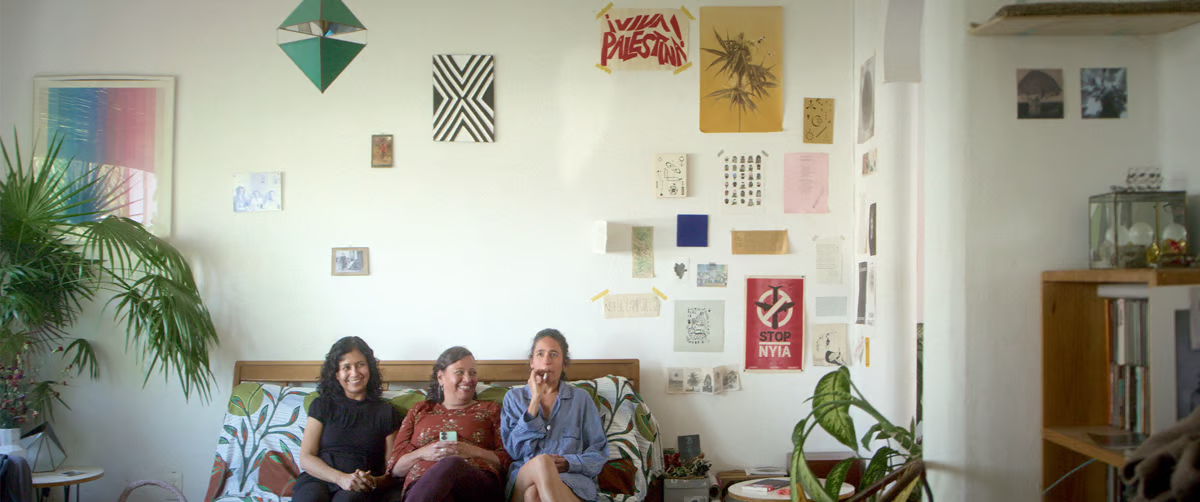
That introductory traffic jam, much like life, is this constantly shapeshifting, ludicrous organism and experience. It simply works itself out however it best can because it must. And despite there surely being a more efficient method of handling traffic (or life) in a given situation, there will always be individuals who find it more befitting and beneficial to force their presence into a situation, leaving everybody else to fend fully for themselves in the wake of their selfishness. If it wasn’t obvious, the cars making a further mess of things in order to get themselves nowhere just a bit faster represent the men in the lives of Tere (Teresita Sánchez), Rosa (Rosa Estela Juárez Vargas), and Luisa (Luisa Pardo). We come to understand that Tere is watching this traffic jam from her apartment with quite the smile on her face. Tere perfectly understands the humor of the situation, yet also understands the inevitable frustrations it can bring to the surface. This observation shines a light on two central forces which will operate throughout the rest of Everything Else is Noise. Firstly, it’s indicative of the exact sort of dry humor this film will utilize as its bread and butter. Secondly, it is the first of many silent and effortless reveals about who Tere is as a person, and how she faces the struggles that come with merely existing as a woman. Through fundamentally simple traits such as these, Pereda is able to explore all the complexities within his central ideas while remaining completely distinct as a specific body of work.
Despite its short runtime, Everything Else is Noise is overflowing with creativity and authenticity regarding its approach to exploring these women for all that they are. For as funny as this film is, and it is bound to cause uproarious laughter should an audience really key into its idiosyncratic wavelength, Everything Else is Noise is bathed in so much wistfulness. As we come to learn, Rosa is coming over because a documentary crew will be interviewing her and Tere’s space suits her needs in more ways than one. It’s perhaps less so because of the general ambience cited, and perhaps more due to the not-so-veiled notions of Rosa’s husband disapproving of any recognition towards her career as a composer. There’s an initial distance present in the very look and feel of the film that keeps the audience rapt with attention as we try to learn more about these women. The minimalist aesthetic works wonders in this regard, as the fuzziness of memories amongst these friends makes way for the potential opportunity of complete personal reinvention purely for entertainment’s sake. But it’s not all fun and games as we come to learn more about the lives of these women.
This is a great entry into the canon of single-day cinema. Beyond just the impressive nature of charting an entire day with varying levels of natural light or candlelight, this is also a film that reckons with the sheer passage of time. Specifically, it’s reckoning with a life that hasn’t just potentially passed by, but one that has been forcefully cast aside in favor of obnoxious men more than willing to play the part of “radical genius.” Luckily for the audience and the trio of women, Pereda and co-writer Juan Francisco Maldonado know exactly how to craft various exercises in toying with a few of these sorts of men. The documentary crew who arrive at Tere’s apartment are two of the male guinea pigs in this filmed experiment. During an initial setback, overblown frustrations lead the two men to take a walk while the issue remedies itself. During this time, Pereda keeps the camera within the apartment, yet all the audio from the women’s seemingly rich conversation is drowned out by the mundane ramblings of the two men in the street discussing their larger plans and passions. It’s designed to intentionally frustrate the audience; we immediately have the desire to learn more about these women and their lives as professional composers, yet are being forced to listen to everything else but that. The title of this film in moments like these rings true; all the distractions of life, from the blaring horns of street traffic to a neighbor’s dog incessantly barking, or the needless blathering of men showcasing their complete lack of creativity or originality is all just noise. It’s noise meant to drown out the rich lives and stories of three women eager to speak it all out into the world after years of frustrations and hardships.
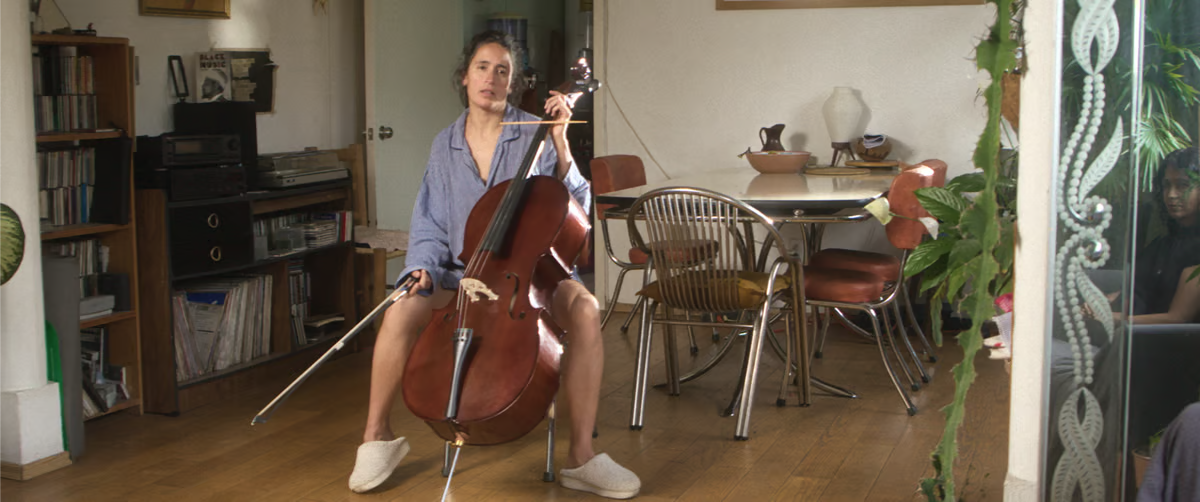
Even with all that these women have experienced, still each one brings such a tender warmth to this film. We see such respectful understanding despite the frustrations and differences amongst one another. The mother/daughter relationship between Tere and Luisa is a particularly potent strength of this film which best embodies the rawness present across its brisk runtime. We see two women from completely different generations examining the hard-hitting truths about one another in an attempt to better understand the decisions that led them to their current circumstances. The documentary crew is asking surface-level questions in an attempt to sound more clever and artistic. These women instead seem to cut to the very essence of one another with simple observations that could only come from a place of innate curiosity and a desire to genuinely learn more in order to better help the other. It’s a beautiful sentiment, one captured so painfully by the performances of Sánchez and Pardo.
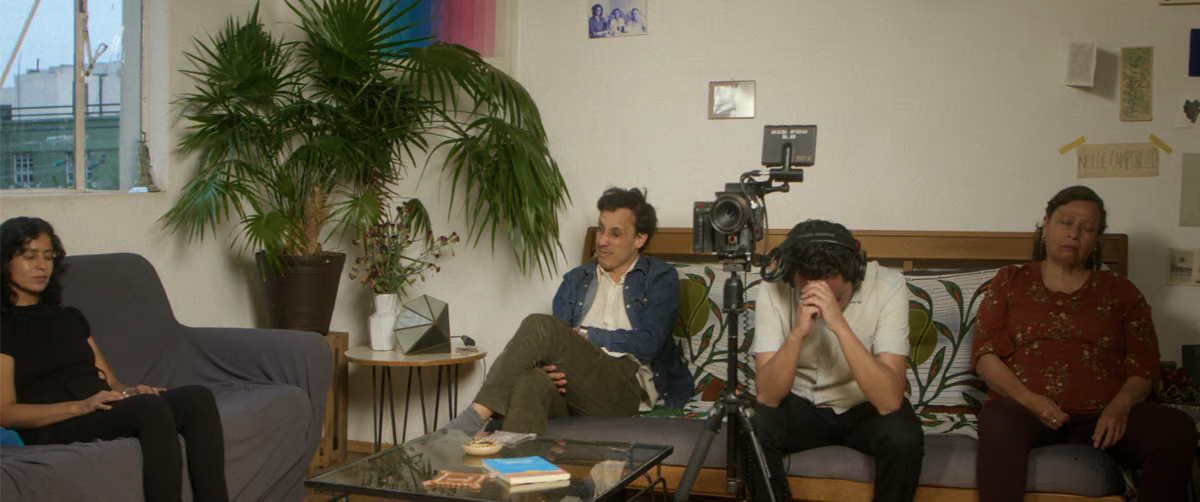
One more man enters the picture in the final moments of Everything Else is Noise and the thesis of the film clicks into place even further. His appearance perfectly crystallizes Pereda’s indictment on the insanely frustrating behavior men have gotten away with for far too long. As Tere is forced to hear countless digs towards her own work, Pereda captures a pure look of disgust on Sánchez’s face bathed in nothing but candlelight. It’s certainly one of the most striking images of the entire film, and likely one of the most effective of the entire year. Only then does it make way for an ending so joyous and touching that you can’t help but smile alongside the film and the whims of its filmmaker. For the men in this film, these women’s stories merely existed as a stepping stone on their illustrious paths upwards into the halls of artistic acclaim. But for these women, their experiences were merely their jobs, their lives, their entire calling, or some combination. But they’re also realistic in how they describe their experiences. Nothing was ever strictly a means to an end, but they acknowledge wholeheartedly that there’s little to no fluff or exciting flourish to their story. That’s not to diminish their experiences, but rather, is indicative of how the men in this film speak so loftily of themselves compared to the gentle demeanor of these women. That Everything Else is Noise can thread such a needle in such a short amount of time speaks to a clear talent in Pereda, and one that must be seen to be not only believed, but felt deeply.
Everything Else is Noise is celebrating its U.S. Premiere in the Main Slate section at the 64th New York Film Festival.