


Director: Rebecca Miller
Stars: Martin Scorsese, Jay Cocks, Robert De Niro, Leonardo DiCaprio,, Thelma Schoonmaker
Synopsis: Explore the many lives of Martin Scorsese through intimate interviews with the man himself, access to his private archives, plus conversations with Robert De Niro, Leonardo DiCaprio, Margot Robbie, Daniel Day-Lewis, Steven Spielberg, and more.
It would be an achievement unto itself that Rebecca Miller even dared to tackle the formidable task of chronicling the life and career of Martin Scorsese, a project that cinephiles aplenty would like to believe they’d chomp at the bit to attempt only to inevitably find the endeavor unenviable. Think about it: An all-encompassing profile of the preeminent master of American cinema must not merely include all 26 of his feature films, but also the handful of short films he wrote and directed during his early filmmaking years, the documentaries he’s had a hand in making, the stuff he hoped to make but never did, the (microscopic) collection of pictures that were reassigned from him to someone “more capable,” et cetera, and then some, to infinity and beyond. And that’s just Scorsese’s professional output. What about his family ties, his friendships, his romantic rendezvous, the effect his career demands had on his relationships with his children? What about the significance of his occupation with violence, religion, criminal underworlds, et al., a mere sampling of the many fascinations that caused the federal government to notice and monitor a Sicilian guy from Flushing, all because one of his movies might have inspired the attempted assassination of Ronald Reagan? What about – not the last thing that should be considered, and certainly not the least – his horrendous dealings with asthma?
That list of “what abouts” could go on forever. A totemic figure in the cinematic landscape who has consistently churned out totemic moving pictures for more decades than most directors spent in the business, Scorsese is in many ways the perfect subject for a documentary and the most daunting. Where and how you start and end his story is more complicated than featuring 1967’s Who’s That Knocking at My Door at the beginning and closing with 2023’s Killers of the Flower Moon because there’s plenty of significant events that led to the making of his first feature and there are surely more massive revelations to come in the years that will unfold in the aftermath of his latest masterpiece, one that released almost two years ago to the date of this writing. So of course it’s an achievement that Miller managed to turn a tome of a life in film into a five-part, 287-minute documentary – the aptly titled Mr. Scorsese, which celebrated its world premiere at the New York Film Festival earlier this month and is now streaming on Apple TV+. Strangely, though, it’s a different sort of accomplishment that the film simultaneously feels too short and touches on practically every detail of Scorsese’s 60 working years from the monumental to the seemingly minute.
How can it be both, you ask? It can’t. But it is. It’s paradoxical, and yet it works. That films like 1991’s Cape Fear, 1999’s Bringing Out the Dead, 2011’s Hugo, and even KOTFM are all dealt relegation treatment in the effort to recap his filmography while also touching on the parallels between Scorsese’s professional and personal lives is part of the problem with undertakings such as Mr. Scorsese: Something, or multiple somethings, will always be given short shrift in someone’s eyes. But Miller manages to paint a picture so broad and comprehensive that the too-slight highlights of these aforementioned films stings in the moment, but is quickly treated with the salve of a story so unique, entertaining, and singular that you’ll nearly forget Nicolas Cage’s EMT uniform-sporting mug hardly appears across five hours. Rather than dedicating a 20-minute stretch to the anomaly that was Marty’s brief foray into adapting a children’s book as opposed to directing another mob movie, Miller spends time inspecting how and why everything went south on his second directorial offering. (“You just spent a year of your life making a piece of shit,” John Cassavetes told Scorsese, encouraging him to steer clear of scripts like Boxcar Bertha, an iffy film widely considered to be his worst due to the fact that it feels like a film directed by someone entirely different than the man who would make Mean Streets the next year.)
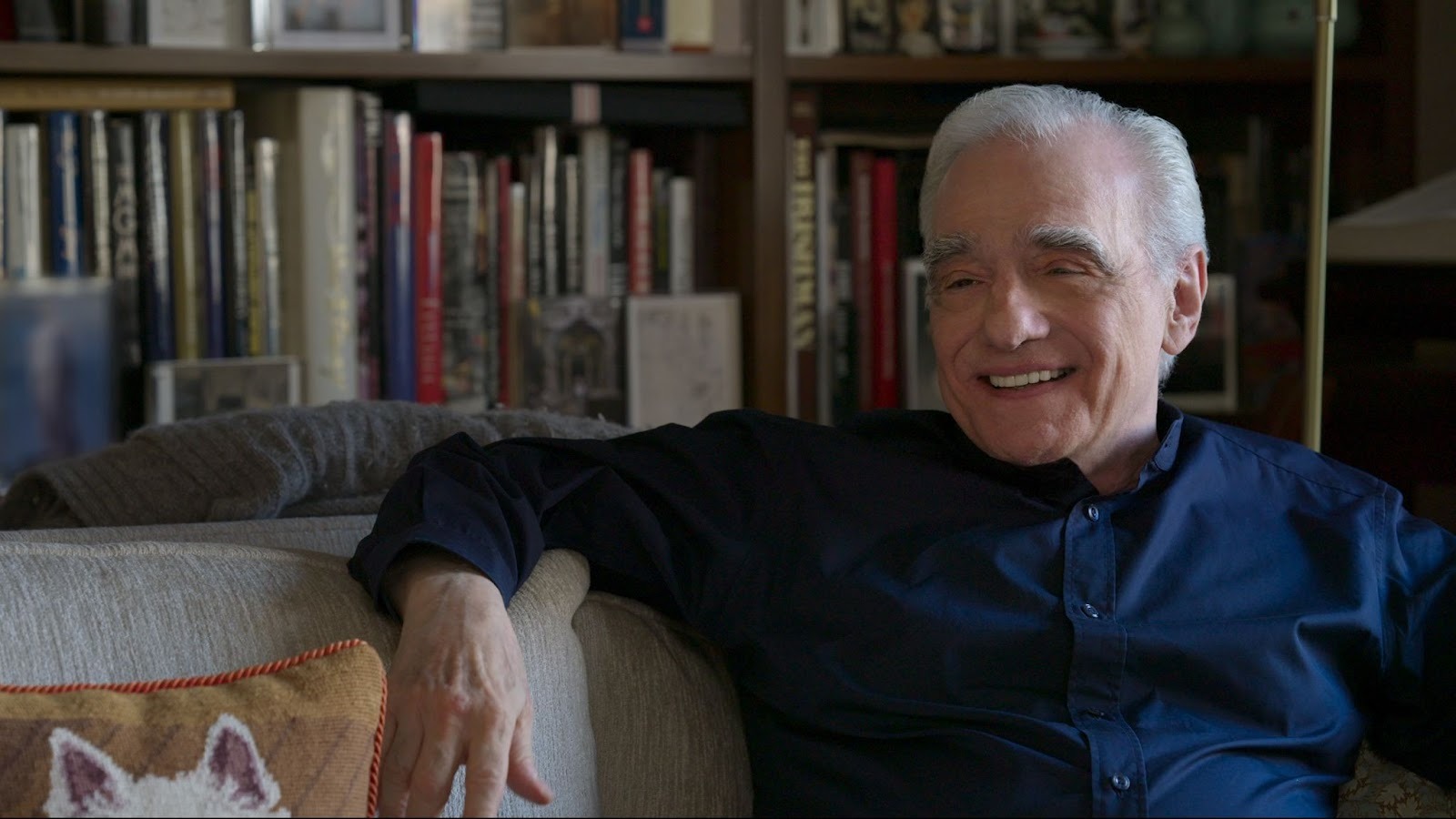
Thanks to a series of interviews with Scorsese himself and many of his longtime collaborators and peers – including but certainly not limited to: screenwriter and friend Jay Cocks, Daniel Day-Lewis (Miller’s husband, FWIW), Robert De Niro (duh), Leonardo DiCaprio (see: De Niro), Isabella Rossellini (Scorsese’s ex-paramour, a hilarious presence who endearingly and repeatedly references Scorsese’s size), and Thelma Schoonmaker (his longtime editor) – as well as those with his childhood friends, his daughters, and plenty of cinematic figures to have been mentored or inspired by Scorsese’s work, Mr. Scorsese exists on a plane far above that of a lesser work, the sort of big-screen listicles that many filmmakers are often hit with when their careers become worth celebrating. The word “profile” has already been used in this review, but it bears repeating, as Miller’s triumphant picture – which was screened in its entirety “as a cinematic experience” at NYFF, and is how it should be consumed – unfolds like the story of a life more than a career retrospective. The latter would have been plenty entertaining, but it might not have revealed that much beyond a smattering of anecdotes that would be nice to think about once or twice before filing away forever.
Instead, Mr. Scorsese spends a great deal of time on its subject’s children, noting that his crippling asthma first took him to the movies (where he could breathe, thanks to the air conditioning) and eventually influenced him as a filmmaker (since he was holed up in his bedroom all the time, he saw his New York streets from above, and eventually/repeatedly made sure to imitate that view in his work). We learn that he felt so compelled to make movies like The Last Temptation of Christ, Kundun, and Silence because of his past pursuit of priesthood, a goal that was practically forced on him as a child but eventually wore him out, but not his fascination with religion. And while this and other “tricky” topics occasionally cause Miller’s doc to veer towards the sort of streaming film that is eager to over-explain its weight for the second-screening viewer, its structure and tactful use of recurring pillars – Mean Streets, Taxi Driver, Raging Bull, After Hours, Last Temptation, and Goodfellas receive special attention here – demands engagement that non-fiction schlock tends to shy away from. That’s not unexpected; Miller is an esteemed filmmaker, and her subject couldn’t be more of a gift to a documentarian, but it’s still refreshing to see given how common it has become for films meant to be viewed in a cinema-forward mindset or setting to be reduced to unintellectual fodder for an audience that desires background noise.
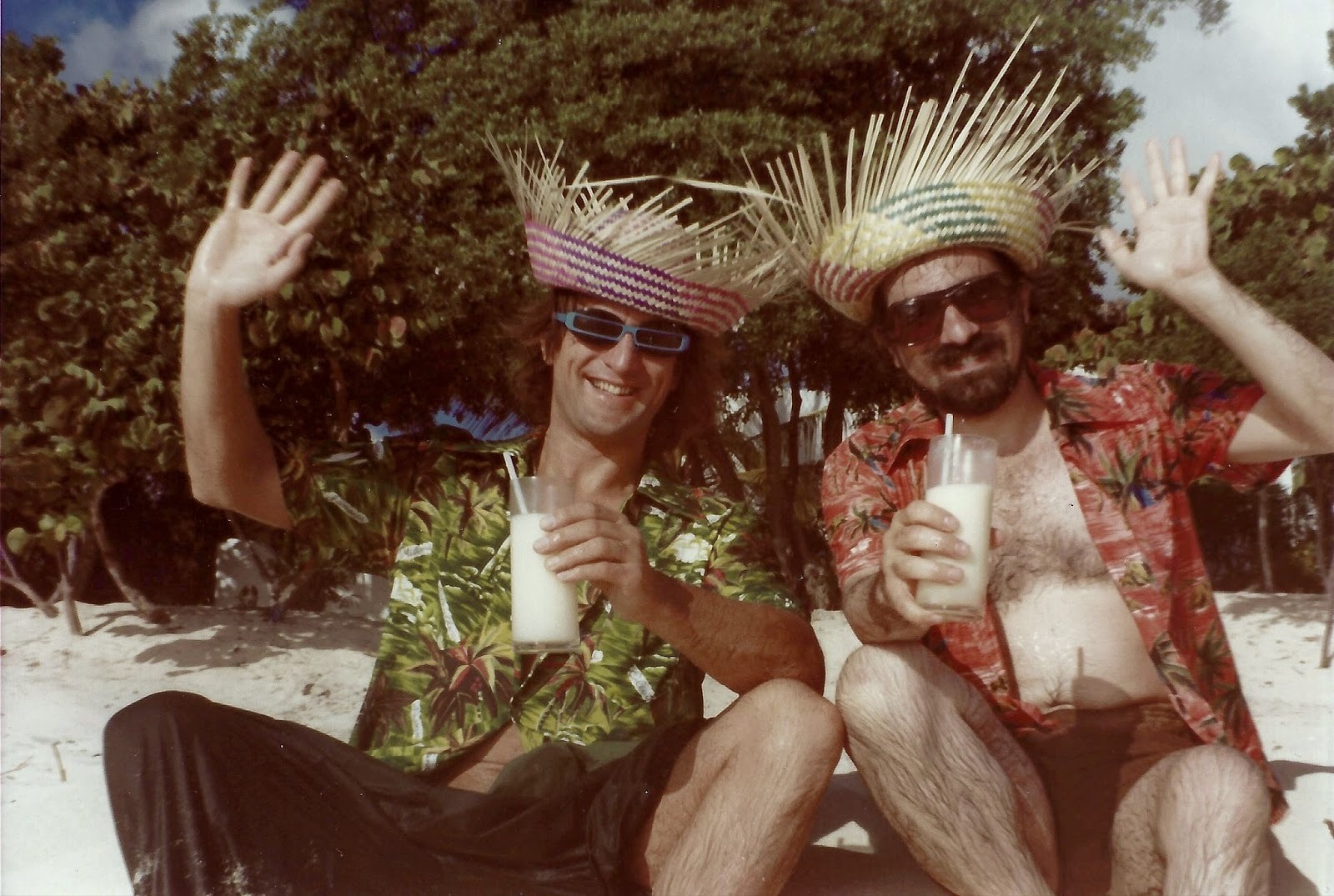
Again: It’s not shocking that the life and career of Martin Scorsese would be handled properly, especially given his involvement. (The process took just over five years, beginning with interviews that Miller conducted between her and Marty on the former’s back deck.) What’s a real if unexpected treat is Miller’s presence: She doesn’t remain in the shadows like many documentarians (thankfully) tend to, consistently probing further into the insight her interviewees offer about her primary subject, his youth, his influences, his trials with drugs, and even his “lesser” works that time has either attempted to forget or has been unkind to. If nothing else, that Miller has as much of a vested interest in the origins and legacy of New York, New York as she does in The Wolf of Wall Street and Taxi Driver proves that she is the ideal person to turn what can only be miles of conversations and clips into a terrific ode to a master. And there’s no better way to honor Mr. Scorsese than with totality.
Mr. Scorsese is now streaming on Apple TV+.