Director: Julia Loktev
Writer: Julia Loktev
Stars: Olga Churakova, Irina Dolinina, Sonya Groysman
Synopsis: Julia Loktev documents independent journalists in Moscow facing government crackdown as Russia invades Ukraine, capturing their fight for speech amid risks of being branded “foreign agents” and the country’s drift towards authoritarianism.
Long films can be a big ask for some viewers, as evidenced by a nearly constant misunderstanding of what editors do for a living. But there is no ideal length for a movie, it all just depends. A perfect example of this is the documentary, My Undesirable Friends: Part 1 – Last Air in Moscow. Much has been made of its 5 hour and 24 minute runtime, and even more has been made over the fact that this is only part one. The length of this film is both the point and besides the point. The long form documentary has now generally been relegated to the streaming television world, which is both good and bad. It is hard to expect people to spend nearly a work shift in a theater and streaming offers more opportunities for films to be seen. However, there is a great deal to be gained by watching this film straight through, although there are chapter breaks built in for rest periods, should they be needed.
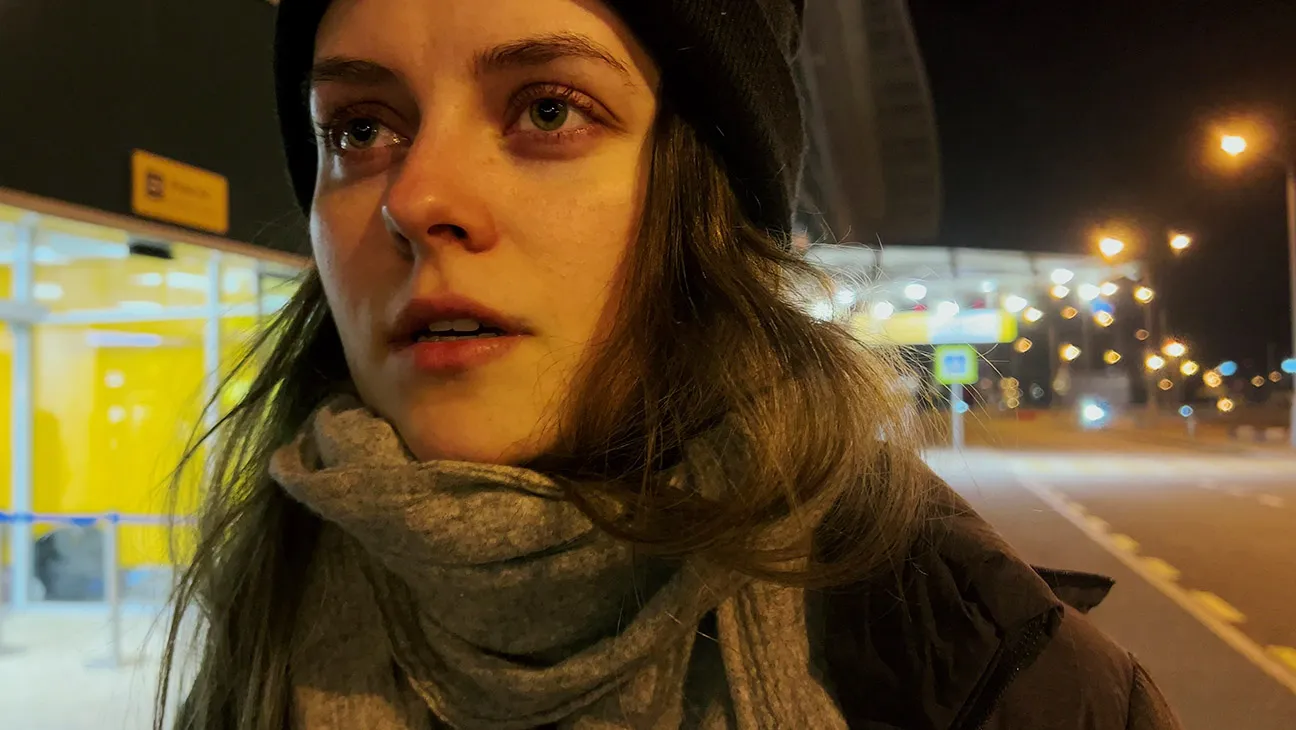
For anyone concerned about the encroachment of government overreach, regardless of location, My Undesirable Friends will hit uncomfortably close to home. As we are introduced to the many young people, mostly women, who populate this documentary, there is an energy and a sense of hope, even if we know that most of it will evaporate, given current events. The focus on TV Rain, which was supposed to be a fun, young, new station, is a perfect metaphor for what powerful governments do to their people. As it quickly transforms into a news station that is in direct opposition to government funded news in Russia, the individuals become “radical” by necessity. The title of the film becomes clear, derived from the message that must be placed before each and every broadcast (as well as their personal social media posts): stating that the information on the broadcast is from foreign agents, serving outside forces. This is, of course, blatantly untrue, but it enables them to continue broadcasting for the time being. And for the time, this is truly the last free breath of air in a country ravaged by overreach.
The film is broken into five chapters, with obvious time lapses between each. It begins in October of 2021, and ends in March of 2022, with the Russian invasion into Ukraine. Despite the terrifying situations shown in the day-to-day, interestingly, much of the bad news takes place interstitially. Often, the chapters end with a hopeful closing, only to be undone by text detailing what has happened in the interim. When viewers finish the final chapter (of part one), it will seem incredible that less than a year has passed in the lives of these subjects. They are almost unrecognizable, from an emotional standpoint, in comparison to the people we were introduced to in Chapter 1. And this is an important lesson, given without a sermon from director Julia Loktev. Loktev clearly has a rapport with her subjects that allows for honesty, both from a professional and personal standpoint. We are allowed to see not only their desire for a better world, but their struggles in relationships. Her minimal interruptions serve to make us feel like we are connected to their difficulties and her camera becomes less noticeable and intrusive as the time passes, yet another advantage to the film’s length.
The timing of this documentary was both upsetting and fortuitous from a filmmaking perspective. World events obviously shaped the inherent drama following these reporters, but it is their humanity that shines through. It becomes impossible to separate their difficulties from our own, despite a separation of thousands of miles. One might wonder how a documentary could fill this amount of time, but any of the women focused on here could have their own full-length documentary, as they all have struggles that make them intensely and immediately relatable.
In the first chapter, one of the main foci is Anna Nemzer. And yes, she is an on-air reporter, but she is also, just as importantly, a mother. As she drives through Moscow with her child in the backseat, she is like us, desperately attempting to explain the unexplainable. People in large cities are even more aghast at the controlling nature of fascistic governments. The unthinkable becomes not only possible, but probable. State control, even in a city of millions, is now the norm, unless you fall in line with what they want, an impossibility for a person of morality.
Later, we hear the story of Ksyusha, whose fiancée has been arrested by the government at some point earlier. Watching her struggles with frustration, loneliness, and rage all balanced with the reminders of her youth. She, like many others, is forced to face problems that would be impossible at any age. As she vacillates between trying to distract herself and processing the overwhelming sadness of possibly leaving the country, one cannot help but put themselves in her shoes. Would I have the strength to stay because of how it would impact those close to me that I am not allowed to see? I hope so, but watching this internal strength is both inspiring and rage-inducing. This young woman, who simply wants to do the right thing, is blockaded into decisions that have no correct answer.
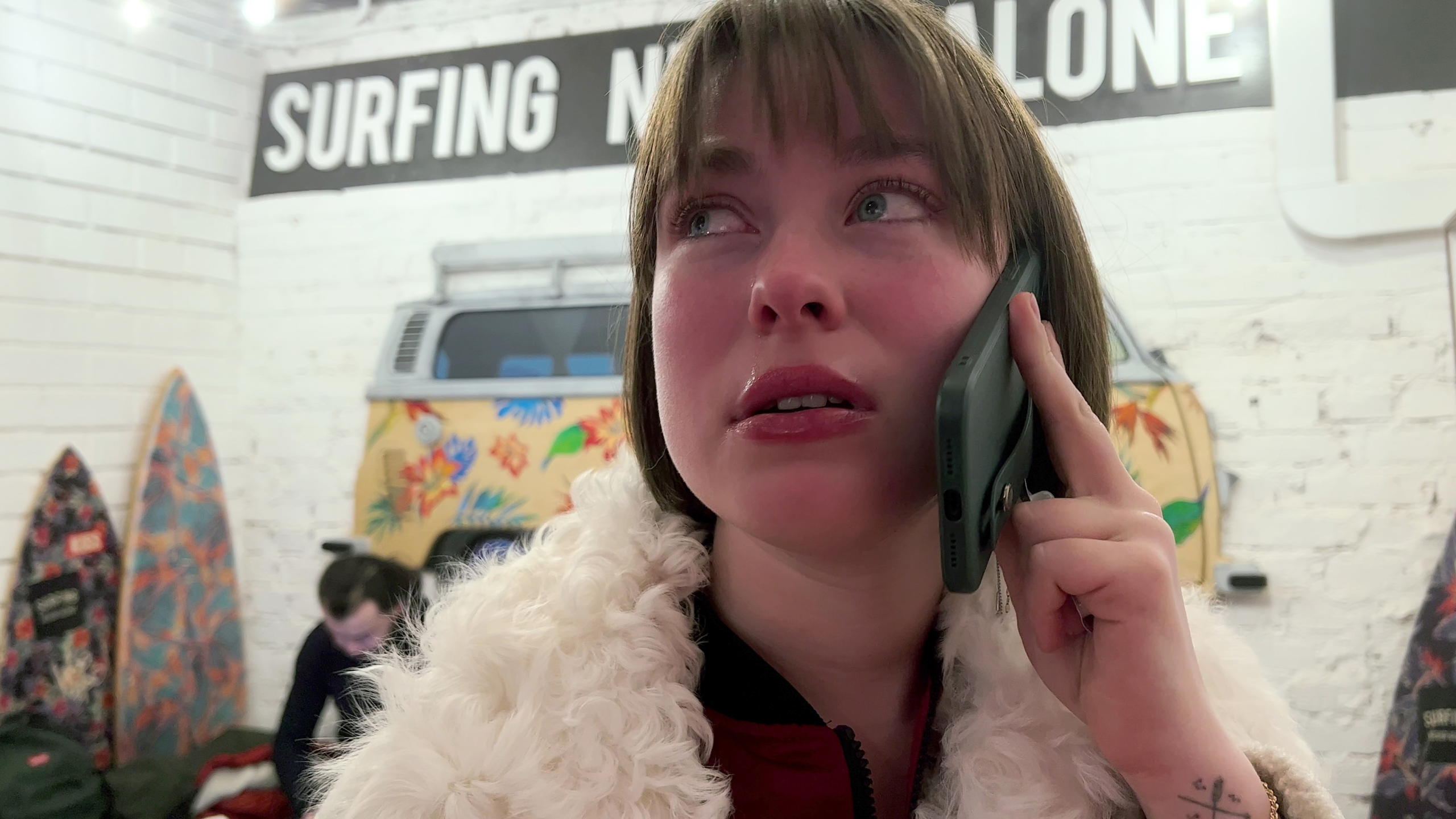
And therein lies the trouble in our current world predicament, so perfectly echoed in this stunning, important documentary. As the government tightens its hold on certain inalienable rights, it becomes even more paramount to remember that it can move quickly. These women knew what was coming and made plans for an escape. The tearful goodbyes, the simmering rage at their leaders, the desire to simply enjoy a movie; it is all captured here and we cannot help but wish for a better world. But that is the trap. Wishing is not enough. Like these strong young women, actions must be taken. Even if they seem small, likely simply not parroting government talking points, every moment of truth makes us more human. They can call us traitors, undesirables, radicals, or whatever term they like. We live in hope that the pendulum will swing back and we can return to a sense of normality.
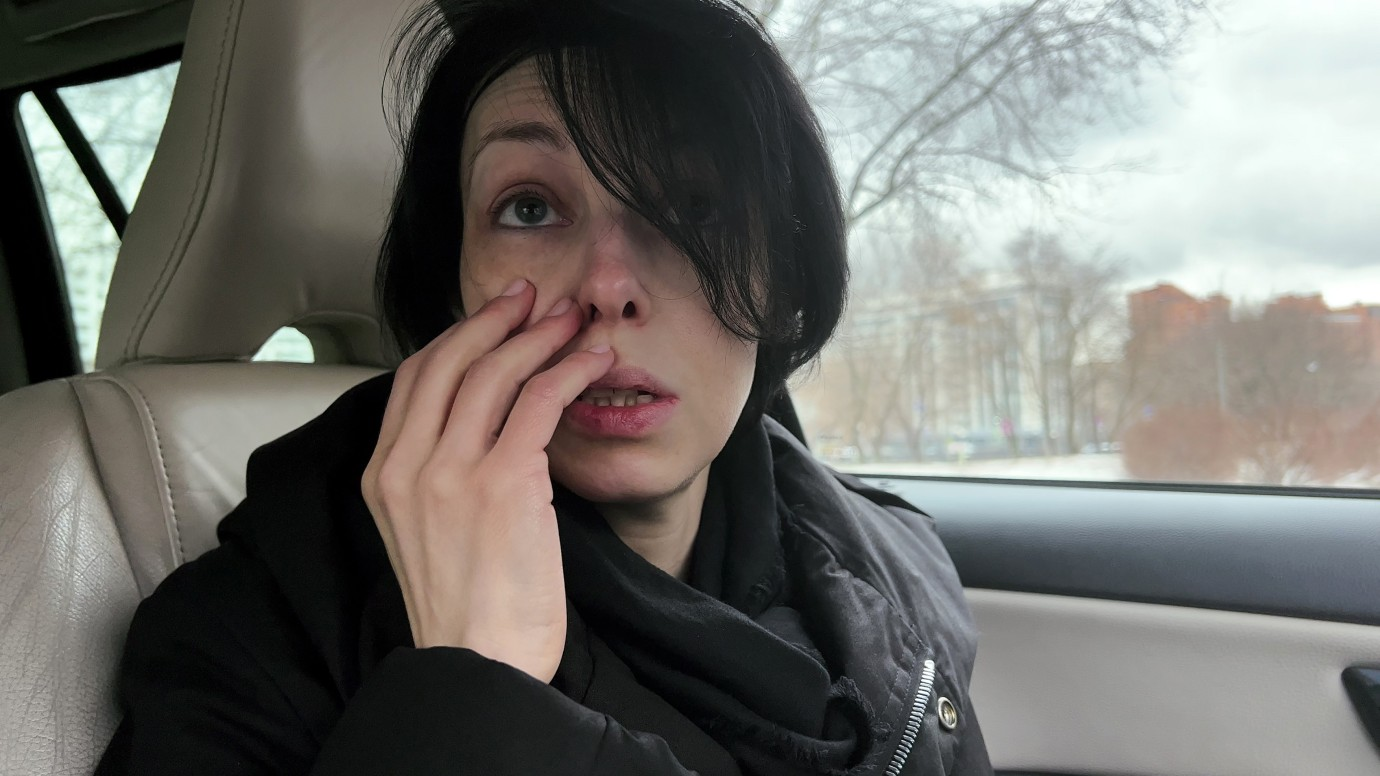
My Undesirable Friends: Part 1 – Last Air in Moscow is important, and not in the way we usually speak about movies. The parallels to our own experience in the United States are clear, and not because of a director weaving a fiction to lead us there. Instead, the clarity comes in opening our eyes and ears and feeling the human connection. A quest for truth, honesty, and a way through has been provided by Julia Loktev. She has enabled us to see a story we were not meant to see, and one that will repeat if we don’t have the strength to stand in the face of it. There are no guaranteed happy endings for the women in this documentary, they are bittersweet at best. Their survival and strength gives us hope and helps us to remember the importance of our freedom of speech and press, for as long as we have it.