


Director: Huo Meng
Writer: Huo Meng
Stars: Wang Shang, Zhang Chuwen, Zhang Yanrong
Synopsis: In 1991 rural China, as villagers migrate to cities for better opportunities, 10-year-old Chuang remains in his hometown. The third child of his family navigates life during a time of sweeping national changes.
Winner of the Silver Bear for Best Director at last year’s Berlin Film Festival, Huo Meng’s Living the Land is a patient and observational drama that tracks an unmoving village at the throes of socioeconomic changes occurring throughout China. Often stunning and remarkably cogent about its views on various policies that have controversially defined the country, Huo’s most critically acclaimed feature holds a tangible staying power, even if it frequently stumbles along its lethargic 132-minute runtime.
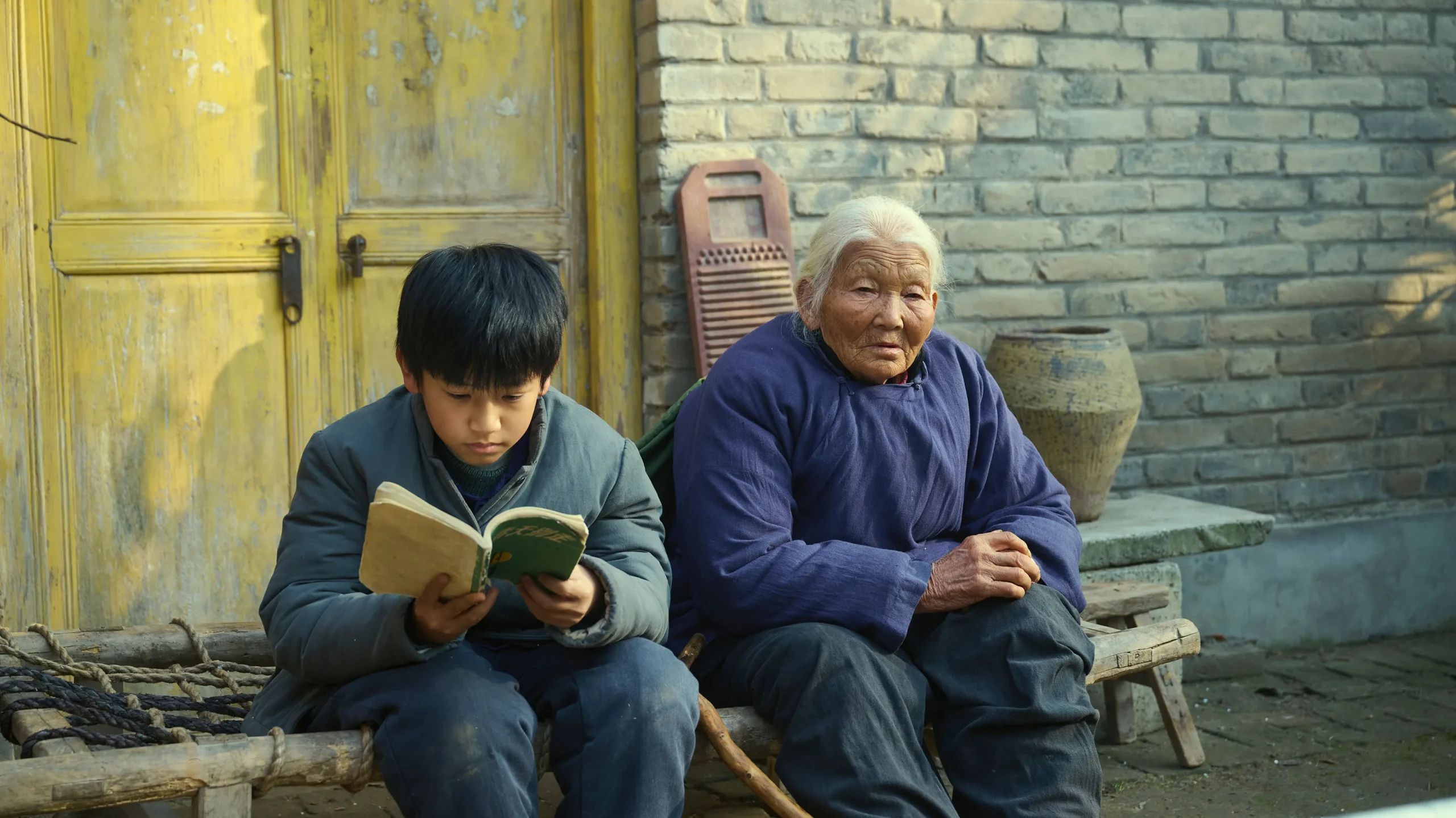
It’s a shame, too, because the heart of the story is fairly devastating. Huo puts us in the perspective of ten-year-old Xu Chuang (Wang Shang), the third child of a family, whose familial lineage is hidden from everyone due to the country’s one-child policy. As China moves further into industrialization and invites inhabitants of more rural towns to settle in cities where industrial employment will flourish, Chuang is left by his parents once they decide to move into Shenzhen, without their son.
Of course, one realizes that Chuang’s parents were forced to leave him behind, because China didn’t allow more than one child living per household, a controversial policy which lasted until 2016. Huo’s film is set in 1991, in the village of Bawangtai, where time has essentially stopped, and the future awaits people who willingly decide to move into it. Yet, the lives Huo tracks in his film are simple, but easily attachable. The characters feel tangibly real, and each can see how their experiences influence the way Chuang sees the world.
Huo seems very Hou Hsiao-hsien in his treatment of atmosphere and characters, preferring to bathe the audience in the movie’s aesthetics (there is no music until the film’s jaw-dropping final image) than spelling out everything to the audience. In fact, most of Living the Land’s sociopolitical themes are inferred by the characters and we make the associations that explain why Chuang is left behind, and why he’s always ostracized by his classmates. These sequences are, in many respects, the beating heart and soul of Huo’s movie, and the main reason why Living the Land might have won the Director award at the Berlinale.
His view of China’s most crucial inflection point in its history is as thoughtful as some of the country’s mainland filmmakers in their prime, specifically Zhang Yimou with films such as Raise the Red Lantern and Not One Less, and Chen Kaige, with Yellow Earth and Farewell My Concubine. It’s unfortunate that both auteurs are now mouthpieces for government propaganda, because their most-known films had something to say. Living the Land falls in that same category, of patient, but rewarding works that envelops the viewer into a time that once was for them to better understand China’s status in the present.
In that regard, Guo Daming’s photography is a real stunner. Preferring symmetrical steadicam tableaux for the audience to observe the characters rather than actively peering into their psyche, the film’s images are stunningly married to the film’s purposeful absence of music. The ambient sounds surround our senses and informs us of the time the characters are set in far clearer than any other device the filmmaker employs. The natural performances from its cast certainly helps, but the visual and aural experience is even better.
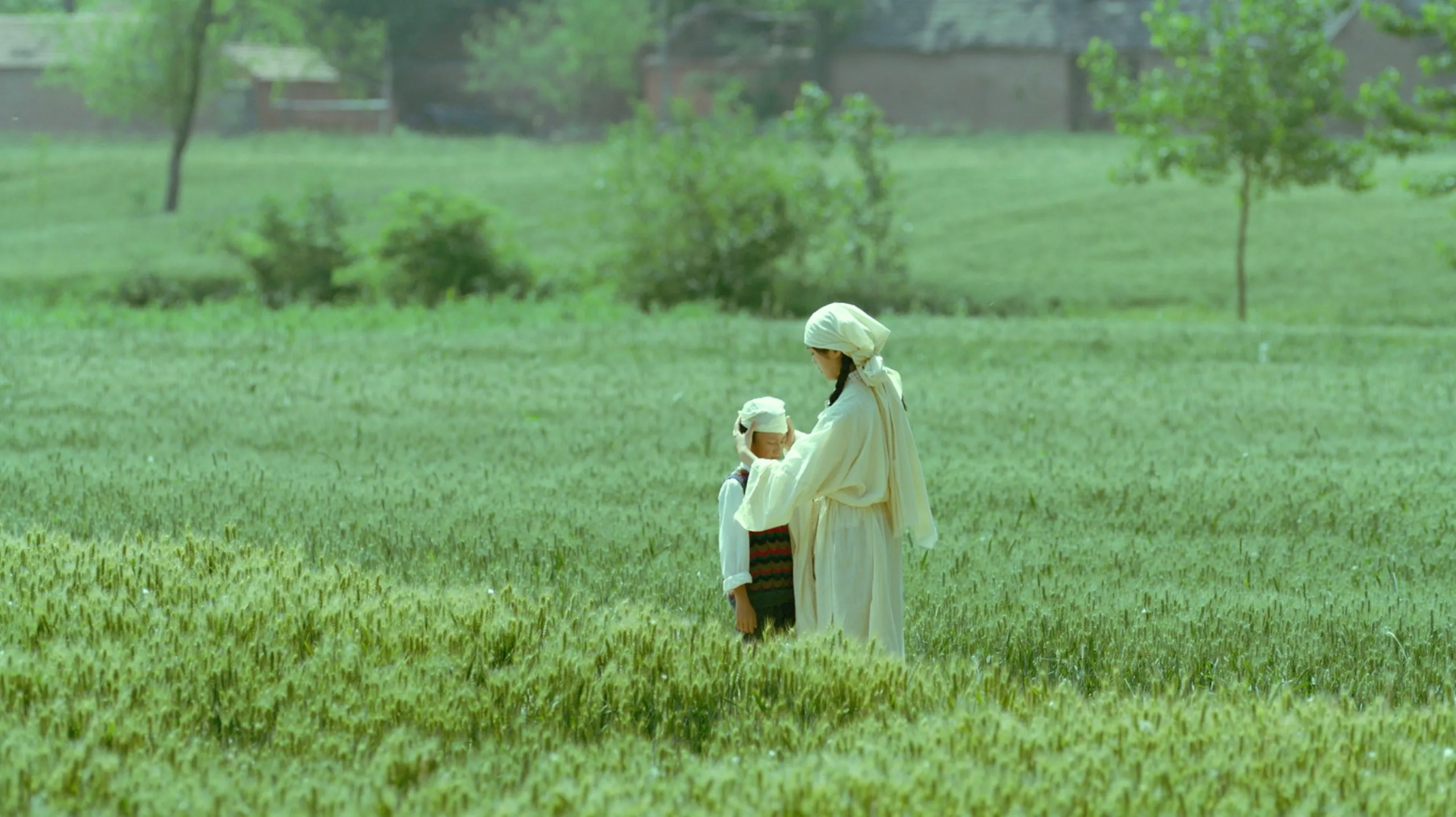
That said, Living the Land’s pace is fairly glacial, and audiences may (or may not) appreciate a movie that asks its audience to sit with its atmosphere primarily before anything else. It can often make our connection with the characters, especially as Guo’s camera visualizes the perspective of the child before any other figure, limited. This distancing effect unfortunately makes us lose our grip on the story, especially during its meandering final hour, as Huo has completely exhausted what he wants to talk about and begins to run around in interminable circles.
Still, one can’t necessarily fault such a distancing film, because the bulk of Living the Land’s viewing experience occurs through the eyes and ears. It may not result in the emotional catharsis Huo hopes, but it’s a good enough effort to at least hold some power in our minds even once the credits have rolled and we understand what’s at the heart of the film’s push-pull between the past and the present. Because of this, one can’t entirely dismiss this effort, even if it could’ve (slightly) been a little better.