



Director: Werner Herzog
Writer: Werner Herzog
Synopsis: Follows a mysterious herd of ghost elephants in the jungles of Angola.
Werner Herzog is a filmmaker whose voice recalibrates how we look at the natural world. With Ghost Elephants, a lyrical and searching documentary presented by National Geographic Documentary Films, Herzog returns to familiar thematic terrain: obsession, endurance, and humanity’s uneasy relationship with nature. Yet here, in the mist-heavy forests of Angola, his gaze feels unusually tender, attuned not just to the grandeur of the quest but to the fragility of what may already be slipping away.
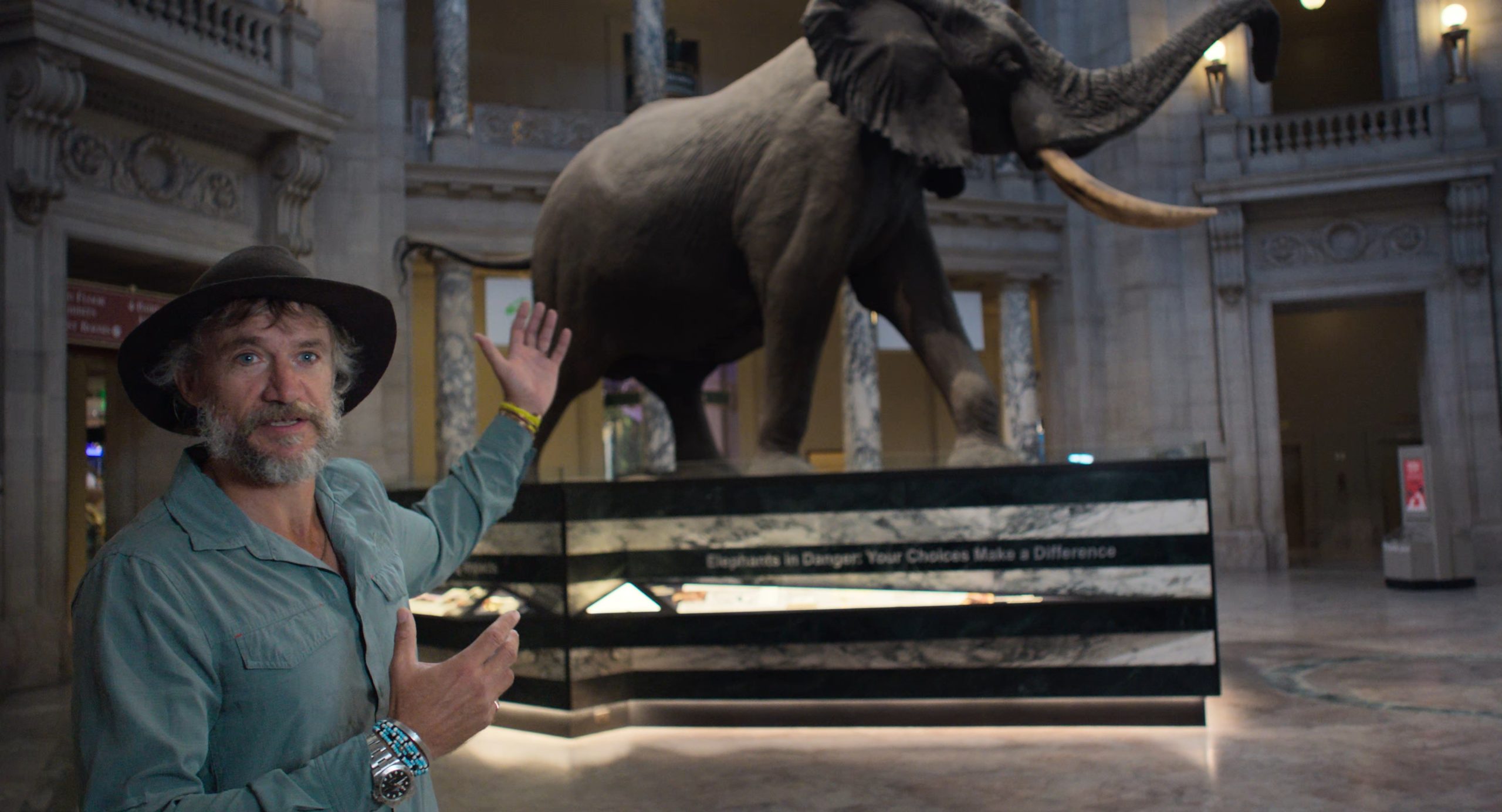
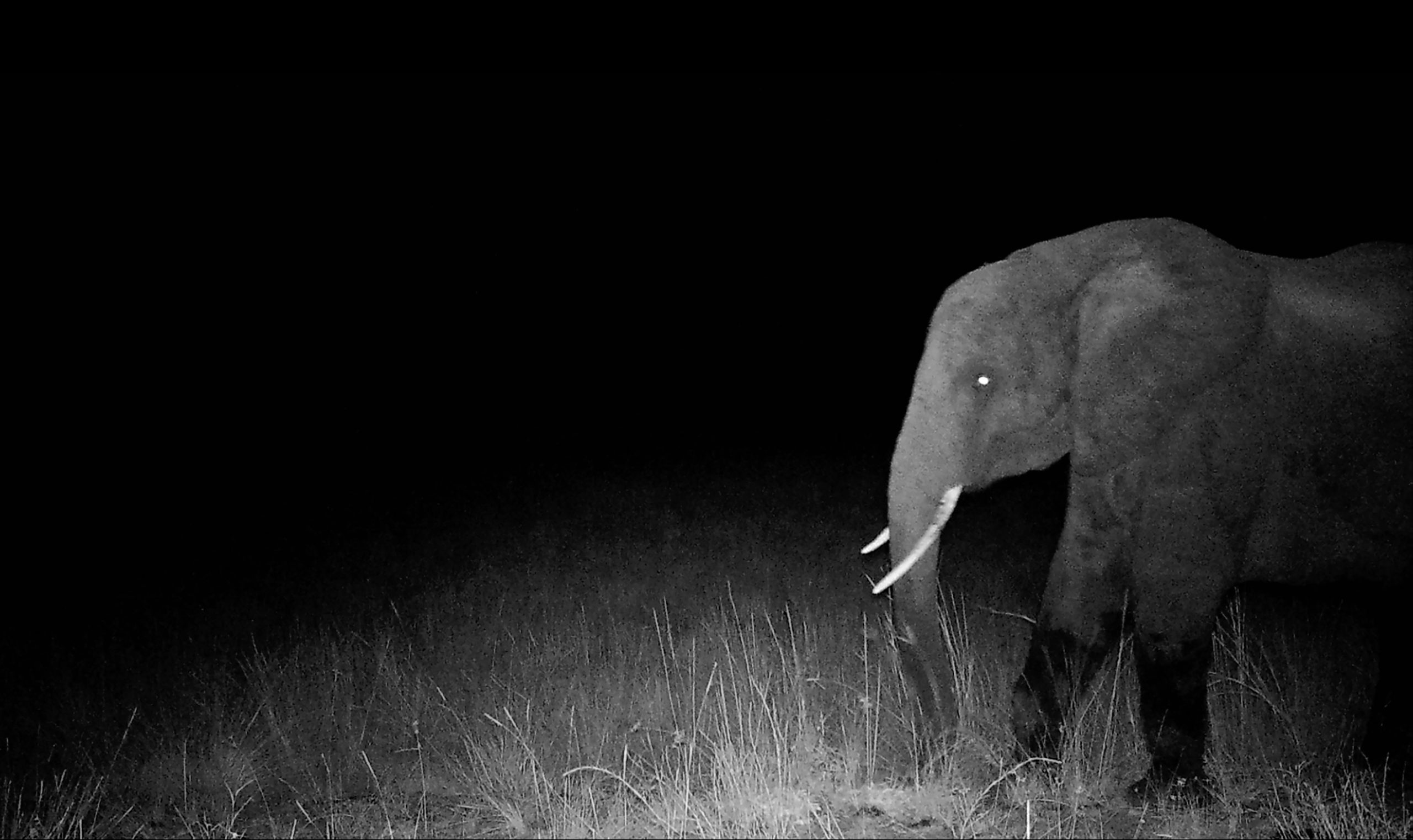
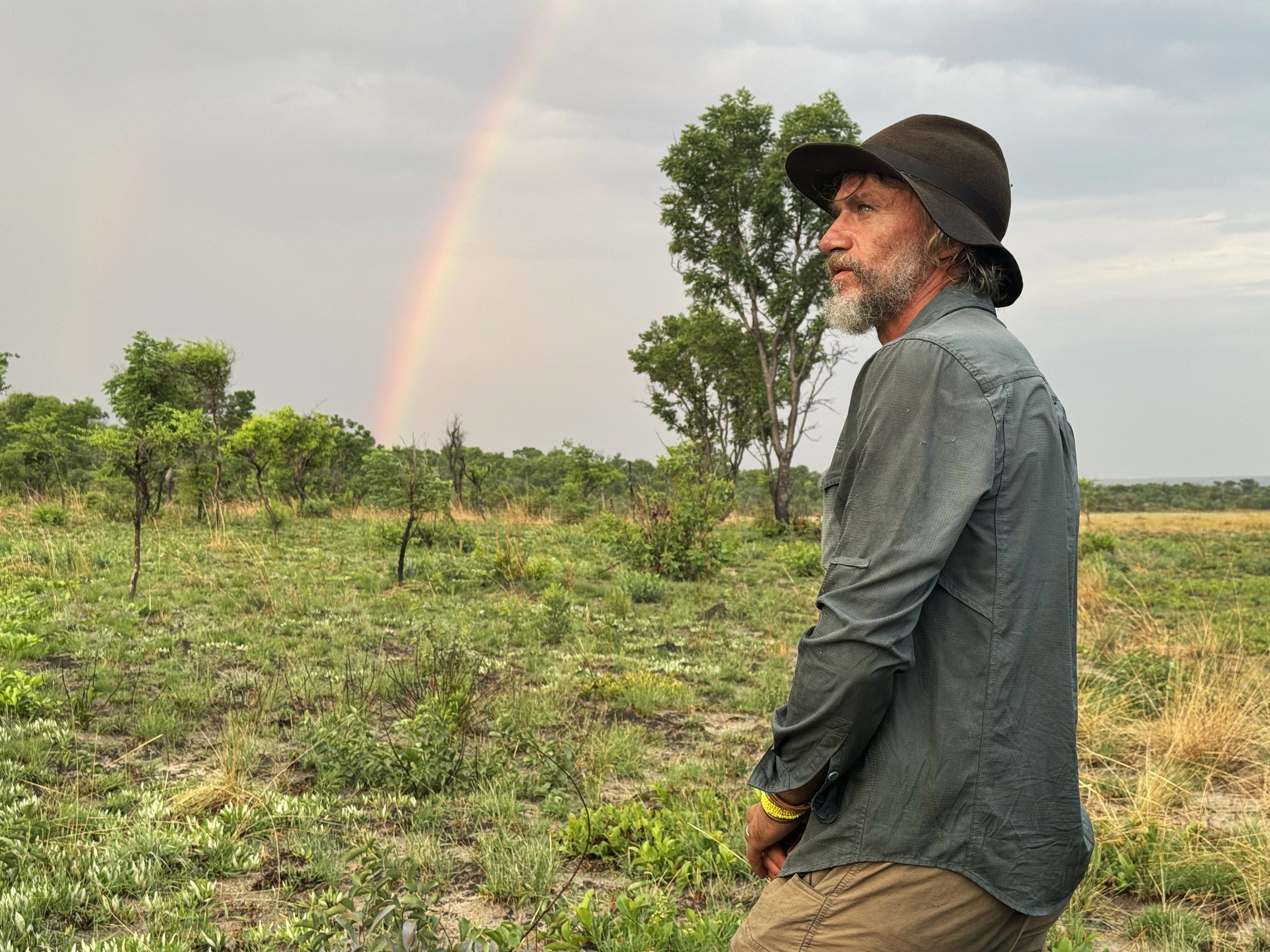
The film follows conservation biologist and National Geographic Explorer Steve Boyes as he attempts to prove the existence of the so-called “ghost elephants of Lisima”. Rumored survivors, possibly descendants of the largest land mammals ever recorded, are believed to exist only in legend. It’s a premise that fits neatly into Herzog’s long-standing fascination with myths that refuse to die and with humans being compelled to chase them, regardless of the cost. Ghost Elephants teaches its audience how to listen, how to move slowly, and how to trust knowledge systems long dismissed by Western science.
In the one hour and thirty-eight minute runtime, Boyes is joined by fellow National Geographic Explorer Kerllen Costa, and quickly learns that satellites, drones, and data sets are no match for the lived expertise of the KhoiSan master trackers, Xui, Xui Dawid, and Kobus. Their ancestral knowledge forms the film’s quiet backbone. And their tracking skills are incredibly fascinating and inspiring to watch.
Herzog’s narration reflects on survival, extinction, and the human impulse. His voice is like that of an old university lecturer; someone with so much wisdom you trust and so you hang on every word. He guides audiences through this documentary almost as if he’s holding your hand.
Visually, Ghost Elephants is striking without being showy. There are some beautiful underwater shots of elephants swimming against orchestral music. The Angolan highlands are captured in muted greens and silvers, their beauty inseparable from their opacity. The bushmen in the desert allow intimate close-ups of their rituals and dancing by the fire under the moon; it’s magical and mesmerizing. Long stretches of landscape unfold, reinforcing the idea that absence, too, is a form of evidence. When traces of the elephants do appear, they are fleeting and ambiguous, resisting the definitive proof that conventional documentaries often demand. There’s supporting evidence in the form of videos, old newspaper articles, and drawings, when discussing the media and how elephants have been treated throughout history, especially hunted for sport.
There’s an incredibly sad section discussing poaching, game hunting, and even filming, and you’ll want more hope for the future of all animals being destroyed by humans. You’ll want more justice and change. But don’t worry, there’s not a lot of distressing footage used, and it’s not long, so don’t let this put you off watching.
The documentary is very informative with easy-to-understand language and supporting images. The Smithsonian allowed the film to see elephant tusks up close and personal. Getting a look into these archives feels very special – being privy to something you shouldn’t. Toward the end, we get a glimpse into DNA and how data is used/going to be used in the future. They compare the Ghost elephant’s DNA with that of other species of elephants.
If the film has a limitation, it’s its smoothing over the harsher political realities of conservation in post-colonial landscapes. The presence of Indigenous knowledge is celebrated, but its ongoing marginalization is only lightly interrogated. Viewers expecting a dramatic reveal might feel frustrated. Audiences will have to be willing to dwell in the unresolved, to accept that some truths exist beyond the reach of cameras and confirmation.
Ultimately, Ghost Elephants is less a documentary about finding animals than about recovering ways of seeing. It asks whether reconnection with land, with history, with each other, is still possible in a world that prefers a fast pace and instant gratification to patience. Like the elephants it seeks, the film moves quietly, giving you time to absorb the information and learn something. The love and respect for nature, especially elephants, is heartwarming and inspiring. This is a gentle documentary, one for those interested in animals, nature, and adventure.