



Director: Yasuhiro Aoki
Writer: Hanasaki Kino
Stars: Hiromi Kawatami, Kenta Miyake, Taro Nikuguso
Synopsis: In a world where humans and merpeople exist, Princess Chao gets engaged to human engineer Stephen. What will become of their romance?
As with Studio 4°C’s previous effort, All You Need is Kill, ChaO features some of the most staggering, creative animation you’re likely to see. It seems like a daunting task to visualize a credible animated world where humans and merpeople live together. However, director Yasuhiro Aoki understands the assignment all too well, pulling the audience into the story through his intricate animation. Every character – whether human or fish – has different proportions, the colors pop beyond the film’s diegesis, and the action sequences in the film’s back half are seriously unbelievable.
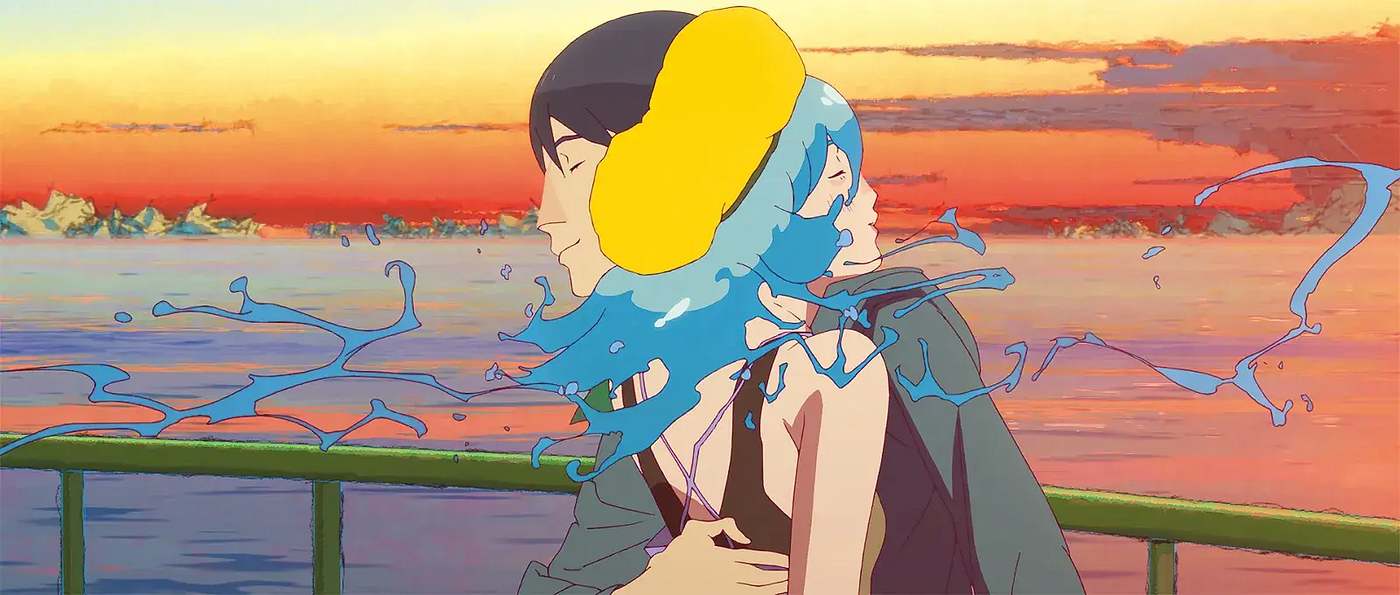
The use of geographical space rivals the likes of James Cameron. You want to look at what’s happening in front of you, but are also attracted to what’s on the periphery of the frames. Every single image feels lived-in and textured; there’s real emotional depth in seeing how this world operates. It almost exists beyond our imagination, something that feels too good to even paint on film. There isn’t a scene in the movie that doesn’t stimulate our senses – it’s so creative that it almost puts every single mainstream animated offering to shame, Hoppers included (even with that apex predator set piece that only the creator of We Bare Bears could bring to life).
How Aoki even highlights the human qualities of Princess Chao (Anna Yamada) before she becomes human after falling in love – and ultimately marrying – mechanical engineer Stephan (Ouji Suzuka), is also astonishing. He wants us to feel the emotions on the screen, which are always represented through painterly, moving shifts in how the protagonists appear. It’s profoundly affecting work, especially during flashbacks that provide audiences clarity of who Stephan was before he agreed to marry a shape-shifting mermaid that could potentially upend the relationship between both worlds.
But why is it so goddamned conventional? Worse yet, why is it so retrograde? Stephan isn’t initially in love with Chao, because she’s presented as a fish, and only begins to develop affection for her when he sees what she looks like as a human. Don’t get me started on all of the hypersexualized women with large breasts that populate this unwieldy city. It feels terribly uncomfortable watching a movie with such incredible animation that resorts to the lowest possible forms of female representation, where the character can only feel truly “free” if she’s in the hands of a man, while she also…learns how to cook? What year is this?!?
The story is also treated in such a matter-of-fact way that we never really develop any meaningful connections with anyone. It admirably tries to reinterpret the age-old narrative of The Little Mermaid, but ends up doing very little. We’ve seen this story before. It was treated with much less regression almost forty years ago when Disney adapted Hans Christian Andersen’s tale. A movie that’s this misogynistic in the year of our lord 2026 is unacceptable – full stop.
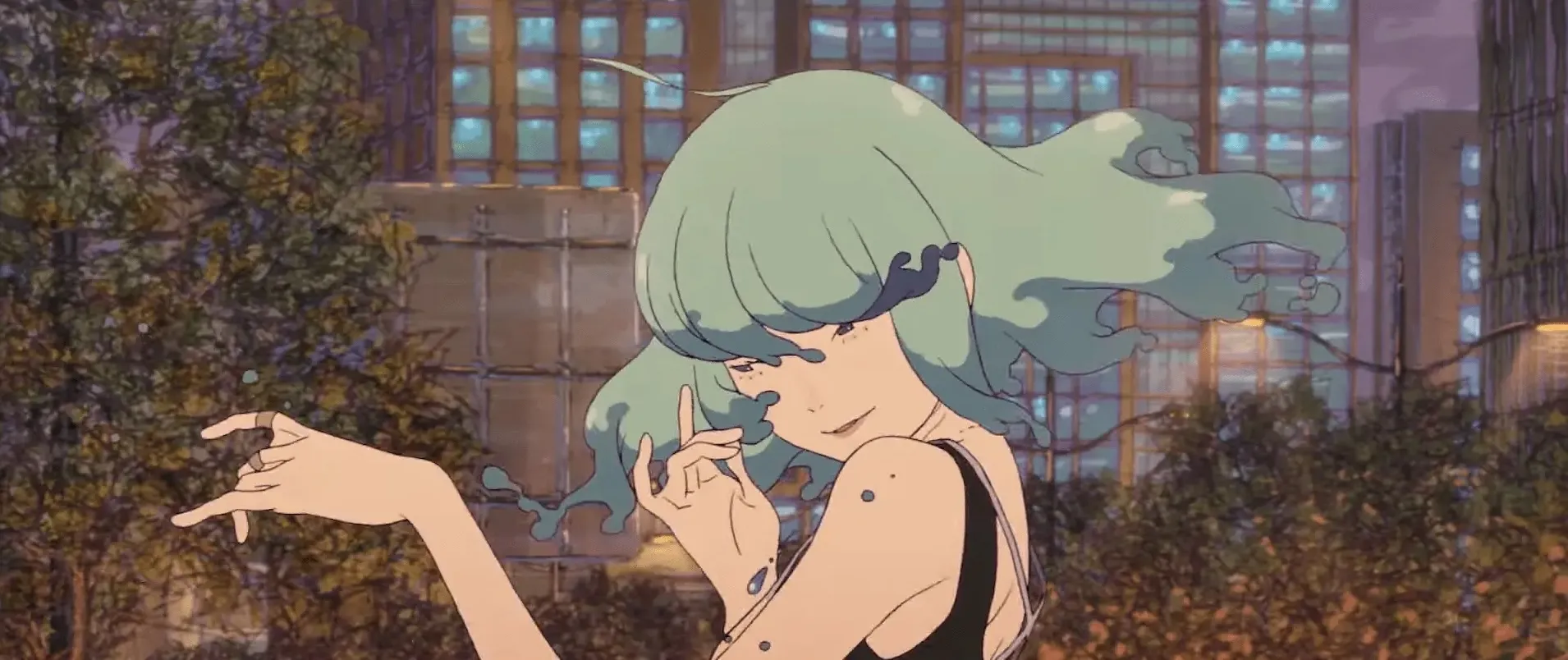
And it’s a shame, because Studio 4°C is a master of animation. They’re just terrible at literally everything else. All You Need is Kill had such incredible visuals, insane action, the likes of which we seldom see realized at this scale in anime. Yet the story was far worse than Doug Liman’s live-action adaptation of the material with Tom Cruise, which took many creative liberties. ChaO seems inspired by a core text, retains the household style we’ve come to know and love in the studio, and stages some impeccably mounted action in the latter half of the picture. Still, the story disappoints so greatly that one wouldn’t be wrong to dismiss this altogether. In fact, you should probably steer clear of it, which isn’t something I usually do in reviews, but I’ll make the rare exception for this one – and this one only.