Home Blog Page 132

Women InSession: Favorite 2000s Movies

This week on Women InSession, we take a dive in the movies of the 2000s and talk about our favorites of that era. It’s not necessarily our favorite decade for movies, but there are (obviously) some fantastic films to come our during that period that we absolutely adore.

Panel: Kristin Battestella, Zita Short

On that note, check out this week’s show and let us know what you think in the comment section. Thanks for listening and for supporting the InSession Film Podcast!

Subscribe to our Podcasts RSS
Subscribe to our Podcasts on iTunes
Listen on Spotify
Listen on Stitcher
Women InSession – Episode 50

To hear this Extra Film episode and everything else we do, download our apps on the Amazon Market for Android and the Podcast Source app on IOS devices. The mobile app covers all of our main shows, bonus podcasts and everything else relating to the InSession Film Podcast. Thanks for your wonderful support and for listening to our show. It means the world to us.

Podcast Review: Blue Beetle

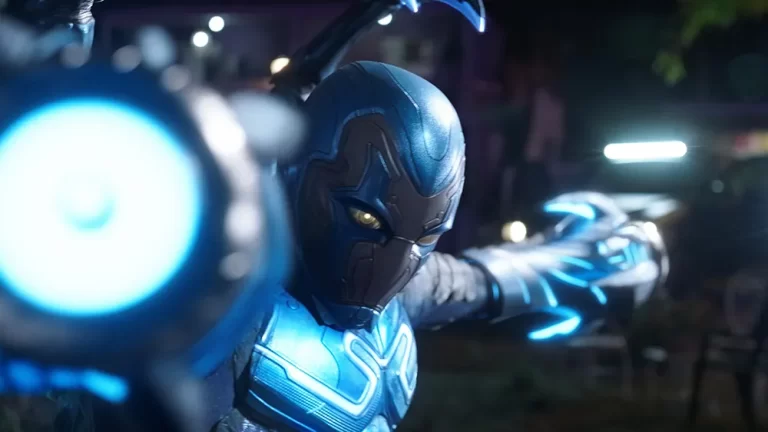
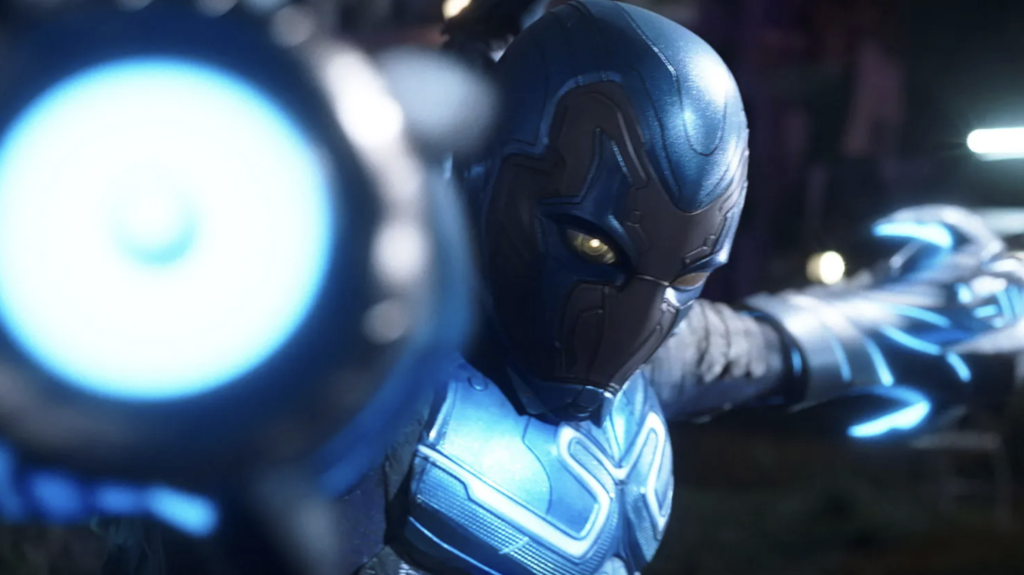
On this episode, JD is joined by Rosa Parra of the Latinx Lens Podcast to review the new DCU film from Angel Manuel Soto in Blue Beetle! This isn’t just the so-called reboot of the DCU, but it’s the first superhero film to feature a mostly Hispanic cast in a very prominent way, including its hero in Jaime Reyes. Regardless of its box office, this is going to be a film that resonates with people and we had a great time talking about that.

Review: Blue Beetle (3:00)
Director: รngel Manuel Soto
Writers: Gareth Dunnet-Alcocer
Stars: Xolo Maridueรฑa, Adriana Barraza, George Lopez, Bruna Marquezine

Subscribe to our Podcasts RSS
Subscribe to our Podcasts on iTunes
Listen on Spotify
Listen on Stitcher
InSession Film Podcast – Blue Beetle

Movie Review: ‘Strays’ is Super Sweet and Sour


Director: Josh Greenbaum
Writer: Don Perrault
Stars: Will Ferrell, Jamie Foxx, Isla Fisher

Synopsis: An abandoned dog teams up with other strays to get revenge on his former owner.


Are we in the new golden age of the hard-R-rated summer comedy? From Jennifer Lawrence’s uproarious and raunchy No Hard Feelings to Adele Lim’s racy and hilarious Joy Ride, there has been a newfound wave of foul-mouthed comedies to enjoy. Some of these films’ best scenes would make Porky’s Bob Clark blush. This August, we have Strays, a hilarious comedy featuring some of the most adorable little dogs you’ll ever see and showcasing some of the dirtiest deeds in cinema historyโ€”all with an underlying theme that surprisingly hits home with that old clichรฉ of a lot of heart. These super sweet yet seriously sour antics of these Strays are filled with filthy, gut-busting, leg-humping hilarity.

The story follows Reggie (Will Ferrell), a “woof”-fully optimistic mixed breed unaware of his toxic pet-owner relationship with Doug (Will Forte). Doug is the kind of lowlife who blames his substance abuse, laziness, and lousy situation on his dog. He repeatedly attempts to abandon Reggie in the middle of nowhere by throwing his tennis ball out of the truck and driving off while Reggie gives chase. However, Reggie interprets it as a game of “Fetch & F*ck” and always manages to bring the toy back to Doug’s feet, where he says the titular latter word.

Finally, Doug has had enough and takes Reggie into the ominous city, where he becomes acquainted with the freaks and geeks of the bustling city streets. Among them is a Boston Terrier with a gift of the gab named Bug (Jamie Foxx), who teaches Reggie how to survive on his own. Bug introduces Reggie to more stray dogs like Maggie (Isla Fisher), an Australian Shepherd, and Hunter (Randall Park), an enormous Great Dane with a small dick energy despite the obvious heat he’s packing. The sexual tension between Maggie and Hunter is undeniable. Finally realizing Doug doesn’t care about him, the group embarks on a road trip to visit Doug so Reggie can, in his own words, “Bite his dick off.” Yes, like I said, a foul-mouthed comedy.

Written by Dan Perrault and directed by Josh Greenbaum, Strays has a big, ferocious bite that most comedies can only dream of. The film features dirty yet heartfelt and outrageously funny debauchery from some of the most adorable pooches you will ever see. Strays can be seen as a loquacious take on Homeward Bound: The Incredible Journey, but with abundant sex, copious amounts of drugs, and free-flowing alcohol. Given Hollywood’s penchant for transforming simple stories into unnecessarily sentimental narratives โ€” a phenomenon that might soon be dubbed “The Tuohy Effect” โ€” it’s almost as if Strays presents what the 1993 family film was truly like before the greedy little money-grubbing mouse got his hands on the script.

Part of the fun of what makes Strays so funny is watching the juxtaposition of these hellhounds, equipped with heart-swelling puppy love expressions, doing bad thingsโ€”very bad things. Almost every joke works famously, from a jaw-dropping camp-side “pillow” fight to a priceless and well-timed Miley Cyrus needle drop and a wicked take on Marley & Me. And the ones that don’t land are so audacious and bold that you forgive Greenbaum and Perrault solely because of their effort.

Much of the credit should go to Ferrell and Fox, whose styles seemingly shouldn’t blend but create a joyous combination of sweet and sour. Ferrell dives back into that Elf persona with a humorous, deadpan, and naรฏve delivery. This allows Fox’s garrulous and spunky Boston Terrier to steal nearly every scene he’s in. Delivering humor while also conveying the film’s sharp wit and an insightful take on male toxicity, Bug’s spin-off isn’t just a request but a matter of time. You’ll also appreciate the humor generated from Park’s Hunter and Fisher’s Maggie for their numerous risquรฉ and suggestive double entendres.

Frankly, Strays reminds me of the type of comedy The Farrelly Brothers used to make in the 90s. Similar to those movies, they had an underlying human (work with me here) element. Here, Perrault finds something sobering regarding victimization in a surprisingly profound scene when Reggie convinces himself that Doug loves him. Yes, it involves a mutt with a tennis ball, but that moment reveals more about the catch-22 in domestic violence, and is more insightful than most films.

Ultimately, Reggie carrying Dougโ€™s blame-shifting leads to Greenbaumโ€™s canine opusโ€”a relatable sense of community, family, and finding your place in lifeโ€”which still supports the filmโ€™s hard comedic edge. Sure, it may not make sense why Hunter has a medical cone if heโ€™s a stray or that Doug is such an over-the-top deadbeat that no woman in her right mind would have him, let alone for one night. However, Strays is damn funny and pushes the envelope farther than I thought possible.

Strays is a loquacious Homeward Bound and the super sweet yet seriously sour antics of these pooches are filled with filthy, gut-busting, leg-humping hilarity.

Grade: A-

Movie Review: ‘The Monkey King’ is Beautiful and Empty


Director: Anthony Stacchi
Writers: Steve Bencich, Ron J. Friedman, and Rita Hsiao
Stars: Jimmy O. Yang, Bowen Yang, BD Wong

Synopsis: Inspired by an epic Chinese tale, translated into an action-packed comedy, a Monkey and his magical fighting Stick battle demons, dragons, gods and the greatest adversary of all – Monkey’s ego.


*This piece was written during the 2023 WGA and SAG-AFTRA strikes. Without the labor of the writers and actors currently on strike, the movie being covered here wouldnโ€™t exist.*

Though quite unsuccessfully, Netflix has been trying to get into the animation game for a long time. Itโ€™s only when theyโ€™ve plucked films from other studios (The Mitchells vs. The Machines & Nimona) or when they team up with an actual auteur behind the camera (Guillermo del Toroโ€™s Pinocchio) that they can succeed in the game. But theyโ€™ve never delivered something tangible when delving into studio-driven animated offerings. However, since they wanted to dominate all spheres of filmmaking, it was only a matter of time before they would take a crack at making another mainstream animated film in The Monkey King. 

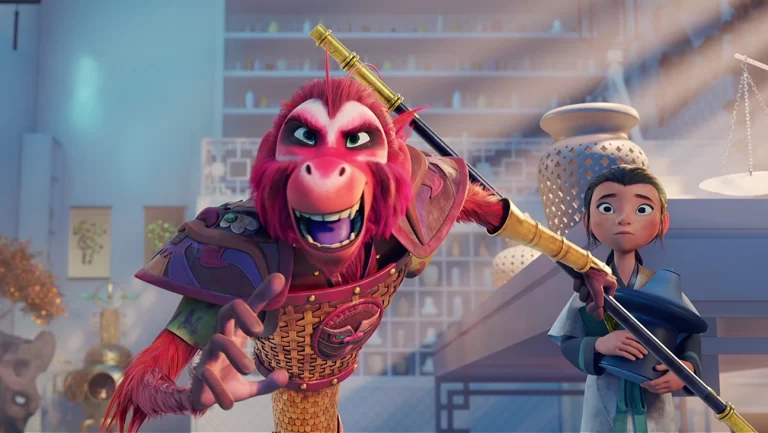
Based on โ€œJourney to the West,โ€ the movie will hit the streaming service on August 18th. I had a chance to check out The Monkey King in theaters, and this is where it deserves to be experienced. Rarely have I seen such mastery in its visual form, it would feel shameful not to bask in its vivid kineticism on the largest screen possible. The animation style is consistently malleable, going from bright, colorful 3D worlds, morphing into hand-drawn animation as the titular Monkey King (Jimmy O. Yang) defeats 99 demons in a terrific montage, and goes back to 3D with notable changes in its form as it transports audiences from one world to the next.ย 

Thereโ€™s even a setpiece that feels directly plucked out of CAPCOMโ€™s ลŒkami, set in Hell, where different brush techniques are used to unleash a superpower to subdue The Monkey King. Itโ€™s one of the most inspired action scenes Iโ€™ve seen in an animated film all year and consistently moves in exciting and fresh ways. The final fight between The Monkey King and The Dragon King (Bowen Yang) is incredible. Director Anthony Stacchi continuously finds new ways to enthrall viewers, especially children who will lose their minds when they witness what this film has in store for them. The children at my screening were entertained, and one of them even got up from their seat when The Monkey King got some of his powers. 

But the story raises more questions than answers and hampers the film. The Monkey King has never taken no for an answer and is now on a quest to become immortal. He starts this by killing over 100 demons, crossing his name off a scroll in Hell, which only makes him half-immortal. However, becoming fully immortal proves difficult for the King, as he teams up with Lin (Jolie Haong-Rapaport) to attain immortality by traveling to Heaven and defeating the immortals who control it. However, Lin has been working for The Dragon King, who promised her rainfall in her village, whose crops have been devastated by the scorching heat. But The Monkey King is a total jerk โ€“ he only does a quest that benefits his personal gain, and not anyoneโ€™s. He even tries to outsmart Buddha (BD Wong)…and it doesnโ€™t work. 

As a movie destined for families, The Monkey King challenges younger viewers in asking to sympathize with a protagonist who is completely unlikeable in every sense of the word. Yes, the film is based on several texts (Cheang Pou-soiโ€™s The Monkey King painted the titular character in a more thoughtful and vibrant light than this film), but does he have to be this unlikeable? As good as O. Yang is, the character is unfortunately written in a way that feels irritating instead of making audiences understand exactly why he wants to attain immortality and defeat the Gods on top of the hierarchy. Itโ€™s all egotistical, and it, unfortunately, doesnโ€™t imbue any positive values on children, who usually are taken to animated films by their parents to make them learn about something. 

The Monkey King doesnโ€™t have any positive message to pass on or even a lesson to come out of this ordeal. Instead, we get to observe The Monkey King irritating every other character and only thinking about himself for 92 minutes. How fun. No, really, thatโ€™s it. And the villain is also egotistical โ€” he wants to steal The Monkey Kingโ€™s stick to submerge the planet in water and take over Earth. So we have a self-centered monkey fighting a self-centered dragon for their nefarious gains. And no one, not even Lin, learns anything meaningful in the process. I mightโ€™ve excused its mostly annoying characters were it not for a core message, but none of that is found here. 

Thankfully, the visuals and action sequences are all terrific, and the main reason why the movie is, against all odds, watchable. The voice cast is also quite good, with Bowen Yang being the biggest highlight as The Dragon King and Wong impressing in a minor role as Buddha. But itโ€™s not enough to save The Monkey King with a haphazard story and problematic character arcs. Kids will certainly enjoy its breakneck pace and staggering action sequences, but will they learn anything meaningful beyond the pretty visuals? I highly doubt itโ€ฆ

Grade: C+

Top Ten Michael Fassbender Essentials

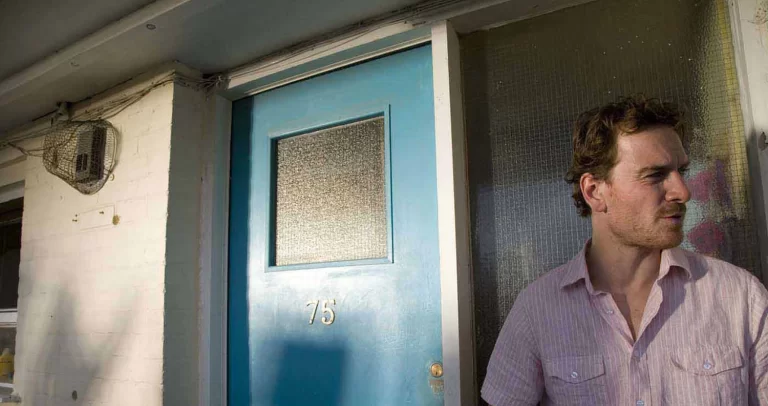
Before big ticket failures like Assassin’s Creed or panned thrillers like The Snowman and more time spent on being a race car driver than making movies, Michael Fassbender was an indie darling knocking on Hollywood’s door. Here’s a rundown of Fassbender’s heavy dramas, quirky pieces, and award worthy performances from back when Jonah Hex was his only outlier.


10. Angel

Precocious Romola Garai (The Crimson Petal and the White) dreams of becoming a famous writer and erasing her humble past in director Franรงois Ozonโ€™s (Swimming Pool) 2007 sweeping, lovely, fanciful, and tongue in cheek yarn. Our titular turn of the century romantic is smitten with Lothario painter Michael Fassbender, but the intentionally bemusing Victorian over the top and silly, sentimental old time montages give way to crisscrossing love triangles and Great War bitterness. The dreamlike, storybook style humor and pre-War fiction becoming fact decadence accent Angel’s revisionist tawdry. The hedonistic characters don’t take themselves too seriously even as heavier subject matter looms, but the classy ensemble uses each other to keep their secrets as Angel’s tantrums and fantastical lifestyle escalates. Garai is delightfully distasteful as Angel is swept up in her own mystique and unceremoniously pays the price for getting what she wants. Her out of touch Victorian opulence and juicy books lose their luster as changing Edwardian fates find her in true Dickensian fashion. Fassbender captures Angel’s breathtakingly idealized Esme as each looks the other way at their lies. Fassbender’s eyes carry Esme’s unsaid Great War torment and deceptions. His continued emasculation at Angelโ€™s hands goes from perceived paradise to a shattering reality. Some period romance fans may be put off by the mocking tone and the play on genres between period versus fantasy is uneven at times. Fortunately, there is enough grandiose wit and flights of fancy for fans of the cast as this blissful tale turns wonderfully tragic.


9. A Dangerous Method

Director David Cronenberg (A History of Violence) re-teams with Viggo Mortensen (Eastern Promises) as Sigmund Freud to Michael Fassbender’s Carl Jung in this 2011 psychoanalysis opus. The dialogue-based storytelling may be old-fashioned or slow for some audiences while the in-camera cuts perhaps move too fast with years of treatment and correspondence passing from scene to scene in a stream of consciousness in media res. Thankfully, the frank conversations and bantering debates amplify the religion, medicine, and id discourse. Attention to period detail and intimate filming with up close photography showing both doctor and patient during the โ€œTalking Cureโ€ reflect the inward out examinations. Unfortunately, disturbed patient Keira Knightley(Atonement) is a distracting, unsympathetic contortionist as the jealous Sabina conflating doctor/patient affairs, blackmail letters, and psychoanalysis dissertations. Knightley never throws herself into the character with complete abandon, leaving the battle of the sexes ideologies feeling watered down, tame, and lightweight. Sara Gadon (Cosmopolis), however, is pleasantly surprising as the quiet in white lace Emma Jung trapped in a stoic, one-sided marriage. Her one scene with the unstable and intrusive Sabina is awkward perfection, but their maternal submissive meets masculine dominance give and take sadly goes unexplored. Vincent Cassel (Black Swan) also deserved more time as the devil on Jung’s shoulder to Mortenson’s father figure Freud. Their professional resentments and larger psychoanalytical philosophies should have been the film’s focus instead of the pseudo love triangle. Jung’s buttoned up strictness, finite mannerisms, and tight mustache contrast his pleasant psychologistโ€™s demeanor and the passions he must explore. Fassbender embodies both the charming ideas and the conflict upon Jung’s mind over his behind closed doors taboo Edwardian experiences. The glasses come off as Jung makes mistakes, denies, admits, lives. Despite some uneven pacing and performances, Cronenbergโ€™s cerebral panache makes for an intriguing film conversation here.

8. Slow West

Loner Fassbender helps young Kodi Smit-McPhee (The Power of the Dog) find his sweetheart in 1870 Colorado for writer and director John Maclean’s (Pitch Black Heist) visually stunning 2015 full length directorial debut with crisp skylines, impressive camerawork, and a surreal patina. The opening narration establishes the harsh frontier and suspicious, unforgiving mood, but additional, head hopping voiceovers are obvious and unnecessary. Intercut flashbacks and seemingly happy recollections interfere with the present quest and should have come in one early sequence to bookend the superb shootout finale. Likewise, we shouldn’t see the unreliable Rose herself until required, for dream sequences and foreshadowing fears better encapsulate the sardonic tone wrapped in the traditional western motifs. Everything that will happen is alluded to somewhere in the film, layering the character realizations, bounty hunter codes, and cowboy rivalry. Though short at under ninety minutes, the well paced reflection and quiet conversations progress with the forward moving journey and siege action. Smit-McPhee’s young Scottish noble is in over his head with idyllic hopes and a trusting nature that gets the better of him. He thinks this is all one big adventure despite increasing consequences and the need to kill quickly. Some plot holes, however, hamper his improving ingenuity, creating questions on who knows the who what when where and whys. How many people have to end up dead because clueless Jay is in the wrong place at the wrong time causing exactly what he was trying to prevent? Fassbender’s Silas, in contrast, is commanding on horseback โ€“ a cigar chomping, ruthless, rugged drifter who abides by no law and demands cash. He sleeps upright, robs when necessary, and counters Jay’s romantic stories with cynical humor. For all his lawless posturing, mercenary motivations, stoic action, and belittling delivery, however; traveling with Jay changes Silas from whiskey killer to fond father figure. Despite a few narrative hiccups, viewers should watch this ironic tale at least twice for the layered winks and genre metaphors.


7. Frank

Struggling songwriter Domhnall Gleeson (Ex Machina) joins the unusual, unpronounceable band Soronprfbs and its eponymous, eccentric singer Michael Fassbender โ€“ who wears a giant papier-mรขchรฉ head. โ€œChinchilla!โ€ safe words, goofy one-liners, and social media commentary anchor the witty, natural script as our newcomer chronicles the recording of the band’s next album on social media with โ€œ#livingthedreamโ€ unreliability. Jon asks the questions on our mind: Does Frank have a beard? How does he brush his teeth? Is he disfigured? Heโ€™s from Kansas? The askew, self-aware comedic circumstances make it okay to laugh at tender moments, but the band’s internet notoriety leads to insensitive media and jokes about the head. Theremin player Maggie Gyllenhaal (Secretary) pretends she doesnโ€™t care โ€“ a tough, bizarrely nurturing figure who knows Soronprfbs doesnโ€™t need to be famous but they do need music to heal. Making music is a religious revival to Frank, but once we see he still wears his โ€œhas a certificateโ€ head offstage, weโ€™re hooked by his artistic fragility. We donโ€™t blame Frank for wearing his head because we hide within our own facades, illusions, and phony hashtags to control how we’re perceived. This mask helps Frank express himself and see through other peopleโ€™s issues even though he doesn’t realize his own brokenness. Fassbender embodies the top heavy physicality and offbeat genius with a different unknown voice from inside the head, and life just might be easier if we too clarified our internal facial expressions as Frank does. This is an excellent character study from director Lenny Abrahamson (Room) exploring the quirky whilst being no less poignant โ€“ no matter how you pronounce Soronprfbs.

6. Prometheus

Noomi Rapace (The Girl with the Dragon Tattoo) petitions the Weyland Company to fund an archaeological expedition to the distant planet LV-223, but only Michael Fassbender’s android David is awake for the journey to discover these โ€œEngineersโ€ and the alien origins of humanity in director Ridley Scottโ€™s 2012 return to the Alien universe. The bright science fiction palette and imaginative special effects look simply smashing as the foreboding body horrors escalate with planetary storms and trapped personnel encountering creepy creatures and ancient artifacts. Unfortunately, the creature connections, origin aspirations, and spiritual character motivations that should have been explained by writer Damon Lindelof (Lost) go unrealized thanks to the rushed, disjointed script leaving deleted scenes and supplemental material to fill in the plot holes and inconsistencies saved for the inevitable sequel. Although Rapace is up to snuff as the Oedipal object of Davidโ€™s intentions, any scary speculative science fiction food for thought descends into obvious contrivances. Conflicts between faith, science, and the reexamination of humanity fall prey to nonsensical actions. Charlize Theron (Monster) is ice queen company representative good fun, but she deserved more, and the quality supporting cast including captain Idris Elba (Luther) and Guy Pearce (L.A. Confidential) as Peter Weyland are squandered. Fortunately, Fassbender’s hyperactive, prepubescent, synthetic sociopath David subtly exceeds his programming in uniquely devoid yet malevolent orchestrations. He continually disobeys any instruction and uses his superior intellect to gain control, outgrowing his human inventors and using Engineer technology to his advantage. Botched Alien connections, fly by night scripting, and behind the scenes flaws aside; Prometheus is nonetheless entertaining for science fiction lovers thanks to the capable cast.


5. X-Men: First Class


Nazi scientist Kevin Bacon (Mystic River) tortures Michael Fassbender’s metal manipulating Erik Lehnsherr while privileged James McAvoy (Split) as Charles Xavier becomes a mutant professor aiding the CIA to avoid nuclear war during the Cuban Missile Crisis in director Matthew Vaughn’s (Layer Cake) vibrant, swinging, Bond-esque 2011 gem. Fedoras, frocks, gadgets, newsreels, and split screens accent the character focused friendships and fractures amid intelligent mutant debates and quiet rage. Compared to today’s comic book movies, the slower pace allows time for attention to detail, tension, and surprises building up to the Professor X and Magneto divide we know is to come. Certainly, the women are underutilized in this misogynistic sixties. The superfluous mutant henchmen and lightweight X-Kids make for an unnecessarily crowded ensemble that should have been recruited for a direct follow up film. Thankfully, McAvoy embodies the zest, compassion, and hope of our prequel Charles. Initially arrogant, Charles’ awakening of Erik’s full power in hopes of mutants living together peacefully with homo sapiens instead comes at a very high price. Frankenstein parallels, Jekyll and Hyde metaphors, and Neanderthal comparisons add layers to the diverging mutant ideologies, and Fassbender excels with an abandon for languages, revenge, standoffs, and tears. He’s the soon to be bad guy justified in everything that he does. His deadly magnetism and ruthlessness combine for a 007 Dalton meets Craig edge, but we know better than to believe Erik will work for the common good with Charles. With stylish mid century elan and on the precipice performances, this is a serious superhero film and one of X-Men‘s finest.


4. Jane Eyre

This 2011 adaptation of Charlotte Bronteโ€™s 1847 tale featuring the titular Mia Wasikowska (Crimson Peak) to Michael Fassbender’s Rochester has divine costumes, emotional scoring, excellent locales, foggy scenery, and flickering period lighting. Candles and firelight invoke an old-fashioned ambiance as well as shadows and gothic mood. Natural camerawork and flashback storytelling build realistic suspense and mystery as our governess trades literary barbs with the brooding master of the manor. Wasikowska’s poise reiterates Jane’s intelligence and self-respect as she grows from pale to radiant and confident in her unusual relationship with Rochester. The Bronte banter opens these kindred souls up beyond their societal barriers, but Jane sticks to her convictions despite Rochester’s intimidating attraction. Fassbender’s Master of Thornfield Hall appears almost as an apparition โ€“ striking an alluring balance between lonely menace and unobtainable flirtation. He’s demanding, pesky, and trusts no one but Jane, whose spitfire matches his own tongue in cheek intellect. Unfortunately, the Victorian conventions and secrets in the attic threaten to undo their would be bliss. Despite the reduced time and structural changes, Bronte fans and period piece aficionados will be swept up upon the moors thanks to these atmospheric performances.


3. Shame

The perfect faรงade of Michael Fassbender’s Brandon Sullivan hides a depraved sex addiction and a visit from his sister Carey Mulligan (Promising Young Woman) upends the out of control internet porn and call girls in director Steve McQueen’s visceral 2011 NC-17 drama. Unusual mixes of conversational dialogue, long silences, or musical interludes accent the alternating intercuts, unbalanced editing, and tight photography reflecting Brandon’s inner spiral. The distorted timeline builds both a conventional plot and nontraditional storytelling yet the script is not that explicit or shocking. This is a quiet film with actions and expressions letting the characters cry out in different ways. Needy Mulligan is full of heart wrenching issues all her own, but Brandon cannot give the help she wants. Brother and sister โ€“ scarred and unashamed to be naked in front of each other โ€“ come to violent, pseudo-sexual blows because they should be able to heal their brokenness together yet it’s not their fault if they can’t. We feel for Brandon as our off kilter avatar thanks to his sad lifestyle and fear of intimacy. Cartoons and juvenile behavior suggest a previous trauma; Brandon’s apartment is bare and his gray pants/blue shirt/scarf uniform is as devoid as his stare. He never eats, only drinks, drugs, or caffeinates to keep his bottomless sex drive going. He can’t behave normally as the constant craving for an unattainable climax leads to nothingness. Fassbender’s tears encapsulate the man versus man, man versus nature, and man versus himself tragedy. This is a depressing, raw, uncompromising piece addressing our frailty, loathing, and pain.

2. Fish Tank

Writer and director Andrea Arnold (Red Road) wastes no frame as the natural, over the shoulder camera captures the bleak documentary feeling of the Essex council housing where delinquent teen Mia meets her motherโ€™s latest boyfriend Michael Fassbender. Diegetic sound and the square, full screen ratio mirror the dated, boxed in, congested atmosphere as the Peeping Tom audience may not like what we observe. In her debut, Katie Jarvis captures Mia’s youthful rage and underlying softness with raw emotion and realism. Though her moves are outdated and not very good, dancing is Miaโ€™s chosen self expression. The abandoned apartment where she practices is free from the shouting and violence at home. Mia lashes out with overused hollow curse words and plays dress up with her mother’s things โ€“ drinking, finding birth control, and mixing youth with adulthood in ways she doesn’t fully understand. When Connor comes along, he gets Mia out of her angry shell, becoming the stable force this family needs. Unfortunately, Mia’s infatuation with Connor blinds us to the budding inappropriateness she fails to comprehend and we’d rather not see. He seems friendly, caring, and sexy because we are in her point of view with increasingly askew slow motion and lucid, dream-like distortions as the line between father figure and intimacy blurs. Such ugly, taking advantage, loss of innocence indiscretions like this happen in the real world all the time, but the clouded juvenile view of Fassbender’s charisma leads to the blinders coming off in escalating surprises and crimes. Some parts of this coming of age tale are very difficult to watch. It’s meant to be uncomfortable, and the voyeuristic viewer comes away with no easy answers.


1. Hunger

After fellow Irish prisoners endure brutal abuses and inhumane treatments at the Maze Prison, Fassbender’s IRA Officer Bobby Sands ends their 1981 blanket and no-wash strike efforts in favor of a hunger strike. Father Liam Cunningham (Game of Thrones) attempts to convince Sands this will be equally unsuccessful, but Sands refuses food and medical treatment for 66 days as his body slowly wastes away in director Steve McQueen’s 2008 debut. Simmering, silent shots establish the bleakness as character backgrounds and stoic guards caught in a difficult position don’t make it easy to discern who is right or wrong. This is not a political movie but rather a story about one person suffering naked humiliations, excrement, orifices, and worse. The realistically dirty, unpleasant look of the film itself is emaciated, pared down and on strike against the glitzy, overdone Hollywood system. There’s precious little dialogue until Cunningham asks Sands why in an excellent, 17 minute unbroken two-shot. It’s natural, serious, sad, and even witty as viewers must pay attention to the smoking, subtle movements, hidden ticks, and vocal inflections to understand whatโ€™s really being said. What are Sands’ real motivations for the strike? Fassbender is without dialogue most of his time, letting his sad eyes and onscreen transformation capture the mundane starvation monotony and quiet bodily torment of waiting to die. The haunting imagery and worst of what humanity does to each other herein is not easy to watch yet this is a film you can’t forget. 

Interview with Composer John Powell

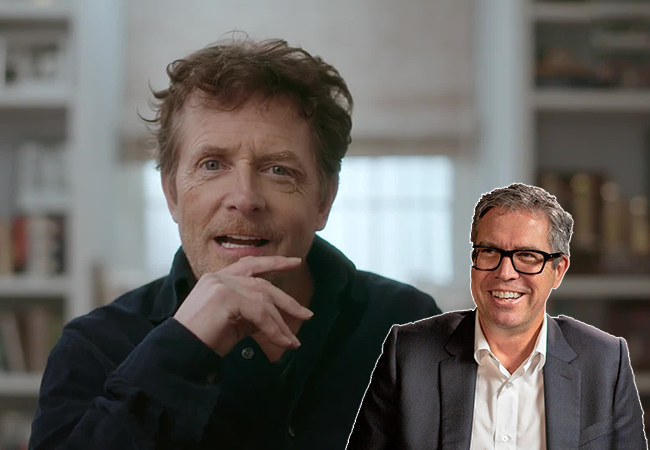
Composer John Powell is well known for his work in the realm of animation with How to Train Your Dragon, Kung Fu Panda, Happy Feet and others. His score for Solo: A Star Wars Story was noteworthy. And now he’s Emmy-nominated with his score for the documentary Still: A Michael J. Fox Movie. JD sits down with John to talk about the challenges he faced with Still and why it was a great experience for him.

Preview of the 80th Biennale Di Venezia

As summer turns to autumn, a major batch of films is coming out, and Oscar season is starting to shift gears. The next of the big world film festivals, however, is overshadowed by the current SAG-AFTRA/WGA strike that wonโ€™t permit A-listers from attending the event. New films from Richard Linklater, Woody Allen (I know), Luc Besson (again, I know), William Friedkin (R.I.P.), Sofia Coppola, Bradley Cooper, and David Fincher are among the highly anticipated films coming out with a jury led by director Damien Chazelle and joined by Jane Campion, Martin McDonough, and Mia Hanson-Love. Hereโ€™s a short list of those films to look out for. 

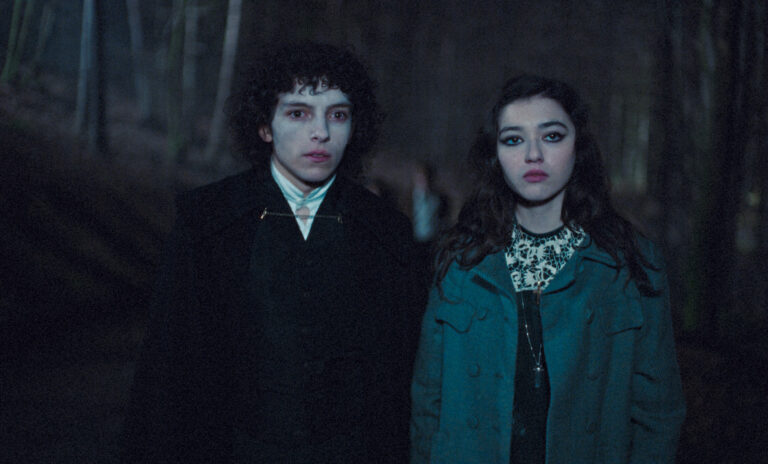
El Conde (Chile)

Pablo Larrain (Jackie, Spencer) is back home with his dark comedy that will touch a raw nerve in Chile. His new feature portrays the notorious military dictator Augusto Pinochet as a vampire who has lived for 250 years and now wants to die as things get worse for him. With a Netflix release, it can be viewed anywhere, and the reaction to this movie could be interesting. Pinochetโ€™s legacy remains a stain on Chile, but a significant percentage of the population sees him as Chileโ€™s modern liberator. It is Larrainโ€™s second film on the Pinochet era after 2012โ€™s, No. 

Ferrari (USA)

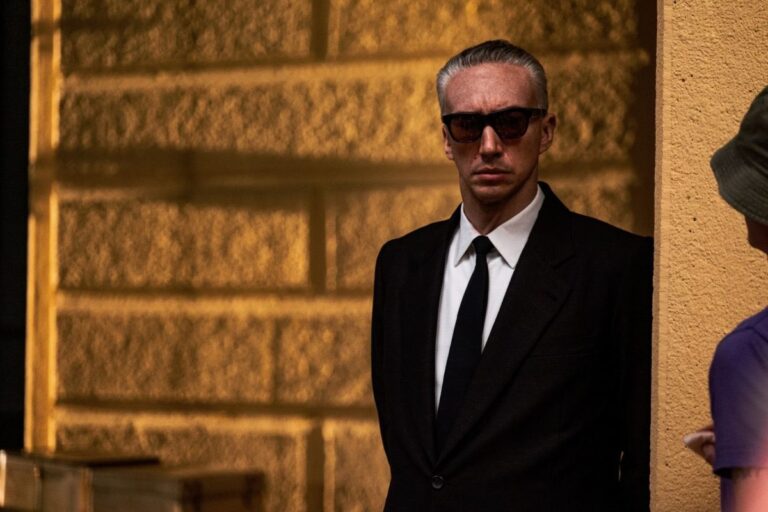
An all-Italian story dramatized by Hollywood. Sounds familiar? After Adam Driver played a Gucci two years ago, he now plays Enzo Ferrari in Michael Mannโ€™s long-awaited biopic. Set in the 1950s, the story follows a particular time in his life: the death of his son plus the financial struggles of his company as Ferrari aims to win the highly sought Mille Miglia, a 1,000-mile race across the country. With Penelope Cruz, Shailene Woodley, Gabriel Leone, and Patrick Dempsey, it will make quite an impression – or be hostile – to Italian audiences about one of their being made by Hollywood. 

The Palace (ITA/SUI/FRA)

Iโ€™m going to get a lot of slack for mentioning this movie because of the director, but since I already said Woody Allen and Luc Besson, to me, I might as well pick out their films. Polanski, who is 90 years old and what could be his final film, has his dark comedy to show. Set in a Swiss luxury hotel on New Yearโ€™s Eve, 1999, guests from all over the continent merge and have a ball of a night that becomes a sudden wreck. The international ensemble includes Fanny Ardent, Oliver Masucci, John Cleese, Joaquim de Almeida, and Mickey Rourke. 

Poor Things (UK/USA)

Five years after his universally acclaimed The Favorite, director Yorgos Lanthimos is back and reunites with star Emma Stone and screenwriter Tony McNamara. This time around, this dark comedy follows a dead woman who is brought back to life and then looking to insert herself back into the world. Mark Ruffalo, Willem Dafoe, Ramy Youssef, Jerrod Carmichael, and Margaret Qualley also star in this surrealistic Victorian-era piece, a seeming mockery about an era of โ€œvaluesโ€ that Lanthimos is fit to chop up.

Society Of The Snow (URU/SPA)

J.A. Bayona goes to another real-life disaster story after The Impossible. It is one Hollywood has produced before, the 1993 film Alive! It is the harrowing tale of survival from a group of Uruguyans who crash high in the Andes mountains in 1972 and survive for weeks despite the cold and hunger. With Netflixโ€™s support, Bayona shot the film around the actual location of the crash site and used unknowns to play the group. Society is also the festivalโ€™s closing film and will play out of competition. 

Follow me on Twitter: @brian_cine (Cine-A-Man)

Podcast Review: Talk to Me

On this episode, Brendan and JD discuss the latest A24 horror film Talk to Me from directors Danny and Michael Philippou! We’re getting to this a few week’s late, but it didn’t stop us from having an intriguing conversation over the film’s mechanics, ideas on grief, and how those things are somewhat at odds with each other.

Review: Talk to Me (3:00)
Director: Michael Philippou, Danny Philippou
Writers: Bill Hinzman, Danny Philippou
Stars: , Sophie Wilde, Alexandra Jensen, Miranda Otto

Subscribe to our Podcasts RSS
Subscribe to our Podcasts on iTunes
Listen on Spotify
Listen on Stitcher
InSession Film Podcast – Talk to Me

Podcast Review: Theater Camp

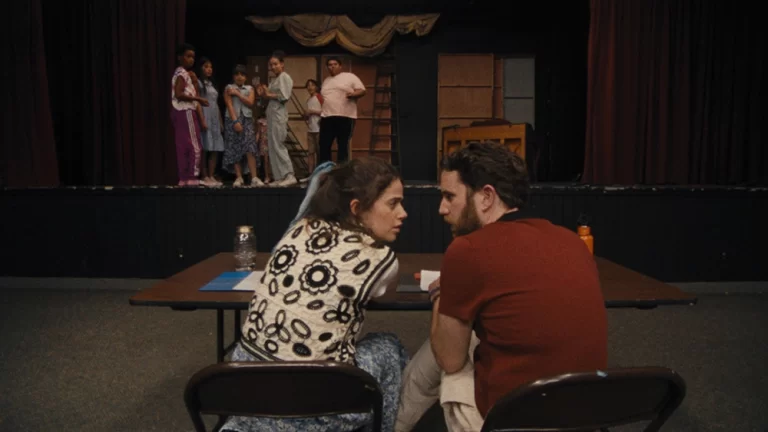
On this episode, JD is joined by David Rosen of the Piecing It Together Podcast to review the wonderful mockumentary Theater Camp!

Review: Theater Camp (3:00)
Director: Molly Gordon, Nick Lieberman
Writers: Noah Galvin, Molly Gordon, Nick Lieberman, Ben Platt
Stars: Noah Galvin, Molly Gordon, Ben Platt, Jimmy Tatro

Subscribe to our Podcasts RSS
Subscribe to our Podcasts on iTunes
Listen on Spotify
Listen on Stitcher
InSession Film Podcast – Theater Camp

Podcast: Remembering William Friedkin – Episode 547

This weekโ€™s episode is brought to you by Koffee Kult. Get 15% OFF with the code: ISF

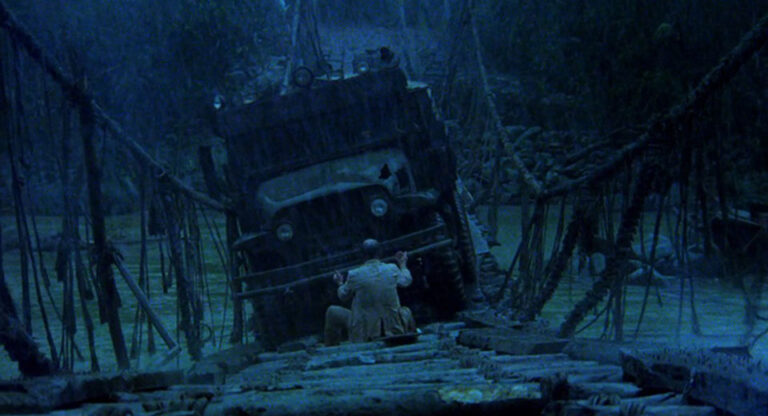
This week on the InSession Film Podcast, we remember the late-great William Friedkin as we discuss his very best films and why he was such a legendary filmmaker! He’s made some iconic movies with The Exorcist and The French Connection, but others such as Sorcerer and To Live and Die in L.A. are equally noteworthy. There’s no denying his impact on Hollywood and we wanted to celebrate the man and his remarkable work.

On that note, check out this week’s show and let us know what you think in the comment section. Thanks for listening and for supporting the InSession Film Podcast!

– William Friedkin Part 1 (5:58)
In the first segment, we begin by talking about Friedkin’s overall impact on Hollywood and get into The Exorcist, The French Connection, Killer Joe and Sorcerer.


RELATED: Listen to Episode 516 of the InSession Film Podcast where we discussed our Top 10 Movies of 2022!


– William Friedkin Part 2 (1:09:25)
For the back half of the show, we finish our Friedkin conversation by reflecting on The Hunted Bug and offering up our top 5 movies within his filmography.

– Music
The Exorcist Theme – Robert Miles
To Live and Die in L.A. – Wang Chung

Subscribe to our Podcasts RSS
Subscribe to our Podcasts on iTunes
Listen on Spotify
Listen on Stitcher
InSession Film Podcast – Episode 547

Next week on the show:

Blue Beetle / New DCU

Help Support The InSession Film Podcast

If you want to help support us, there are several ways you can help us and we’d absolutely appreciate it. Every penny goes directly back into supporting the show and we are truly honored and grateful. Thanks for your support and for listening to the InSession Film Podcast!

VISIT OUR DONATE PAGE HERE

Movie Review: ‘The Last Voyage of the Demeter’ is a Dull Retread


Director: Andrรฉ ร˜vredal
Writers: Bragi Schut Jr & Zak Olkewicz
Stars: Corey Hawkins, Liam Cunningham, Javier Botet

Synopsis: A crew sailing from Carpathia to England find that they are carrying very dangerous cargo.


*This piece was written during the 2023 WGA and SAG-AFTRA strikes. Without the labor of the writers and actors currently on strike, the movie being covered here wouldnโ€™t exist.*

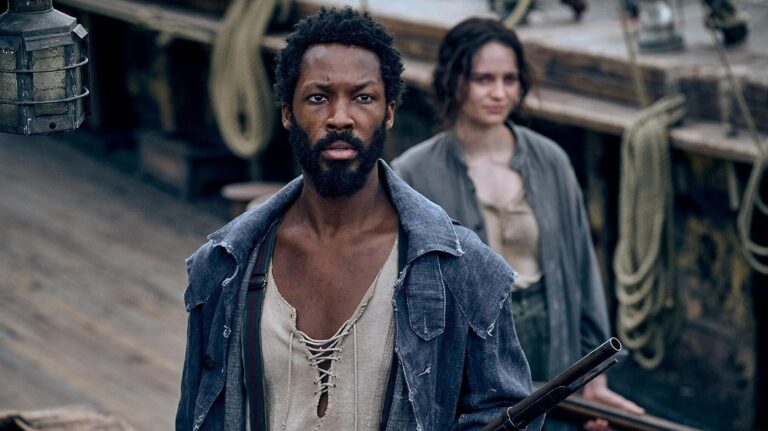
โ€œItโ€™s Dracula on a boat.โ€ โ€œItโ€™s like Alien, but with Dracula.โ€ You donโ€™t need to say anything else. Iโ€™m here. No matter how terrible the title is. I will see that in a heartbeat. What an incredible concept based on The Shipโ€™s Log from Bram Stokerโ€™s Dracula. Why didnโ€™t anyone think of this before? Especially after the maligned Renfield, it certainly sounds like it could reignite interest in Dracula after Universal failed to readapt the tale in 2014 with Dracula Untold. Not only that, but it stars Corey Hawkins as the lead, one of the best up-and-coming actors working today, and the music is composed by Bear McCreary, fresh from his incredible work in The Lord of the Rings: The Rings of Power? Shut up and take my money!

I was ready to watch The Last Voyage of the Demeter. Yes, itโ€™s a bad title. Possibly the worst of the year. But if the film is good, I can easily forgive a flimsy title. And while itโ€™s welcomed in the realm of horror to have a lean and mean premise and a good lead performance from Corey Hawkins, the film itself is one of the dullest horror movies Iโ€™ve seen in a very long time and one of the most disappointing outings from a studio Iโ€™ve seen all year. Itโ€™s even worse when the film starts quite decent, beautifully shot, and immediately hits the audience with the eeriest possible atmosphere as we see the remains of the Demeter before it flashes back to four weeks before this scene. Then it grinds to a halt and never picks up. 

The movie follows the Demeterโ€™s titular last voyage, as the shipmates discover that a cargo theyโ€™ve been carrying has been killing off crew members one by one. First, it killed all of the animals on board. Then it starts picking up some of the B-crew members until the middle section arrives, and one major character has to die for the stakes to be elevated before its climax. All of this has been hampered to death in so many horror movies time and again. Still, I will applaud director Andrรฉ ร˜vredal for doing something that no one else wouldโ€™ve ever done with one of the most shocking midpoint swings Iโ€™ve seen since the death of Maria Hill in Secret Invasion. Of course, thatโ€™s apples and oranges, but it did catch me off guard and, quite frankly, shocked the living hell out of me. 

But thatโ€™s the only exciting scene The Last Voyage of the Demeter offers. Instead of creating an atmosphere of pure dread as they progressively discover that this boat is harboring the blood-sucking Dracula (Javier Botet), the movie would rather craft endless murky sequences filled with jumpscares and gotcha! moments. One character looks at the sea with his monocular, panning slowly until BOO! Dracula appears before him andโ€ฆdisappears as he takes his eye off. Next, he talks to Clemens (Hawkins), lightning strikes, and, of course, Dracula is right behind him. All of it, from how ร˜vredal frames these sequences, have been plucked straight out of other horror films, and thereโ€™s no eye for the original or the exciting here. 

It would rather play it safe with the โ€œDracula on a boatโ€ concept than elevate it and produce the next horror cult classic. And even the scenes where Dracula kills people are poorly constructed. It doesnโ€™t help that none of the night sequences (where most of the movie takes place) are poorly lit and have barely any energy to sustain most of the runtime. Itโ€™s either poorly lit and haphazardly shot, or with lighting hitting the frames in a strobe-light effect, audiences become overwhelmed by its power. Botetโ€™s practical performance of Dracula, which is genuinely terrifying, gets hampered by what looks like unfinished CGI. 

It doesn’t look scary or finished when Dracula flies for the first time. The CGI completely bogs down Botetโ€™s portrayal of the character. It must have been fun playing an on-screen iteration of the character we hadnโ€™t seen since F.W. Murnauโ€™s Nosferatu (until Robert Eggers releases his version of Murnauโ€™s film next year). Yet, his performance canโ€™t be seen amidst the sea of computer-generated effects he is masked with. Botet has brought to life some of the scariest creatures in modern-day horror cinema. Yet, his talents are completely wasted here, especially in its final act, in which Dracula arrives at the full extent of his on-screen powers without much excitement generated from its aesthetics and acting. We can always count on Bear McCreary to accompany the film with a wonderful score, but most of the acting here is surprisingly forgettable. 

Hawkins is the best part of the movie as its moral center, always trying to justify whatโ€™s going on with reason and scientific rigor. Still, everyone else is a distinct clichรฉ: Liam Cunningham as the washed-up captain who refuses to believe a supernatural entity is here, Aisling Franciosi has a personal vendetta against Dracula and is the only one who knows how to defeat it, and David Dastmalchian teeters the line between rationality and irrationality. And then youโ€™ve got the kid, played here by Cobwebโ€™s Woody Norman (his horror streak is not very good!). Of course, the kid will get into serious trouble, and Hawkinsโ€™ character will act as its father figure, protecting him at all costs when his grandfather (the captain) canโ€™t. All of these character arcs, even Hawkins, donโ€™t add anything new to the table and bloat what couldโ€™ve otherwise been a lean 85-90-minute affair to two hours, spending way too much time building storylines with very little payoff near the end, instead of hammering its gothic aesthetic with modern-day gore sensibilities, which is what an โ€œAlien but Draculaโ€ movie shouldโ€™ve been in the first place. 

As a result, The Last Voyage of the Demeter fails to deliver on its core premise. Yes, Dracula is on a boatโ€ฆbut did it have to be this boring? After the incredible success of RackaRackaโ€™s Talk To Me, Hollywood studios need to realize that most moviegoers are turning down mainstream horror and are instead supporting auteur-driven (and independent) horror films that will not only scare the living hell out of you but consistently take risks in its plot structure and aesthetics. The Last Voyage of the Demeter is not only extremely dull to look at, but its story re-treads so many beats that have already been done far too many times in studio-driven horror. Itโ€™s time for the genre to reinvent itself before it grows even more stale than current studio offerings. 

Grade: D

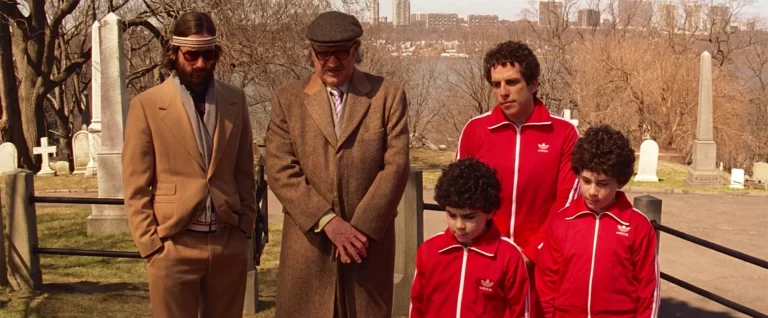
Op-Ed: Andersonian Grief: Denial

CHAS

He also stole bonds out of my safety deposit box when I was fourteen

[Royal looks at Chas, then back at the judge. He chuckles uncomfortably]

There’s a collective denial we all face as humans. We bear certain unbearable truths of the world only in the back of our minds in order to not collapse in a permanent puddle of despair. Our human grief is in constant denial with itself. It’s how we survive and it’s how many of Wes Anderson’s films are set up. There are near perfect worlds built to deny certain outside influences. They’re artificial constructs for the people and anthropomorphized characters to pretend that their version of society is the only one. In small ways, the facades are dropped, as when Max Fischer (Jason Schwartzman, Rushmore) is kicked out of Rushmore and sent to public school and when fascist factions invade the bucolic Grand Budapest Hotel. Yet, even then, the characters build back up their fantasy walls within these new systems. Their denial then builds on top of their underlying drive. With Max Fischer his denial hides his intense anger, with Royal Tenenbaum (Gene Hackman, The Royal Tenenbaums) and Foxy Fox (George Clooney, Fantastic Mr. Fox), their denials bely perverse and selfish bargaining, and for Francis Whitman (Owen Wilson, The Darjeeling Limited), his denial underplays his deep depression. It’s only us as the voyeur who, denying the outside world for 90 minutes, can, from our perspective, see the false front these characters are putting up.

One of Wes Anderson’s early and most charismatic collaborators, Owen Wilson has taken on the burden of this character trait in several films. He plays the above-mentioned Francis Whitman, eldest brother of the Whitman clan attempting to repair his fractured family. He pops in splendidly as envious, addict writer,  Eli Cash (The Royal Tenenbaums). He plays an ocean enthusiast and potential son of Steve Zissou (Bill Murray), Ned Plimpton (The Life Aquatic with Steve Zissou). Lately he’s shown up as a writer about town Herbsaint Sazerac (The French Dispatch). Yet, there’s no more indelible and emblematic character of denial than Dignan (Bottle Rocket).

Dignan makes plans. He has tremendously big dreams for himself and his best friend Anthony (Luke Wilson). Most of the plans involve the two of them becoming career criminals, constantly on the run with only each other to rely on. It’s obvious how much Dignan has missed Anthony while he’s been voluntarily institutionalized. It also becomes obvious that Anthony is only humoring Dignan, a fact Dignan does everything in his power to ignore. Dignan doesn’t want to admit he’s in mourning for the loss of the one person who never tried to be a force against him.

It’s obvious that Dignan isn’t for everyone. He’s got a short fuse, a lot of energy, and he has a need to be in charge of the situation. Anthony accepts him for who he is, he believes in Dignan’s lack of cynicism, and his drive to accomplish something. Yet, for all of that, Anthony has changed. He’s gotten a new perspective on himself and it’s forcing Dignan to confront aspects of his personality he’s simply not ready to confront. Dignan longs for the relationship he had with Anthony before Anthony went away. He longs for it so much that he denies that any time has lapsed. He shoves himself, dragging Anthony along with him, into his grand scheme, which culminates in the finalization of his 75 year plan. Until the big heist falls apart around them, Dignan believes wholly in his resolve that this is the only way to keep Anthony by his side, he is fully committed to his state of denial.

On the opposite end of Dignan is Lucinda Krementz (Frances McDormand, The French Dispatch). She is in denial of her denial. An argument could be made that she’s depressed. Most writers are. Yet, Krementz’ grief comes not from a loss of self or a loss of a loved one, but the loss of independence. People in her life seem to think she lacks. They think that her pursuit of truth and exploration of the human condition means she has a void to fill. It’s plain that when necessary and wanted, Krementz will find a way to fill her void as per her dalliance with young revolutionary Zeffirelli (Timothรฉe Chalamet). What she’s in denial of is that she does need to be seen and seen as a person.

Krementz is perfectly comfortable telling the truth. She tells Zefirelli she never lies. Though, in telling the truth she puts up barriers, pushing people away because they’re uninterested in her perspective. In one of Anderson’s many beautiful scenes of characters looking deeply into mirrors, Krementz dabs at the run of mascara beneath her eye. She played the tear off as a symptom of the tear gas seeping in through the window. She denies her friends the opportunity to pity her. Krementz doesn’t want them to know she has needs outside of her work because that would admit that she has something outside of her work. 

It’s evidenced again as she noticeably cringes Juliette and Zefirelli’s heated argument about her. Against her better judgment and because she can’t admit she just wants Zefirelli to want her, she sends the two of them off to break the palpable tension between them. In so doing she denies herself a companion who satisfied her intellectual itch. It’s fitting that the final scene of her story is in her minimalist office, her typing, editor Arthur Howitzer, Jr. (Bill Murray) comes in for her copy, and rather than say anything, she points. She has pushed up her walls again in grief over loss because if she denies the sympathy of Howitzer, Zefirelli will be immortalized by her words. Zefirelli, not a grand love, but a companion and thrilling subject can still exist as she continues to write.

If Krementz seethes in quiet denial, Monsieur Gustave H. (Ralph Fiennes, The Grand Budapest Hotel) basks in the pompous brightness of his denial. He is grieving for a world that he has only ever been a tourist to. Like men with his modicum of power over other people, but still in a lowly and servile role, Gustave believes he holds a high place in society, that he’s respected by those with wealth and influence. They certainly need him in the moment, but if it weren’t him, they would have someone else. He is replaceable with little loss to the quality of life. It’s represented by the fascist Zig Zags placing the hilariously named Monsieur Chuck (Owen Wilson) effectively and efficiently in the role. The world is moving on from men like Gustave.

It’s when Gustave finally reaches the station he’s always dreamed of that his denial becomes absolute and leads to his downfall. If he could have learned from his experience, if he could have looked forward, left it all behind, he could have survived. He wants to live the life he’s only watched, though. He wants to be able to throw his weight around. It quite literally hits him in the face. His insistence on this world, this microcosm, of cultured elite blinds him to every truth in front of his face. He’s astute about many things, aware of many others, but this massive cataract of denial about the larger world is his fatal flaw.

Those Andersonian figures that live in denial are sometimes his happiest characters. In the case of Krementz, content is a more applicable word. They have raised their walls, put their blinders on, and speed ever more toward their own goals and aspirations. In some ways they’ll never reach the other stages of grief. In others, they live them all simultaneously, shifting the other pieces of their psyche to the back of their minds in order to see the world as it makes sense to them. Denial is a fable, it’s a world where things will always be put into place. There is a symmetry to it all. All of Anderson’s films fit well as fables as they’re all heightened versions of our reality, letting us ignore the imperfections of the world outside for a glimpse at something that’s so beautifully constructed as all his characters wish their lives could really be.

Movie Review (Locarno 2023): ‘Anatomy of a Fall’ Toys with Legal Tropes


Director: Justine Triet
Writers: Arthur Harari and Justine Triet
Stars: Sandra Hรผller, Swann Arlaud, Milo Machado Graner

Synopsis: A woman is suspected of her husband’s murder, and their blind son faces a moral dilemma as the sole witness.


With her fourth feature film, the Palme dโ€™Or-winning Anatomy of a Fall (Anatomie d’une chute), French filmmaker Justine Triet delivers an intelligent and engrossing courtroom drama that uses the tropes contained within these types of films to dissect the fragility in our bonds and the effects (and vulnerability) of manipulation. And it is all hoisted on the back of Trietโ€™s piercing, yet delicate, pen and Sandra Hรผllerโ€™s remarkable performance.

Throughout the last couple of years in her young (and blooming) career, French Filmmaker Justine Triet has made a name for herself, with each feature showing a new array of skills and delicate playfulness in her directorial approach. She has presented to us a breezy romcom with In Bed With Victoria โ€“ her most straightforward work) โ€“ as well as Sibyl, an understated dramedy that contains erotic-thriller trappings via a love triangle, both of which coincidentally stars the international โ€œit girlโ€ Virginie Efira. If you look at her filmography, you quickly see the changes she has made to her craft, each time taking more risks. However, none of us were prepared to see her most significant transformation to date with her fourth picture, Anatomy of a Fall โ€“ a courtroom drama lifted by its smart screenplay and even savvier lead performance.

The international title of this film refers back to one of the most recognized courtroom dramas in the history of cinema, Anatomy of a Murder, as well as the aftermath of the central narrative kickstarter of a deadly fall. But its references toward the aforementioned film end there; it adjusts the tropes that come with these types of films to deliver a dissection of not only the death that leads to the trial but also how fragility and manipulation get a hold over a person in this situation, in which loss blinds and people try to mend the truth for their convenience. This leads to Triet delivering her best (by a mile wide) and most emotionally gripping work. Of course, courtroom dramas are often forged to be gripping. But Triet doesnโ€™t construct Anatomy of a Fall in the manner we anticipate, without the crowd-pleasing moments and the back-and-forth of people who want to reveal the most secrets. 

She does so with a sense of delicateness in her pen and humanism in her lens; itโ€™s carefully thought out and more controlled than most recent examples of these movies. Anatomy of a Fall opens with an interview between a writer, Sandra (Hรผller),  and a student (Camille Rutherford) asking questions for her thesis. This interaction, set in Sandraโ€™s remote Alpine home in the โ€œmiddle of nowhereโ€ (which is also being fixed as an Airbnb) has plenty of flirtatious undertones. And Sandra doesnโ€™t mind, even with the double-entendres. She likes the lighthearted attention the pupil is giving her, hence her overzealous question: โ€œWhat Do You Want to Know?โ€. Sandra is flattered by it all. What this inconsequential and short scene does is provide a quick glimpse into who Sandra is and how Hรผller plays her with such believable raw emotions. This can also be accredited to Triet’s talent as a screenwriter. 

One of her many gifts is revealing her characters’ personalities in an unhurried and airy fashion so that we can be drawn to them. This was present in Trietโ€™s previous features, as well. Still, her latest work is even better executed, more evident, and precise, making every story beat โ€“ and dialogue sequence that comes in between โ€“ get the most out of the human characteristics. Sandra lives with her husband Samuel (Samuel Theis) and their son Daniel (Milo Machado Graneral), whoโ€™s almost completely blind because of an accident at his fatherโ€™s company. Sandra and Samuelโ€™s dynamic is quite tricky; while the former is prosperous in her writing, the latter is a struggling (and depressed) teacher who blames his wife for botching his own writing success. Sheโ€™s entirely put off by her husbandโ€™s self-loathing, the two often fighting about the shameless emotional antics that Samuel goes through. Thereโ€™s also a bit of resentment coming from Samuel, as he states that Sandra has plagiarized some of his ideas for her own books.

Of course, thereโ€™s an understanding between the two regarding emotional stability. But Sandra is still bothered by his doubts. After this series of introductory events that gives us our first look at this familyโ€™s dynamics, Samuelโ€™s dead body is discovered in the snow with a pile of blood beneath his head. And nobody knows what exactly happened, whether he was pushed or jumped from the roof onto his untimely death. This is where the filmโ€™s interview-like procedure begins. Over the next two-and-a-half hours, Justine Triet pulls us into the schematics of a trial. She doesnโ€™t put the entirety of her focus on the facts in the case itself. Instead, Triet wants to pick apart the main suspect, Sandra, and demonstrate what lies beneath her fractured relationship with her now-passed husband and the possibilities of what could have happened to him. 

You fill in the many gaps in Sandra and her relationship with her son and husband. The lawyerโ€™s questioning explores the good and bad terms of their respective relationships. A question leads to an answer told in the form of a flashback or a recent memory of hers thatโ€™s being fiddled with because of the conservatory manipulation. Thatโ€™s why when Triet withholds information, it isnโ€™t just for the sake of being ambiguous; she holds on to it so that later on, those crucial details garner a more piercing impact on the viewer, often making you think about the characters’ moralities and whatโ€™s going through their head as it unravels. One thing that stands out from this specific courtroom drama is that you are so engaged in the dynamics between these characters, particularly the development (and deterioration) of Sandra and Samuelโ€™s marriage, that one doesnโ€™t really care about whether or not she is guilty โ€“ the regret and shame come from what happened in the past rather than the trial itself. 

The brilliance behind this time-meddling structure between the past (glimpses of her marriage) and present (the trial) delivers a heavy exposure to the effects of manipulation, primarily to an unknowledgeable court โ€“ whoโ€™s being influenced by newly shaped words that create new (and false) truths. All of this may seem like it is quite simplistic surface-wise โ€“ on paper, feeling like one of the many. However, as the trial goes on, Triet pulls out a fascinating array of web-like deconstructions of family and interpersonal dynamics. It doesnโ€™t contain itself within the confines of what we know of courtroom dramas; Triet chooses to expand her vision by crossing genres โ€“ intertwining heartbreak and comedy occasionally โ€“ and emotions, in addition to the surprises that arise as Anatomy of a Fall runs its course, albeit not in the sense of traditional dramatic reversals commonly seen in these types of pictures. 

Apart from Justine Trietโ€™s ever-evolving talents as a filmmaker, the film equally relies on Sandra Hรผller and her reserved, direct, yet calm performance. The movie grows alongside her acting abilities, consistently presenting a solid force of dramatic sustainability. Her work here doesnโ€™t serve as an anchor that holds the film steady. But it is pretty difficult seeing how Anatomy of a Fall would have worked with another actor, as the role demands plenty. And Hรผller makes the best of it without the regular over-emotional and way too whipsmart antics, relying on a more grounded tenor for her portrayal. When you see Trietโ€™s past work, you could have never guessed she had this in her, developing a more mature directorial vision for her genre-crossing pen. Indeed, we will have to wait and see if she continues on this path of directing methodical pictures that play with the tropes of a fairly-used subgenre in narrative cinema.

Grade: B+

Movie Review: ‘Shortcomings’ is a Flawed and Understated Step in the Right Direction


Director: Randall Park
Writer: Adrian Tomine
Stars: Justin H. Min, Sherry Cola, Ally Maki

Synopsis: Follows a trio of young, Bay Area urbanites–Ben Tanaka, Miko Hayashi and Alice Kim–as they navigate a range of interpersonal relationships while traversing the country in search of the ideal connection.


With heavy hitters such as Barbie and Oppenheimer dominating the box office this summer, independent film releases worthy of attention can go unnoticed. Thatโ€™s where the must-see rom-com Shortcomings comes into the mix, and though itโ€™s not the most gripping film of the year, it’s undoubtedly one of the most authentic.

Based on the 2007 graphic novel of the same name by Adrian Tomine and with a directorial debut from Randall Park, Shortcomings explores love, identity, and growth. At the film’s beginning, we are introduced to Ben (Justin H. Min), an outspoken, self-centered film-loving jerk who manages a local movie theater and spends his free time watching Criterion Collection classics.

In fact, when it comes to his adoration for film, heโ€™s a bit of a snob. After he and his long-term girlfriend, Miko (Ally Maki), attend a film festival, the pair have opposing views on the Crazy Rich Asians parody film that premiers at the event. As the couple is Asian American, Mika feels liberated by the on-screen representation and believes itโ€™s a step in the right direction for future Asian American filmmakers.

On the other hand, Ben argues that the rom-com is uninspiring and generic, proclaiming that he would feel more represented if future filmmakers created something unique. The couple also seems to disagree a lot regarding their views, not to mention Benโ€™s attraction to white women and his desire to pursue a romantic connection with one whenever the opportunity arises.

Thereโ€™s no getting away from the fact that Ben isnโ€™t a very likable guy. Heโ€™s selfish, hypocritical, and insulting. Still, his comedic one-liners, ignorance, and lack of self-awareness provide copious amounts of entertainment, especially regarding his awkward dating experiences. Min transitions through Benโ€™s undesirable character traits flawlessly, and effortlessly flips the script, and executes humor and charisma when the moments call for it, reflecting his range as an actor.

Ben is at his most animated when spending time with his lesbian best friend Alice (Sherry Cola), who challenges his ideals and isnโ€™t afraid to give him a piece of her mind. The dynamic works as the pair are outspoken, brutally honest with one another, and have an unspoken understanding. Alice represents that one friend we all need in life. We might feel a bit put out when they disagree with our life choices; but at the same time, they provide logical and valid advice that we need to hear.

Cola is having quite the year since starring in the risquรฉ comedy Joy Ride, and her performance in Shortcomings doesnโ€™t disappoint. Her moments on-screen are as charming as they are endearing, and I look forward to her future work. She and Min do a fantastic job of depicting two close friends with a genuine connection, and their back-and-forth banter gives audiences some of the feature’s most authentic moments. Ben is by no means pleasant, but we see glimpses of his softer side when he temporarily adopts the fictional title of Aliceโ€™s boyfriend, as sheโ€™s yet to disclose her sexual orientation to her family and fears how they will react to the news.

Mikoโ€™s relationship with Ben is relatable and something we are all likely to have experienced at some point in our lives. She delays an inevitable breakup, hoping the pair can overcome their challenges, as she hopes for change, yet it never arrives. On the other hand, Ben likes having his cake and eating it too. He stays in the relationship while being open to other romantic partners he views as preferable.

Min and Maki perfectly portray a relationship past its sell-by date that both parties hold onto due to comfort and fear of change, and their scenes alongside one another adequately capture the complexities of love. It would have been nice to see more of Makiโ€™s personality throughout the film, as most of her scenes are disputes with Ben. Still, given that heโ€™s the main character study of the story, most of which centers around their breakup, itโ€™s understandable why she may have taken a back seat.

What I really admire about Shortcomings is its realness and simplistic โ€œlife happensโ€ approach to storytelling. Though the film has little emotional depth and veers on the more lighthearted side, it addresses challenges people face in their everyday lives and plays out as a coming-of-age story for adults that you want to stick around until the end for.

The characters are flawed, but their journeys are a learning curve and help them become better people. Ben may not have the most groundbreaking conclusion, but, by the end, his experiences encourage him to look within and embrace growth. The story’s moral is that the grass isnโ€™t always greener, and you should appreciate what you have because sometimes, once itโ€™s gone, you can never get it back again.

Grade: C+

Chasing the Gold: Barbenheimer

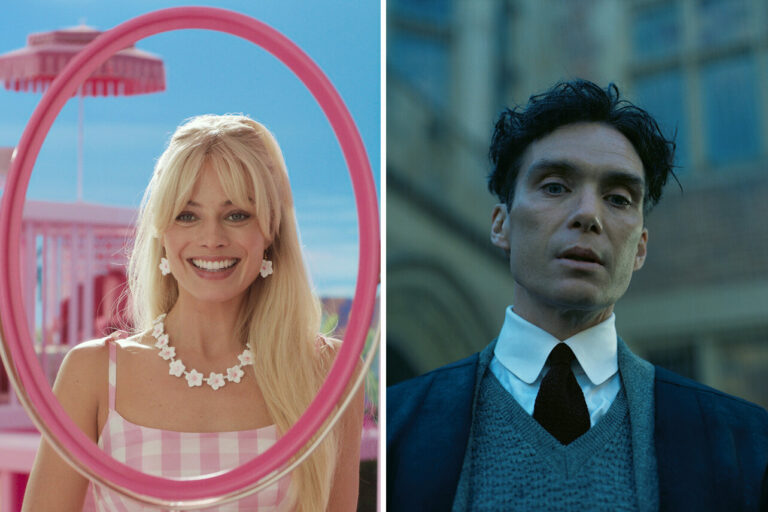
Two of the yearโ€™s biggest hits, Barbie and Oppenheimer, were finally released on July 21, and both films have received significant Oscar buzz in the days since. They are likely to do well at next yearโ€™s Academy Awards ceremony, including in the top eight categories. Barbie has a good shot at getting into Best Adapted Screenplay for Greta Gerwig and Noah Baumbach, along with Best Picture. Oppenheimer will probably perform even better, with nominations predicted for Best Adapted Screenplay and Best Director for Christopher Nolan as well as Best Picture.

But what about the acting categories? Does anyone in the Barbie cast have a chance at hearing their names called on Oscar nominations morning? And despite Heath Ledger being the onlyย actor in a Christopher Nolan movie to ever manage an Oscar nomination (and win) for The Dark Knight, might some of the talent from Oppenheimer receive acting Oscar nods? Here are the five actors from the two movies who can do itโ€ฆ

1. Robert Downey Jr., Best Supporting Actor for Oppenheimer

The most surefire contender from the two films is Robert Downey, Jr., who gives one of the best performances of his career as Lewis Strauss, the government official who did not see eye-to-eye with Robert Oppenheimer. His character goes through a fascinating arc, cool and confident in his earlier scenes, and losing his patience to dramatic effect in the third act. A moment near the end when his character goes berserk in an angry rant is particularly memorable. The character allowed Downey Jr. to flex his acting chops in a way he hasnโ€™t done in years, and with two Oscar nominations behind himโ€”for Chaplin in 1993 and Tropic Thunder in 2009โ€”look for Downey, Jr. to enter the Best Supporting Actor Oscar race as the presumed frontrunner in early 2024. 

2. Ryan Gosling, Best Supporting Actor for Barbieย 

It is extremely difficult to make it into the acting categories at the Academy Awards for a comedic performance, but Goslingโ€™s hilarious, high-spirited turn as Ken in Greta Gerwigโ€™s film is too much of a delight to pass up. If his character was only allowed to act silly and idiotic, he wouldnโ€™t necessarily be a contender, but Gerwig takes Ken into unexpected directions, including giving him a long segment of the movie to sing his heart out and build more complexity into the character. Gosling already having two Oscar nominations behind him doesnโ€™t hurt eitherโ€”for Half Nelson in 2007 and La La Land in 2017. With Barbieโ€™s massive popularity, the Academy is going to want to reward at least one of the cast members with a nomination, and the same way Melissa McCarthy was deemed worthy of an Oscar nod for Bridesmaids in 2012, Gosling will make the final cut next year for Best Supporting Actor.  

3. Cillian Murphy, Best Actor for Oppenheimer

Murphy not making it in for his impressive lead performance in Oppenheimer would be one of the craziest snubs in recent years. Nolanโ€™s epic rests on his shoulders, Murphy in almost every scene of the three-hour running time. He has never been nominated before, which could put doubt in peopleโ€™s minds, but heโ€™s never had a juicy role like Robert Oppenheimer to sink his teeth into and show what heโ€™s made of as an actor. Itโ€™s not a colorful performance the way Ken is in Barbie, and Murphy isnโ€™t given a ton of showy moments the way Robert Downey, Jr. is in Oppenheimerโ€™s third act. However, Murphy is essentially the entire movie, and given Oppenheimerโ€™s behemoth box office and massive critical acclaim, you can bet on a Best Actor nod for Cillian Murphy. 

4. Margot Robbie, Best Actress for Barbie

If Greta Gerwigโ€™s warmly embraced film can get into Best Supporting Actor, Best Adapted Screenplay, and Best Picture, is it possible the star of the film gets left off the Best Actress list? Unlike Cillian Murphy, who is almost guaranteed a Best Actor nod for Oppenheimer, Robbieโ€™s best shot at getting into Best Actress for Barbie comes down to how competitive the category will be next year. Itโ€™s difficult for comedic performances to get into the supporting acting categories, and itโ€™s nearly impossible for them to make it into Lead Actor or Lead Actress. Her character goes to some moving and dramatic places in the second half, which should help Robbieโ€™s chances, as will her two previous Oscar nominations for I, Tonya in 2018 and Bombshell in 2020. Whatever happens, Robbie is likely to get at least one Academy Award nod for Barbieโ€”even if she doesnโ€™t make it into Best Actress, a producing nod is likely for Best Picture.  

5. Emily Blunt, Best Supporting Actress for Oppenheimer

The immensely talented Emily Blunt has done great work in films like The Devil Wears Prada, Sicario, and A Quiet Place, and yet she still has never received an Oscar nomination. Will 2024 finally be the year Blunt receives some much overdue recognition from the Academy? Although she doesnโ€™t have a big role in Oppenheimer as Robertโ€™s wife Kitty, many of her scenes in the filmโ€™s first half being brief and with little dramatic power, sheโ€™s given a few excellent moments in the second half. Her back-and-forth with Murphy show frustration and longing, and her riveting interrogation room scene near the filmโ€™s conclusion might be enough for Blunt to find herself with her first Academy Award nomination.

The only other person I could see being a potential spoiler in the acting Oscar categories is America Ferrera in Barbie for Best Supporting Actress. Her one beautifully delivered monologue she delivers about the frustrations of being a woman could be her ticket to a surprise Oscar nomination if the category isnโ€™t super competitive. Overall, look for both Barbie and Oppenheimer to show up on Oscar nominations morning in the acting categories. The race in Best Supporting Actor between Robert Downey Jr. and Ryan Gosling is especially going to be a fun one!

Women InSession: Critic Spotlight – Zita Short

This week on Women InSession, we continue our critic spotlight series as we get to know Zita Short further and talk about her passions and journey as a film critic! She’s been a wonderful contributor over the years, and now as co-host of the podcast, and we had a great time getting to know her a little bit further.

Panel: Kristin Battestella, Zita Short, Amy Thomasson

On that note, check out this week’s show and let us know what you think in the comment section. Thanks for listening and for supporting the InSession Film Podcast!

Subscribe to our Podcasts RSS
Subscribe to our Podcasts on iTunes
Listen on Spotify
Listen on Stitcher
Women InSession – Episode 49

To hear this Extra Film episode and everything else we do, download our apps on the Amazon Market for Android and the Podcast Source app on IOS devices. The mobile app covers all of our main shows, bonus podcasts and everything else relating to the InSession Film Podcast. Thanks for your wonderful support and for listening to our show. It means the world to us.

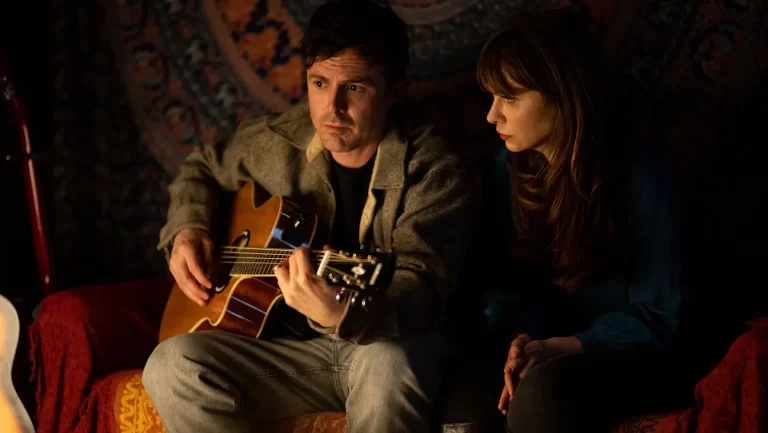
Movie Review: ‘Dreamin’ Wild’ Thrives In Its Sincerity


Director: Bill Pohlad
Writers: Bill Pohlad
Stars: Casey Affleck, Walton Goggins, Zooey Deschanel, Beau Bridges, Noah Jupe

Synopsis: Musical duo Donnie and Joe Emerson spend everything they have to produce a record in the 1970s.


Sincerity.

Sincerity can often be the biggest strength of a film, and in some cases it’s what saves a movie from any over indulgences. Whether it be melodrama, sentimentality, thematic structure, or performances; genuine sincerity will almost always overcome any potential pitfalls the film has. And that certainly is the case for Bill Pohlad (Love & Mercy)’s latest film, Dreamin’ Wild, starring Cassey Affleck and Walton Goggins.

Dreamin’ Wild is based upon the true story of the Emerson brothers, Donnie (Affleck) and Joe (Goggins), who produced an album in their teens. Upon its initial release in the late 1970s, it came and went without any critical or financial success. It was also the beginning and the end of their musical careers in many respects. Donnie continued to pursue music before realizing it wasn’t going to be as fruitful as he hoped. Three decades after recording their album “Dreamin’ Wild” as teenagers, they are contacted by a record producer who wants to re-release the album and truly market the soundtrack properly. Donnie and Joe didn’t know it, but their album has somehow become popular with the advent of the internet.

For most people, it would seem as if this is the opportunity of a lifetime. It’s a Hollywood story that doesn’t seem real. You make an unsuccessful album in your youth only for it to be revitalized as a big hit in your 40’s? That only happens in the movies, right? That’s pretty much how Donnie reacts to the news. He’s in disbelief. He’s dreamed of this happening his entire life, but never thought it was possible. Yet, as the film unfolds, we start to see that Donnie’s reaction to all of this isn’t incredulousness, it’s something deeper. Something more somber.

Enter in sincerity. In one of the most crowd-pleasing characters of the year, we learn that Donnie’s father – Don Sr. (Beau Bridges) – is a major catalyst behind his musical prowess. When he realized that Donnie was gifted as a kid, he went out of his way to gift him guitars and pianos. He built them a studio on their farm to hone their skills and make music. He guided his boys with wisdom. He loved them at all costs. Don Sr. is the kind of film character that is often saccharine, but Bridges brings a warmth to the character that avoids that pitfall. When we learn of his sacrifices, and how that affected Donnie, it could have felt emotionally manipulative. And in the hands of a lesser filmmaker, it would have. But Pohlad and Bridges, alongside Affleck and Goggins, offer a rich honesty that not only gives the film integrity, but that emotion is felt with earnest relatability.

In one way or another, everyone has experience with grappling with disappointment as it relates to their parents. We understand Donnie’s deep-rooted guilt. Especially when we come to realize the cost of Donnie pursuing his dreams. It was heavy. So, this opportunity to save his musical career isn’t just about him, it’s about his family. His father. His brother. Affleck is perhaps best known for his saddening retrospective style of acting, which makes his casting impeccable. The way he portrays guilt and shame here is quite sublime. Equal to the task is Goggins, who is aware that he’s not the musical genius of the family, but rather someone who just wants to spend time with his brother. The way he conveys love and respect, despite being chewed out a few times, is remarkable. He’s truly the unsung hero of this cast.

Pohlad doesn’t quite reach the same heights as Love & Mercy, but his direction and storytelling with Dreamin’ Wild is still impressive. Structurally speaking, the film echoes what we see in Love & Mercy between one’s past and present, with Noah Jupe playing young Donnie. There are moments in which those editing lines are apparent, and slightly manufactured as we come to find out what’s driving Donnie’s guilt. However, did I mention the sincerity of this film? All kidding aside, those sequences could been seen as cloying, but they aren’t. And it’s not just the performances, it’s Pohlad’s direction and how much he clearly cares about this story.

Dreamin’ Wild may not be winning any Oscars, but it’s one of those movies that often qualify as “Best Surprises” of the year. There’s so much joy to be had here with its ideas on family, sacrifice and love. Even if it is sappy (and I don’t think it is), I ate it up. These performances are very good. The music is captivating. It’s a film worth your time.

Grade: B

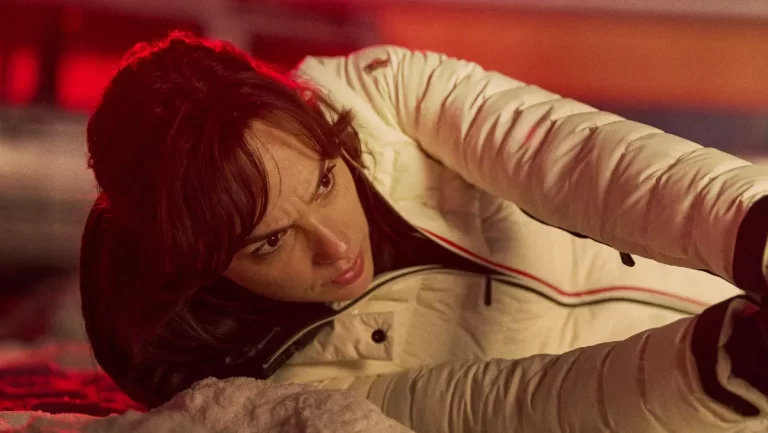
Movie Review: ‘Heart of Stone’ Weakens After Its Reveal


Director: Tom Harper
Writers: Greg Rucka and Allison Schroeder
Stars: Gal Gadot, Jamie Dornan, Paul Ready

Synopsis: An intelligence operative for a shadowy global peacekeeping agency races to stop a hacker from stealing its most valuable and dangerous weapon.


Of all the streaming services, Netflix has undoubtedly tried the most to create new action franchises. Extraction seems to be the saga with more financial and commercial success, but it’s too short for an entertainment network capable of convincing the biggest talents in the industry to work on the small screen. Heart of Stone is the latest attempt, with Gal Gadot serving as “bait” for the home audience, although the most significant personal interest falls on Greg Rucka – creator of numerous comics for Marvel and DC Comics, as well as The Old Guard, also adapted by himself for Netflix.

With Tom Harper (The Aeronauts) as director and Allison Schroeder (Christopher Robin) helping with the screenplay, the truth is that Heart of Stone manages to surprise viewers with a fast-paced, captivating first half, packed with efficient narrative twists, and in-location action with pretty convincing stunts. As impartial as I can be, I found the Lisbon set piece genuinely impressive not only due to the long, adrenaline-charged chase but also to Mark Eckersley’s (All the Old Knives) editing, which, for those who know the city, creates a pleasantly logical, easy-to-follow path, in addition to showing some essential tourist points of the Portuguese capital.

Even leaving this more personal element aside, Heart of Stone grabs viewers from the start without treating them disrespectfully. The premise could hardly be more formulaic, following dozens of ideas previously seen in so many other films – including an AI system that allows access to all cameras and uses deterministic calculations to predict the future – but, during the first hour, the time is dedicated to the espionage storyline as well as the relationship between the main special agents.

A revelation at the end of this first half will even raise the eyebrows of more experienced viewers, but after this impactful moment, Heart of Stone strangely begins to lose the energy, general interest, and even technical competence of its action sequences. Unnecessary exposition narrated with equally useless images becomes the main storytelling method. Character and plot developments become exponentially predictable and unimaginative, culminating in an emotionally hollow ending. And finally, the action itself becomes too reliant on noticeable fake backgrounds, inconsistent CGI, and over-the-top stunts.

Heart of Stone also lacks any kind of thematic weight, as well as any character arc not driven by bland personal vendettas. Whenever there’s an ideal moment to deepen some conversation, the movie immediately accelerates to the next location and subsequent action scene. This superficiality is even more disappointing when the cast shares commendable chemistry. Gadot is decent enough as the lead, but Jamie Dornan (Belfast) stands out with the most intriguing role of the bunch.

Unfortunately, Heart of Stone doesn’t justify or induce thought-provoking discussions or complex analysis, but it would be unfair not to mention that it fulfills its primary purpose: simple, straightforward, light entertainment to enjoy at home with family and friends on a weekend without plans. Personally, this type of film usually gets a borderline positive review, but a cultural crime prevents me from doing so. I wholeheartedly appreciate the time dedicated to shooting in Portugal, a country with stunning locations for Hollywood cinema, but mentioning that “eating tapas” is part of its gastronomic culture – in yet another example that contributes to the absurd misconception that Portugal is a province of Spain – demonstrates such highly offensive cultural ignorance that I must not and cannot ignore.

Grade: C+

Movie Review (Locarno 2023): ‘Bitten (La Morsure)’ Gets Lost in Genre Crossings


Director: Romain de Saint-Blanquat
Writers: Romain de Saint-Blanquat
Stars: Fred Blin, Lรฉonie Dahan-Lamort, Lilith Grasmug

Synopsis: A Catholic schoolgirl is convinced tonight is her last night on Earth and decides to attend a costume party with her best friend.


Taking its inspirations from Giallo horror and 2000s teen coming-of-age films, with a look and atmosphere thatโ€™s reminiscent of the sixties, Romain de Saint-Blanquatโ€™s Bitten (La Morsure) delivers some fascinating (and occasionally haunting) visuals that stay with the viewer. But, as it runs its course, the filmโ€™s ideas on youth, death, love, and teenage angst go for a fifty-fifty split between hollow and fascinating for its intriguing concept, ending with a pretty anti-climatic finale that leaves you wanting more. 

Many genre combinations have appeared and disappeared in horror cinema, often inciting means to revisit them years after. Horror and comedy have been interlaced with one another for what seems like forever. The same goes for the coming-of-age story, sci-fi, fantasy, and many other genres and stories. But I donโ€™t think (at least to my recollection) anybody has blended the Giallo horror visual aesthetics with vampirism and added a manic pixie dream girl main character from the 2000s as a cherry on top of the strange dark sundae. All of this sounds like a fascinating, yet messy feature with plenty on its table. And it is, as we see in Romain de Saint-Blanquatโ€™s feature-length directorial debut Bitten (La Morsure), which is making its world premiere at the Locarno Film Festival. While interesting on paper, the movie doesnโ€™t fully crack the potential of its horror-drama-comedy genre combinations. But it does have something going for it via its imagery and flash.ย 

Set in the year 1967 on Ash Wednesday, a day of repentance for all Catholics, a weird, ominous collage of ritual-like images introduces Romain de Saint-Blanquatโ€™s Bitten, as it gets its look from the VHS 80s horror pictures and the grainy feeling of vintage 60s cameras. As a house burns down, a girl with a cross on her forehead looks terrified at a dark figure staring back at her. Her makeup runs down her face as the fire destroys everything in its path. All of a sudden, a young woman named Franรงoise (Lรฉonie Dahan-Lamort) โ€“ a student in a Catholic convent school in the middle of France โ€“ wakes up from her deep slumber; was it a bad dreamโ€ฆ or was it a vision of an upcoming calamity? Sheโ€™s perplexed by her nightmare as it all feels too real. To calm herself down and ease her mind, Franรงoise asks her classmate and best friend Delphine (Lilith Grasmug) to get out of bed. 

You immediately see that the two friends are polar opposites, as usual when it comes to quirky (or with a similar tone) coming-of-age films. While Franรงoise is more erratic and seems like the one who makes the rash decisions in the group, Delphine is more calm and pensive โ€“ in a sense, sheโ€™s more mature and occasionally repentant with her faith. Delphine is her alter ego, but one that doesnโ€™t drag the other one down; they complement each other in various ways. However, thereโ€™s a chance that she might not save her in their next venture together. โ€œClockwise if I am to live, counterclockwise if I am to die.โ€ When playing with a โ€œgiftedโ€ pendulum, Franรงoise is convinced she has one more night to live. And if thatโ€™s the case, she wants to savor her final moments on Earth. So, they go to a hidden house party in the woods to find some boys, ending their curiosity with adolescence and love once and for all. 

Guided by her rash instincts and inquisitiveness for what the world has to offer, given that she doesnโ€™t see much behind the fences that cover the convent schoolโ€™s ground, Franรงoise makes a couple of dangerous decisions during her โ€œdream nightโ€ โ€“ involving herself with a riotous crowd in exchange for cigarettes, a lonesome adult who keeps on following them (a plot point in the story which I donโ€™t understand its meaning or purpose), and drinking until she pukes. She just wants a change from her monotonous life, which sets the path for these misadventures. But what they donโ€™t expect is that something wicked this way comes. This night will be one to remember; the rebellious girl will meet a man with a secret, and her more tame friend is approached by a charming boy. And it was at this point in the film, almost at the thirty-minute mark, the shifting flow of its ideas began, ranging from fascinating to questionable. 

As the story develops, you begin to feel the cinematic inspirations Romain de Saint-Blanquat uses for his debut feature, combining the atmosphere of Giallo horror pictures with the teen coming-of-age trappings of the cult classic Ghost World, although with a more manic pixie dream girl vibe attached to its main character โ€“ and on top of it all having a banging sixties soundtrack. These stylistic choices make a magnetic force that constantly pulls your eyes to the screen. It is almost like an homage to its inspirations. Romain de Saint-Blanquat uses the essence of its sixties obstreperous setting rather than recreating it on-screen so the audience can be more immersed in this sensory experience. When you add the talent of the young performers to this visual mixture, it becomes an even more immersive tale. During the moments when the camera focuses on them, the director blends their facial expressions with nightmarish visions, just like the ones that introduce the film, often creating an illusory array of frames that cause more emotional reactions than the words being spoken.ย 


Although the imagery and cinematography by Martin Roux do create some occasional impacting visuals that stay with the viewer for a fleeting moment, the main problems that Bitten has are the development of its narrative and its anticlimactic conclusion that leaves more questions than answers in a way that doesnโ€™t entice a conversation afterward. The second half of Bitten takes a more talkative approach instead of the horror-esque maneuvers it was previously implementing. This should have paved the way for a broader discussion on the previous topics it tackled, such as love, death, religion, and teenage angst. Yet, it never reaches a point where it moves you the same way as it did with this imagery beforehand. I believe this has to do with adding vampirism into the tale. Not all of the filmโ€™s ideas have a purpose or contain the thematic heft to uplift its convictions. But most of them that arrive in the middle and third act feel hollow. And when you compare it to what was presented during the introductory one, it makes you less intrigued by what the film has to offer as it goes.

Grade: C+

Movie Review: ‘Red, White & Royal Blue’ Slightly Sizzles Despite Poor Writing


Director: Matthew Lopez
Writers: Matthew Lopez and Ted Malawer
Stars: Taylor Zakhar Perez, Nicholas Galitzine, Uma Thurman

Synopsis: When the feud between the son of the American President and Britainโ€™s prince threatens to drive a wedge in the U.S./British relations, the two are forced into a staged truce that sparks something deeper.


The novel Red, White, and Royal Blue, penned by Casey McQuinton in May of 2019, swiftly ascended to the ranks of the New York Times Bestseller list. Its rise was additionally propelled by enthusiastic endorsements from prominent TikTokers with a focus on books, collectively recognized as “BookTok,” which cultivated a dedicated and affectionate fanbase. The book garnered acclaim for its authentic portrayal of a gay romance, featuring a diverse cast of characters and gaining renown for its steamy insinuations.

The subsequent announcement of an Amazon Studios-backed film adaptation heightened the anticipation among the book’s enthusiasts. However, the film’s ability to successfully translate the heart of the story onto the screen relies heavily on each viewer’s personal connection to the source material. While the film manages to capture the essence that resonates with fans of the novel, it falters in its overall execution, which might leave general audiences struggling to establish a connection.

Set in an alternative fictional reality where a woman holds the presidency in the United States, and an equally fictional royal family graces the United Kingdom, the story follows the unexpected romantic journey between first son Alex Claremont-Diaz and His Royal Highness Prince Henry. This secret love affair is shrouded in caution due to potential political implications and the risk of creating foreign policy complications.

The narrative of the book unfolds through a series of exchanged emails that exude a delightfully flirtatious quality, adorned with cheeky lines designed to leave readers grinning. However, this charm that’s evident in the novel doesn’t seamlessly transition to the screenplay. The same lines, while charming on paper, lose their heartwarming and endearing touch when spoken by actors, often resulting in unsettlingly awkward moments.

Unfortunately, the distinct essence that defined the original text seems to have dissipated in its transition from page to screen. The adaptation ends up mirroring a commonplace gay romantic comedy, evoking a vibe reminiscent of content typically found on the Hallmark Channel. The majority of the dialogue lacks originality, being heavily imbued with the anticipated clichรฉs of a typical rom-com. The entire screenplay feels akin to patched-together scenes borrowed from other films of a similar genre, with minimal adjustments to fit the narrative of this particular story.

In addition to its lackluster writing, the entire film grapples with a sense of miscasting, yielding performances that range from mediocre to subpar. Uma Thurman, in the role of President Ellen Claremont, attempts a southern accent that, unfortunately, proves painfully difficult to endure whenever she appears on screen. While the supporting ensemble endeavors to make the most of their roles, their limited experience, coupled with a less-than-adequate director, results in an overall presentation that feels dry and lackluster, reminiscent of a community college theater production.

Lead actor Taylor Zakhar Perez, who portrays first son Alex Claremont, seems to have been cast primarily for his striking looks, aligning closely with the physical description of the character in the novel. Regrettably, his acting was certainly not taken into consideration during the casting decision, as he emerges as the weakest link within the ensemble, despite being the character granted the most screen time. On the other hand, co-star Nicholas Galitzine, who takes on the role of his love interest, Prince Henry, delivers an acceptable performance, offering consistent support to the two main characters throughout the entirety of the film.

Fortunately, Sarah Shahi, portraying the no-nonsense chief of staff Zahara, injects much-needed moments of comedic relief and emerges as a standout in the film, easily constituting its strongest facet.

While the acting may not meet expectations, the chemistry between the two leads undeniably blossoms. Their shared tension is palpable, punctuated by an array of passionate make-out scenes and steamy intimate moments that mirror the essence of the novel. Remarkably, the film features a sex scene between the two lovers, executed with impeccable taste and intimacy. It’s bound to leave viewers feeling the heat and longing for a tall glass of water to quench their thirst, as these two actors undoubtedly stoke the flames.

On the other hand, the film’s true downfall lies in its dearth of coherent direction. It never quite achieves a consistent tone, leaving the impression that the director might have been engaged solely for a quick paycheck, devoid of any genuine connection to the source material or the final outcome. Evidently, there was a lack of dedication to providing the screenplay the essential refinement it warranted, or to aiding the actors in delivering credible performances.

Moreover, the film’s style is insipid and tonally perplexing. Numerous intimate moments that ought to be heart-wrenching instead manifest as awkward, or worse yet, unintentionally comedic. Similarly, scenes that should exude endearing charm and humor ultimately fall flat, rendering them stale in the process.

Beyond my personal emotional connection to the novel, I regret to convey that the film offers little in the way of substantial additions. For those devoted to the book, this adaptation is sure to deliver an enjoyable experience, as it did for me. Nonetheless, releasing this film directly to streaming is a prudent decision, as I am inclined to believe that the optimal viewing experience will be a relaxed one, enjoyed at home with differing degrees of focus and cognitive engagement.

Grade: C+