Animation as an art form has existed since the birth of cinema. The first full-length animated feature (Snow White and the Seven Dwarfs) was released in 1938, less than ten years after the first Oscar ceremony (1929). From 1929 to 2002, Oscar categories were added, removed, renamed, and replaced many times; still, the Oscars never added a Best Animated Feature category. There was even a category named “Best Short Subject, Cartoon” (a category most of Walt Disney’s 22 wins and 59 nominations came from), but nothing that awarded the feature-length animated films themselves.
It’s not as if people weren’t nominating animated movies as numerous song, score, and sound nominations and wins went to animated films, Toy Story came away with an original screenplay nomination, and Beauty and the Beast was one of FIVE films nominated for best picture in 1992. So, I ask again: WHY was there never a category for animated feature films until 2002? It’s a question with very few answers; however, since 2002, this category has been home to some of the most innovative pieces of cinema in history. As I will be covering this category this year for Insession, here are a few of my favorite recent and memorable wins.
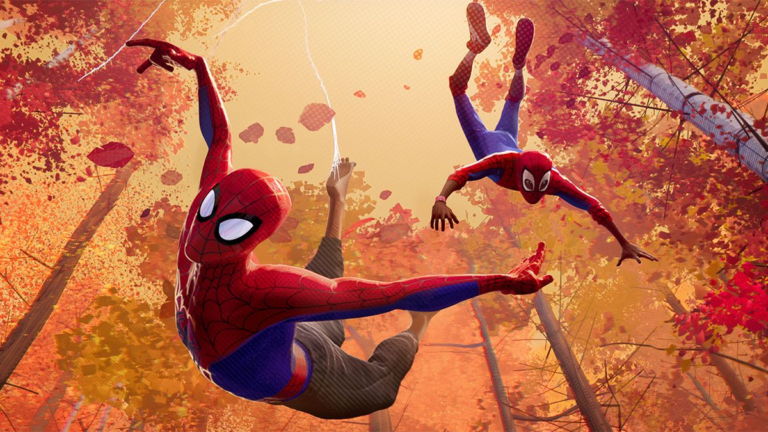
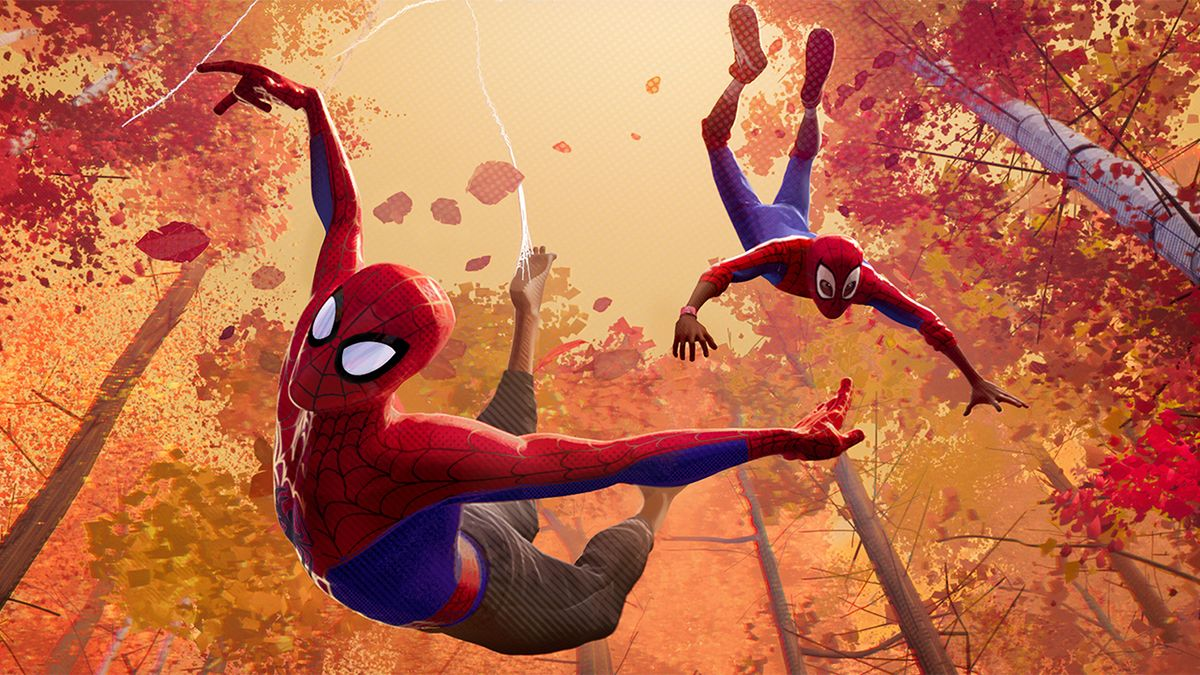
2019: Spider-Man: Into the Spider-Verse
From 2008 with Ratatouille to 2022 with Encanto, Disney/Pixar only lost the best animated feature twice, winning thirteen times over fifteen years. Over the 23 years of the category, Disney/Pixar has won fifteen times and been nominated a staggering 31 times. In 2018, with the release of Incredibles 2, it looked like the family superhero film would waltz through the season and earn Disney/Pixar its seventh animated feature Oscar in a row. That was until a different superhero came in at the last second to steal the glory. Into the Spider-Verse was released in late 2018, around Christmas, and took the world by storm. It is a multi-versal story about yet another Spider-Man character in yet another iteration in, yet again, another origin story that happened to beat the Goliath of this category, and it was never really close. Not only did Into the Spider-Verse bring humor, emotion, and a level of self-awareness rarely seen in superhero movies still, but it also elevated the art of animated storytelling to places the medium has never been before. This win is one of my favorite wins in this category and one of my favorites of all time because it won simply by being the best. From my memory, Sony did not campaign this film hard enough to win based on a campaign (and I think with a real campaign, this film could’ve done way more), yet it simply could not be stopped. Into the Spider-Verse swept the Annie Awards and won BAFTA, PGA, and Golden Globes in the two months between its December 2018 release and its Oscar win in late February 2019. It was a meteoric rise that isn’t seen too often anymore in the age of the lengthy awards season.
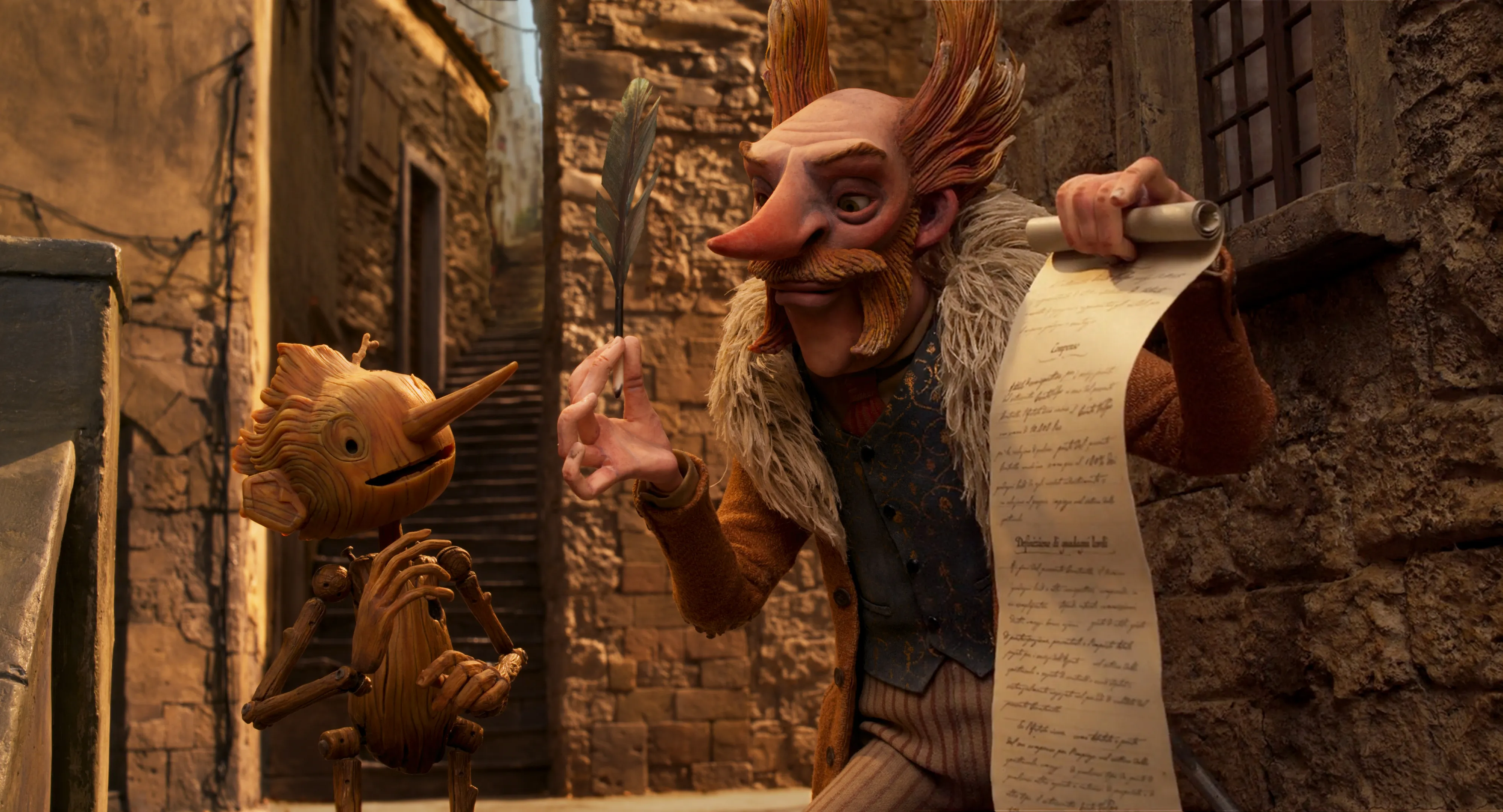
2023: Guillermo del Toro’s Pinocchio
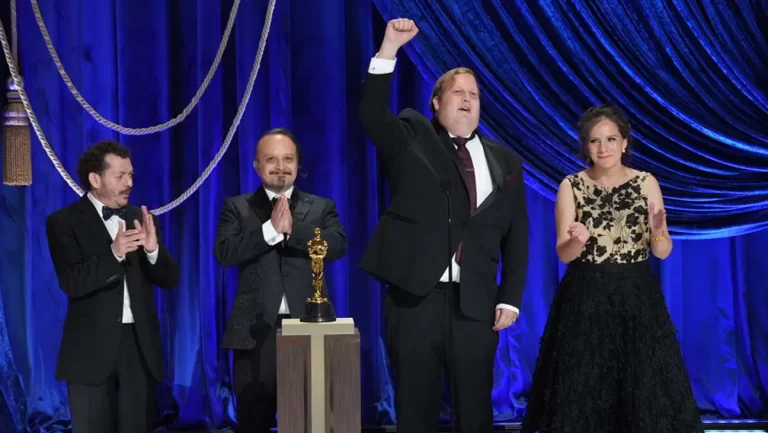
The title of auteur has been mentioned maybe a little too much ever since it was first coined in the 1950s; however, it’s hard to argue this fact when the director of a film’s name is as attached to it as Guillermo del Toro’s is to his version of Pinocchio. For years, animation has been tossed back into the shadows as a “genre” for “kids.” This sentiment has been argued and pushed back by filmmakers such as Phil Lord and Chris Miller for years, but it took a name like del Toro to bring light to this situation, which he did throughout his entire awards season run – and still does today. Speech after speech, Guillermo del Toro championed animation as an artistic medium that is not only for kids and is as important to cinema as any live-action film. Del Toro displayed with his version of Pinocchio exactly how a film and idea that has been done countless times can still find a way to be fresh, exciting, heartbreaking, and authentic. The emotional speech began with the late Mark Gustafson speaking after winning his first and only Oscar as he talked about the beauty of stop-motion; however, it was del Toro’s moment, which began with the phrase, “Animation is cinema; animation is not a genre; animation is ready to be taken to the next step,” that will always stick with me as a lover of one of the best art forms there is.
Synopsis: A retired assassin is pulled back into action when his friend uncovers a dangerous conspiracy at the heart of the South African government.
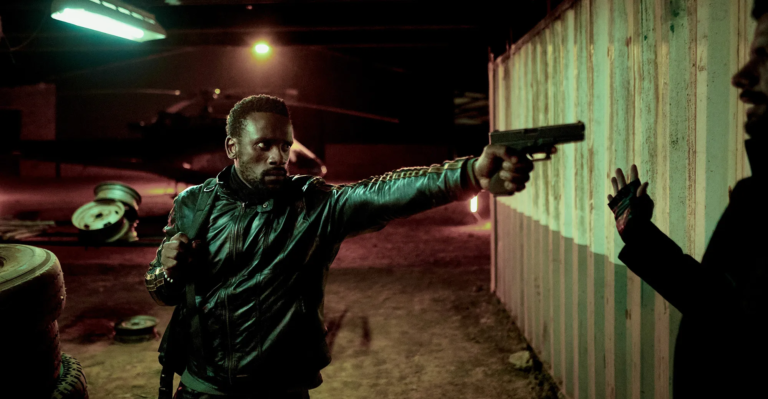
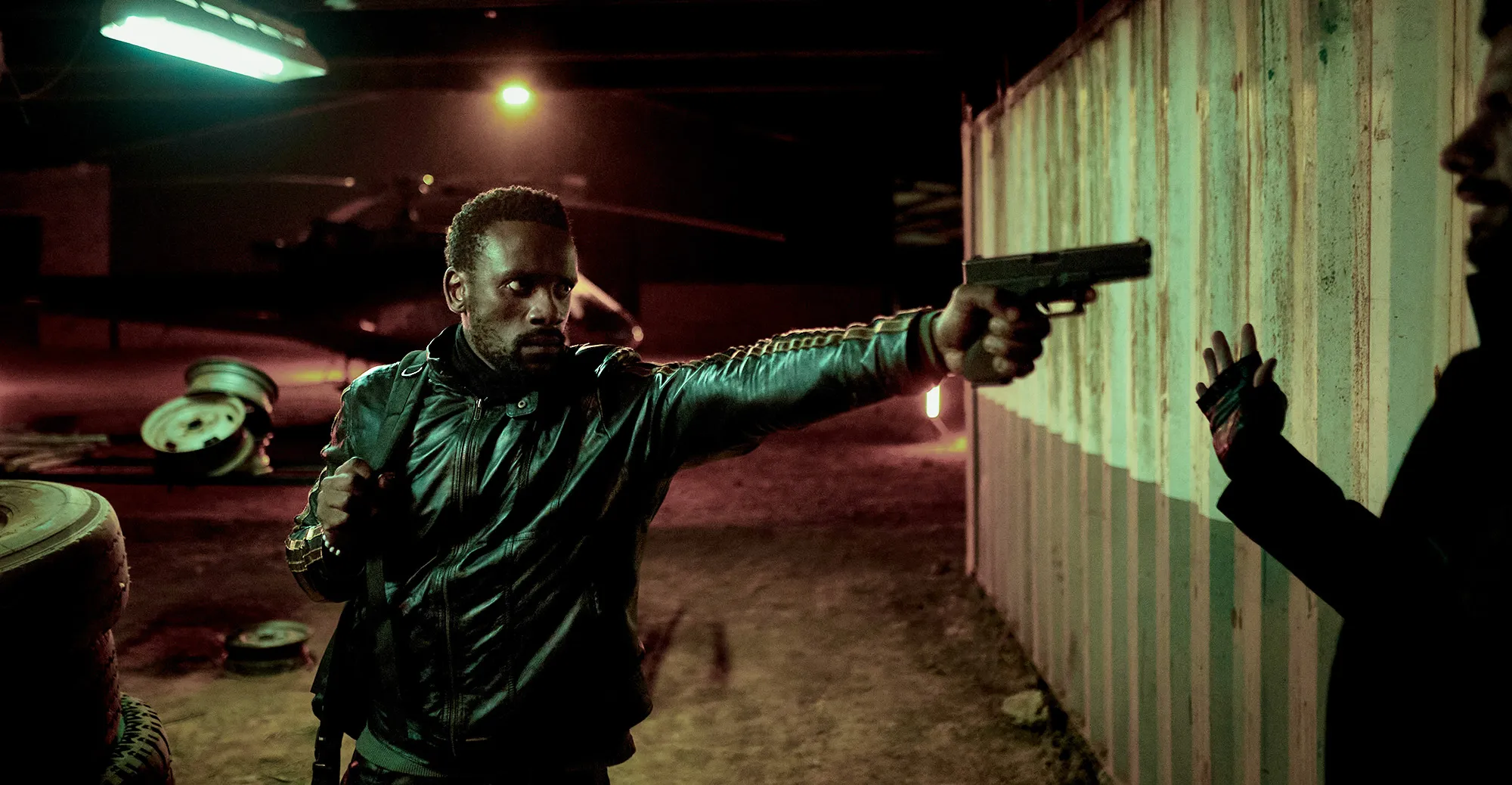
I wouldn’t say most streaming movies are bad. In fact, I would say most films, including big theatrical ones, are not very good. However, what I will say about Netflix is that they offer what most socially conscious film critics tend to whine and cry about not having enough of, yet ignore what the streaming giant offers the most: unique perspectives of genre films from across the world. Case in point: take the South African action picture Heart of the Hunter, a smart and handsomely crafted political spy thriller that entertains and has something to say in the process.
Heart of the Hunter’s story follows Zuko Khumalo (The Woman King’s Bonko Khoza), a family man with a dark past searching for redemption. The script by Deon Meyer (Hunting Emma) and Willem Grobler (Hum) layers in compelling moments from Zuko’s backstory that give the viewer added weight to care about the outcomes. For example, we learn why Zuko attempted to walk from his calling as a once-feared assassin—he killed a political target in front of their son and the guilt that comes with it.
Has Zuko found happiness? Yes, by holding a steady mechanic’s job and raising his son Pakamile (Boleng Mogotsi) with his beautiful wife, Malime (Masasa Mbangeni). However, that is all about to change as his old mentor, Johnny Klein (Peter Butler), arrives at his home and ambushes his place of work. This leads the Presidential Intelligence Agency (PIA) unwittingly to his front door, ordered by Mitma (Sisandra Henna), the South African presidential candidate who makes the great orange face look like a nuisance or mild irritant by comparison. The head of the PIA, Molebogeng (Connie Ferguson), is under pressure to bring Johnny to justice, but that’s because he has information on Mtima that could ruin his presidential campaign.
Directed by Mandla Dube, Heart of the Hunter could be considered the third chapter in his “Beyond Apartheid trilogy.” Alongside the riveting Silverton Siege and the enthralling Kalushi: The Story of Solomon Mahlangu, Dube specializes in films highlighting thrillers with added weight due to modern South African themes. Particularly, post-apartheid issues such as social oppression and articulating inclusive problems are incorporated into mainstream cinema.
In Heart of the Hunter, a mix of conspiracy and politics unfolds, with a subtext usually against some mystery that borders on fantasy. However, here, the film carries added weight as it encompasses decades of traumatic oppression handed down over generations. Much credit should go to the source material from Meyer, who co-wrote the script, as mentioned earlier. The collaboration between Dube and Meyer proves quite effective, with slick and effortlessly cool hand-to-hand combat scenes juxtaposed with gritty spy craft against the backdrop of what amounts to the “suppression of oppression.”
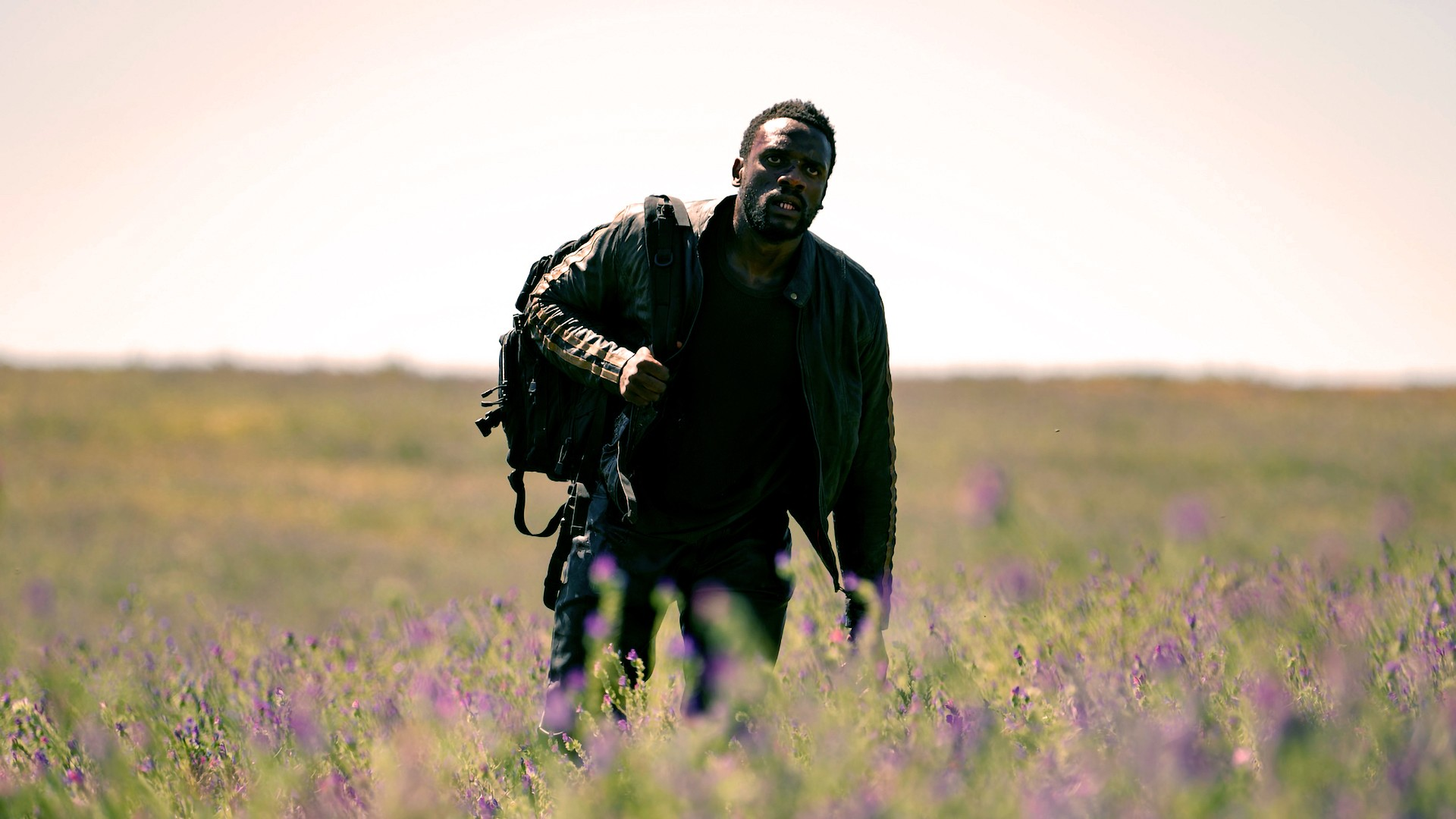
You’ll see many dismiss Heart of the Hunter as some type of VOD trashy indulgence, but don’t let the reputation of Netflix’s worldwide streaming dreams fool you. This is a super-cool action thriller with a lot of, well, heart. That’s because Khoza finds what makes the character of Zuko tick. He portrays a classic genre character torn between both sides; in this case, family and responsibility to a better tomorrow, in a wholly convincing manner. Not to mention, he has a commanding screen (or phone, tablet, or computer) presence that’s hard to ignore. (The character from the source material is practically Jack Reacher in physical prowess, which makes casting key here.)
While cinema snobs and purists, like myself, may stick their noses up at such action fare, it’s worth remembering that The Beekeeper garnered a majority of positive reviews in the trash dump of films released in January and February. Here, Dube’s film surpasses any action seen in that movie and is set against real-world issues. Heart of the Hunter is an impressive streaming thriller adaptation that I hope will lead to a franchise for Bonko Khoza and the rest of the filmmaking team.
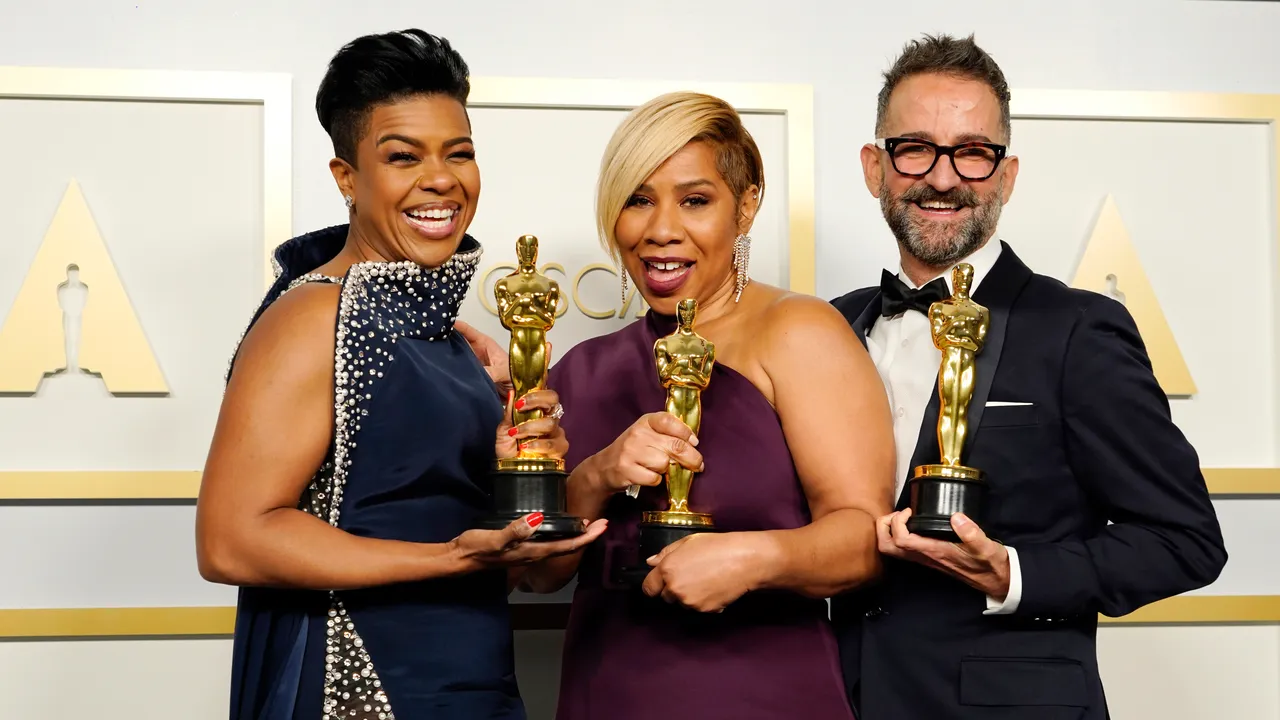
Hi all, it’s your favorite friend Jay, or Jaylan Salah as you formally know her. I will be here covering, among other things, Best Makeup and Hairstyling.
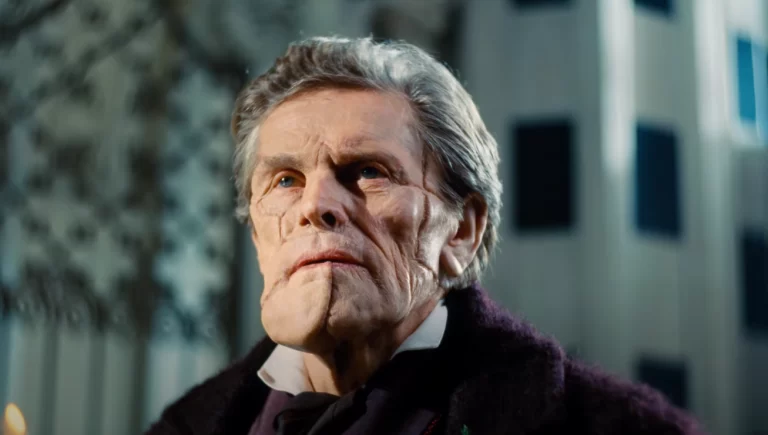
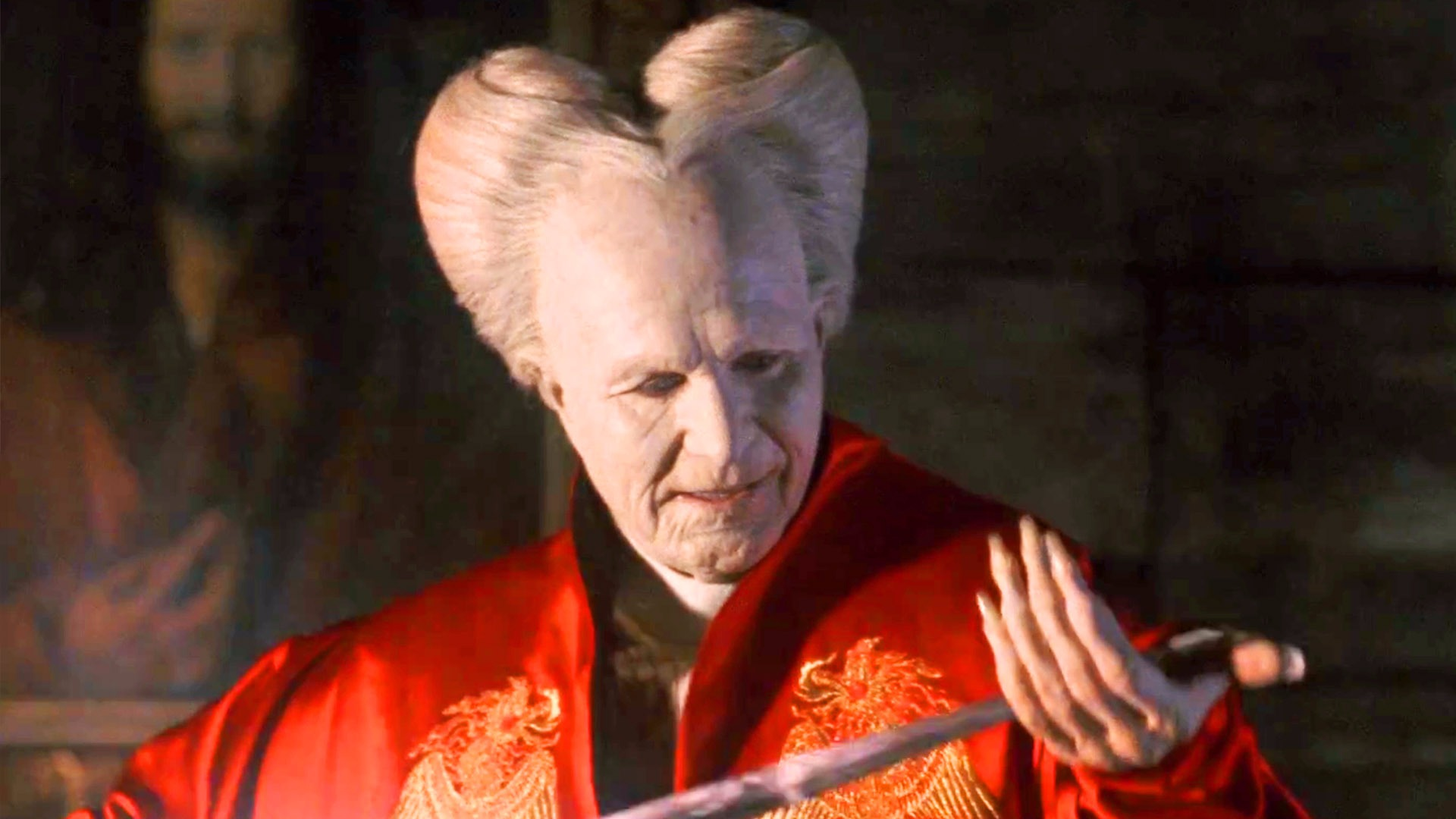
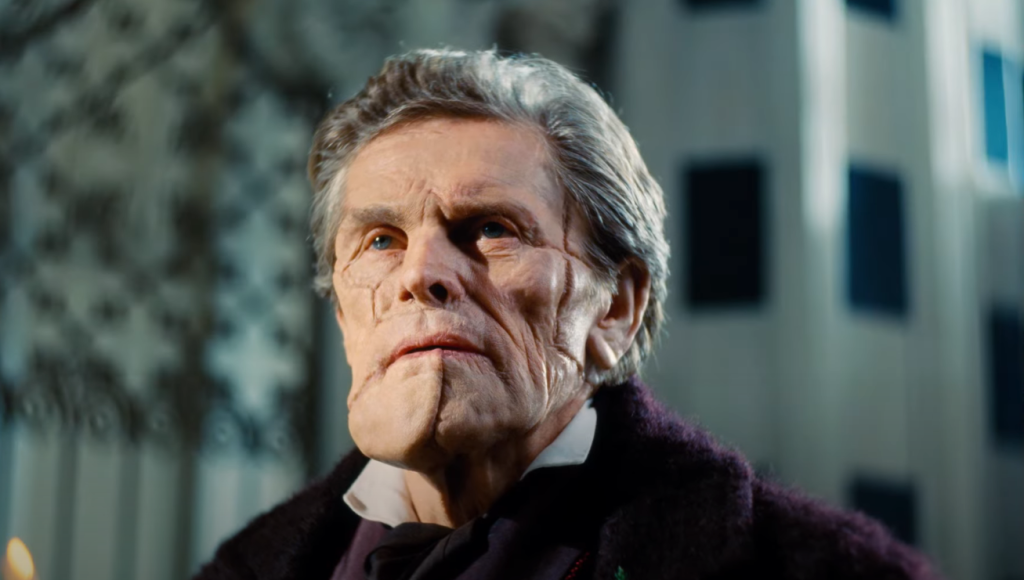
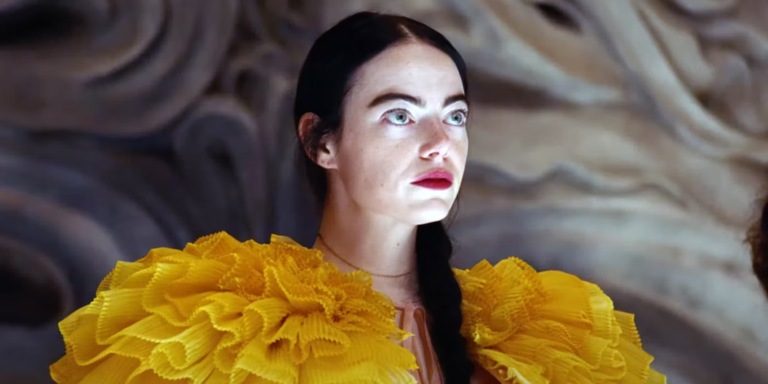
Wow, so Hair and Makeup. This category can either elevate a film entirely or bring it down in the dumps. Yes, the award started with best makeup until 2013 when hairstyling was involved, but hair has always been present and part of the award game. I always think of my fascination with masks, facial feature alteration, and actors fully transforming or concealing themselves. In films like Bram Stoker’s Dracula, think of the Count’s slicked hairstyle and his prosthetics as he emerges each time from bat to wolf. Remember how foxy the women of Bombshell looked with all the lashes, base powder, high wigs, and lip gloss? Or go back and think of something like Mask (1985) where Eric Stoltz gives an electrifying performance while carrying feature-altering prosthetics on his face. Then it’s 2023 and the masterpiece that is Poor Things shows Bella Baxter’s signature long, pitch-black hair, and the look is so iconic that it amplifies Emma Stone’s spectacular performance.
Hair and Makeup artists have been known to create monsters and aliens, freaks and characters with facial deformities, but also accentuate a mole or hide a scar, an actor can go from 20 to 70 in a movie and people won’t believe how hard these people have worked to bring out a look that will last only for a minute on screen. Honoring those people doesn’t stop at cheering on who will win in the upcoming Oscar season but putting a spotlight on each and every one of them, why they have been picked, and the extent of their hard work; all the while enjoying the final result and falling in love with movies all over again.
So come along for the ride and let’s take a deep dive into what makes actors stunning and monsters scary: Hair and Makeup!
The excitement for Academy Awards season continues as we take a look at the coveted Best Costume Design Academy Awards category. John Cena’s stunt this year during his presentation of the award made multiple news outlets and while it was great advertising for his new movie Ricky Stanicky, it also brought further attention to a category that I personally feel deserves more accolades than historically given. Not only does wardrobe help define the setting the movie is set in, but it can sometimes be part of the plot in intricate ways. One of my favorite examples is His House, which utilized colorful wardrobes to give the audience insight into the characters’ mentalities and tell more about their cultural history. With that being said, I’m using a bit of a deep dive of past and possible future nominees. 2022 was a particularly good year recently so let’s highlight a couple of the nominees and the winner!
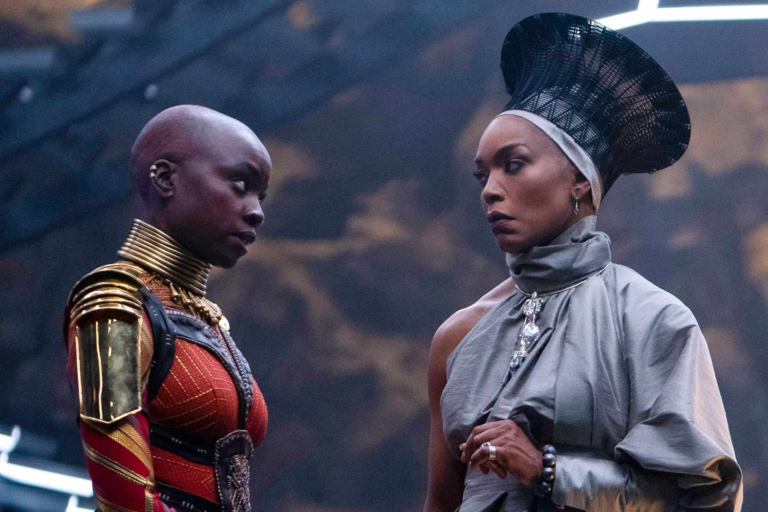
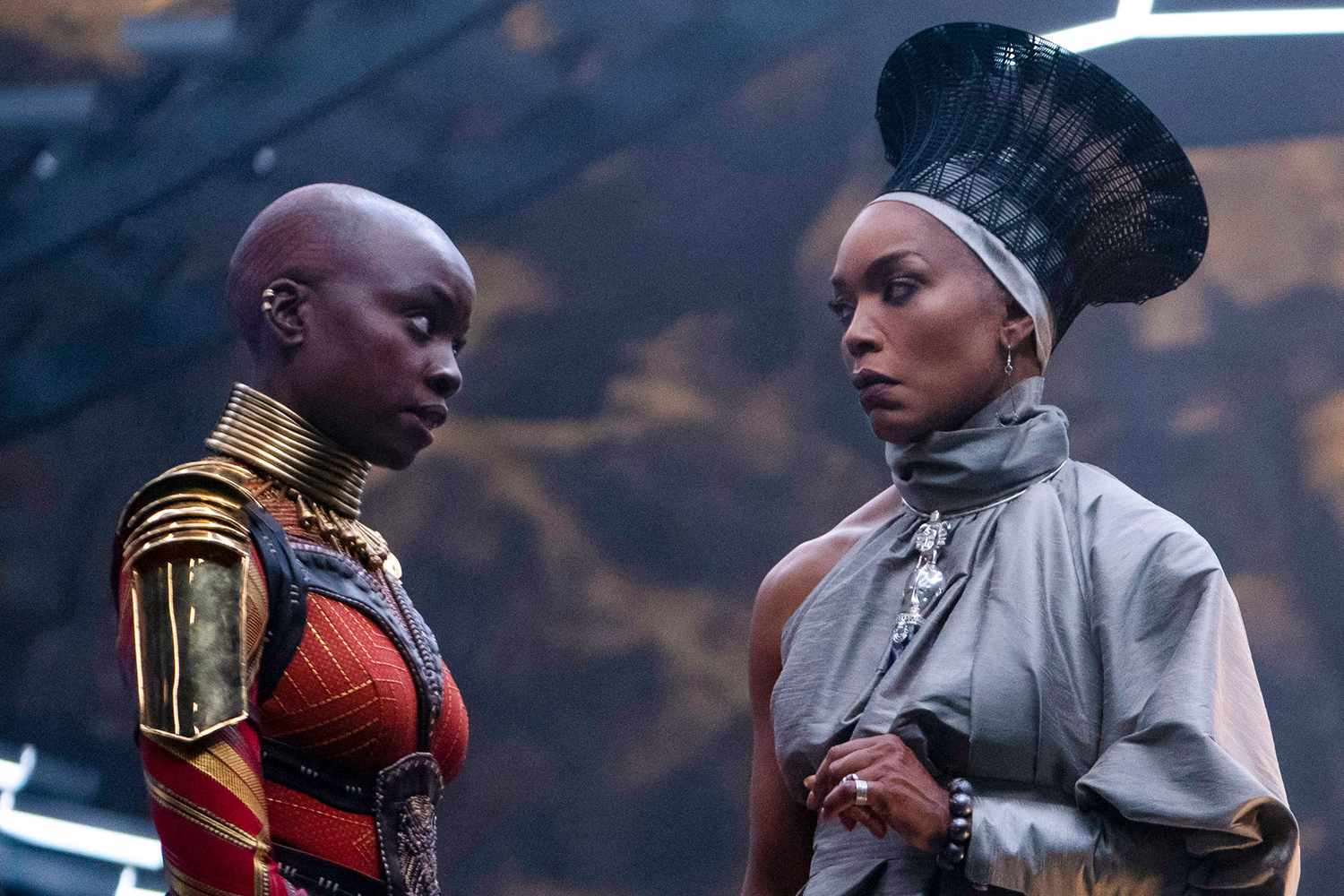
Ruth E. Carter for Black Panther: Wakanda Forever
To be the first of anything is a great career accomplishment and Ruth E. Carter is most deserving of the honor for this category. Carter was the first African American nominee and winner in 2018 when she won for the first Black Panther installment. Her storied career reached new heights once she started working with Spike Lee’s second film School Daze (1988) and worked across many genres including historical biopics and action films. She won the Academy Award for the first movie after diving into cultural and historical contexts in and around several African countries, and her work in the second film built upon what she established and expanded it to include Aztec influence on the Talokan people in the film. Maintaining the Academy Award-winning costume design from the first film and adding new characters that add even more vivid colors and storytelling with their wardrobes was a fun addition. I’m glad the Academy awarded Carter’s greatness twice.
Catherine Martin for Elvis
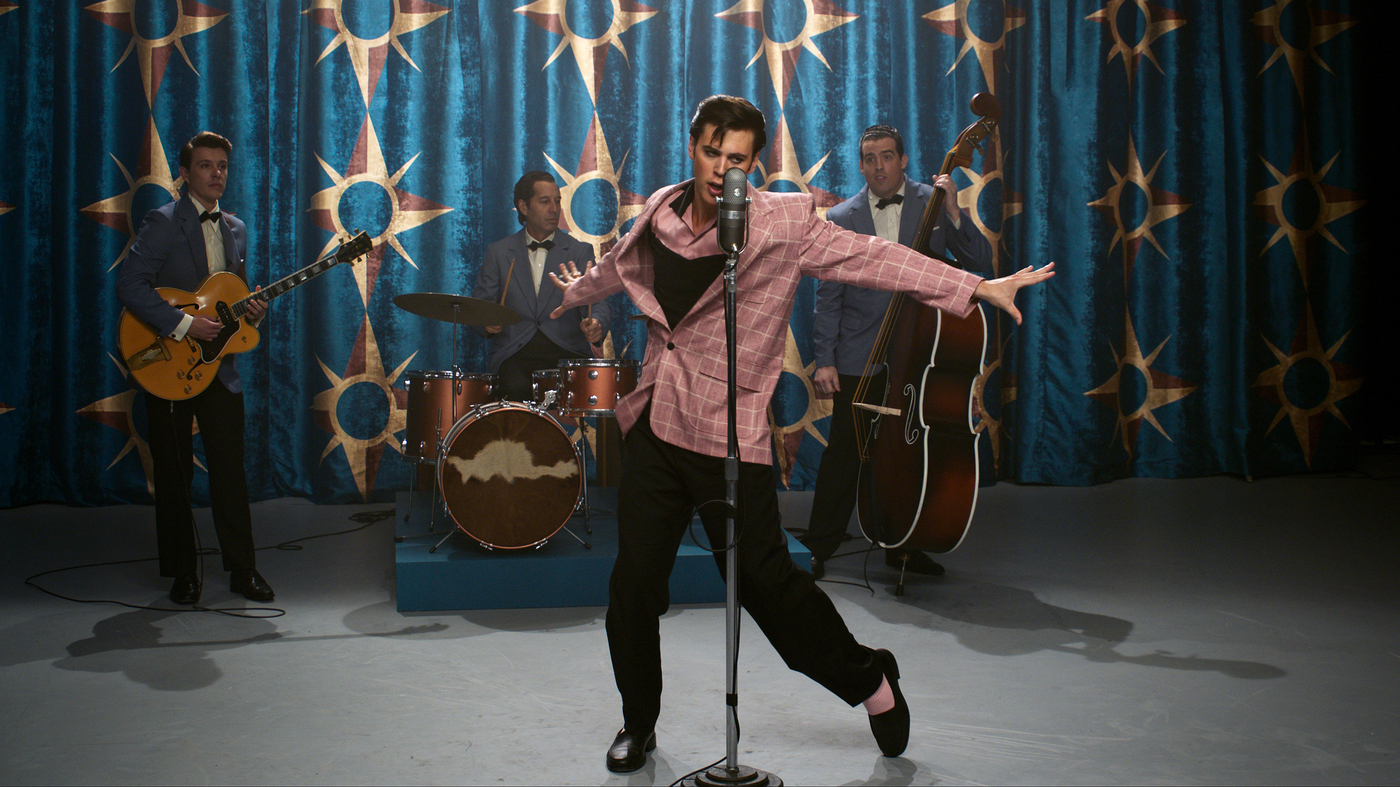
Baz Luhrmann and Catherine Martin are a power couple that has given audiences a slew of Academy Award-winning and nominated movies from Romeo + Juliet and Moulin Rouge! to The Great Gatsby and, most recently, 2022’s Elvis. When it comes to matching period-appropriate styles and maintaining the set design of a movie, Martin is a seasoned veteran who took us through both Elvis’ direct life and atmospherically important wardrobes like Beale Street, carnival life, and more. Each time the movie progressed, the outfits helped the immersive experience. Elvis Presley had an extravagant wardrobe to match his ego. While Austin Butler did a fantastic job acting as the titular character, Martin recreated his look alongside a super team of Jason Baird, Mark Coulier, Louise Coulston, and Shane Thomas for hair and makeup. Bonus points to Catherine Martin for also picking up another Academy Award nomination for Production Design for Elvis!
Shirley Kurata for Everything Everywhere All at Once
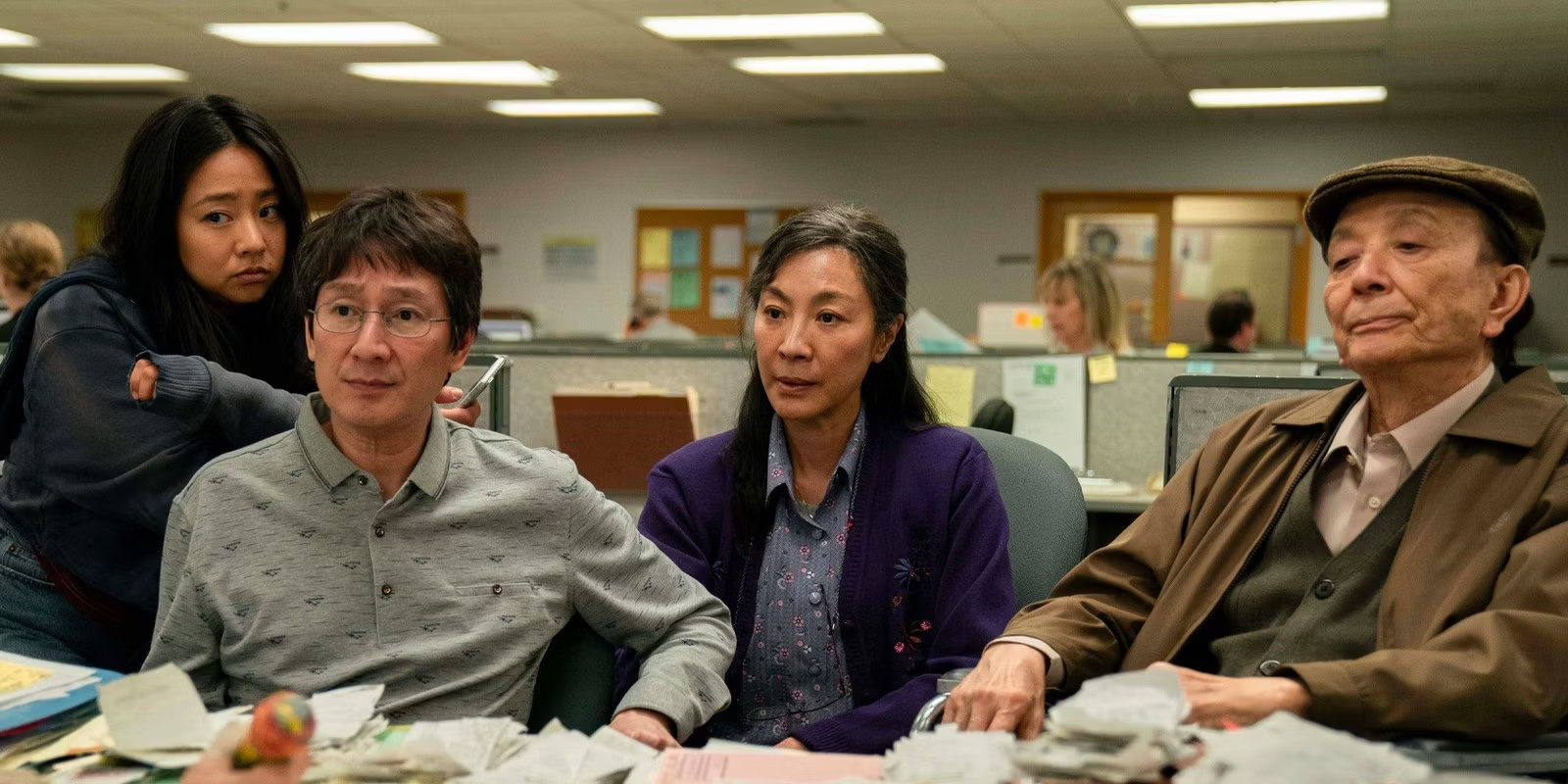
Giving creative reigns to Shirley Kurata for costuming in Everything Everywhere All at Once has to be one of the best decisions co-directors Daniel Kwan and Daniel Scheinert made when making this film. Not only did Kurata come up with various costumes for the multiverse in this movie, but with each one came a story. Kurata designed the costumes so that with each multiversal shift, the audience sometimes picks up on the wealth, mindset, personality, and more of each version of the characters without even changing the setting. While she didn’t win for this film, I imagine Kurata has changed the costuming game forever for movies with actors playing multiple roles or versions of a role. Thanks to movies like this and Marvel’s Multiverse era, Hollywood has entered an era that sees multiverse movies come out as often as Everything Everywhere All at Once’s villain Jobu Tobaki changed outfits in the film. The audience benefits from this for many reasons, but among my favorites is watching costume design (and production design) get pushed to new heights with each scene.
The Best Costume Design award is a fun one to follow based on the wide range of parameters anyone can judge it on. You can see how historically accurate a war movie’s wardrobe is, meet multiple versions of the same character, or even follow a superhero as they save the world. I’m excited to visit and revisit past nominees, revisit some favorites that I feel could’ve been nominated, and preview potential nominees for the next awards season.
This week on the InSession Film Podcast, inspired by Dev Patel’s Monkey Man, we talk about some movies that are directed by the star and which films stand out to us the most! We also spend some time discussing the trailers for Bad Boys: Ride or Die and Kinds of Kindness!
Check out this week’s show and let us know what you think in the comment section. Thanks for listening and for supporting the InSession Film Podcast!
– Opening Banter / Trailer Talk (1:30) We begin the show this week with some unexpected conversation about JD taking his kid to see Godzilla x Kong, how kids talk about movies and then weirdly detouring into how mid 2024 has been to this point (with some great outliers, of course). We then get back on track by talking about the trailers for Bad Boys: Ride or Die and Kinds of Kindness, both of which we quite loved.
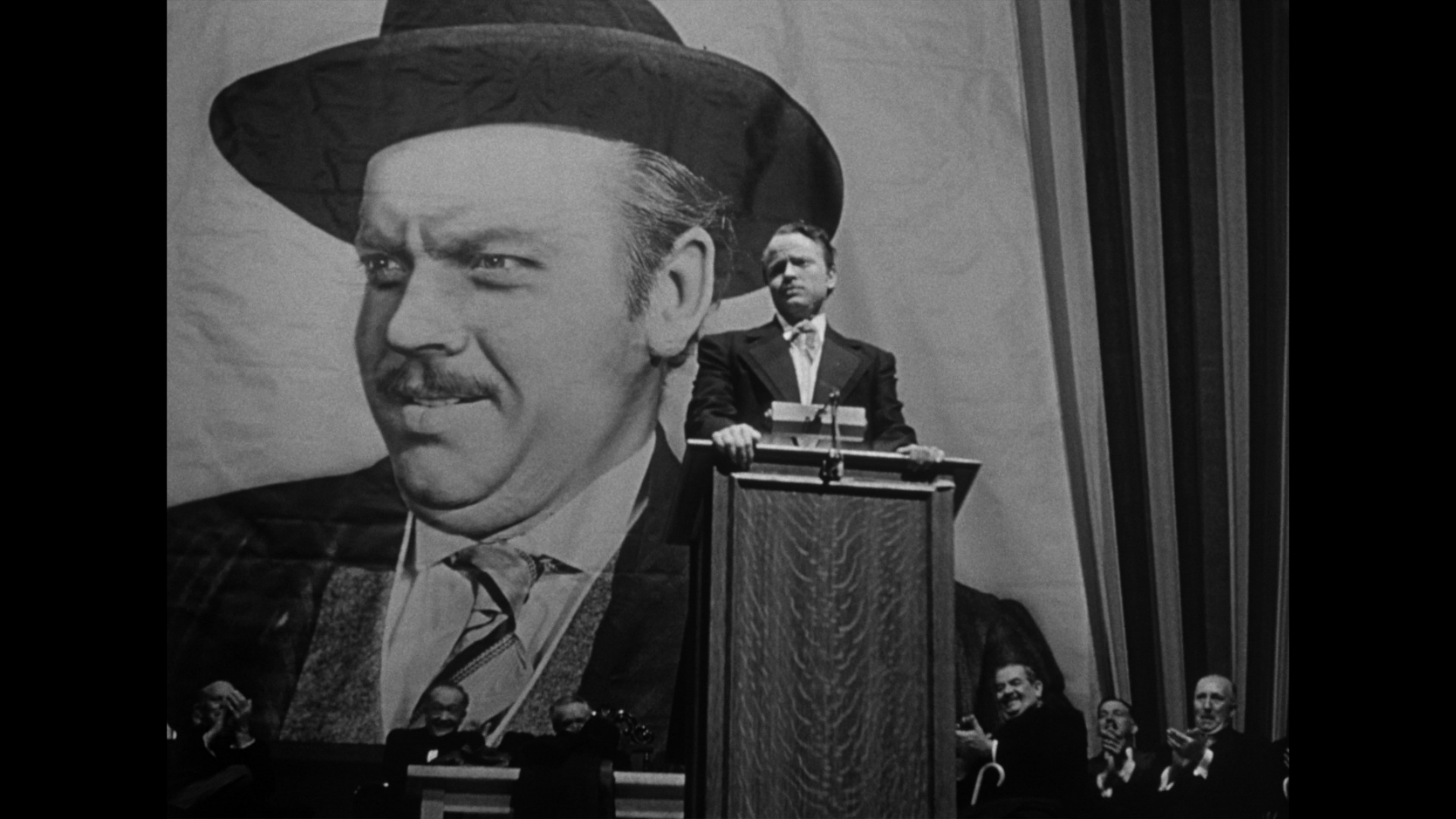
– Movies Starring the Director (1:06:00) We’re very excited about Monkey Man and Dev Patel’s work behind the camera, so we figured it would be a good opportunity to talk about others who have starred in their own movies. From Orson Welles to Charlie Chaplin to Clint Eastwood to Ben Affleck, among many others, there are many great actors who were also terrific directors. And so we wanted to run through our favorite films that qualify with this criteria.
If you want to help support us, there are several ways you can help us and we’d absolutely appreciate it. Every penny goes directly back into supporting the show and we are truly honored and grateful. Thanks for your support and for listening to the InSession Film Podcast!
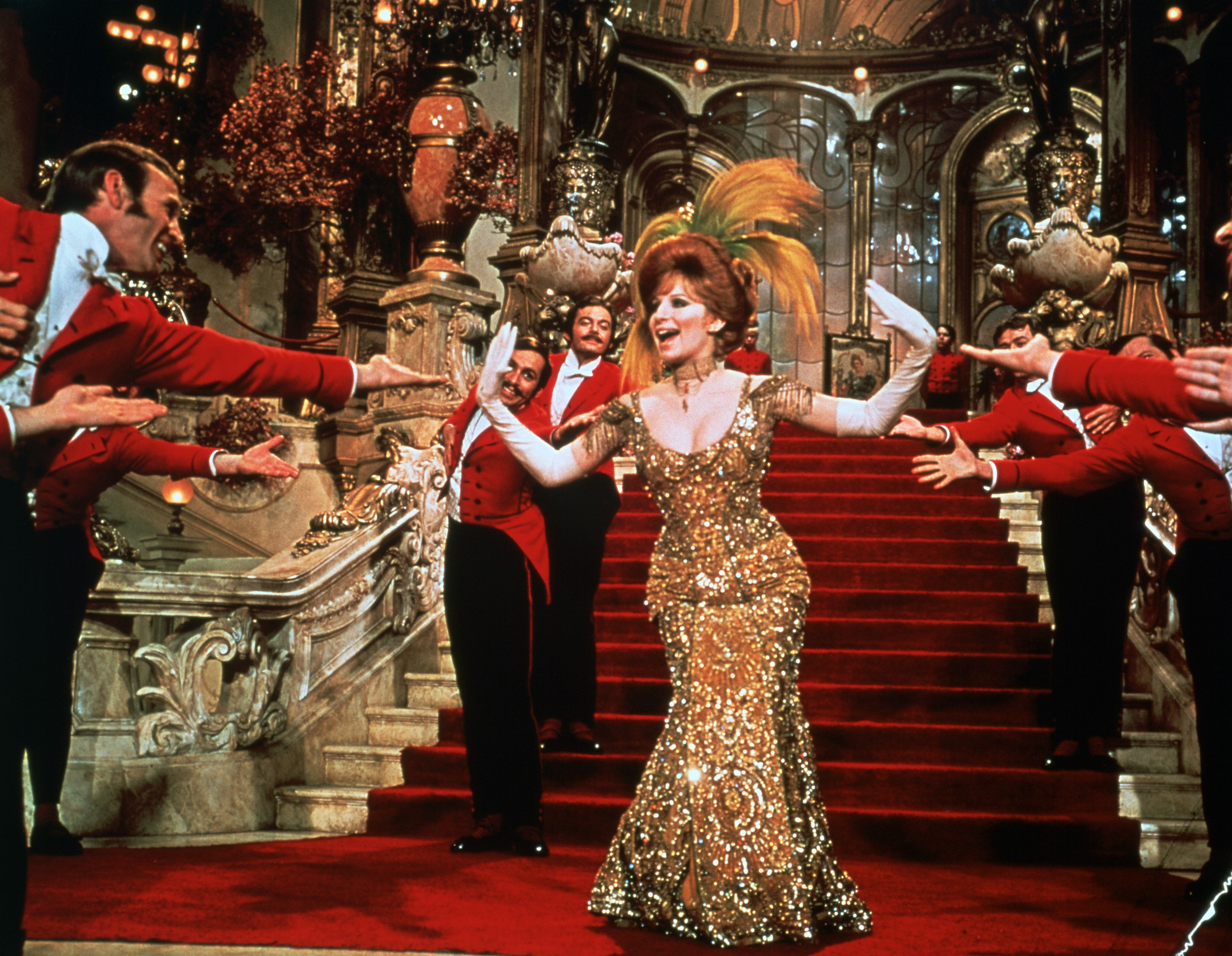
As we kick off this new season of awards coverage, let’s take a moment to explore the history and direction of what is now known as Best Sound. Making its debut at the 3rd Annual Academy Awards, the trophy was initially awarded to one of the studios instead of to any specific technicians that worked on the film. This rule was changed in 1969, and the first individual winners of the award were Jack Solomon and Murray Spivack for Hello, Dolly!. Additionally, this category started off as one award, then split into two awards in 1963 with Best Sound and Best Sound Effects after the Best Special Effects award split into Visual and Sound. At some point, we ended up with Best Sound Mixing and Best Sound Editing as the two awards until 2020 when they were combined, once again, into one award.
So what are some things to look out for this year that may be in contention for Best Sound at the 97th Academy Awards? Honing in on a few winners from the last decade or so can shed some light on where this award has been headed recently. 2012’s winners are a good example of what the Academy looks for when it comes to sound as well as the difference between editing and mixing. Les Misérables took home Sound Mixing, while Skyfall and Zero Dark Thirty tied for the Sound Editing award. Typically, mixing sound involves taking what was actually recorded during filming and making the most of it in post, whereas editing is more about adding sound to what was recorded. It makes sense that a musical like Les Mis that recorded all of the singing live while filming would win for mixing, and big, over the top action films like Skyfall and Zero Dark Thirty would be awarded for their editing. These are perfect examples of why this award was split for so long.
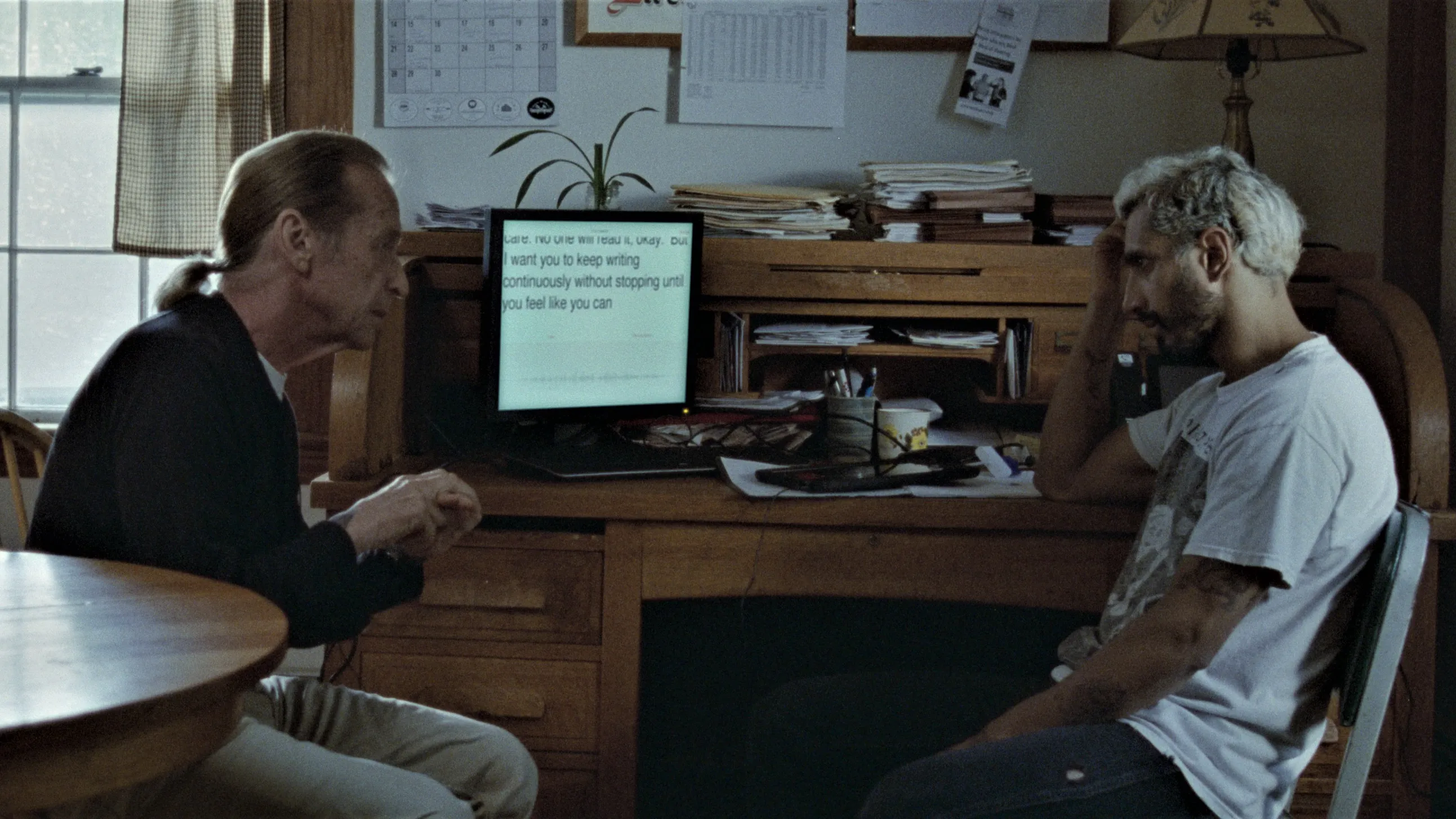
Another type of film that can play well with the Academy is one where there is a huge emphasis on the lack of sound. Take Gravity and The Sound of Metal, both using silence or muted sound to its advantage. In the case of Gravity, there’s no sound in space. Riz Ahmed plays a drummer who is losing his hearing in The Sound of Metal, which opens up a whole world of ways to play with the sound design. This year’s winner, The Zone of Interest is more similar to these types of films than it is to the loud, boisterous movies like Top Gun: Maverick and Dune. Pitting the serenity of a quiet life at home gardening and entertaining against the nightmare-inducing sounds coming from just over the wall, Jonathan Glazer’s harrowing film uses sound unlike any film from recent memory.
As the 2024 film slate continues on, these are the things to look for: massive, over-the-top sound like action and war movies, musicals or films where music and singing are heavily featured, or films that play with sound and the lack of sound in unique ways. Right now it’s obvious that the frontrunner for this award is Dune: Part 2. The Academy has already awarded the first installment in this category, and without a clear and worthy opponent it would be really easy for voters to run it back here.
Reflecting on 2024’s Awards Season: A Great Year For Editing
As the curtains close on the 2024 awards season, now feels like a good time to look back at the cinematic fare that stayed with us, particularly through the lens of editing. The year gave us a veritable smorgasbord of brilliantly edited films. Despite one film in particular sweeping the awards, it was a good year in general for film editing
The Critical Role of Editing
Editing is arguably the backbone of cinematic storytelling, holding a place of importance right alongside major categories like Best Picture and Best Director. It’s the editor’s craft that transforms a collection of scenes into a cohesive narrative. A skilled editor can elevate a film from mediocrity to excellence, while poor editing can lead to a disjointed and unengaging experience. There are no great, poorly edited movies.
Editing styles evolve with our changing film-viewing habits. The pace of films from half a century ago might feel leisurely to today’s audience, accustomed to rapid cuts and dynamic sequences. Editors not only curate shots but pace the story, often working closely with directors to bring a shared vision to life. Far from being just a technical skill, editing is a deeply creative endeavor.
2024’s Editing Standouts
The consensus among this year’s award ceremonies highlights one dominant submission in particular:
The Oscars: Oppenheimer, Best Editing
The ACE Eddie Awards: Oppenheimer, Best Edited Feature Film, Drama; The Holdovers, Best Edited Feature Film, Comedy or Musical
BAFTA: Oppenheimer, Best Film Editing
British Film Editors Awards: Oppenheimer, Best Edited Single Drama
2024 was a great year for movies and there was some truly outstanding work on display. In a sense, the fact that Oppenheimer so comprehensively swept the board undermines just how much interesting and exciting work there was to dive into. 2025 has a lot to live up to.
Why Oppenheimer Stood Above the Rest
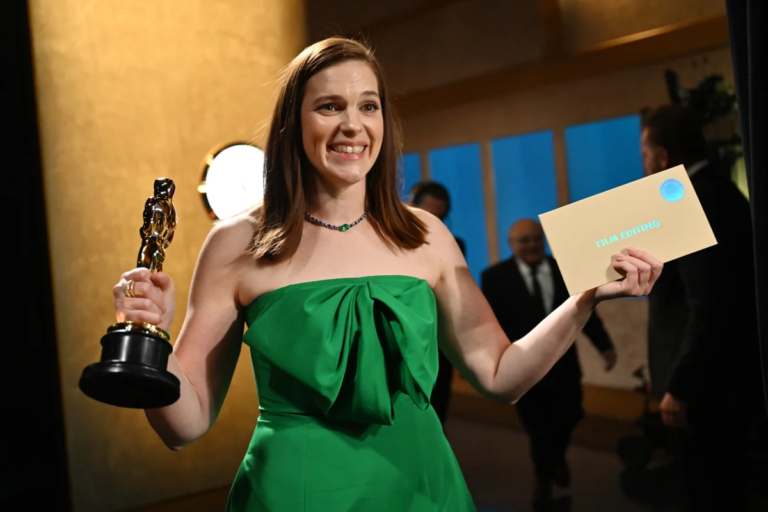
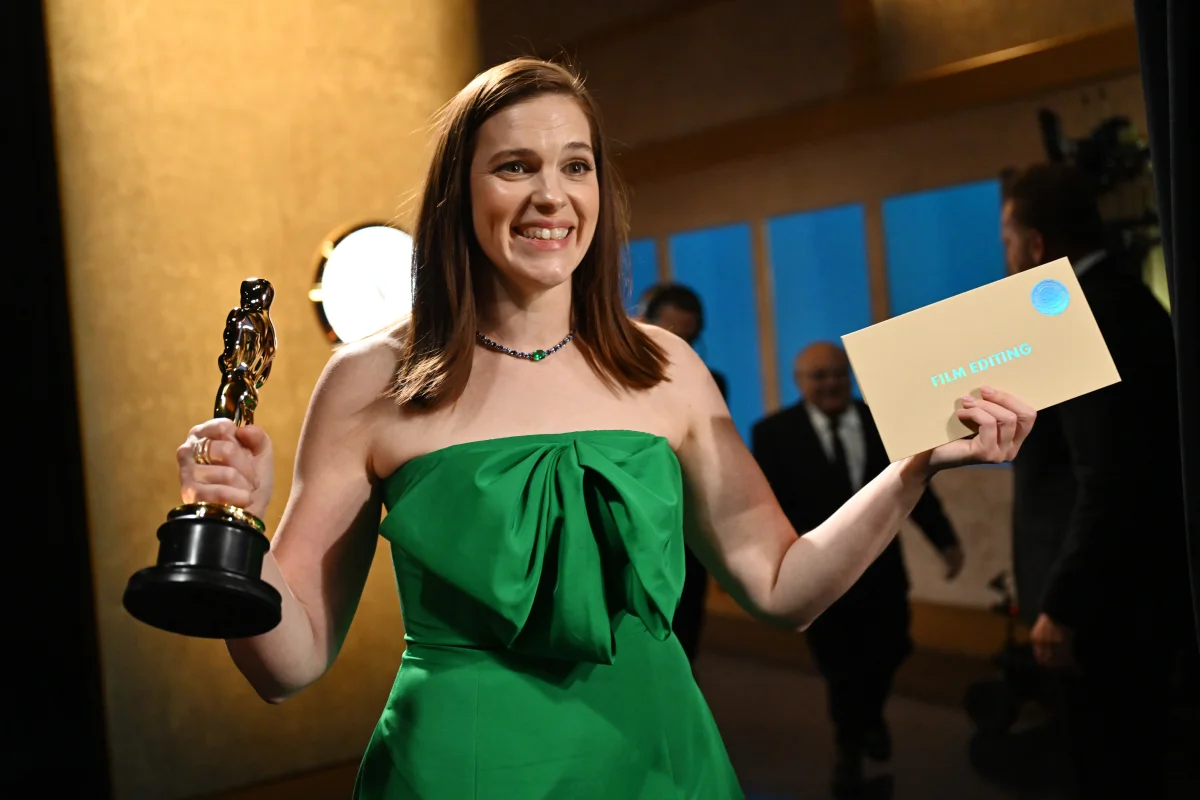
Oppenheimer masterfully wove together a complex narrative, making a historical biopic feel as gripping as an action film. Jenifer Lame’s editing effortlessly guided audiences through various timelines and close-ups, maintaining a strong sense of time and place throughout its three-hour runtime. The film’s pacing, enhanced by strategic cuts and an excellent score, built tension and momentum, offering a lesson in cinematic rhythm.
Other Notable Submissions
While Oppenheimer took home the accolades, 2024 was rich with exceptional editing work worth celebrating:
Past Lives: Its narrative, spanning three time periods, was visually and emotionally stunning, highlighted by remarkable editing.
Anatomy of a Fall: Laurent Senechal’s editing brilliantly balanced ambiguity, compelling viewers to draw their own conclusions about the innocence of our protagonist.
Poor Things: The film’s distinctive aesthetic was further elevated by sharp editing, complementing its outstanding production design. Best looking film of the year?
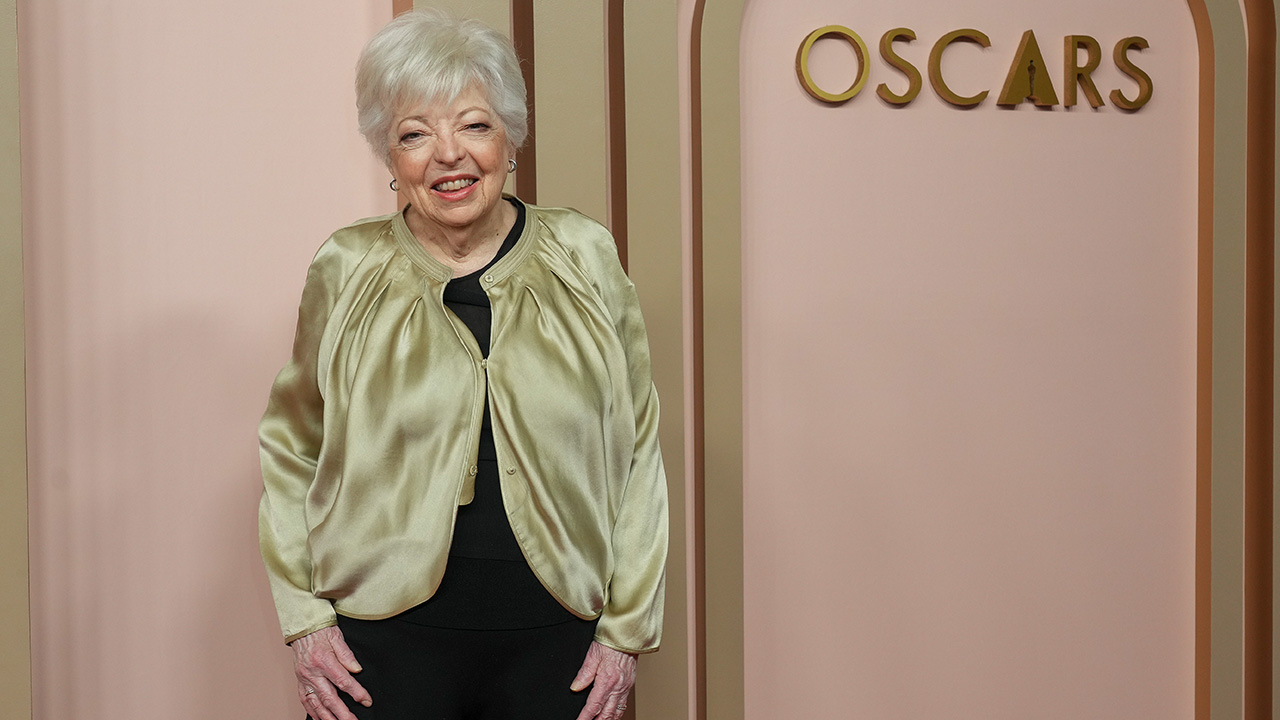
Killers of the Flower Moon: Martin Scorsese and Thelma Schoonmaker once again proved their iconic partnership with meticulously crafted editing. Their best work since Goodfellas.
Looking Forward
The 2024 awards season might have seen Oppenheimer sweep the editing awards, but the diversity and quality of editing work across the board were truly remarkable. As we anticipate the cinematic wonders of 2025, it’s clear that the art of editing will continue to play a pivotal role in filmmaking, shaping the stories that captivate our imaginations.
This week on Women InSession, we discuss the great Emma Stone, her two Oscars wins and the evolution of her incredible and varied career thus far! She’s been in some great films and it’s been really fun to see the nuance of her filmography. For every La La Land and Poor Things, there’s an Easy A and Zombieland. Regardless of the type of film, she’s always excellent and wonderful to see on screen.
Panel: Kristin Battestella, Jaylan Salah, Amy Thomasson, Will Bjarnar
On that note, check out this week’s show and let us know what you think in the comment section. Thanks for listening and for supporting the InSession Film Podcast!
To hear this Extra Film episode and everything else we do, download our apps on the Amazon Market for Android and the Podcast Source app on IOS devices. The mobile app covers all of our main shows, bonus podcasts and everything else relating to the InSession Film Podcast. Thanks for your wonderful support and for listening to our show. It means the world to us.
Director: Alice Rohrwacher Writers: Alice Rohrwacher, Carmela Covino, Marco Pettenello Stars: Josh O’Connor, Carol Duarte, Vincenzo Nemolato
Synopsis: A group of archaeologists and the black market of historical artifacts.
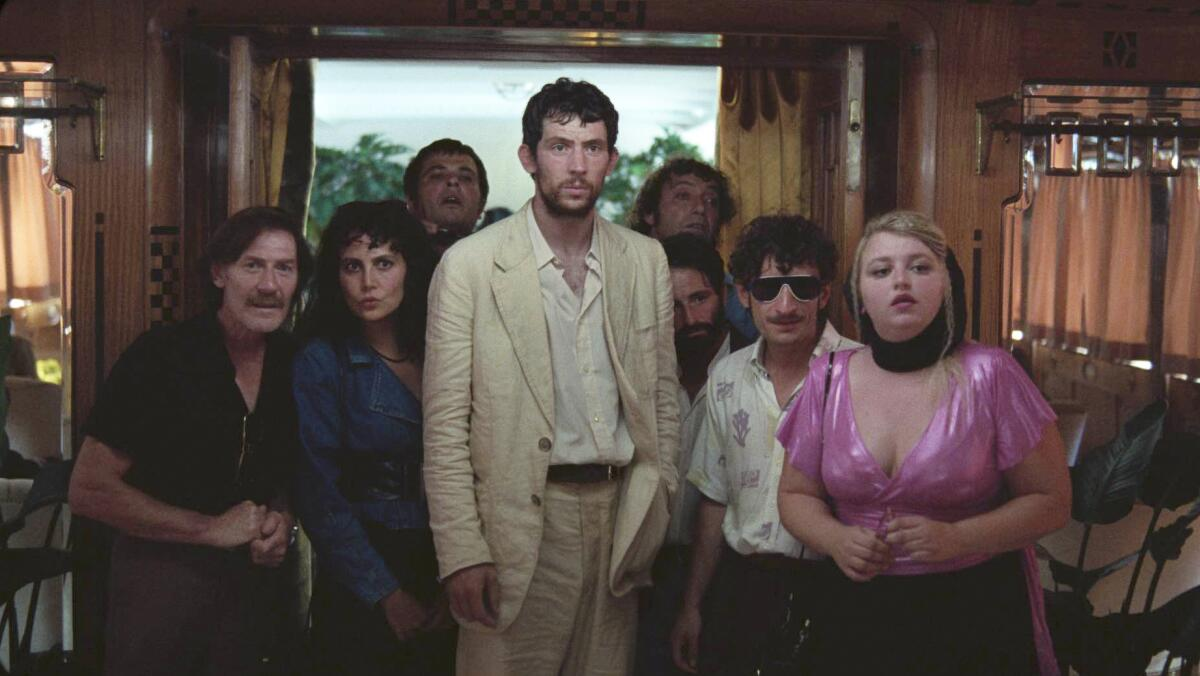
Love, melancholy, and magical realism intertwine in Alice Rohrwacher’s latest work, La Chimera—a touching multi-layered exploration of remembrance, love, and the intertwining between the human and the spiritual. It shifts the viewer’s emotions from left to right due to the beauty of the Italian filmmaker’s dreamy, poetic storytelling and the incandescent emotions that exude from the landscapes, shot by cinematographer Hélène Louvart, and performances.
Bless Alice Rohrwacher with all of her heart. The Italian filmmaker has delivered one touching picture after another throughout her growing and fruitful career. She’s used tales about love, loss, and youthfulness, intertwining them all with Italy’s past while smearing magical realism to her narratives. Many directors have used their perspectives on the country’s history to uplift and add layers to their narratives. This is primarily seen in Germany’s new wave of directors, with Christian Petzold and Angela Schenelac leading the pack. But Rohrwacher’s cinema has a different feeling. After her international success, Happy As Lazaro, she has remained a household name in the modern era of Italian auteurs. Filled with bliss and elegance, Rohrwacher clicks on all cylinders, especially since her latest work, La Chimera, sets her down a path of great success.
Set in 1980s Italy, the title gives a couple of hints at what’s to come later in the narrative. Many may refer to a “chimera” as the fire-breathing female monster with a lion’s head, a goat’s body, and a serpent’s tail–and the Italian filmmaker hints at the Greek mythology creature’s mystically through her mythic underpinnings. But Rohrwacher turns to the word’s second definition: a thing that is hoped or wished for but is illusory or impossible to achieve. The first images she presents give us an introduction to this. The film begins from the point of view of the current unnamed protagonist, shown in lavish super-8 footage. The protagonist’s gaze is aimed at a beautiful blonde woman, Beniamina (Yile Yara Vianello), as the sun kisses her face. These images feel like a dream or a distant memory that a person is trying to hold onto.
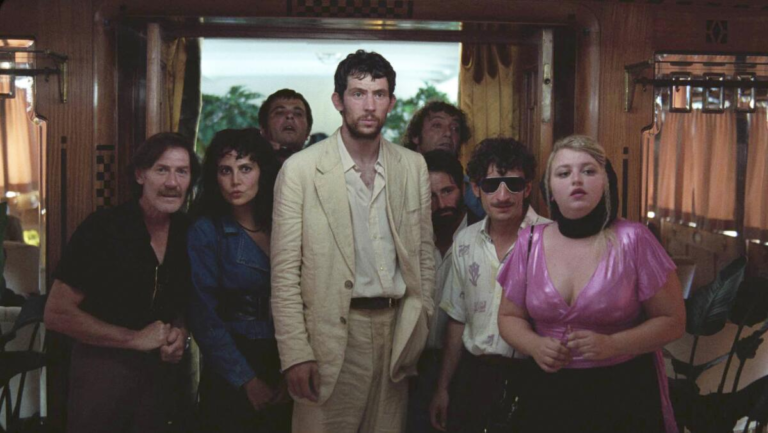
It is soon revealed through us via this imagery that Beniamina has passed away and that these moments scattered across La Chimera are indeed memories of a man burdened by grief. In the scene immediately following, we meet the film’s protagonist, Arthur (Josh O’Connor), who is sleeping on the train home. “Were you dreaming?” asks the ticket collector to the young man, maintaining that relevant trajectory of intertwining dreams and reality subtly, yet resplendently. These visions introduce us to a world that cannot be seen with human eyes, a portal that connects the reverie with the land Arthur and his tombaroli (Etruscan tomb raiders) crew scavenge for objects left for the dead so their souls can rest.
Josh O’Connor brilliantly approaches his character as if he were a living ghost, a man who lost his vigor and passion after losing the love of his life. He is primarily a brooding figure, an unreliable protagonist who doesn’t believe death separates us from the people we hold dear. And, just like Lazarro in Rohrwacher’s previous feature, Arthur has a preternatural ability that might serve him as a guide to reach his beloved Beniamina. He can find the locations of old tombs through divine premonition; his crew of tomb-raiding criminals scavenges the objects found while the Englishman looks for her signal. Many other characters help him throughout his journey of desolation, particularly Italia (Carol Duarte, delivering a lovely performance filled with warmth), who is like a beacon of light that brightens Arthur’s path, as well as his heart. So, he isn’t alone in this journey.
In the Q&A for this film at the 61st New York Film Festival, an audience member asked Alice Rohrwacher about her decision to curate Arthur’s journey of identity and yearning with so many nods to classic myths, fables, and fairy tales. The Italian filmmaker responded by saying, “Fairy tales are like a distillation of reality.” She mentioned that showering her films with magical realism was her way of approaching reality in a non-schmaltzy or syrupy manner–in her words, in a non-pornographic way. Many filmmakers abuse emotions like sympathy or empathy in the experience that their characters endure. And while Rorhrwacher’s films contain those moments in which the reverie comes to life in alluring ways, they end up ringing truer and feeling more emotionally potent than those who want to cram humanism forcefully.
Much like the Argentinian-French novelist Julio Cortázar (writer of “Casa Tomada,” “La Noche Boca Arriba,” and “Hopscotch”), Rorhrwacher embalms her stories with an array of metaphors and poetic elements as the characters she writes go on their respective quests for identity and deal with longing. Both of them treat their stories with elements of fantasy. However, Cortázar was more of a surrealist and existentialist, covering the draining mundanity of the everyday lives of ordinary people; meanwhile, Rohrwacher relies more on folkloric narratives about the complexities of human relationships – dealing with the emotionally shifting nature of the people we care for, the bridge between life and death, as well as the history of the land beneath our feet.
From the moment the film begins, Rohrwacher puts a spell on you, the effect increasing as the story moves on from one magical moment to another. Nowadays, there aren’t many cinematic experiences like the one Alice Rohrwacher brings us, which is full of splendor, yet painting melancholy in a shade that isn’t its usual dark one. The Italian filmmaker doesn’t want to use the pessimistic tone to reflect our existentialist thoughts. Instead, she embraces the darkness of loss to conjure something full of light. As a piece of cinema, La Chimera feels like a product of many recollections, emotions, questions, and experiences, all put together in a manner that reflects some of our doubts about the culmination of life.
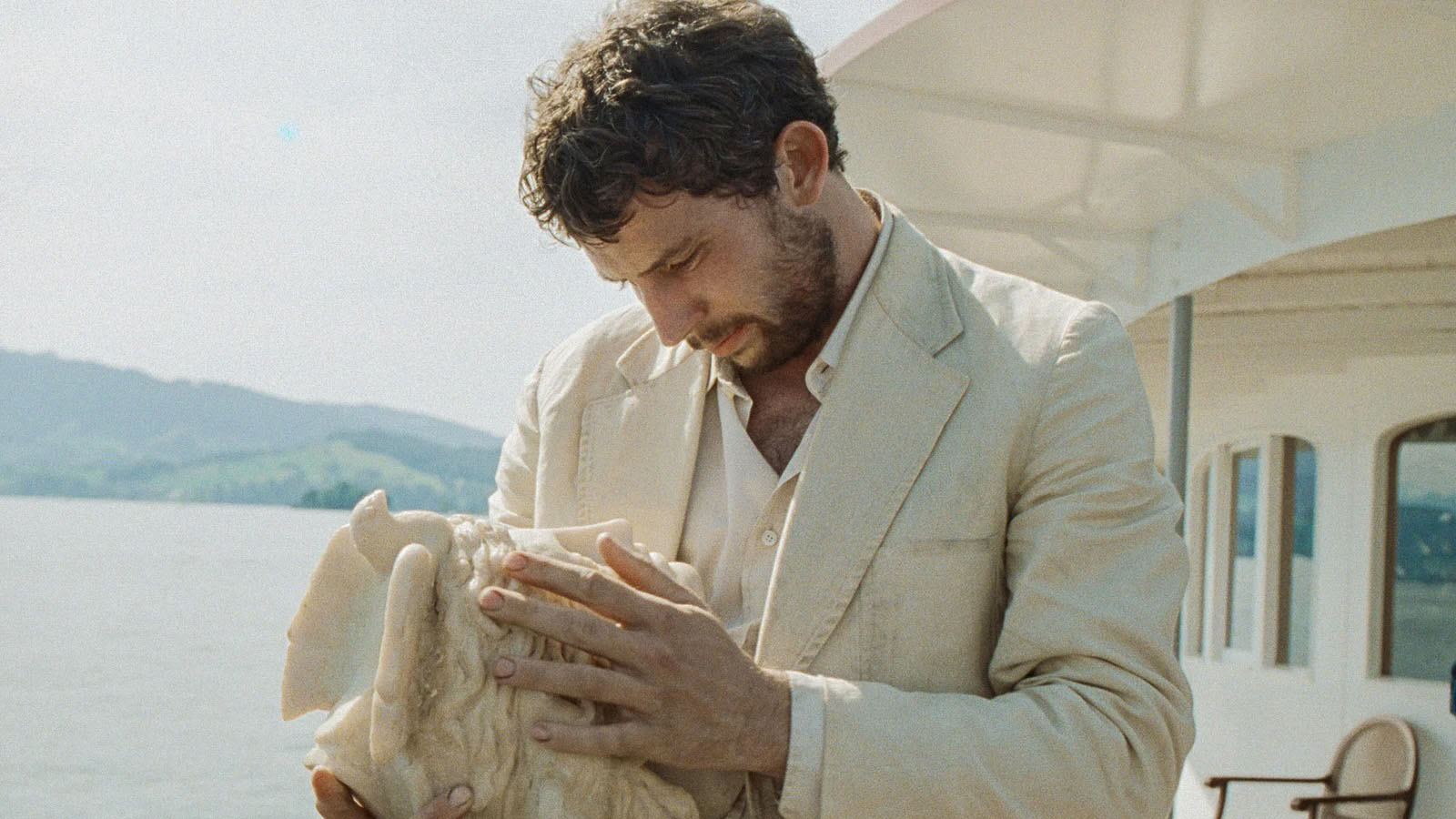
La Chimera is more than relatable and approachable; instead, it reorients how we think about the line between this world and the next. There’s a moment late in La Chimera when Arthur caresses and admires a stone head missing from a 5th-century statue. Arthur looks at it with a sense of remembrance; the piece reminds him of his lost loved one, Beniamina. Just like the first scene in the film, but with the roles reversed, the sun is kissing his face this time around. It takes him back; all of the memories they shared start to play in his mind like a collage; he quickly glimpses through it all as the equally magnetic and towering power of love and loss crosses his entire body.
He then remarks with a quote that was previously said by Carol Duarte’s character: “You were not meant for human eyes.” And the line puts the final nail in the coffin in terms of the film’s impact. With a single sentence, Alice Rohrwacher captures the essence of her movie, uplifting the thematic and emotional importance of every scene that precedes this one. We replay every single scene in our minds with those words in consideration. They gain a different meaning, even the ones where you think the film was meandering a bit. It is the healing process personified, made by a filmmaker who converts our worries into fables that are as grounded as they are poised and soul-stirring.
Director: Adam WIngard Writers: Terry Rossio, Simon Barrett, Jeremy Slater Stars: Rebecca Hall, Brian Tyree Henry, Dan Stevens
Synopsis: Two ancient titans, Godzilla and Kong, clash in an epic battle as humans unravel their intertwined origins and connection to Skull Island’s mysteries.
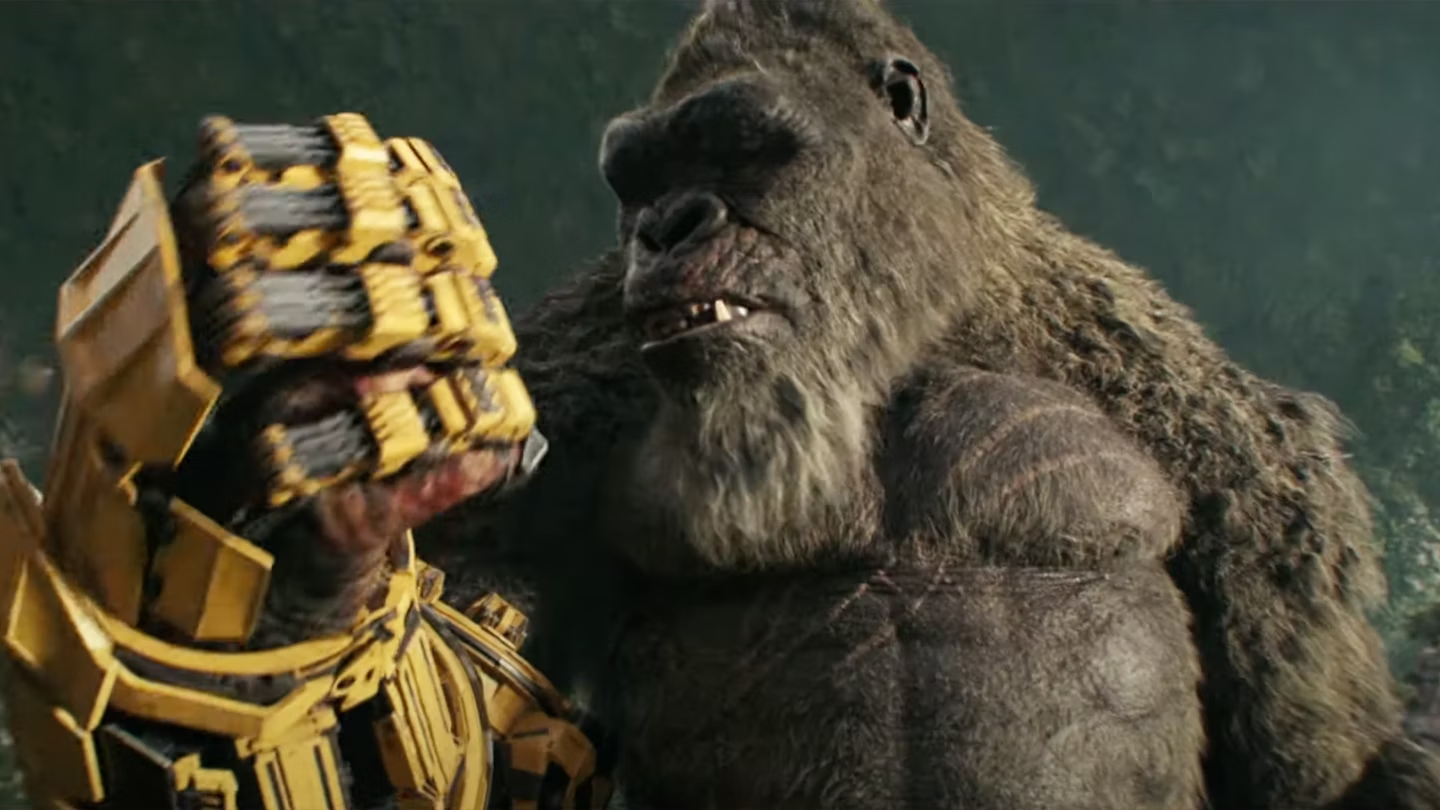
This franchise has gone off the rails. Granted, it’s not a franchise that had much in terms of a deep mythos. The filmmakers have had to make a lot of it up with a sprinkling of the stories developed in the original Japanese Godzilla films. It’s just that what they’re making up is nonsense. Not the fun kind of nonsense like most time travel comedies, but a headache inducing kind of nonsense like any film that attempts to recapture the magic of a more popular film that got there first.
It doesn’t help that every time a human is on screen they vomit exposition. While the previous films had far too many humans, Godzilla x Kong: The New Empire, has a slim coterie of adventurers, each one an “expert” who takes over talking duties when another one has finished. The film is written as if we really need context to multiple kaiju pummeling each other into the dirt. The spectacle is the monsters.
Though, that’s another weak point of the film. So much of it is spent with Kong, telling his story through dialogue free sequences that are then explained. The moviegoing public isn’t so dense that they can’t differentiate the protagonist ape, Kong, from the antagonist ape, Skar King. Why these apes aren’t with the other creatures in the upper levels of the hollow earth is just stuffing and so irrelevant. The exposition only serves to build a universe that is unbearably uninteresting.
The details are irrelevant, just like almost every human in this film. To tell you of the relevant human would be to give spoilers, so just trust that there is one, though only one. All other humans are collateral damage that don’t even merit close up reaction shots. There is supposed to be a fun aspect to the collateral damage of cities. When two monsters fight, it’s exciting and terrifying. We feel for the people below them, but the filmmakers never give us anyone to hold onto. There’s no Elizabeth Olsen running away or Millie Bobby Brown screaming her head off. There’s no emotional connection, not even in the fights themselves.
The filmmakers stuffed Godzilla x Kong: The New Empire with so much kaiju on kaiju action that most of it is blink and you miss it entirely. Did you just see a giant crustacean get boiled by Godzilla? Maybe, but all you see now is Rome partially destroyed and covered in guts. Then it’s off to the next scene. These are giant monsters, they should live in the wide shot, we should see the true impact of their destruction, yet we get nothing in the way of a breather. Not even a cheer or a real sigh of relief from our human protagonists. They aren’t even on the sidelines for most of the fights, but completely elsewhere uncaring about the destruction of the world.
This franchise has no real direction or metaphor like the original Showa Era of Japanese Godzilla films or the current Reiwa Era of Japanese Godzilla films. It may be because while Godzilla is in the title and is arguably the bigger draw for casual fans, this film, and the one before it, are Kong films. The franchise has embarked upon a story that heavily favors Kong, which makes it far weaker. Godzilla x Kong: The New Empire is an especially weak entry. It lacks the grand battles that require no deep mythology and like most franchises when it hits this point, it has far too many antagonists.
Though, there are a couple of bright spots amongst the monster mayhem. The chemistry between Dan Stevens and Brian Tyree Henry is delightful and not nearly present enough. Get these two a buddy film. The other bright spot is if you enjoy the small stories. There’s a nice coming of age/parenting narrative between Dr. Ilene Andrews (Rebecca Hall) and her adopted daughter Jia (Kaylee Hottle). The two are at odds, but come together, it’s sweet if predictable. Are these enough to recommend this film? Not at all. It’s high time for the Monsterverse to give up and let these two creatures live to roar again separately another day.
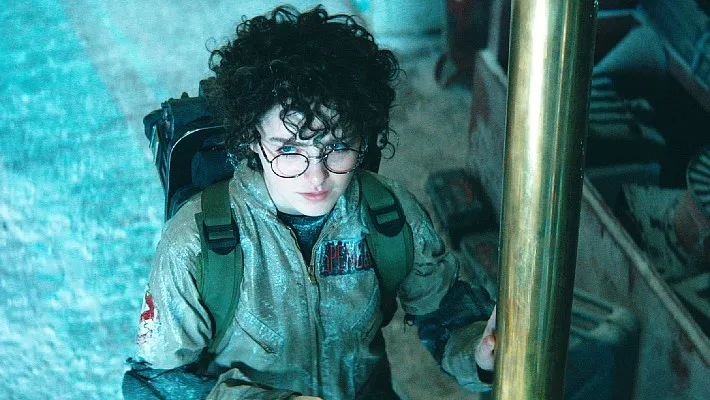
On this episode, JD and Brendan discuss the latest in the Ghostbusters franchise with Ghostbusters: Frozen Empire! While we really like the first two entries from the 80s, it’s becoming more and more clear that this franchise is in need of cleansing.
Review: Ghostbusters: Frozen Empire (4:00) Director: Gil Kenan Writers: Gil Kenan, Jason Reitman Stars: Paul Rudd, Carrie Coon, Finn Wolfhard, Mckenna Grace
On this episode, JD and Brendan are joined by InSession Film editor-in-chief Dave Giannini to discuss the horror film Immaculate, starring Sydney Sweeney! This is a film we’ve been looking forward to for some time, and while we had varying opinions on it, we found the conversation to be stirring. At least, we hope you enjoy it as we did.
Review: Immaculate (4:00) Director: Michael Mohan Writers: Andrew Lobel Stars: Sydney Sweeney, Álvaro Morte, Benedetta Porcaroli
In full Spring, five more movies are out with two being remade for 4K-UHD purposes and three newcomers to the closet. A nearly forgotten movie from sixty years ago is saved for the better here, while a hidden American indie and a more contemporary European drama join Criterion’s greatest hits. In five different countries, in four languages, April’s list is quite a doozy of releases.
I Am Cuba (1964)
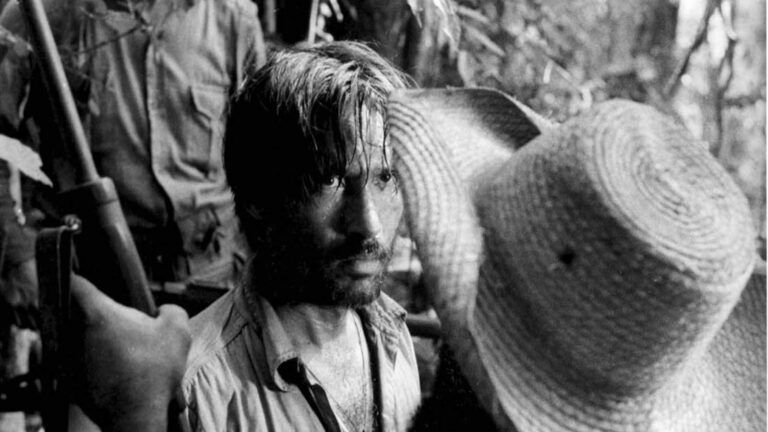
As a piece of pro-Communist propaganda, it is still a dazzling reconstruction of a country born from a revolution that changed the island nation forever. Russian director Mikhail Kalatozov went to Cuba and captured a country that had always been crushed by foreign exploitation and massive inequality, now feeling something worth saving was here. Four stories are connected and lifted up by amazing camerawork, courtesy of Sergey Urusevsky, to what Cuba was becoming; however, it was criticized by both Cuban and Soviet officials for being stereotypical, naive, and not radical enough. It was forgotten for thirty years until it reappeared in the United States and a re-evaluation promoted it as an incredible visual masterpiece.
Picnic At Hanging Rock (1975)
The first of two re-editions is Peter Weir’s mystery drama set in a boarding school where schoolgirls go missing at a picnic on Valentine’s Day in 1900. A key piece of the Australian New Wave, Weir mixes the mystery with themes of sexual repression and class differential in the Victorian era. With Rachel Roberts and Jacki Weaver, Weir became a much bigger figure in Australia’s growing cinema which would see him direct films for Hollywood, the first of several directors who would also cross the Pacific to do so.
Dogfight (1991)
A Marine heading for Vietnam (River Phoenix) and an aspiring folk singer (Lili Taylor) meet on November 21, 1963 – the day before President Kennedy’s assassination – and go to a bar to attend a cruel party against the girls who are there. However, the encounter turns into something else as the night goes on between them in a time when innocence was still with everyone. Director Nancy Savoca helms this bittersweet coming-of-age story filled with classic folk music while analyzing American machismo and the status of young people in that time, one day before the darkest of all days befell everyone.
La Haine (1995)
The second re-edition is Mathieu Kassovitz’s brutal story about the racial separation in concrete urban jungles between Jewish, African, and Arab people played by Vincent Cassel, Hubert Koundé, and Saïd Taghmaoui. These three characters who cross paths in the aftermath of a riot against police brutality where one wants revenge on the police, another wants to be a mediator to bring peace in the neighborhood, and a third, whose business was burned down, strongly disagrees with the belief that violence in retaliation is the right way. The film is all about hatred, which is what the title translates to, and what it does to society as a whole.
Werckmeister Harmonies (2000)
Directors Bela Tarr and Ágnes Hranitzky (who are also husband and wife) took on László Krasznahorkai’s novel set in bleak, Communist-era Hungary and created a long, fluid trek of unease in the story of a circus who comes into town with a mysterious cloud over them. It is a Lynchian type of movie, black-and-white and with an eerie quality that converts bleak into an ultra-violent fantasy, unexplainable yet beautiful. Tarr built on his reputation for long takes, creating thirty-nine shots, which was then edited by Hranitzky to tie together a nightmare of a visit.
Synopsis: Three mischievous children embark on a woodland odyssey when their mother sends them on an errand.
I think most of us are very protective of our childhoods, especially our outdoor adventures with our friends and neighbors. The combination of wonderment, consternation, and curiosity creates a fantasy-like atmosphere to those ventures – climbing trees, running on the hot summer days, and skateboarding through the neighborhood, amongst other activities I indulged in. There’s some magic to it, one that cannot be replicated as we grow older. Yet those memories are left intact and can transport us back from time to time. Many directors have tried to replicate this feeling with their films. But, on most occasions, they never tend to capture that aspect of imagination and daydreaming within each person’s childhood escapades. And that’s where Weston Razooli and his feature-length debut, Riddle of Fire, come into play.
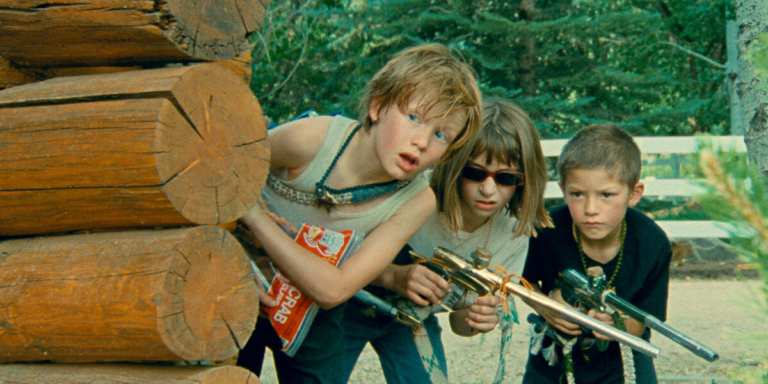
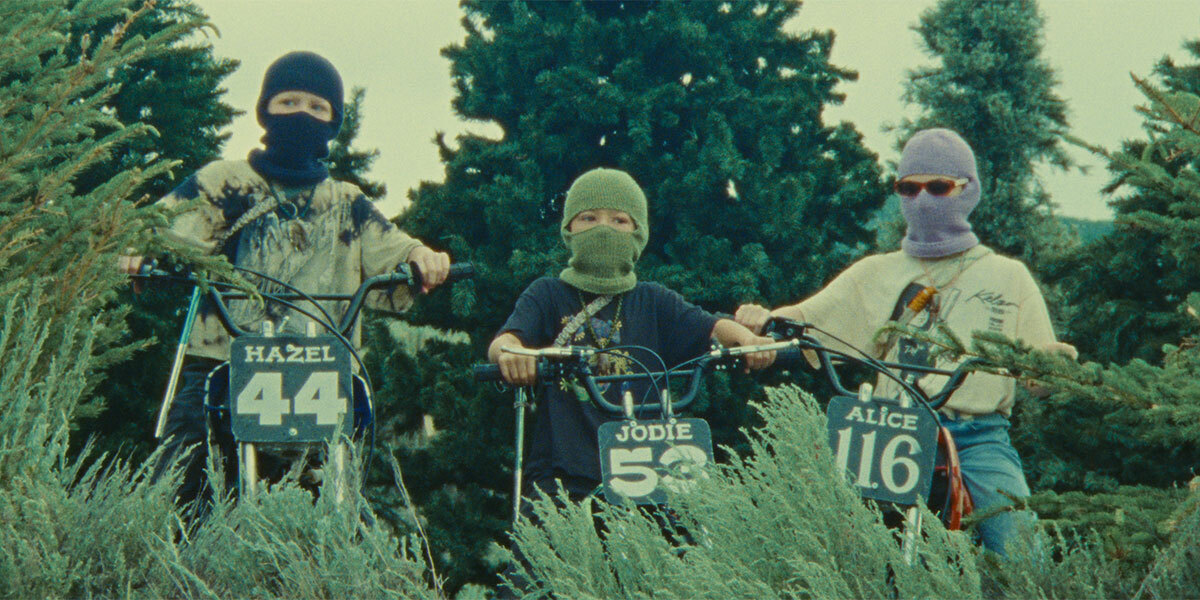
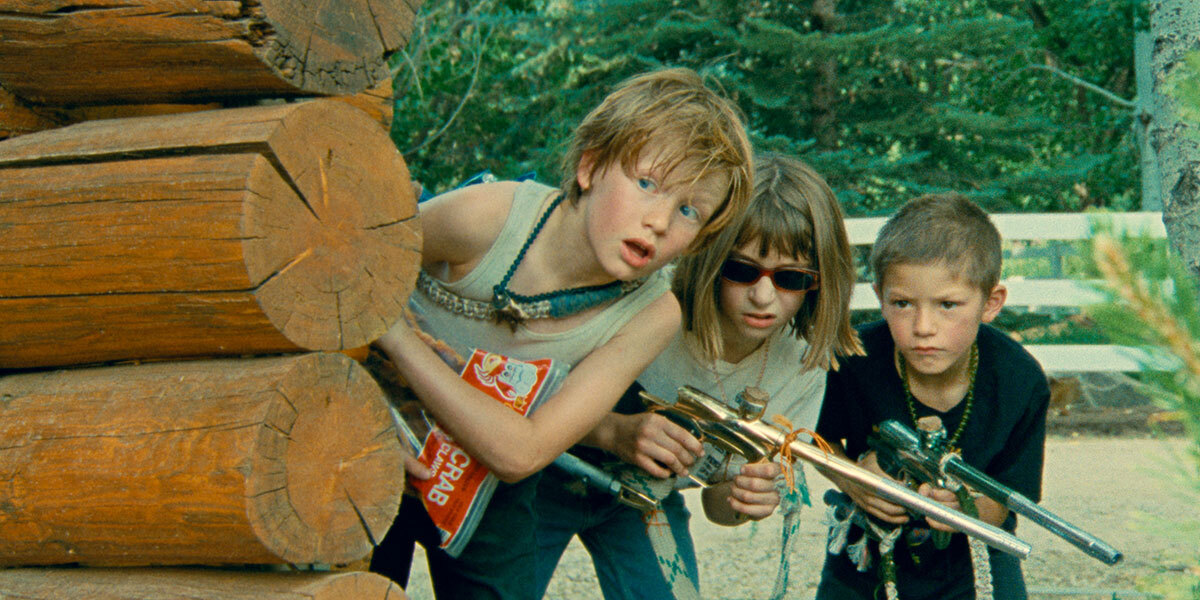
American writer/director Razooli uncovers the magic behind children’s creativity, delivering a playful, fanciful original film, even though it grows a tad weary. It is an odyssey about friendship and those memories from “back in the day” that we hold dearly. And it all begins with three young balaclava-wearing rascals from Ribbon, Wyoming – Hazel (Charlie Stover), Alice (Phoebe Ferro), and Jodie (Skyler Peters) – who are hanging out during their summer vacation. They have created a “gang” named the “Three Immortal Reptiles”, taking the name from the animal claw necklaces they hang around their necks. This trinity of mischief-making younglings ride around the plains on their dirt bikes and carry paintball guns as weapons, in case of trouble (or if they just want to bother someone).
These rascals have performed many capers during their summers together. But they will remember their latest venture for a long, long time. The events in Riddle of Fire begin when they end up stealing a newly released video game console from a nearby warehouse – sneaking around, hiding from a security guard, and ending up with the goods. The trio are excited to sit around the TV and play video games until the night comes. However, some difficulties stand in their way. For starters, the television has been password-protected by Jodie’s mother, Julie (Danielle Hoetmer), who is currently bedridden and wants the kids to spend their time outside rather than spend all day gaming. But she has an offer that they can’t refuse.
Julie asks for a blueberry pie from her favorite bakery – a treat that always brightened her day when she was younger – and she will let them play with the new console for two hours. When they notice that the bakery is all out of pies, the trio decide not to give up on the mission and bake the pie themselves, as a token of appreciation might be of more value than buying the treat (and they could potentially haggle some more playing time because of it). So, they get every ingredient needed to bake the pie, except for a speckled egg taken by a man named John Redrye (Charles Halford). The kids beg him for the eggs, but the stranger refuses. Full of spite and vigor, the “Three Immortal Reptiles” decided to follow him home and steal what he took from them.
What transpires is an adventure in the Utah mountains that involves a poaching ring, a taxidermist cult named the “Enchanted Blade Gang,” a fairy hidden in the woods, and many sparks of imaginative, while cluttered, independent filmmaking by Weston Razooli. Arriving with the tagline “The Coolest Debut from Cannes” (and rightfully so), Riddle of Fire is a slick experience constructed inside and out from children’s minds and aimed at the viewer’s previous selves—the inner child in us all. The film immediately takes you back to those days when there wasn’t a care in the world. You were roaming free with your friends during the sunny summer days, no matter the decade in which you grew up. Weston Razooli captures that essence that many filmmakers have had difficulty grasping in their respective films about the youth due to their lack of playfulness and creativity.
That same ingenuity fuels each performance, all feeling genuine as if they were pulled directly from that world. The kids sometimes mumble and fumble their lines, yet Razooli leaves them to make the experience feel more authentic, even though it is more based on fantasies imagined by children. You live and breathe each setting, thanks to the odd details in not only the characters but what they were, the locations, and the fairy-tale-esque atmosphere that isn’t afraid to go darker once in a while. Unfortunately, a couple of things prevent Riddle of Fire from being a truly outstanding directorial debut. The main issues in Weston Razooli’s film are the occasional meandering nature of his narrative and the shifting tones.
A big chunk of the movie feels like a bunch of segments clambered onto one another with some style and flash. Every angle of this story, whether it is the multiple subplots and awkward moments, seems too loose and laid back to mold an organized narrative around it. You are entertained by it all, as the “Three Immortal Reptiles” are charismatic enough to follow them around during their hijinks. Yet, when you examine the story closely, many moments feel like “filler” material—segments unrelated to the main plot that don’t alter much of the characters’ relationships and simply take up space. I believe it is in these moments that the feeling of nostalgia and innocence begins to fade. The director recuperates that feeling from time to time, but it is a shifting wave of ups and downs.
With a runtime of 113 minutes, Weston Razooli extends his debut with scenes that add nothing to the leading trio’s dynamics–with a handful of threads left relatively uncooked and unsatisfactory–instead of doing some substantial trimming to ensure the emotional value of this story doesn’t lose itself amidst the “cool factors” being implemented. I still believe that there’s plenty to admire and be fascinated by in Riddle of Fire, primarily because of its low-budget cost and production. Razooli wrote, directed, edited, acted, and did some of the costumes for the film. And it is very impressive that he managed all those tasks without wearing down his picture altogether. As a piece of independent filmmaking, Riddle of Fire is truly a marvel of a project. Shot across 20 days, Razooli managed to get the best out of every situation and got away with something magical yet cluttered in a way that seems acceptive to each flaw or slight mistake during the production.
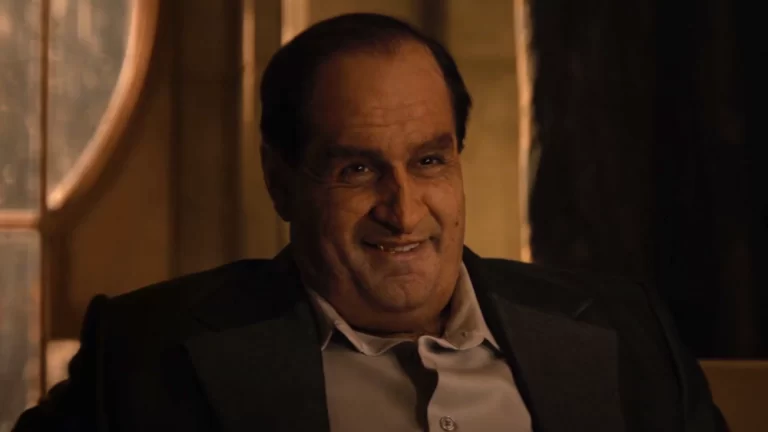
On this episode, JD and Brendan continue to discuss the news-apolooza from Episode 578 where we discuss the trailers for The Acolyte, The Penguin and Rebel Moon: Part Two!
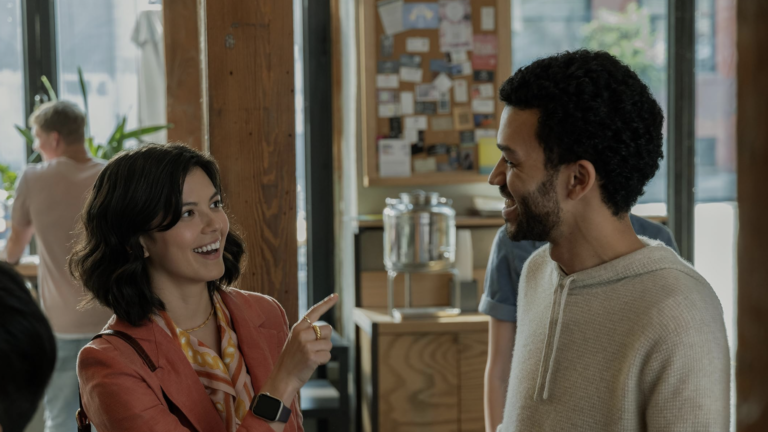
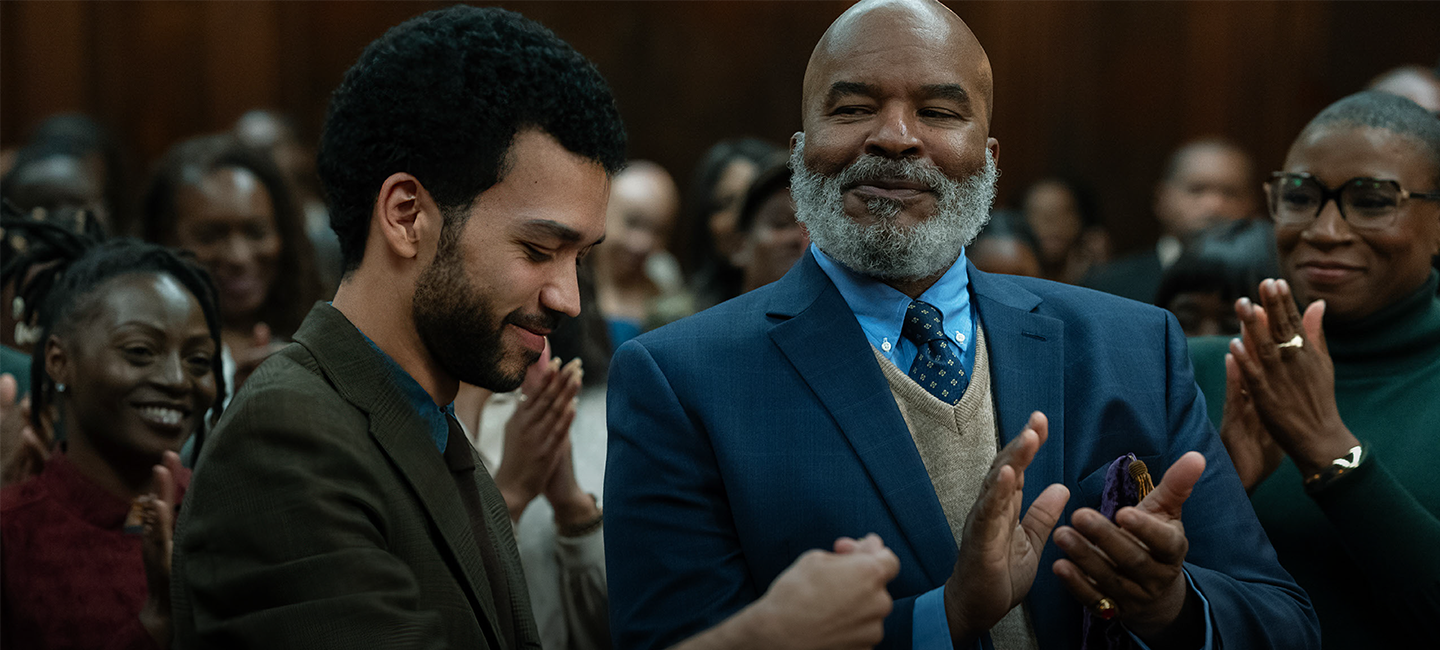
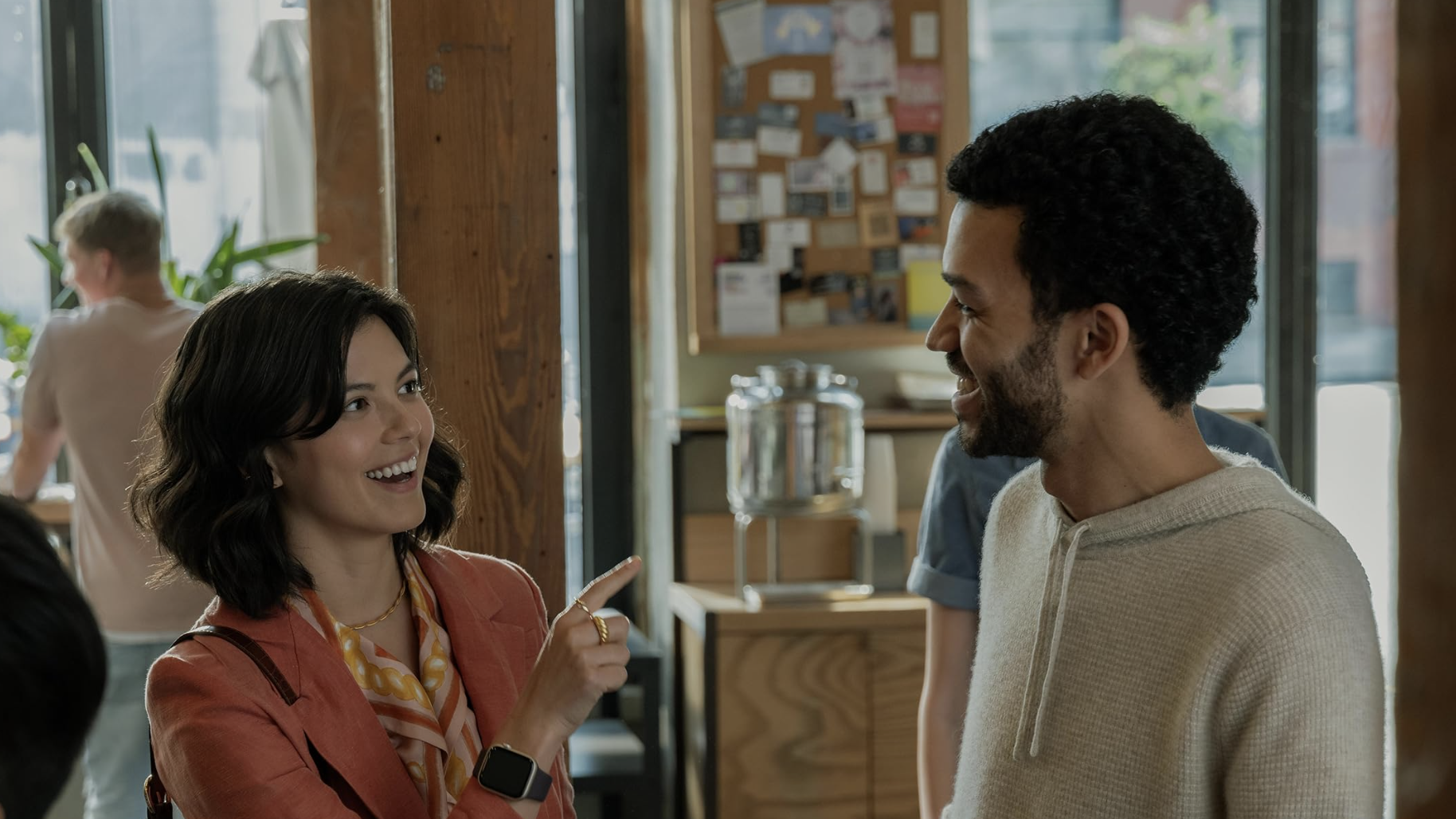
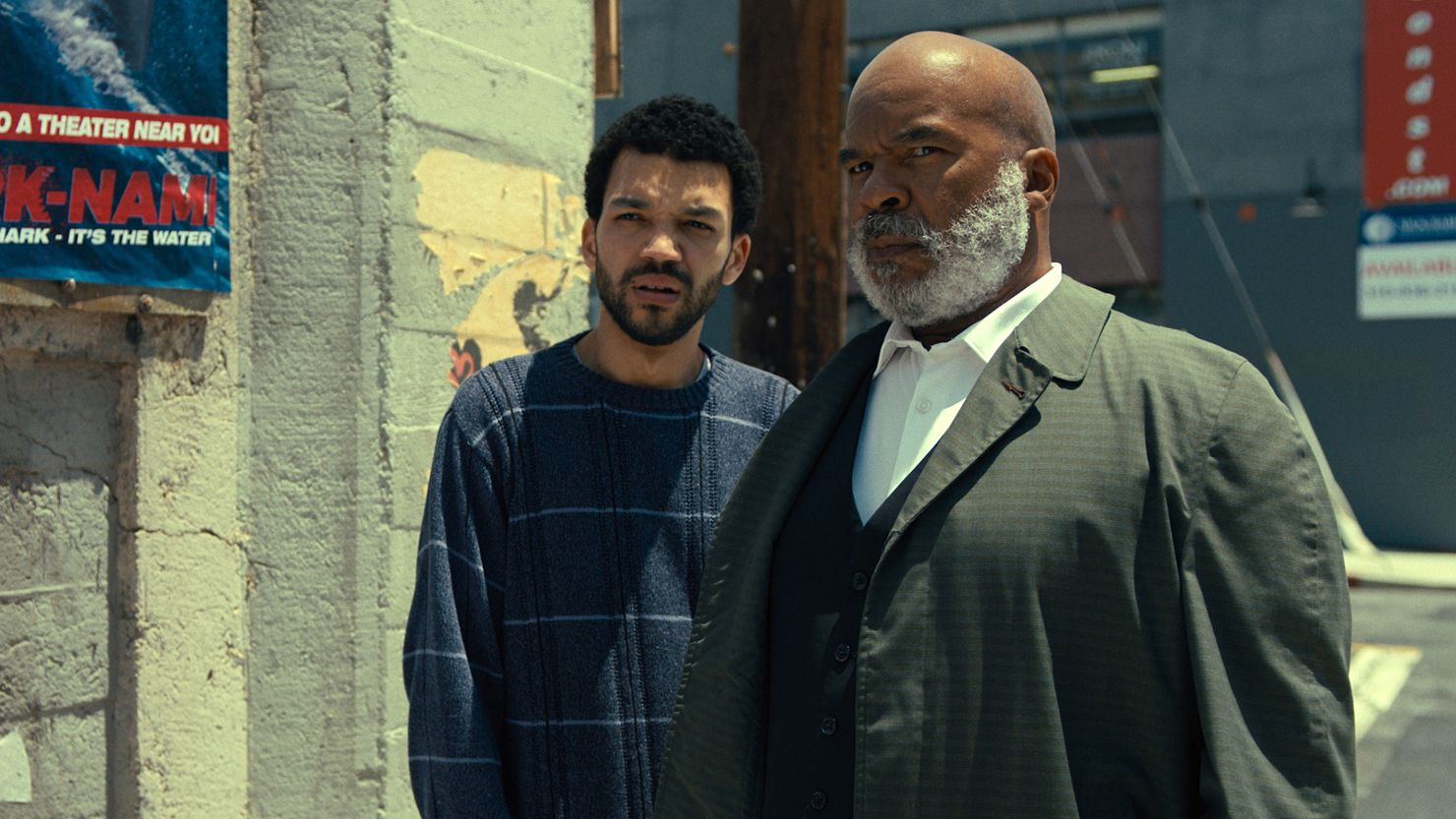
Director: Kobi Libii Writer: Kobi Libii Stars: Justice Smith, David Alan Grier, An-Li Bogan
Synopsis: A young man is recruited into a secret society of magical Black people who dedicate their lives to a cause of utmost importance: making white people’s lives easier.
One of the first promos I saw for Kobi Libii’s debut feature, The American Society of Magical Negroes, placed the film’s actors in a sort of jokey standoff. Stars Justice Smith, An-Li Bogan, and David Alan Grier all invited audiences to come see “their” new movie, each actor playfully ribbing the next as they placed an emphasis on the fact that the film they were all promoting was theirs. (“Check out the trailer for my new movie…”, “I think you mean my new movie…”, etc.) This sort of banter has become an oddly trendy way to introduce trailers to audiences; the cringiest version came from Anyone But You stars Glen Powell and Sydney Sweeney — and was later parodied by Emma Stone and Nathan Fielder as they promoted their show, The Curse. But the key to this bit, in all its iterations, is a cast-wide understanding of the truth behind it: That these movies belong more to duos or ensembles than they do to one character, and are better off for it.
What none of these trailer intros make an attempt to do, understandably, is try to make a case for what ideas the film in question is in service of. That’s up to the movie itself to illustrate, and for those viewing it critically to dissect in the aftermath. A film like Anyone But You is easy: a sexy rom-com with ambitions to serve as catnip for audiences seeking a throwback to genre movies of yore. Something like The American Society of Magical Negroes, however, is a more complex case. Does it wish to push buttons? Or to cause audiences to consider their own behavior in regards to the subject matter, something deeper, something unintentionally malignant, perhaps? Maybe it’s setting out to take a reasonably well-known trope — the “magical negro” refers to a Black character whose primary reason for existence is to help further a White protagonist’s journey — and flip it on its head.
On the surface, each of these answers could ostensibly apply to Libii’s film. It markets itself as a satire, a think piece, and an argument for individual reckoning all rolled into one. But The American Society of Magical Negroes has other ambitions, too: it aims to charm you, to make you laugh, to make its potentially-discomfiting title and overarching premise more digestible. Or, at least, that’s what it appears to want to do. And therein lies the problem.
A goal-ridden film like Libii’s should be ambitious, but so often do we see directors — not just first timers, though they make up a sizable chunk of this population — miss the trees for the forest, not the other way around, due to an insistence on being liked rather than being properly understood. It’s not that Society shouldn’t be charming or funny, but that it shouldn’t cloak itself in a security blanket woven together by those elements. In other words, it’s a film that should and could be far more challenging, if only it wasn’t so hell-bent on being winsome.
It’s the story of Los Angeles-based artist, Aren (Justice Smith, quickly becoming the go-to actor for delightfully anxious millennial parts, and for good reason), who has a penchant for pieces made out of yarn that no one understands. After a particularly disastrous gallery showing, at which one White patron mistakes him for a waiter, he’s approached by Roger (David Alan Grier) who promises a more fulfilling life should he join the titular underground society. They work, Roger explains in so many words, to make White people feel better about themselves, thus making the world a safer place for Black people. Indeed, they do so with a little dash of wizardry.
Aren’s first full-time client is a tech bro named Jason (Drew Tarver) who is undeservingly in line for a promotion at MeetBox, a unimaginatively-conjured software company with a Musk-esque CEO (Rupert Friend) where employees spend more time playing ping pong and ordering juices of varied greenness than they do coding or designing. Well, most of them, that is: Lizzie (a lovely An-Li Bogan) is one step below Jason in staff hierarchy but eons above him in talent and drive. Jason not only sees Lizzie as his “work wife”, but also happens to have feelings for her. And despite the fact that those feelings seem to come from a place of general attraction/convenience and not, say, actually knowing her, furthering Jason’s romantic prospects becomes Aren’s primary duty.
Which is a bummer, because Aren, having had a coffee-shop meet-cute with Lizzie mere moments before his first day on the job and, more importantly, having developed a true connection with this workplace paramour, now has to choose between his responsibilities to the society and his feelings. But the whole point of their work is to set aside their feelings in order to make the world a better place for all, even if a more appropriate phrasing for “better” might be “easier for White people, safer for Black lives.”
Yet, just as Aren is anxiously conflicted between his work for the society and exploring a love connection — not to mention that if his personal interests take precedence over the society’s goals, every member could lose their powers — it seems that Libii is caught between two complementary elements of a single narrative without ever really fleshing the more important one out. The satirical nature of Society does, indeed, feel shorthanded, as though Libii felt he couldn’t fortify the so-called central pillar of his plot without amplifying the presence of what should have remained a secondary beat to the far-more important one.
There is a cavernous distance between a film with provocative aspirations and one that succeeds in provoking. The issue with The American Society of Magical Negroes is that, despite its window-dressing, it seems to possess neither. There are ideas aplenty to back a trio of good-not-great performances from Smith, Bogan, and Grier; but whatever substance those ideas might have once contained seems to have been stripped out in favor of a film that more resembles a stunted, by-the-numbers rom-com than the film its clever prompt suggests.
The closest it ever comes to causing a stir is with its “climax”, when Aren predictably unloads all of the pent up frustration he’s had to push aside in favor of the society’s best interests in a speech littered with schlocky one-liners about heavy racial anxieties and fears. And while Smith’s performance, both here and over the course of the film as a whole, stands tall, the sequence in question merely limits Society’s objectives even more than they already have been.
It’s a shame how short Libii’s debut comes up, considering how well-attuned the director appears to be when it comes to how successful some stories of this nature have been in the past. In a pre-release featurette for the film, he noted that, culturally, “we’re pretty good about telling stories about overt racism — slavery stories, legal discrimination — because they’re visual. But the more common microaggressions are incredibly hard to pin down.” If only his own attempt at pinning them down wasn’t so ham-handed.
Director: Robert Longo Writer: William Gibson Stars: Keanu Reeves, Dolph Lundgren, Ice-T
Synopsis: A data courier, literally carrying a data package inside his head, must deliver it before he dies from the burden or is killed by the Yakuza.
In a world where corporations and criminal empires are one and the same, elite courier Johnny (Keanu Reeves) overloads his brain implant with 320 gigabytes of data that must be extracted in several days or his brain will turn to mush in the much maligned 1995 cyberpunk thriller, Johnny Mnemonic. Directed by Robert Longo in his lone feature film and adapted by William Gibson (The Peripheral) from his 1981 story, Johnny Mnemonic is actually a campy commentary wrapped in intriguing science fiction.
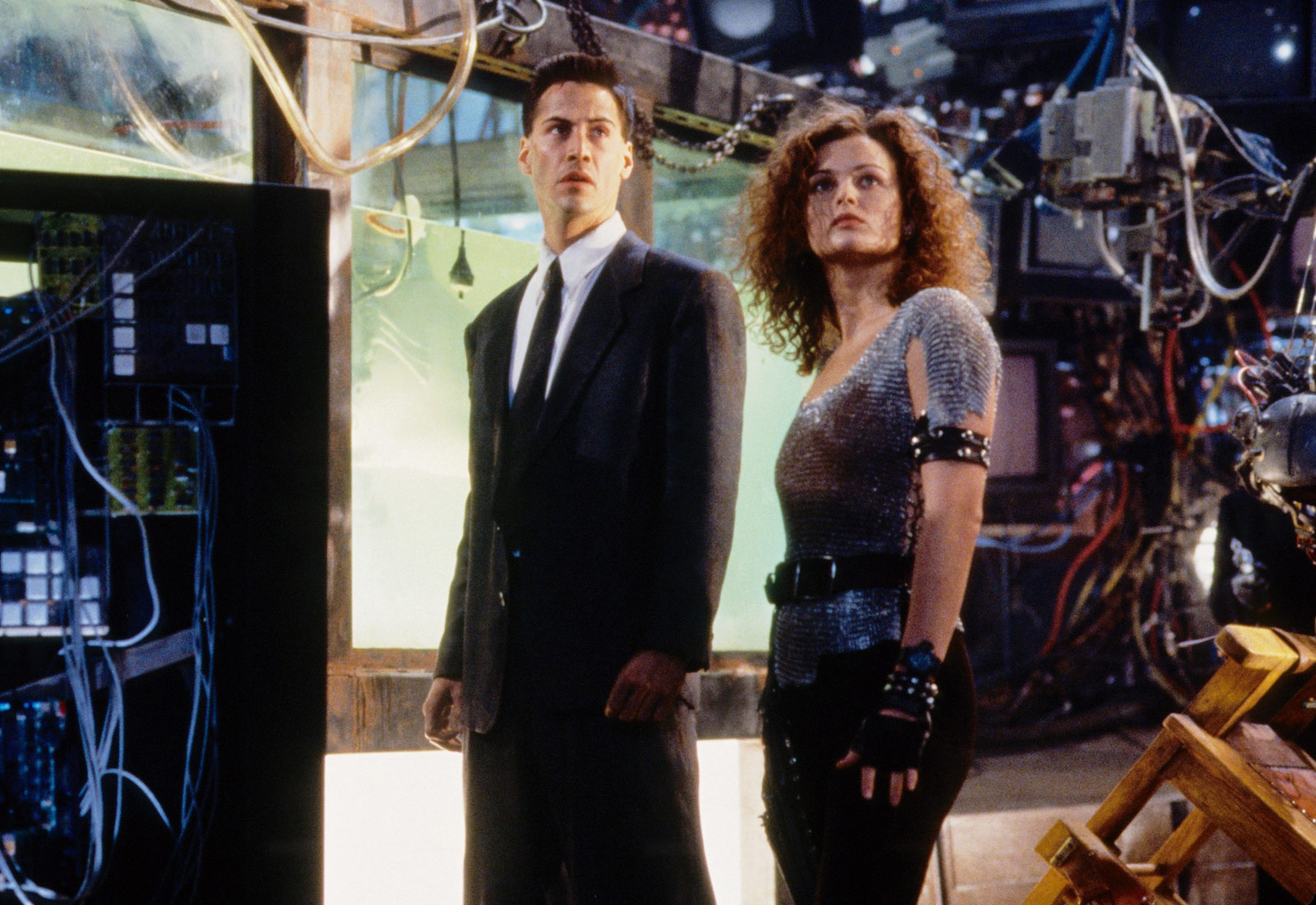
The opening scroll of Johnny Mnemonic establishes the million dollar microchips, technological plagues, info-wars resistance, smuggled secrets, and underground hackers immediately. Sophisticated meetings with guns drawn and corrupted data seepage provide a ticking clock amid unknown download codes, intense brain overloads, and corporate rivals in pursuit of the information in our head. They’d prefer the Pharmakom company defectors dead and Johnny decapitated for cryogenic shipment, and yes, the acting is hammy to match. However, there’s also a self-awareness to the science fiction camp thanks to melodramatic, kooky characters embracing the humor of Johnny delivering “double cheese, anchovies.” Johnny Mnemonic moves fast with unofficial attempts at extraction and violent negotiations for his head. Johnny is desperate to get online and needs a computer to do so, but the primitive retro-futuristic research montage is well directed and edited for suspense as hackers dial in and the baddies home in on the location. The virtual reality headsets are silly now, yet Johnny Mnemonic looks refreshingly gritty with harsh language peppering the sci-fi preposterous, shabby street clinics, zealous assassins, and virus consequences. Choice flashes accent our courier’s oozing data as the headaches escalate and the underground code breakers broadcast to the people. Of course, Johnny Mnemonic does descend into deus ex machina, and even Johnny asks WTF thanks to fiery cars dropped from the tops of buildings and standoffs between anonymous company folk and nondescript street people. The further the action set pieces get from Johnny and the immediate themes, the weaker the picture gets. Redundant bad guys are easily resolved, and it’s as if Johnny Mnemonic doesn’t know how to end despite the jury rigged extraction saving one and all in the nick of time. Fortunately, we can go along with the nonsensical dolphin data revealing the corporations versus the cure. The NAS virus is big money. So what if a few million poor people die?
Before he was John Wick, Keanu Reeves was Johnny Mnemonic with the expensive babes and luxury hotel suites. Elite clients can upload their consciousness to Swiss neural nets and be ghosts in the machine with citizenship rights; yet the poor victims of NAS must resort to underground connections. Johnny could illegally yank his implant out altogether and end up with no motor skills or memory, but he doesn’t know his home or remember his childhood anyway thanks to his microchip. There’s a sadness to the job and Johnny wants his brain back but he must complete this final run despite the overloaded jack-ins and nosebleeds. The uploads and fuzzy birthday party memories are somewhat comical in their intensity, but Johnny maintains his cool with a sardonic quip for everything. He’ll personally rough up anyone that double crosses him, but now everyone’s out to get him – if his head doesn’t blow up first. It’s safer that Johnny never looks at the data he carries but now he has the weight of the world in his brain and wants the info out, coherent data or not. Dolph Lundgren (Universal Soldier) certainly looks the ecclesiastic figure as the preacher Honig, carrying a shepherd’s crook and quoting Isaiah before putting a victim’s hand in a boiling pot. He’s an assassin to any unrepentant sinner with a serrated blade shaped like a crucifix and he’s in pursuit of Johnny’s head for triple the fee. Johnny Mnemonic would have been better if Honig was the only enemy after Johnny instead of several company factions, for his cheeky zealot is played to the hilt, yet is disturbing in his ominous extracting of information.
Ice-T (Law & Order: Special Victims Unit) asthe appearing and disappearing Lo-Tek leader J-Bone is likewise almost a mythical figure. His rivalry with Lundgren’s Preacher makes an interesting juxtaposition – the Nordic savior cum killer in White versus the Black man on the street with a gun who’s the hero of the people. Though talking the angry talk, J-Bone is surprisingly chill about jacking Johnny up to a dolphin to get the cure-all access codes. Udo Kier’s (Shadow of the Vampire) shady double dealing agent, however, will use Johnny as needed so long as the cutting off of his head remains gentlemanly. Former doctor Henry Rollins (Heat) also demands his work is clean. His so cranky he’s campy Spider embodies the warnings of Johnny Mnemonic in a few key scenes. The information overload from electronics everywhere has poisoned the airwaves, but even the people with NAS can’t live without the technology we created that’s causing our destruction. Dina Meyer’s (Starship Troopers) female bodyguard Jane shows signs of NAS with inconvenient twitches and spasms, but she can fight, and fight dirty. For fifty thousand dollars to save his head on the operating table, Jane becomes Johnny’s unlikely rescuer as well as the audience’s anchor, asking questions between the street action in quiet moments with Johnny. There’s a hint of attraction of course, but Jane and Johnny are both trying to make sense of their world, revealing pieces from each other’s past and sharing painful moments together.
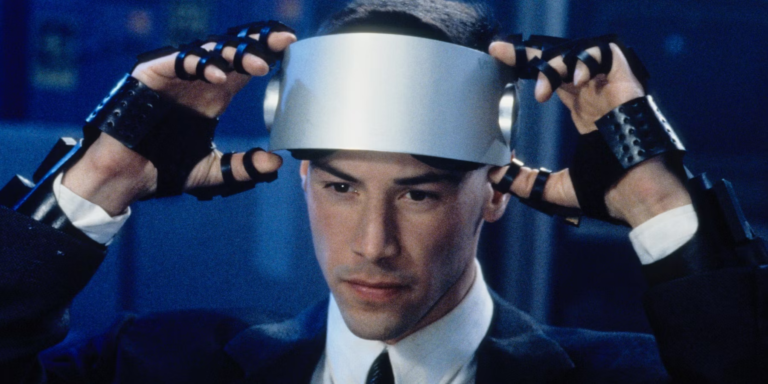
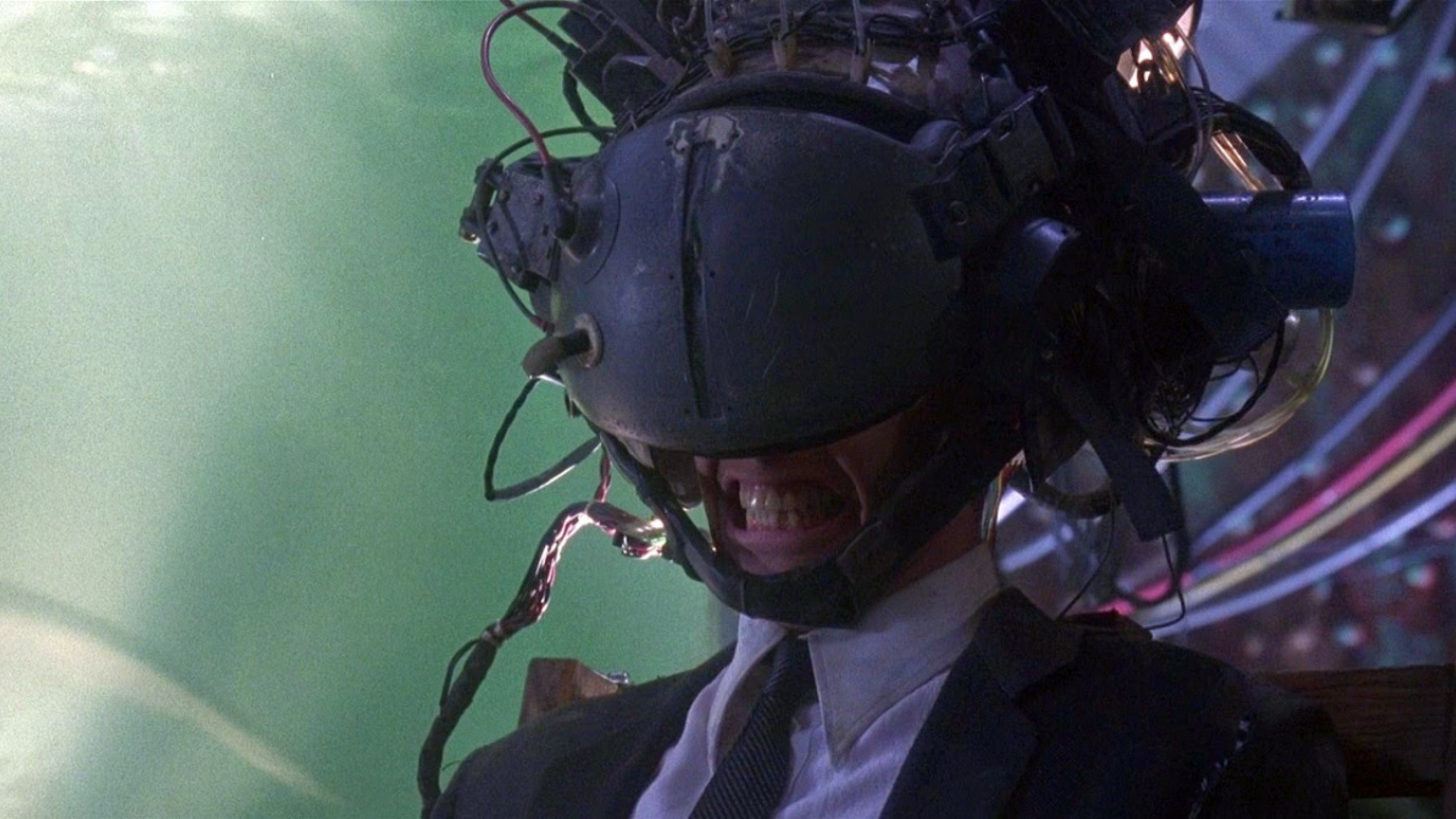
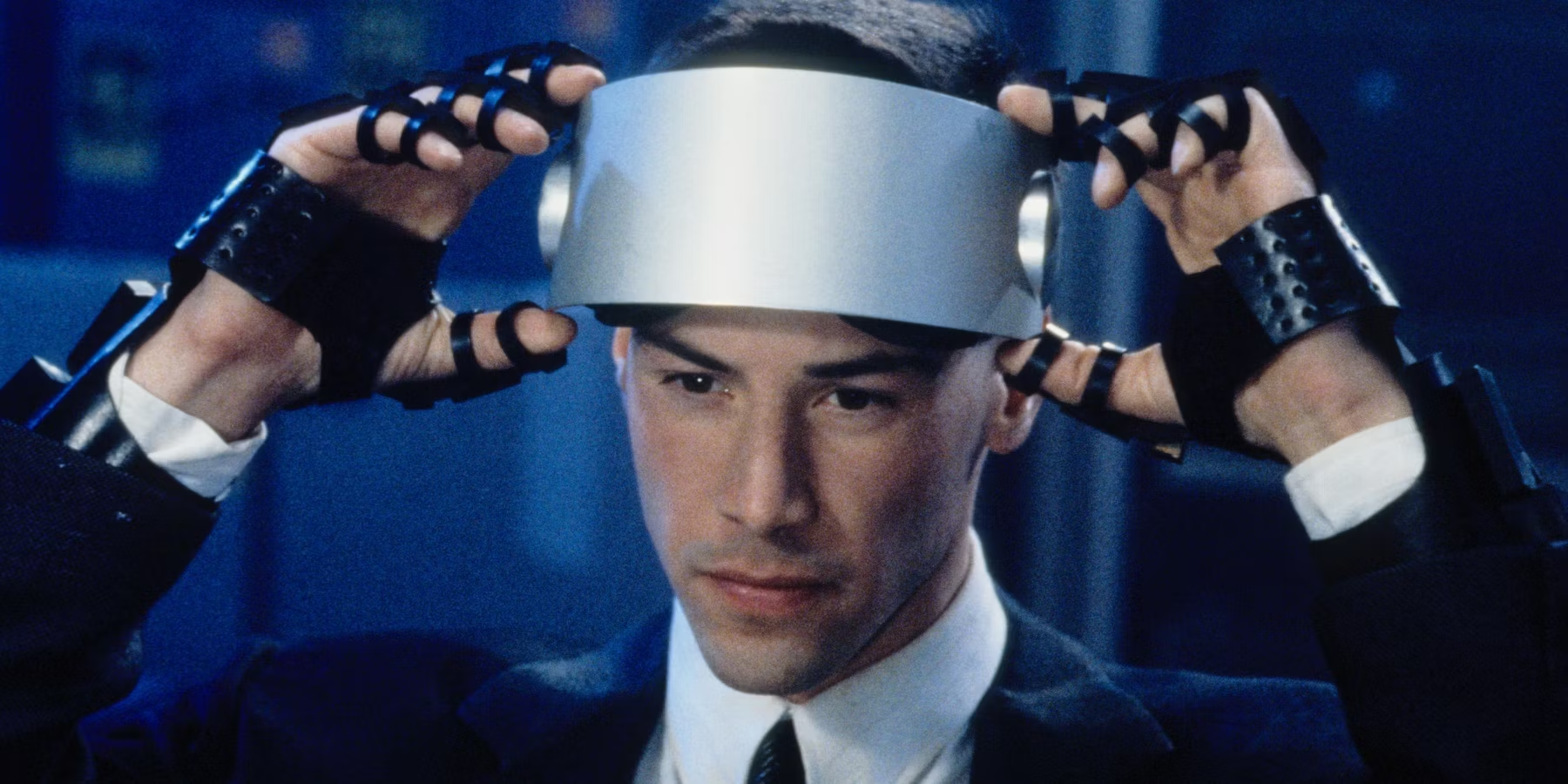
The “Free City of Newark” is fittingly downtrodden with heavy metal edge and industrial dirty contrasting the high tech scans and suave Beijing chic. However, the Lo-Tek people are dystopian Merry Men with crossbows and questionable street urchin style alongside cliché Japanese villains. The slow motion shootouts are hokey but thankfully not drawn out, and the inside the conduits special effects downloads happen fast – tolerable because they aren’t panoramic shock and awe, for the sake of it cool. Johnny Mnemonic is colorful with gritty flair in spite of the terrible makeup and futuristic night club scene. The laser whip slicing off fingers is pretty neat, and predictive devices give wake up calls with the date, time, and weather. The giant headsets, mini discs, micro players, cassettes, fax machines, and brain upgrades, however, are all plug-in only. 160 gigabytes is supposed to be a lot (LOL), and the rundown of jack-in gear is silly – data gloves, GPL stealth module, and “eyephone” virtual goggles. AT&T is also the bemusing go to video call brand, and the masses are invited to set their VCRs as critical data is broadcast across convex, square monitors. The brain imagery does become somewhat Max Headroom likein the finale, but a dolphin’s initiating the download so you have to laugh instead of complain. Banks of big old little TVs together also do not a giant flat screen make, yet several blocks of televisions in the shape of a cross accent Johnny Mnemonic‘s metaphor on technology as religion leading to our detriment.
Viewers can tell there was a behind the scenes studio push to make Johnny Mnemonic more action oriented over the original cerebral concepts. Today Johnny Mnemonic would look very different, lacking the satirical self-awareness and taking its convoluted science fiction special effects far too seriously. However, the blueprint of today’s blockbusters is here: nothing burger visuals, sarcasm, action extremes. Certainly one must accept the datedness, inadvertent laughter, and camp in order to appreciate the winks and intriguing underlying themes. Johnny Mnemonic can be enjoyed for what it gets wrong as well as the ahead of its time, unable to tear the smartphone from our hands warnings it gets right – a fascinating film to revisit in this our John Wick world.
This week on the InSession Film Podcast, it’s news-apalooza as we talk about the ramifications of Hollywood embracing OpenAI, the possibility of Aaron Taylor-Johnson being the next Bond, the trailers for Alien: Romulus, Beetlejuice Beetlejuice and Furiosa, among other discussion!
Check out this week’s show and let us know what you think in the comment section. Thanks for listening and for supporting the InSession Film Podcast!
– Hollywood & OpenAI / Aaron Taylor-Johnson / Alien: Romulus / Scream 7 (7:14) We begin our audition of Movie News Talk by discussing the report that Hollywood studios are having meetings with OpenAI and encouraging their filmmakers to use the software. It’s disturbing. We had to talk about it. We also discuss the possibility of Aaron-Taylor Johnson becoming the next James Bond. We riff on the trailer for Alien: Romulus and how it looks more of the same. And then end the first segment by talking about the Scream 7 news and Neve Campbell coming back to the franchise.
– Beetlejuice Beetlejuice / Furiosa / Joker: Folie à Deux (1:06:00) In the back half of the episode, we begin by talking about the trailer for Beetlejuice Beetlejuice, which is surprisingly good and features a fun little gag for those who saw the first film. We then talk about the trailer for Furiosa and how it looks quite great overall, even if we have some questions about the visual effects. We then end the show by talking about Joker: Folie à Deux‘s 15 covers songs and the fun surprise that Kumiko: The Treasure Hunter is going back to theaters for its 10th anniversary.
If you want to help support us, there are several ways you can help us and we’d absolutely appreciate it. Every penny goes directly back into supporting the show and we are truly honored and grateful. Thanks for your support and for listening to the InSession Film Podcast!
Director: Steve Buscemi Writer: Alessandro Camon Stars: Tessa Thompson, Logan Marshall-Green, Margaret Cho
Synopsis: Follows a helpline volunteer who is part of the small army that gets on the phone every night, fielding calls from all kinds of people feeling lonely, broken, etc.
“Call back anytime, ask for Beth”
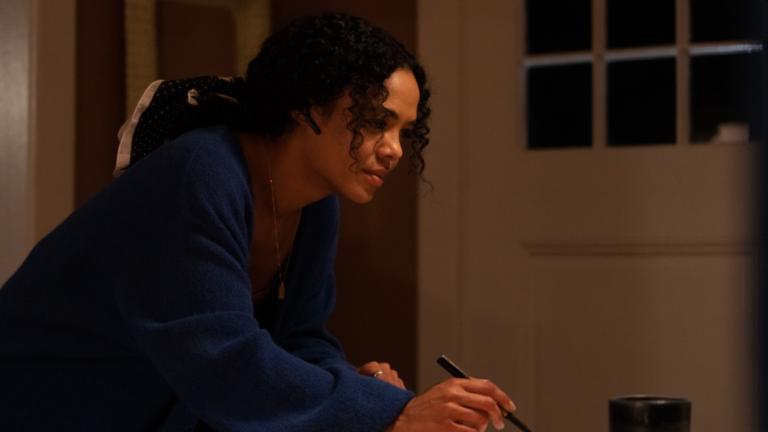
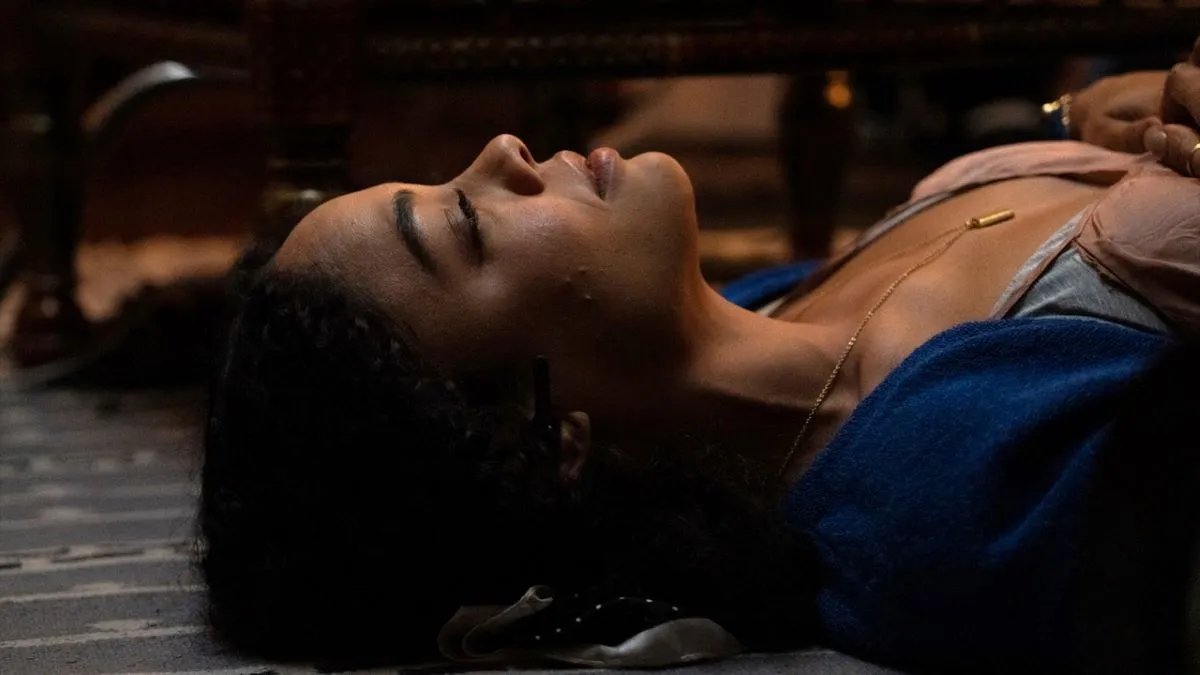
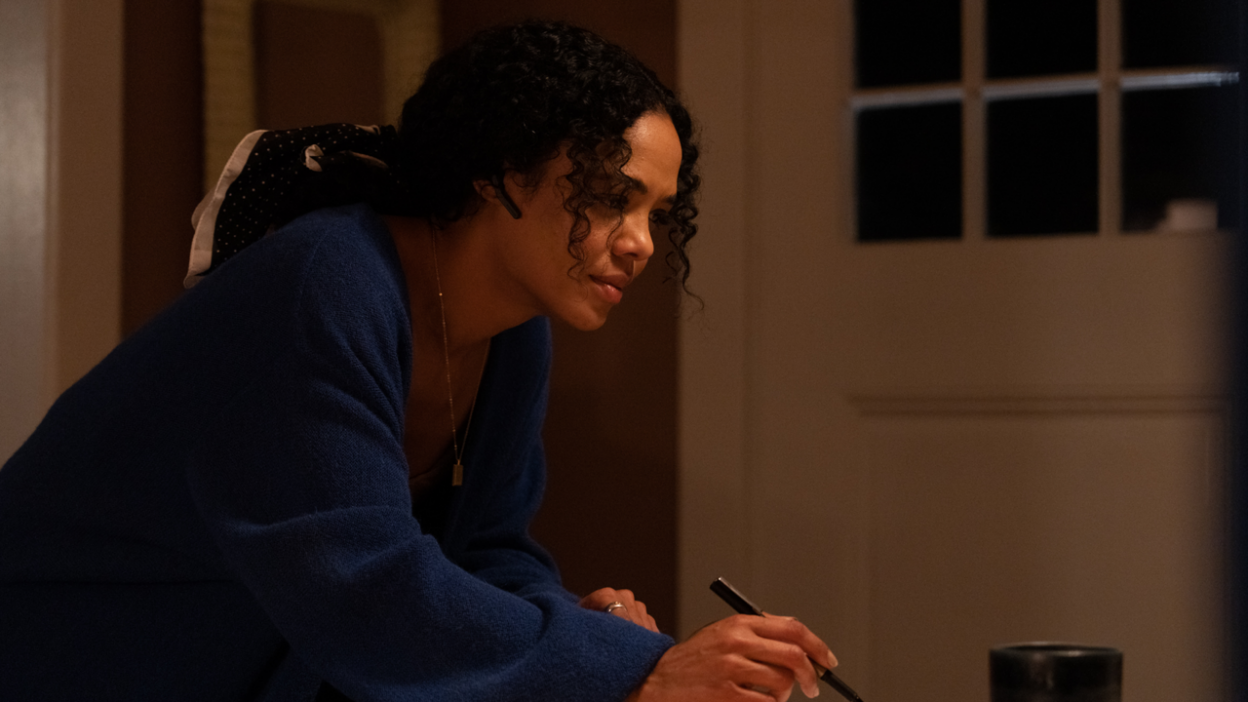
Legendary actor Steve Buscemi steps behind the camera to direct The Listener written by Alessandro Camon. The “listener” is Beth (Tessa Thompson — the only person to appear on camera in the film). She is doing late night shifts on a peer supported crisis hotline. Calls aren’t traced, both the caller and the listener are anonymous. The film documents a single night in “Beth’s” life and gradually reveals who she is; while immediately grappling with division, loneliness, anxiety, fear, and disconnection in American society.
Beth is awake staring at the ceiling before her alarm goes off. She greets her dog, brushes her teeth, puts on a strong pot of coffee. Her fingers click against her coffee cup. She is readying herself for her “day.” Buscemi gives the audience a sense that for a long time, especially since the pandemic, this has been her life. Perhaps it has been her life longer than that.
She sits down and prepares for her first call. It is from Michael (Logan Marshall-Green) who has not been long out of prison. He can’t sleep. So used to institutional time, he is lost in his freedom. For Michael the pandemic was “Prison Time,” — the days drag on forever but as night comes you can’t recall anything you did. He speaks of how he didn’t understand that he would need a mask when coronavirus hit. He used a bandana. He wondered if he would be shot by the police or assumed to be holding up a store because he has “criminal” written all over him. Beth is gentle with him. She allows him to tell her his story. How he ended up in prison. How generations of poverty and crime led him as a six-year-old to start running with gangs. “I’m not a bad person,” he tells Beth. “I know,” she replies. They laugh a little and Beth tells him to get some sleep and thanks him for giving her the “full picture.” He doesn’t want material assistance from Beth — no organizations. Just someone to hear him.
Over the course of the evening Beth will take many calls. One from Ellis (Ricky Velez), a hateful incel who is mouthing all the online rhetoric. He’s aggressive with Beth. He speaks of the terrible things he has done, including deepfake porn to get revenge on a girl who didn’t acknowledge his existence. As much as Beth tries to connect with Ellis, that isn’t what he wants. He wants to brag, talk about his status as a victim of “the system” which excludes him from being able to fulfil his “biological needs.” He is quite legitimately dangerous. He works in IT and has already hacked school servers to show extreme pornography and violence. He then begins to masturbate when Beth tries to convince him he can turn his knowledge and skills into something positive and productive.
There are a number of calls which are supposed to be the big impact moment. The long discussion Beth has with a PTSD riddled soldier Ray (Jamie Hector) and his dream about a boot which connects his physical and psychological injuries. A discussion with Chris (Bobby Soto), a cop who talks about deliberate police violence and cover-ups on the force. How he has to balance his own safety and his gnawing conscience after he witnessed an unprovoked attack by a fellow officer which left a man permanently disabled. Unfortunately, Camon’s reiteration of systemic law enforcement corruption and American wartime interventions and the cost involved bloats rather than adds to the film. Ray’s section is too long. Beth’s responses are more interesting than the well-trod narratives Camon is proffering as commentary on America.
Where Camon could have spent more time is with Corinne (Margaret Cho). A mother describing how she is at the end of her tether is one of the quiet gut-punches which is also one of the loudest indictments of how America has let vulnerable people down. She tells Beth she’s always a “day late and a dollar short.” When Beth responds that sometimes everyone feels like that, Corinne scoffs that she doubts that Oprah or Mrs. Zuckerberg do. When Beth tries to explain they probably have bad days because they’re human, Corinne lays out her lived reality. She’s the full-time carer for a special needs child. Her husband has lost more hours at work. He does nothing but aimlessly drink and sit around. Corinne is terrified what will happen to her child if something were to happen to her. Who will be there?
A call from Jinx (Blu del Barrio), an unhoused teen who is “celebrating” her eighteenth birthday is a street level horror story. Jinx ran away from home at sixteen for the grand adventure with some friends. They flaked, disappeared, and now she’s a step away from being pimped out by her drug addicted and violent “boyfriend”. She doesn’t know where to place her rage and fear. She’s convinced she will be dead soon, but she’s clawing to survive. When she hangs up Beth just stares hopelessly into the distance.
Two calls, both from women, are the key to who the listener is. The first comes from Sharon (Alia Shawkat) who starts the conversation with “I am mentally ill, I am mental, I like that word, it’s like metal.” No health insurance means Sharon is unmedicated, without a doctor or psychiatrist. She’s avoiding official crisis lines because she doesn’t want to be committed. She’s aggressive, funny, expressive, and scared. “I’m having one of my episodes, my bones are snakes… my bones are snakes.” She claims she is synesthetic. She can see Beth’s voice. She can smell her over the phone. Her “lunatic ramblings” are infused with a rhythmic genius. Beth deals with Sharon’s rapid cycling mood swings which go from the grandiose, to paranoid, catastrophizing, aggressive, whimsical, and defeated. Sharon is the poster child for “danger to self and others” but Beth handles her with velvet gloves. What if she can give Sharon another avenue to help calm the noise? What if Sharon’s fast meter brain (she calls it Brian because it’s out of order) can be put to a beat which gives the intrusive thoughts a specific measure of time?
The final call is the “truth telling.” An educated voice (Rebecca Hall) on the other end of the line launches in by asking Beth how she is. Beth is somewhat shocked because no one has asked her that question for a long time and demanded an answer. Beth demurs and tries to keep the conversation focused on her caller. Laura, as we find out later, has planned her suicide. She’s not particularly interested in being talked out of it. As a now fired professor of sociology, and broke from a divorce, she has rationally crunched the numbers and has tallied the pros and cons of the emotional and financial cost of living.
For Laura it just no longer adds up. She has no friends, she has no job, soon she will have nowhere to live. No one will miss her. She has worked all her life and only added to what she sees as the “delusion” of hope. There are so many crises everyone has lost count. How can she tell young people that learning about the world only leads to knowing how little difference they make?
Laura’s curiosity homes in on Beth and why she keeps listening. Taking on the trauma of others. Laura knows that the program is peer related so in some manner Beth has undergone some form of social rehabilitation herself. What is she punishing herself over?
Laura and Beth’s conversation is a philosophical tug of war with Laura’s stunning intellectual prowess and Beth’s own measured and empathetic reasoning behind why people should not give up. Laura talks about the attrition of living. The mask people put on to hide their dissatisfaction. “Your unhappiness is ashamed of itself”. Living on a planet which has already committed suicide.
Beth simply responds, “Everything means something.” The reason to be alive is to find that one small thing which means you have to get out of bed each day. Self annihilation happens in a multitude of ways. Beth experienced it. She didn’t actively have a plan to kill herself, but she also didn’t care if she died. She did things that meant she could at any moment and didn’t care.
What Beth gets out of the program is an escape from herself. A chance to put her focus on someone else one hundred percent for however long she has with the caller. What hurts her the most is when they hang up before the conversation is over. Before she knows if she did help. Laura wants a reason to live. Beth says she has no real wisdom but tells her story. She tells the truth to the woman who is a truth teller.
Beth tells Laura she could be of benefit to the crisis line. Laura laughs. How can her cynicism help anyone? Why would she join the “Lonely Hearts Club”? Humans are more connected than ever though the internet and news, but they have never felt more alone. Beth has reminded Laura she has a heart even if it is broken. “Loneliness is a slut,” Laura laughs. Beth says she is going to steal that line.
A final call comes through. It’s Sharon with her rap. It is brilliant just as Beth suspected it would be, and Sharon’s final lines “no one has very long, so keep on writing this song,” is a summation of what Camon was trying to get across. If he had cut some of the flabbier parts of the narrative the film would be much better for it.
Steve Buscemi proves himself very adept with the camera. He knows what to show and when. Everything rests on Tessa Thompson’s prodigious talent. Her face and eyes. Her soft voice. Her compassion and obvious pain. The sound design is excellent. We know there is a world “on fire” outside Beth’s window. Not just from the calls she receives but from the sounds of sirens, choppers, and people screaming in anger. Beth’s response to everything has been to cocoon. To be “Beth” and stay inside. To keep living her prison time. To eat cheap noodles with one hand while playing with stress balls in the other.
To paraphrase Nan Goldin’s sister Barbara who committed suicide, for “All the beauty and the bloodshed” of twenty-first century living — there is a sliver of hope coming out of Pandora’s box. Curiosity, and empathy can keep one going when everything else is too much. Or simply a dog whose bark caught someone’s attention one day and led to their life being radically changed. Buscemi’s final shot is one of Beth doing the “something” that reclaimed her sense of self.
Despite the uneven scripting, Tessa Thompson, the excellent voice cast (Hall and Shawkat are standouts), and the formal aspects of Buscemi’s film and make The Listener a meaningful work, if not a masterpiece.
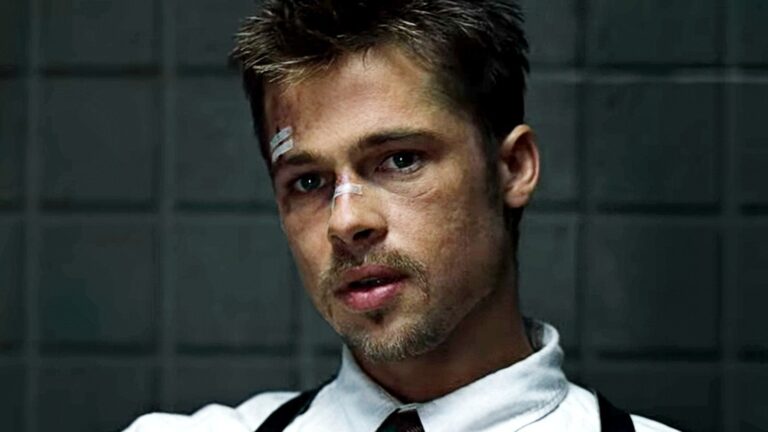
This week on Women InSession, in the spirit of the Oscars, we discuss Brad Pitt in the 1990s and why it might be the best decade of his career! From Fight Club to Se7en to 12 Monkeys to True Romance, Pitt’s most iconic roles come from the 90s and he’s never been more charismatic.
On that note, check out this week’s show and let us know what you think in the comment section. Thanks for listening and for supporting the InSession Film Podcast!
To hear this Extra Film episode and everything else we do, download our apps on the Amazon Market for Android and the Podcast Source app on IOS devices. The mobile app covers all of our main shows, bonus podcasts and everything else relating to the InSession Film Podcast. Thanks for your wonderful support and for listening to our show. It means the world to us.