



Director: David Lynch
Writer: David Lynch
Stars: Kyle MacLachlan, Laura Dern, Isabella Rossellini
Synopsis: A young man finds a severed human ear that is somehow connected to a mysterious lounge singer and a group of psychopathic criminals who have kidnapped her child.
Forty years later, Blue Velvet still feels like one of those movies that becomes stranger the more familiar it gets. There is something about returning to David Lynch’s little nightmare of Lumberton and knowing exactly where it is going, yet somehow still feeling unsettled when it gets there. The movie has such a strange balance to it. It can be beautiful and disturbing within the same image, funny and horrifying within the same scene, and sometimes almost completely ordinary before suddenly revealing something deeply wrong underneath it. Lynch takes a familiar world and slowly pulls it apart until the things that once seemed comforting start to feel suspicious.
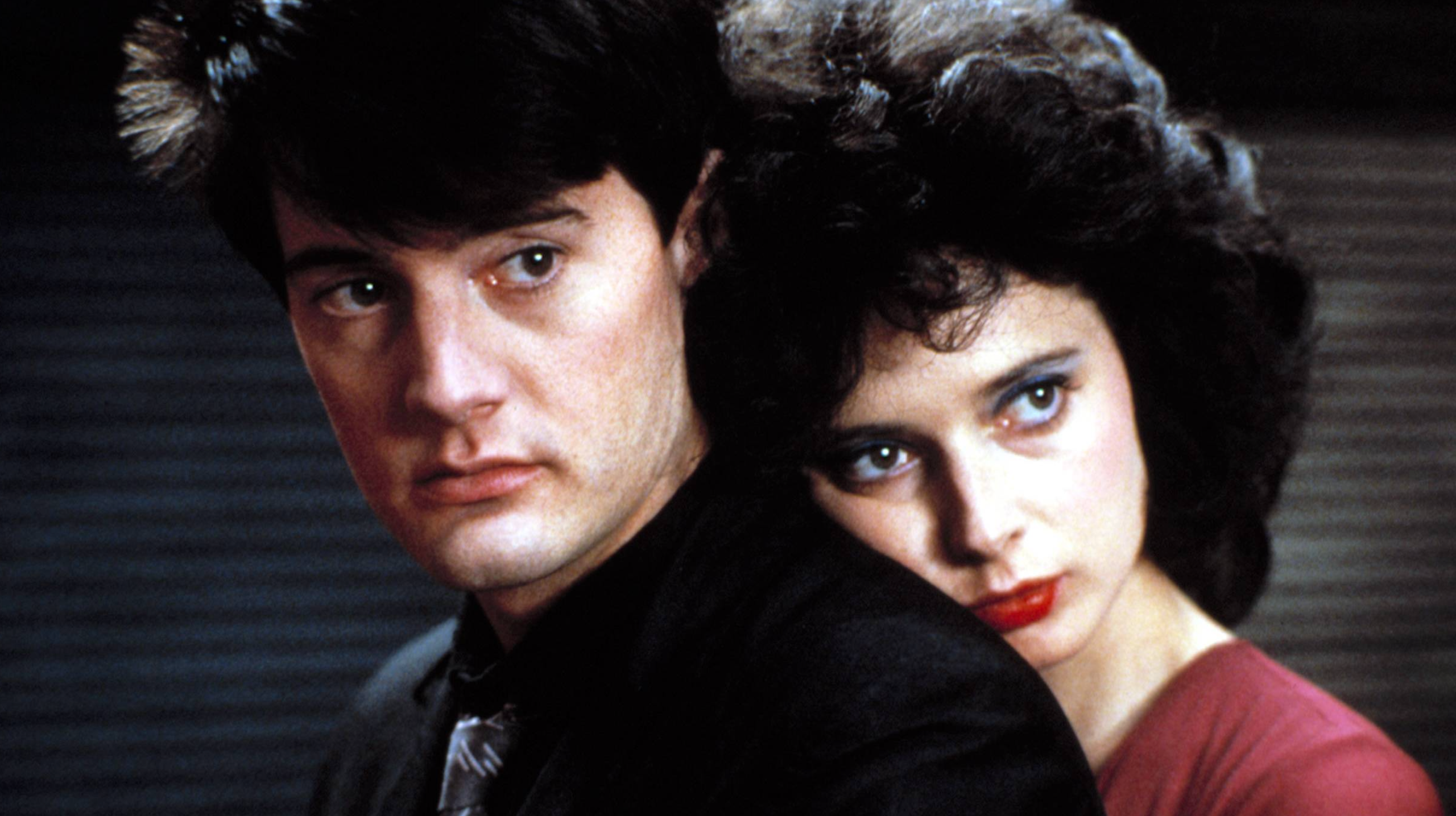
The first few minutes almost feel like a promise. Flowers. Blue skies. White fences. Red roses. A perfect little world presented with such exaggerated sweetness that it becomes unsettling before anything has actually happened. Then the camera goes beneath the surface. Suddenly, there are insects crawling through the dirt, fighting and devouring one another in a world that exists completely outside the postcard version of America we were just shown. That movement downward is essentially the entire movie. Blue Velvet is obsessed with the idea that there is always another world underneath the one we think we understand. The clean streets have basements. The happy families have secrets. The beautiful woman onstage is carrying unimaginable pain. The seemingly ordinary young man discovers that his own curiosity can lead him somewhere much darker than he ever expected to go.
That is what makes Jeffrey Beaumont such an interesting character. He begins as someone who believes he is simply investigating a mystery. He finds an ear in a field and starts pulling at the thread, convinced that if he keeps following it, eventually everything will make sense. But Blue Velvet isn’t really interested in the mystery itself. It is interested in what happens to Jeffrey once he gets close enough to the darkness to become fascinated by it. There is something deeply uncomfortable about watching him cross that line between wanting to understand something and wanting to experience it. His innocence does not disappear all at once. It gets complicated. Curiosity becomes desire, desire becomes participation, and participation forces him to confront parts of himself that he would probably rather leave buried.
And then there is Dorothy Vallens, who remains one of the most haunting figures in Lynch’s entire body of work. Isabella Rossellini gives Dorothy a performance that feels almost impossible to separate from the film’s atmosphere. She is sensual, frightened, wounded, furious, vulnerable, and sometimes frightening herself. The tragedy of Dorothy is that the world around her has made violence so ordinary that it has begun to contaminate the way she understands intimacy. She is not simply a damsel trapped inside a nightmare. She is someone whose relationship with fear, sex, affection, and survival has been horribly distorted by what has been done to her. There are moments when she seems to be reaching for tenderness and moments when tenderness itself appears dangerous.
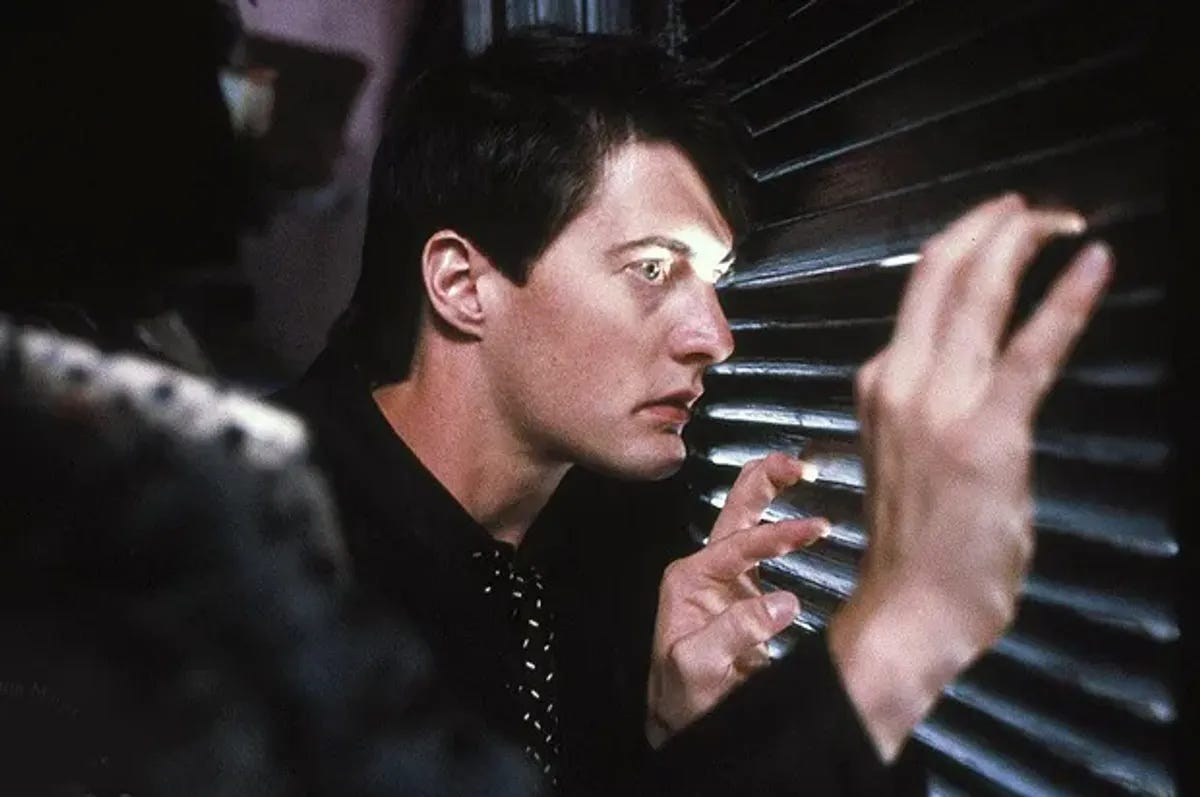
That complexity is part of why the film can be so difficult to sit with. Lynch doesn’t give us an easy distance from Dorothy’s suffering. He makes us uncomfortable with our own position as spectators. Jeffrey watches her. We watch Jeffrey watching her. Desire and voyeurism become tangled together until it becomes difficult to tell where one ends and the other begins. The film understands something ugly about looking: sometimes we tell ourselves that we are trying to understand someone’s pain when, on some level, we are also fascinated by it. Blue Velvet doesn’t let that fascination remain innocent.
And Frank Booth is one of the most terrifying villains in American cinema precisely because he doesn’t feel entirely like a person who belongs in the real world, yet everything about him feels horribly human. Dennis Hopper plays him like a man whose emotions have completely escaped the boundaries of normal behavior. He is ridiculous and monstrous at the same time. He can make you laugh and then make you wish you hadn’t. There is something almost supernatural about his presence, but the horror comes from knowing that there is nothing supernatural required to create someone like Frank. He is a man who has turned domination into a language and violence into a form of intimacy. His obsession with control is what makes him so frightening. He doesn’t simply want to hurt people. He wants to decide what they are allowed to be.
That tension between the supernatural and the painfully human runs through the entire movie. Blue Velvet often feels like a nightmare, but it isn’t really a movie about escaping reality. It is a movie about seeing reality differently. The strange sound design, the impossible colors, the performances that occasionally feel like they have wandered in from another dimension, Angelo Badalamenti’s music, the almost dreamlike construction of Lumberton itself, all of it creates a world where reality and fantasy are constantly bleeding into each other. Lynch understands that sometimes the most disturbing nightmares aren’t the ones where the rules disappear. They’re the ones where the rules remain perfectly intact and you suddenly realize how horrible those rules can be.
The film’s beauty matters just as much as its darkness. It would be easier if Blue Velvet were ugly from beginning to end. It isn’t. It is gorgeous. Sometimes almost painfully so. Lynch puts tenderness directly beside degradation and refuses to let either one cancel the other out. The blue velvet, Dorothy’s red lips, the nightclub lights, Sandy’s softness, the flowers, the nighttime streets, the darkness between buildings: everything feels deliberately composed, almost like a painting that has been left out in the rain. Beauty doesn’t protect these characters from horror. If anything, it makes the horror feel sharper.
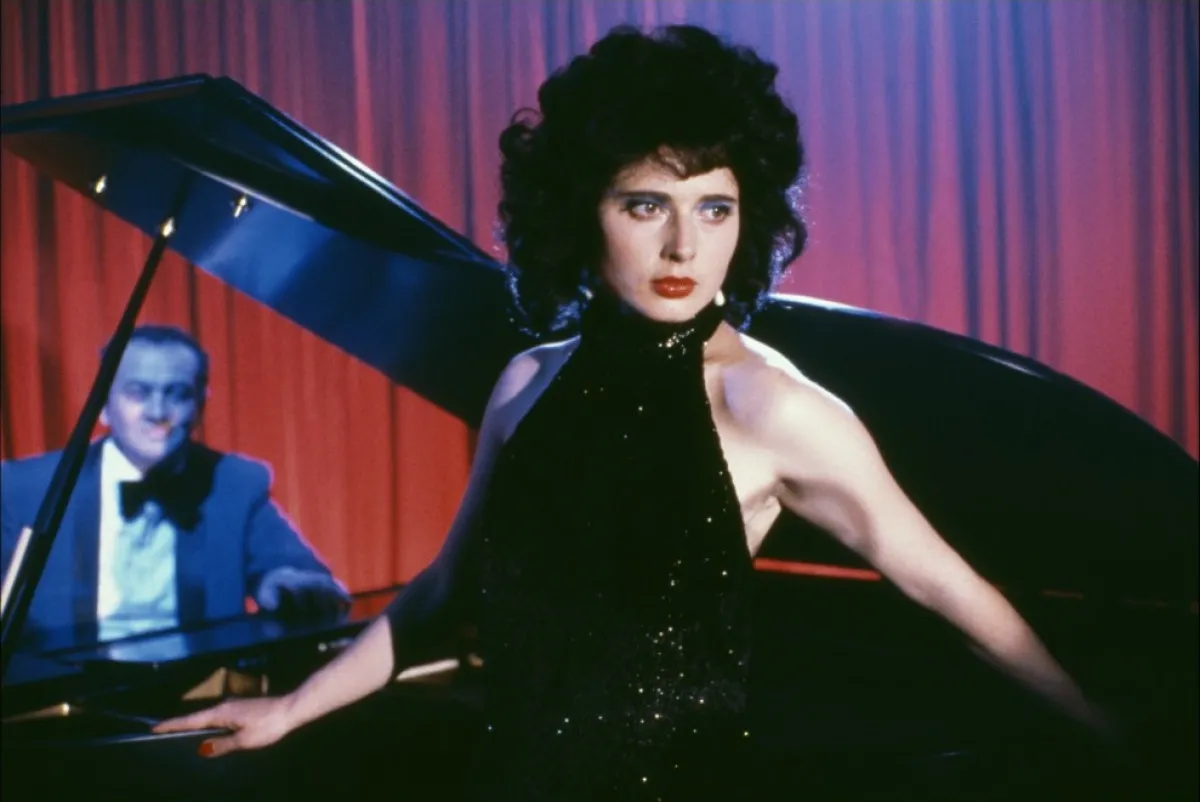
There is something especially fascinating about the relationship between Sandy and Dorothy because they almost feel like two different possibilities of womanhood existing on opposite sides of the same nightmare. Sandy represents the version of femininity Jeffrey can understand: sweet, romantic, innocent, illuminated. Dorothy represents everything that exists outside that comfort, sexuality and trauma and anger and desire and survival. But the movie gradually complicates that division. Sandy isn’t simply untouched innocence, and Dorothy isn’t simply corrupted darkness. Jeffrey’s fantasy of keeping those worlds separate cannot survive contact with reality.
That is where Blue Velvet becomes more than just a mystery or a nightmare. It becomes a film about the stories we tell ourselves about good and evil. We want the world to be divided neatly. We want the beautiful things to be good and the ugly things to be bad. We want monsters to look like monsters. Lynch doesn’t give us that comfort. He puts the monster in the house, the violence inside the bedroom, the darkness underneath the lawn. He also reminds us that the people who enter that darkness aren’t necessarily unchanged by it.
The ending has always fascinated me because it is almost absurdly beautiful after everything that has happened. There is a temptation to read it as a restoration of order, as if the nightmare is over and Lumberton can return to being the perfect little American town we saw at the beginning. But the film doesn’t let us return completely. Once you’ve seen what is beneath the surface, you can’t unknow it. The blue sky looks different. The flowers look different. The white fence feels different. Even the happiness feels haunted by everything that came before it.
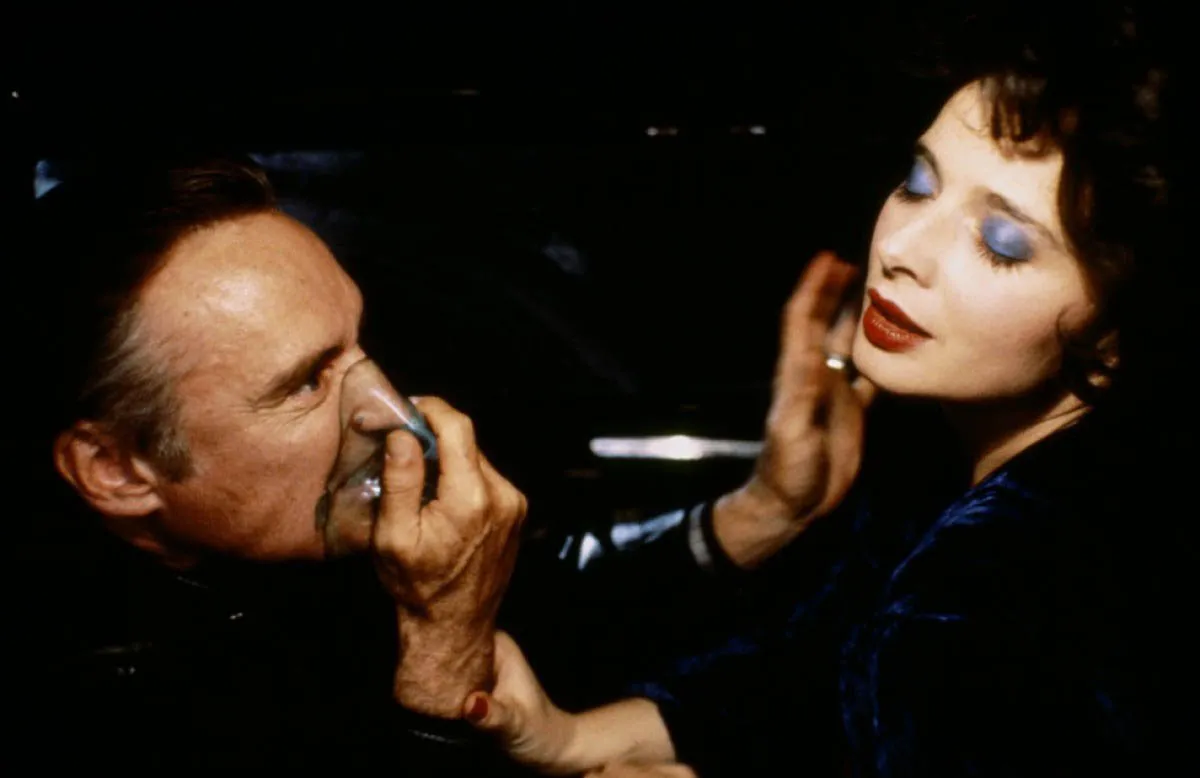
Forty years later, that is the part of Blue Velvet that stays with me most. Not simply Frank Booth screaming or Dorothy standing beneath the stage lights or Jeffrey discovering the ear in the grass, but the feeling that the world has two faces and that sometimes they are separated by almost nothing. A lawn. A bedroom door. A curtain. A patch of dirt.
Maybe that is why the movie still feels so alive. It isn’t really warning us that darkness exists. We already know that. It is asking what happens when we finally look at it. What happens when curiosity takes us somewhere we weren’t prepared to go? What happens when desire makes us cross a line? What happens when the beautiful world we’ve constructed for ourselves suddenly reveals the insects underneath it?
Blue Velvet doesn’t answer those questions neatly. It probably shouldn’t. Forty years later, its greatest power is still in that contradiction: it is horrifying and beautiful, tender and cruel, funny and deeply disturbing, dreamlike and painfully real. It looks at a perfect little world and whispers that something is moving underneath it.
And once you hear it, you can’t stop listening.