



Shih-Ching Tsou’s Oscar longlisted film Left-Handed Girl is a vibrant tale of contemporary Taiwan through the eyes of generations of women. From the perspectives of a five-year-old child, I-Jing (Nina Ye), a young woman, I-Ann (Shih-Yuan Ma), and Shu-Fen (Janel Tsai), a deserted mother scrambling to pay off debts accrued by her dying husband and raise her family in Taipei, and Shu-Fen’s mother (Xin-Yan Chao) who is working in a less-than-legal business to pay for her son’s entrepreneurial ventures in China.
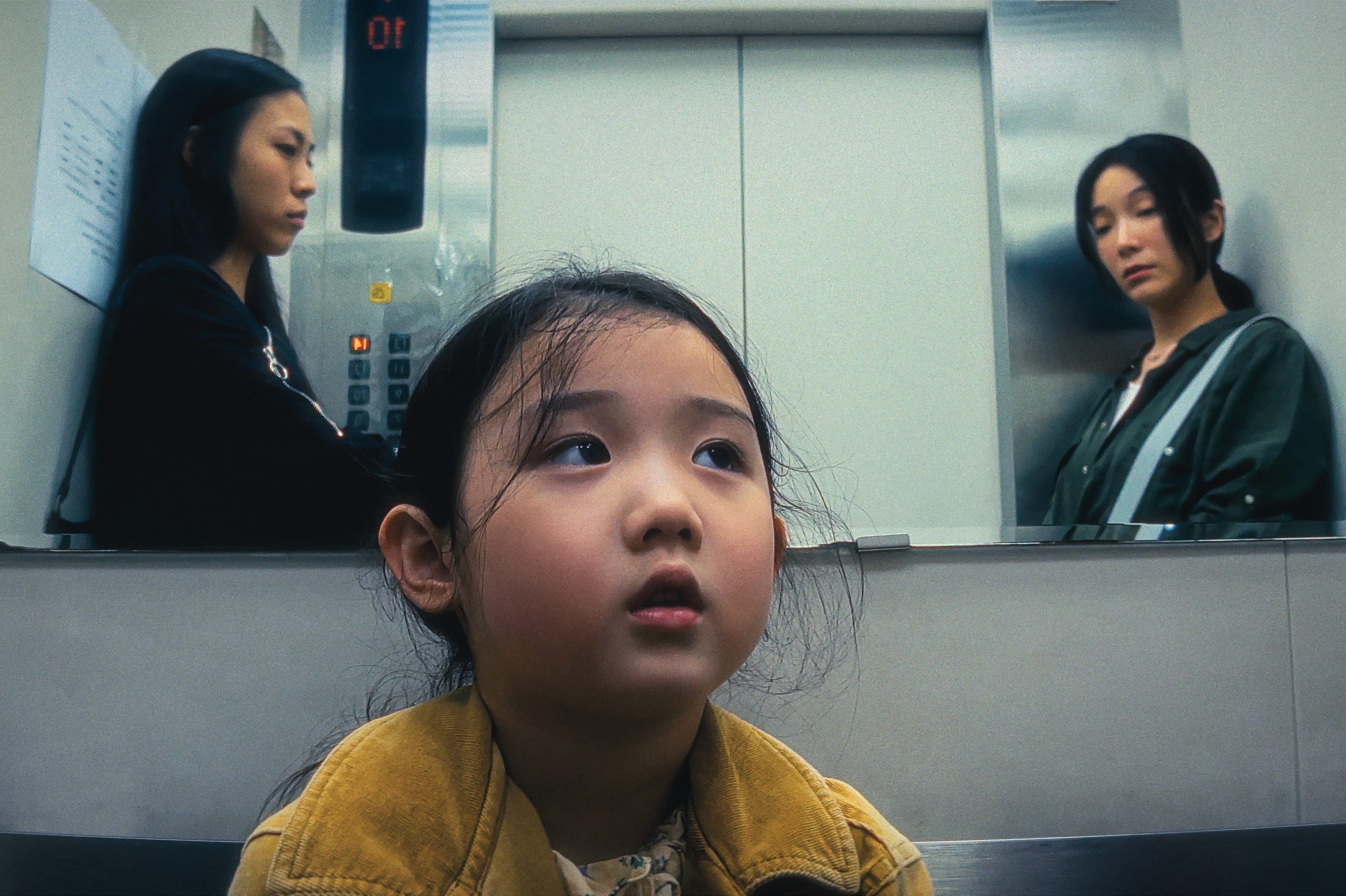
Tradition and contemporary life clash in Tsou and Baker’s screenplay which uses a metaphor, “The Devil’s Hand” of left-handedness to speak to how superstition and saving face can cost more than people bargain for. Left-Handed Girl is the kind of film that can nestle comedy and the exhausting stresses of keeping a struggling family from going under. It’s a remarkable piece of cinema and one that has been many years in the planning. Shih-Ching Tsou and Sean Baker have a long working relationship that has seen Tsou and Baker sharing co-director credits on Take Out (2004) and Tsou acting as a producer on Starlet, Tangerine, The Florida Project, and Red Rocket. The zip and zest of the night markets in Taipei act as a background character and one I-Jing immerses herself in as Shu-Fen attempts to keep a noodle stand afloat, while her daughter I-Ann scowls and “rebels” against the restraints stemming from poverty and shame.
Nadine Whitney spoke with Shi-Ching Tsou and Sean Baker about the subtle subversion in Left-Handed Girl.
NADINE WHITNEY: Hi, Sean and Shih-Ching. I’d like to talk to you about how the film works as an anti-traditionalist narrative discussing ingrained sexism in Taiwan. It’s about women but still men have a level of control and higher position in society. Can you tell me a little about writing generations of women’s perspectives?
SHIH-CHING TSOU: Especially in traditional families to this day, it’s [favoring the male child] still there. People have that same attitude. Especially when they’re talking about progeny. For example, my mother would say, “Oh, your cousins, they’re all having boys this time.” I didn’t understand. I asked her, “Why is that something you need to mention?” I can hear in her voice she was happy about it. So, even a little thing like that. I think it’s still in the culture and underneath it. People don’t even notice anymore.
I really wanted to emphasize that, and I think in a lot of ways Taiwanese culture creates this inequality between men and women. But it’s almost unconsciously, they don’t even realize they are focusing on that inequality
SEAN BAKER: I’ll just add that I’m very impressed with Shih-Ching’s approach to the issue. Because for me it was about listening to Shih-Ching and her stories and her examples that she was bringing to the table.
You know, because obviously she experienced this as a woman, and I did not. So, I’m really impressed with the way that she tackled the subject matter without hitting the audience over the head with it. You know, there is obviously preferential treatment towards males in society, and I think she showed it in a subtle way, which showed a lot of maturity as a filmmaker.