


Mona Fastvold and Brady Corbet have long been writing partners and collaborators on each other’s work. Mona Fastvold first worked with Daniel Blumberg on her dark tale of jealousy and romance, The World to Come. Nadine Whitney finds out how they seek out each other’s vision.
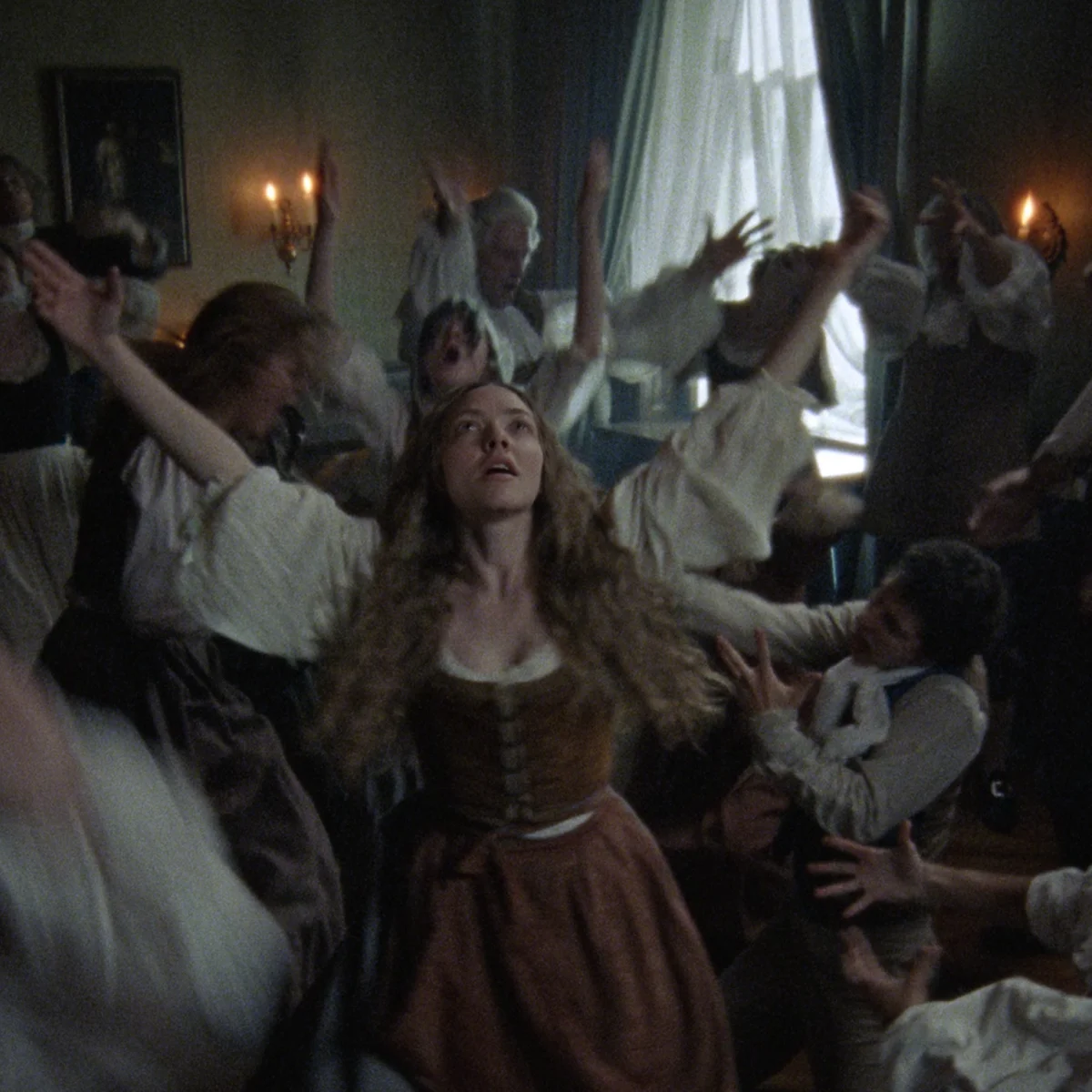
Nadine Whitney: Brady, you and Mona have collaborated on several projects including The Sleepwalker, Childhood of the Leader, Vox Lux, The Brutalist, and now The Testament of Ann Lee. What keeps the working relationship sustainable? How do you balance life as partners and as creative partners?
Brady Corbet: You know, we worked together for years before we were a couple or had a child together. And for us, it’s second nature. I actually think that our relationship functions especially well when we’re working together. I understand it’s not like that for everyone, but I think that we have different strengths. I think that we have different interests. We have different perspectives.
When we sit down to write a screenplay that Mona intends to direct, I’m writing for her. I’m writing in service of her vision for the project, and vice versa. I think we know that it’s very difficult to serve more than one master. It’s usually what makes projects come apart at the seams. So, we know each other very well. Better than most, I’d say.
We really respect that the ship ultimately has one captain, and we try not to be micromanagerial with our department heads. We really encourage everyone to do what they do best, and always weigh in. For me, directing is just conducting. You’re working with an extremely qualified professional orchestra.
So, you’re just riding the volume, to some extent. We have a lot of conversations with our collaborators. Daniel Blumberg is obviously one of our best friends. And part of the reason I think that the music on these projects is so much richer and more complex than many film scores are allowed to be is because we work on them for years.
It can be a budgetary issue, which is just that there’s not enough time allocated to actually work on these things. But we do our best to prioritize processes in development that I think a lot of other productions don’t. Because with many movies, you make them, and then they’re delivered to someone, and they’re like, “Make some music for it.” As opposed to the music and an image being completely in sync.
Daniel is on set for our movies for the duration of these productions, which is a very unusual way of working. It is very generous of him to devote that much of his time to these projects because he does have a career outside of composing film scores. So, it’s amazing that we met someone that cares as much as we do. I like to think that’s the reason that we’re really marching in lock step.