The 98th Academy Awards was an interesting year, as we saw history being made. Whether it was witnessing the inaugural award for Best Casting being given out or seeing a supernatural horror film with vampires break the record for most nominations at 16, it was refreshing to see the Academy change from their old ways and do something a little different. There was one category that I always find fascinating to see on Oscar nomination morning, and that was Best Film Editing.
For better or worse, a film’s pace can make or break an audience’s attention. If you cut a few frames too early on a fight scene, then the audience is confused about what they just saw. If you hold onto a shot for too long, the audience’s patience is demolished. But with a skilled editor, you can turn a tediously slow scene into a tension-filled sequence.
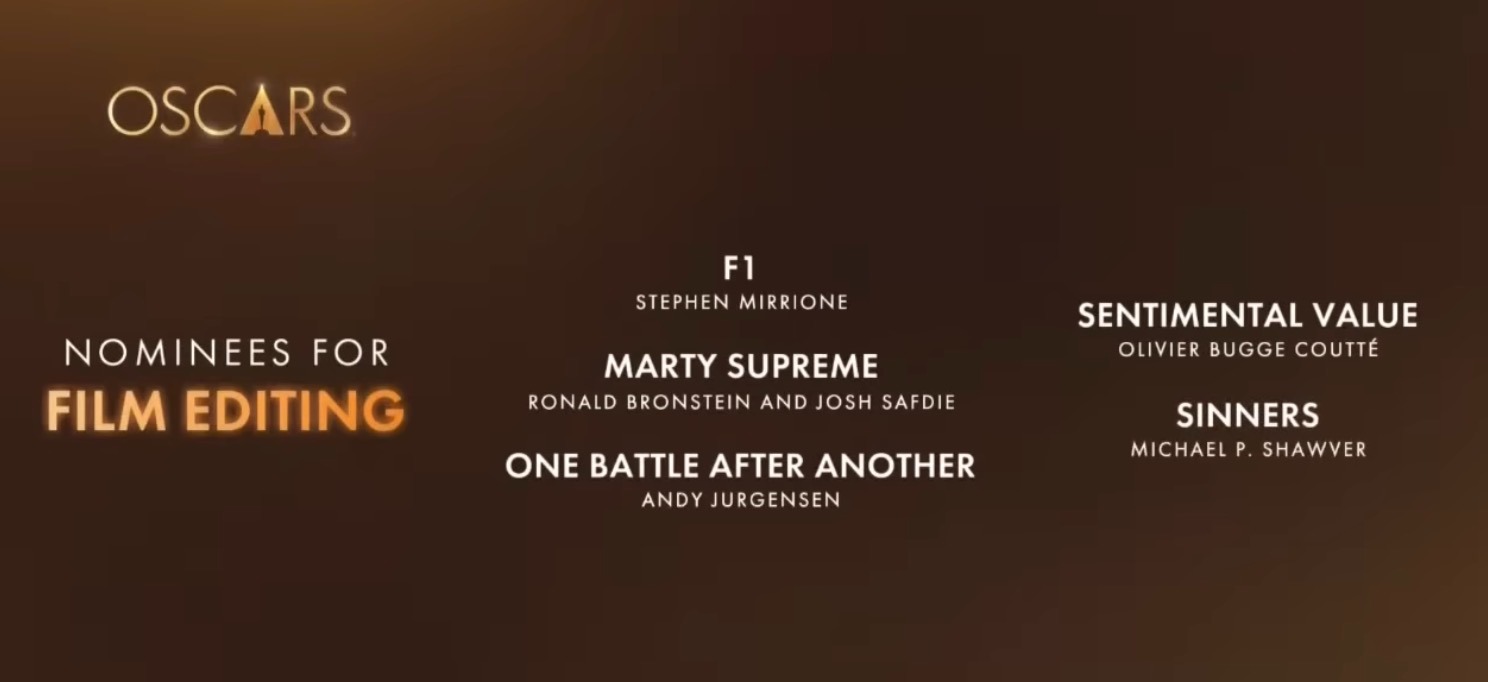
Something to keep note of is that this is a category that correlates with the Best Picture winner. Since its inception, only 11 films have won the top prize without getting a nomination from this category; the latest film to not get a Film Editing nomination was Siân Heder’s CODA. Hence why it’s vital for a film’s chances at winning the top prize is to get nominated for the category.
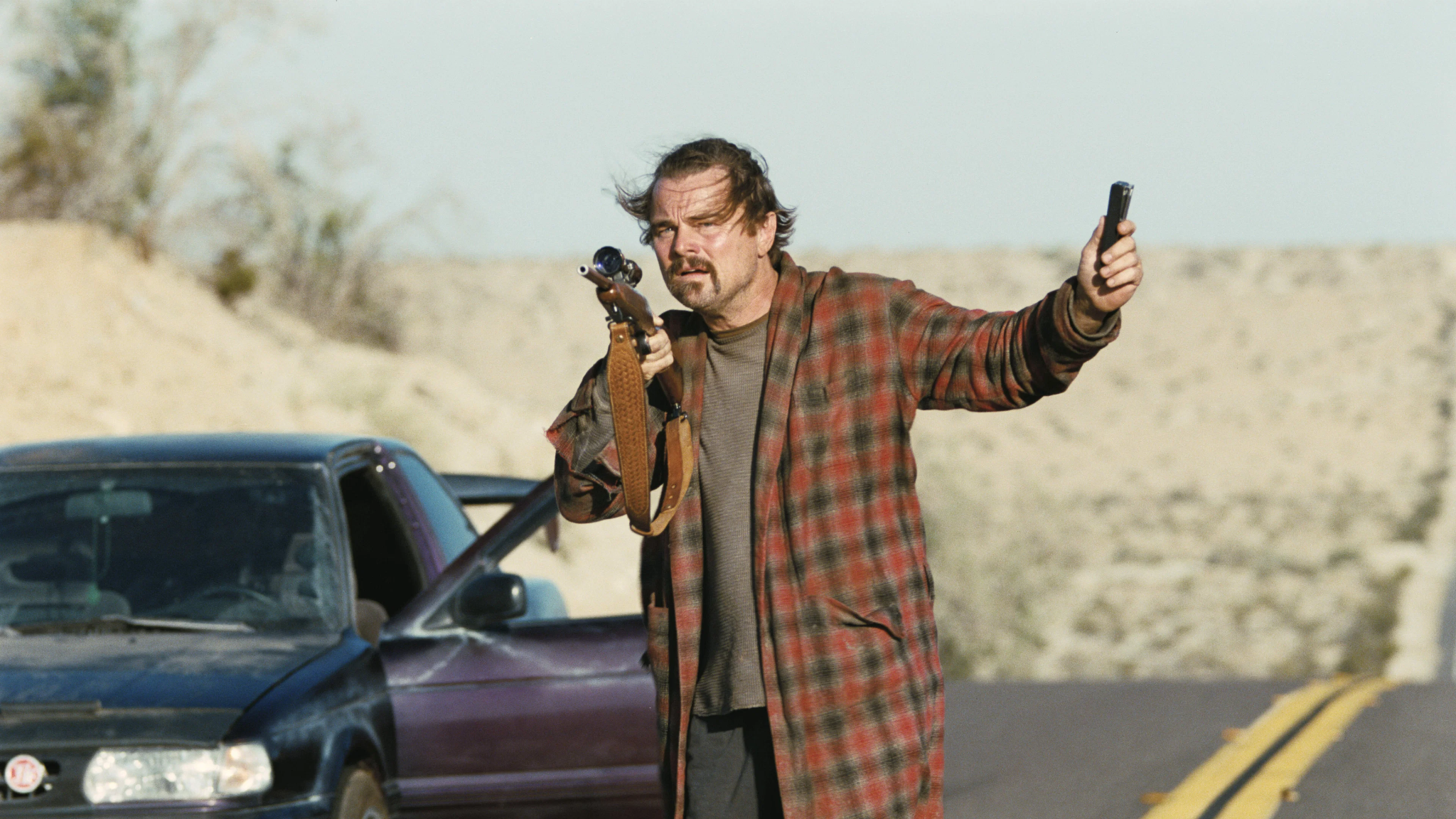
This season, we saw One Battle After Another beat out F1, Sinners, Sentimental Value, and Marty Supreme for Best Film Editing. Some of my colleagues weren’t too sure it would win the category, but I did for many reasons. One of them being that ever since the film was screened in September I knew the voters would go for it. Not only was it considered one of the stronger contenders in the field, but its pacing worked incredibly well.
Film editor Andy Jurgensen managed to string together a 162-minute film without losing its brisk energy. Within the first 40 minutes, I was not only hooked into the story but I didn’t realize how much time had flown past me. Even during the sections where the film had to slow down, I felt that Jurgensen knew how to keep everything moving at a constant rate.
As far as the precursors go, he managed to walk away with the BAFTA and American Cinema Editors (ACE) Award in the Comedy category; two of which were voted upon by industry voters, making this a huge sign that One Battle After Another would win the category at the Oscars. While it did lose to F1 at the Critics’ Choice Awards, it wasn’t enough to dethrone Jurgensen from winning the prize. The other nominees were more “happy to be there” as opposed to any legit threat from winning the Oscar…except for one.
Sinners had been building up momentum ever since it premiered in theaters back in April. I personally didn’t think it would amount to much, as there’s been an unfortunate history for horror films at the Academy Awards. But with how slim the field was getting for top contenders and Sinners being a financial success for Warner Brothers, it made sense for Ryan Coogler’s film to make it into the final ten. Once it got into the field and even won the Drama category at ACE, it made some wonder if Sinners could pull off the Best Picture upset. In the end, it wasn’t enough to overpower One Battle After Another.
As for the other nominees, F1 was edited by a previous Oscar-winning film editor by the name of Stephen Mirrione. His background as well as the branch’s history of nominating flashy films was enough to showcase the film being a strong contender. Sentimental Value got into the field based on the passion the film had garnered since its premiere at the 78th Cannes Film Festival. Even if it did have a slow burn to its pacing, sometimes if a film has enough support they’ll have a better shot at getting into the field.
Marty Supreme was a potential bubble contender. Some pundits didn’t think it could get into the Film Editing category, while others did. I personally felt that this was another flashy contender the branch loves to nominate. It also helped that at the time getting a nomination here might’ve helped a film’s chances at a Lead Actor win. It doesn’t always guarantee you the win, as only 5 actors in the expanded era managed to win the trophy without said film getting the editing nod:
- Jeff Bridges in Crazy Heart (2009)
- Eddie Redmayne in The Theory of Everything (2014)
- Casey Affleck in Manchester by the Sea (2016)
- Gary Oldman in Darkest Hour (2017)
- Brendan Fraser in The Whale (2022)
Outside of that, every other Lead Actor recipient has managed to score an editing nod for their film since the Best Picture field expanded. Something else I thought was fascinating was that co-editor Josh Safdie received four Oscar nominations in a single year. Other people who had accomplished this achievement in the past include:
Elliot J. Clawson for
- The Cop (1928) [Best Writing]
- Sal of Singapore (1928) [Best Writing]
- Skyscraper (1928) [Best Writing]
- The Leatherneck (1929) [Best Writing]
Walt Disney
- Ferdinand the Bull (1938) [Best Short Subject (Cartoon)]
- Brave Little Tailor (1938) [Best Short Subject (Cartoon)]
- Good Scouts (1938) [Best Short Subject (Cartoon)]
- Mother Goose Goes to Hollywood (1938) [Best Short Subject (Cartoon)]
- The Living Desert (1953) [Best Documentary Feature]
- The Alaskan Eskimo (1953) [Best Documentary Short]
- Toot, Whistle, Plunk and Boom (1953) [Best Short Subject (Cartoon)]
- Rugged Bear (1953) [Best Short Subject (Cartoon)]
- Bear Country (1953) [Best Short Subject (Two-reel)]
- Ben and Me (1953) [Best Short Subject (Two-reel)]
Francis Ford Coppola
- The Conversation (1974) [Best Picture and Original Screenplay]
- The Godfather Part II (1974) [Best Picture, Director, and Adapted Screenplay]
Warren Beatty
- Heaven Can Wait (1978) [Best Picture, Director, Lead Actor, and Adapted Screenplay]
- Reds (1981) [Best Picture, Director, Lead Actor, and Original Screenplay]
Alan Menken
- Beauty and the Beast (1991) [Best Original Score and Original Song (Beauty and the Beast, Be Our Guest, and Belle)]
Joel and Ethan Coen
- No Country for Old Men (2007) [Best Picture, Director, Adapted Screenplay, and Film Editing]
Alfonso Cuarón
- Roma (2018) [Best Picture, Director, Original Screenplay, and Cinematography]
Chloé Zhao
- Nomadland (2020) [Best Picture, Director, Adapted Screenplay and Film Editing]
Jacques Audiard
- Emilia Pérez (2024) [Best Picture, Director, Adapted Screenplay, and Original Song for El Mal]
Sean Baker
- Anora (2024) [Best Picture, Director, Original Screenplay, and Film Editing]
Going back to the film itself, Marty Supreme had no chance at winning the editing category or really any of its 9 categories. You could attribute its shut-out to the aggressive campaign by Timothée Chalamet that turned off certain voters, the past controversy on Josh Safdie that came up during the season, or the “Phase 2” voting decline that got the film to go home with nothing. Either way, I think the creators behind it should be proud that they got a ping pong movie to gross over $191 million worldwide.
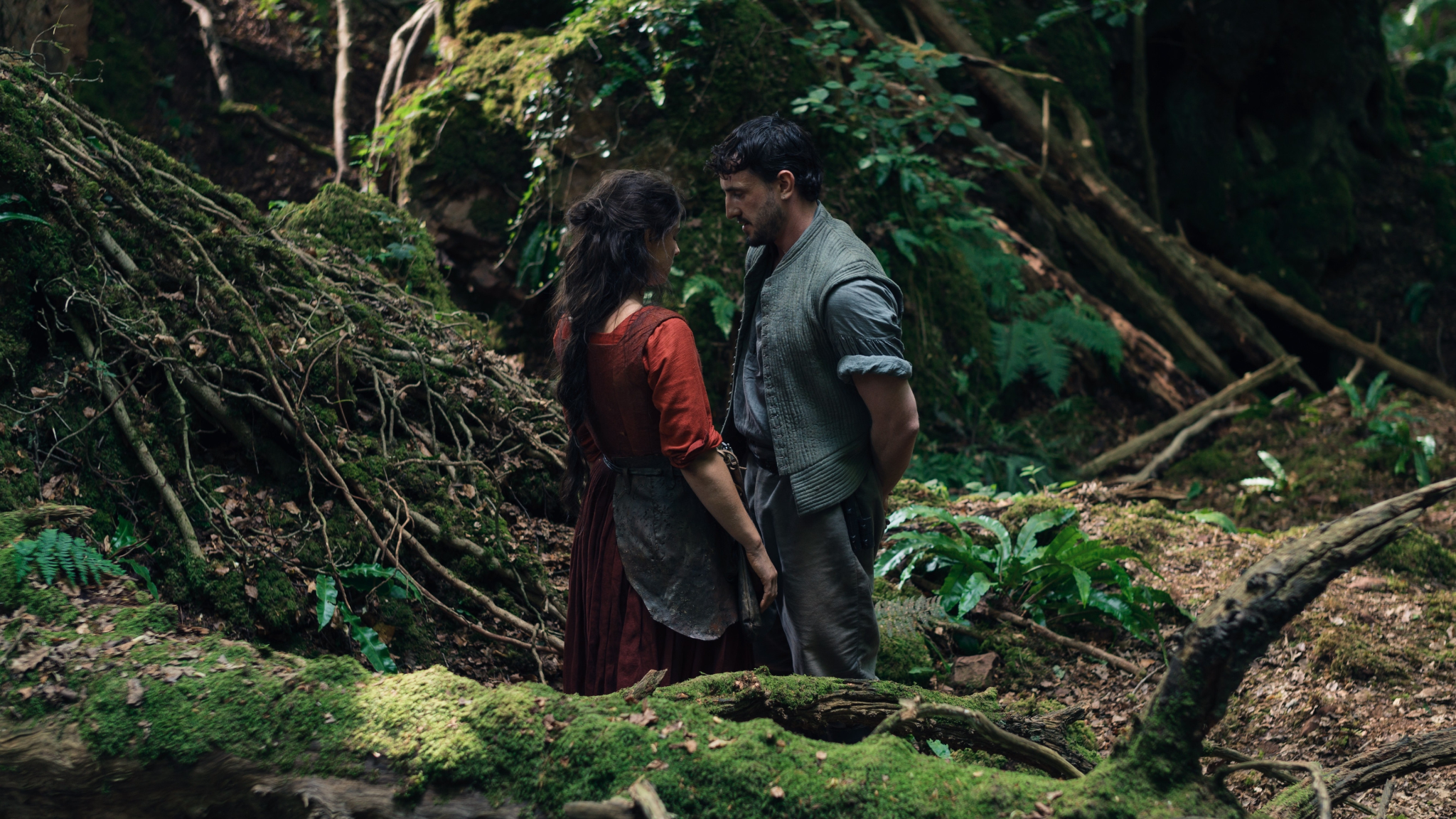
Even if I’m not as big of a fan of every film on this list, it’s still an impressive lineup. If anything, it’s a step up from last year which was filled with underwhelming contenders. I would’ve liked to have seen something like Hamnet join the five, but I understand why it didn’t.
The film had enough support to get 8 nominations and a Lead Actress win for Jessie Buckley, but also had a fair amount of detractors for its pacing or overall experience. Regardless, I’m extremely happy the Academy went with the right choice. One Battle After Another accomplished what few films could do: make a 162-minute flick feel like two hours had passed by.