


As someone who covers the lone Oscar winners/nominees for my own show, The Lone Screenplay Nominee Podcast, I felt this was a pretty underwhelming set of nominees we got. Sure; there’s a gem or two hidden within this cave, but I personally didn’t get the hype surrounding this lineup. And yet, we also saw what I felt was a disappointing slog of a film become our frontrunner in the category. How exactly did Conclave become our winner?
In order to solve this, we’ll be taking a look back at the year’s lineup. We’ll go over each nominee based on who was likely the runner-up, and go into a deep dive on what their chances were. With that said, let’s begin!
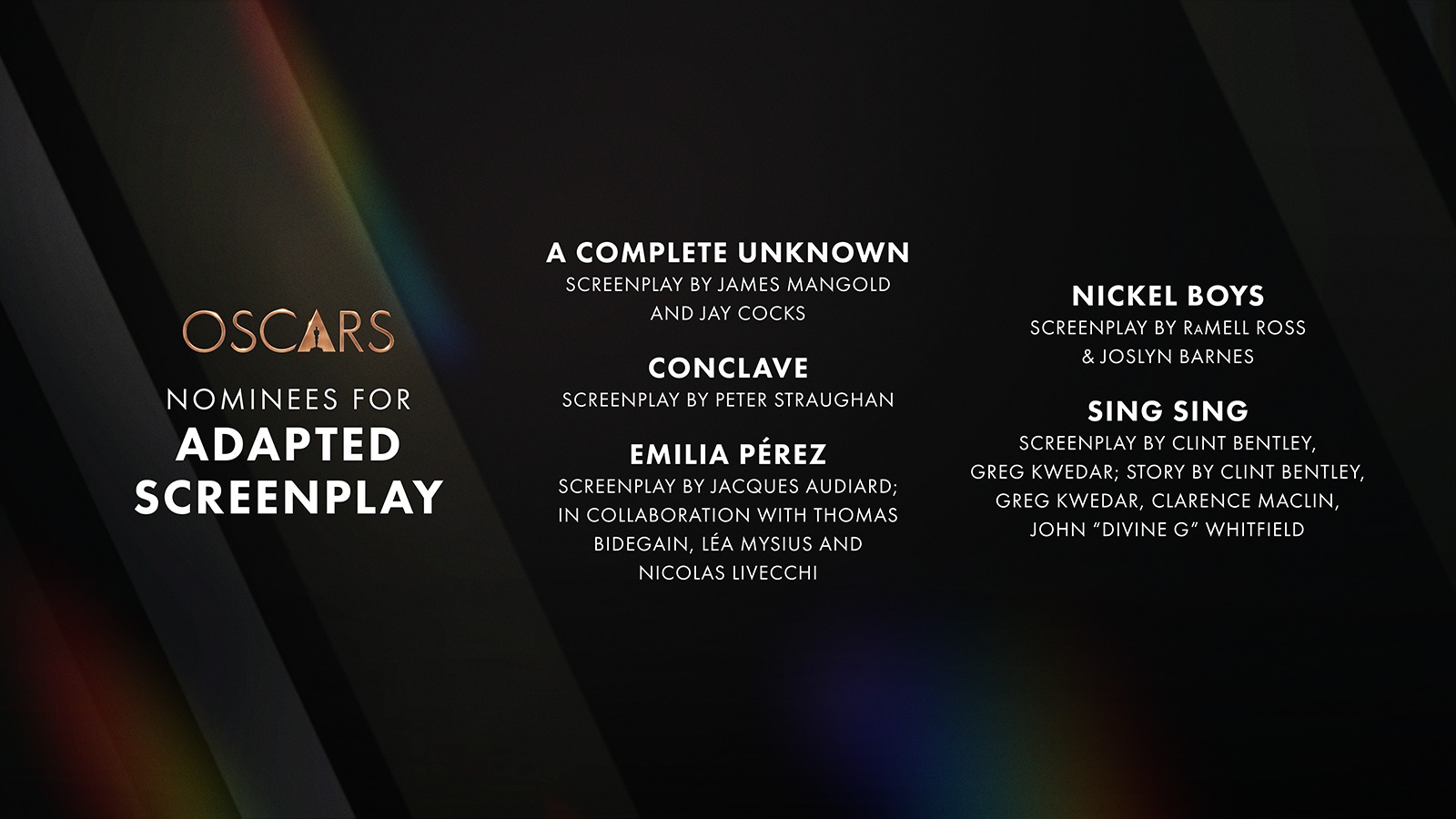
As for any possible fringe contenders, there weren’t that many this year. You could argue that Hit Man or The Wild Robot could’ve gotten in the field, but they only landed with just a WGA and USC Scripter nod, respectively. Had they built up stronger momentum, I could’ve seen the path to getting in the field.
I would say maybe Dune: Part Two or Wicked could’ve joined the club, as they scored nominations from Critics’ Choice Awards and WGA. However, we’ve seen sequels to Best Picture nominees dip in nomination count. Even something as strong as The Lord of the Rings: The Two Towers managed to drop in nomination count from the first installment. As for Wicked, I believed that missed the field for a few reasons. While the film was a commercial hit with audiences and garnered positive reviews, it’s not the type of film to be respected by the international branch of the Academy.
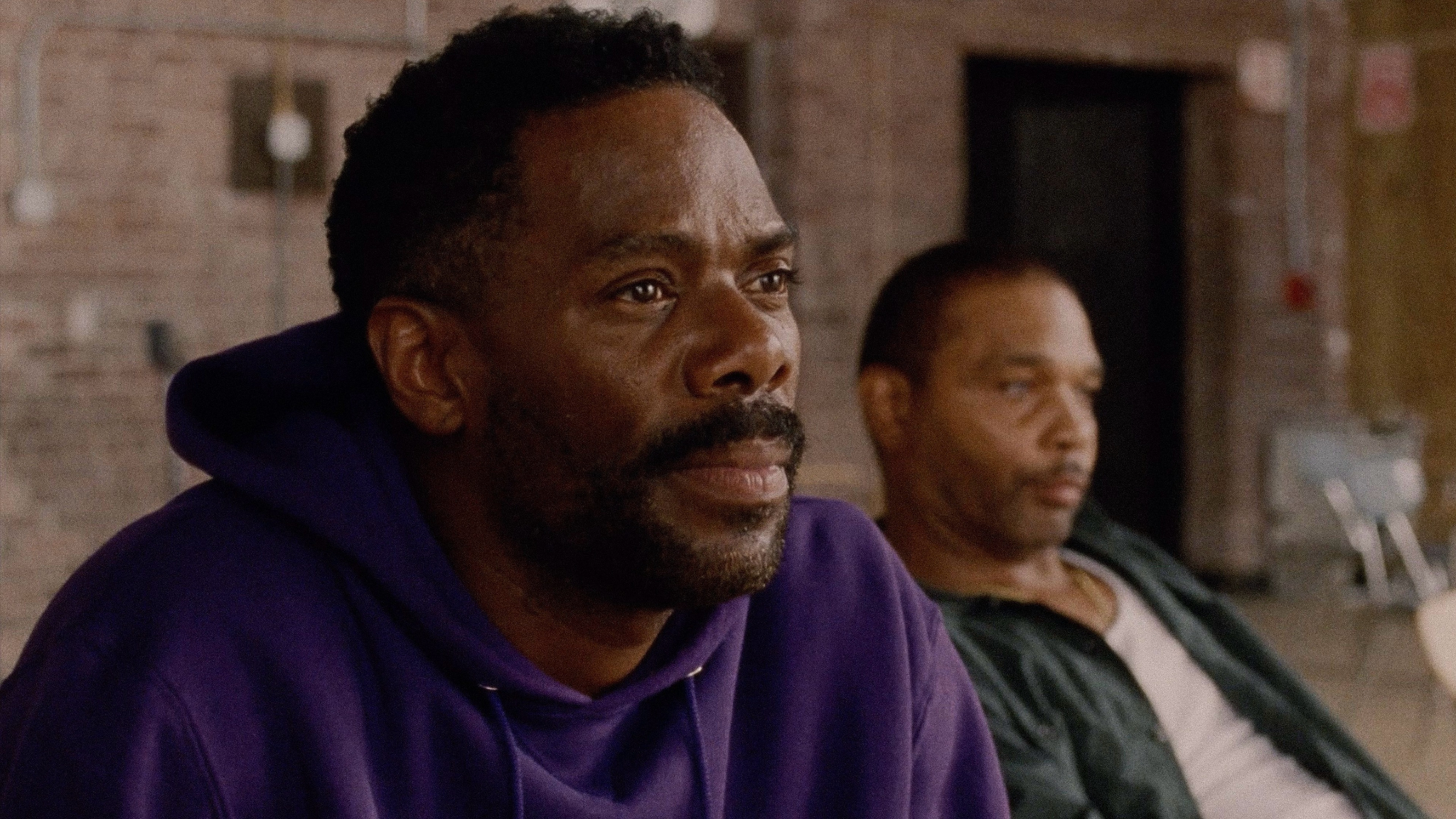
Oh, Sing Sing! How you were robbed of a Best Picture nomination…
First, it started off with a potential frontrunner for Best Picture coming from its premiere at TIFF the year prior. Sing Sing was then acquired by A24, who planned on distributing it for next season’s awards. The film was given a limited theatrical run in July, and then nothing else happened with this.
It still had a presence in the awards race but as the season progressed, its chances of being a secured nominee slowly faded away. It also didn’t help that A24 traded this in for The Brutalist, which did much better in terms of Oscar nominations and even won a few Oscars; one of which was for Adrien Brody in the Best Lead Actor category. At least Sing Sing scored a deserved Best Actor nomination for Colman Domingo, which might be his best performance to date. The other nomination it got outside of Best Adapted Screenplay was Best Original Song for Like a Bird.
Unfortunately, the film would strike out in terms of wins on the night. Mainly due to this being a non-Best Picture nominee, which is a common occurrence within an expanded field. If it had mustered more passion to get in the field, maybe I could’ve seen this as a possible winner. Even then, I just don’t know if the Academy would’ve given this film its deserved flowers.
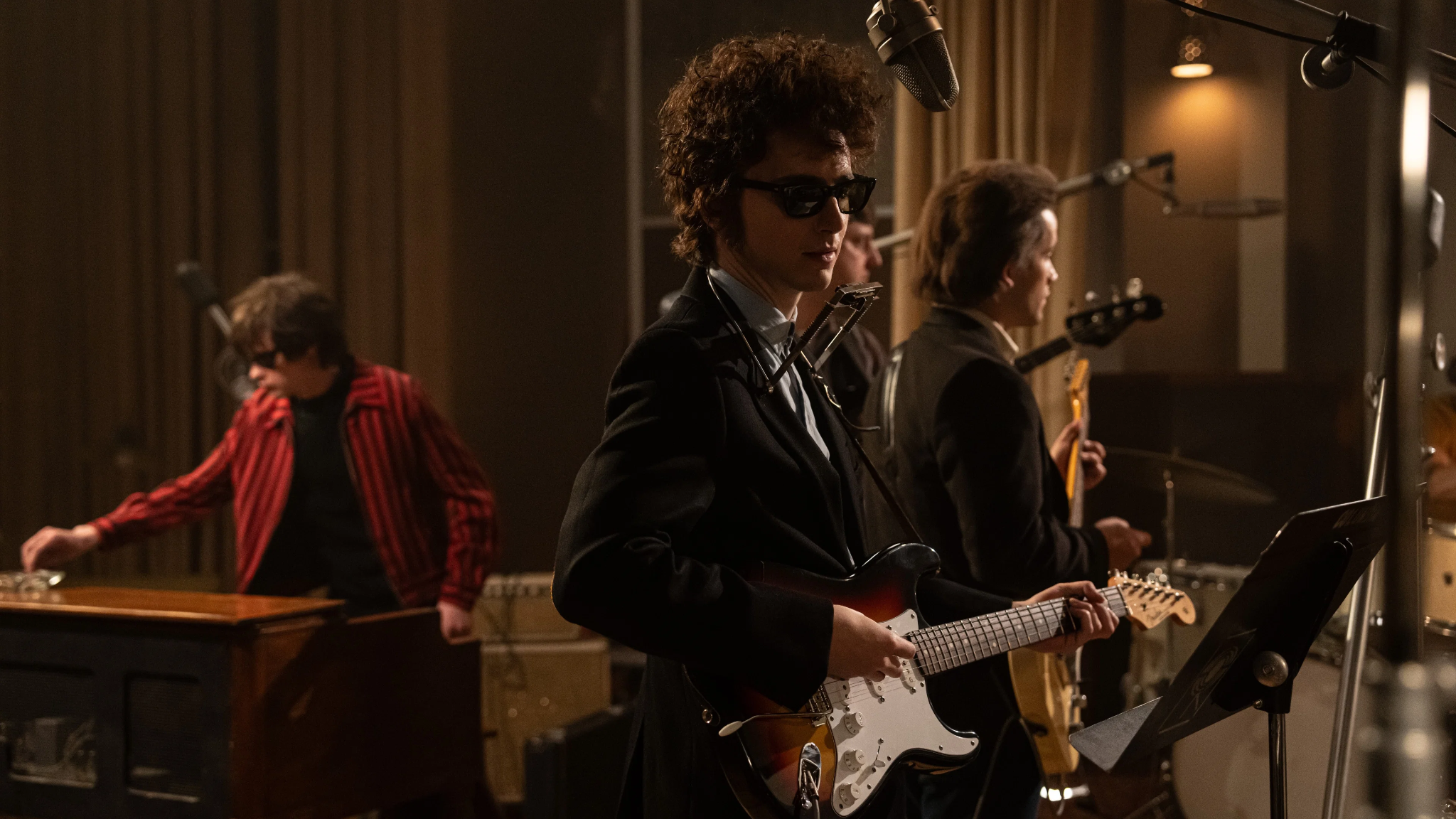
Our next nominee is A Complete Unknown, which based on its shutout at the Oscars was likely in fourth place. This had been a passion project for James Mangold and Timothée Chalamet, as they discussed the possibility of working together back in 2019. Due to the COVID-19 pandemic and SAG-AFTRA strike in 2023, production was halted. The film was finally on track to shoot, but it ended up being a quick shoot as they had a Christmas release date scheduled.
It’s a miracle this ended up being as competently made as it was. But that’s the key word: competent. James Mangold is a good workman-like director, but his vision to me doesn’t stand out in a way like Martin Scorsese or Josh Safdie does. It’s not a bad thing per say, but it makes me question the film when it’s just another decently crafted biopic on a famous musician without any new spin to the formula.
As for why it got into Best Adapted Screenplay, it’s fairly easy to answer. A Complete Unknown had two previous Oscar-nominated writers attached; James Mangold, who had been a previous nominee for Logan, and Jay Cocks, who was nominated for his work on The Age of Innocence and Gangs of New York. The Bob Dylan biopic had gained passion from the older Academy, as it also gained a Best Director nod and a surprise Best Supporting Actress nod for Monica Barbaro.
In regards to the screenplay chances, the nomination was the win. It’s not often we see a musician biopic win here, as they typically go for an acting win or maybe a tech win. If anything, it would’ve been shocking to see this win the Oscar. If anything, this loss for the film did lead me down a rabbit hole on a specific stat that I’ll share later on in the article.
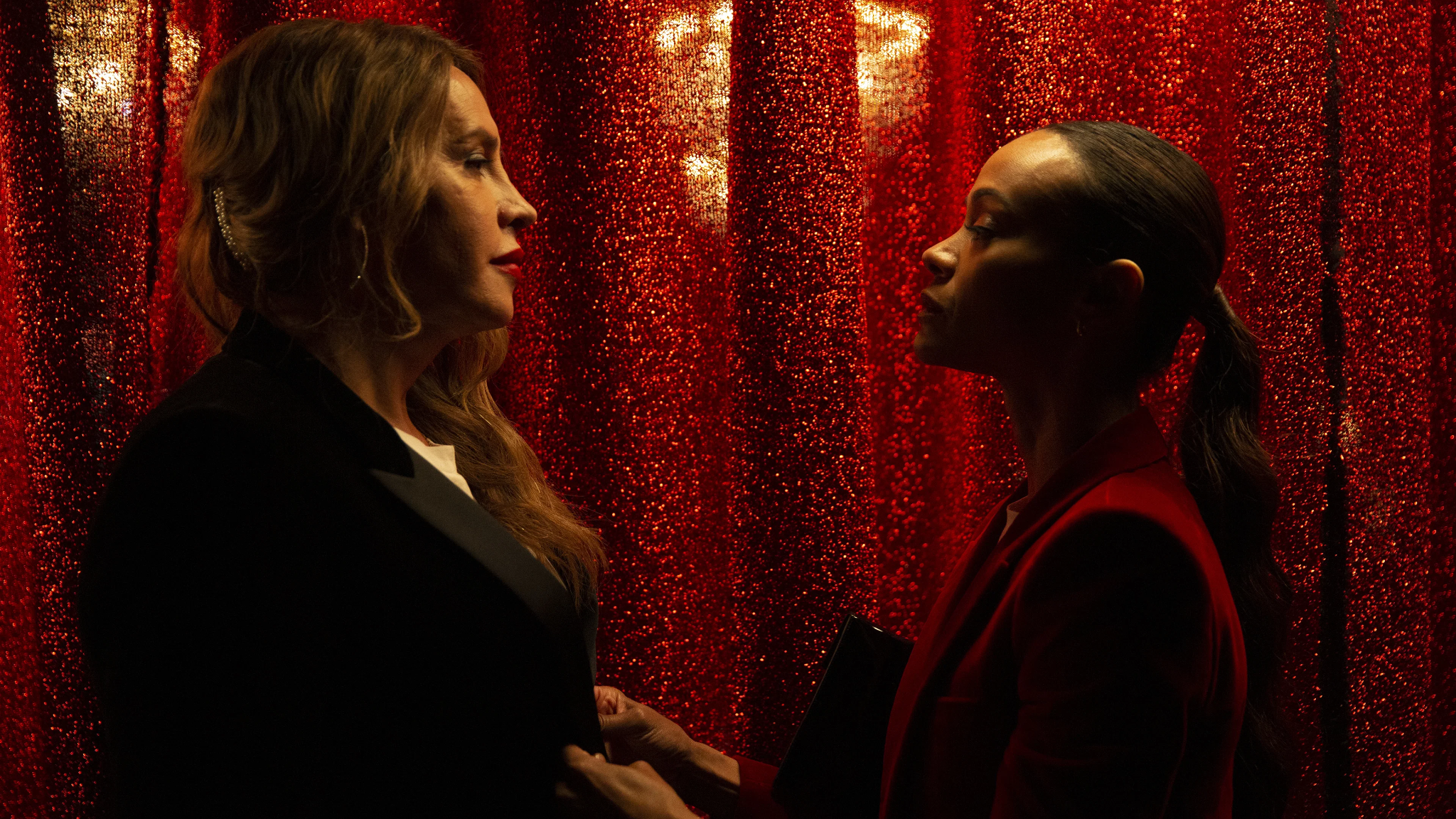
And now we’re onto the most controversial Oscar contender of this season: Emilia Pérez. This became Netflix’s top contender to push out, after competing at the Cannes Film Festival for the Palme d’Or. While it lost the top prize to Anora, it did become an awards player as it was pushed throughout the film festivals like Telluride, TIFF, and NYFF. Not only was this a beloved film by industry voters advocating this such as Guillermo del Toro, Denis Villeneuve, and James Cameron, but it landed a record-breaking number of 13 Oscar nominations. One of the categories pundits and audiences were highly upset over its appearance on Oscar nomination morning was Best Adapted Screenplay.
The writing category was a big head scratcher for some people, as they felt the biggest issues they had with the film was in the screenplay. I’m of the opinion that while I’m pretty mixed on this film, I also agree that it’s one of the film’s weaker nominations. However, it managed to get into the field as the writing categories tend to show strength in a film’s chances at winning Best Picture. I also believe that there was an appreciation for Jacques Audiard creating a new musical, as opposed to adapting a known one like Wicked.
Had Emilia Pérez caught on with a victory at BAFTA, then maybe I could’ve seen a path for this winning the Oscar. It even won two prizes for Best Original Song with El Mal and Supporting Actress for Zoe Saldaña. I also feel that the controversies that settled in from Karla Sofía Gascón’s deleted tweets, and Jacques Audiard’s comments about Mexico are what squashed this from ever coming close to more wins. For all we know, there might be an alternate timeline where this was our Best Picture winner.
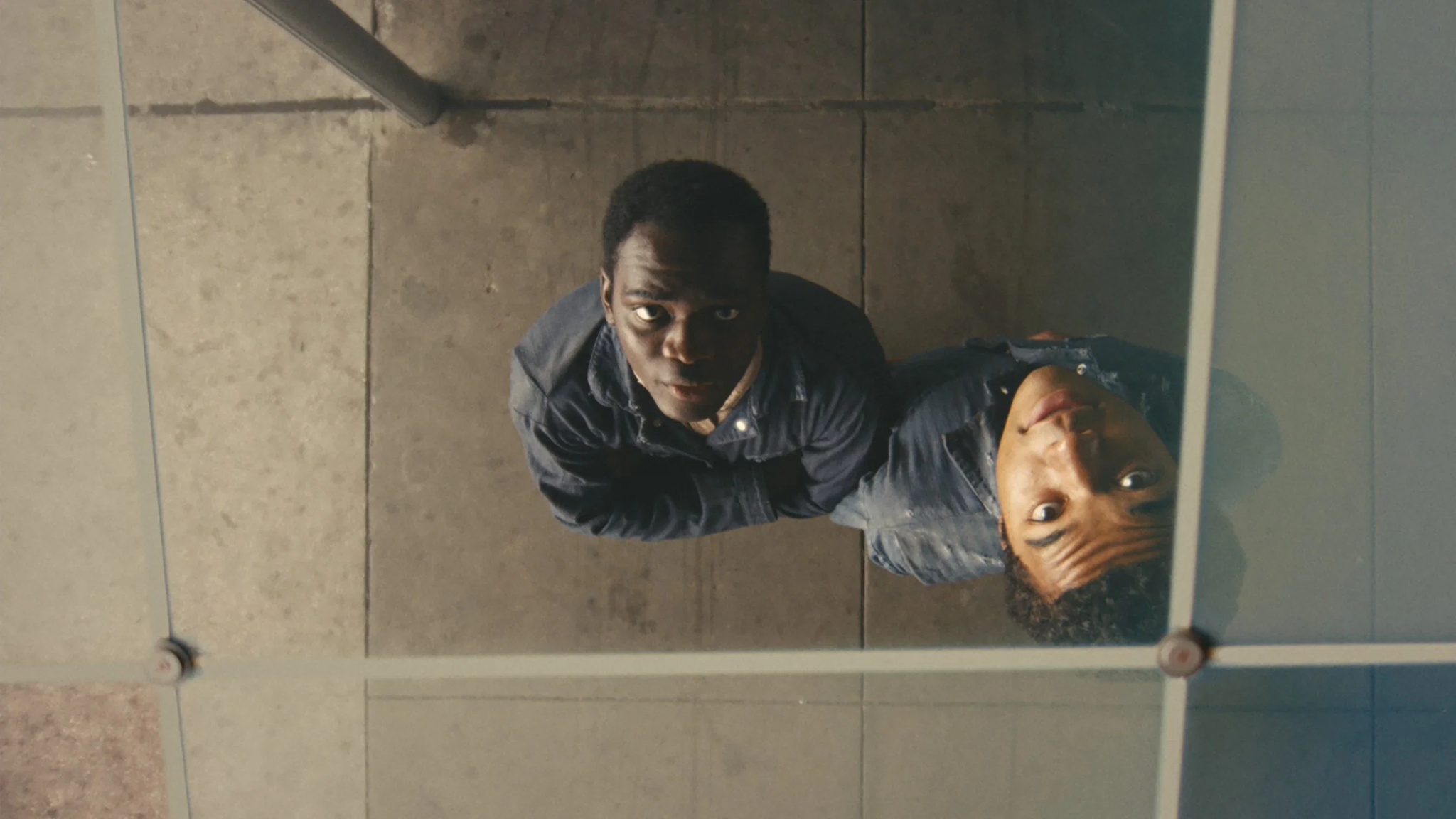
Out of all the contenders that showed up, Nickel Boys was the closest to winning the category. The film garnered critical acclaim ever since its Telluride premiere. And while it progressed through its festival run at New York Film Festival and AFI Fest, Amazon MGM Studios dropped the ball on campaigning it.
The film only got nominated for two categories: Best Picture and Adapted Screenplay. While the studio did incredibly well pushing American Fiction onto voters, this was a movie that felt like there was hardly any campaigning for it. Yes; it got in on the strength of its co-producers, Dede Gardner and Jeremy Kleiner, advocating for it. However, the film had this first-person point-of-view perspective that likely alienated audiences. It also didn’t do incredibly well at the box office, as Amazon pushed it out to as few theaters as possible.
I’m stunned that for as cold as the film may be with a broad audience, I’m shocked this didn’t get in for Best Cinematography. The work that Jomo Frey does is quite beautiful and incredibly haunting at times. If Nickel Boys had done better on the campaign trail, maybe it could’ve scored more nominations. Even a Best Director nod for Oscar-nominated documentary filmmaker, RaMell Ross, would’ve been inspiring, as this is the type of directing the branch would go for nowadays.
As for why I’d consider this to be the likely runner-up for Best Adapted Screenplay, it managed to win one prize that our actual winner couldn’t: the WGA. This was a year where most of the Oscar nominees were ineligible for the guild, whether it was due to the writers themselves not being a member, the productions themselves weren’t financed with an American production, etc. Whatever the case may be, it allowed us to witness a race between A Complete Unknown and Nickel Boys. In the end, the latter won the guild for its writing achievement.
What I find fascinating is that this awards run provided a weird coincidence that I’m surprised no one brought up before. Not only was Jay Cocks nominated for A Complete Unknown and Gangs of New York at the WGA guild, but he lost both times to a known documentary filmmaker at the event; for the latter event, he lost to Michael Moore for his work on Bowling for Columbine. On top of that, Jay’s written film gets a victory at SAG on both occasions against Adrien Brody; Daniel-Day Lewis won for Gangs of New York and Timothée Chalamet won for A Complete Unknown at SAG, respectively. And yet, the Adrien Brody film does better at the Oscars.
It’s incredibly odd that this specific outcome happened twice. But hey! Sometimes history tends to repeat itself in odd ways.
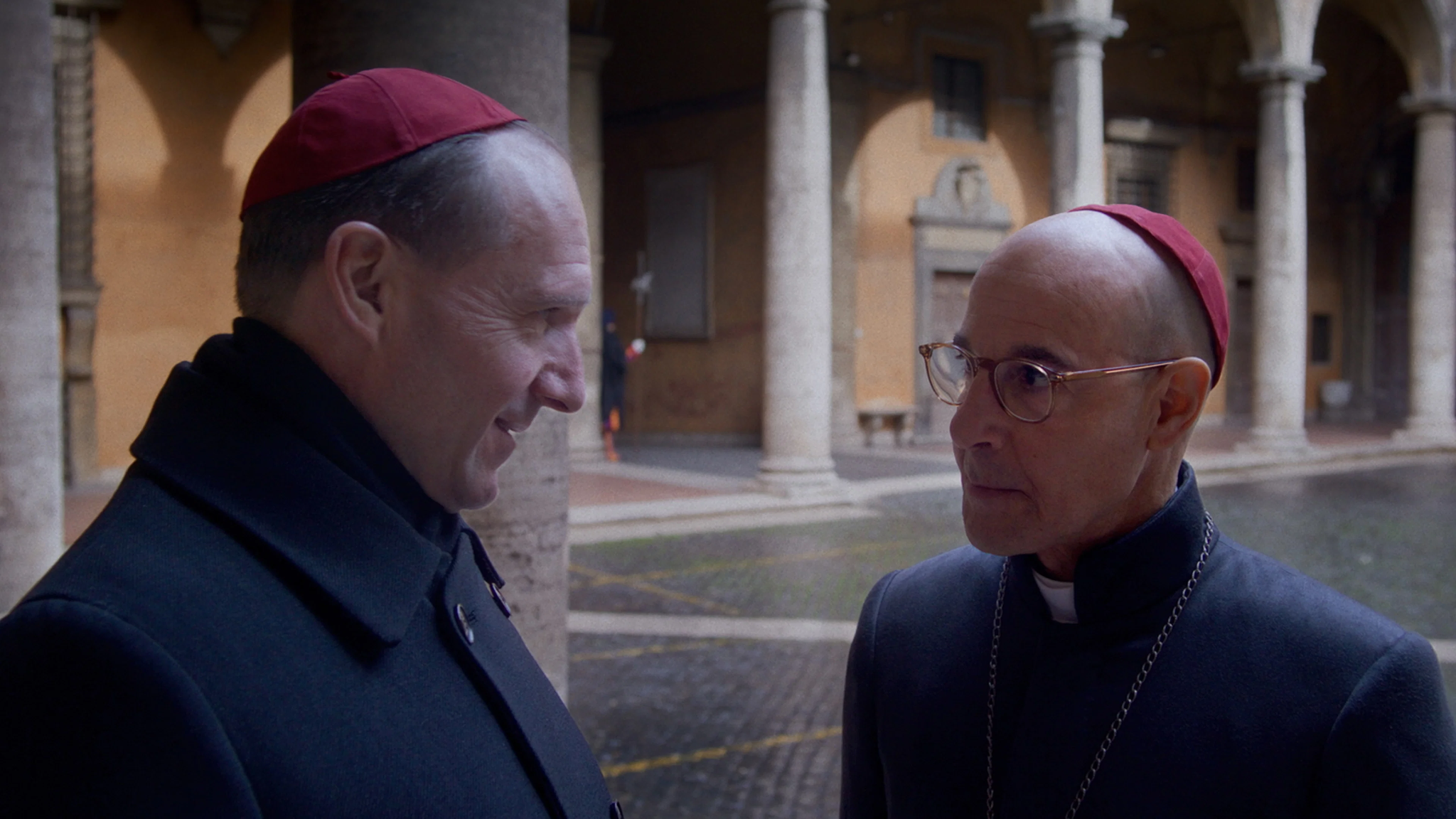
Conclave started off its awards run after premiering at Telluride and screening at TIFF with rave reviews from its audience. Some pundits even felt that there was a chance this could’ve won Best Picture at the Oscars, as it managed to win the Best Cast Ensemble prize at SAG and won Best Picture at BAFTA. However, the film only walked away with one win: Best Adapted Screenplay.
Before we talk about its writing win and some factors that may have helped itself out, I want to talk about the elephant in the room. And that would be the fact that this missed out on a Best Director nomination for Edward Berger. While I wasn’t impressed with the film as a whole, everyone made noise about him missing, as he missed a few years prior for a more beloved film, All Quiet on the Western Front. However, he managed to miss as he wasn’t the more known international director for the branch; that spot went to Ruben Östlund for his Palme d’Or-winning film, Triangle of Sadness.
This time, it seemed that the branch would likely go for Edward, as they loved his take on All Quiet on the Western Front so much that it won four Academy Awards. Once again, he managed to miss the spot for James Mangold with A Complete Unknown. To make a long story short, I’d have to guess that while Edward was a known director, the branch has had a recent history for nominating directors who write their own material. Whereas if you aren’t involved in the writing process, they see you more as a “studio for hire” type of director rather than an auteur filmmaker; even someone like Alexander Payne missed out on a directing nod for his work on The Holdovers.
Now we got that out of the way, let’s talk about why this managed to win the writing Oscar. Much like another Focus Features film, Belfast, Conclave managed to win a couple of audience prizes during its film festival run. Whenever that occurs, it usually signals that the film has passion that could easily translate with Oscar voters. After all, some of these events are where you may find an Oscar voter or two getting caught up with some films. Not only that, but this became a surprising box-office hit, making over $128 million on a budget of $20 million.
It also helped that the script by Peter Straughan has this twist-and-turn story that kept audiences engaged. If anything, it follows a pattern of past winners with The Usual Suspects, The Crying Game, Anatomy of a Fall, and Chinatown. It also helped that the moment Conclave managed to win the Golden Globe for Best Screenplay, the Best Adapted Screenplay race was over. Typically, that group gives out their prize towards the original screenplay contender. But the fact that it was one of two adapted contenders nominated at Globes and Conclave won the prize was enough to call the race right then and there.
While it managed to win at Critics’ Choice Awards, BAFTA, and USC Scripter Awards, it was deemed ineligible by the WGA. The official reason wasn’t given, as while Peter is listed as a member of the guild, I can surmise that the production or screenplay was likely made out of the WGA’s collective bargaining agreement. In fact, even Emilia Pérez was ineligible for the guild for similiar reasons. But we have seen cases where despite fitting the parameters of the guild, it still doesn’t qualify.
For example, Martin McDonagh and Quentin Tarantino have never been nominated at the guild, as they’re not members. They may be making films that would typically fit the guidelines, but because they’re not WGA members they can’t get nominated for their screenplays. With that said, there were other factors that contributed to Conclave winning this Oscar.
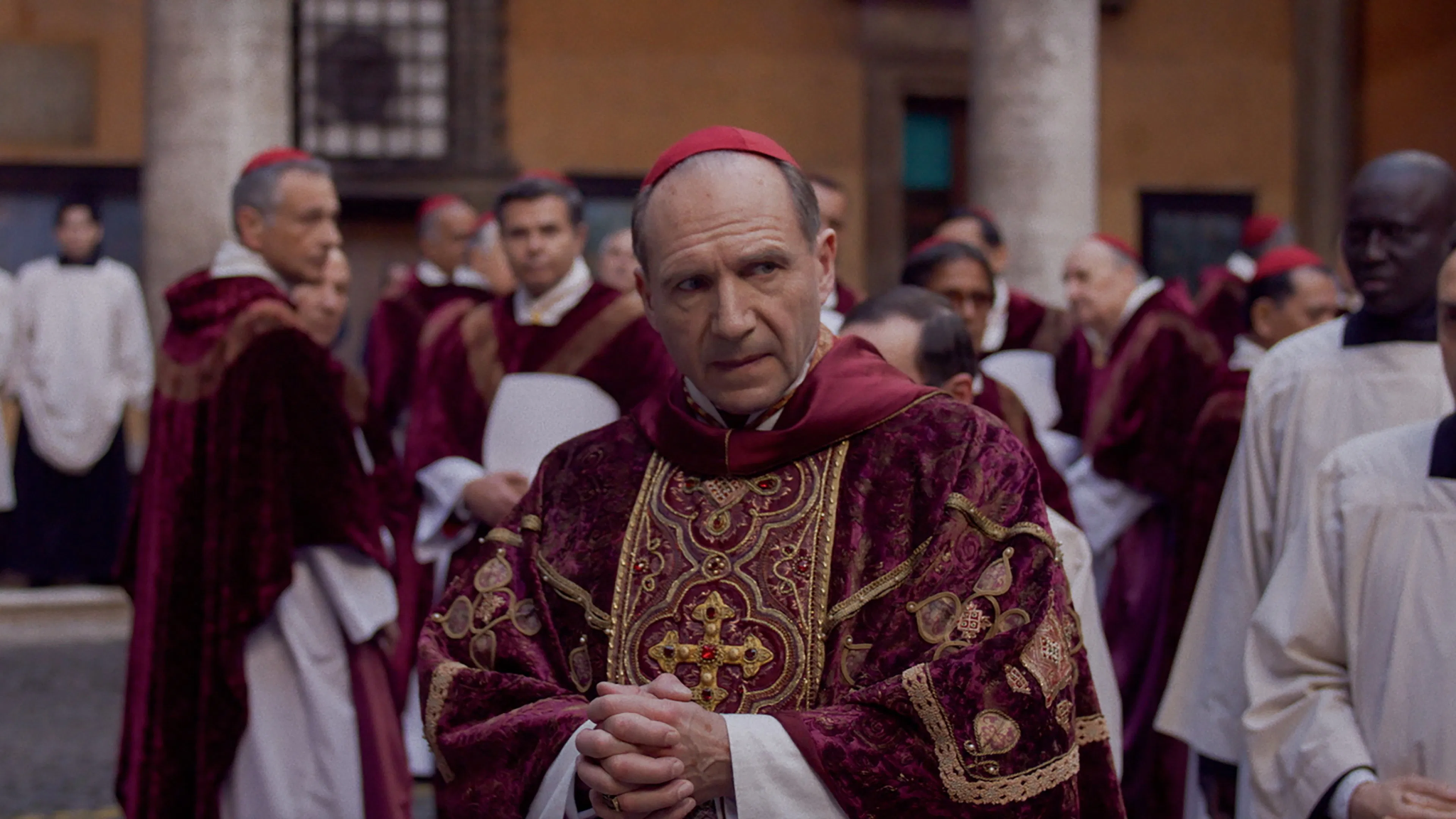
Even if some of the other nominees had acting support, the fact that this managed to win SAG Ensemble was enough to say this also had its fans within the industry. They even hosted a live reading of the script with known actors, such as Ayo Edebiri, Josh Gad, and Patton Oswalt, reciting it for a live audience presented by Film Independent. With that amount of push among other things, it allowed Conclave to get itself the writing Oscar.
Had the film not competed against something as strong as Anora, I could’ve seen a legit battle between Conclave and The Brutalist for Best Picture. However, I do think Conclave did have its own weak points, such as missing out on a directing nod and not getting an acting win. The latter has been a more recent trend with Best Picture winners where every film that’s won the top prize so far has won an acting Oscar. Even Nomadland and One Battle After Another managed to walk away with one of their actors winning a third Oscar, despite losing at Critics’ Choice and Golden Globes. We’ll have to see if that trend continues this year, as we’re already hearing buzz about La Bola Negra and The Odyssey being our potential top contenders.