



As we approach the fall, we are only a few months away from the annual awards season race. While categories such as Best Picture, Best Director, and the acting races tend to dominate mainstream awards coverage, Best Visual Effects can sometimes receive less attention outside of the film community. But the Visual Effects race is already beginning to take shape.
With the first wave of awards-season precursors approaching, now is a good time to look at some of the films that could contend for one of the five Visual Effects Oscar nominations. Nothing is guaranteed at this stage. We have yet to see several other potential contenders. But there are some familiar ingredients that tend to help a film in this category. The Visual Effects branch has historically embraced work that is both technically impressive and integral to a major cinematic experience, particularly when that work appears in a film competing for Best Picture. That immediately puts films such as Dune: Part Three, The Odyssey and Project Hail Mary on the radar.
Dune: Part Three
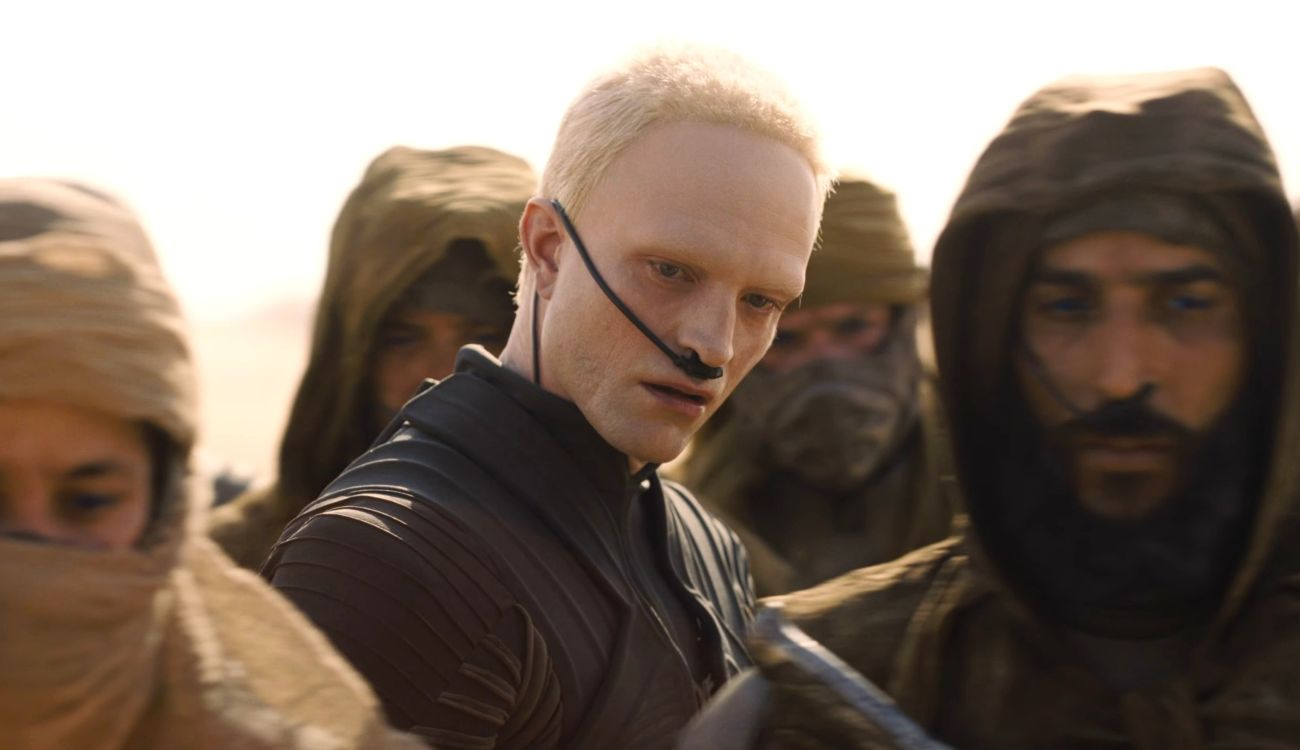
If we were making an early prediction for the Visual Effects winner in late summer, Dune: Part Three would be one of the safest bets. Denis Villeneuve’s highly anticipated conclusion to his Dune trilogy arrives with enormous expectations, but the franchise has already established an extraordinary relationship with the Visual Effects branch. Both Dune: Part One and Dune: Part Two won the Oscar for Visual Effects, with the latter following its predecessor’s success by expanding the franchise’s massive desert landscapes, creatures, crowds and large-scale action. The early footage for Part Three suggests Villeneuve is once again pushing the scale of the series. The film is being presented in IMAX 70mm, and its imagery continues the franchise’s reputation for combining enormous spectacle with tactile, grounded visual design.
That history matters. The Visual Effects branch already knows what the Dune team is capable of, and the previous two films have given the franchise considerable goodwill. If Dune: Part Three lives up to expectations, a nomination could feel almost inevitable. The bigger question is whether it can become the third consecutive Dune film to win. Even if the film ultimately receives a lighter Best Picture reception than expected, its Visual Effects work could still be considered too substantial to ignore.
Project Hail Mary
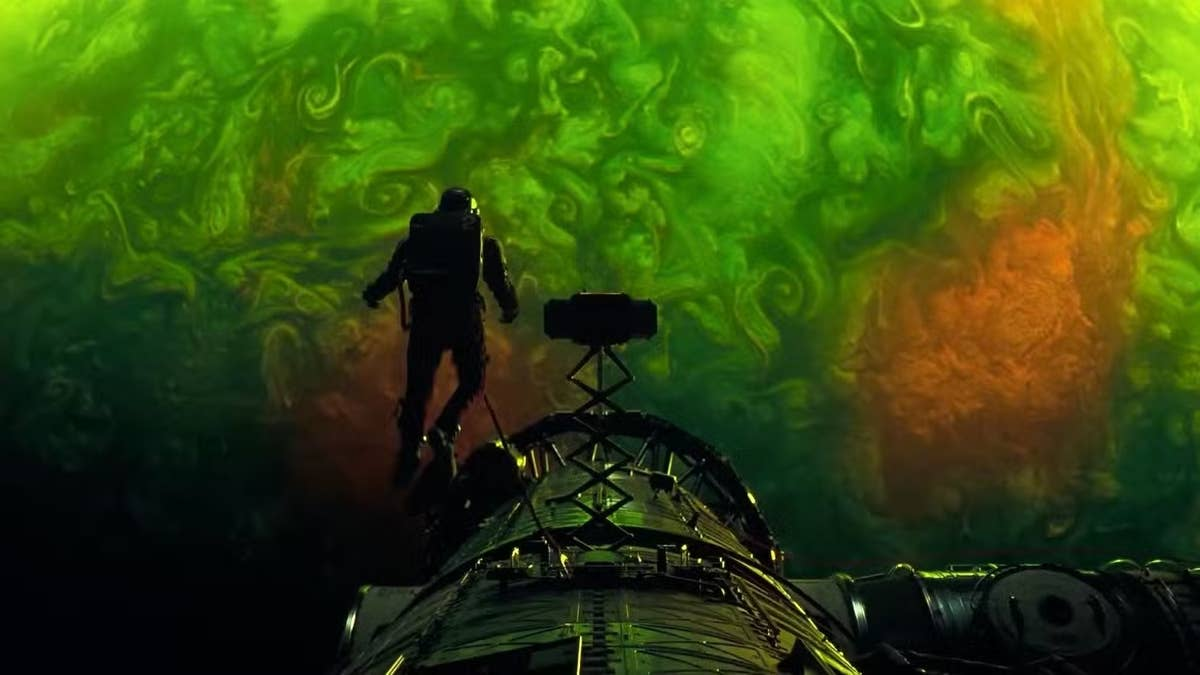
Project Hail Mary has another advantage that the Visual Effects branch has historically appreciated: space. From Aliens and Apollo 13 to Gravity, Interstellar, and First Man, space exploration has repeatedly provided a showcase for filmmakers and visual effects artists to demonstrate what the medium can accomplish. Project Hail Mary has already emerged as one of the year’s major successes, combining its science-fiction spectacle with an emotional, character-driven story. That combination could be particularly valuable during an awards campaign. The film’s interstellar environments provide plenty of opportunities for visual effects artistry, but perhaps the most interesting element is Rocky, the alien companion of protagonist Ryland Grace.
Rocky could have easily become another entirely digital creature. Instead, the filmmakers relied heavily on practical puppetry, with multiple puppeteers operating the character on set and digital effects used to enhance the final performance. The physical presence of Rocky also allowed Ryan Gosling to interact with the character more naturally during filming.
That combination of practical and digital effects could make Project Hail Mary particularly attractive to a branch that has increasingly demonstrated an appreciation for effects that feel tangible rather than purely computer generated. If the film’s emotional response continues to hold through awards season, don’t be surprised if Rocky becomes one of the year’s most recognizable Visual Effects contenders.
The Odyssey
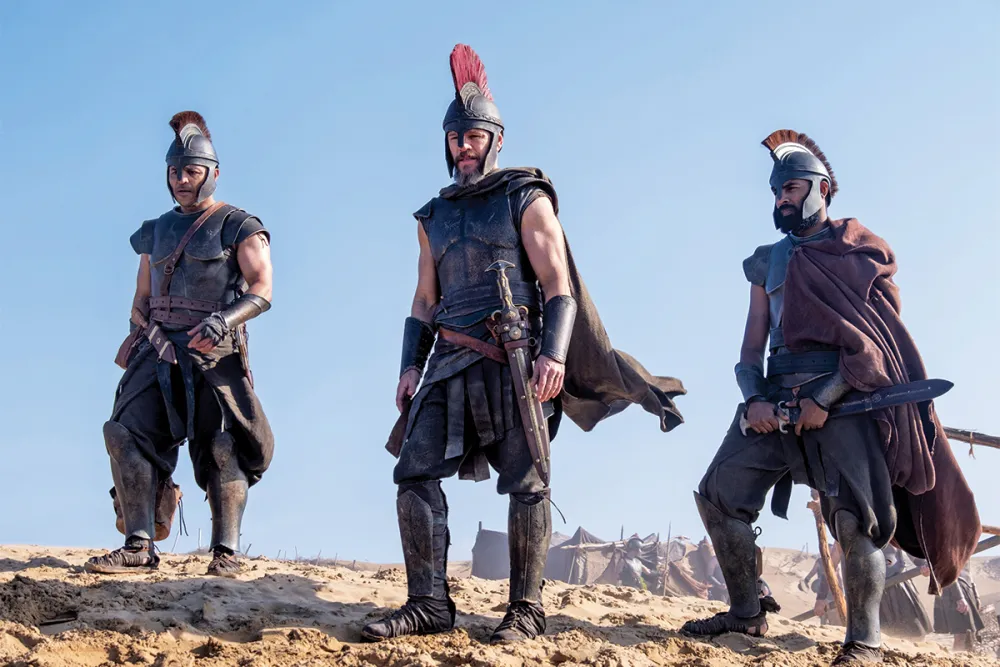
If there is one thing we have learned about a Christopher Nolan film, it is that the Visual Effects branch will at least have a reason to pay attention. The Odyssey is one of the year’s defining theatrical events: a massive adaptation of Homer’s epic, shot entirely with IMAX film cameras and built around sequences involving mythology, monsters and supernatural environments. The Cyclops, Scylla, and Hades sequences make the film an obvious contender on paper. The film’s enormous scale also puts it firmly inside the Best Picture conversation, which only strengthens its case. Yet there is an interesting question surrounding Nolan’s relationship with this category.
His films have frequently received Visual Effects nominations, including The Dark Knight, Inception, Interstellar and Tenet, but not every effects-heavy Nolan film has made the cut. Dunkirk missed despite being a major Best Picture contender, while Oppenheimer was famously absent from the Visual Effects shortlist. Some of this may be attributed to Nolan’s preference for practical filmmaking. His movies frequently attempt to create as much as possible in camera rather than relying on digital effects. That makes The Odyssey particularly fascinating.
The film is undeniably effects-heavy, but it is also deeply rooted in practical filmmaking. If the Visual Effects branch sees the effects work as seamlessly supporting the physical production rather than overwhelming it, The Odyssey could be one of the strongest contenders of the year. But if voters favor more overtly digital showcases, Nolan’s latest could find itself competing against films with more obvious effects-driven spectacle.
Godzilla Minus Zero
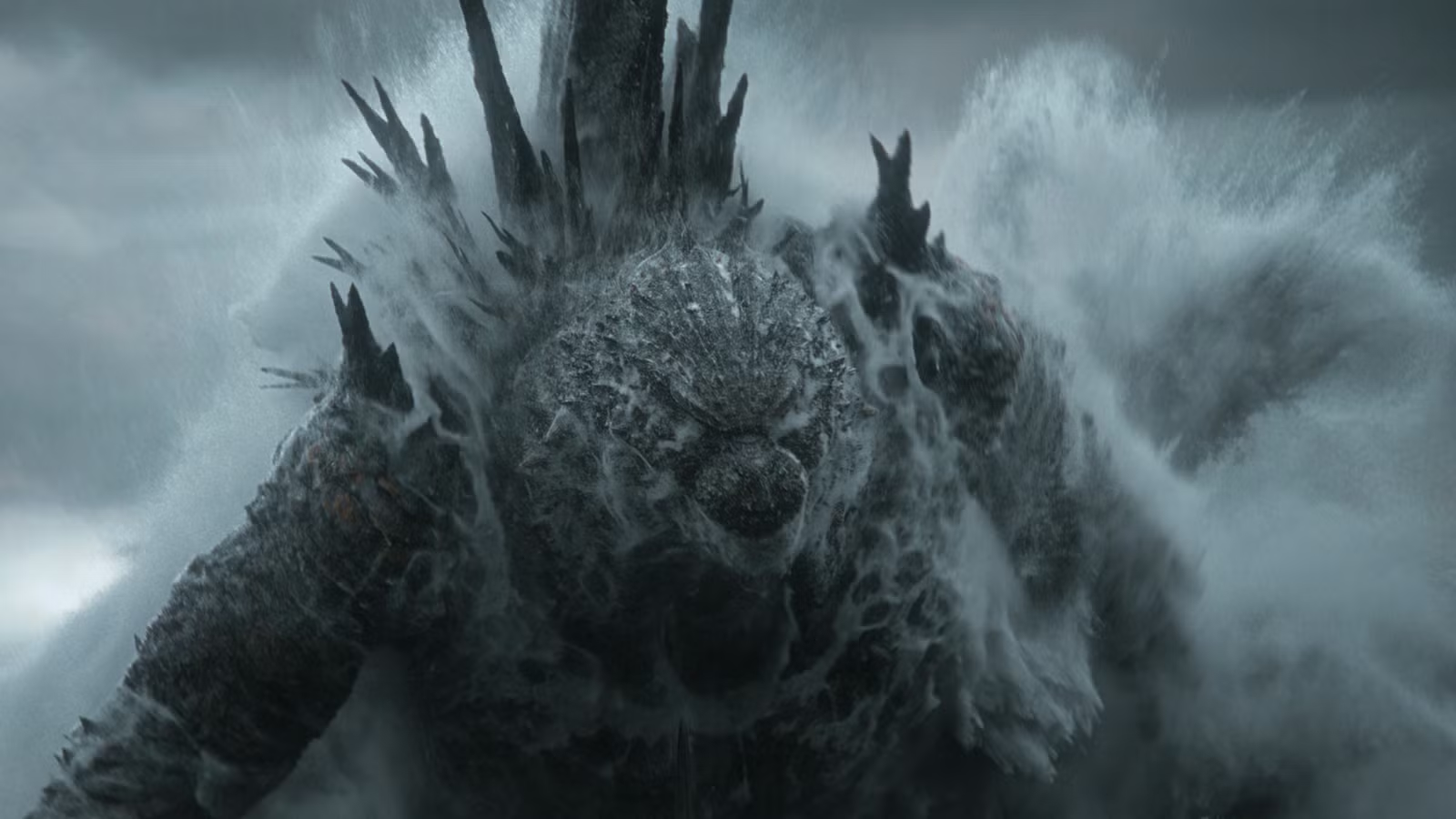
Godzilla Minus One was one of the most remarkable Visual Effects stories of the past decade. Takashi Yamazaki’s 2023 film took a relatively modest budget and turned it into one of the most impressive blockbuster effects showcases of its era. It ultimately became the first Godzilla film to receive an Academy Award nomination for Visual Effects and the first Japanese language film to win the category. And now, Takashi Yamazaki is back.
Godzilla Minus Zero brings the franchise back with larger stakes and another major showcase for Yamazaki’s combination of filmmaking and visual effects work. Professionals describes the sequel as featuring even more ambitious effects choreography than its predecessor. The biggest question is whether lightning can strike twice.
The original film’s Oscar victory was historic precisely because it demonstrated that a Visual Effects contender did not need the resources of a Hollywood mega production to compete at the highest level. If Minus Zero receives a similarly enthusiastic response from critics and audiences, it could once again become one of the category’s most compelling contenders.
OTHER STRONG CONTENDERS
Marvel Studios
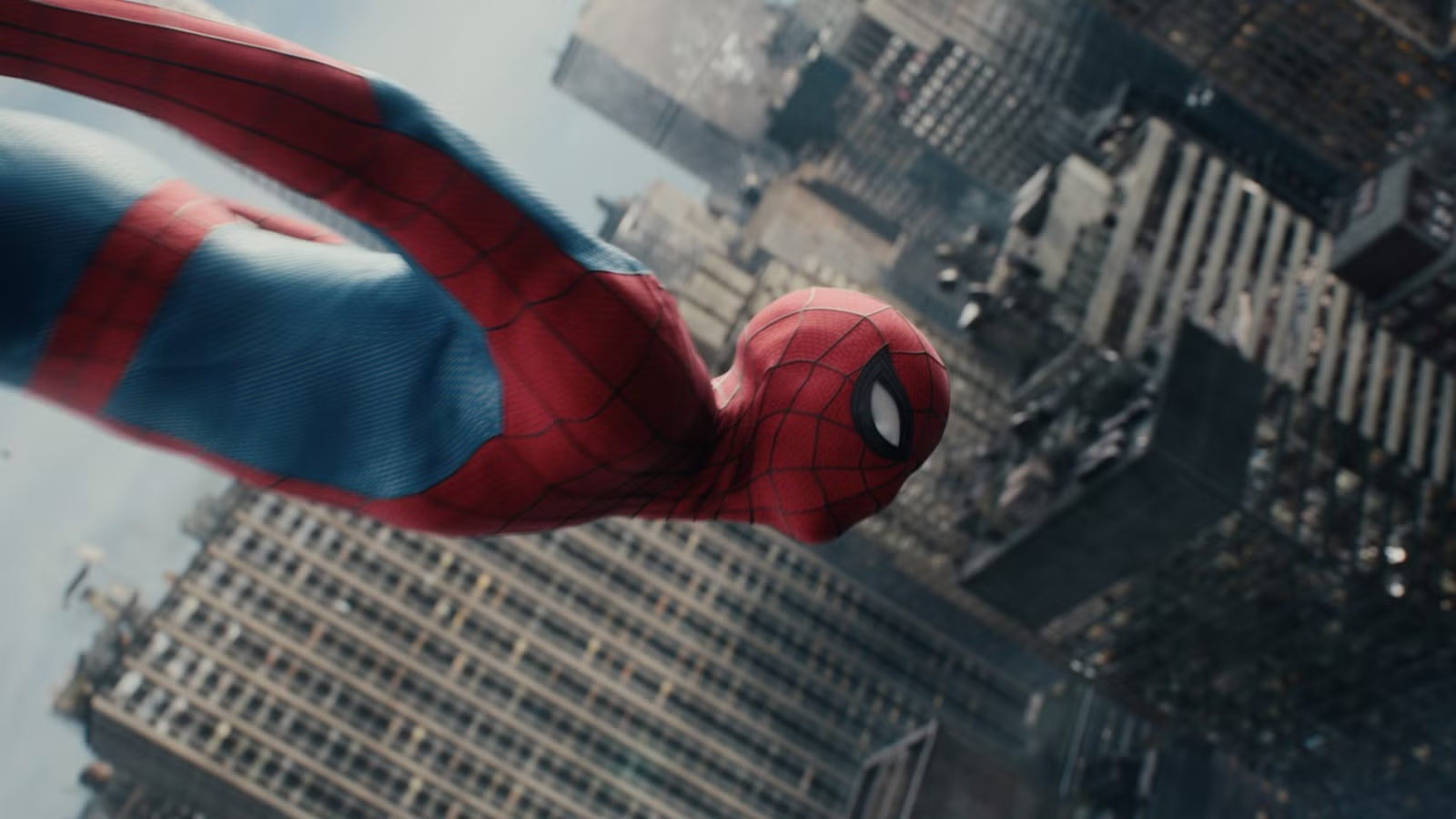
Marvel has a complicated history with the Visual Effects branch. The Marvel Cinematic Universe has accumulated 14 Visual Effects nominations since 2008, but the franchise entered the 2026 season having been shut out for two consecutive years. That raises an obvious question: has superhero fatigue finally caught up with the category? This year, however, Marvel has two potential contenders that may be too large to ignore: Spider-Man: Brand New Day and Avengers: Doomsday.
Spider-Man: Brand New Day has become one of the year’s biggest theatrical successes, while its visual approach pushes the character toward a more comic book inspired aesthetic. The film also builds on visual elements from a franchise the Academy has previously recognized, although Spider-Man: No Way Home remains the only live-action Spider-Man film since Spider-Man 2 to receive a Visual Effects nomination.
Then there is Avengers: Doomsday.
Historically, the Avengers franchise has been one of Marvel’s strongest performers in this category. Doomsday also appears to be embracing an enormous CGI driven crossover spectacle, bringing together the Avengers, the Fantastic Four and returning X-Men characters against Doctor Doom.
The concern, of course, is whether the film can stick the landing. Marvel’s enormous fan base guarantees attention, but attention alone does not guarantee an Oscar nomination. If Avengers: Doomsday manages to deliver both the spectacle and the emotional payoff that audiences expect, however, the Visual Effects branch may have a difficult time ignoring it.
Clayface

DC Studios’ Clayface is another intriguing possibility. The body horror comic-book adaptation follows a rising Hollywood actor whose life spirals into a transformation that turns him into the monstrous Clayface. The film’s horror angle immediately separates it from the typical superhero effects contender, while the transformation itself could provide a major Visual Effects showcase.
DC films have historically had a more complicated relationship with the Visual Effects category than Marvel, with Batman related films providing much of the studio’s strongest presence. Could Clayface break that pattern? If James Watkins’ horrordriven approach translates successfully to the screen and the transformation effects become one of the year’s most memorable showcases, it could become a legitimate contender.
Wildwood

Wildwood represents a very different type of Visual Effects contender. Laika’s first feature in more than six years is a stop-motion fantasy that reportedly required over 230 puppets and 136 handcrafted sets. The studio’s commitment to handcrafted animation makes the film a potential showcase for practical artistry in a category that frequently focuses on digital work.
Laika has already found success with the Visual Effects branch through Kubo and the Two Strings, which received a nomination in 2017. If Wildwood delivers on the technical ambition seen in its trailers and behind-the-scenes material, it could once again demonstrate that stop-motion has a place in the Visual Effects conversation.
The End of Oak Street
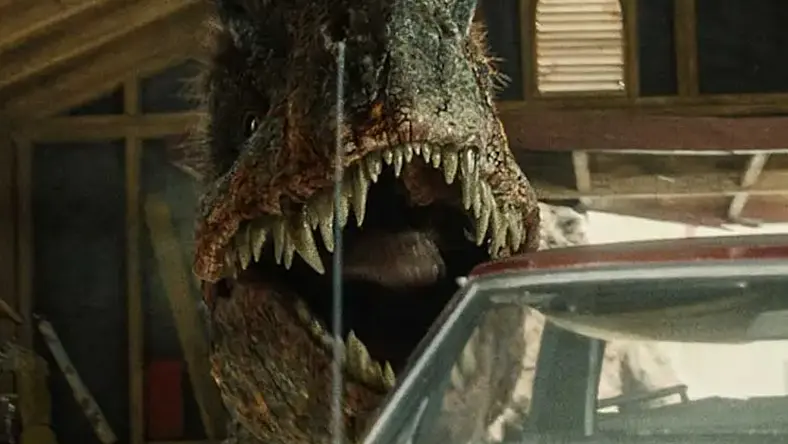
The End of Oak Street is another film worth keeping an eye on. David Robert Mitchell’s science-fiction survival film combines suburban horror with dinosaurs and cosmic phenomena, creating the kind of effects heavy premise that could appeal to the branch. The film’s creature work is particularly noteworthy given the long history of dinosaurs as a Visual Effects Oscar showcase. After the recent Jurassic World films, the Academy may or may not be ready for another dinosaur heavy contender. But if Mitchell’s more character riven approach allows the effects to feel distinctive, The End of Oak Street could sneak into the conversation.
Disclosure Day

Steven Spielberg is never someone to completely dismiss during awards season. Disclosure Day is a large scale science fiction event film centered on the possibility of humanity discovering that we are not alone. Spielberg’s history with the Visual Effects branch gives the film an obvious advantage, while the subject matter itself provides plenty of room for effects-driven spectacle.
The question is whether the finished visual effects will generate enough enthusiasm to overcome the film’s more mixed reception. Spielberg’s name alone will not guarantee a nomination. But if the film’s alien imagery and large-scale sequences prove more impressive on the big screen than they appear in promotional material, Disclosure Day could remain in the conversation.
There are still months to go before the Visual Effects Oscar shortlist is announced, and that means this race remains particularly vulnerable to surprises. Some of the films discussed here may ultimately fall out of the conversation. Others, like 20th Century’s Whalefall, could emerge as contenders once audiences and awards voters see the finished work.
For now, however, the category appears to have several recognizable lanes: massive science-fiction spectacles, practicals and digital hybrids, franchise filmmaking, creature work, stop motion artistry and Best Picture contenders with effects that are integral to their worlds. And perhaps that is what makes the Visual Effects race so interesting this early. Maybe the eventual five will be exactly the films everyone expects. Or maybe, by the time the shortlist arrives, we’ll be looking at an entirely different race.