



Director: Ben Stiller
Writer: Lou Holtz Jr.
Stars: Jim Carrey, Matthew Broderick, Leslie Mann
Synopsis: A designer makes a grievous mistake when he rejects the friendship of a borderline cable guy.
There is a universe in which The Cable Guy, directed by Ben Stiller, was what screenwriter Lou Holtz, Jr. envisioned. He saw a wacky buddy comedy and the studio heads at Columbia saw a vehicle for newly minted movie star Chris Farley. Then along came Jim Carrey. The certified box office champion swooped in to scoop up a $20 million paycheck and bring on a creative team with a greater depth of vision than Holtz’ original script.
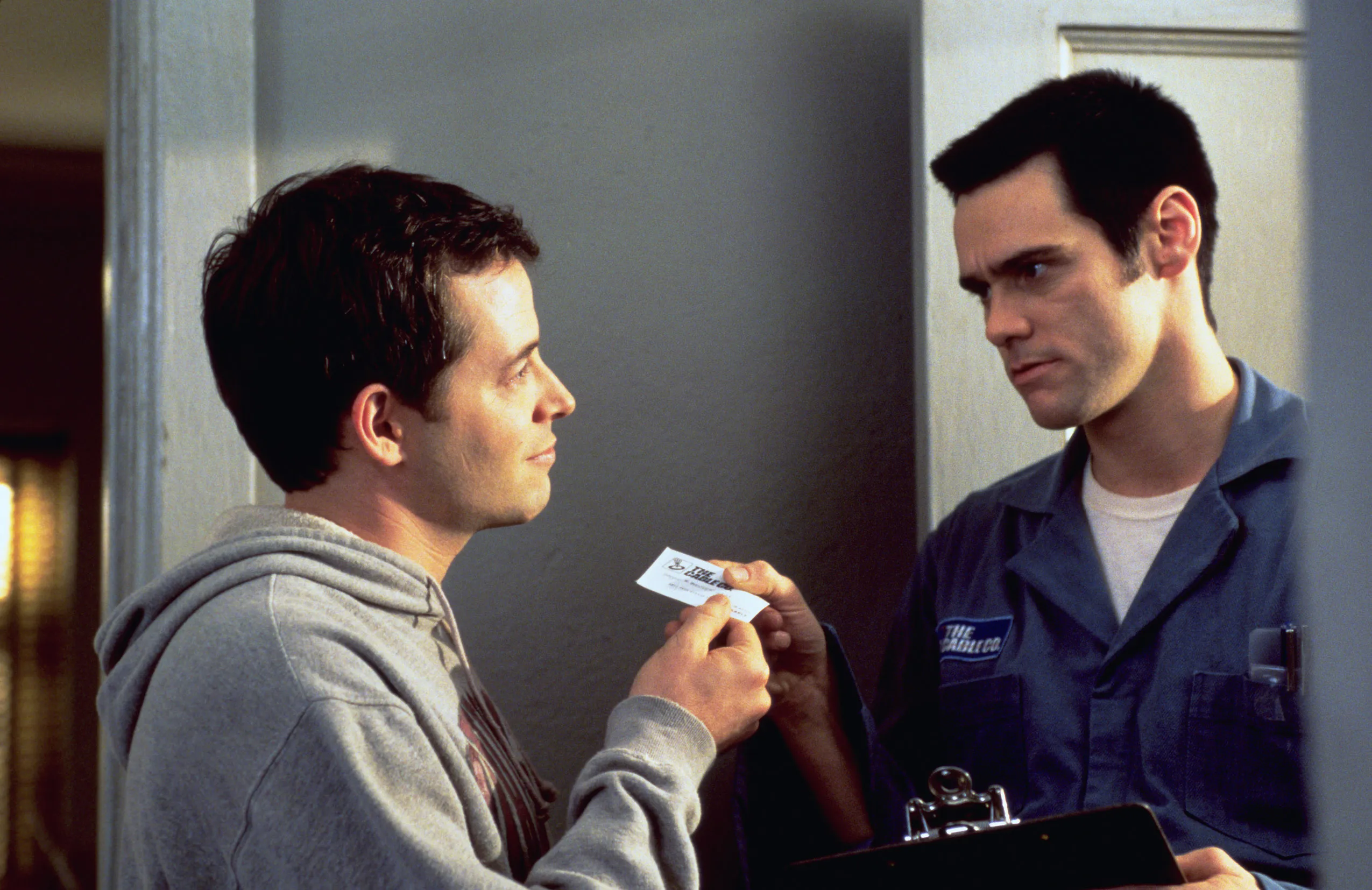
As writer Bernard Weintraub details in his New York Times article, “How a Sure Summer Hit Missed,” published less than two weeks after The Cable Guy‘s premiere, The Cable Guy was never meant to be a dark comedy that dissects our voyeur and tabloid culture. Weintraub details that Lou Holtz, Jr. didn’t realize that when Carrey came on board, he would be bringing his own team and leaving him out in the cold. The team included Stiller as director and young writer Judd Apatow for some extensive rewrites.
It’s true that even though the domestic box office was healthy, the international and home video sales even more so, the film is still seen as a sort of failure. You really can’t attribute that to the movie itself, but to people’s attitudes at the time. This dark comedy is a swing for the fences and a far cry from anything Carrey had been known for. The themes of alienation, loneliness, and a culture which on the surface is wrapped in a puritan cloth, but enraptured by the lurid details of sex and murder, are deeper than most comedies would attempt. It’s a bleak view of the toll that a lack of human compassion can have on a person.
What the audience wanted and hoped for from a new Jim Carrey movie at the absolute peak of his fame was more of the same. He had had a string of hits and became a household name. When people saw The Cable Guy, they likely didn’t understand that this was a much more nuanced character than Carrey had played before. They didn’t like what they thought of as a bait and switch. New York Times critic Janet Maslin especially didn’t like it as she puts in her review, “Though this should have been an opportunity for Carrey to expand upon his runaway success and solidify long-term stardom, ‘The Cable Guy’ instead offers the shocking sight of a volatile comic talent in free fall.” The morally gray version of Jim Carrey was too much for the 1996 audience to handle. Though they’d seen him play jerks and one uncomplicated villain, The Riddler in Batman Forever, they didn’t understand that the manic, zany energy he puts on screen has a complex layer of menace underneath.
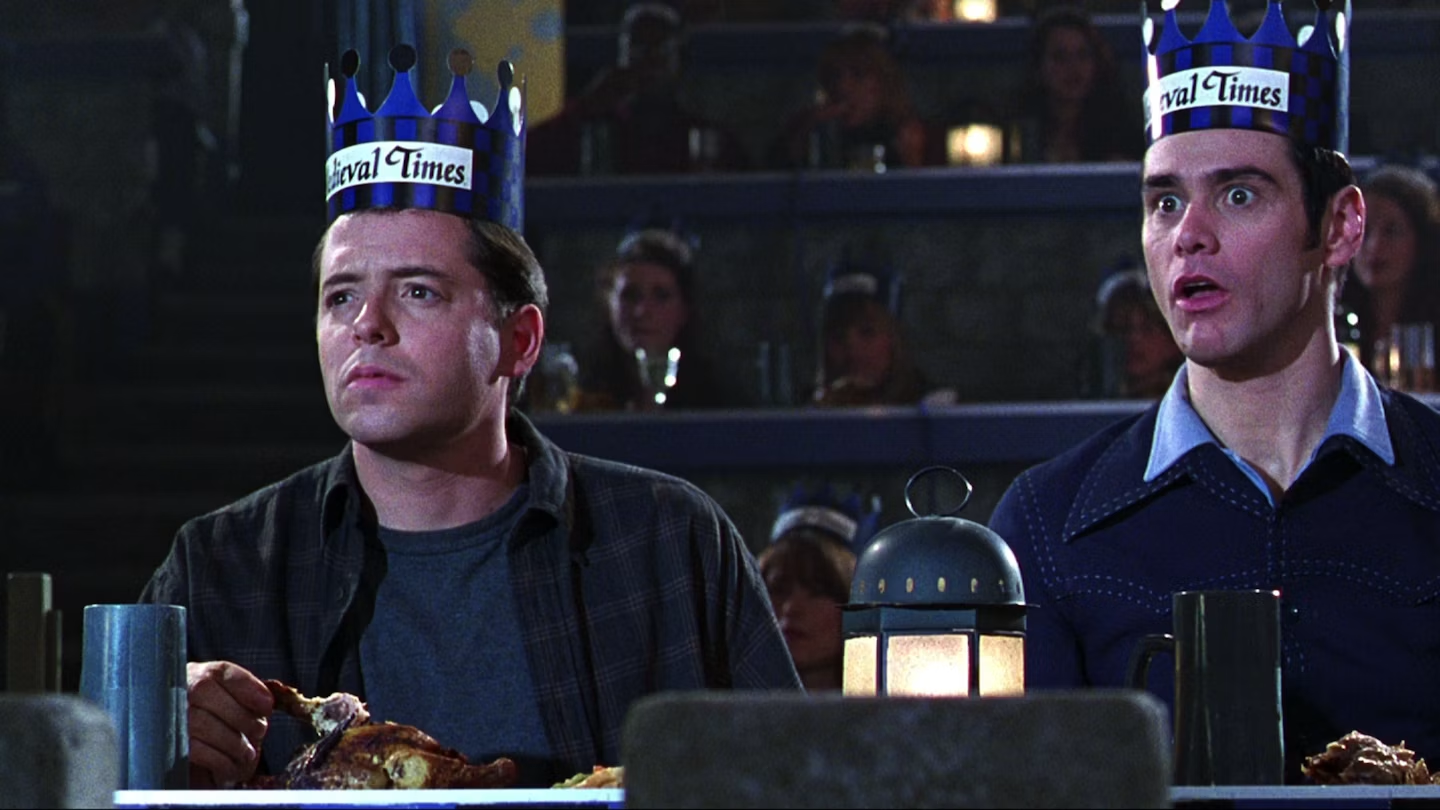
Thirty years from its initial release, The Cable Guy is ripe for a reassessment as a dark comedy classic and one of Jim Carrey’s best roles. Carrey imbues Cable Guy, the character who is never given a true name, with a complexity that you could lose in his very Carrey behavior. It’s unhinged, deranged, and, ultimately, relatable. In the world of 1996, Cable Guy understood the capacity for the world to connect. He understood that the one-way nature of television could evolve. He wants that more than anything because he needs that connection he’s never had. The idea of the camaraderie and friendship he’s only seen portrayed by actors on TV is intoxicating to him. Cable Guy is a tragic figure.
A small act of kindness from Steven (Matthew Broderick), something that Steven threw away, tossed out without even thinking twice about, is all it takes for Cable Guy to latch on. Yes, it’s deranged and sociopathic, but what can we really expect from a man who never received attention or affection from the people who were supposed to be loving and raising him? His screw loose isn’t out of nowhere, it comes from a lack of empathy. He even chose a profession, albeit one he’s doing illegally, that allows him to experience other people’s lives as if they are characters he’s watching, hoping he’ll be invited over for the recurring guest spot in their life, but what he mostly gets is an ungrateful shove out the door when his job is done.
The Cable Guy is quite a bit anachronistic 30 years on as most of what we consider television is now streaming anytime and anywhere through the internet. Even some live sports games have become exclusively streaming events. Yet, its darkness and willingness to take comedy further from setups and pratfalls and into a demented space is not at all foreign to today’s audience. You can see The Cable Guy’s DNA, if not a bit of direct influence, in last year’s anti-buddy comedy, Friendship or just pick any horror comedy coming out. All of them take the concepts and deeper emotional core of this film to the next level. What today’s audiences may think is that The Cable Guy is a bit too tame. There’s no real blood and the violence Cable Guy and Steven inflict on each other has a pulled punch quality that belies the madness of each character, one with it ingrained and the other driven to it.
There is beauty in The Cable Guy being of its time. It’s proof that Judd Apatow has always preferred up to the minute references, see the O.J. Simpson/Menendez Brothers-like trial played out in the background as well as direct comparisons to Goldeneye and Waterworld released the year prior. It’s also clear the film’s themes of connection, empathy, and our exploitation of others for our own gain are still universal. This is especially true as now we all have little joy rectangles that sap our entire attention and turn us into narcissists who believe we are the most important person in the universe. Like those glued to their TVs at the climax of this film, we forget ourselves in the midst of our screens and feel a disconnect with the real people that grace them.
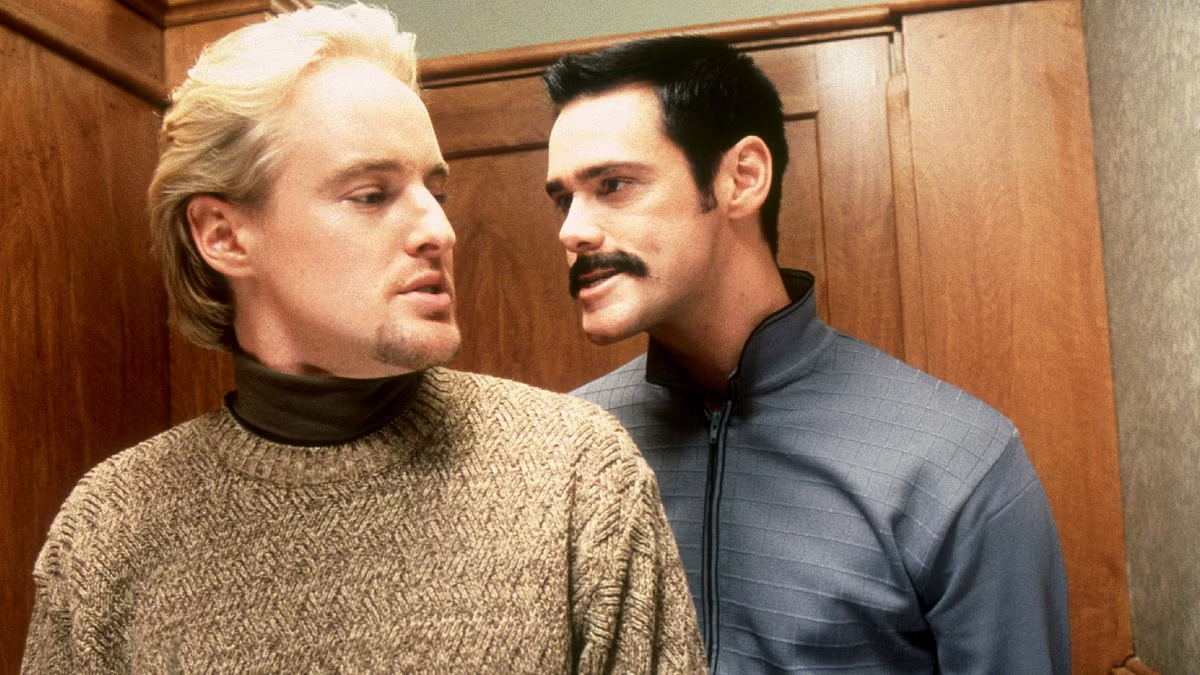
Like many people my age, my parents were a bit Jim Carrey’d out when The Cable Guy came around. Newspaper reviews and word of mouth likely solidified their stance on not wanting to pack up the family in the car for a day at the movies. So, I found it where it was always meant to be, on cable. Obviously in the TV edit, the language was toned down, but the brunt of the film was there and its impact shaped my taste in comedy from then on. I began to prefer the more acerbic Jim Carrey roles and it helped me to recognize and evangelize his depth in The Truman Show and Eternal Sunshine of the Spotless Mind. Those random times when I would catch the last half of the film I also developed a real interest in Matthew Broderick’s more prickly roles like Election or any time he teamed up with Kenneth Lonergan. The Cable Guy is a showcase of so much established and emerging talent that its legacy is undeniable.
The future of The Cable Guy needs to be written by the cable people who grew up watching and loving it there. It can’t remain in the hands of those that didn’t understand the feat that it pulls off. The barbed wit, the truly exceptional style of Ben Stiller’s direction, and the murderer’s row of talented actors and comedians who make the most of brief roles in the film make this a film worth revisiting. For those who haven’t seen it, or haven’t seen it in a while, it’s worth plopping down in front of the tube for a look at this gonzo take on friendship and the tabloid monoculture.