


It’s hard to explain the power of a film like Sorry, Baby to someone who hasn’t lived with trauma. To someone whose body doesn’t tighten when a door closes too loudly. To someone who has never flinched at the sound of a certain voice, or gone numb when a memory pops up like a trapdoor. The world can keep turning all around you, but if your body has memorized terror, time itself stops. You don’t move forward—you just survive inside the echo. You breathe in the after.
When I say this film hit me, I mean it in a way you don’t fully recover from. In the way that cracks you open and shows you the rot you thought you’d buried. I was thirteen when it happened to me—thirteen and alone and scared and still trying to understand who I was. On the paperwork, it said I was a boy. That’s what the legal documents showed, that’s what adults saw. But the truth was blurrier. I was figuring out I wasn’t just a boy, or maybe not a boy at all. I hadn’t found the language yet for girl, or nonbinary, or anything in between. I just knew I didn’t fit. And that confusion—that gendered space—was used against me. Exploited. Ignored. Erased.
They didn’t believe me. Not really. Because it wasn’t supposed to happen to someone like me. Because of that one word: boy. The way that word erased my pain, the way it gave people permission to look away. To call me confused, dramatic, hormonal. To say it wasn’t that bad. That boys don’t get r*ped. Or if they do, it’s not the same. That I should feel lucky, or I should shut up, or I should grow up and get over it. As if the violence done to me was somehow less violent. As if survival was a privilege I should be grateful for—never mind the wreckage it left behind.
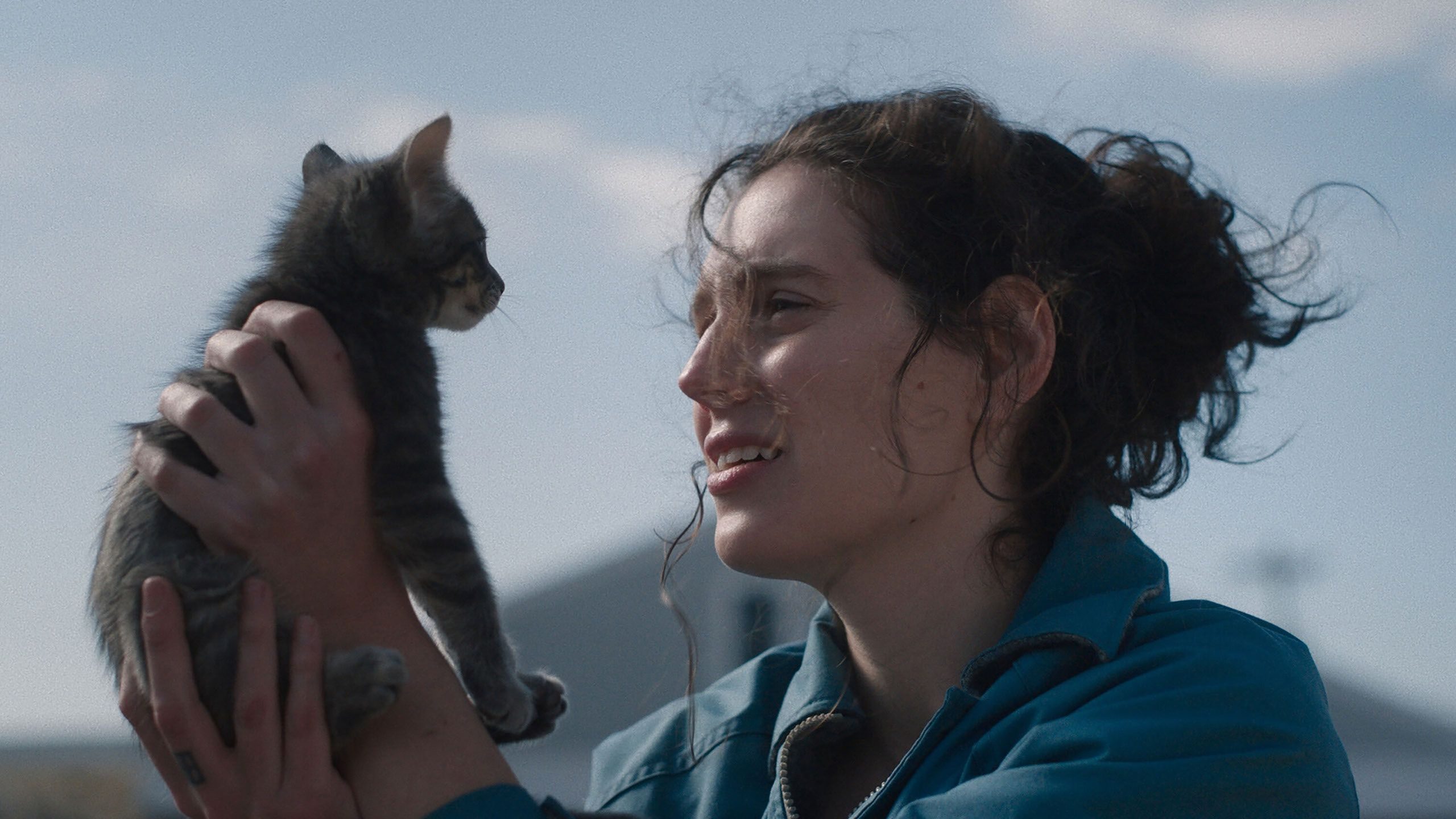
Sorry, Baby didn’t flinch from any of that. It stared straight into it—the ache, the systemic failure, the silent scream that trauma teaches you to swallow. The film didn’t just understand trauma. It embodied it. The kind of trauma that stays lodged in your skin long after the bruises fade. The kind that gets quieter, but never leaves. It’s there in the way you flinch from touch, in how you lock the door twice, in how laughter feels too sharp in your mouth some days. It’s in the way you vanish slowly from yourself without realizing it, until you don’t recognize your own face in the mirror.
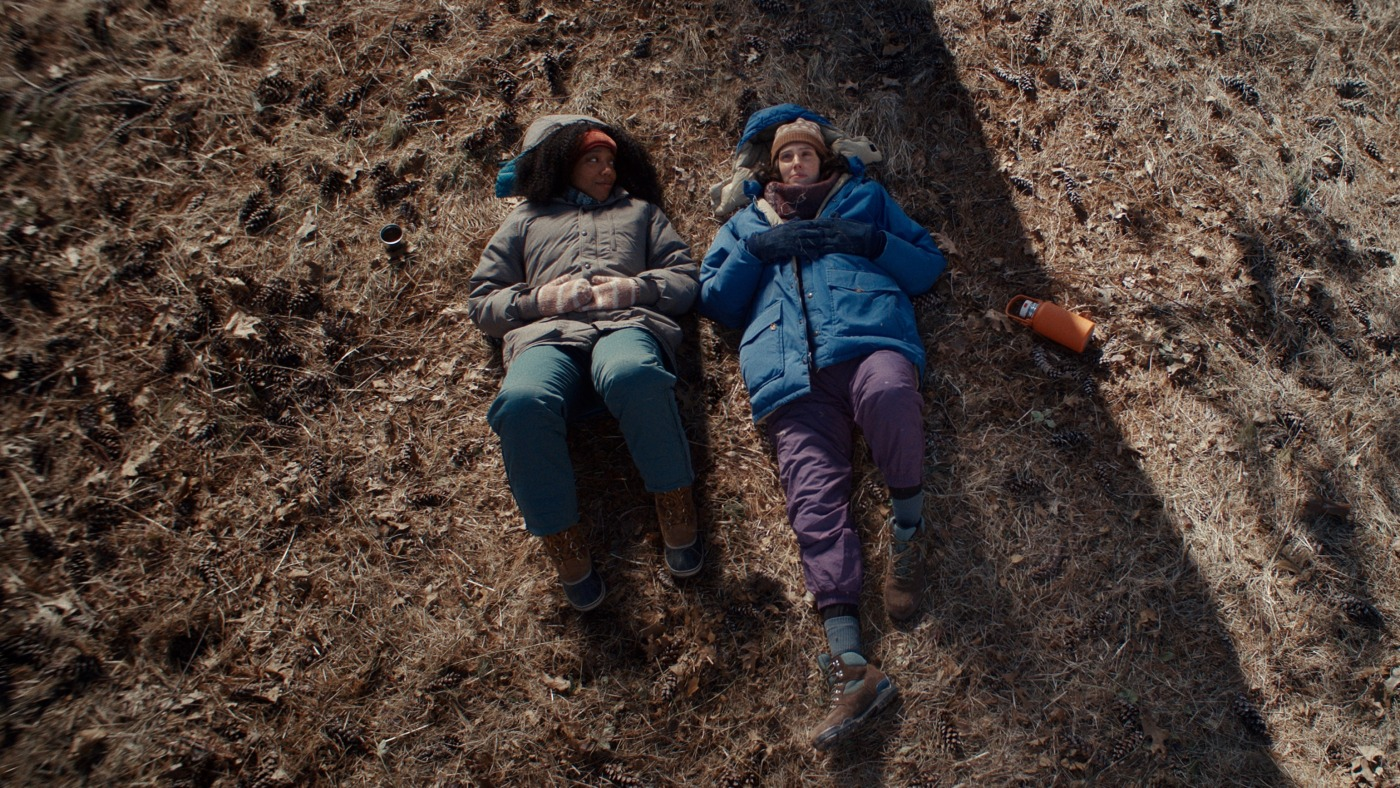
There are moments in Sorry, Baby that felt so raw I almost had to turn away. The way the camera lingered, not to exploit, but to witness. It didn’t need to dramatize the pain—it trusted us to see it. And in that trust, I felt something shift. For the first time in years, I didn’t feel invisible. I didn’t feel like my pain was some unspeakable thing. It was there. It was valid. It was mine. And no one could take that away.
I’ve watched a lot of films that claim to be about trauma. That throw the word around like seasoning, that treats it like a plot twist or a character arc. But Sorry, Baby knew better. It wasn’t about recovery. It was about surviving in the aftermath. About the days when getting out of bed feels like a war. About the silence that wraps around you like a coffin. About the people who look at you and only see what they want to see. Not the broken pieces. Not the bruises you keep beneath your skin. Just the performance of normalcy they expect you to give.
I remember how it felt to sit in the aftermath of what happened to me. I remember looking at my own body and feeling like a stranger had moved in. I remember wanting to scream and never finding the voice to do it. Every time I tried to tell someone, they found a way to rewrite the story. To make it smaller. To make it fit into a box they could understand. But I didn’t fit. And I was punished for that. My truth was inconvenient. My pain was too complicated. So they looked away. They all did.
The film understands what it means to carry that. To be marked. To be touched by something no one wants to talk about. There’s a scene—one I won’t spoil—that undid me. I felt my breath catch in my throat. I felt the tears come before I could stop them. And it wasn’t because it was sad. It was because it was true. Because for once, someone had put that truth on a screen and hadn’t apologized for it. They let it stand. Let it breathe. Let it hurt.
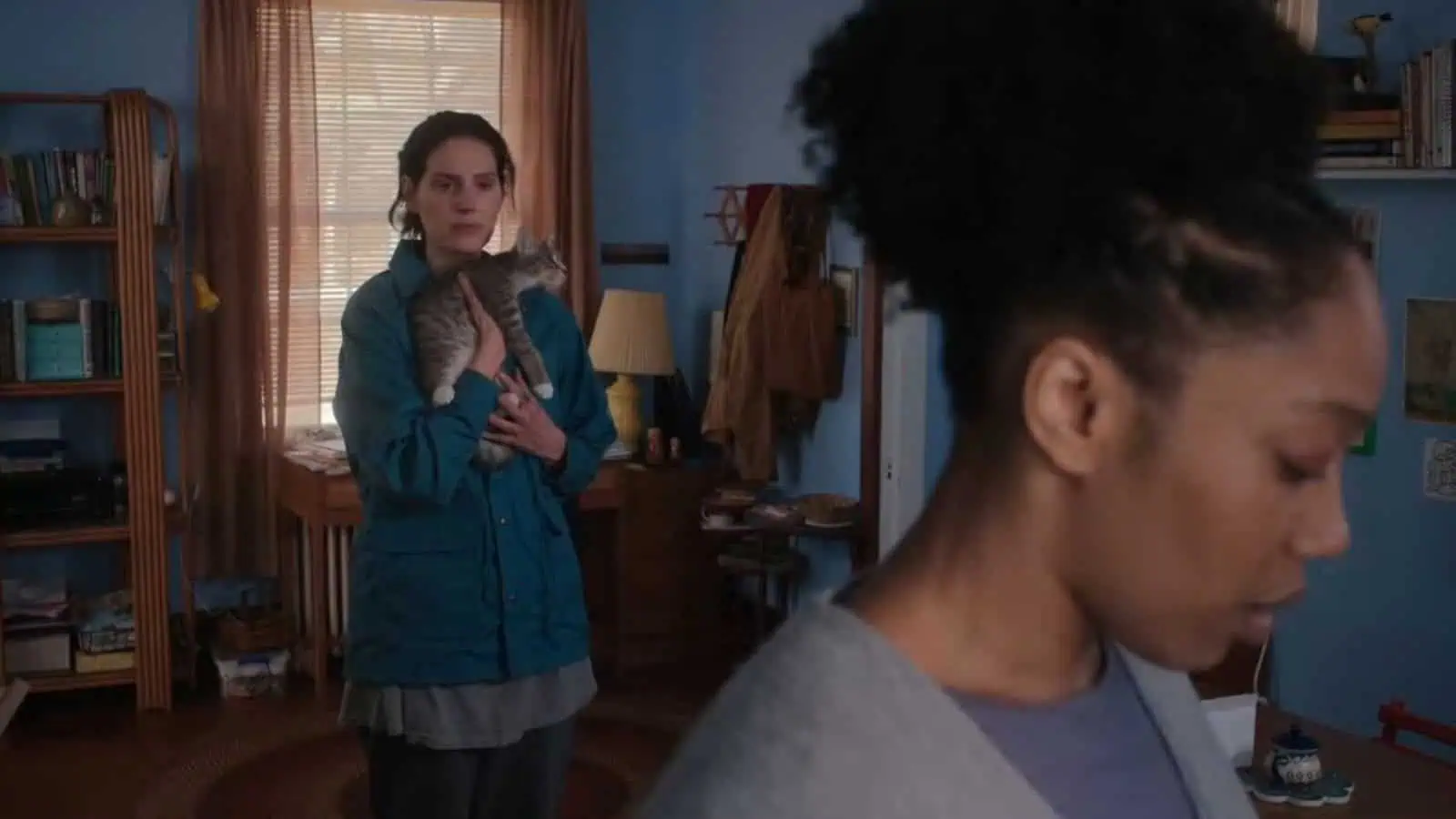
It made me think of how we talk about survivors. The way we only believe them when they perform their pain in a way that makes us comfortable. The way we demand they be perfect, broken in the right ways, soft enough to pity but not so angry that it makes us uncomfortable. But I was angry. I am angry. And Sorry, Baby gave me permission to feel that. To feel all of it. The rage, the grief, the guilt that was never mine to carry but somehow fused itself to my bones.
There’s a loneliness to surviving that no one really talks about. People think the worst part is the event itself. But it’s not. It’s what comes after. It’s the silence. The isolation. The way you look around and realize no one sees you the same. Or worse—they don’t see you at all. You’re just noise to them. A complication. A footnote.
When I was thirteen, I didn’t know how to explain what happened. I didn’t have the words. I barely understood my own body. And the world took advantage of that. They twisted my silence into consent. They called me confused. Said boys couldn’t be victims. That I must’ve misunderstood. Maybe I made it up. Maybe I was trying to get attention. And because I hadn’t figured out how to articulate who I was—because I didn’t yet have the courage or vocabulary to say, “I’m not a boy, not really”—they used that confusion as proof that I didn’t matter. That I didn’t count.
That’s the thing about being trans or nonbinary or anything outside the cis mold. People already think your body is up for debate. They already see you as less real, less worthy of protection. So when something happens to you—when someone hurts you—they don’t know what to do with that. They don’t believe it. Or they believe it and pretend they don’t. Either way, you’re left alone. Your body becomes a battleground. Your story becomes a threat.
I wish I could go back to that thirteen-year-old kid. I wish I could tell them that their pain was real. That it wasn’t their fault. That being confused about your gender doesn’t make you weak, doesn’t make you a liar. That people failed you not because you weren’t believable—but because they were too cowardly to face the truth. Because seeing your pain meant admitting what they allowed. What they ignored.
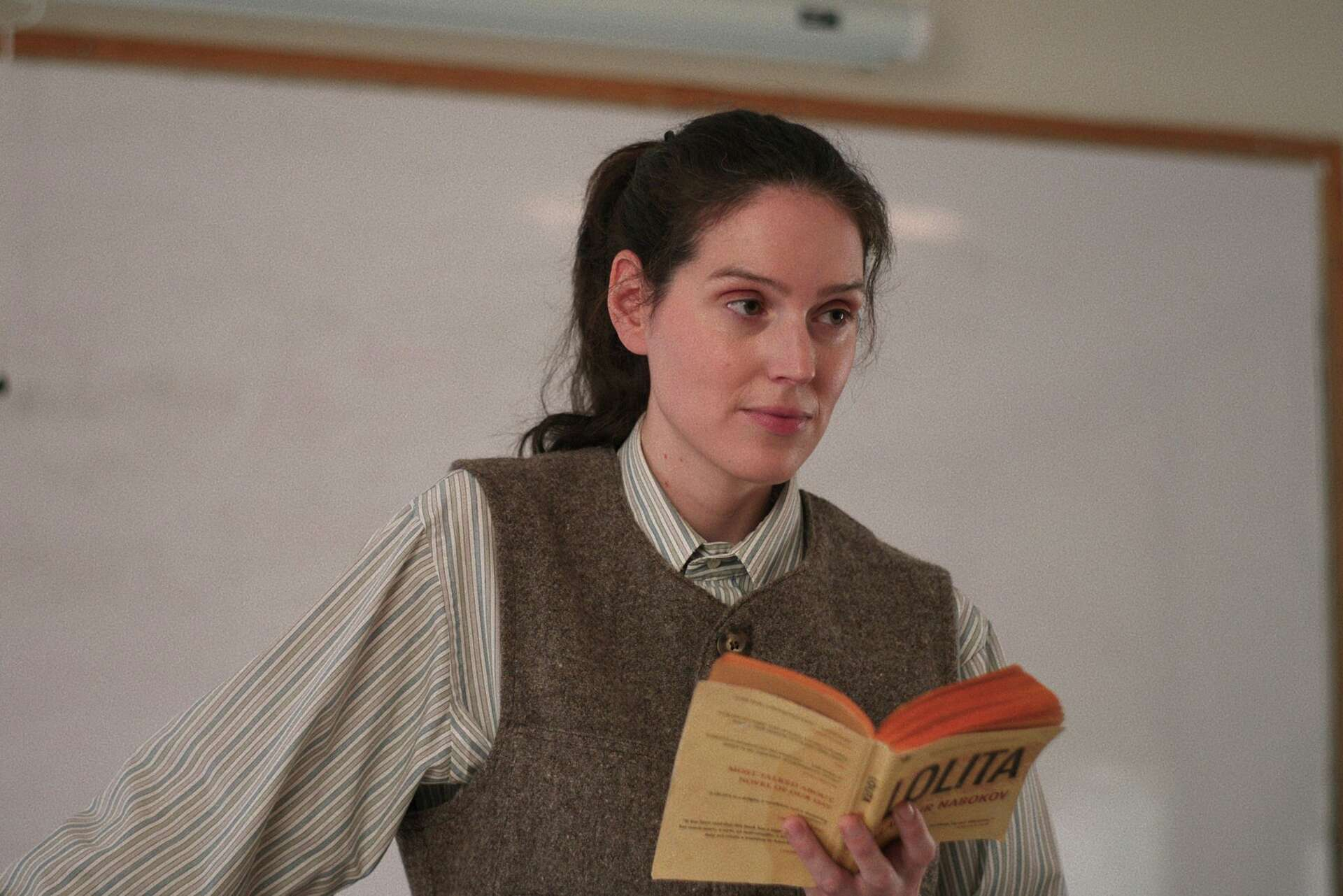
Watching Sorry, Baby, I felt that kid in me exhale. For the first time, I felt like someone had seen them. Like someone had whispered back across time, “I know. I believe you.”
This film isn’t easy. It’s not comforting. It’s not meant to be. It’s meant to make you sit with discomfort. To feel the weight of it. To see the person behind the trauma—not as a cautionary tale, not as a statistic, but as a human being, full and fractured and still here.
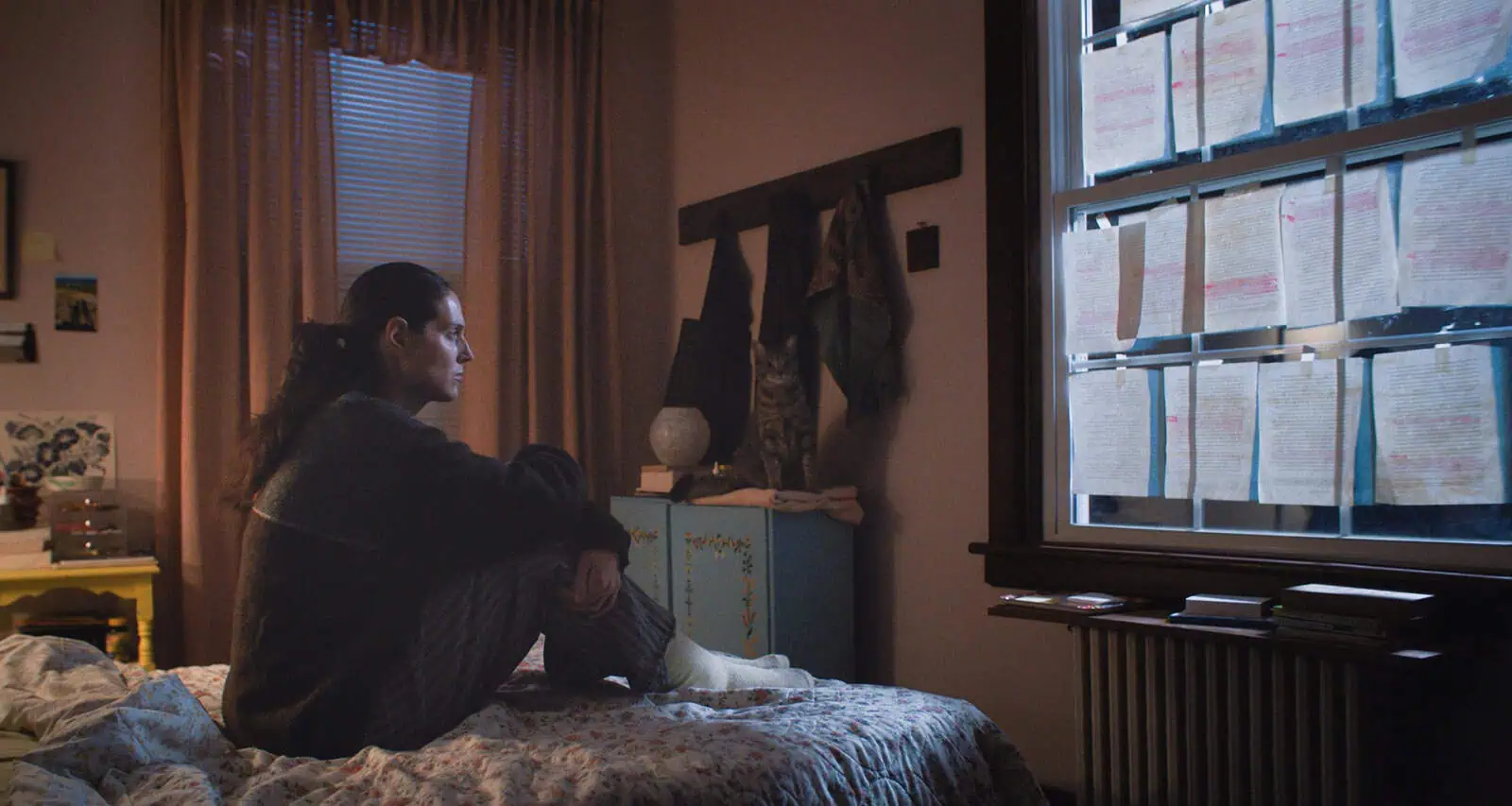
There’s a scene in the film where the character just sits in silence. The world moves around them, but they’re still. Haunted. And I saw myself in that stillness. In this way time can fracture after something breaks inside you. How the world keeps moving and expects you to keep up, but you’re stuck. You’re suspended in the before and after. That scene didn’t need dialogue. The silence said everything.
People talk about healing like it’s a straight line. Like you go to therapy, take some meds, cry it out, and one day you wake up whole. That’s a lie. Healing is ugly. It’s nonlinear. It’s years of silence punctuated by sudden breakdowns. It’s laughter that feels like betrayal. It’s joy that feels too big for your body because you’re not sure you deserve it. It’s being terrified to be touched, and then aching for it all at once.
I’ve spent so many years trying to be okay. Trying to be what other people needed me to be. I’ve performed recovery. I put on a smile, said the right things, and convinced everyone I was fine. But I wasn’t. And sometimes I’m still not. And that’s okay. Sorry, Baby gave me something that nothing else had: permission. Permission to be broken. To not have all the answers. To live in the aftermath without shame. To carry my pain without having to justify it.
I think about that a lot now—how rare it is to see a story that doesn’t try to fix the trauma. That doesn’t offer false hope. That just lets it exist. That lets us exist, even in our messiness. Even in the tangle of what we survived.There is something deeply radical about that. Something tender and brutal and necessary. A quiet rebellion against erasure. A hand held out in the dark.
I don’t know if I’ll ever fully recover. I don’t think I need to. What I need is what Sorry, Baby gave me: space to be. To feel. To remember. To grieve. To rage. And most of all, to know that even if the world never believed me, even if they tried to silence me—I am still here. Still surviving. Still speaking. Still mine. And that is enough.
Because I believe me.
And maybe now, after this film, others will too.
Thank you, Eva Victor, for making this film. For telling the truth. For sharing it with me—and with all the ones who need it the most.