Directors: McKenna Harris, Andrew Stanton
Writers: Andrew Stanton, McKenna Harris
Stars: Tom Hanks, Tim Allen, Joan Cusack
Synopsis: Woody, Buzz, Jessie and the rest of the gang’s jobs are challenged when they’re introduced to electronics, a new threat to playtime.
Whether it’s James Bond, Fast and Furious, Saw, or the Rocky movies, sequels can’t deliver the exact same thing and expect audiences to jump at the opportunity. Filmmakers have to be able to shift the franchise in a direction that will feel fresh and exciting to their existing audience. Andrew Stanton’s Toy Story 5 might not reinvent the genre, but the message and impact more than justifies the film’s existence.
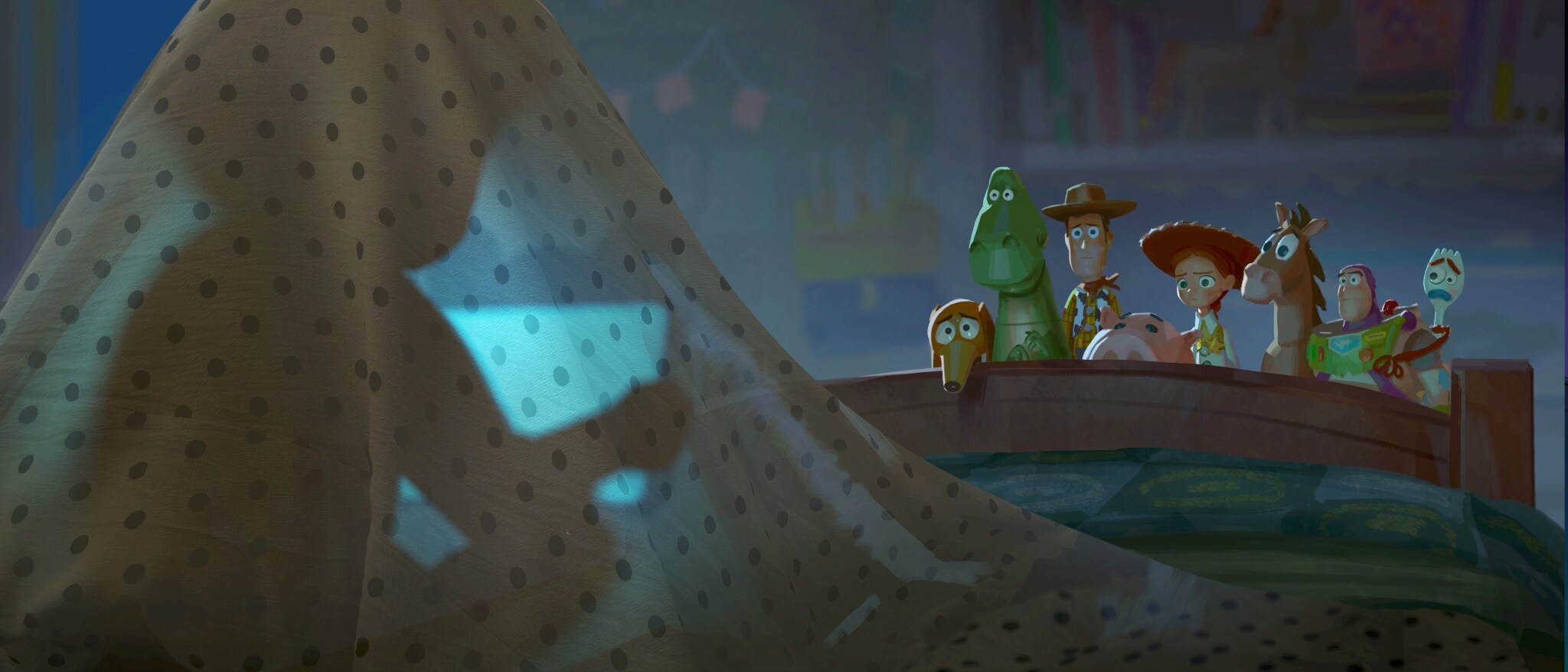
For the fifth entry in a very well-known and commercially profitable franchise (over $3 billion for the first four films), the filmmakers are more than willing to take some chances while still keeping relatively close to the formula they have created. While many of the characters are sidelined for a good chunk of the film, the core group is still intact. It’s as big of a swing the filmmakers could take while still remaining true to the brand, while keeping their core group of fans serviced.
After all, this is still a Disney movie. The Mouse House isn’t about to let a multi-billion dollar franchise run amok with too big of ideas. And Stanton (the co-writer of the four previous films) isn’t about to potentially poison the well with something to alienate a very well-established base of moviegoers. That being said, this is not a cowardly film. The message resonates and doesn’t make any sort of grand statement on the state of child development or device proliferation. It’s not taking any real stands, but I don’t see why we would expect that from the fourth sequel to a 31-year-old film.
The film’s plot focuses on the toys owned by young Bonnie. Led by Jessie (voiced by Joan Cusack) with Buzz Lightyear (Tim Allen) as her second-in-command, the toys attempt to bring Bonnie out of her shell and interact with other kids. Bonnie’s parents recognize her seclusion and buy her a tablet named Lilypad (Greta Lee). Bonnie’s infatuation with the tech leads the toys to believe their time has come to be replaced.
Jessie still wants Bonnie to interact with kids face-to-face, while Lilypad arranges a playdate. Jessie and Bullseye get lost on the way and end up at the home of Jessie’s former owner. Jessie aligns with tech toy Smarty Pants (Conan O’Brien) to reconnect with Bonnie, while Woody (Tom Hanks) returns to the room to find Jessie and help put a stop Lilypad’s schemes to replace the toys.
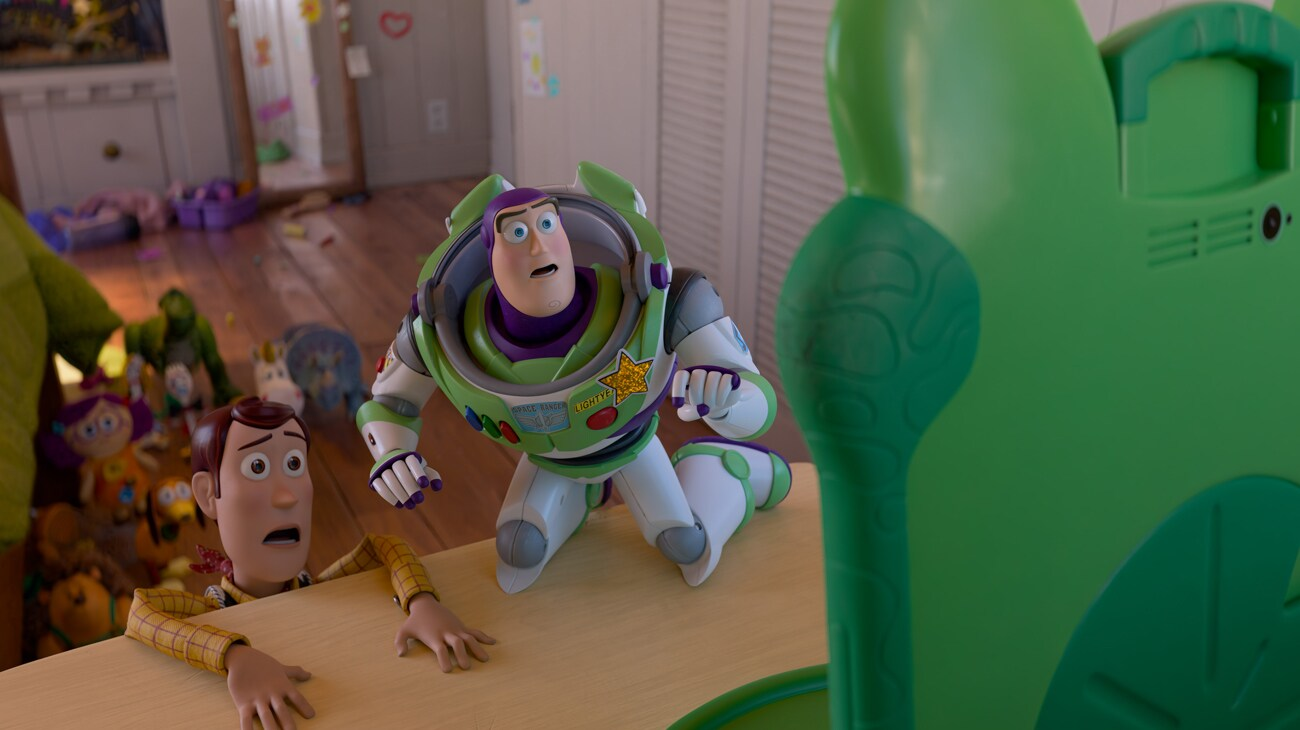
The Toy Story films have always been about more than just a group of toys coming to life when kids aren’t looking, and this one is no different. The introduction of tech to young impressionable minds is at the top of mind for the filmmakers, but played with a deft touch. You can very easily see a version of this film that frames technology as a pure evil or at the very least a nuisance. The film begins that way, but slowly unravels a truth about prejudice and harmony between the analog and the digital. It’s a nice balance between making a point to parents without going over the heads of kids.
There are other themes that the film touches on but doesn’t explore too deeply, such as prejudicial thinking, alienation, bullying, and child anxiety. These are all lightly approached, but never drilled down on. This is where the film lands in that middle ground. The idea of a child being unable to make friends is a big theme, but that is tempered by the adventures of a group of shipwrecked Buzz toys. The film wants to be both a vessel for nostalgia while approaching bigger ideas. It never dips too much into the nostalgia to be annoying, but it also never explores the ideas enough to be transcendent.
But, at the end of the day, this is a kid’s movie. People like me might have been a kid when the first film came out and now are bringing my own children to the theater, but it’s still squarely aimed at a younger audience. There is a loosely connected subplot involving a group of factory-setting Buzz toys that seems solely intended to fix the plot when needed. Along the way, they do the usual “Star Command” and “Emperor Zurg” pronouncements. It’s all light comedy for the sake of simple comedy. Without this subplot, the film might flow much better, but it also would write the film into a corner.
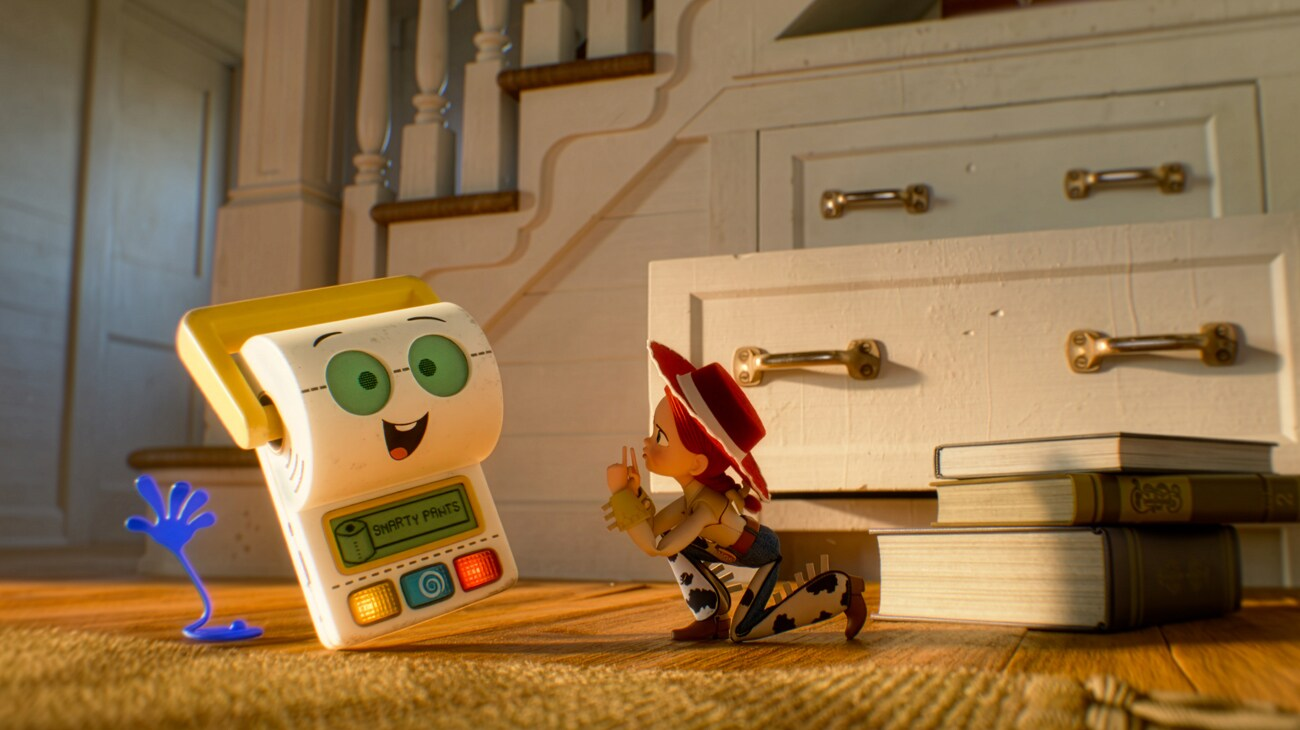
All of it barely matters, because the things the film puts narrative focus on gets all the attention. The push-pull between Lilypad and the toys sucks up all the thematic air. Again, this is a kid’s film for kid attention spans. They don’t want to overdo it. One big theme is enough. More than anything, this is a Jessie movie. If you like Jessie as a character, this film should be up your alley. If Jessie isn’t someone you particularly like watching, this is a tough ask. For the first time in the series, Buzz and Woody become secondary to the plot. Jessie’s abandonment issues from the second film continue to linger in the fifth film.
All the voice actors continue their long and storied history of character excellence, with Cusack getting the star role this time around. Lee is a nice addition to the film, increasing the tambor in her voice to nail the deadened nicety of an automated device. O’Brien similarly does not default to his usual voice and delivers a nice performance of zany chaos. Craig Robinson and Shelby Rabara also do a nice job in their debut roles.
Toy Story 5 is exactly the kind of slightly-better-than-middle-of-the-road film Disney wants to give you. It won’t break the mold, but it shouldn’t annoy parents too much. It’s a fine entry in the franchise, just without the emotional highs of some of the previous installments.