



Director: Osgood Perkins
Writer: Nick Lepard
Stars: Tatiana Maslany, Rossif Sutherland, Birkett Turton
Synopsis: Liz and Malcolm escape for a romantic anniversary weekend at a secluded cabin. When Malcolm suddenly returns to the city, Liz finds herself isolated and in the presence of an unspeakable evil that reveals the cabin’s horrifying secrets.
Osgood Perkins has been on a bit of a hot streak with Neon as of late, with a sleeper hit in the gritty noir that is Longlegs, to his cartoonish dark comedy lean in The Monkey. It seems that he’s found his stride with the distribution company despite the hit-or-miss nature of his films. Perkins’ latest feature, Keeper, is arguably his most stripped-back, slow stab at the horror genre since The Blackcoat’s Daughter, a fairly simple setup of a premise unveiling the layers of its horror as it goes on. Unfortunately, Keeper lands on the weaker side of Perkins’ filmography as it struggles to capitalize on any of the intrigue it has going for it. Perkins is no stranger to abstract artistry within his visuals, and that remains true in Keeper, but they’ve never been this substanceless, adding nothing of value to the film’s atmosphere, and by its end, it rushes to the finish line to explain away all its mystery. Despite any interest it may have garnered, Keeper is all intrigue and no substance. This slow burn only burns more wheels to spin through the film’s runtime, cementing itself as one of Perkins’ worst directorial efforts.
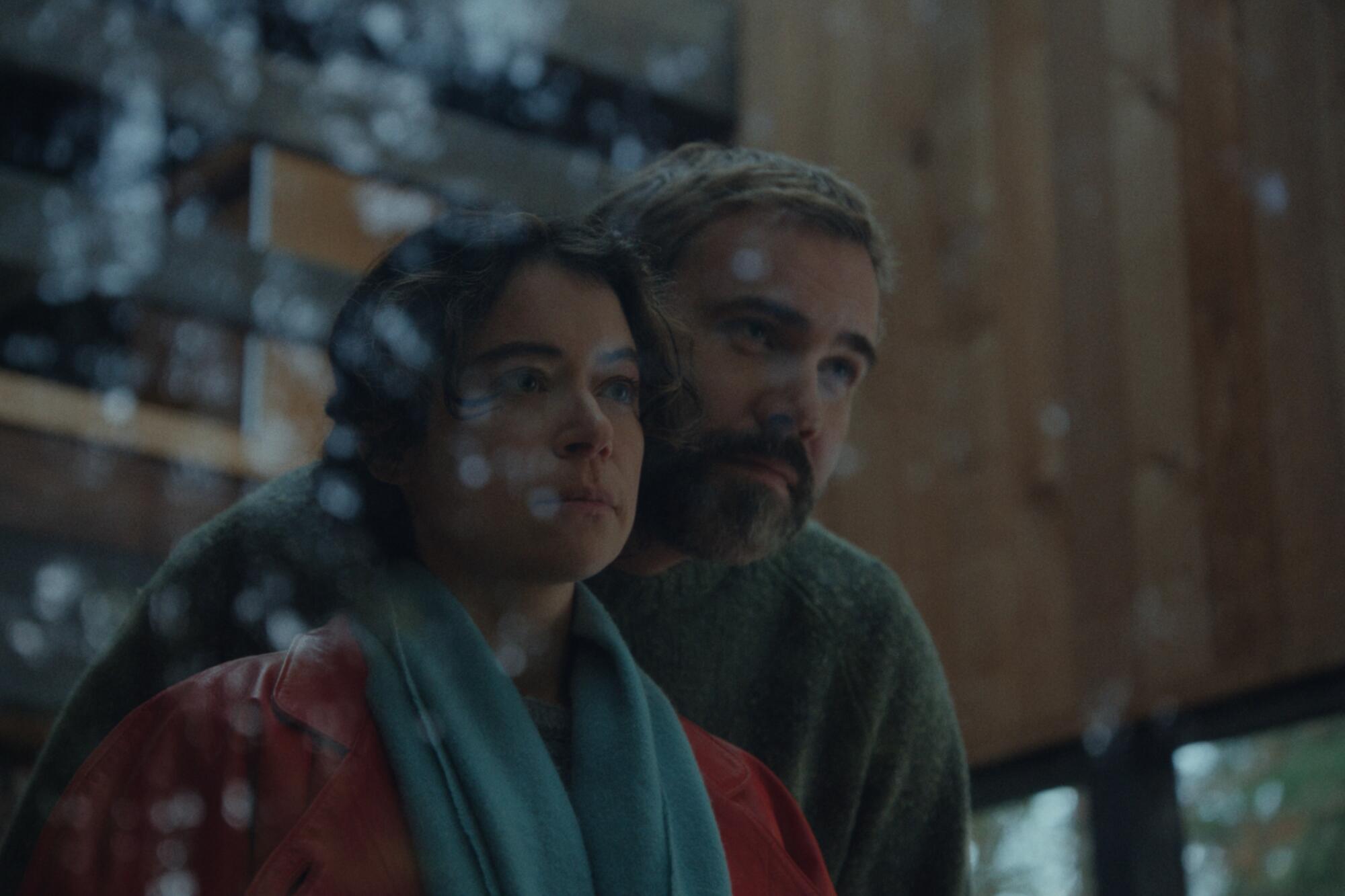
After a montage of women being shown to us in quick succession, being tortured and preyed upon in quick POV shots, the movie begins from the perspective of Liz (Tatiana Maslany) and Malcolm (Rossif Sutherland). The two have been dating for a bit and decide to go on a trip to a cabin Malcom owns in the middle of the woods. Aside from the occasional visit of annoyance from his cousin Darren (Birkett Turton), Malcolm mostly tries to keep Liz company. However, as the days pass and Malcolm starts to leave her in the cabin alone, Liz comes to learn of the dark secrets that reside within the cabin and how she and the previous victims within it are all connected.
Even with its extremely typical setup within the genre, Perkins does give Keeper a few merits of sorts. One element Perkins has always been able to accomplish behind the camera is providing an eerie atmosphere and image of locations within his more dread-filled horror, and the film is most effective at this when it starts. From his use of dissolves, multiple angles of the cabin to make it truly feel alive, even the horrific designs of the film’s creatures, Perkins has a knack for scary imagery, and it helps when Maslany sells every moment of terror and mystery in an incredibly captivating performance.
Unfortunately, the longer Keeper goes on, the more its problems start to increase. No matter how many surreal shots or scenes of tension Perkins crafts, the film, despite its 99-minute runtime, starts to drag early on. Slow burns within the genre tend to vary from each film in terms of effectiveness, and Keeper’s repetitive usage of quick creepy shots and quick succession, and what was effective at first is tiring less than halfway through the film. To top it all off, as the film enters its last third, there comes a staple of some Osgood Perkins movies, which is explaining everything that’s going on in the mystery within rapid-fire succession. Sometimes it’s more effective, like in Longlegs’ storytime, telling of its final reveals, but it’s where this film completely deflates. It’s unfortunate, considering this final section of the film is where the shot composition and creep factor are truly striking, but it’s never enough to dispel how disappointing the initial reveal is.
There’s also something to be said about how little the film decides to delve into the darker subject matter it initially presents of generational trauma inflicted upon women. In addition to Nick Lepard’s lackluster reveals within his script, as the film slowly unveils itself, there’s never anything interesting conveyed about this theming at all. In the final scene, Perkins’ imagery remains somewhat effective, but the script’s monotonous nature lets down any lasting impact that could’ve been left on the viewer.
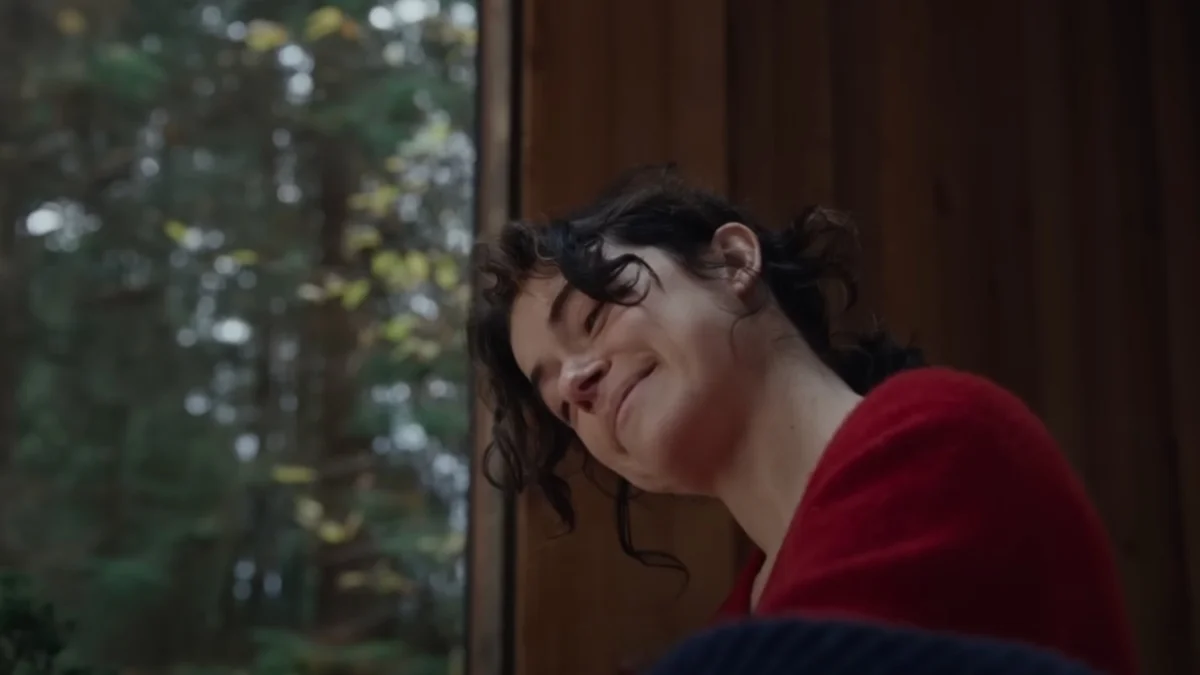
Keeper’s faults never make it a complete waste, but it certainly makes it a complete disappointment as a genre picture. Suffering from a tedious structure and sugar reveals within its final act, despite its occasional burst of creativity, Keeper might be the most alarming mode of picture an Osgood Perkins feature has ever been in, boredom.