


Director: Shannon Alexander
Stars: Ashley Roland-white, Javier Vega, Chris DeFlorio
Synopsis: A Brooklyn wife and mother of 5 who’s been beset by supernatural entities since the age of 11, attempts to rid her house of malevolent spirits now afflicting her children.
Documentary filmmaking has come a long way from traditional interview-driven formats. It now includes animation, reimagining, docufiction, experimental, immersive, and more. In her second documentary feature, director Shannon Alexander brings to the forefront a story of exorcism, a haunting, motherhood, and belonging.
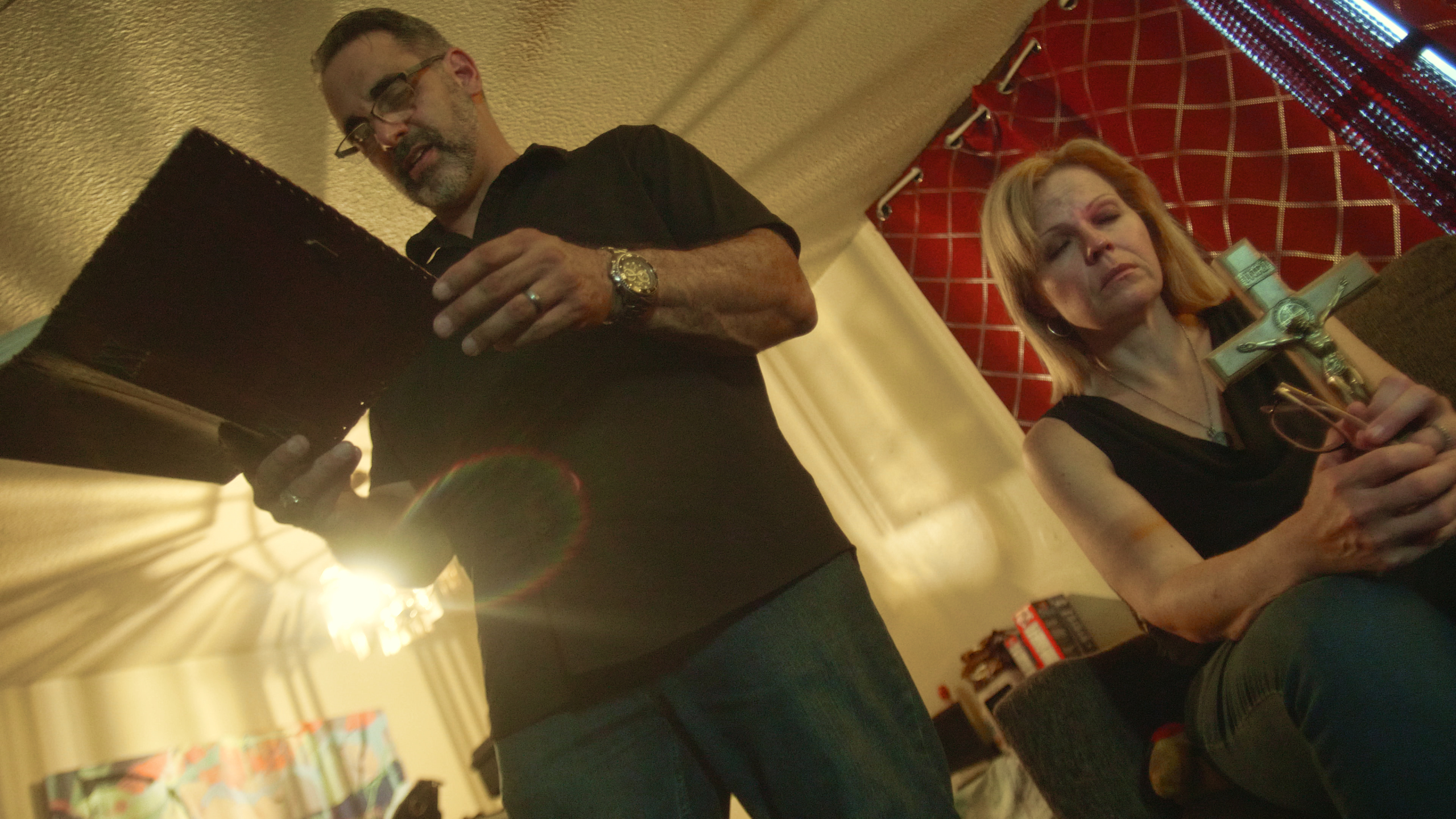
It’s Coming is a supernatural documentary about Ashley, a mother of 5 who has been haunted since she was a little girl. As she visits the family’s ancestral apartment in Brooklyn, she starts experiencing manifestations of strange entities and discovers that she passed down her transparency to the paranormal world to her children. Whether they are spirits or demons, Ashley seems certain about the nature of her hauntings, and enlists the help of local priests to resolve that issue for her. But as the viewers, we keep wondering what is happening. And when is the proper time to enlist the help of the Winchester boys?
This documentary presents the thrill of voyeurism, watching other people recount their scary experience, knowing I am safe and sound at home while they talk about their personal, supernatural horrors. It fills my critical heart with both dread and excitement. How often do we get a chance to peer at the suffering of others from a safe distance, while going on a safe ride with them from behind our screens? It’s both guilt-ridden but also pleasurable, and without an adept director, this would’ve been in shambles.
Alexander meticulously frames his subjects. The close-ups are powerful and statement-inducing. They transport viewers into each speaker’s eyes, which become portals into the terrified souls confronting something they cannot understand. He creates that mood of eeriness, an uncanny presence that sometimes presents itself as a documentary subject in the room, even if invisible to the naked eye. Having that kind of omnipresent existence and knowing how to capture it on camera, is a testament to his skill as a director and how it transcends space and time. His light and shadow play is also on point, using low-key lighting to create silhouettes and obscured faces in dimly lit corridors.
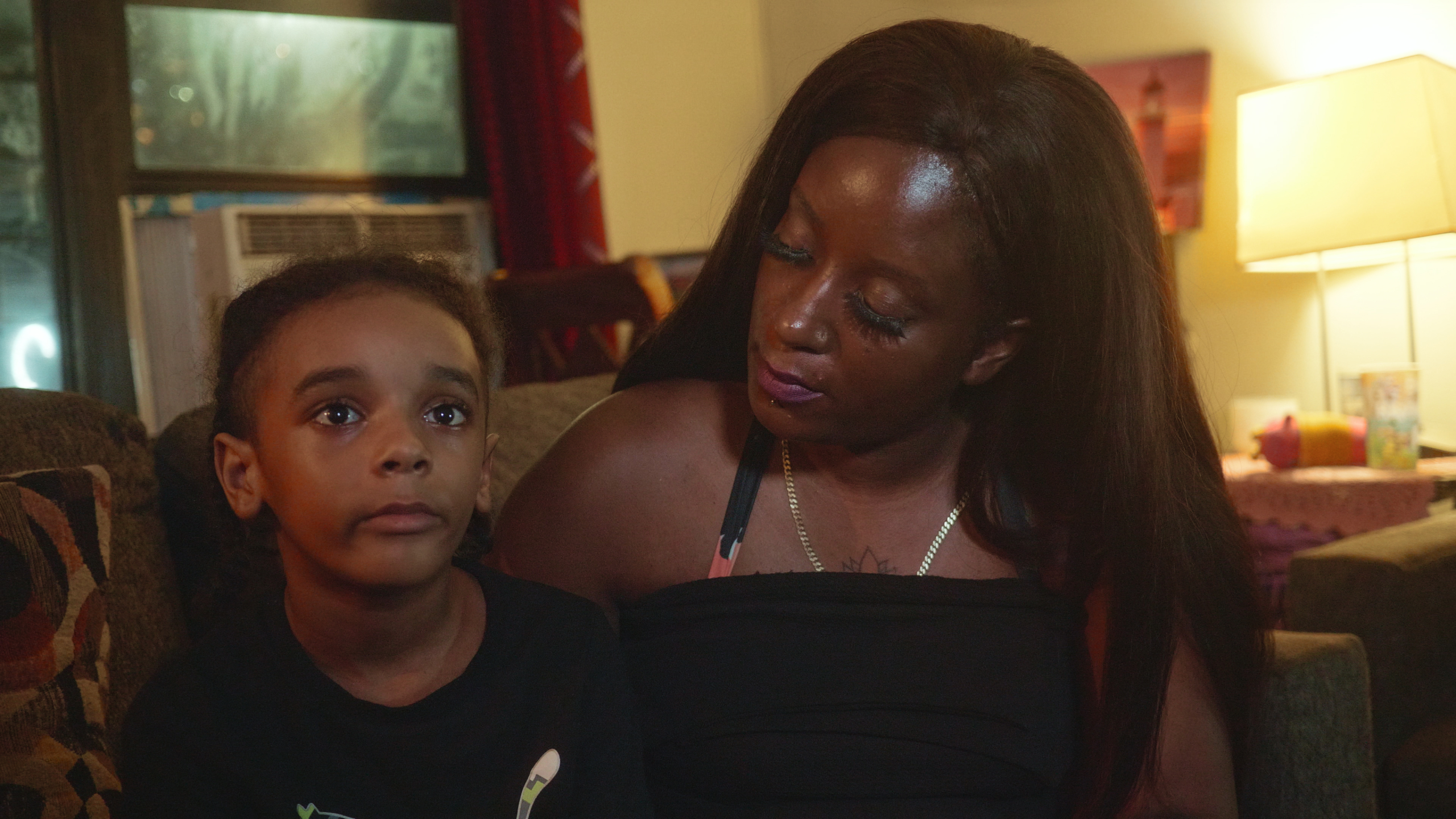
He interviews Ashley and three of her children, Javier, Alexis, and Selena. But what sets apart those interviews is how Alexander keeps the camera rolling, and makes each and every subject at ease. He sensitively handles subjects of different ages. Ashley’s voice can be heard in the background at all times, a detail that suggests how carefully he protects the children. This critical observation speaks volumes of how careful he is not to alienate those vulnerable children from the main safety figure in their lives: their mother, and it’s a testament to the importance of ethical documentary filmmaking, especially when dealing with sensitive topics.
But what is it about our tech-obsessed and digitally-driven modern life -now increasingly shaped by our enslavement to highly intelligent machines- that attracts such belief and attention? What is it about higher powers and supernatural apparitions that continues to pique people’s curiosity when they can throw whatever they’re concerned about in the mouth of their loyal AI companion? Is it the remaining survival instinct from the Paleozoic era, still ingrained into our subconscious? Or are people slowly losing faith in technology as the ultimate savior from the unknown, thus returning to the instinctive search for answers beyond the rational scientific.
Even though it sounds difficult to explain, It’s Coming truly terrified me. Why so? I’m not one of the Vega kids and I haven’t had a profound experience like them, but as a firm believer in the paranormal, and a recurrent guest of chance encounters with the other side, the film left me wondering about the inhabitants of our universe. Does every corner in our houses contain a spirit, a lost soul wandering those dark corridors at night? Or are we projecting our fear of the unknown, and our incapability of dealing with grief, loss, poverty, and sickness on fragments of the deadly macabre?