



Director: Radu Jude
Writers: Radu Jude, Octave Mirbeau
Stars: Ana Dumitrascu, Mélanie Thierry, Vincent Macaigne
Synopsis: A young Romanian woman living in France works for a French family and joins a theatre company who are adapting Octave Mirbeau’s “The Diary of a Chambermaid.”
Modern provocateur and one of the most fascinating directors working today, Radu Jude has used his latest films as conversational pieces with acclaimed novels and international films about European society and its enduring turmoil over time. Do Not Expect Too Much From the End of the World creates a parallel portrait with the 1980s Romanian picture Angela Moves On on how the world, particularly Romania, has changed as politicians strip people of their human rights and the means by which technology and social media have overruled our daily lives, becoming a parasitical entity that eliminates tradition and erases history. It is a tale of two films, both connected in the roots of a country that holds its citizens in a chokehold.
Tricky as it may sound, Radu Jude manages to construct a picture that is not only intelligent and witty but also incredibly thought-provoking, showing that things aren’t that different from forty years ago. Then there’s Kontinental ‘25, where Jude references Roberto Rossellini’s Europa ‘51. In the 1951 film, the Italian filmmaker explored how we can make the world a better place by sticking together and helping people who are rejected by society. Now Jude uses it to show us how our decisions have a less humanitarian sensibility–our inclination to help doesn’t overrule our own ignorance and selfishness. Then there is Dracula, in which he delivered a three-hour dissertation on generative AI and the vampirism of capitalist societies through the lens of Bram Stoker’s classic novel and its ties to Romania.
The film is outlandish and provocative in ways only Jude’s cinema can, creating manic scenarios through the vampiric figure that leave you both drained and entertained. Jude has recently announced a new film, titled Love Diptych, which is “in dialogue” with another Roberto Rossellini picture, L’amour, continuing this fascinating trajectory that breaks the mold of the original piece to construct something new and original. But before we get that, Jude has offered yet another discussion with a literary piece in The Diary of a Chambermaid (screening in the Quinzaine des cinéastes at the 2026 Cannes Film Festival). Here, Jude utilizes Octave Mirbeau’s novel to take more jabs at European social and political hypocrisies.

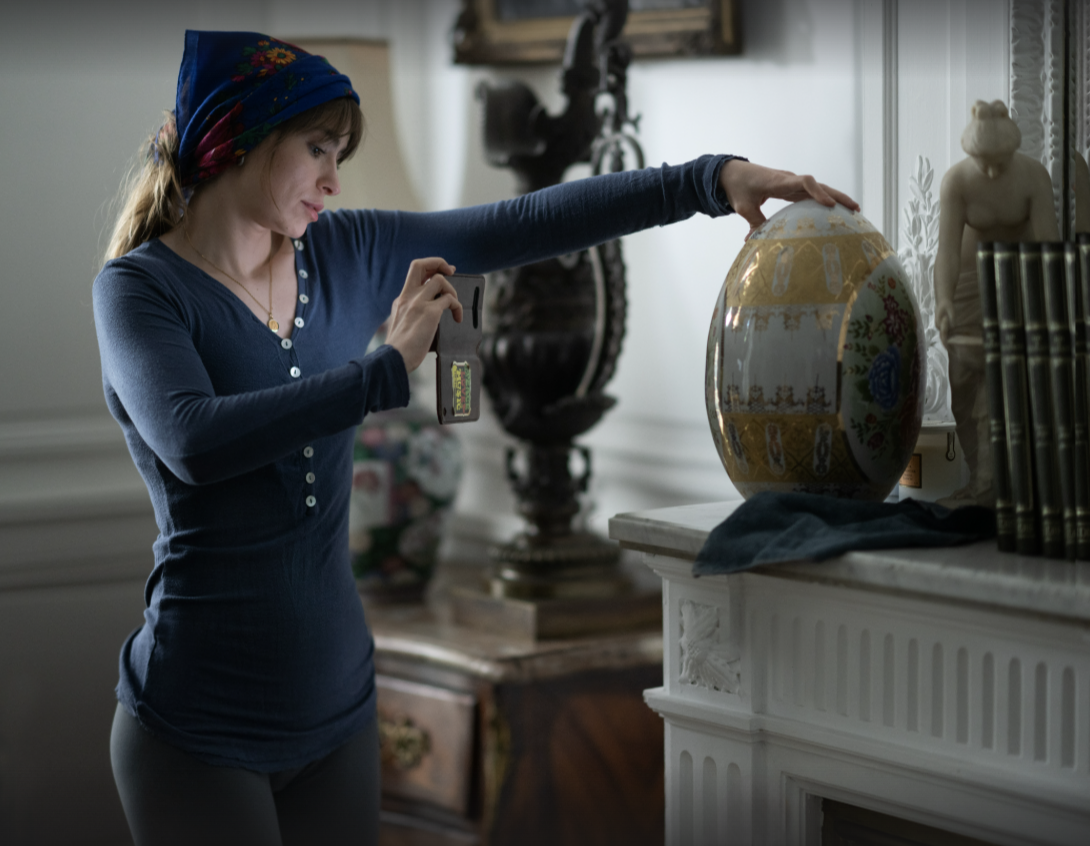
Like his previous works, this isn’t an adaptation or a remake of some sort. Jude simply uses the text to highlight his grievances and to showcase the contradictions of modern-day Europe, distancing himself from the various adaptations made by Jean Renoir, Luis Buñuel, and Benoît Jacquot. In Do Not Expect Too Much From the End of the World there were two women named Angela: the one in Jude’s film (Ilinca Manolache) and the one in Angela Moves On (Dorina Lazar). Now, the Romanian filmmaker once again opts for the duality between different versions of the same role. He uses the same woman (Ana Dumitrașcu) to play a chambermaid both in real life and in a theater production of the novel.
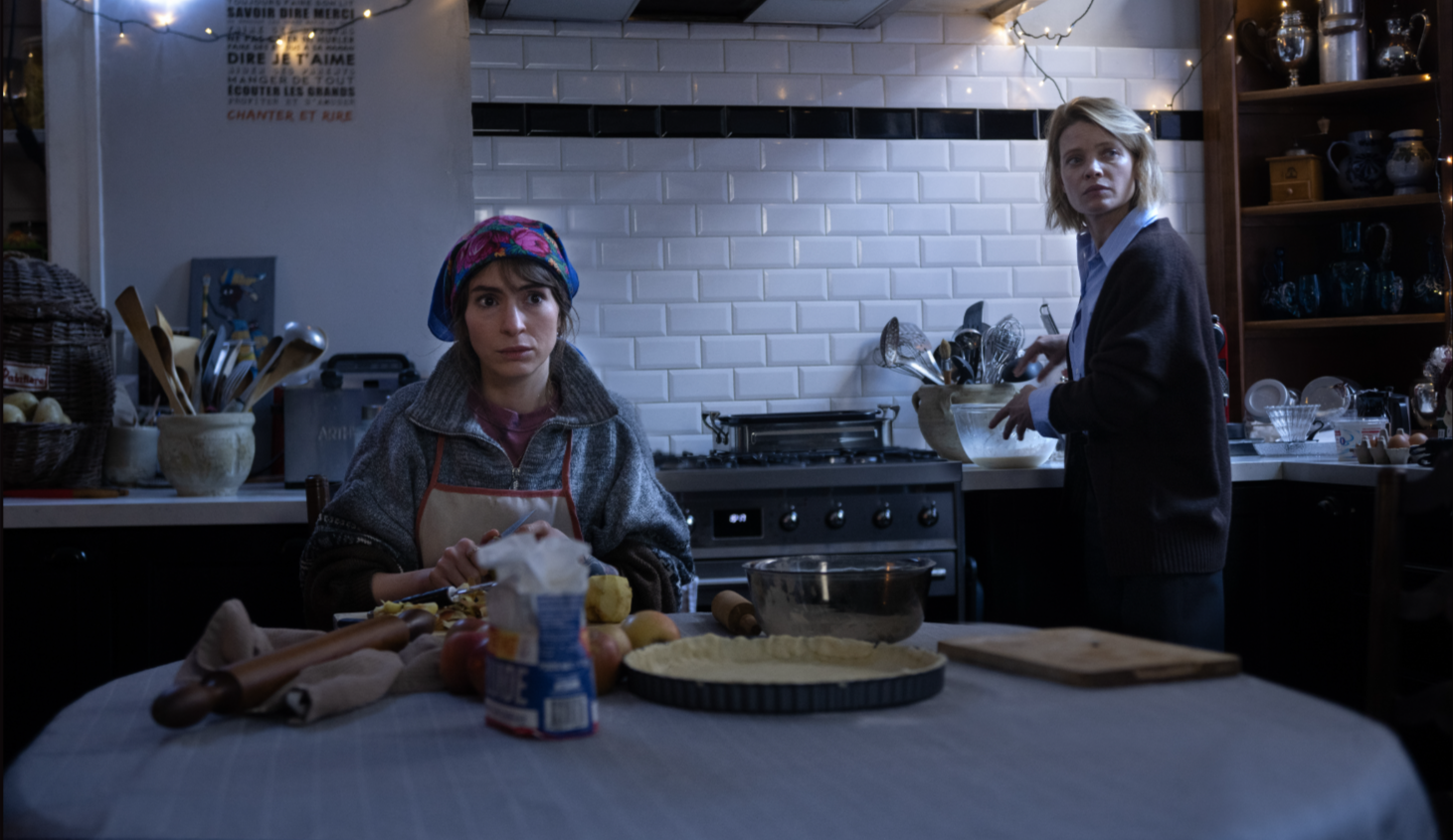
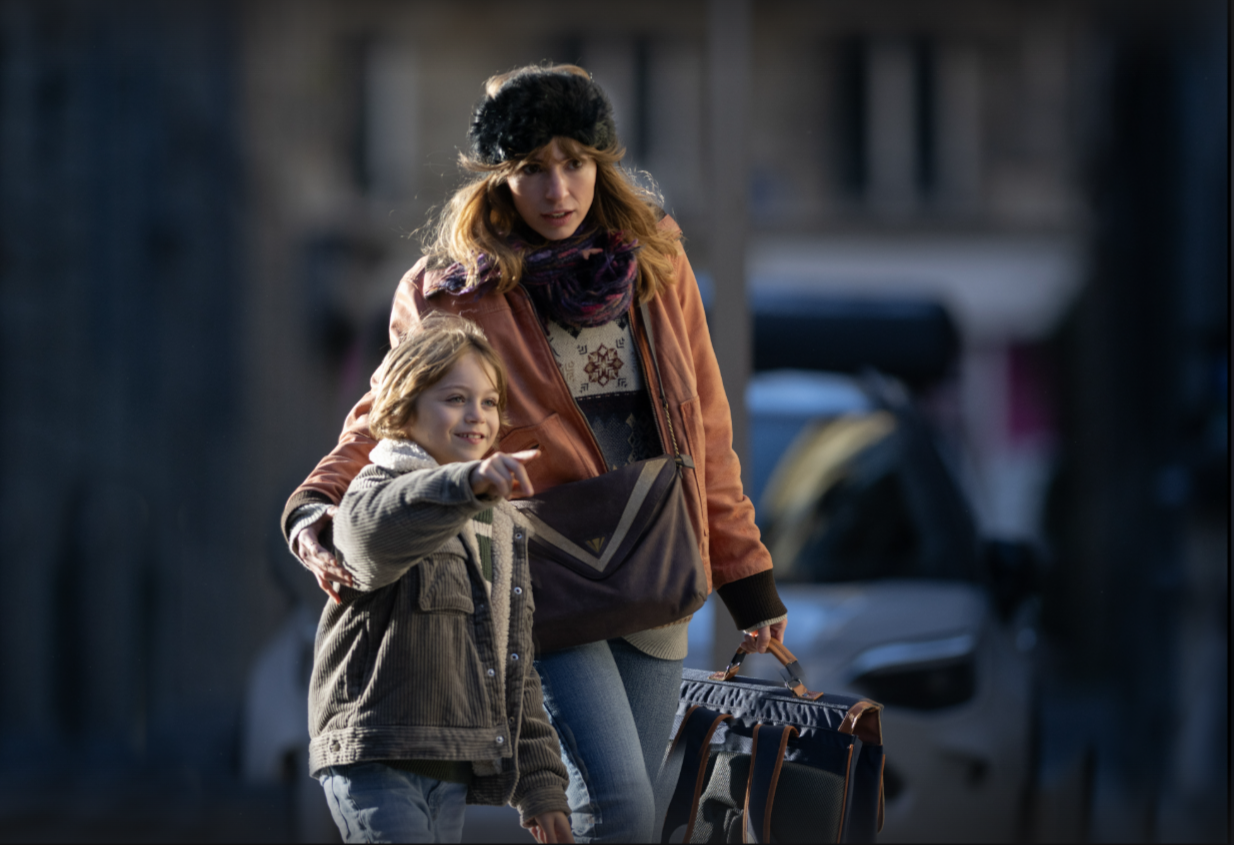
Her name is Gianina, a young Romanian immigrant who lives in Bordeaux and works as a housekeeper and nanny for a bourgeois family, the Donnadieus (Mélanie Thierry and Vincent Macaigne). Gianina has many duties in the house, but her main priority is taking care of the Donnadieus’ kid, while her own daughter lives back in Romania. Of course, Gianina is hurt plenty by the fact that she can’t be with her daughter, taking care of someone else’s, as she misses years of her life. She works days and nights just to settle down in France alongside her daughter, dealing with the rich family’s snobbish temperament. They treat Gianina well, but their superiority complex irks her vastly.
For example, when the Donnadieus have their lavish, wine-drowned dinners, she is brought up to comment on how her life was back home–using her struggles and her country’s predicaments as a sort of amusement–or social topics like the ongoing wars. The Donnadieus have a stereotypical view of Eastern Europeans and use Gianina as the token symbol of that mentality. As an “escape” from those predicaments, Gianina takes part in an amateur theater production of “The Diary of a Chambermaid,” playing a maid both on stage and in real life–fiction and reality once again in Jude’s cinema, creating parallels that blur performance and lived experience. This casting becomes an extension of the social position imposed on her.
Labor and identity have collapsed under the gaze of those who employ her. Class hierarchy has scripted her existence to the point where self-expression becomes part of her servitude to the Donnadieus or to her acting troupe. Everything fractures for Gianina when her chances of going home for Christmas deteriorate. Her wish is denied, and what follows are the chronicles of Gianina’s surroundings, full of ignorance and deceit, all conveyed through Jude’s honest, satirical remarks in his hilarious, smart script. The film is structured like a diary reading, chronicling Gianina’s life via vignettes dated from September to Christmas Day. Her life consists of many uneventful days, highlighted by FaceTime calls with her vulgar daughter and rehearsals for the stage play helmed by Jude alum Ilinca Manolache.
In each of these scenarios, Jude prompts acidic commentary on the progressive Europeans who talk about change in the anti-immigrant systems surrounding the world and vow that they see no differences between them and the Eastern Europeans. Still, their actions say something different, contradictory in essence. Their language becomes a shield for the same prejudices they claim to reject. It is all repackaged through politeness and intellectual posturing. Jude exposes the way solidarity collapses when class is threatened. But he also doesn’t leave the Romanians out of it either. He criticizes the lack of knowledge of their native country with a coldness that cuts through nostalgia and national pride.
The detachment from their own history mirrors the indifference of those who exploit them abroad. In Jude’s view, displacement begins long before migration. It begins when people lose their grasp of the realities that shaped them. The Diary of a Chambermaid comes packed with cruel, hilarious jokes from Jude and his dedicated cast of stars on the rise. As with most satire, beneath the humor and hilarious quips lies a pointed anger and preoccupation. Every laugh Jude draws from you has a truthful sting, prompting the audience to confront the harsh reality embedded in each joke or quip. In Jude’s hands, comedy can’t be separated from discomfort, for which he exposes civility in the present day in manners that no other filmmaker has done in the past couple of years.
Even if he is churning out projects at a rapid pace, much like Hong Sang-soo, who tends to present one film a year (or more) at film festivals, the quality of Jude’s films doesn’t diminish in the least. He is acting fast and thinking smart, making each feature not only a timely response to the present-day political climate but also a sharp extension of his ongoing interrogation of history–whether cinematic and literary or cultural and societal–and of national identity. Each project has an urgency to it, without ever feeling rushed, carried by the precision of a filmmaker who knows when the right time is to tackle a specific subject. Radu Jude is already one of the most fascinating directors working today, but if he continues this high-caliber streak, can we begin to consider him one of the most important filmmakers of the modern era?